What to see
Visiting Sarlat-la-Canéda: What to See and Do in the Medieval Town
We may earn a commission when you book through links on this page, at no extra cost to you. We don't visit or try the places we cover: we summarize published sources. How we work
In short
- Half a day covers the main streets and sights; a full day lets you stroll, lunch unhurried and enjoy the town in the evening. Two to three nights work if Sarlat is your base.
- The big market is on Saturday morning and a smaller one on Wednesday morning; winter brings foie gras and truffle markets. Check dates with the tourist office.
- The medieval heart is largely pedestrian: park in a public car park on the edge of the center and arrive early in summer and on market days.
- Sarlat has a train station with connections to Bordeaux; for the Dordogne and Vézère valleys, a car is much more practical.
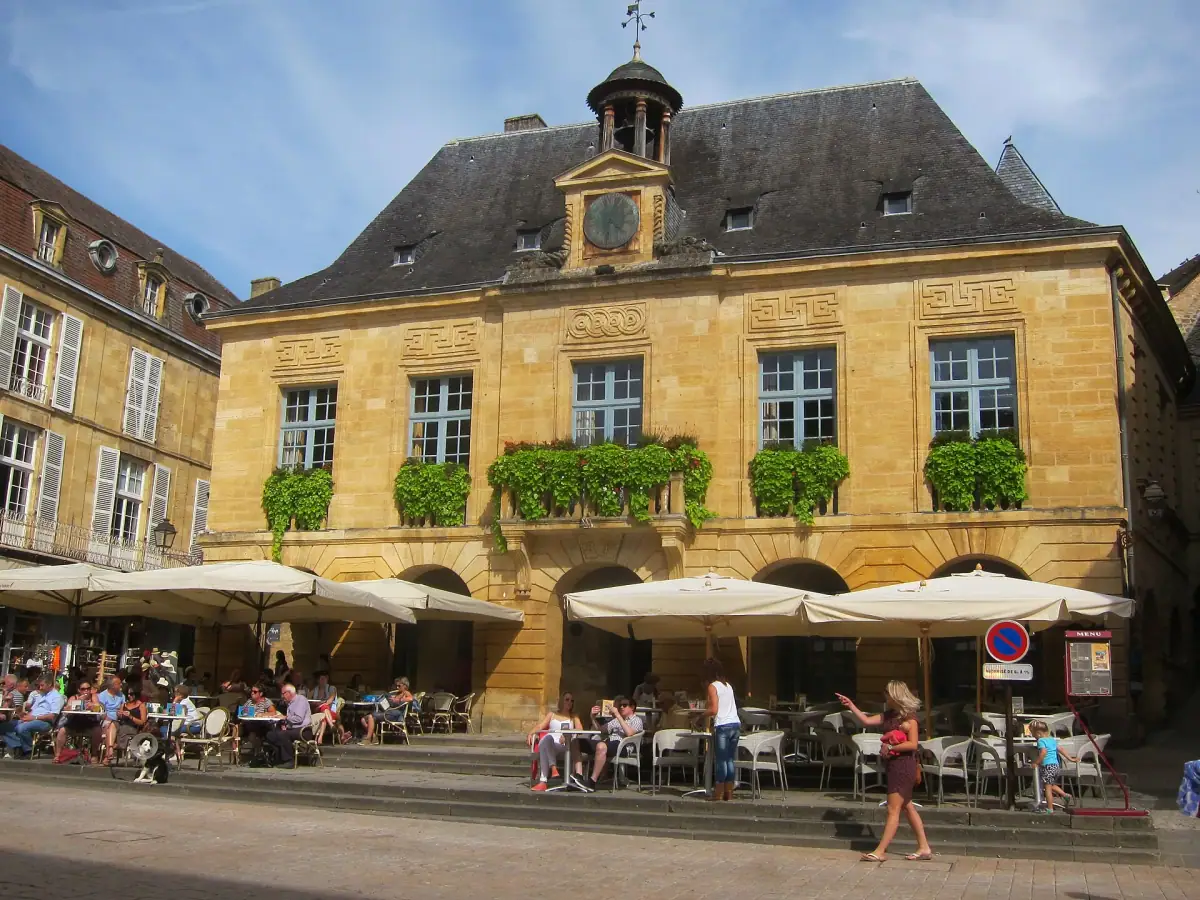
When you arrive in Sarlat-la-Canéda, the first impression comes down to one color: the honey of the limestone, which clothes hundreds of facades, turrets and lauze roofs. Capital of the Black Périgord, the town has kept a medieval and Renaissance fabric of rare coherence, to the point of being one of the first in France, in the 1960s, to receive protected-district status. Walking here means crossing several centuries in a few lanes.
This guide helps you organize your visit: the places not to miss, the logical order to cover them, the moments when the town is most pleasant, what to know about the markets, and the easy trips to combine from Sarlat. It deliberately mentions only well-known monuments and public places: hours, prices and opening days change from season to season, so check them with the tourist office.
Sarlat in brief: why visit
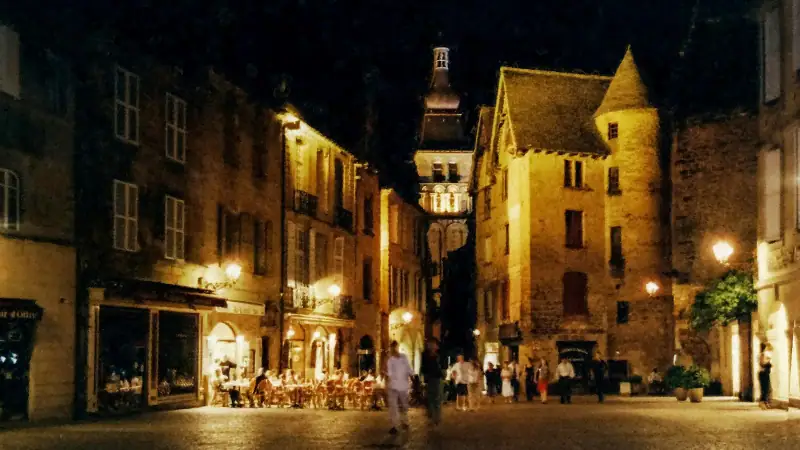
Sarlat grew around a Benedictine abbey, then prospered in the Middle Ages and the Renaissance thanks to its notables, magistrates and merchants. This past can still be read in the stone: mansions with mullioned windows, corner turrets, inner courtyards and spiral staircases. The old center, very compact, is easy to walk and holds its own against much larger towns.
Three reasons explain its success:
- Very uniform heritage: the restoration of the center, begun several decades ago, gave the facades back their original glow.
- A central position: Sarlat is the natural starting point for the Dordogne valley, the Vézère valley and its prehistoric sites.
- Authentic local life: markets, restaurants, local-product shops and festivals punctuate the year.
The downside is summer crowds. To enjoy the town, aim for early morning, late afternoon or evening, when golden light flatters the stone.
Where to start: Place de la Liberté and the historic heart
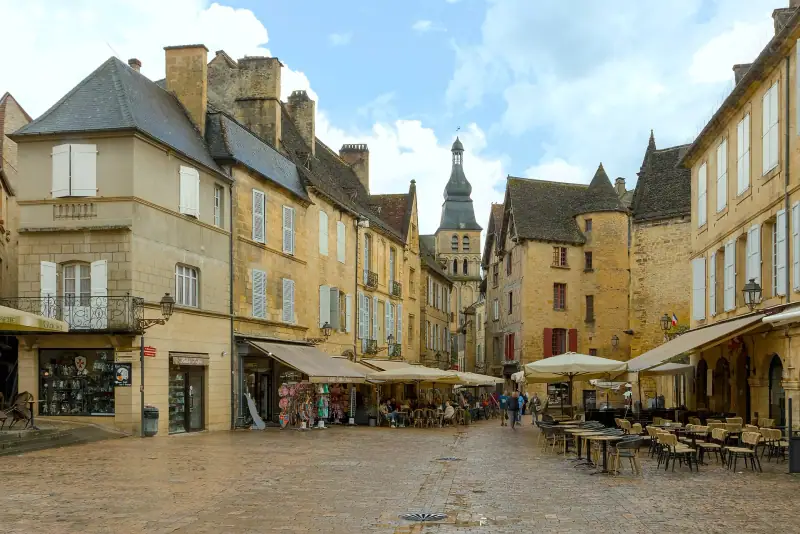
The ideal starting point is the Place de la Liberté, the beating heart of the town. Lined with old facades, terraces and the former Sainte-Marie church, it hosts the market and serves as a landmark for finding your way. From here, the main streets of the protected district radiate in a tight network.
The former Sainte-Marie church, turned into a covered market, was remodeled by the architect Jean Nouvel, who cut a wide opening into the nave. You find local products and a panoramic elevator that rises into one of the bell towers: from up there you see all the lauze roofs and the cathedral’s silhouette. Access is paid and hours vary by season.
A good way to get to know the quarter is to start with a lap of the square, then wander at random into the neighboring lanes. Look up: carved details, lintels and corner turrets are everywhere. If you like guided tours, the tourist office generally offers narrated routes of the historic center.
Stay in the heart of Sarlat
Compare hotels, B&Bs and rentals in the medieval center to enjoy the town in the evening, when it is at its most beautiful. To pick the right quarter, read our guide to where to stay in Sarlat-la-Canéda.
Saint-Sacerdos Cathedral and its surroundings
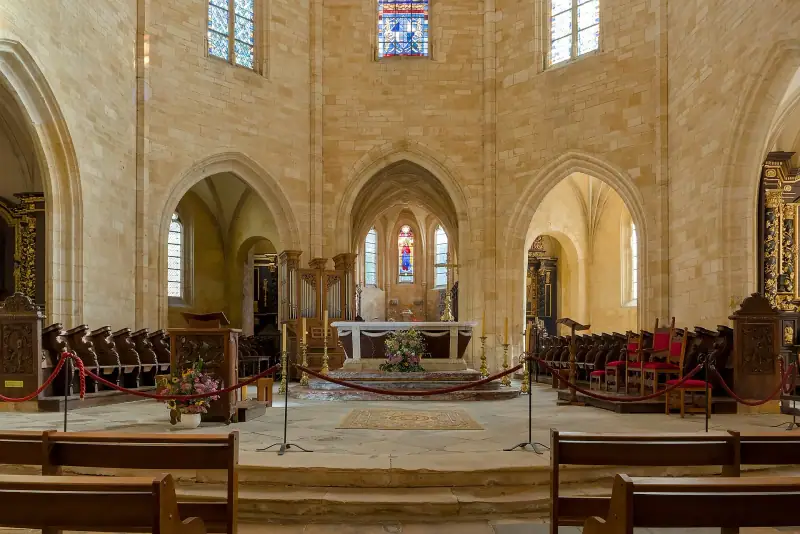
A few steps from the Place de la Liberté, Saint-Sacerdos Cathedral dominates a group of religious and civic monuments. The present building dates largely from different periods: it keeps medieval elements, but was heavily remodeled, notably in the classical period, which gives it a rather sober facade and interior volume. Its older bell tower is the most striking element of its silhouette.
Around the cathedral, several places deserve a stop:
- The former bishop’s palace, whose Renaissance and classical facade is clearly visible from the neighboring square.
- The Blue Penitents’ chapel, discreet but characteristic of religious life under the Ancien Régime.
- The Jardin des Enfeus, a peaceful space beside the cathedral, where you find medieval burial niches. It is one of the calmest places in town during the day.
Allow about thirty minutes for this group. The interior of the cathedral is generally open freely, respecting services.
The Place des Oies and the shopping lanes
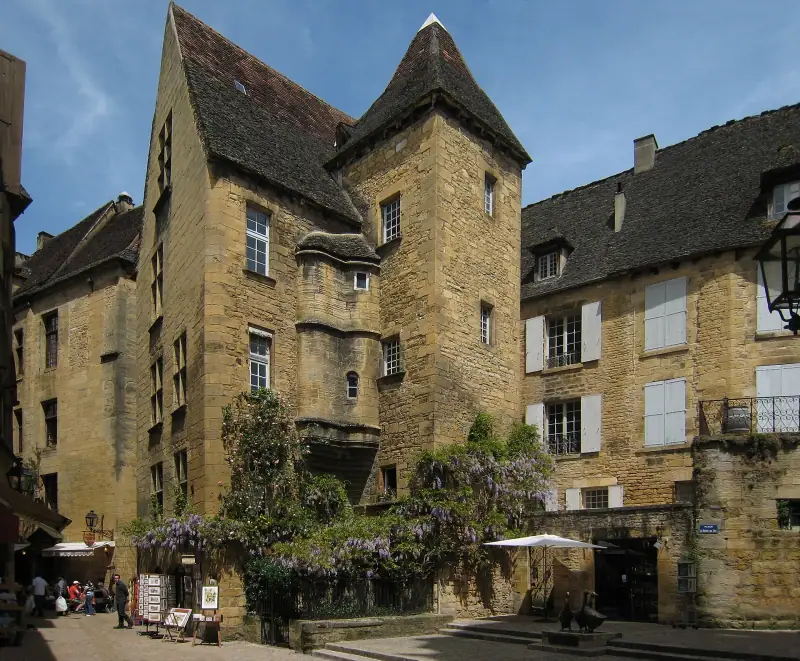
The Place des Oies (Geese Square) is probably the most photographed spot in Sarlat. Surrounded by old turreted and timber-framed houses, it holds a group of bronze goose statues, a reminder of the Périgord tradition of foie gras. The whole is very visual and very popular with children, who gladly pose there for a photo.
The square lies in the heart of the old goose-market district, which was held there for a long time. Around it, the lanes and inner courtyards are full of charm: Rue des Consuls, for example, is lined with former mansions whose facades show the wealth of the merchants and notables who lived there.
Take time to step into courtyards open to the public: some hide spiral staircases, galleries or old wells. Shops in the lanes sell local products (walnuts, confit, preserves, wines, truffles in season). To know what to taste and bring back, our guide to Périgord food specialties will help you sort through.
La Boétie’s house and the mansions
Among the civic buildings, La Boétie’s house is one of the most remarkable. This Renaissance residence, with its mullioned windows and carved elements, is associated with Étienne de La Boétie, writer and friend of Montaigne, born in Sarlat in the 16th century. It is visited from the outside: its well-preserved facade is worth the stop on its own.
In the same district, several mansions testify to the town’s golden age:
- The Hôtel de Maleville, which mixes Gothic and Renaissance elements.
- The Hôtel de Vienne, home of local notables.
- The présidial, a former seat of justice, a reminder of the town’s administrative role.
The interest of these buildings lies less in an interior visit than in the pleasure of spotting them while walking, observing the architectural details. A map of the center, available at the tourist office, or a guided tour will help you find them.
The Lanterne des Morts and the upper town
Climbing toward the upper town, you reach a surprising monument: the Lanterne des Morts (Lantern of the Dead), a conical stone tower dating from the Middle Ages. Its exact function is still debated by historians, who generally see it either as a funerary monument or as a marker tied to the neighboring cemetery. Whatever the case, it has become a symbol of the town and an excellent spot for evening light.
It stands right next to the cathedral, beside the Jardin des Enfeus, and is often the final stop of a historic walk. From this area, the view over the town’s roofs and the surrounding countryside is very pleasant at the end of the day.
Fond of panoramas? Several lanes on the heights let you overlook the roofs. The paths above the town, reachable on foot, offer viewpoints without the center’s crowd: a nice way to extend the visit by an hour or two.
Sarlat markets: the big event
You cannot talk about Sarlat without its market. On Saturday morning, the big market takes over the Place de la Liberté and the neighboring streets. A more modest market is held on Wednesday morning. They are known for the quality of their local products: seasonal vegetables, cheeses, cured meats, ducks, walnuts, fruit and Périgord specialties.
A few tips to enjoy them:
- Arrive early: stalls are better stocked and the crowd thinner before 10 am.
- Bring cash for small producers, even though many now accept cards.
- Taste before you buy: producers often offer tastings.
- Save room for lunch there, between the terraces and the stalls.
In winter, specialized markets (foie gras and duck products, truffles) are organized on a calendar that varies from year to year: ask the tourist office for the season’s dates, or read our guide to buying fresh truffles in the Dordogne. The year-end markets, with their lights, also give the town a special charm.
Guided tours and activities around Sarlat
Walking tour of the medieval center, gabarre boat rides, local product tastings: compare the activities available for your dates.
What to eat in Sarlat
Food is an integral part of the visit. Sarlat is one of the best gateways to Périgord cooking: duck confit, magret, foie gras, porcini, walnuts, truffle in season, strawberries, and the famous walnut cake. The center has many restaurants, which sometimes makes choosing hard.
A few pointers to avoid the traps:
- Be wary of overly touristy menus posted on the busiest squares: look at the menu, the size of the choice and the seasonality.
- Favor short menus and seasonal products.
- Book in the evening in high season, especially on weekends.
- Taste the local wines: the Bergerac vineyard, a little under an hour away by road, produces reds, whites and sweet wines, covered in our guide to Bergerac, Monbazillac and Pécharmant wines.
For a sweet break, the old-town shops offer walnuts, chocolates, biscuits and local jams. That is often where the best edible souvenirs are found.
Sarlat in the evening and at festivals
Once the groups have gone, the town changes face. In the evening the lanes light up, terraces fill and the atmosphere becomes more intimate. In summer, many events punctuate the evenings: concerts, street shows, night tours. The town also hosts an open-air theater festival, a known date for performing-arts fans, whose dates and program vary by year.
A few especially pleasant moments:
- A walk at sunset, when the stone takes on a golden hue.
- Dinner on a terrace in a quiet lane rather than on the main square.
- A guided night tour if the tourist office offers one in season.
- The year-end lights, for a very different atmosphere from summer.
If you can sleep in town, you will enjoy these moments that a simple daytime pass does not allow. Our guide to where to stay in Sarlat-la-Canéda covers the neighborhoods and options.
Planning your visit: access, parking, duration
Getting there. Sarlat is served by a train station, with connections to Bordeaux and other towns. The train is a practical option if you mostly stay in town. To explore the valleys, a car is strongly recommended: see our guide to renting a car in the Dordogne.
Parking. The medieval heart is largely pedestrian. Leave your vehicle in a public car park on the edge of the center and finish on foot. On market days and in summer, arrive early.
Duration. Half a day shows the essentials, a full day lets you enjoy the town fully. If Sarlat is your base, two to three nights let you combine town and excursions.
Shoes. The streets are cobbled and sometimes steep: favor comfortable shoes.
Accessibility. Cobbles and slopes make some lanes hard for wheelchairs and strollers. Ask the tourist office about the most accessible routes.
Season. To avoid the crowd, aim for spring or early fall. Our article on when to go to the Dordogne covers the seasons.
Easy trips from Sarlat
Sarlat is the ideal starting point for exploring the Black Périgord. Here are the most accessible outings:
- La Roque-Gageac and Domme: two villages perched above the Dordogne, about fifteen kilometers (9 mi) away. La Roque-Gageac stretches at the foot of a cliff by the water, while Domme is a hilltop bastide with a fine panorama over the valley.
- The châteaux of Beynac and Castelnaud: two fortresses that faced each other in the Middle Ages, covered in our article on the châteaux of the Dordogne valley.
- Lascaux IV and the Vézère Valley: a replica of the decorated cave and several prehistoric sites, about half an hour by road. It is all in our guide to Lascaux and the Vézère Valley.
- Canoeing on the Dordogne: a pleasant way to discover the river in summer, with routes for all levels. Our guide to canoeing down the Dordogne will help you choose.
If you want to string several of these visits together on a day-by-day basis, our 3-day Dordogne itinerary offers a balanced program that uses Sarlat as a base.
Excursions in the Black Périgord
Gabarre boat ride, canoe descent, château or cave visits: compare excursions from Sarlat and the valley.
A sample plan for one day in Sarlat
Here is a balanced day, to adapt to the season and your pace:
- Morning: arrive early, coffee on the Place de la Liberté, tour the market (Saturday or Wednesday), then ride the Sainte-Marie panoramic elevator if you like rooftop views.
- Late morning: Saint-Sacerdos Cathedral, the Jardin des Enfeus and the Lanterne des Morts.
- Lunch: a local-produce table in a quiet lane, with a Périgord dish.
- Early afternoon: Place des Oies, Rue des Consuls, La Boétie’s house and the mansions.
- Late afternoon: a break in a local-product shop, then a walk on the heights of the town for the golden light.
- Evening: dinner on a terrace and a night stroll through the lit lanes.
This pace leaves time to wander, which is the essence of Sarlat. If you have two days, spend the second on the villages of the Dordogne valley or on the Vézère.
Practical tips for your visit
- Book your lodging early in summer and during school-holiday periods.
- Visit early or late to avoid the crowd and enjoy the best light.
- Keep some cash for market producers.
- Bring a water bottle and a hat in summer: the stone lanes store heat.
- Ask for the events program at the tourist office: special markets, concerts, guided tours.
Sarlat is a town that rewards slowness: the more you take time to look up, push open a carriage door or get lost in a lane, the more it reveals itself.
A longer stay in the Black Périgord
Cottages, holiday homes and B&Bs around Sarlat: ideal to combine town, river and villages.
Who Sarlat suits
Sarlat suits almost every traveler: couples seeking romance, families who like easy walks, history and heritage fans, food lovers who travel for the table. It is less suited to those who flee crowds in midsummer or look for wild nature: in that case, favor the neighboring villages or the Green Périgord.
In short, one day is enough to understand the town’s charm, two or three to enjoy it and explore the region. Pair it with the Dordogne and Vézère valleys and you get one of the most complete stays in the region.
Frequently asked questions
How long do you need to visit Sarlat-la-Canéda?
Half a day is enough to walk the main streets and see the big sights. To stroll, lunch without rushing, visit a monument or two and enjoy the town in the evening, plan a full day. If Sarlat is your base for exploring the Black Périgord, a stay of two to three nights is comfortable.
What are the must-sees in Sarlat?
The highlights are the Place de la Liberté and its market, Saint-Sacerdos Cathedral, the Place des Oies, La Boétie's house, the Lanterne des Morts and the maze of medieval lanes in the protected district. A ride in the panoramic elevator of the former Sainte-Marie church also gives a fine view over the roofs.
What day is the Sarlat market?
The big traditional market is held on Saturday morning, and a smaller one on Wednesday morning. Specialized markets (foie gras and duck products, truffles) are organized in winter. Days and hours may change: check with the tourist office before you go.
Can you visit Sarlat with a stroller or children?
Yes, but the cobbles and slopes of some lanes can make a stroller uncomfortable; a compact stroller or a baby carrier is more practical. Children generally enjoy the medieval-town atmosphere and the goose statues.
Where do you park to visit Sarlat?
The medieval heart is largely pedestrian. The simplest is to leave the car in a public car park on the edge of the center and finish on foot. In summer and on market days, arrive early or plan a car park a bit further away.
What is the best time to visit Sarlat?
Spring and early fall combine mild temperatures and moderate crowds. Summer is very lively, with pleasant evenings but many people during the day. Winter is calm and remains interesting for the food markets and the year-end festive atmosphere.
Can you visit Sarlat without a car?
Yes: the town has a train station and the center is visited entirely on foot. However, to reach the villages of the Dordogne valley, the châteaux or the Vézère, a car is clearly more practical than public transport.
More Dordogne guides
Keep reading
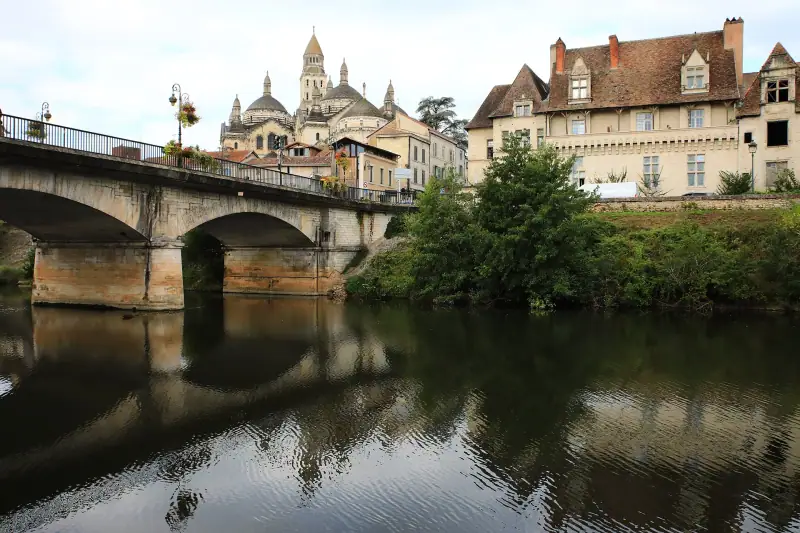
What to See in the White Périgord: Périgueux, the Isle Valley, Truffles and Villages
What to see in the White Périgord: Périgueux, truffles at Sorges, Saint-Astier, Neuvic, Mussidan and Montpon, for a quiet and authentic stay.
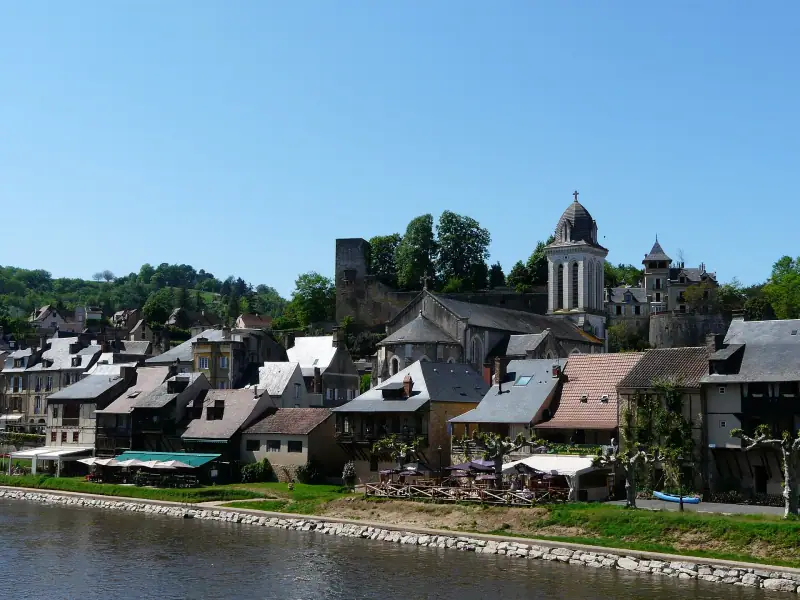
Visiting Montignac-Lascaux: What to See and Do on the Vézère
Visiting Montignac-Lascaux: old town on the Vézère, stilt houses, Lascaux IV, Regourdou, markets and walks. A guide to plan your stay in the Vézère Valley.
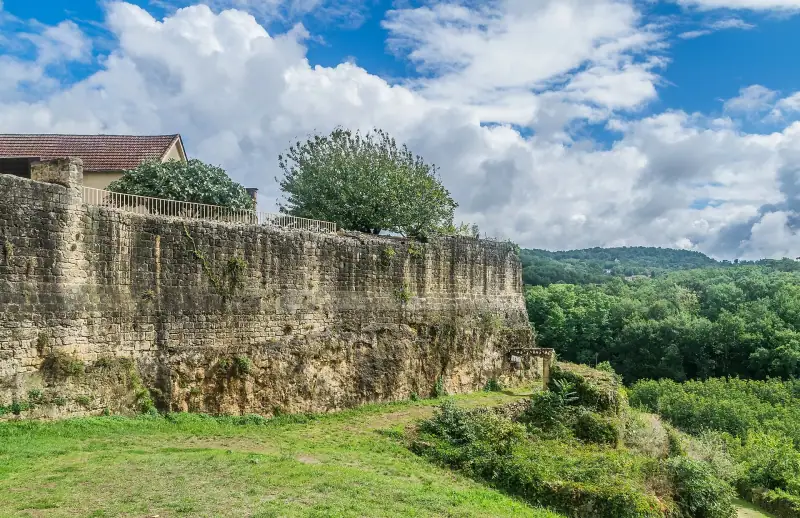
Visiting Domme: What to See and Do in the Hilltop Bastide of the Black Périgord
Visiting Domme: Porte des Tours, Templar graffiti, cave, Barre viewpoint, covered market and Thursday market. A guide to plan your Black Périgord visit.
Ready-made
Dordogne itineraries
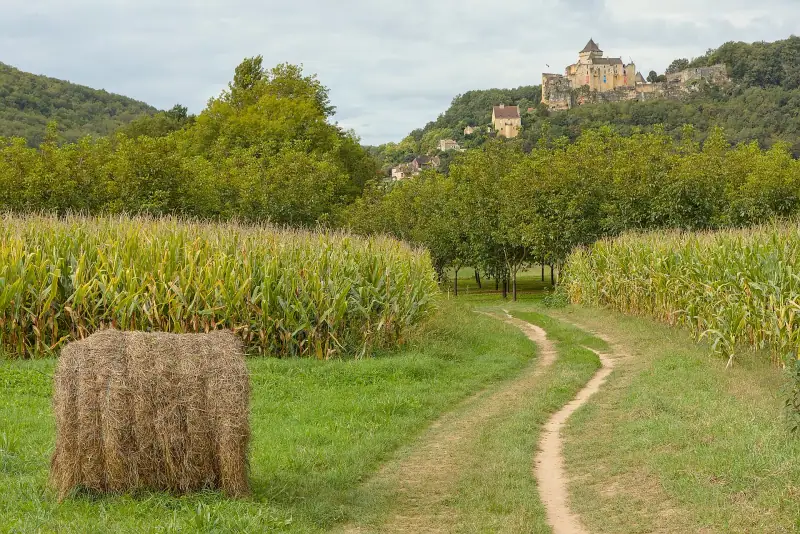
7 days
One Week in the Dordogne: A Day-by-Day Itinerary
Sarlat-la-CanédaBrantômeBergerac
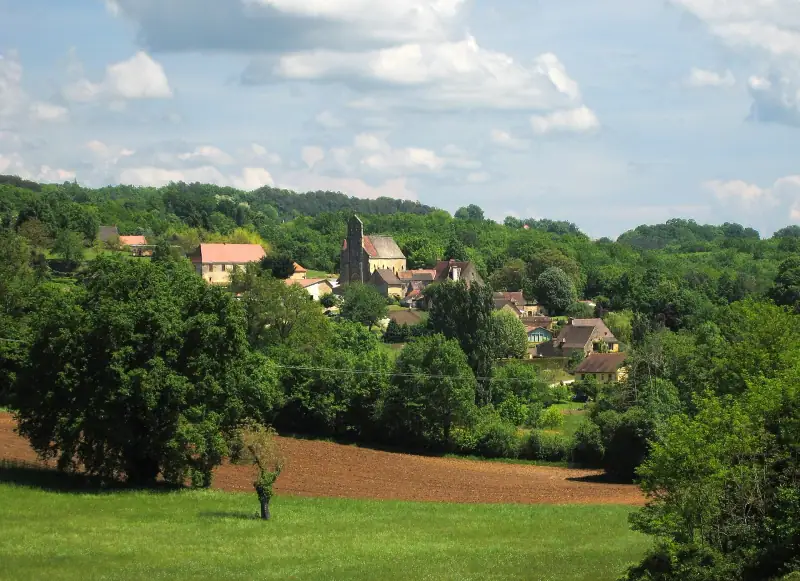
5 days
Dordogne in 5 Days with Kids: Stops, Kilometers and a Realistic Pace
Dordogne in 5 days with kids: an itinerary from Sarlat with distances, drive times, breaks and suitable activities, without overloaded days.
Can be adapted in the planner
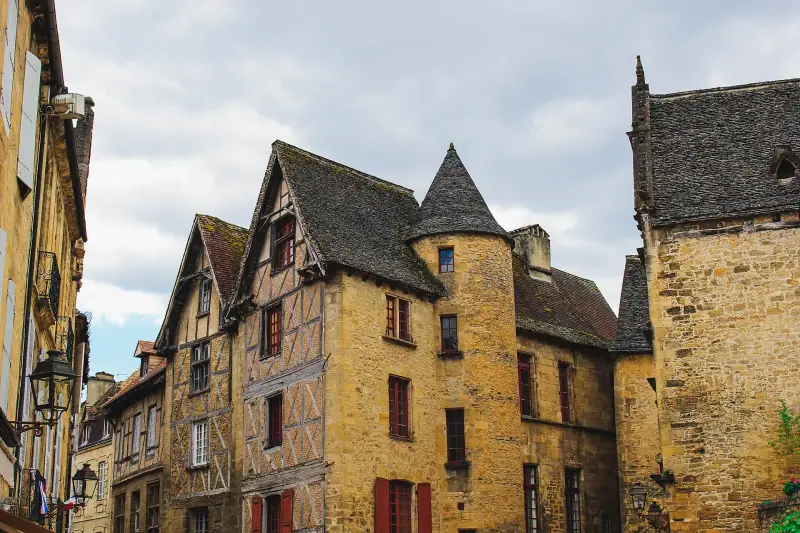
3 days
3-Day Dordogne Itinerary: Sarlat, the Vézère and Châteaux
What to do in 3 days in the Dordogne? A day-by-day itinerary around Sarlat: Lascaux, the Vézère Valley, châteaux, villages and practical tips.
Can be adapted in the planner