What to see
Visiting Brantôme: What to See and Do in the Venice of the Périgord
We may earn a commission when you book through links on this page, at no extra cost to you. We don't visit or try the places we cover: we summarize published sources. How we work
In short
- Half a day covers the essentials: abbey, bell tower, caves, Pont Coudé and Monks' Garden. A full day adds a lunch by the water and a boat or canoe trip on the Dronne.
- The 11th-century bell tower is one of the oldest Romanesque bell towers in France, and stands apart from the church on a rock ledge.
- The center is compact and mostly pedestrian; Périgueux is about 25 km (16 mi) away and a car is the simplest way to arrive.
- Brantôme has a traditional weekly market on Friday morning; check days and hours with the tourist office.
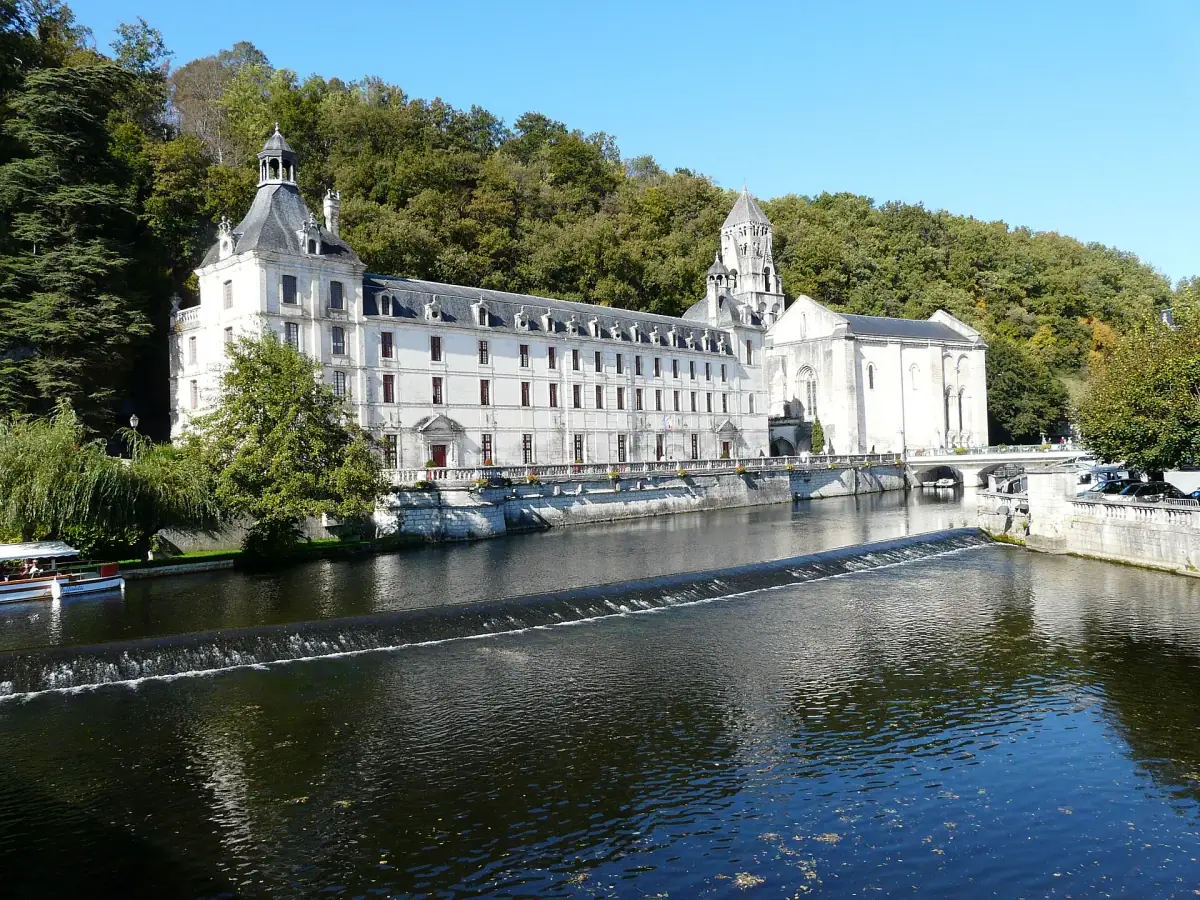
A few blond stone houses, an abbey leaning against the cliff, bridges spanning the river and terraces running down to the water: Brantôme ticks every box of the charming small town. Nestled in the Green Périgord, in the north of the department, it is often nicknamed the “Venice of the Périgord,” a name that seems exaggerated until you arrive along the quays beside the Dronne.
This guide helps you organize your visit: the town’s history in a nutshell, the monuments not to miss, the walk along the water, where to eat, easy day trips nearby and a sample plan for one day. It deliberately mentions mostly public places and well-known monuments: hours and prices vary from season to season, so check them with the tourist office before you go.
Brantôme in brief: a town in a river loop
Brantôme was built around its abbey, founded according to tradition by Charlemagne, who is said to have placed relics of Saint Sicarius, one of the Holy Innocents, there. Whether or not you believe it, the origin of the town is clearly monastic: the monks settled at the foot of a limestone cliff, in the hollow of a bend of the Dronne, and the town grew up around them.
The result is a fairly small old center, surrounded by water, that you can walk in an hour or two without effort. It divides easily into:
- The abbey site, with the church, the bell tower, the caves and the Monks’ Garden, on the rock side.
- The quays and bridges, which surround the center and offer the best views.
- The shopping streets, with local-product shops, galleries, pastry shops and restaurants.
Brantôme is also an ideal gateway to the Green Périgord, a gentler, more wooded and less visited area than the Black Périgord around Sarlat. To place this stop in the geography of the department, our complete Dordogne guide gives you the landmarks.
Brantôme Abbey and its Romanesque bell tower
The Benedictine abbey is the town’s star monument. The monastic buildings, rebuilt several times, stand in the shadow of a high rock wall, at the water’s edge. You reach them through a very photogenic courtyard, from which you see the facade of the former monastery and the abbey church, heavily remodeled over the centuries.
The real highlight is the bell tower. Dating from the 11th century, it is one of the oldest Romanesque bell towers in France. It is unusual in being a building separate from the church: it stands on a rock ledge about a dozen meters (40 ft) high and is made up of several stepped-back stories topped with gables. Its style is typical of the Romanesque art of the neighboring Limousin. To appreciate it fully, step back on the quays or in the Monks’ Garden: that is where its silhouette stands out best.
An amusing historical detail: the most famous abbot of Brantôme was never a model of austerity. Pierre de Bourdeille, lord of Brantôme, was a court gentleman and a 16th-century writer who received the abbey in commendam. That means he collected its income without living the life of a monk. He left memoirs and accounts about the people of his time.
Allow an hour for the courtyard, the church and a look at the bell tower from the outside. The abbey also houses exhibition spaces whose opening varies by season.
The cave dwellings and the Last Judgment
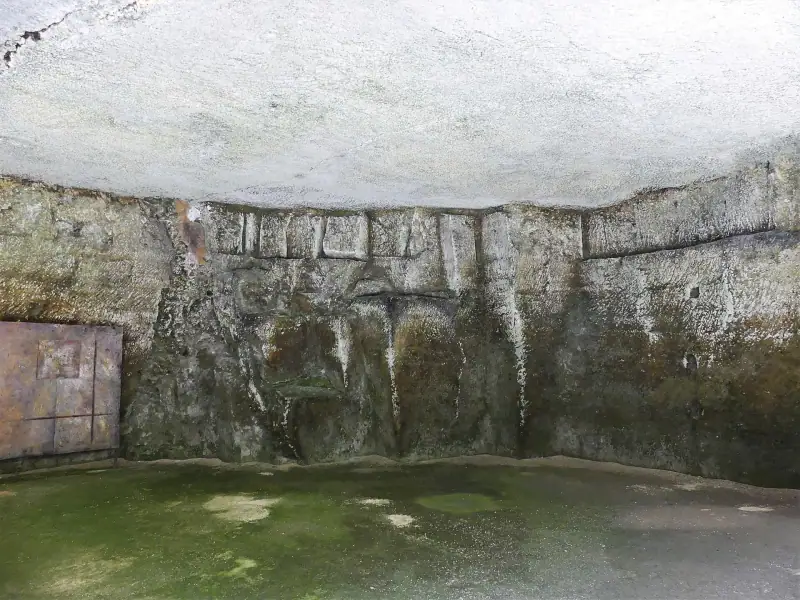
Behind the abbey, a short circuit leads into cavities dug into the cliff. They served as the monks’ first refuge before the abbey gradually “freed” itself from the rock. You see rooms carved into the stone, sometimes very low, simply lit.
The best known is the cave called the Last Judgment, named after a large bas-relief carved directly into the limestone wall. It shows a traditional religious theme and surprises with its size and the fineness of some details. Another cavity is known for its Renaissance sculptures, a reminder that the site was remodeled several times.
The visit is short, often between twenty and forty minutes, and very popular with children, who easily imagine themselves as explorers. Bring a light jacket, because it is always cool under the cliff, and shoes with good grip: the floor can be uneven and damp.
If caves interest you, you can extend the theme of life under the rock with our article on Lascaux and the Vézère Valley, which shows a very different side of the Périgord underground.
Stay in Brantôme
Hotels, B&Bs and cottages beside the Dronne or nearby: compare availability to enjoy the town in the evening, once the groups have left.
The Pont Coudé and the Monks’ Garden
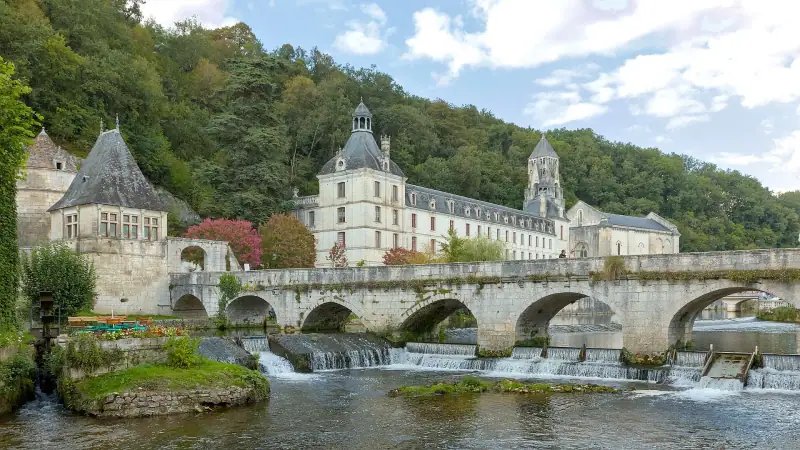
The Pont Coudé (the “elbow bridge”) is the image on most of the town’s postcards. This 16th-century structure, a listed historic monument, crosses the Dronne at a sharp angle rather than in a straight line, which gives it its recognizable shape. You cross it on foot, and it is best appreciated for what it frames: the river, the Monks’ Garden and the abbey in the background.
On the other side, the Monks’ Garden spreads its lawns, trees and terraces along the water. It is an excellent place for a break, easy to reach from the center. The garden offers the best view of the bell tower and the rock. Photographers come early in the morning, when the light is soft and the river calm, or at the end of the day, when the stone takes on golden tones.
Several other bridges and footbridges punctuate the loop of the Dronne. Going all the way around the center, crossing from one bridge to another, takes less than an hour even at a stroll, and it is probably the most pleasant way to understand the geography of the island.
Brantôme on the water: boat, canoe and walks
The Dronne is the real thread of the visit. There are several ways to enjoy the river, depending on the season and your energy:
- A boat ride, in season, gives another view of the facades, terraced gardens and the abbey. It is a calm activity, suited to families and to those who do not want to walk.
- A canoe or kayak lets you go down the Dronne at your own pace, among meadows, shaded banks and small villages. It is quieter than descending the Dordogne, notably around Beynac, which we cover in our canoeing the Dordogne guide.
- A walk along the river, on the paths and quays, is free and open to everyone.
These activities depend on the water level, the season and which operators are open. Ask the tourist office what is possible at the moment, especially in spring and late fall.
Activities and day trips in the Green Périgord
Boat rides, guided tours, local product tastings: compare the activities offered around Brantôme and Périgueux for your dates.
Market and shops: local produce within reach
As everywhere in the Périgord, the market is a highlight. Brantôme is known for its traditional Friday morning market, which gathers producers and craftspeople in the streets of the center. You find seasonal fruit and vegetables, cheeses, cured meats, poultry, walnuts and mushrooms, along with the food specialties that make the region’s reputation.
To make the most of it, a few tips:
- Arrive before 10 am, when the stalls are full and the crowd still thin.
- Keep some cash for small producers.
- Ask to taste: vendors often offer walnuts, cheeses or cured meats.
- Put together a picnic to take to the Monks’ Garden or along the Dronne.
Outside the market, shops in the center sell confit, foie gras, walnut oil, wines and sweets. Our guide to Périgord food specialties will help you choose what is really worth bringing back. Market days may change, so check them before you go.
Where and what to eat in Brantôme
Food is an integral part of the visit. The terraces in the center and on the quays look straight onto the water, which makes lunch especially pleasant in good weather. You find classic Périgord cooking: duck confit, magret, Périgord salad, porcini in season, walnuts and walnut pastries.
A few pointers for choosing well:
- Favor short menus built on seasonal products and local producers.
- Be wary of overly touristy menus posted at the most exposed terraces; going one street further is often enough to find more careful and calmer cooking.
- Book in the evening and on weekends in high season, since the town is small and terrace tables are in demand.
- Think regionally: the Bergerac vineyard is quite far from Brantôme, but Périgord wines are easy to find here. Our guide to Bergerac, Monbazillac and Pécharmant wines gives good pointers for buying.
For a sweet break, the pastry makers and chocolatiers in the center offer walnuts, biscuits and regional specialties, perfect for a small gift to take home.
Easy day trips around Brantôme
Brantôme is a good starting point for exploring the Green Périgord and the north of the department. A few ideas within half an hour’s drive:
- Bourdeilles, about ten kilometers (6 mi) away, with its château overlooking the Dronne and its old bridge. It is the most natural trip from Brantôme, especially since the Bourdeille family is tied to the abbey’s history.
- Saint-Jean-de-Côle, a village with character ranked among the most beautiful villages of France, about twenty kilometers (12 mi) away, with its bridge, covered market and château.
- Périgueux, about 25 km (16 mi) away, for its Saint-Front Cathedral, Renaissance district and Gallo-Roman remains. Our guide to visiting Périgueux will help you organize the day.
To go further, a car is the most flexible solution, since public transport links are limited. See our article on renting a car in the Dordogne and getting around.
If you have four to five days, Brantôme fits naturally into the 4-day itinerary through the Green, White and Purple Périgord.
A sample plan for one day in Brantôme
Here is a balanced suggestion, to adapt to the season and your pace:
- Morning: arrive early, coffee on a terrace on the quays; on market mornings, tour the stalls before the crowd.
- Late morning: abbey courtyard, church and a look at the bell tower, then the circuit of the caves and the Last Judgment.
- Lunch: a table beside the Dronne, with a regional dish.
- Early afternoon: cross the Pont Coudé and stroll in the Monks’ Garden.
- Mid-afternoon: a boat ride or canoe trip, or walk the loop of the Dronne on foot crossing the bridges.
- Late afternoon: shops with local products and a sweet break.
- Evening: dinner on the quays and a last look at the bell tower at nightfall.
If you have two days, spend the second on Bourdeilles and Saint-Jean-de-Côle, or on a trip to Périgueux.
A longer stay in the Green Périgord
Cottages, holiday homes and B&Bs between Brantôme and Périgueux: a quiet base to combine river, villages and heritage.
Planning your visit: access, parking, season
Getting there by car. Brantôme is linked to Périgueux by an easy road of about 25 km (16 mi). It is the most practical option for combining the town with the surrounding villages.
Parking. The center is compact and largely pedestrian. Leave your vehicle in one of the car parks just outside the center, then finish on foot; on market days and in summer, arrive early.
Duration. Half a day is enough for the essentials, a day for the full visit with a boat or canoe, and a night to enjoy the town in the evening.
Shoes. The lanes are sometimes cobbled and the caves damp: bring comfortable shoes and a light jacket.
Season. Spring and early fall combine mild temperatures and moderate crowds. Summer is livelier, with a waterside resort atmosphere. See our article on when to go to the Dordogne to choose your period.
Budget. The town is generous with free sights: quays, bridges, garden, bell tower seen from outside. To plan your spending, see our article on the budget for a stay in the Dordogne.
Practical tips for your visit
- Come early or stay in the evening: Brantôme is best enjoyed at the hours when passing day visitors have left.
- Book your lodging ahead in summer and during peak school-holiday periods, since the town is small and the supply limited.
- Ask for the map and the events program at the tourist office: guided tours, markets, concerts, seasonal events.
- Combine town and nature: a walk along the Dronne balances a morning of heritage well.
- Keep some time in reserve: Brantôme invites you to slow down, and many visitors regret planning too little time.
- Bring a camera or a charged phone: the views of the bell tower and the Pont Coudé are among the most beautiful in the department.
Who Brantôme suits
Brantôme suits travelers who like small towns with character, quiet walks, waterside terraces and human-scale heritage: couples, families, photography fans, people curious about Romanesque architecture. It is less suited to those looking for big spectacular sites or lively nightlife: in that case, favor Sarlat or the Vézère Valley.
In short, half a day is enough to understand the town’s charm, a full day to really enjoy it, and a night in town to appreciate its evening calm. Combined with Périgueux, Bourdeilles and Saint-Jean-de-Côle, it gives a stay in the Dordogne a gentler and more secret face than the great classics of the Black Périgord.
Frequently asked questions
How long do you need to visit Brantôme?
Half a day is enough for the essentials: the abbey, the bell tower, the caves, the Pont Coudé and the Monks' Garden. With a lunch by the water and a boat ride or a walk along the Dronne, a full day fills up easily. A night in town lets you enjoy it once the day trippers have left.
Why is Brantôme called the Venice of the Périgord?
The old center sits on an island formed by a loop of the Dronne. The river surrounds it on all sides and several bridges link it to the banks, while facades and terraces look straight onto the water. This setting of quays and bridges earned the town its nickname, although the mood is of course far more peaceful than Venice.
What are the must-sees in Brantôme?
The highlights are the Benedictine abbey, its 11th-century Romanesque bell tower built on a rock, the cave dwellings behind the abbey (including the one known as the Last Judgment), the Pont Coudé, the Monks' Garden and the quays of the Dronne.
Can you visit Brantôme without a car?
Once there, everything is done on foot: the center is compact and largely pedestrian. Getting there is less convenient without a car, because the Green Périgord is less well served than big cities. From Périgueux, about 25 km (16 mi) away, a car is still the simplest solution; ask the tourist office about bus links.
What day is the Brantôme market?
Brantôme is known for a traditional weekly market on Friday morning, supplemented by occasional markets in season. Days and hours may change, so check with the tourist office before you go.
Is Brantôme interesting with children?
Yes. Distances are short, the abbey caves intrigue children, the river lends itself to boat rides or canoeing, and the quays are pleasant for an ice cream on a terrace. Cobbles and sloping passages simply call for good shoes.
What is the best time to visit Brantôme?
Spring and early fall offer the best mix of mild weather, light and moderate crowds. Summer is very busy, especially during the day; arrive early in the morning or stay for the evening. The article on the seasons in the Dordogne covers these choices.
More Dordogne guides
Keep reading
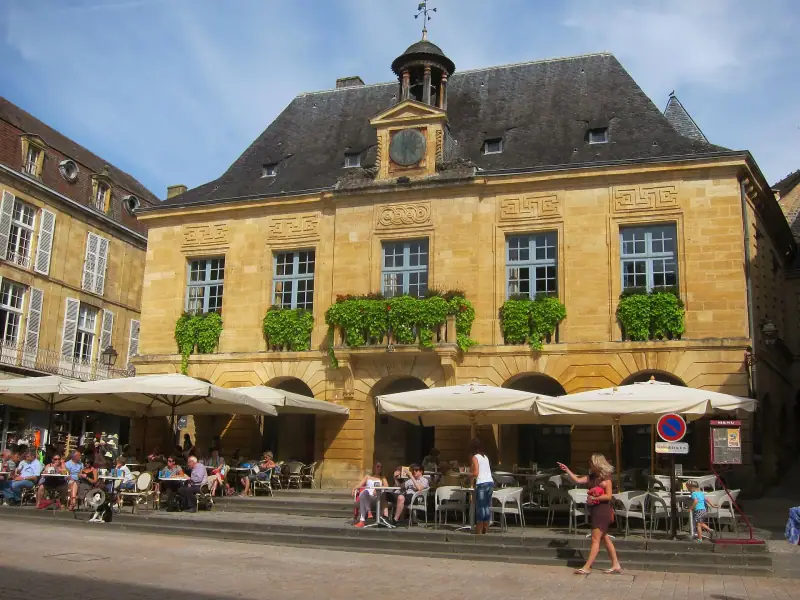
Visiting Sarlat-la-Canéda: What to See and Do in the Medieval Town
Visiting Sarlat-la-Canéda: cathedral, Place des Oies, medieval lanes, markets, Lanterne des Morts and day trips. A guide to plan your visit well.
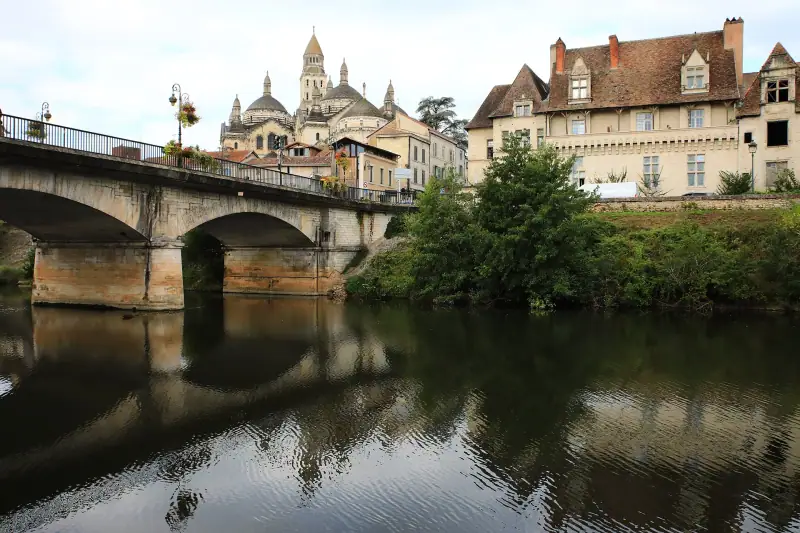
What to See in the White Périgord: Périgueux, the Isle Valley, Truffles and Villages
What to see in the White Périgord: Périgueux, truffles at Sorges, Saint-Astier, Neuvic, Mussidan and Montpon, for a quiet and authentic stay.
Visiting Montignac-Lascaux: What to See and Do on the Vézère
Visiting Montignac-Lascaux: old town on the Vézère, stilt houses, Lascaux IV, Regourdou, markets and walks. A guide to plan your stay in the Vézère Valley.
Ready-made
Dordogne itineraries
7 days
One Week in the Dordogne: A Day-by-Day Itinerary
Sarlat-la-CanédaBrantômeBergerac
5 days
Dordogne in 5 Days with Kids: Stops, Kilometers and a Realistic Pace
Dordogne in 5 days with kids: an itinerary from Sarlat with distances, drive times, breaks and suitable activities, without overloaded days.
Can be adapted in the planner
3 days
3-Day Dordogne Itinerary: Sarlat, the Vézère and Châteaux
What to do in 3 days in the Dordogne? A day-by-day itinerary around Sarlat: Lascaux, the Vézère Valley, châteaux, villages and practical tips.
Can be adapted in the planner