What to see
What to See on the Dominican Republic's North Coast: Puerto Plata, Sosúa, Cabarete and Río San Juan
We may earn a commission when you book through links on this page, at no extra cost to you. We don't visit or try the places we cover: we summarize published sources. How we work
In short
- The north coast runs from Puerto Plata to Sosúa (about 25 km / 16 mi), Cabarete (about 15 km / 9 mi farther) and Río San Juan, along one coastal road.
- Main sights: Puerto Plata's old center, the Isabel de Torres cable car (peak about 800 m / 2,625 ft), the Damajagua waterfalls, Sosúa bay and Cabarete's wind sports.
- Four to five days cover Puerto Plata, Sosúa and Cabarete, with one day for the waterfalls; add Río San Juan with a week.
- The dry season, roughly December to April, is the most pleasant; Atlantic beaches can have waves and currents.
The Atlantic side of the north is probably the most varied part of the Dominican Republic. Between the mountains of the Cordillera Septentrional and the ocean, within a few dozen kilometers you pass an old port town, a cable car that climbs above the clouds, waterfalls you slide down, a quiet bay, the capital of gliding sports and mangrove-lined lagoons. Unlike the large resort zones of the east, you meet many small properties, lively villages and more scattered tourism.
This guide presents what is really worth seeing on this coast, in what order to approach it and how to get around. It echoes our article on the south coast and its islands, calmer and more Caribbean, and the complete guide to the Dominican Republic, which places each region in the whole country.
The north coast at a glance: geography and atmosphere
In this guide, the “north coast” means the Atlantic shoreline around Puerto Plata, east to Sosúa, Cabarete and Río San Juan, and west to the Punta Rucia area. The sea is open to the Atlantic: waves are more present than on the Caribbean coast, the wind blows more, and green mountains come almost to the shore. This terrain gives the region its character, with more tropical and greener landscapes than in the south.
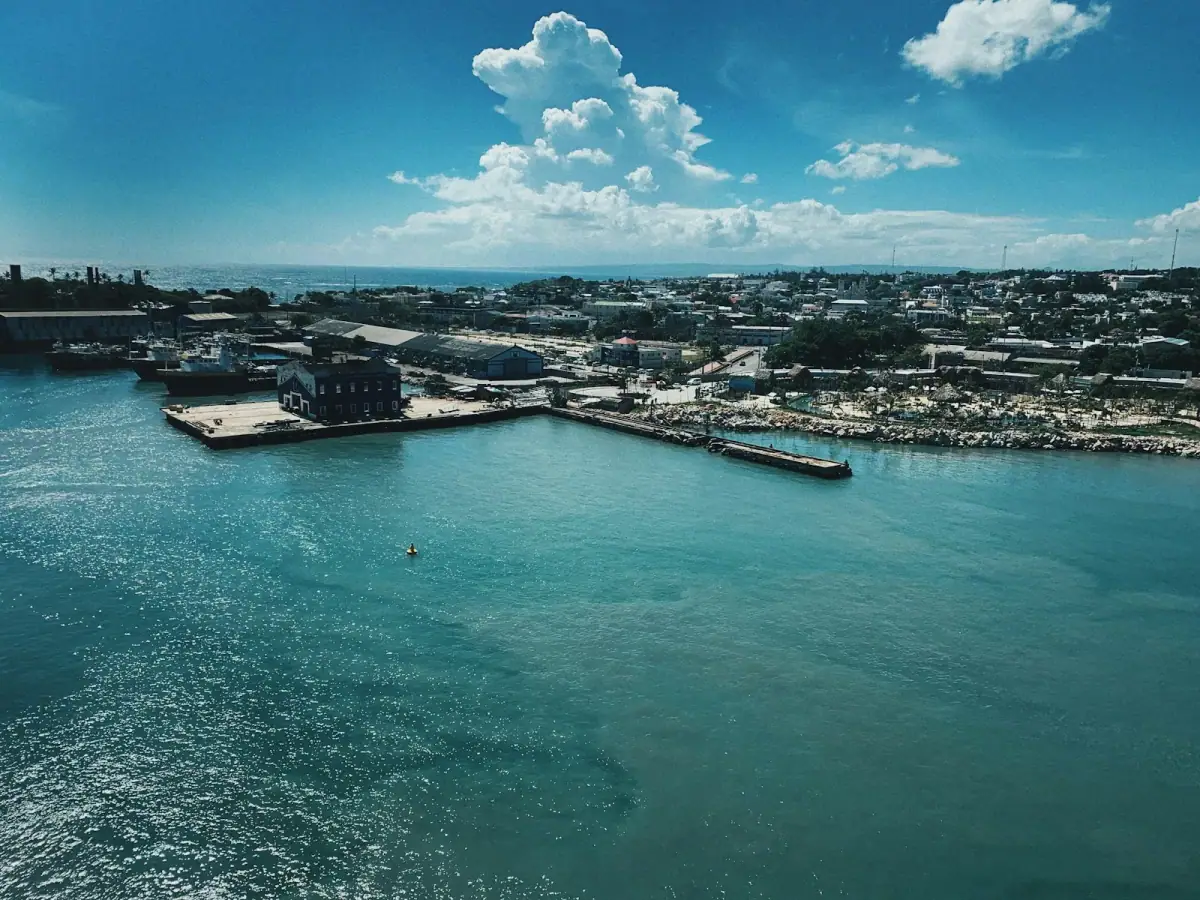
Distances remain reasonable. Sosúa is about 25 kilometers (16 mi) from Puerto Plata, Cabarete about fifteen kilometers (9 mi) from Sosúa, and Río San Juan a good hour’s drive from Cabarete. A single coastal road serves most of these stops, which makes getting around easy to understand. Puerto Plata International Airport, between the city and Sosúa, lets you arrive directly in the region.
A few landmarks to get your bearings:
- Puerto Plata: heritage, waterfront, mountain and cable car;
- Sosúa: sheltered bay, history of the Jewish refugee community, lively village;
- Cabarete: kitesurfing, windsurfing, surfing and relaxed nightlife;
- Río San Juan: lagoon, mangrove and wild beaches;
- Punta Rucia and the west: quiet beaches and excursions to small islets.
Puerto Plata: heritage and the mountain
Founded in the early 16th century, Puerto Plata is the oldest town on the north coast, and its position as a natural port long gave it an important role. The center keeps the atmosphere of an old Caribbean city with its Victorian-style wooden houses, ornate galleries and central park, where residents gather in the late afternoon. The park’s gazebo is one of the symbols of the city.
Along the sea, the Malecón is a pleasant promenade at sunset. At its end, San Felipe Fort, built in the 16th century to defend the port, can be visited in under an hour. It offers an open view of the entrance to the bay and its thick walls give an idea of the city’s strategic importance in colonial times. Opening hours and entry fees change: check locally rather than planning a visit for a precise time.
The city also has a museum devoted to Dominican amber, a fossil material famous worldwide for its insect and plant inclusions. It is a short visit, interesting for understanding what you then find in souvenir shops. Rum fans can also look into the country’s distilleries: Puerto Plata is closely tied to the history of Brugal rum, and visits are offered depending on the period.
Puerto Plata’s highlight remains the Pico Isabel de Torres. A cable car climbs to the summit of this mountain, which peaks at about 800 meters (2,625 ft), above the city. At the top you find a botanical garden, a statue of Christ recalling the one in Rio de Janeiro and wide views of the coast when the clouds allow. Go in the morning, before the haze sets in, and bring a light jacket: it is noticeably cooler than at sea level.
To choose a neighborhood to stay in, our article on where to stay in Puerto Plata compares the historic center, the beach areas and the all-inclusive complexes.
Stay in Puerto Plata
Hotels, guesthouses and residences: compare accommodation, reviews and cancellation terms.
The Damajagua waterfalls, an adventure in the river
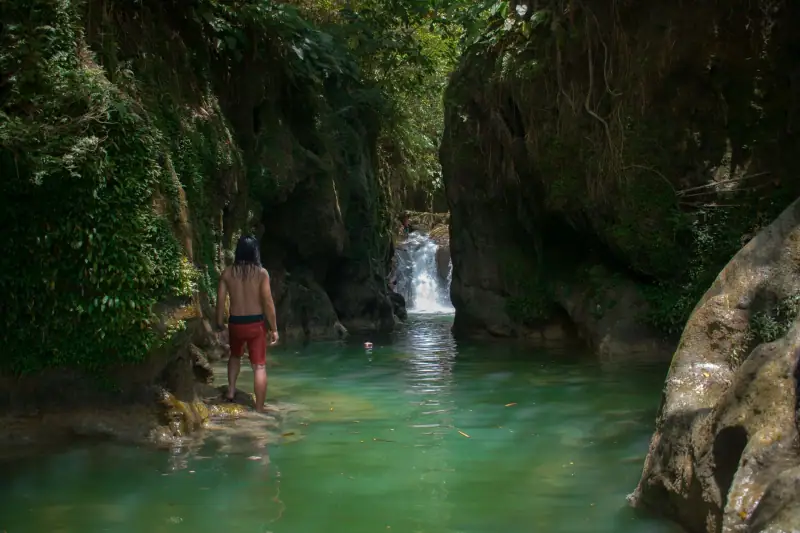
About twenty minutes by road from Puerto Plata, inland, the Damajagua waterfalls are one of the region’s most popular outings. The principle: go up a river set in a canyon, then come back down by jumping and sliding through a series of natural pools. Depending on the option, you pass some or all of these falls, with a guide, a helmet and a life jacket.
The experience is playful but physical: you have to walk, climb and be willing to jump into the water. It suits children from a certain age and adults in good condition. Access conditions change after heavy rain, when the river level rises. All the practical information (options, duration, equipment, minimum age) is in our article on the Damajagua waterfalls and their 27 charcos.
This excursion combines easily with a visit to the city on the same day: waterfalls in the morning, a simple lunch, then late afternoon on the Malecón.
Sosúa: a calm bay and an unusual history
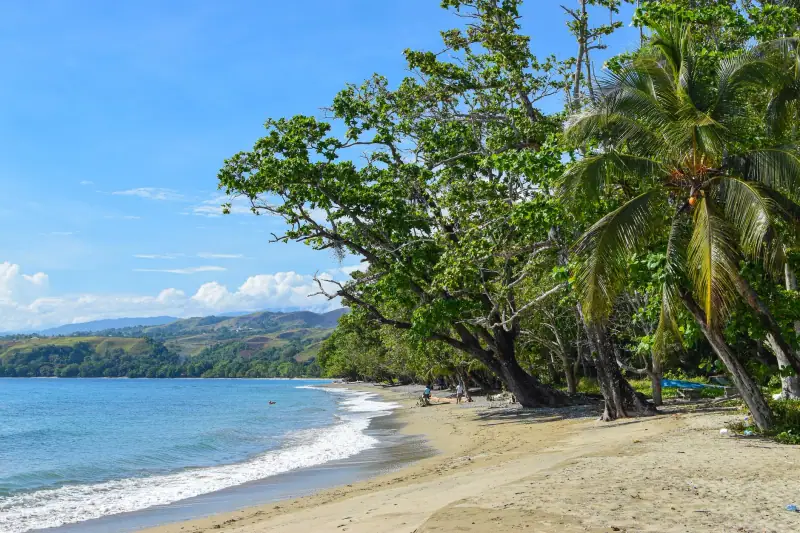
Sosúa is a small coastal town made of two parts: Los Charamicos, a lively Dominican neighborhood, and El Batey, more oriented toward visitors, around a beautiful crescent-shaped bay. The waters are generally calmer than on the rest of the coast, protected by a reef, which makes it a favorite spot for snorkeling and swimming. The beach is lively: vendors, small restaurants and water activities sit side by side.
Sosúa has a little-known history. In the late 1930s, the Dominican Republic took in Jewish refugees fleeing Nazi Europe, and it is here that many settled to found an agricultural community. The town keeps a small museum devoted to this history, as well as a synagogue. This heritage also explains some local specialties from dairy farming and cheesemaking. For a stay that is not limited to the beach, it is a very instructive detour.
On the nature side, the bay lends itself to snorkeling, as well as scuba diving supervised by local centers. As everywhere, choose an operator that limits group size and checks participants’ fitness.
The evening atmosphere is festive in some areas, quieter in others. If you travel with family or look for calm, find out the exact location of your accommodation before booking.
Cabarete: the capital of gliding sports
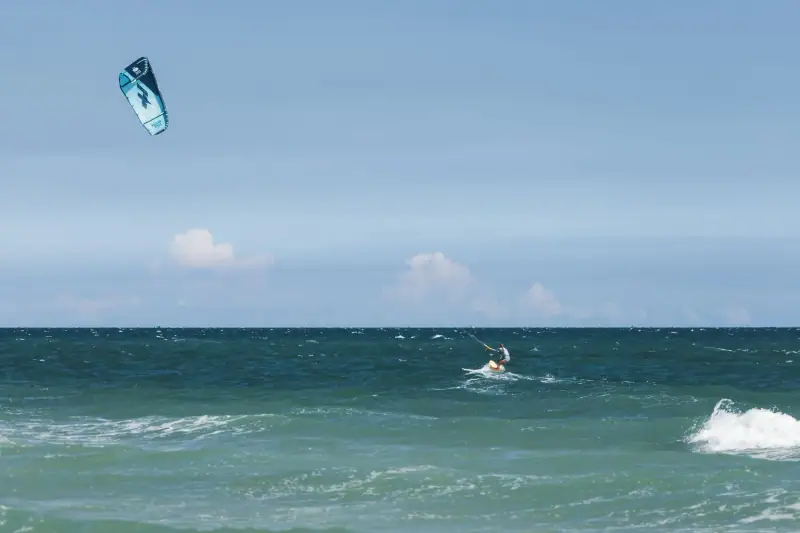
About fifteen kilometers (9 mi) from Sosúa, Cabarete is known worldwide for its wind conditions. Its large bay hosts kitesurfers and windsurfers for much of the year, while stronger waves draw surfers to other nearby beaches. The village has organized itself around this activity: schools, repair workshops, equipment shops and seaside restaurants.
You can enjoy Cabarete without practicing a gliding sport. The beach is very pleasant, with colorful sails in the sky forming a show of their own. Beginner lessons are offered by many schools, with equipment and instructor. Our article on kitesurfing, windsurfing and surfing in Cabarete details the wind seasons, the spots and how to choose a school.
Around the village, other outing ideas exist: bike or horse rides in the interior, swimming in freshwater pools and short hikes. For lodging, you find small hotels, guesthouses and apartments, compared in our article on where to stay in Cabarete.
Excursions and activities around Puerto Plata
Waterfalls, cable car, boat trips: compare activities with transfer from your hotel.
Río San Juan and the Gri-Gri lagoon: the wild coast
Farther east, the road passes more isolated beaches before reaching Río San Juan, a small fishing town that attracts those who want to get away from the crowds. Here the scenery changes: mangrove, cliffs, coves and big beaches almost deserted on weekdays. The star activity is a boat ride on the Gri-Gri lagoon, a natural environment where you move between mangrove roots, sometimes with birds to watch. A boat then leads to a beach and caves open to the sea.
The surroundings also include large beaches exposed to the ocean, beautiful but not always safe for swimming: waves and currents can be strong. Ask locals or your accommodation before entering the water, and never swim alone far from the shore.
Río San Juan works well as a day trip from Cabarete, or for a night if you like simple places. The range of services is more limited than in Puerto Plata or Sosúa: bring cash and check your return times.
Farther west: Punta Rucia and the history of La Isabela
West of Puerto Plata, the coastline softens. The Punta Rucia area is appreciated for its quiet beaches and boat trips to small sand islets, around which people snorkel. It is a more peaceful alternative to the very busy beaches of the coast.
History enthusiasts can continue to the La Isabela site, where Christopher Columbus founded in 1493 the first permanent European settlement in the Americas. Few spectacular remains are left, but the place has considerable historical weight, with a small museum and ruins by the sea. It is a destination for travelers who like sites full of meaning more than imposing monuments. Plan a full day from Puerto Plata, by car or with a driver.
To go further into the colonial side of the country, you can complete this detour with our route through the Colonial Zone of Santo Domingo, where the history of the first colonies takes on its full scale.
How to organize your days on the north coast: three ideas
Here are three realistic combinations, to adjust to your pace:
- Heritage and mountain day: morning at the Pico Isabel de Torres cable car, lunch in central Puerto Plata, a visit to the fort and the central park, a walk on the Malecón at the end of the day;
- Adventure day: early start for the Damajagua waterfalls, back at noon, free afternoon at the beach or the hotel pool;
- Gliding and relaxation day: an introductory kitesurfing or windsurfing lesson in Cabarete in the morning, lunch on the beach, then swimming and sunset in Sosúa bay.
Avoid trying to do everything in a single day: travel, heat and humidity tire you more than expected, especially with children. For an overview of the country, our 10-day Dominican Republic itinerary shows how to fit the north coast into a wider trip.
Getting around the north coast
The main options are:
- Guaguas: these shared minibuses link Puerto Plata, Sosúa and Cabarete at low cost. They are practical but often packed and hard to figure out on a first stay;
- Taxis and private drivers: comfortable for a tailor-made day; always agree on the fare before getting in;
- Organized excursions: the simplest for the waterfalls, Río San Juan or Punta Rucia, with transfer from the hotel;
- Motorcycle taxis: very common for short trips, but accident-prone; use them only if you are comfortable, and avoid them with children;
- Rental car: it gives freedom to reach Río San Juan or La Isabela. Driving is fast-paced, with many two-wheelers. Avoid driving at night.
To travel without a car, our article on 7 days in the Dominican Republic without a car explains how to combine buses and transfers.
When to go to the north coast
The dry season, from about December to April, is the most popular: clearer skies, more bearable heat and often pleasant sea. The rest of the year, rain is more frequent on this side, which gets more humidity than the south, and the hurricane season requires following forecasts. Kitesurfing and windsurfing fans mainly care about wind steadiness, which varies by month: ask the schools before fixing your dates.
Our guide to when to go to the Dominican Republic details these nuances. Keep some flexibility in your schedule: a sea or waterfall outing may be postponed if the weather requires.
Budget and practical tips
The north coast suits a range of budgets. All-inclusive plans simplify spending, while excursions, meals in small restaurants and transport add to the price. To estimate your costs, see our Dominican Republic budget guide.
- Money: keep Dominican pesos for guaguas, taxis and small shops; see our article on formalities, health and money;
- Health: sunscreen, mosquito repellent and bottled water are recommended; see the official travel health pages (CDC in the US, TravelHealthPro in the UK);
- Safety: do not leave anything unattended on the beach and do not display valuables;
- Swimming: on beaches open to the Atlantic, respect the flags and local advice;
- Environment: do not leave any waste behind, especially near the mangrove and rivers.
For travel insurance, consider a policy covering medical assistance and cancellation.
Check your carrier’s international plan before you go, or use a travel eSIM, because roaming charges outside your home country can be high. Our article on SIM cards and eSIMs details the options, and our essential accessories help you pack your suitcase.
Mobile internet during your trip
Saily offers eSIM data plans in more than 150 countries: check the offer for the Dominican Republic.
Who is the north coast for?
The north coast is ideal for travelers who like to alternate heritage, nature and activities: an old town, a mountain, a river, gliding sports and wild beaches fit within a small radius. It appeals to couples, groups of friends and families with older children, and suits those who prefer lively villages to large isolated complexes.
It appeals a little less to those looking above all for calm, clear sea all year: the Atlantic side is more variable than the Caribbean coast. If that is your priority, combine it with the south coast. To continue your trip toward a more relaxed atmosphere, the Samaná Peninsula is the natural next step: our guide to visiting Las Terrenas will help you prepare this stage.
Frequently asked questions
What is there to see on the Dominican Republic's north coast?
The essentials are Puerto Plata's historic center and waterfront, the Pico Isabel de Torres cable car, the Damajagua waterfalls, Sosúa bay, Cabarete's beaches and wind sports, then the wilder nature of Río San Juan and the Gri-Gri lagoon. The La Isabela site, the first European settlement founded by Christopher Columbus, will interest history fans.
How long should you plan to visit the north coast?
Four to five days let you see Puerto Plata, Sosúa and Cabarete without rushing, with one excursion day to the Damajagua waterfalls. With a week, you add Río San Juan, a quiet beach day and a water activity.
Which town should you choose as a base: Puerto Plata, Sosúa or Cabarete?
Puerto Plata suits those who want heritage and services, Sosúa those looking for a calm bay and lively village life, and Cabarete kitesurfing and windsurfing fans and a young atmosphere. All three are linked by a coastal road: you can change base during your stay.
Is the north coast suited to families?
Yes, provided you choose the right beach. Sosúa bay and some reef-protected beaches are calm, while other beaches on the coast, exposed to the Atlantic, have waves and currents. Always ask locally before letting children swim.
What is the best time for the north coast?
The dry season, from about December to April, is the most pleasant. The wind is steadier in Cabarete in summer and winter depending on the sports practiced, and the hurricane season requires following the weather. Our guide to the best time to go details these nuances.
Do you need to rent a car on the north coast?
It is not essential: guaguas (minibuses), taxis and organized excursions link the main sites. A car is useful to reach Río San Juan or La Isabela at your own pace, but driving is fast-paced and it is better to avoid driving at night.
Can you combine the north coast and the Samaná Peninsula?
Yes, it is a classic combination. The two regions are separated by several hours of road, so plan a transfer day. Our article on Las Terrenas helps prepare the next stop.
More Dominican Republic guides
Keep reading
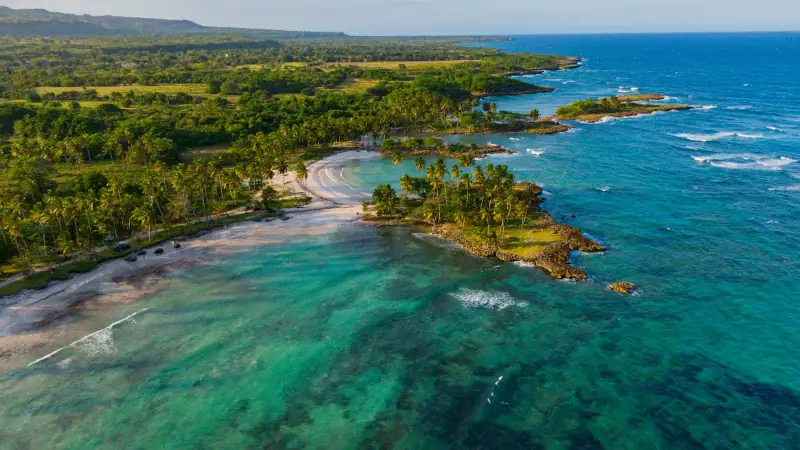
Complete Guide to Visiting the Dominican Republic: Regions, Highlights and Tips
Regions, cities, highlights, when to go, flights, transport, lodging and budget: the complete guide to planning a trip to the Dominican Republic.
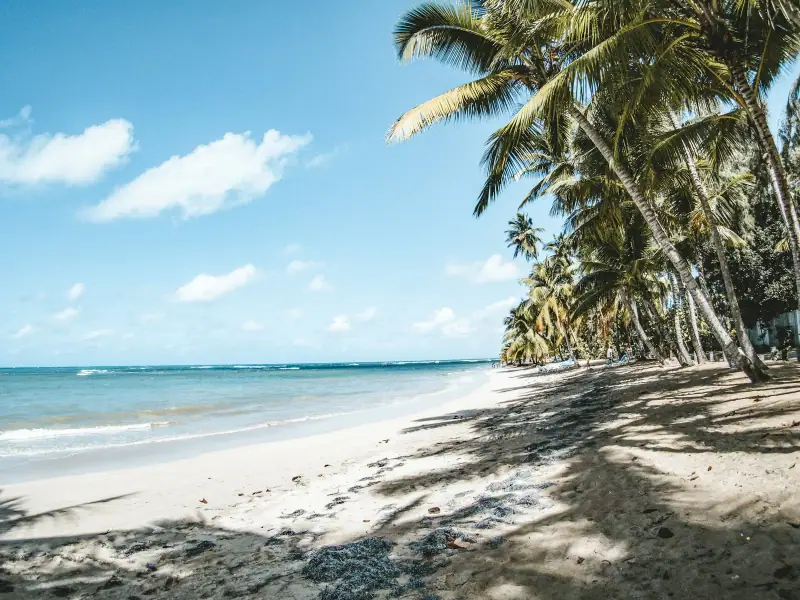
Visiting Las Terrenas: What to See and Do on the Samaná Coast
Coconut-palm beaches, fishing village, El Limón waterfall, whales and a French-speaking community: a guide to visiting Las Terrenas.
What to See in Punta Cana and Eastern Dominican Republic: Beaches, Cenote, Higüey and Altos de Chavón
Bávaro and Macao beaches, Hoyo Azul cenote, Higüey basilica, Altos de Chavón and Bayahibe: sights to see in the Dominican east.
Ready-made
Dominican Republic itineraries
10 days
10-Day Dominican Republic Itinerary: Santo Domingo, Samaná and the East Coast
Santo DomingoSamaná PeninsulaBayahibePunta Cana

7 days
One Week in the Dominican Republic by Car: A Day-by-Day Road Trip from Santo Domingo to Punta Cana
Santo DomingoBayahibePunta Cana
Can be adapted in the planner
7 days
7 Days in the Dominican Republic Without a Car: A Realistic Itinerary by Bus and Transfer
Santo DomingoLas TerrenasBayahibe