What to see
Visiting Las Terrenas: What to See and Do on the Samaná Coast
We may earn a commission when you book through links on this page, at no extra cost to you. We don't visit or try the places we cover: we summarize published sources. How we work
In short
- Las Terrenas is a village-style resort on the north coast of the Samaná Peninsula, with small hotels, residences and villas rather than all-inclusive complexes.
- Classic outings: El Limón waterfall (about 15 km / 9 mi away, last stretch on foot or horseback) and, from mid-January to the end of March, humpback whale watching in Samaná Bay.
- Samaná – El Catey airport is about 30 to 45 minutes away; from Santo Domingo, allow roughly two to three hours by the Nordeste highway.
- Three nights give a taste, five to seven let you enjoy beach, excursions and days off; the dry season runs roughly December to April.
On the north coast of the Samaná Peninsula, Las Terrenas is a former fishing hamlet that has become one of the most endearing resorts in the Dominican Republic. There are no lines of mega-resorts here: instead, coconut-lined beaches, a lively main street, patios where French is heard as much as Spanish and a green hinterland that invites walks. Here is what to see and do to make the most of your stay.
If you are still unsure which region to choose, our complete guide to the Dominican Republic compares the country’s main areas. Las Terrenas appeals mostly to those who prefer a village atmosphere to that of the big resorts of the east.
Las Terrenas at a glance: what to expect
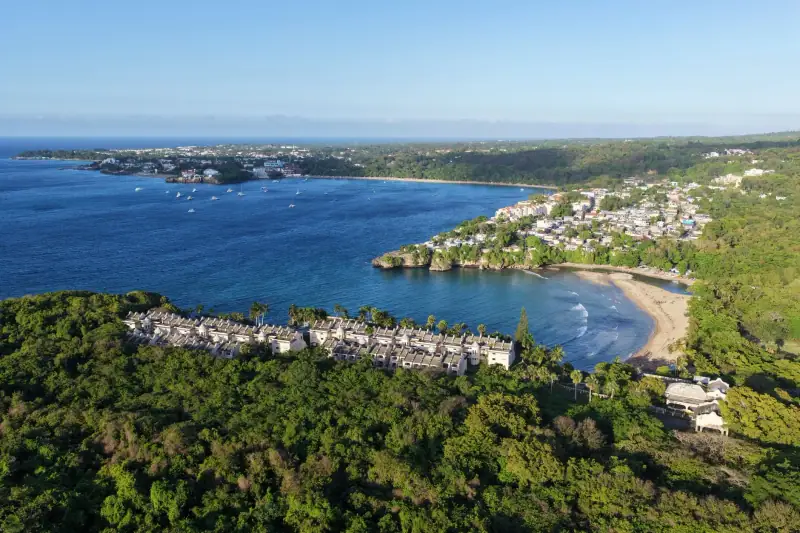
Founded in the mid-20th century, the town stayed isolated for a long time: the access road was only opened in the late 1980s and electricity arrived in the 1990s. This recent history explains its character: a town built around fishing, then tourism, without an overall plan but with a lot of personality. According to some sources, the name comes from the French “le terrien.”
Today the town has a few tens of thousands of inhabitants in the broad sense, including a large foreign community, mostly European. There are many French residents, which shows in the bakeries, restaurants and small lodging addresses.
A few practical landmarks:
- Climate: tropical, with temperatures generally between 25 and 32 °C (77 and 90 °F);
- Atmosphere: relaxed, no dress code, more barefoot than heels;
- Accommodation: small hotels, residences, apartments and villas, rather than all-inclusive;
- Getting around: the center is walkable; for farther beaches, taxis and motoconchos (motorcycle taxis) are common.
Las Terrenas beaches
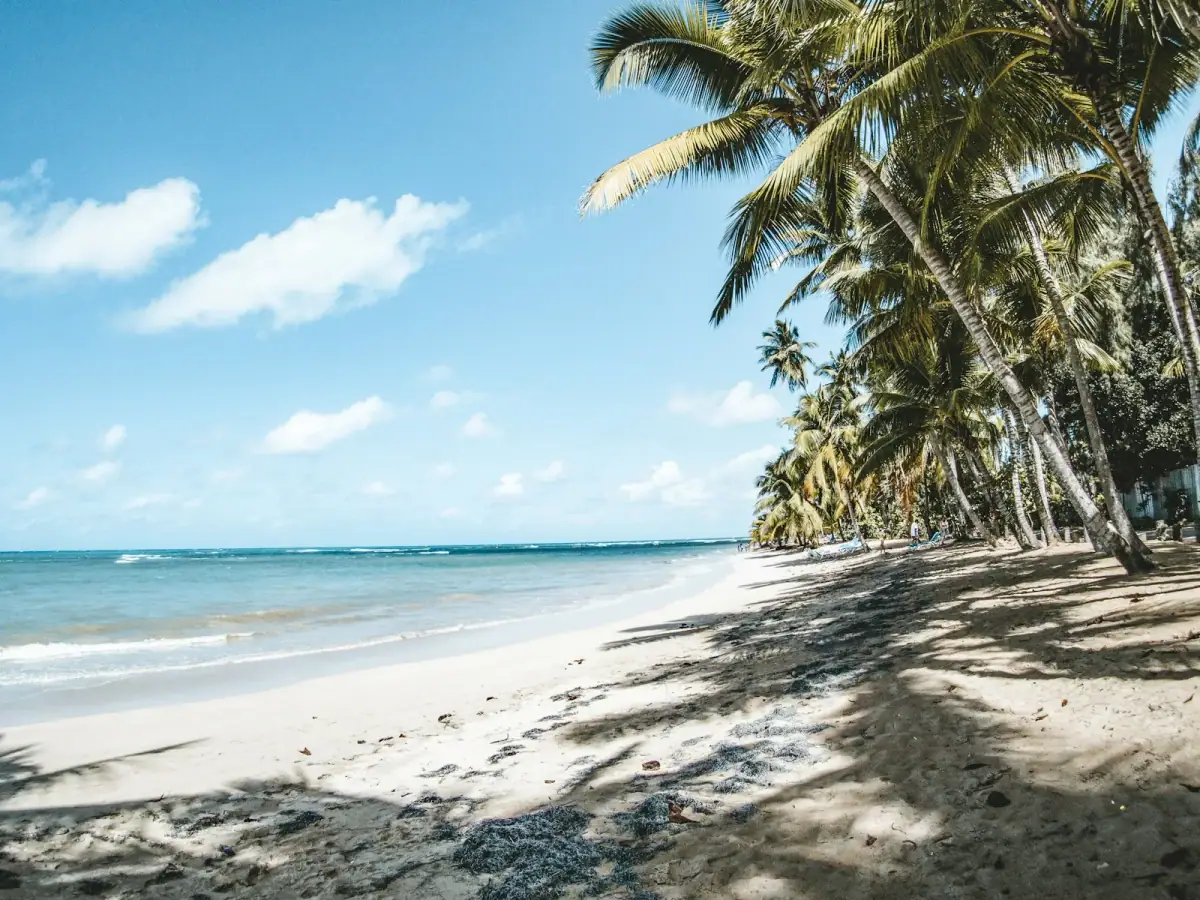
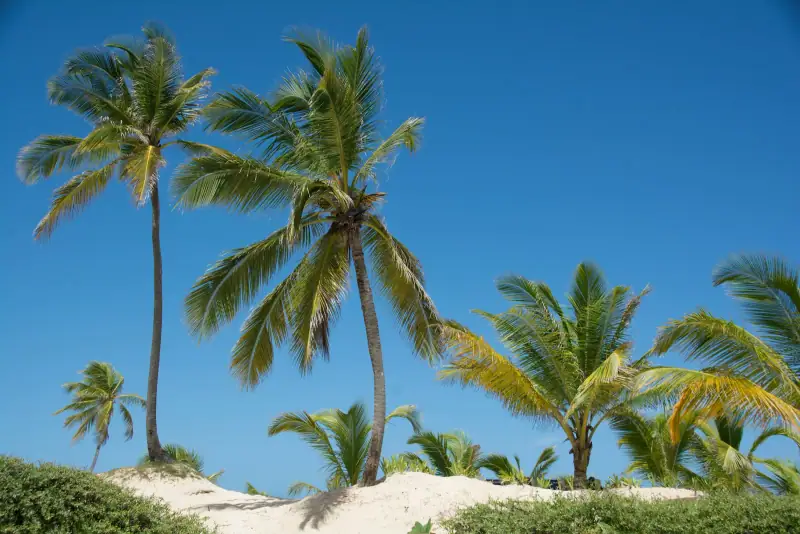
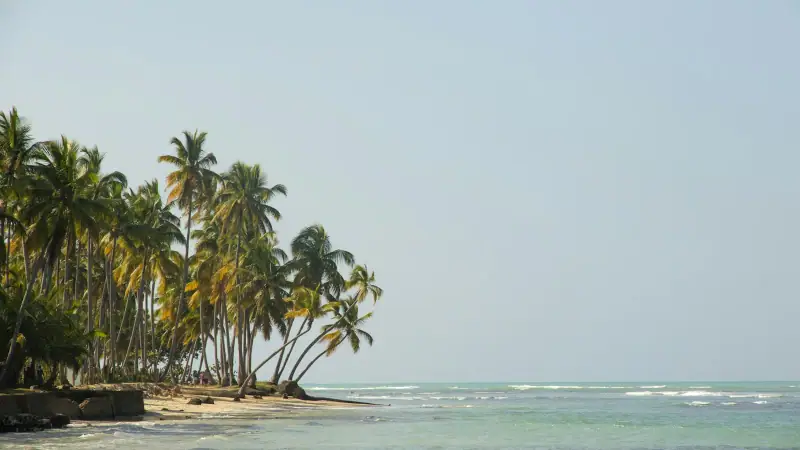
This is the first reason to come. The coast stretches for several kilometers of pale sand, backed by palm groves. Each beach has its temperament, and the choice depends on what you look for: quiet swimming, a walk, water sports or simple lazing.
Around the village
Near the center, the beach is lively: fishermen’s dugout boats pulled onto the sand, thatched huts, vendors and strollers at the end of the day. It is the right place for lunch with your feet in the sand and for watching local life. Swimming is generally easier in sheltered areas, but sea conditions vary: always ask for advice locally.
Playa Bonita and Cosón
West of the village, Playa Bonita and the long Cosón beach form a big ribbon of golden sand. They stand out for a more marked swell at certain times of the year, which suits walkers and fans of wide-open spaces, a little less families with young children. The farther west you go, the calmer and wilder the atmosphere becomes. It is a very good spot for a long morning walk.
More discreet beaches
The peninsula has other beaches reached by road or by boat, sometimes after a walk. Several lodgings and agencies offer outings to reach them. Bring water, sun protection and cash, because small businesses do not always accept cards.
The fishing village and the town center
The heart of the resort fits in one main street parallel to the sea and a few perpendicular lanes that go down to the beach. You find shops, agencies, scooter rental shops, convenience stores and cafés. The area near the waterfront, often called the “pueblo de los pescadores,” is the nicest for strolling: small restaurants, music bars and crafts galleries are grouped in a very small perimeter.
In the evening, the atmosphere is friendly. Some patios offer live music, others themed nights, but the pace stays calmer than in Punta Cana. Remember to keep cash in Dominican pesos: ATMs exist, but it is best not to depend on a single one. Our article on formalities, health and money details this point.
A tip: compare posted prices before you sit down. Waterfront places are often a little more expensive than those one street back, without the quality necessarily being better.
El Limón waterfall
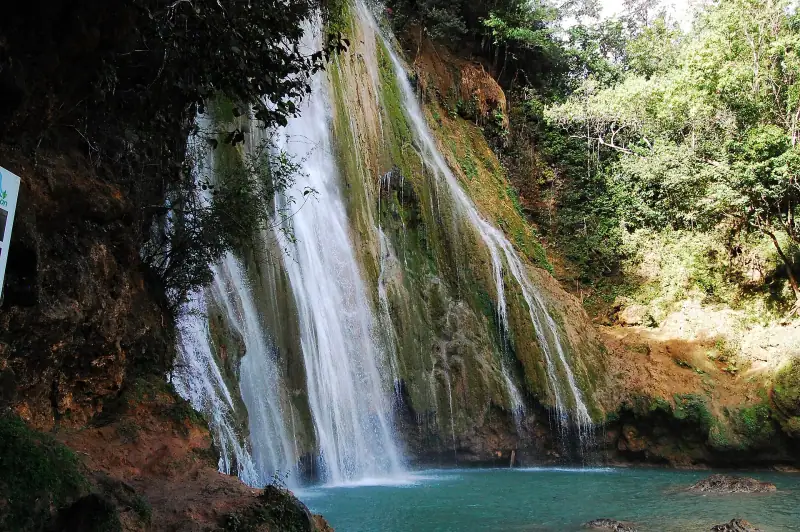
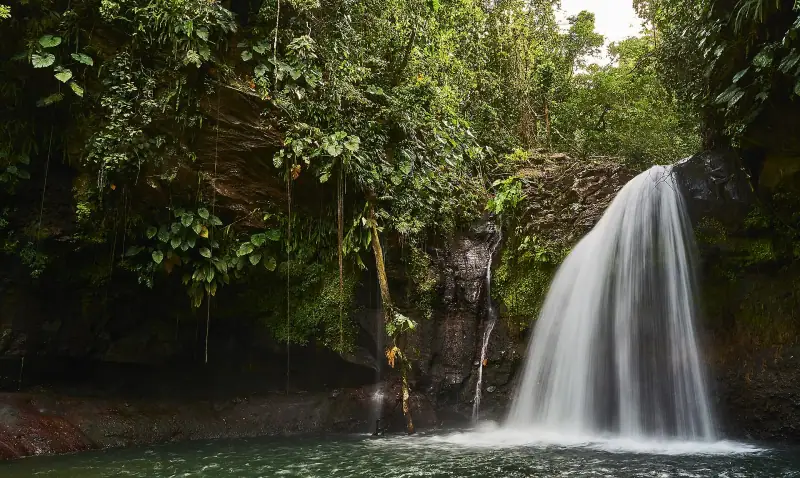
The most classic excursion from Las Terrenas is El Limón waterfall, in the hinterland. It is about fifteen kilometers (9 mi) from the village, and the last stretch is done on foot or on horseback, on a trail of about two and a half kilometers (1.5 mi) according to guides. Generally allow half a day.
The trail can be muddy, especially after rain: bring closed shoes or sturdy sandals and a change of clothes. On arrival, a pool lets you cool off. Local guides offer the horseback ride, a nice option, but choose providers who treat their animals properly.
For logistics, two possibilities: go on an organized excursion with transfer from your accommodation, or negotiate a taxi and then a guide there. The first is simpler and more reassuring if you travel without a car.
Excursions around Las Terrenas
El Limón waterfall, boat trips, horseback rides: compare excursions with transfer from your accommodation.
Samaná Bay and humpback whales
Las Terrenas is an excellent base camp to reach Samaná Bay, famous for its humpback whales. Every winter they come to breed and give birth there, and boat trips let you watch them at the regulated distance, generally from mid-January to the end of March or so. Departure is from the town of Samaná, on the other side of the peninsula, so you need to get there from Las Terrenas first.
It is a striking experience, but it requires choosing your operator well: favor those who respect approach distances and limit the number of boats around a single animal. A full guide covers this topic: whale watching in Samaná.
Outside whale season, the bay remains a fine excursion ground: islets, mangroves and small beaches can be visited by boat in a day. Ask agencies about the programs offered depending on the period.
Water activities and outdoor sports
The waters of the north coast lend themselves to several activities: kayaking, paddleboarding, scuba diving or snorkeling depending on conditions, sailing and catamaran outings. Beach clubs and dive centers are grouped around the village. Visibility and sea conditions vary by season: ask the center the day before what is possible.
On land, nature fans can rent a bike or ATV to explore the hinterland tracks, or simply walk in the palm groves. Wind-sport fans will find more choice on the north coast farther west: see our guide to kitesurfing and windsurfing in Cabarete.
Remember to protect your skin: the sun is strong, even on hazy days, and the UV index climbs quickly in the Caribbean. A reef-friendly sunscreen is a good habit.
What to eat in Las Terrenas
The cuisine reflects the mix of cultures. You find fish and seafood restaurants, often prepared Creole style with a coconut milk sauce, a specialty closely associated with the peninsula. You also find French-style bakeries, pizzerias and international restaurants, a reflection of the expatriate community.
On the local side, try the Dominican classics: the dish of the day with rice, beans and meat, roadside fried food, fresh fruit juices. Our article on Dominican culinary specialties will help you spot the essentials.
For food safety, adopt the usual habits: bottled water, peeled fruit, dishes cooked to order. Ask your accommodation for its trusted addresses rather than relying only on online reviews.
Where to stay in Las Terrenas
The town offers a varied choice, from dorms to villas with a pool. Three main types of location stand out:
- The center and the waterfront: practical to be within walking distance of everything, with more activity in the evening;
- The west, toward Playa Bonita and Cosón: calmer, close to huge beaches, but you need transport to reach the village;
- Behind the village and the hills: houses, villas and residences, often with a pool, for longer stays.
To compare the areas on the scale of the country, read our guide to where to stay in the Dominican Republic. For a stay in high season, book ahead: small properties fill up quickly.
Stay in Las Terrenas
Small hotels, residences and villas: compare accommodation, reviews and cancellation terms.
How to get to Las Terrenas
Two airports are possible. The closest is Samaná – El Catey International Airport, which receives flights from Europe, Canada and the United States among others; allow about 30 to 45 minutes by road depending on sources and traffic. Another option: land in Santo Domingo, then reach the peninsula by the Nordeste highway, allowing about two to three hours.
For transport, three main options:
- Private transfer: the most comfortable, to be booked in advance with your accommodation;
- Intercity bus: economical, with a local connection to plan; check the timetables with the company;
- Rental car: total freedom, but driving is sometimes aggressive and secondary roads uneven.
For an itinerary without a car combining Santo Domingo and the peninsula, our 7-day itinerary without a car details the stages. For a longer circuit, see the 10-day itinerary.
When to go and how long to stay
The dry season, from about December to April, is the most popular: clear skies, pleasant temperatures and, from about mid-January to the end of March, the presence of whales. The rest of the year, rain is more frequent and the heat heavier, but rates are often lower. Our guide to when to go to the Dominican Republic details these nuances.
For duration, three nights are enough for a first taste, five to seven to really enjoy it. A week-long stay lets you alternate beach, excursions and days with no plan.
Budget and practical tips
Las Terrenas can suit several budgets, from dorms to villas. Waterfront restaurants are often more expensive than those set back, and organized excursions cost more than outings negotiated locally. To estimate your overall spending, see our Dominican Republic budget guide.
- Money: keep cash in pesos for small shops, motoconchos and markets;
- Health: sun protection and mosquito repellent are recommended; see the official travel health pages (CDC in the US, TravelHealthPro in the UK);
- Local transport: agree on the price before getting into a taxi or motoconcho, and wear the helmet if one is offered;
- Safety: as everywhere, avoid leaving valuables on the beach and be careful at night outside lively areas.
For insurance, consider travel insurance suited to trips abroad.
Check your carrier’s international plan before you go, or use a travel eSIM, because roaming charges can be significant. Our article on SIM cards and eSIMs details the options.
Mobile internet during your trip
Saily offers eSIM data plans in more than 150 countries: check the offer for the Dominican Republic.
Who is Las Terrenas for?
Las Terrenas suits couples, friends and families who prefer a village atmosphere to that of the big complexes. It will appeal to travelers who like walking, tasting local food and mixing beach with nature escapes. It will be less suited to those who want entertainment, a single beach without swell and all the comfort of an all-inclusive: it is then better to turn to the east of the country.
Combined with Samaná and the bay’s excursions, it makes one of the most complete stays in the Dominican Republic. A few days here, a few days in the colonial capital, and you will have a trip balanced between relaxation and discovery.
Frequently asked questions
How long does it take to visit Las Terrenas?
Three to five nights let you enjoy the beaches, the village and one or two excursions (El Limón waterfall, Samaná Bay). A week suits you if you want to slow down.
What is the best time to go to Las Terrenas?
The dry season, from about December to April, is the most pleasant. Humpback whale season in Samaná Bay runs roughly from mid-January to the end of March. See our guide to choosing the season.
How do you get to Las Terrenas from the airport?
Samaná – El Catey International Airport is the closest: allow about 30 to 45 minutes by road depending on sources and traffic. From Santo Domingo, the Nordeste highway reaches the peninsula in about two to three hours.
Do you need to rent a car in Las Terrenas?
It is not essential: the center is walkable, motoconchos and taxis link the nearby beaches, and excursions include the transfer. A car is useful for exploring the peninsula freely, with care on secondary roads.
Is French spoken in Las Terrenas?
Very often, yes. The town hosts a large expatriate community, mostly French but also Italian, Swiss and Belgian, and many shops and lodgings are run by French speakers.
Are Las Terrenas beaches suitable for swimming?
It depends on the beach and the season. Some beaches west of the village have swell at certain times: ask your accommodation and respect the flags and local instructions.
Is Las Terrenas an all-inclusive destination?
No, it is more a destination of small hotels, residences and guesthouses, with meals taken in the village's restaurants. A few large complexes exist in the region.
More Dominican Republic guides
Keep reading
Complete Guide to Visiting the Dominican Republic: Regions, Highlights and Tips
Regions, cities, highlights, when to go, flights, transport, lodging and budget: the complete guide to planning a trip to the Dominican Republic.
What to See on the Dominican Republic's North Coast: Puerto Plata, Sosúa, Cabarete and Río San Juan
Puerto Plata, Sosúa, Cabarete, Río San Juan and the Damajagua waterfalls: places to see on the Dominican Republic's Atlantic north coast.
What to See in Punta Cana and Eastern Dominican Republic: Beaches, Cenote, Higüey and Altos de Chavón
Bávaro and Macao beaches, Hoyo Azul cenote, Higüey basilica, Altos de Chavón and Bayahibe: sights to see in the Dominican east.
Ready-made
Dominican Republic itineraries
10 days
10-Day Dominican Republic Itinerary: Santo Domingo, Samaná and the East Coast
Santo DomingoSamaná PeninsulaBayahibePunta Cana
7 days
One Week in the Dominican Republic by Car: A Day-by-Day Road Trip from Santo Domingo to Punta Cana
Santo DomingoBayahibePunta Cana
Can be adapted in the planner
7 days
7 Days in the Dominican Republic Without a Car: A Realistic Itinerary by Bus and Transfer
Santo DomingoLas TerrenasBayahibe