Things to do
Visiting the Colonial Zone of Santo Domingo: A Walking Route and Tips
We may earn a commission when you book through links on this page, at no extra cost to you. We don't visit or try the places we cover: we summarize published sources. How we work
In short
- The Colonial Zone is small (under 5 km² / 2 sq mi), UNESCO-listed since 1990, and covered entirely on foot: one day for the main sights, half a day for a quick route.
- Route: Columbus Park and the Primate Cathedral, calle Las Damas with Ozama Fortress, then the Alcázar de Colón and the museums.
- Go early in the morning or late in the afternoon; December to April is milder for walking all day.
- From Punta Cana, Santo Domingo is about 170 to 200 km (106 to 124 mi), generally two to three hours each way; an organized excursion, a rental car or an overnight stay all work.
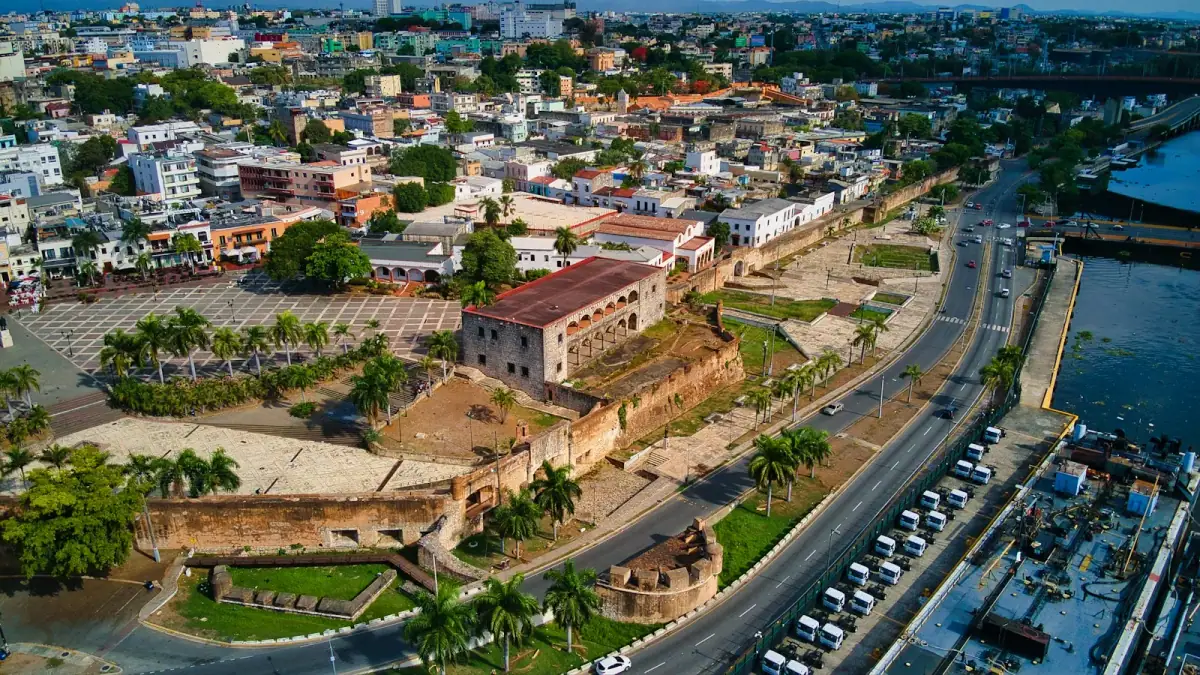
Founded at the end of the 15th century, Santo Domingo is the oldest permanent European city in the Americas. Its historic heart, the Colonial Zone, spreads over the west bank of the Ozama River, across less than five square kilometers (2 sq mi). Listed by UNESCO in 1990, it can be covered entirely on foot: cobbled streets, shaded squares, stone churches and fortresses. Here is how to organize your visit, step by step.
If you stay on the east coast, this visit is the ultimate cultural excursion: it is a change from beaches and resorts, and is easily done in one day. To choose the right season, see our guide to when to go to the Dominican Republic.
Columbus Park and the Primate Cathedral
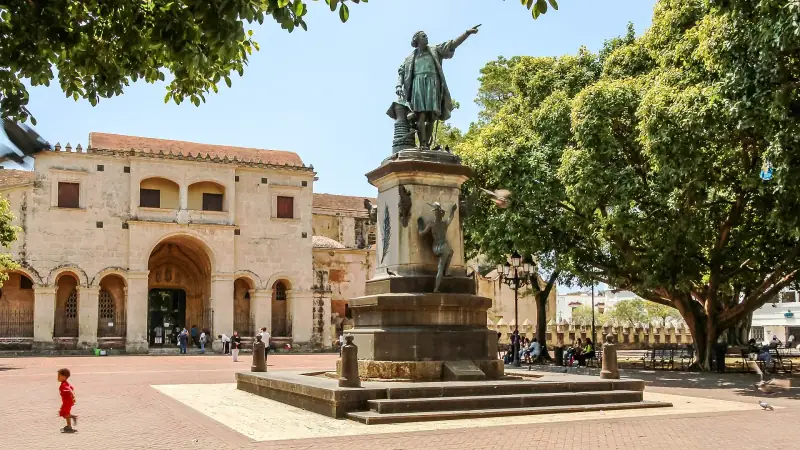
The route naturally starts at Columbus Park, the central square of the Colonial Zone. A statue of Christopher Columbus dominates the space, surrounded by benches, outdoor cafés and vendors. It is a good landmark for getting your bearings, because the main streets start from here.
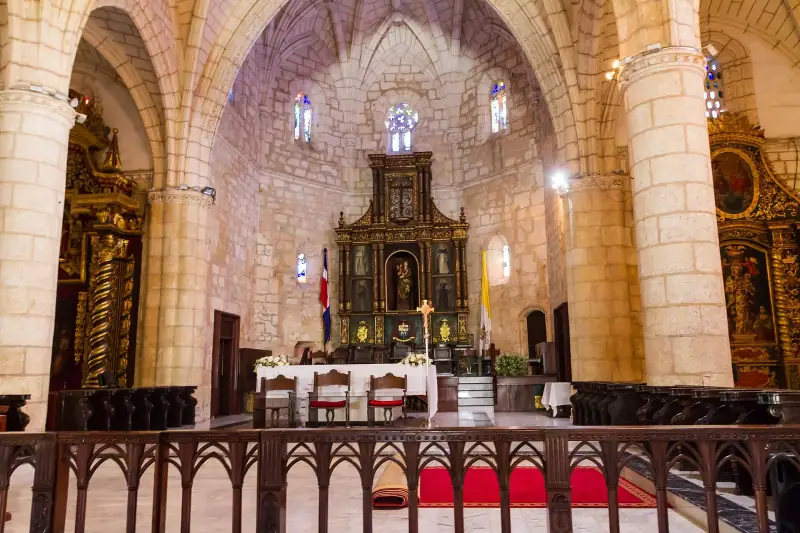
On the south side of the square stands the Cathedral of Santa María la Menor (Santa María de la Encarnación), known as the Catedral Primada de América: it is the oldest cathedral in the Americas. Its pale stone facade and sober interior are worth a visit of about half an hour. Covered clothing, shoulders and knees, is generally expected at the entrance of places of worship.
Use this spot for a first break: the outdoor cafés around the square are convenient, but a bit more touristy than the small adjacent streets. If you want to taste local food, move a few streets away and choose a place frequented by residents.
Guided tour of Santo Domingo
To understand the history of each building, see the guided tours of the colonial city and the day excursions.
Calle Las Damas and Ozama Fortress
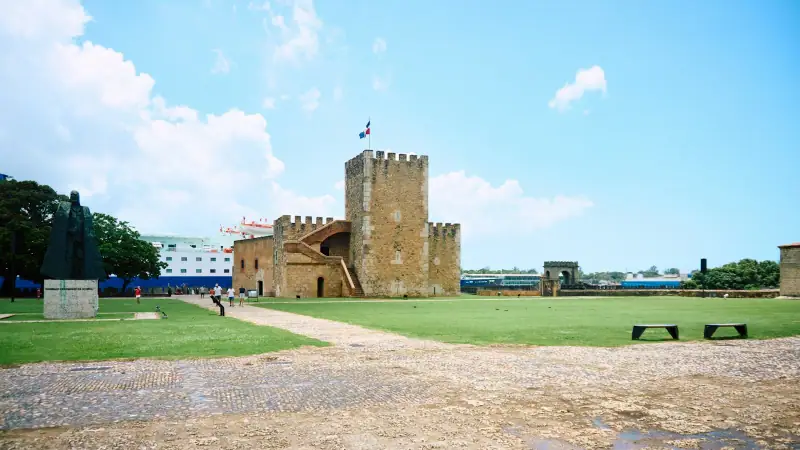
From Columbus Park, head to calle Las Damas, said to be the oldest paved street in the New World, laid out as early as 1502. This cobbled street concentrates much of the city’s heritage: Ozama Fortress, the Casa de Bastidas, the Casa de Ovando, the National Pantheon and the Museo de las Casas Reales follow one another within a short distance.
Ozama Fortress, the first military fortress in the Americas, overlooks the river of the same name. You climb it for the view of the river mouth and the rooftops of the Colonial Zone. The site is exposed: bring water, a hat and sunscreen, especially between May and October.
Walk without hurrying. The street is short, but each facade has its story, and the morning light is the best for photographs. Opening hours and entry fees of the sites change from time to time: check them locally or with the tourist office before planning your day.
The Alcázar de Colón and the museums
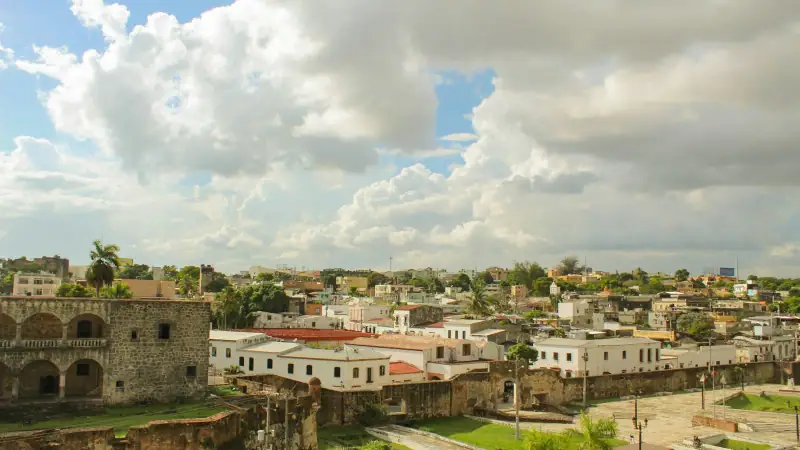
At the end of calle Las Damas, facing Plaza de España, the Alcázar de Colón is the former palace of Christopher Columbus’s family, built from 1510 by his son Diego. Restored in the 20th century, it now houses a museum showing furniture and objects of the colonial era.
Visiting the interior lets you picture the life of the first Spanish governors. It generally lasts an hour, a bit more if you like historical detail. Plaza de España in front of the palace, lined with former warehouses turned into restaurants and shops, is pleasant for catching your breath.
If you are passionate about history, other museums in the zone lend themselves to a deeper visit. Do not try to see everything in a single day: it is better to choose two or three places and leave time to wander.
Strolling the lanes: churches, ruins and atmosphere
Beyond the big monuments, the charm of the Colonial Zone lies in its lanes. Colorful facades, patios, art galleries and craftsmen’s workshops reveal themselves along the detours. Several ruined churches and convents, open to the sky, offer striking settings and are often little visited.
The pedestrian street El Conde, which crosses the neighborhood from east to west from Columbus Park, concentrates shops, cafés and activity. It is where the city is liveliest, by day and in the early evening. Stay alert to your belongings in very busy areas, as in any capital.
In the late afternoon, when the heat drops, the zone comes alive: outdoor cafés, music and strollers. If you sleep in the zone rather than going back after an excursion, you can enjoy this calmer atmosphere once the groups have left.
Stay in Santo Domingo
Spending a night in the colonial city avoids the drive the same evening. Compare boutique hotels and lodging in the historic center.
Organizing the day from Punta Cana or in the city
From Punta Cana, the capital is about 170 to 200 km (106 to 124 mi) away depending on the starting point, via the Coral highway. Generally allow two to three hours by road depending on traffic, more if you arrive at rush hour. Leaving early in the morning and coming back after the evening rush is the best compromise.
Three options are open to you:
- The organized excursion: transport, guide and route are handled for you. Practical if you don’t want to drive.
- Car rental: more freedom, but driving near the capital requires attention.
- A night in the zone: ideal for visiting without hurrying and enjoying the zone in the evening.
Whatever the option, wear comfortable shoes: the cobblestones are uneven. Bring water, a hat, sunscreen and a bit of cash for small purchases. The visit combines well with a beach stay, because it adds a historical dimension to your trip.
Remember to protect your trip: travel insurance with cancellation cover and medical assistance is useful, especially during hurricane season.
Practical tips
- When to go: early in the morning and late in the afternoon; December to April for milder temperatures.
- Duration: one day for the main sights, half a day for an express route.
- Dress: light but covering clothes for the churches, comfortable shoes.
- Safety: as in any large city, keep valuables discreet and avoid isolated streets in the evening.
- Budget: plan for the entry fees of a few sites and your meals; prices change, check them locally.
Santo Domingo’s Colonial Zone is an ideal complement to a stay on the coastal beaches. One day is enough to grasp the essentials, and one night to appreciate the atmosphere.
Frequently asked questions
How long does it take to visit Santo Domingo's Colonial Zone?
One day is enough for the main monuments, on foot. Allow half a day if you limit yourself to calle Las Damas, the cathedral and Columbus Park.
Is the Colonial Zone a UNESCO site?
Yes, the colonial city of Santo Domingo has been a UNESCO World Heritage Site since 1990. It is the first planned European city of the New World.
Can you visit Santo Domingo as an excursion from Punta Cana?
Yes, it is a classic day trip. The road via the Coral highway generally takes between two and three hours depending on traffic; leave early to avoid jams on the approach to the capital.
What is the best time for the visit?
In the morning, before the heat, and in the late afternoon. From December to April, temperatures are more bearable for walking all day.
Do you need a guide?
It is not required; the neighborhood is compact and can be explored alone. A guide or organized tour mainly adds the historical context of the buildings.
More Dominican Republic guides
Keep reading
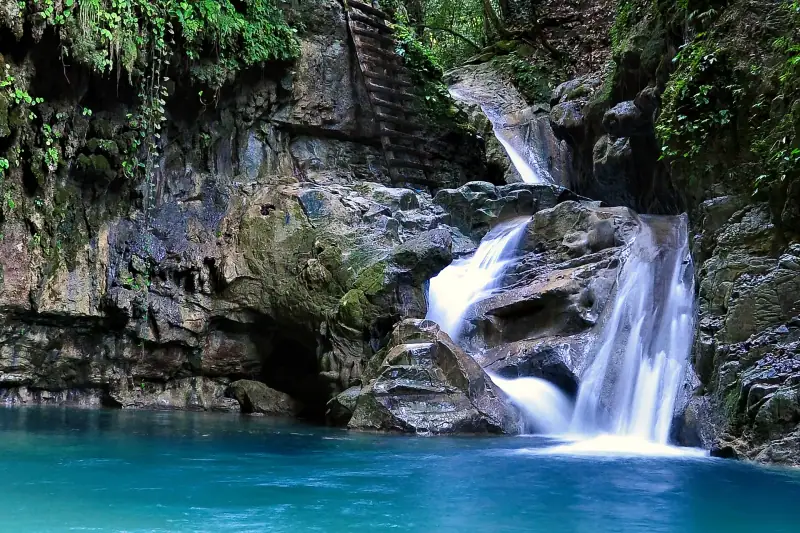
Damajagua Waterfalls (27 Charcos): Natural Water Slides Near Puerto Plata
The 27 Charcos of Damajagua near Puerto Plata: 7, 12 or 27 waterfall options, duration, gear, minimum age, best season and tips.
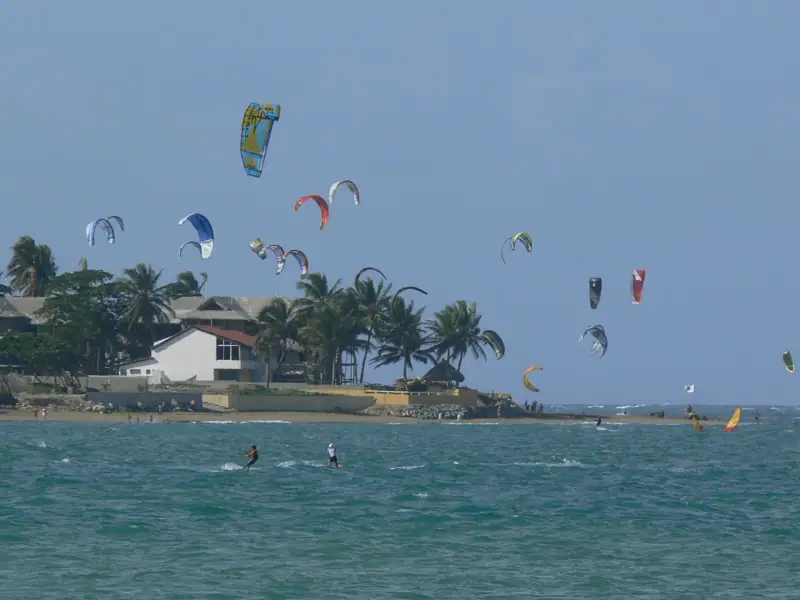
Cabarete: Kitesurfing, Windsurfing and Surfing on the Dominican Republic's North Coast
Cabarete, capital of wind sports: wind season, spots (Kite Beach, Encuentro), beginner lessons, gear, lodging and tips for your stay.
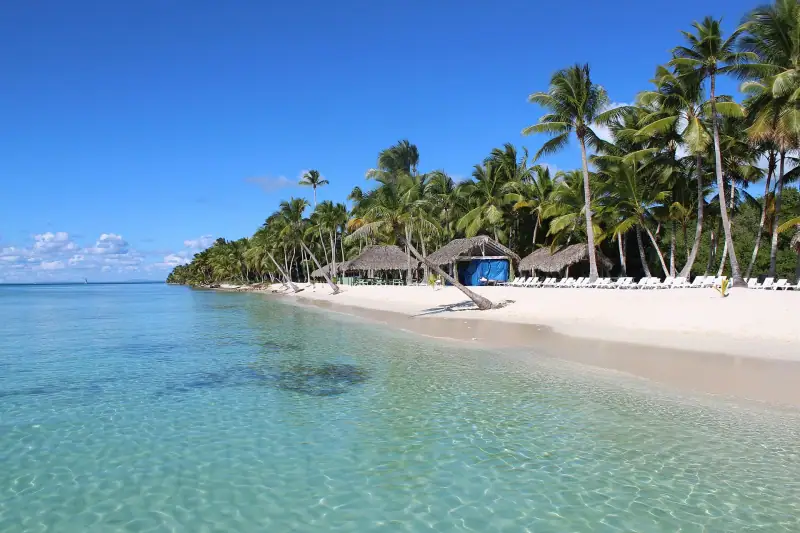
Saona Island Excursion: Organizing the Day from Bayahibe or Punta Cana
Saona Island from Bayahibe or Punta Cana: duration, beaches, the Palmilla natural pool, Mano Juan village and tips for your boat trip.
Ready-made
Dominican Republic itineraries
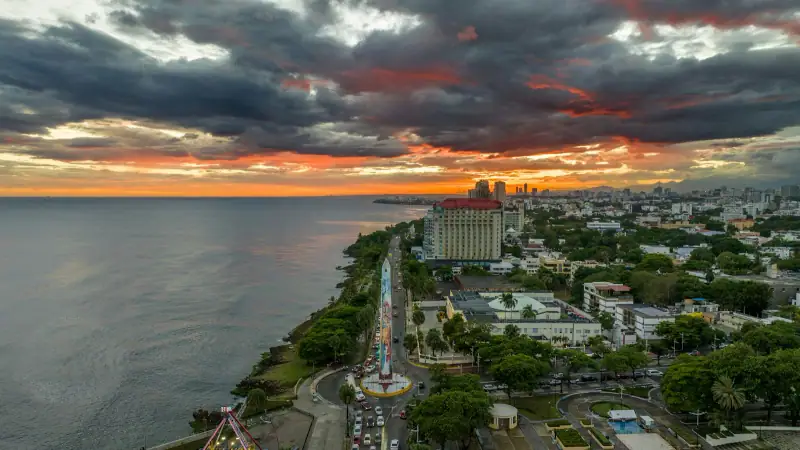
10 days
10-Day Dominican Republic Itinerary: Santo Domingo, Samaná and the East Coast
Santo DomingoSamaná PeninsulaBayahibePunta Cana

7 days
One Week in the Dominican Republic by Car: A Day-by-Day Road Trip from Santo Domingo to Punta Cana
Santo DomingoBayahibePunta Cana
Can be adapted in the planner
7 days
7 Days in the Dominican Republic Without a Car: A Realistic Itinerary by Bus and Transfer
Santo DomingoLas TerrenasBayahibe