Plan your trip
Budget for a Trip to the Dominican Republic: Real Costs and Tips to Spend Less
We may earn a commission when you book through links on this page, at no extra cost to you. We don't visit or try the places we cover: we summarize published sources. How we work
In short
- Lodging is the biggest gap between profiles: about €15 (about $17) per person per night on a budget, €32 (about $37) mid-range and €96 (about $110) upscale, according to the budget comparison cited.
- A simple local meal costs about €6 to 7 (about $7 to 8); a local bus ride between big cities is roughly 350 to 500 pesos (about €6 to 9 / $7 to 10).
- The Saona Island day excursion runs about €80 to 120 (about $93 to 140) per person; keep a 10 to 15% margin for the unexpected.
- All figures are orders of magnitude from public comparison sites consulted in October 2026; check prices when you book.
“How much does it cost?” is the first question travelers ask before booking the Dominican Republic. The answer varies by a factor of three: a traveler in a hostel taking local buses spends a fraction of what a family pays in a five-star resort on the east coast. This article details real costs item by item, offers three budget profiles with figures and gathers the tips that really let you spend less.
The figures below come from public budget comparison sites (notably partir.com and partirou.com, consulted in October 2026) and from transport fare records. They are orders of magnitude: prices change, exchange rates too, and the season changes the bill a lot. Always check rates when you book. Euro amounts are followed by a dollar equivalent at 1 € = $1.16.
Flights: the first spending item
Flights are often one of the biggest items of the total budget. Prices vary widely depending on your departure city, so compare for your own dates and airports.
What makes the price vary:
- The season: Christmas, New Year and February are the most expensive. High season, from December to April, can push fares up by about 40% according to some comparators.
- Advance booking: booking several months ahead remains the best way to avoid peaks.
- The arrival airport: Punta Cana receives most direct long-haul flights, Santo Domingo and Puerto Plata are other gateways. Compare the three if you want to visit several regions.
- Luggage: on low-cost flights or those with a connection, checked bags are often charged extra.
To compare airlines and dates, a flight comparison site remains the quickest way; shift your departure by a few days to see the effect on price.
Lodging: from a dorm bed to a five-star resort
This is the item that creates the biggest gap between profiles. According to partirou.com, a night costs on average about €15 (about $17) per person on a budget, €32 (about $37) mid-range and €96 (about $110) upscale. For two people sharing a room, the same comparator gives about €28 (about $32) a night on a budget, €40 (about $46) mid-range and €120 (about $140) upscale. Another source gives about €70 (about $81) a night for a one-star hotel and €267 (about $310) for a five-star: ranges are wide, which reflects the reality of the market.
All-inclusive resort or lodging only?
On the east coast, around Punta Cana and Bávaro, all-inclusive dominates. The price per night is higher, but it includes meals, drinks, entertainment and sometimes non-motorized activities. It is a good deal if you consume a lot there, and a bad calculation if you spend your days on excursions and dine out: you then pay for meals you don’t eat.
In other regions, like Samaná, Las Terrenas, Cabarete or Santo Domingo, the offering is mostly small hotels, guesthouses and apartments. Rates with breakfast are common there and leave more freedom. To choose the area according to your wishes, read our guide to where to stay in the Dominican Republic.
Compare lodging in the Dominican Republic
Filter by price, by plan (all-inclusive, breakfast) and by region to find the best value.
Meals: eating local changes everything
Meals are the item where you save most easily. Price records give, for a simple meal in a local restaurant, about €6 to 7 (about $7 to 8), and for a full three-course meal in a mid-range restaurant about €20 to 24 (about $23 to 28). A fast-food combo meal is around €6.70 (about $8).
On drinks:
- A local 33 cl beer: about €2.40 to 4 (about $3 to 5) depending on the place, more expensive in hotel areas.
- A one-liter bottle of water: about €0.55 to 0.75 (about $0.65 to 0.85) in a shop.
- A soda: about €0.65 (about $0.75).
Over time, partirou.com estimates the meal budget at about €9.50 (about $11) a day on a budget, €19 (about $22) mid-range and €30 (about $35) upscale, per person. These amounts assume eating at local places; in a tourist beach restaurant, the bill is higher.
Where to eat for less
Look for small places frequented by Dominicans. The “dish of the day” of rice, beans and meat, often called la bandera, is a complete, hearty and cheap meal. Street stands and neighborhood comedores offer fried food, empanadas and fresh fruit juices for a few euros. Our article on Dominican culinary specialties details the dishes to try.
For a guided experience, some travelers choose a cooking class or a tasting: a good way to try several dishes without picking the wrong address.
Transport: buses and guaguas versus taxis
Transport can cost almost nothing or a fortune, depending on your choices.
Intercity buses and guaguas
Air-conditioned bus companies link the big cities. According to traveler records, a Santo Domingo – Puerto Plata trip on a scheduled bus costs about 350 to 500 pesos (on the order of €6 to 9 / $7 to 10) for about four hours on the road. Local minibuses, the guaguas, are even cheaper: about 40 to 50 pesos for a short trip like Sosúa – Cabarete. These fares change: always ask the price before getting in.
On the daily budget, partirou.com puts local transport at about €1.20 (about $1.40) a day on a budget, €3 (about $3.50) mid-range and nearly €12 (about $14) upscale. A public transport ticket is around €0.50 to 0.60 (about $0.60 to 0.70).
Taxis and transfers
Taxis are practical but more expensive: records show about €1.80 to 2.40 per kilometer (about $2.10 to 2.80; about $3.40 to 4.50 per mile), with a pickup charge of about €3 (about $3.50). In tourist areas, fares are often set in advance by zone: negotiate and confirm the price, including for the return. For airport transfers, booking in advance avoids haggling on arrival.
Renting a car
A rental costs about €50 to 65 (about $58 to 75) a day for two people according to records, plus fuel (about €1 per liter, about $4.40 per gallon), insurance and the deposit. It pays off if you are three or four, or if you want to link Samaná, Puerto Plata and Santo Domingo without depending on timetables. However, local driving requires caution, especially at night: read the insurance terms before signing.
Activities and excursions
Excursions are the “fun” item of the budget. A well-known example: the day excursion to Saona Island runs, according to comparators, between €80 and 120 (about $93 to 140) per person, with transport, meal and drinks depending on the option. Prices vary by departure (Bayahibe, closer, or Punta Cana, with a longer transfer) and boat type. The detail is in our guide to the Saona Island excursion.
Also allow for, depending on your interests:
- The Damajagua waterfalls and their pools, a day outing near Puerto Plata: see our article on the Damajagua waterfalls.
- Humpback whale watching in Samaná, from mid-January to the end of March or so: our guide to whale watching in Samaná.
- Wind sports in Cabarete, with lessons and equipment rental: see kitesurfing and windsurfing in Cabarete.
- The Colonial Zone visit in Santo Domingo, done on foot and limited to a few museum entries: see our article on the Colonial Zone of Santo Domingo.
Budget comparators assume on average €10 to 20 (about $12 to 23) a day for activities, i.e. one big outing a week completed by low-cost visits. Booking ahead lets you compare options and check what is included (transfer, meal, drinks, guide).
Excursions and activities in the Dominican Republic
Compare rates, what is included and reviews before booking your outings.
Extra costs people forget
Several expenses often go under the radar:
- Travel insurance: essential to cover care and repatriation, because a private clinic can be expensive. Compare plans before leaving.
- Mobile connection: check your carrier’s international plan, a local SIM card or an eSIM, depending on your length of stay.
- Tips: common practice in restaurants, hotels and on excursions; plan for small change.
- Bank fees: withdrawals and card payments can carry commissions; our article on formalities, health and money details good habits.
- Souvenirs: rum, cigars, coffee, cocoa and crafts. Keep a margin.
Three budget profiles for a week
Here are three profiles for 7 nights per person, flights not included. They are built from the ranges of the comparators cited above, rounded, by adding up the items listed. For two people sharing a room, roughly halve the lodging item.
Profile 1: the thrifty traveler (about €235 to 295, about $275 to 340, for the week)
- Lodging: hostel or guesthouse, about €15 (about $17) a night, i.e. about €105 (about $120) for the week.
- Meals: about €10 (about $12) a day, i.e. about €70 (about $80), eating local.
- Transport: buses and guaguas, about €10 to 20 (about $12 to 23) for the week.
- Activities: one excursion and a few free or cheap visits, about €50 to 100 (about $58 to 115).
This profile suits those who like independence and accept simple comfort. According to partirou.com, the total excluding flights is around €25 (about $29) a day, which stays very tight as soon as you add an excursion.
Profile 2: the comfort traveler (about €530 to 975, about $615 to 1,130, for the week)
- Lodging: mid-range hotel with breakfast, about €32 to 70 (about $37 to 81) a night, i.e. €225 to 490 (about $260 to 570) for the week.
- Meals: about €19 (about $22) a day, i.e. about €135 (about $155).
- Transport: a mix of buses and taxis, about €20 to 50 (about $23 to 58).
- Activities: two or three excursions, about €150 to 300 (about $175 to 350).
This is the most common profile for a first stay, balancing comfort, discovery and a reasonable budget. Comparators put this level around €55 (about $64) a day excluding flights.
Profile 3: the upscale stay (from about €1,050, about $1,220, for the week)
- Lodging: all-inclusive resort or luxury hotel, about €96 to 270 (about $110 to 315) a night per person, i.e. €670 to 1,900 (about $780 to 2,200) for the week depending on standing.
- Meals: included in the all-inclusive plan, or about €30 (about $35) a day outside.
- Transport: private transfers and taxis, about €80 (about $93) or more.
- Activities: private excursions, diving, golf or spa, €300 (about $350) and more.
According to partirou.com, this level runs around €137 (about $160) a day excluding flights, but it can climb clearly in luxury resorts, especially in high season.
Flights to the Dominican Republic
Compare dates and airports (Punta Cana, Santo Domingo, Puerto Plata) to find the lowest fare.
Ten tips to spend less
- Go outside high season. Between May and November, hotels and flights are generally cheaper, but the rainy and hurricane season demands flexibility: see our guide to when to go to the Dominican Republic for the compromise.
- Book flights and hotels early for the Christmas and February holidays.
- Choose the right plan. All-inclusive if you stay at the hotel, breakfast only if you go out.
- Eat where locals eat. A simple meal costs about €6 to 7 (about $7 to 8), versus three times more in a beach restaurant.
- Take buses and guaguas for long trips, and fix the taxi price before leaving.
- Book excursions in advance and compare what is included; avoid beach vendors who inflate prices.
- Bring your sunscreen and insect repellent: they cost more there, especially in hotel areas.
- Drink one-liter bottled water bought at a supermarket rather than at resort bars.
- Pay in pesos for small purchases and withdraw cash from bank ATMs, rather than at the airport exchange office.
- Take out travel insurance before leaving: a single visit to a private clinic can wreck a trip’s budget.
Combining several regions without blowing the budget
If you visit several regions, the sequence of stops weighs on the bill: each hotel change adds a transfer, sometimes an extra transition night. For a ten-day stay, group your stops by area, for example the east coast and south first, then Samaná or the north coast, rather than going back and forth. Our 10-day Dominican Republic itinerary offers a realistic sequence that keeps the driving short.
Another trick is to mix lodging styles: one or two nights in a boutique hotel in Santo Domingo, then a few days in a resort to rest. You enjoy comfort without paying the upscale rate for the whole stay.
Our conclusion on the budget
The Dominican Republic is neither the cheapest destination in the Caribbean nor the most expensive: it offers a real choice of price levels. Remember that flights and lodging make up most of the budget, that local meals and shared transport cost little, and that excursions are the item to watch. First set your profile, compare plans, then keep a 10 to 15% margin for the unexpected. You will travel with peace of mind, whether you choose a hostel bed or a suite facing the sea.
Frequently asked questions
What budget should you plan for a week in the Dominican Republic?
Per person, flights not included, adding up the items in this article: about €235 to 295 (about $275 to 340) for a budget profile, €530 to 975 (about $615 to 1,130) mid-range, and from about €1,050 (about $1,220) upscale. Flights and lodging weigh the most.
Is the Dominican Republic an expensive destination?
Everyday costs such as local restaurants and transport are modest, but resorts, tourist excursions and drinks in hotel areas cost clearly more than in towns. The price depends mostly on how you travel.
Is all-inclusive cheaper than a hotel only?
If you stay in an isolated resort on the east coast, often yes: you avoid expensive meals and drinks there. If you want to taste local food and go out, a plan with breakfast or half board is often cheaper.
Should you pay in dollars or pesos?
Tourist prices are often displayed in US dollars, but the country's currency is the Dominican peso. Paying small purchases in pesos is generally more advantageous. Check the day's rate before leaving.
How do you get around without spending too much?
Intercity buses and local minibuses, the guaguas, are by far the cheapest way. For short trips in tourist areas, agree on the taxi price before getting in.
When should you go to pay less?
Outside high season, which runs from December to April, hotel and flight rates are lower. Some sources mention a rise of about 40% in high season. The climate-and-price compromise is detailed in our guide to the best time to go.
More Dominican Republic guides
Keep reading
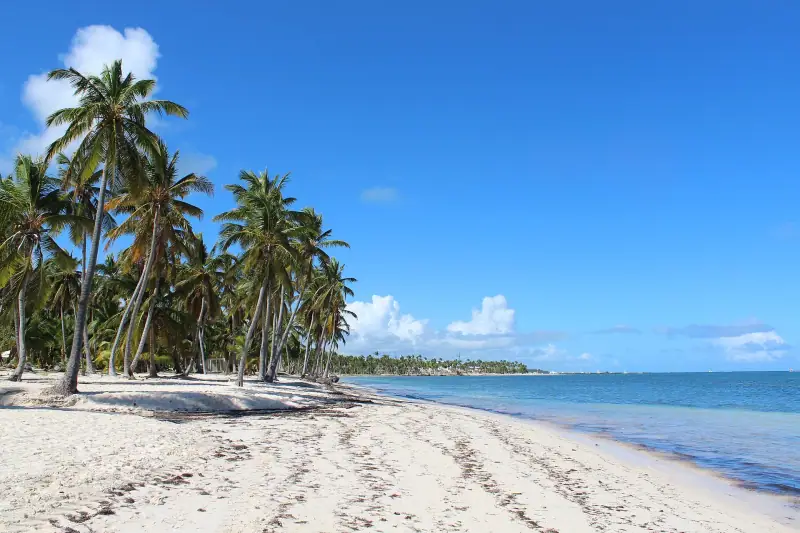
When to Go to the Dominican Republic: Climate, Seasons and Whales
Dry season, rainy season, hurricanes, Samaná whales: our guide to choosing the best time to go to the Dominican Republic.

Complete Guide to Visiting the Dominican Republic: Regions, Highlights and Tips
Regions, cities, highlights, when to go, flights, transport, lodging and budget: the complete guide to planning a trip to the Dominican Republic.
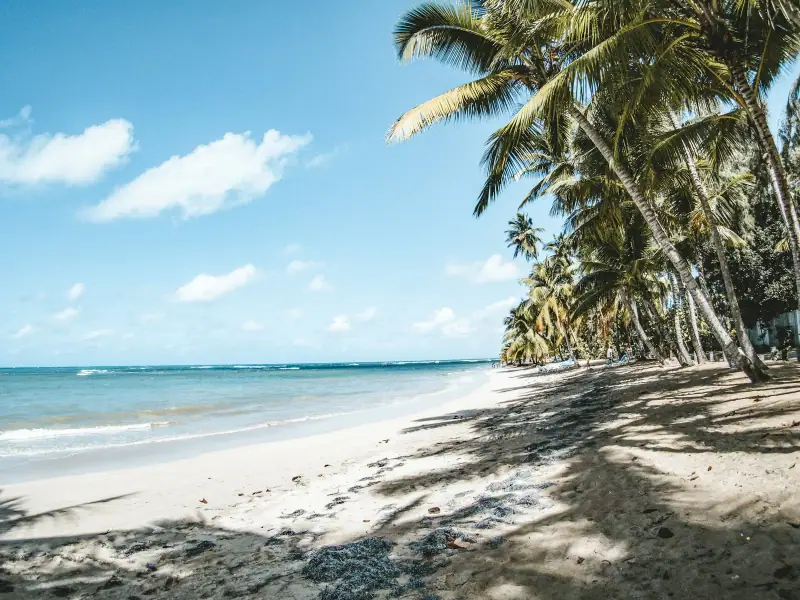
Visiting Las Terrenas: What to See and Do on the Samaná Coast
Coconut-palm beaches, fishing village, El Limón waterfall, whales and a French-speaking community: a guide to visiting Las Terrenas.
Ready-made
Dominican Republic itineraries
10 days
10-Day Dominican Republic Itinerary: Santo Domingo, Samaná and the East Coast
Santo DomingoSamaná PeninsulaBayahibePunta Cana

7 days
One Week in the Dominican Republic by Car: A Day-by-Day Road Trip from Santo Domingo to Punta Cana
Santo DomingoBayahibePunta Cana
Can be adapted in the planner
7 days
7 Days in the Dominican Republic Without a Car: A Realistic Itinerary by Bus and Transfer
Santo DomingoLas TerrenasBayahibe