Things to do
Cabarete: Kitesurfing, Windsurfing and Surfing on the Dominican Republic's North Coast
We may earn a commission when you book through links on this page, at no extra cost to you. We don't visit or try the places we cover: we summarize published sources. How we work
In short
- Cabarete is on the Atlantic coast east of Puerto Plata, about half an hour by road; trade winds blow much of the year.
- The wind is generally steadiest and strongest from June to August, more moderate from January to April, and often calmest from October to December.
- Kite Beach, about 2 km (1.2 mi) from the center, is the main spot for kitesurfers, beginners included; Playa Encuentro is a surf spot for experienced riders.
- Compare group size, instructor ratio, radio and safety boat, equipment age and rescheduling terms before booking a lesson.
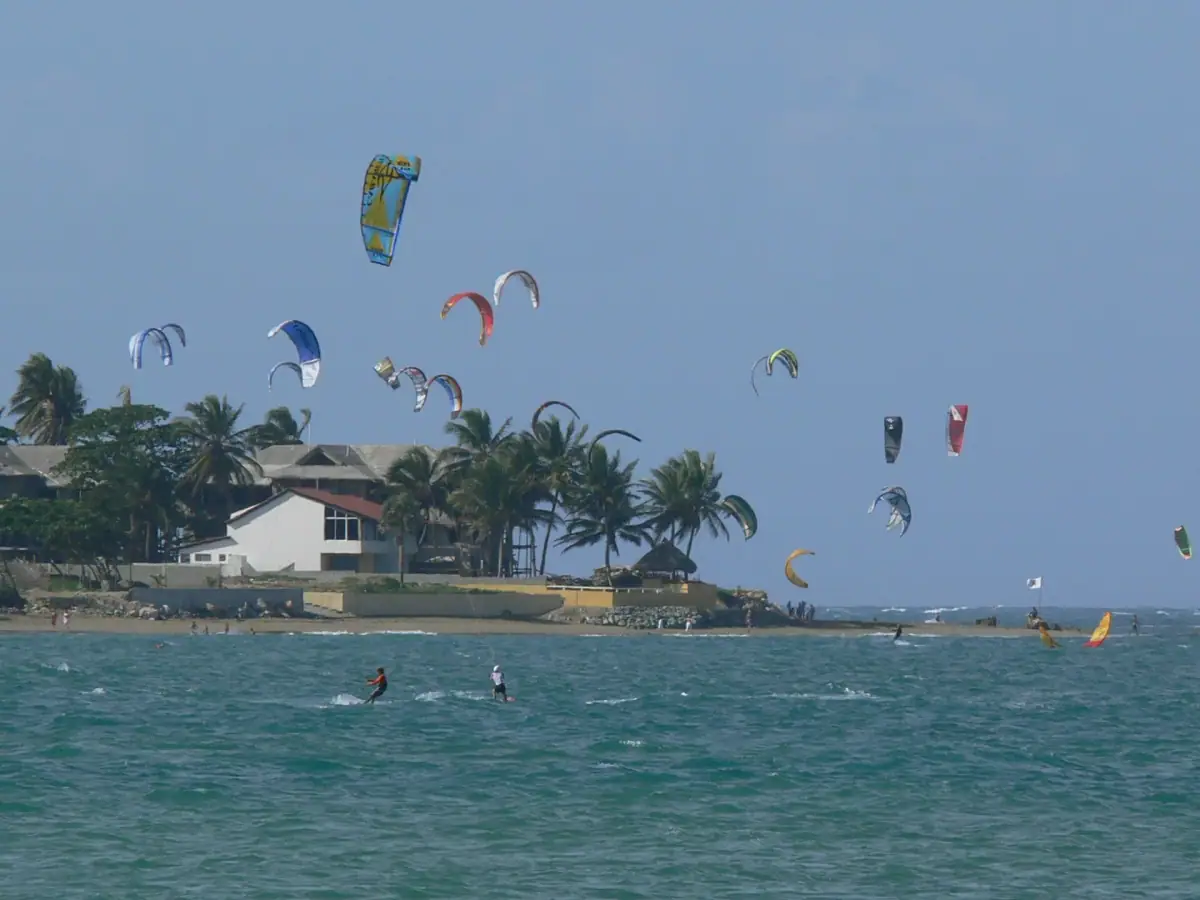
On the north coast of the Dominican Republic, the small resort of Cabarete has built its reputation on one thing: wind. The trade winds blow much of the year, which has made it one of the best-known kitesurfing and windsurfing spots in the Caribbean. Around the bay, you find schools, rental centers, beach bars and hostels that live at the pace of gliding sports.
This guide helps you understand when to come, where to practice according to your level, how to choose a school and where to stay. If you are building a wider trip, it combines well with our 10-day Dominican Republic itinerary and with the calendar in our guide to when to go to the Dominican Republic.
Cabarete, the north coast resort
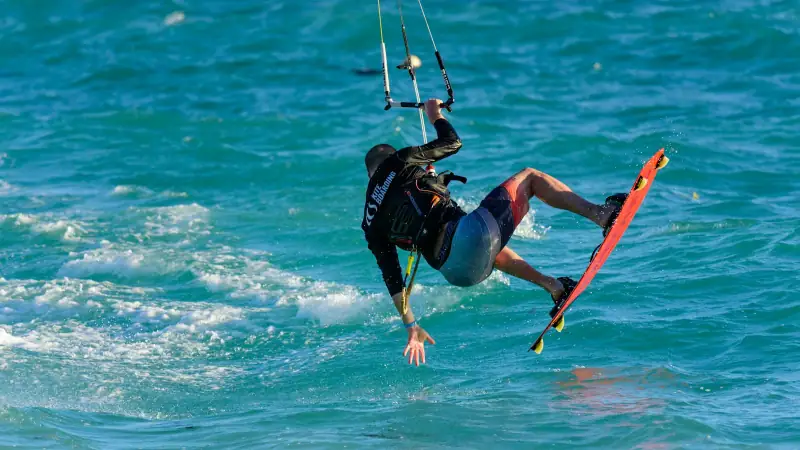
Cabarete is on the Atlantic coast, east of Puerto Plata, about half an hour away by road. The resort stretches along an arc-shaped bay, with a main street lined with restaurants, equipment shops and lodging of all categories. The atmosphere is relaxed, very international and outward-looking: you meet as many practitioners coming back from the water as travelers who simply come to enjoy the beach.
The bay’s great asset is the variety of conditions. Depending on place and time, you find flat-water areas, chop and small waves, which lets everyone progress at their own pace. Centers are set directly on the sand, and equipment is rented by the day or the week.
The resort has also diversified: stand-up paddleboarding, yoga, Spanish lessons, local food and seaside nightlife round out the offering. It is a pleasant base for a week, but also for two or three nights as a stop on the north coast.
When to come: the wind season
The trade winds blow fairly regularly, from the northeast. Two main periods are generally distinguished. From June to August, the wind is the most constant and strongest: it is high season for experienced kitesurfers and thrill seekers. From January to April, the wind is a bit more moderate, which suits progression, with often pleasant weather. The end of the year, October to December, is generally the calmest period.
These landmarks remain averages: the wind varies from day to day, often stronger in the afternoon, and the weather can surprise you, notably during the rainy and hurricane season. If you come to practice, plan buffer days. Schools generally adapt time slots to the day’s conditions.
For non-practicing travelers, the December to April period is often the most comfortable for weather; see our guide to when to go to the Dominican Republic to compare with the island’s other regions.
Stay in Cabarete
Hostels, apartments and hotels facing the bay: compare Cabarete accommodation by your dates and budget.
Kite Beach: the kitesurfers’ spot
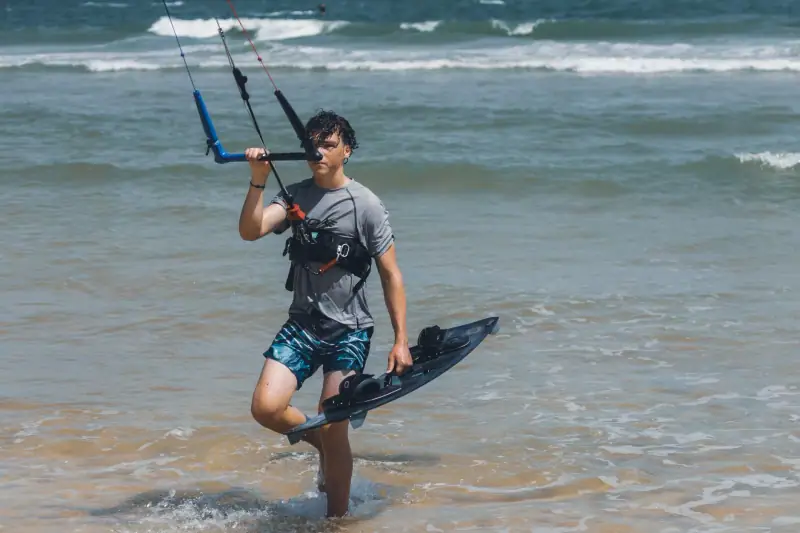
The Kite Beach area is about 2 km (1.2 mi) from the center of Cabarete. This is where most kitesurfers gather. The wind is well established, the beach is wide and you find several centers, cafés and equipment storage areas. Its easy access and the ability to launch from the sand make it the preferred starting point for beginners and experienced riders alike.
The center of the bay, on the Cabarete Beach side, is more used by windsurfers and swimmers. For kiting, respect the marked zones and the centers’ instructions: the coexistence of swimmers, boards and kites relies on priority rules you need to know.
A few useful habits: arrive early to enjoy the best conditions, check the condition of rented equipment, keep a rash guard or long shorts against the sun, and ask about the center’s rescue and insurance.
Playa Encuentro: surf and waves
A few kilometers west of the center of Cabarete, Playa Encuentro is known for its waves, considered among the most consistent in the region. It is above all a surf spot, with several waves suited to different levels. Currents and bottoms can be demanding, though: beginner kitesurfers should not go there and are better off at Kite Beach.
If you are new to surfing, opt for a lesson with an instructor, who will know the areas best suited to your level. Boards are rented there, and the beach has small restaurants for a bite between sessions.
Lessons and activities in Cabarete
Introduction to kitesurfing, surfing or paddleboarding: compare the activities and excursions offered around Cabarete.
Choosing your school and equipment
To learn kitesurfing, go through a school with certified instructors. An introductory lesson generally includes theory (safety, wind direction, flying the kite), exercises on land, then first sessions in the water with a helmet and radio. It generally takes several sessions to become independent: be wary of promises of quick results.
Before booking, compare these points:
- group size and the instructor/student ratio;
- the presence of a radio and a safety boat or jet ski;
- the age of the equipment and its maintenance;
- the instructor’s language level (French, English, Spanish);
- rescheduling terms in case of insufficient wind;
- the insurance and deposit required for rental.
If you are already independent, you can rent equipment by the day. For a longer stay, a weekly package is often better value. Windsurfing and stand-up paddleboarding are also rented on the beach, with lessons for all levels.
What to do outside the water
Cabarete is not just about gliding. On no-wind days, you can swim, do yoga, go on a horseback ride or explore the hinterland on a nature excursion. The north coast also has several sites reachable by car or organized excursion from Puerto Plata: beaches, waterfalls and villages. Ask your accommodation or an operator about available outings.
In the evening, seaside restaurants offer grilled fish, Dominican dishes and international cuisine. To discover local flavors before choosing, read our guide to Dominican culinary specialties.
How to get there and get around
Most travelers arrive via Puerto Plata airport, then reach Cabarete by private transfer or taxi, in about half an hour depending on traffic. From Punta Cana or Santo Domingo, the trip is clearly longer: plan a day on the road or a domestic flight if you are short on time. Check connections when you book.
Once there, the resort is covered on foot or by motorcycle taxi, and the Kite Beach and Encuentro centers are reachable in a few minutes. A car becomes useful for exploring the coast, but drive carefully: uneven lighting, many two-wheelers and sometimes damaged pavement. Compare rental offers in advance and read the insurance terms carefully.
Where to stay in Cabarete
The offering is varied: hostels and small guesthouses for tight budgets, apartments with a kitchen for long stays, beachfront hotels for more comfort. The lodgings closest to the beach let you reach your center on foot, which simplifies equipment logistics. Those set back are often calmer and cheaper, but require a daily trip.
In high season, the best addresses fill up quickly: book ahead, especially if you travel in summer or during school vacation periods. Our guide to where to stay in the Dominican Republic compares the island’s main areas and will help you place Cabarete in your trip.
Don’t forget to take out travel insurance including medical assistance and coverage of gliding sports before you leave.
Excursions on the north coast
Beaches, nature and visits around Puerto Plata: compare north coast excursions for the no-wind days.
Key points before you go
Cabarete is a destination that stands apart in the Dominican Republic: less oriented toward the large resorts, more toward sports and resort life. For the strongest wind, aim for summer; for a milder stay and gentle learning, the start of the year is a good option. Beginners head to Kite Beach, surfers to Encuentro, and everyone can enjoy the bay.
Choose a reputable school, plan some margin in the schedule and keep a few days to explore the north coast. That way, even when the wind drops, your stay remains a success.
Frequently asked questions
What is the best time for kitesurfing in Cabarete?
Trade winds blow much of the year. The wind is generally steadiest and strongest in summer, from June to August, while the end of the year, October to December, is often calmer. For beginners, a moderate wind is perfectly fine.
Can you learn kitesurfing in Cabarete with no experience?
Yes. Many schools offer introductory lessons with an instructor, equipment and radio included. Allow several sessions to become independent; check the duration, group size and equipment provided before booking.
Is the Encuentro spot suitable for beginners?
No, Playa Encuentro is more a surf spot for experienced riders, with waves and currents. Beginner kitesurfers are better in the Kite Beach area, a few kilometers from the center.
Do you need to rent a car to stay in Cabarete?
It is not essential: the resort is easily covered on foot and schools often organize their own transport. A car is useful if you want to explore the north coast and the Puerto Plata area.
What is there to do in Cabarete when there is no wind?
You can do stand-up paddleboarding, yoga, snorkeling, horseback rides or a nature excursion in the hinterland. The beach remains pleasant for swimming and relaxing.
More Dominican Republic guides
Keep reading
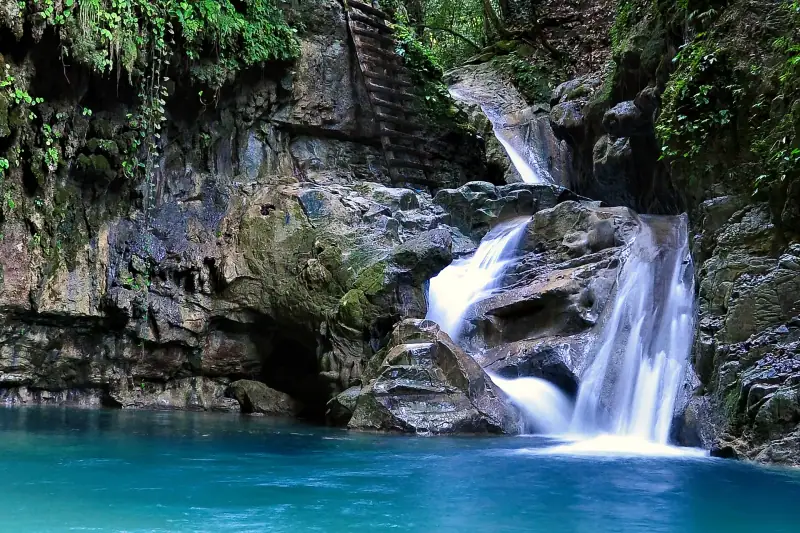
Damajagua Waterfalls (27 Charcos): Natural Water Slides Near Puerto Plata
The 27 Charcos of Damajagua near Puerto Plata: 7, 12 or 27 waterfall options, duration, gear, minimum age, best season and tips.
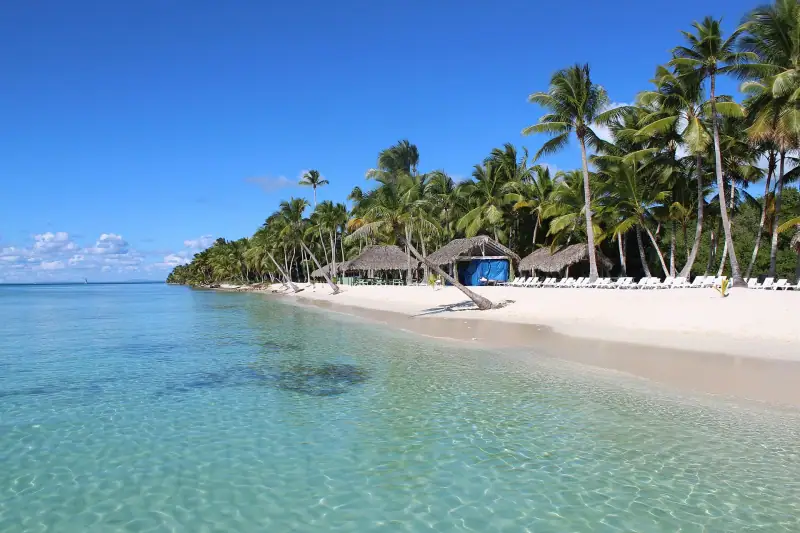
Saona Island Excursion: Organizing the Day from Bayahibe or Punta Cana
Saona Island from Bayahibe or Punta Cana: duration, beaches, the Palmilla natural pool, Mano Juan village and tips for your boat trip.
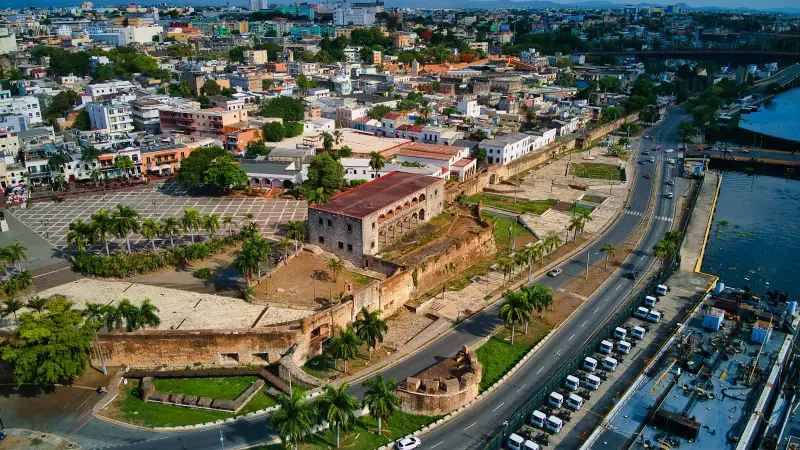
Visiting the Colonial Zone of Santo Domingo: A Walking Route and Tips
Calle Las Damas, cathedral, Alcázar de Colón, Ozama Fortress: a walking route to visit Santo Domingo's Colonial Zone in one day.
Ready-made
Dominican Republic itineraries
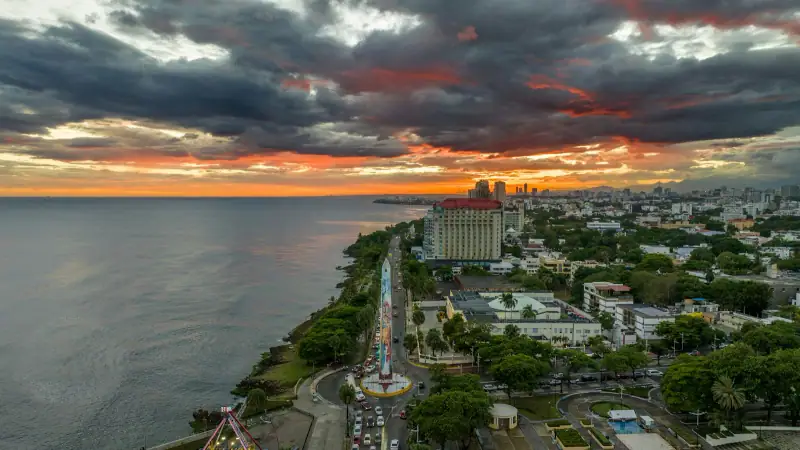
10 days
10-Day Dominican Republic Itinerary: Santo Domingo, Samaná and the East Coast
Santo DomingoSamaná PeninsulaBayahibePunta Cana
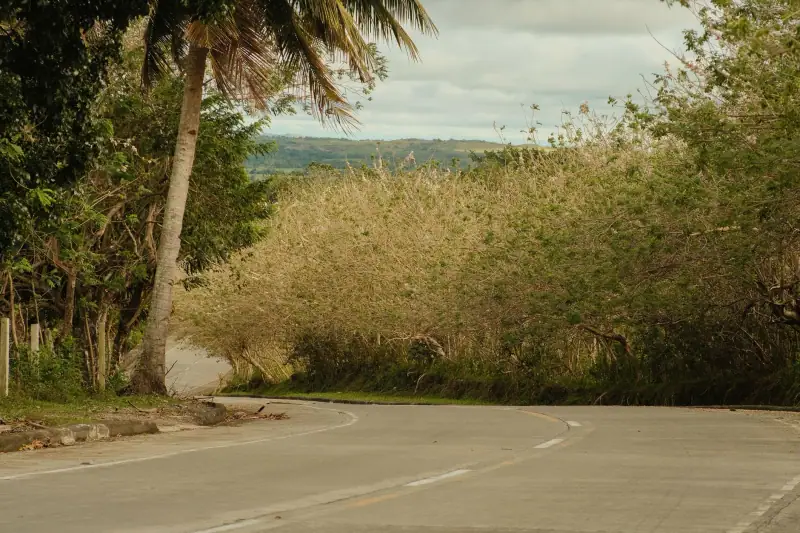
7 days
One Week in the Dominican Republic by Car: A Day-by-Day Road Trip from Santo Domingo to Punta Cana
Santo DomingoBayahibePunta Cana
Can be adapted in the planner
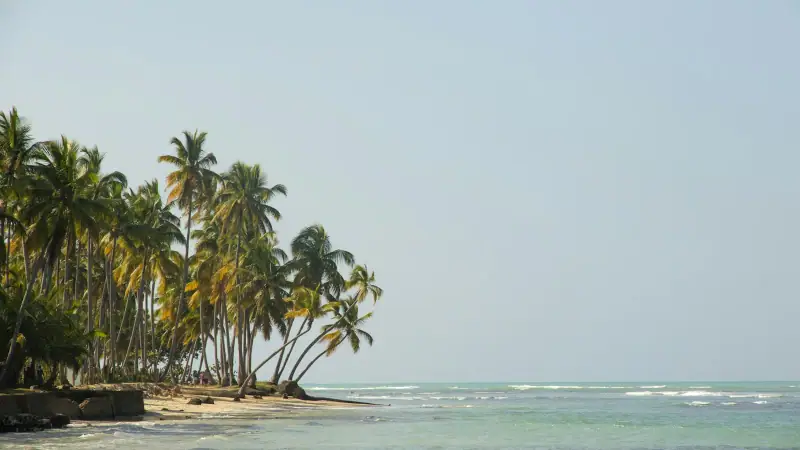
7 days
7 Days in the Dominican Republic Without a Car: A Realistic Itinerary by Bus and Transfer
Santo DomingoLas TerrenasBayahibe