Plan your trip
When to Go to the Dominican Republic: Climate, Seasons and Whales
We may earn a commission when you book through links on this page, at no extra cost to you. We don't visit or try the places we cover: we summarize published sources. How we work
In short
- December to April is the dry season: hot, mostly sunny days and fewer showers, but also the busiest and most expensive period.
- Humpback whales are in Samaná Bay roughly from mid-January to the end of March, with a peak in February.
- The hurricane season runs from June to November, with a higher risk from August to October; choose flexible rates and insurance covering cancellation.
- May to November brings lower rates but more frequent showers; May, June and November often combine lower prices with decent weather.
The Dominican Republic can be visited all year, but it is not the same island in February as in September. The tropical climate is hot all the time: what changes is how often it rains, the risk of storms, the crowds and above all the prices. This guide helps you choose your period according to what you are looking for: beach, whales, kitesurfing or sightseeing.
In short, from December to April the weather is driest and crowds are strongest. From May to November, rates drop, but showers multiply and the hurricane season sets in.
Punta Cana and the east coast: sun from December to April
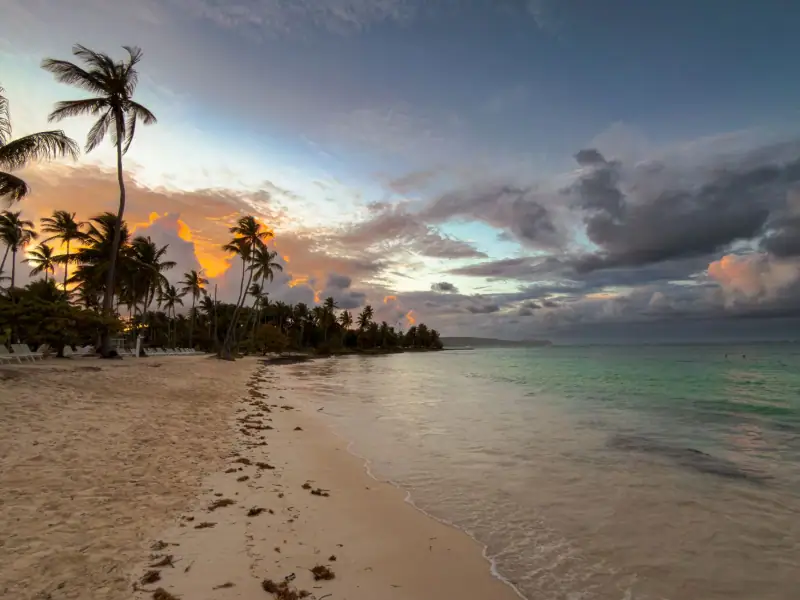
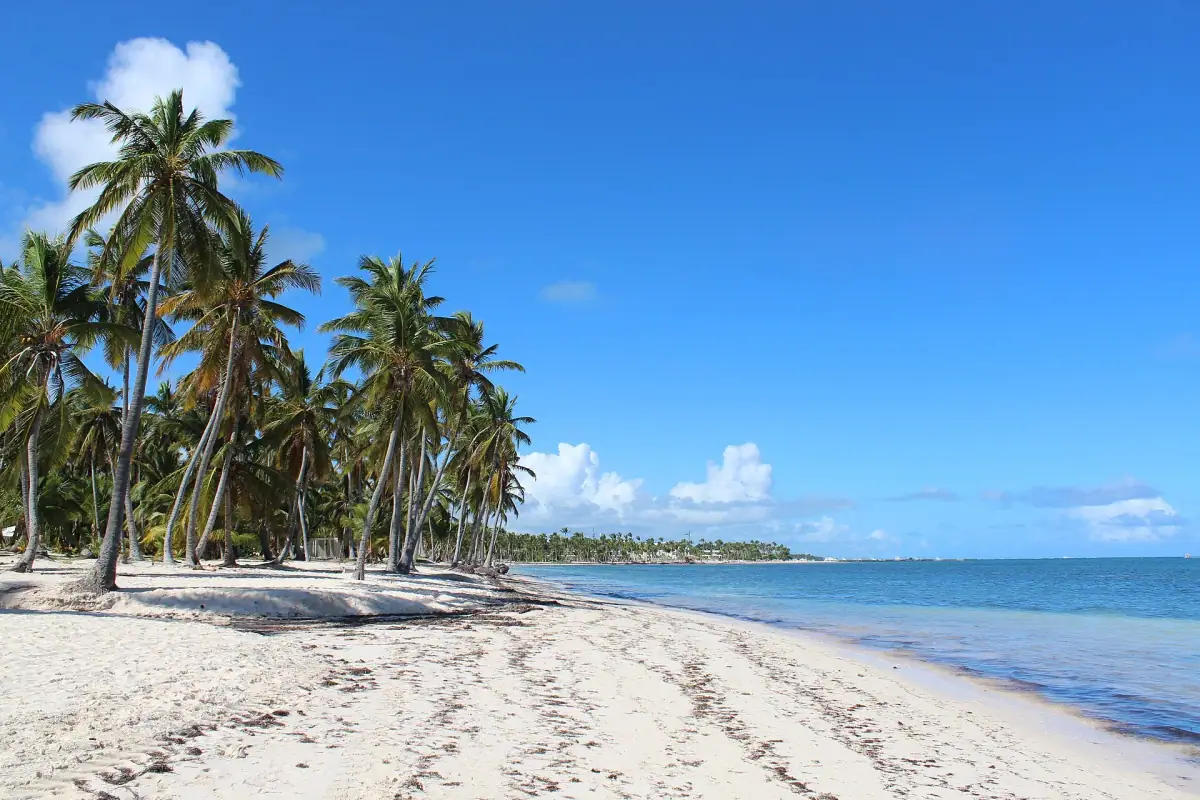
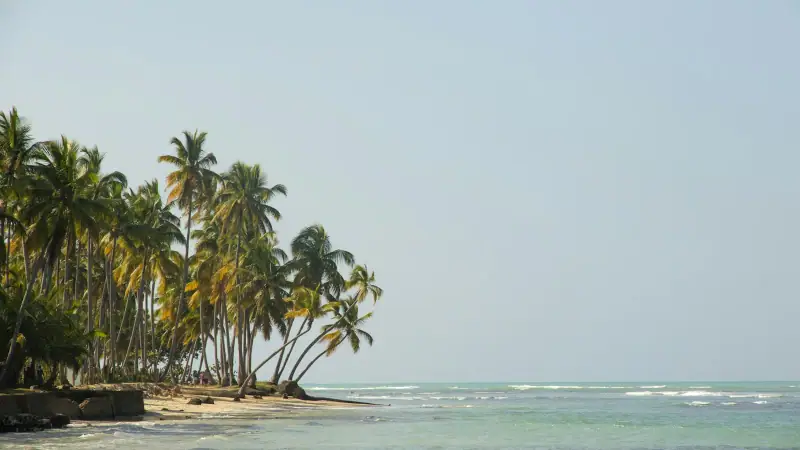
The big Bávaro and Punta Cana beaches are lined with coconut palms and “all-inclusive” hotels. During the dry season, from December to April, days are hot and generally sunny, with a pleasant breeze by the sea. It is the ideal period if your priority is to enjoy the beach without watching the sky.
The flip side: it is high season. Christmas and February holidays are the busiest, and well-placed hotels fill up early. Book several months ahead if you leave on these dates, and compare plans, because the price gap with low season can be large.
From May to November, the east of the island remains very pleasant in the morning, with more frequent showers in the afternoon, often brief but sometimes intense. Many travelers like these months for their lower rates, as long as they accept less predictable weather.
Stay in Punta Cana
Compare hotels and resorts on the east coast by your dates: rates vary clearly between the dry season and the rainy season.
Samaná and Las Terrenas: humpback whale season
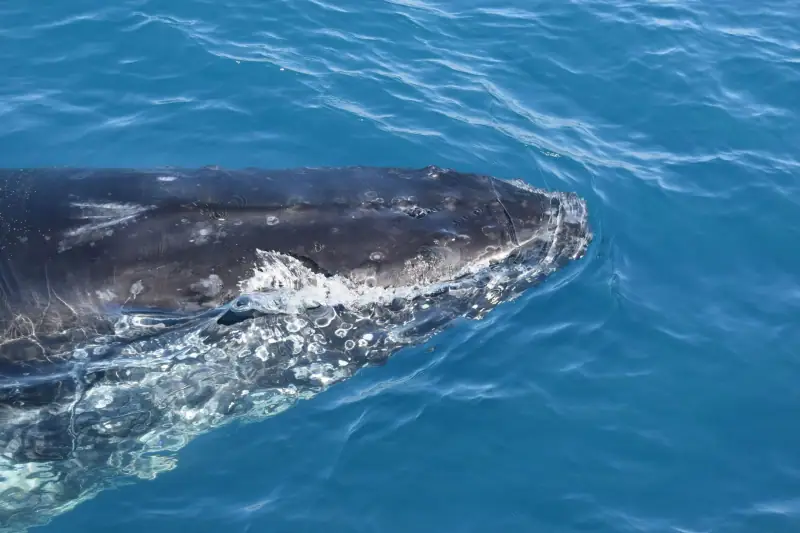
The Samaná Peninsula, in the northeast, is famous for humpback whale watching. Every winter, they come to breed and give birth in the bay. The season generally runs from mid-January to the end of March, with a peak in February. Boat trips are run by local operators, and dates vary a little from year to year.
If whales are the reason for your trip, concentrate your stay on February. The village of Las Terrenas, with its beaches and a more relaxed atmosphere than the big resorts, makes a pleasant base. Note that this region can be wetter than the east of the island, even in winter: bring a light jacket for sea outings, where the wind cools things down noticeably.
Excursions in the Dominican Republic
Whale watching, Saona Island, Santo Domingo visits: see day excursions and available dates.
Santo Domingo: a capital to visit outside the hot hours
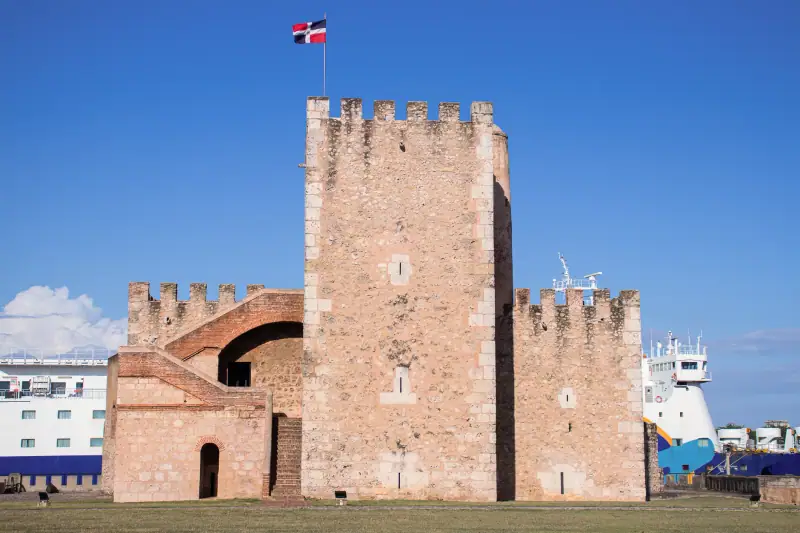
Santo Domingo’s Colonial Zone, a UNESCO World Heritage Site, is covered on foot: cobbled streets, old churches and fortresses from the Spanish period. The visit means walking outdoors, and the heat can become punishing in the middle of the day, especially from May to October, when humidity is higher.
December to April are the most comfortable months for a day of sightseeing. The rest of the year, leave early in the morning, take a break in the shade at lunchtime and resume in the late afternoon. The capital combines well with a beach stay, since museums and monuments are a useful alternative on rainy days.
Puerto Plata and Cabarete: the wind for kitesurfing and windsurfing
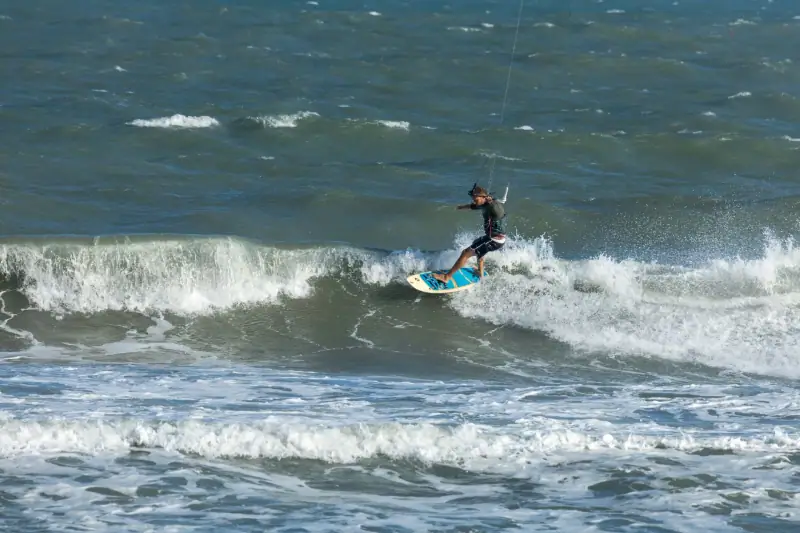
The north coast has a different character. Cabarete is known worldwide for kitesurfing and windsurfing, because the trade winds blow fairly regularly there. Conditions are generally best in summer, with a more reliable thermal wind in the afternoon, but these sports are practiced there a good part of the year. Beginners can sign up for lessons at beachfront schools.
For simple swimming, the north coast is more exposed to waves than the south and east, especially in winter. Ask about the sea state before swimming, and follow the instructions posted on beaches.
Flights to the Dominican Republic
Compare flights: prices rise sharply at Christmas and during summer vacations.
Hurricanes and the rainy season: what to know
The hurricane season in the Caribbean runs from June to November. The risk is higher from August to October. This does not mean your stay will be disrupted: most weeks pass without incident. But a tropical storm can bring heavy rain, flight disruptions and sometimes site closures.
A few simple precautions reduce the risk:
- choose flexible or refundable rates if you leave between August and October;
- follow weather service forecasts before leaving and during your trip;
- follow the instructions of authorities and your accommodation in case of an alert;
- check that your insurance policy covers cancellation and trip interruption.
For this, compare insurance plans before leaving. Also read the conditions on weather events: they vary from one policy to another.
Which month to choose for your plan
For beach and good weather, aim for December to April. For whales, February is the best bet. For tight budgets, May, June and November often combine lower prices with still-decent weather. For kitesurfing, summer is a good option on the north coast. To visit the capital, favor the driest months.
Families traveling during school vacations should plan ahead: rates climb, and child-friendly hotels go quickly. If you have flexibility, leaving just before or just after those dates can save a significant sum.
To move between regions, a car offers freedom, but local driving demands caution, especially at night and in the rain. Compare rental rates in advance and read the insurance terms carefully.
Practical tips for your luggage and budget
Bring light cotton clothes, a hat, high-SPF sunscreen and mosquito repellent, especially in the rainy season. A small rain jacket is useful from May to November. For boat excursions, also plan a windbreaker and quick-drying shoes.
On the budget side, high season mostly raises flights and lodging; on site, meal and activity prices change little once you are there. Book early for December to February, and watch for low-season deals.
Stay in the Dominican Republic
Check availability for your dates, especially between December and April and during school vacations.
Frequently asked questions
What is the best time to go to the Dominican Republic?
From December to April, during the dry season: it is hot, days are sunny and rain is less frequent. It is also the most popular period, so the most expensive.
When can you see humpback whales in Samaná?
The watching season generally runs from mid-January to the end of March, with a peak in February. Exact dates vary from year to year; check with the operator.
Are there hurricanes in the Dominican Republic?
The hurricane season in the Caribbean runs from June to November, with a higher risk from August to October. Not every stay is affected, but it is better to follow forecasts and take out insurance covering cancellation.
Can you swim all year?
Yes, the sea water stays warm all year. Swimming depends mostly on the day's weather and sea state, notably on the north coast, more exposed to waves.
What is the cheapest period?
Low season, from May to November outside school vacations, generally offers the best rates on flights and lodging, in exchange for a higher risk of rain.
More Dominican Republic guides
Keep reading
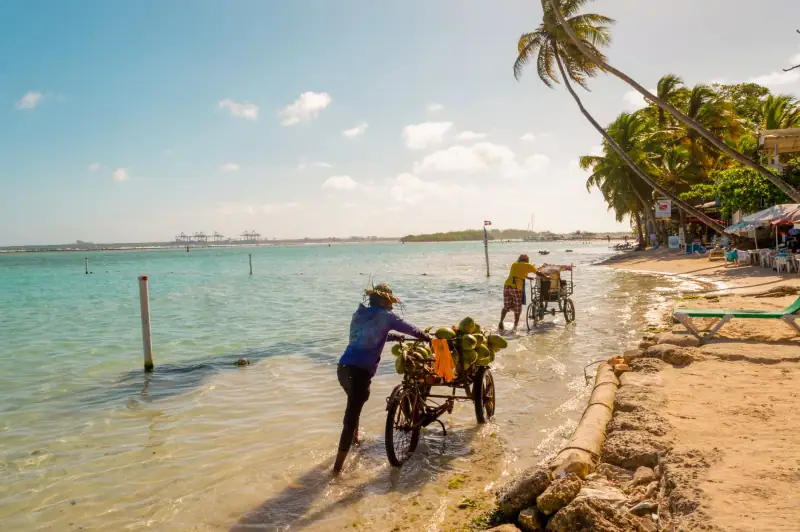
Budget for a Trip to the Dominican Republic: Real Costs and Tips to Spend Less
Lodging, transport, meals, excursions: how much does a trip to the Dominican Republic cost? Three budget profiles and tips to pay less.
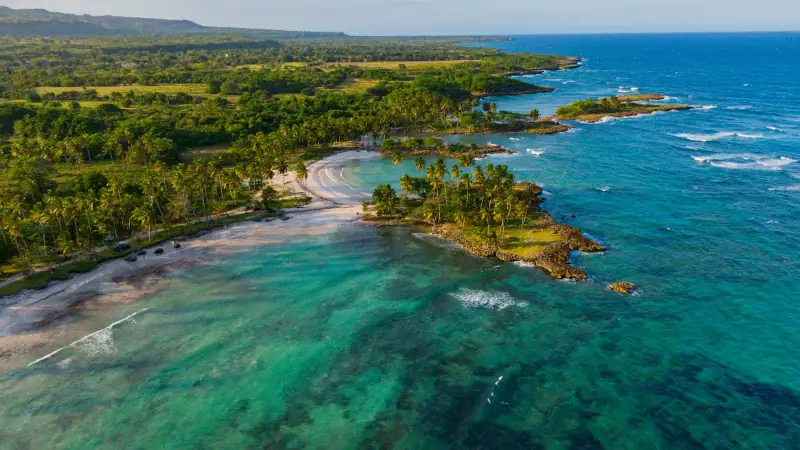
Complete Guide to Visiting the Dominican Republic: Regions, Highlights and Tips
Regions, cities, highlights, when to go, flights, transport, lodging and budget: the complete guide to planning a trip to the Dominican Republic.
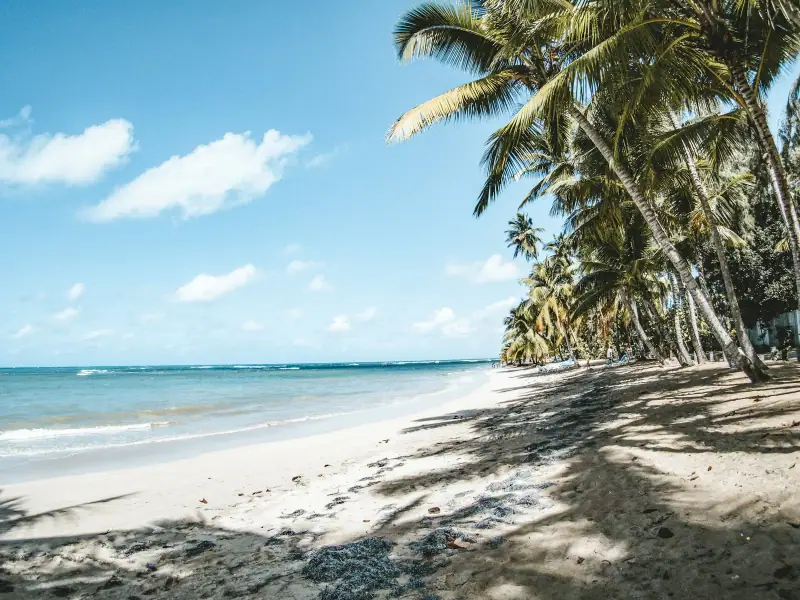
Visiting Las Terrenas: What to See and Do on the Samaná Coast
Coconut-palm beaches, fishing village, El Limón waterfall, whales and a French-speaking community: a guide to visiting Las Terrenas.
Ready-made
Dominican Republic itineraries
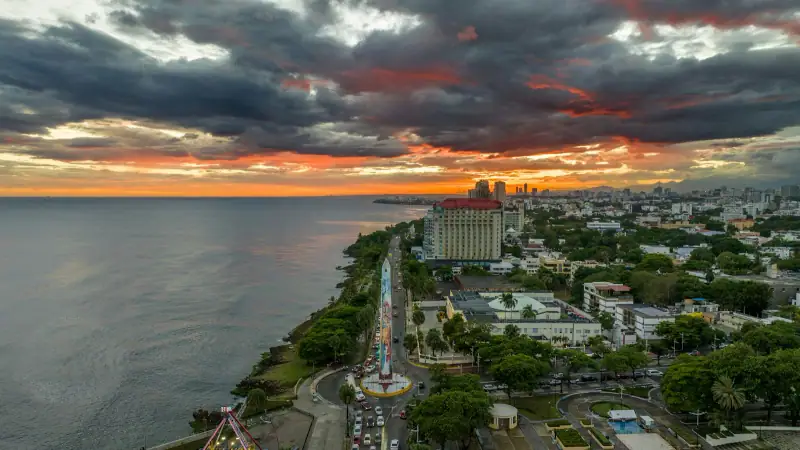
10 days
10-Day Dominican Republic Itinerary: Santo Domingo, Samaná and the East Coast
Santo DomingoSamaná PeninsulaBayahibePunta Cana
7 days
One Week in the Dominican Republic by Car: A Day-by-Day Road Trip from Santo Domingo to Punta Cana
Santo DomingoBayahibePunta Cana
Can be adapted in the planner
7 days
7 Days in the Dominican Republic Without a Car: A Realistic Itinerary by Bus and Transfer
Santo DomingoLas TerrenasBayahibe