What to see
Complete Guide to Visiting the Dominican Republic: Regions, Highlights and Tips
We may earn a commission when you book through links on this page, at no extra cost to you. We don't visit or try the places we cover: we summarize published sources. How we work
In short
- The country covers about 48,000 km² (18,500 sq mi) with around eleven million people; the official language is Spanish and the currency is the Dominican peso.
- Five main tourist areas: Punta Cana and the east coast, the southeast (Bayahibe, La Romana, Saona Island), Santo Domingo and the south coast, the Samaná Peninsula, and the north coast.
- December to April is the dry, high season (whales in Samaná from mid-January to the end of March); the hurricane season runs from June to November, with the highest risk between August and October.
- Main airports: Punta Cana (PUJ), Santo Domingo Las Américas (SDQ), Puerto Plata (POP) and Samaná – El Catey (AZS).
The Dominican Republic occupies the eastern two thirds of the island of Hispaniola, in the heart of the Greater Antilles, which it shares with Haiti. It is first known for its white sand beaches, coconut palms and “all-inclusive” hotels, but it is not just a beach postcard. The country holds the oldest European colonial city in the Americas, mountains that rank among the highest in the Caribbean, bays where humpback whales come to breed, world-famous kitesurfing spots and a very lively music and food culture.
This guide is the pillar article of the site: it presents the country, its regions and cities, the highlights, the best time to go, how to get there and around, lodging options and the budget to plan. Each section links to a detailed article to go further.
The Dominican Republic at a glance
The country covers about 48,000 km² (18,500 sq mi) and has about eleven million inhabitants. The official language is Spanish, in a fast, sing-song Caribbean variant. In tourist areas, staff often speak a little English, sometimes French, but a few words of Spanish (“gracias,” “por favor,” “cuánto cuesta”) make exchanges much easier in small shops and on transport.
The currency is the Dominican peso. Prices for many tourist services (excursions, hotels) are, however, often displayed in US dollars, and establishments widely accept bank cards in tourist areas. For details on payment methods, tipping and health, see our article on formalities, health and money.
The terrain is more varied than you might imagine. Plains and beaches stretch along the coasts; inland rise several mountain ranges, including the Cordillera Central, home to Pico Duarte, the highest peak in the Caribbean at about 3,100 meters (10,170 ft). Farther west, Lake Enriquillo is famous for lying below sea level. This diversity explains the variety of landscapes, from the waterfalls of the north coast to the drier areas of the southwest.
The climate is tropical: hot all year, with a drier season in winter and a wetter season in summer. We come back to it below in the section on the best time to go.
The main regions to know
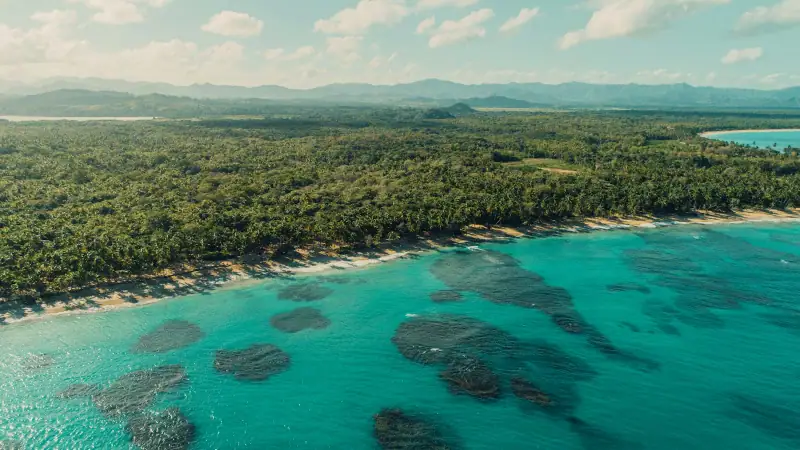
To organize a trip, it helps to think by region. The country is shaped like an arrowhead pointing east, with five well-identified main tourist areas.
Punta Cana and the east coast
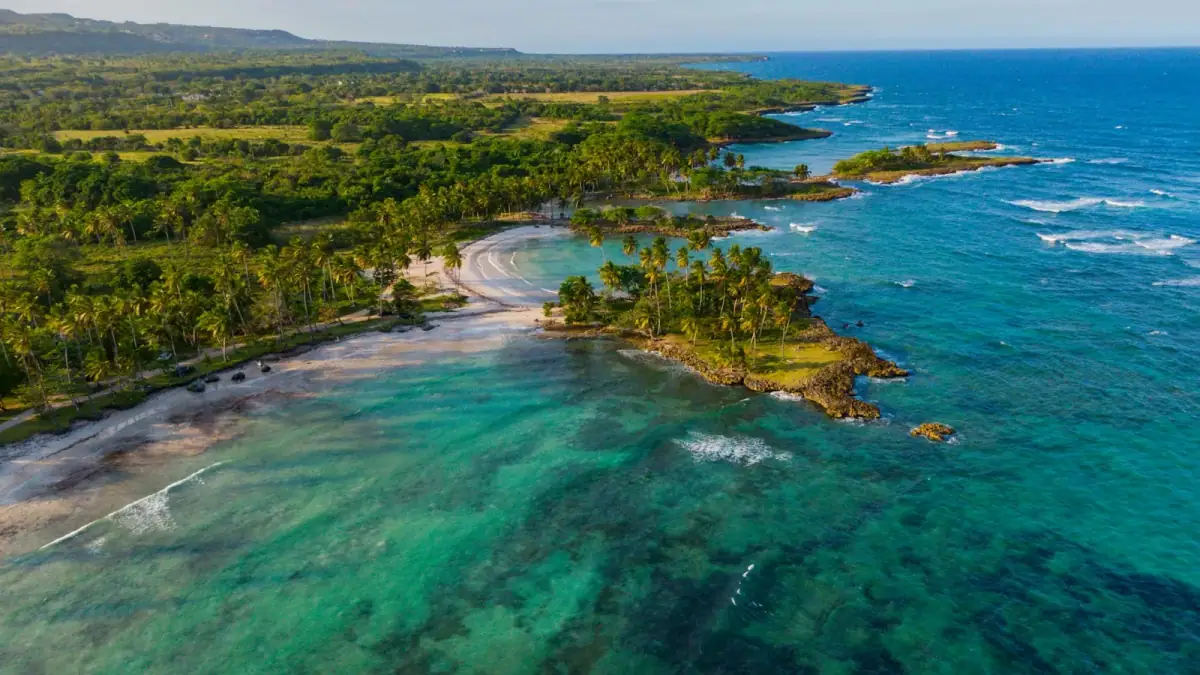
This is a very popular region. It includes Punta Cana, Bávaro, Cap Cana and Uvero Alto, with kilometers of coconut-lined beaches, “all-inclusive” resorts and an international airport with many flights. The atmosphere is organized and comfortable: people come mainly to rest, swim and try a few water activities.
The east coast is also the gateway to Saona Island, a nature reserve reachable on a day excursion. The beaches are the calmest of the island on the Caribbean Sea side, which suits families with young children.
The southeast: Bayahibe, La Romana and Saona Island
Farther south, the small town of Bayahibe is a former fishing village that has become the departure base for boats to Saona Island and for diving. The atmosphere is simpler and more authentic than in the big Bávaro complexes. Sea lovers find quiet beaches and smoothly run excursions.
Our article on the Saona Island excursion details the typical day, the beaches and tips for choosing a boat.
Santo Domingo and the south coast
The capital is the largest city in the country and its economic center. Its Colonial Zone, a UNESCO World Heritage Site, holds buildings from the early Spanish colonization: cobbled streets, cathedral, fortress, old mansions and lively squares. It is the place for fans of history, music and Caribbean city life.
Around the capital, you find beaches like those of Boca Chica or Juan Dolio, enjoyed by locals on weekends. The city itself is dense, noisy and hot, but fascinating. A full walking route is in our guide to the Colonial Zone of Santo Domingo.
The Samaná Peninsula
Located in the northeast, the Samaná Peninsula is the greenest and wildest of the beach destinations. Hills covered with coconut palms, more discreet beaches, a deep bay: the atmosphere is more relaxed than in Punta Cana. Las Terrenas is its tourist hub, with its restaurants, small inns and its community of European expatriates, including many French speakers. Samaná, the main town, gives access to the bay and boat trips.
From mid-January to the end of March or so, the bay hosts humpback whales that come to breed. Find all the details in our guide to humpback whale watching in Samaná.
The north coast: Puerto Plata, Sosúa and Cabarete
The north coast, facing the Atlantic, has a windier, sportier character. Puerto Plata is a historic city with a colonial past and a cable car that climbs a mountain overlooking the city. Sosúa is known for its beaches and resort atmosphere. Cabarete is the capital of kitesurfing, windsurfing and surfing; you find schools, lodging for active travelers and relaxed beach life.
Inland, the region also offers nature activities, such as the Damajagua waterfalls, a series of pools and natural slides that appeals to thrill seekers. For gliding, see our article on kitesurfing and windsurfing in Cabarete.
The interior and the southwest, for curious travelers
Beyond these classic regions, the country has less visited areas: the mountains around Jarabacoa and Constanza, popular for hiking and whitewater sports, or the southwest, drier and wilder, toward Barahona and the natural parks. These areas need more travel time and independence, and suit travelers who have already spent a few days on the coast and want to explore farther.
Stay in Punta Cana
Compare hotels and resorts on the east coast by your dates and budget: rates vary a lot between high and low season.
Highlights of a trip to the Dominican Republic
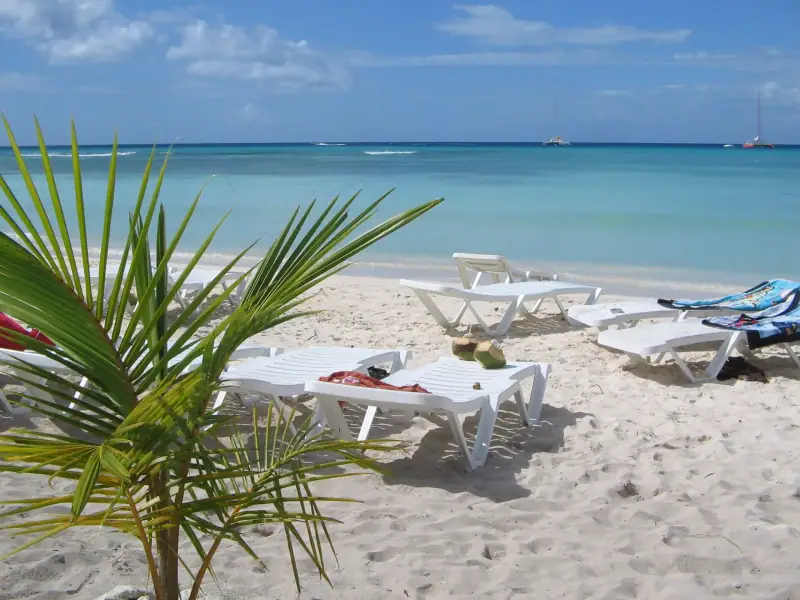
Here are the experiences that come up most often in travelers’ itineraries, sorted by type of wish.
Beaches and islands
Beaches are the first reason to come. On the east coast, Bávaro and Punta Cana offer long stretches of pale sand and warm water all year. Saona Island, in the southeast, is the most popular sea excursion: shallow sandbanks, coconut palms and very clear water. Around the Samaná Peninsula, beaches are wilder and less developed; the small islet of Cayo Levantado, reachable by boat, is often tied to bay outings.
Colonial heritage
Santo Domingo is the essential stop to understand the country’s history. From the end of the 15th century, the city was a starting point of the Spanish conquest of the Americas; a cathedral, a fortress, streets and old mansions remain. One day is enough to cover the essentials on foot, but you can easily spend two days if you like museums.
Nature and outdoor activities
Between humpback whales in winter, waterfalls to slide down, mountain hikes, diving, snorkeling and gliding sports, the country offers plenty to keep active travelers busy. Activities group well by area: sea and diving in the southeast, whales and waterfalls in the northeast, kitesurfing and surfing in the north, hiking and rafting in the center.
Food and music
Dominican cuisine is simple, generous and full of flavor: rice, beans, meat or fish, plantains and tropical fruit make up the base of the classic meal. Rum and coffee hold an important place, as do the local rhythms, merengue and bachata, which you will hear everywhere, from beach bars to neighborhood parties. Our article on culinary specialties helps you know what to taste and how to eat local without bad surprises.
Excursions in the Dominican Republic
Saona Island, whales, Santo Domingo visits, waterfalls: see day excursions, options and availability.
When to go to the Dominican Republic
The climate is hot all year, with an air temperature that often stays high and a sea pleasant for swimming in every season. What changes is the rain, the risk of storms and the crowds.
From December to April, it is the dry season and the tourist high season. The sky is most often clear, days are hot without being stifling, and it is the humpback whale period in Samaná (from mid-January to the end of March or so). Flight and hotel prices are higher, especially at Christmas and in February: book early.
From May to November, showers become more frequent, often late in the day, and humidity rises. The hurricane season in the Caribbean runs from June to November, with a higher risk between August and October. In return, rates drop and beaches are less crowded. If you travel in this period, favor flexible bookings and insurance that covers cancellation.
Our dedicated guide, when to go to the Dominican Republic, details region by region the best times according to your wishes: beach, whales, kitesurfing or sightseeing.
To protect your trip, it is wise to compare insurance plans before leaving and read carefully the clauses on cancellation, trip interruption and medical costs.
How to get to the Dominican Republic
The main airports
The country has several international airports, which largely determine your choice of region:
- Punta Cana (PUJ): the busiest, ideal for the east coast and the southeast.
- Santo Domingo – Las Américas (SDQ): the capital’s airport, well placed for an urban stay and to reach the south coast.
- Puerto Plata (POP): the natural access to the north coast, Sosúa and Cabarete.
- Samaná – El Catey (AZS): smaller, practical for Las Terrenas and the peninsula.
Depending on the season and airlines, flight options vary by departure city, and some airports are more often reached with a connection. Compare total durations, not just prices: a long layover can cancel the savings.
Time difference and formalities
The country is on Atlantic time all year, with no clock change; the time difference with your home therefore depends on your own time zone and daylight saving time. It is felt mostly on the return, with a night flight that brings you back at the start of the day.
For entry into the country, requirements change, notably for electronic forms. Entry rules depend on your passport. Check the official travel advice of your government before you book: travel.state.gov (US), GOV.UK (UK), travel.gc.ca (Canada), Smartraveller (Australia) (checked November 2026). Also read our article on formalities, which covers the passport, the electronic form, health and money.
Flights to the Dominican Republic
Compare flight offers: fares rise sharply at Christmas and during summer vacations.
How to get around once you are there
Airport transfers
If you stay in an east coast resort, the airport transfer is often offered by the hotel or a tour operator. Elsewhere, plan a taxi, a private transfer or a rental car. Negotiate or confirm the price before getting in, and prefer official airport services or those recommended by your accommodation.
Rental car
Renting a car gives the freedom to explore the Samaná Peninsula, the north coast or the south coast villages. The main roads between the principal cities are generally decent, notably the highways linking the capital to the northeast and the east. However, local driving is fast and unorthodox: many two-wheelers, unexpected passing, sometimes discreet signage, animals on the road in rural areas. Avoid driving at night, check the included insurance and take photos of the vehicle before leaving.
Buses, guaguas and taxis
Intercity buses are an economical and reliable option between the big cities, with companies offering air-conditioned vehicles. “Guaguas,” shared minibuses, are very cheap but packed and hard for a visitor to figure out. In cities, taxis and ride-hailing apps are practical; fix the price in advance when there is no meter.
Organized excursions
For resort travelers, organized excursions remain the simplest solution to see Saona Island, Santo Domingo or the northern waterfalls: transport is included, and you avoid driving worries. They are also useful for discovering a faraway place without renting a car.
Where to stay: which option to choose
The country offers the full range, from the “all-inclusive” resort to small charming guesthouses. The right choice depends on your way of traveling.
All-inclusive resorts. They dominate on the east coast and on some stretches of the north coast. Advantages: controlled budget, complete services, activities and kids’ clubs. Drawbacks: you rarely leave the hotel and taste less local cuisine. Compare what is really included (drinks, à la carte restaurants, water activities) before booking.
Boutique and charming hotels. They are found mostly in Las Terrenas, Cabarete, Santo Domingo (in the Colonial Zone) and some coastal villages. The setting is more intimate, meals are often taken outside, and you share more of local daily life.
Apartments and villas. Practical for families or groups, notably in Las Terrenas, Cabarete or Bayahibe, with a kitchen and extra space. Check the location, hot water and air conditioning.
Hostels and small budgets. Cabarete, Santo Domingo and Las Terrenas have dorms and budget rooms, suited to backpackers.
To compare regions and find the ideal base for your travel style, read our article on where to stay in the Dominican Republic.
What budget to plan
The cost of a trip depends above all on the lodging type and the flight. Once you are there, an all-inclusive resort stay limits side expenses (excursions and tips aside), while a trip with guesthouses and local restaurants requires budgeting meals, transport and activities. Prices also vary strongly between the dry season and the rainy season, and excursions can represent a large part of the budget for a family.
For estimates by profile (budget, mid-range, comfort), see our detailed article: budget for a stay in the Dominican Republic. It gives figures for lodging, meals, transport and activities, along with tips to pay less.
A few simple habits help limit the bill: travel outside school vacation periods, compare flight fares with flexible dates, book high-season hotels early, favor local restaurants over beachfront places, and group excursions to avoid costly transfers.
Which itineraries to combine
Depending on the length of your stay, here are the main options.
One week, a single base. A resort in Punta Cana or Bávaro with two or three excursions (Saona Island, waterfalls or a visit to the capital). Simple, restful, no logistics stress.
Ten to fifteen days, loop circuit. Santo Domingo for the colonial city, the Samaná Peninsula for nature (and whales in winter), then the east coast for the beach and Saona Island. This is the route detailed in our 10-day Dominican Republic itinerary, which shows the sequence of stops and travel times.
Active trip. North coast for gliding sports and waterfalls, then the interior for hiking, with a beach stay at the end of the trip to rest.
Cultural stay. Santo Domingo as a base for a few days, with escapes to nearby beaches and other historic towns.
Whatever the option, avoid multiplying stops: better three well-chosen bases than six hotel changes. Also allow realistic travel time, because traffic around the capital can be heavy.
Stay in the Dominican Republic
Check availability for your dates, especially between December and April and during school vacations.
Health, safety and common sense
As in any tropical destination, a few precautions are needed. Drink bottled water, protect yourself from the sun (high index, hat, sunglasses) and use mosquito repellent. For health information, see the official travel health pages (CDC in the US, TravelHealthPro in the UK). Insurance covering medical costs and repatriation is strongly advised.
On safety, tourist areas are generally visited without difficulty, but the usual precautions apply: do not display valuables, avoid walking alone at night in poorly lit neighborhoods, use reliable taxis and keep a copy of your documents. Check your government’s travel advice before leaving, which is updated according to the situation.
Finally, respect the natural environment: do not touch corals, keep your distance from whales, do not leave waste on beaches and choose operators that apply protection rules.
Culture, etiquette and small tips
Dominicans are known to be welcoming, warm and talkative. A greeting (“buenos días,” “buenas tardes”) when entering a shop is a politeness that is appreciated. The pace of life is relaxed: don’t always expect punctuality to the minute, notably outside organized tourist circuits.
Tips are customary in restaurants, hotels and for guides, even when part of it is already included in the bill. For craft purchases in markets, bargaining is common, but stay courteous. Typical souvenirs include rum, coffee, cocoa, cigars and mamajuana, a traditional drink made of rum, red wine and honey steeped with bark and herbs.
On the language side, a few expressions are enough to create a connection: “mucho gusto,” “está bien,” “un momentico.” And if you like dancing, be tempted by a bachata evening: it is one of the best ways to understand the soul of the country.
Preparing your trip: a checklist
Before leaving, go through the following points:
- Check passport validity and up-to-date entry forms.
- Choose the period and book flights and lodging early enough for high season.
- Take out suitable travel insurance (cancellation, health, repatriation).
- Pack a basic travel kit: sun protection and insect repellent.
- Bring an adapter if needed and check the compatibility of your devices.
- Plan a little cash in pesos and a bank card with no foreign fees.
- Book important excursions in advance (whales in February, Saona Island in high season).
- Download offline maps and translation apps.
To go further: all the articles on the site
Our site is organized by theme. Here are all the guides available to prepare each stage.
Practical and organization
- When to go to the Dominican Republic: climate, seasons, hurricanes and whales.
- Budget for a stay in the Dominican Republic: real costs and tips.
- Formalities, health and money: the practical guide before leaving.
Lodging and itineraries
- Where to stay in the Dominican Republic: which region to choose.
- 10-day itinerary: Santo Domingo, Samaná and the east coast.
Activities and excursions
- Visiting the Colonial Zone of Santo Domingo: walking route.
- Saona Island excursion: from Bayahibe or Punta Cana.
- Humpback whale watching in Samaná: season and tips.
- Damajagua waterfalls: natural slides near Puerto Plata.
- Kitesurfing and windsurfing in Cabarete: spots, season and lessons.
Food
- What to eat in the Dominican Republic: specialties, street food and drinks.
In summary
The Dominican Republic charms with its diversity: a relaxing beach stay in Punta Cana, a cultural trip to Santo Domingo, a nature escape to Samaná, a sporty stay in Cabarete. The most important thing is to choose one or two regions consistent with the length of your trip, to book early in high season and to plan a few well-chosen excursions to get out of the hotel setting. With a bit of preparation, you will enjoy the island at your own pace, whether you look for relaxation, adventure or both at once.
Frequently asked questions
How long do you need to visit the Dominican Republic?
Allow a week for a stay centered on one region (beach and a few excursions) and ten to fifteen days to combine Santo Domingo, the Samaná Peninsula and the east coast. Distances are reasonable, but secondary roads are slow.
What is the best region for a first trip?
Punta Cana and the east coast suit relaxing stays with an all-inclusive hotel, Samaná nature and whale fans (in winter), Santo Domingo those who like history. A circuit combining two or three of these regions gives the most complete picture of the country.
Do you need a visa for the Dominican Republic?
Entry rules depend on your passport, and they change over time, notably for electronic entry and exit forms. Check the official travel advice of your government before you book: travel.state.gov (US), GOV.UK (UK), travel.gc.ca (Canada), Smartraveller (Australia) (checked November 2026). See also our article on formalities.
How long is the flight?
It depends on where you depart from and whether there is a connection: compare total durations, not only prices. The country is on Atlantic Standard Time all year, with no clock change, so the time difference with your home depends on your own daylight saving time.
Do you need to rent a car?
No if you stay in a resort and take organized excursions. Yes if you want to explore the Samaná Peninsula or the north coast freely. Local driving is fast-paced: avoid driving at night and take out suitable insurance.
Can you travel in the Dominican Republic without an all-inclusive plan?
Yes. There are many boutique hotels, apartments and small guesthouses, notably in Las Terrenas, Cabarete and Santo Domingo's Colonial Zone. Local meals there are affordable and varied.
Is the Dominican Republic suited to families?
Yes, big sandy beaches with calm water, resorts with kids' clubs and short excursions make it a destination appreciated by families. Remember sun protection and bottled water.
More Dominican Republic guides
Keep reading
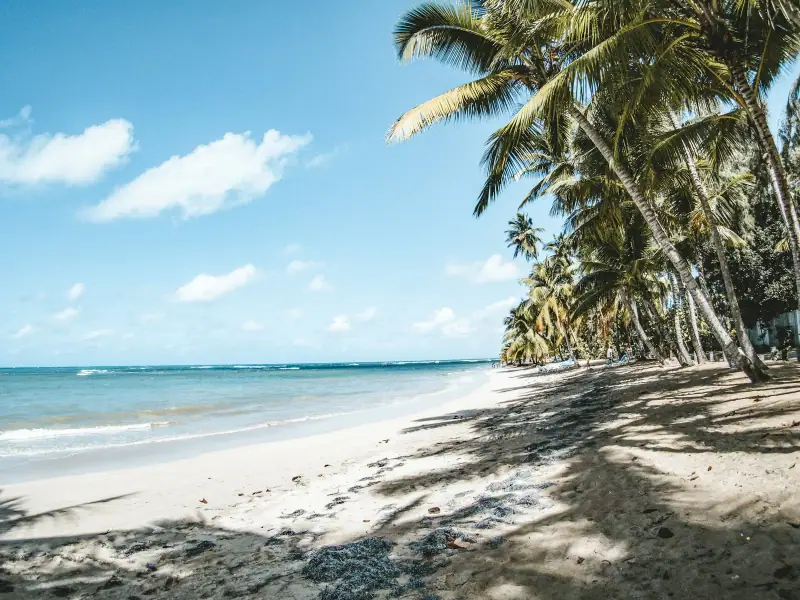
Visiting Las Terrenas: What to See and Do on the Samaná Coast
Coconut-palm beaches, fishing village, El Limón waterfall, whales and a French-speaking community: a guide to visiting Las Terrenas.
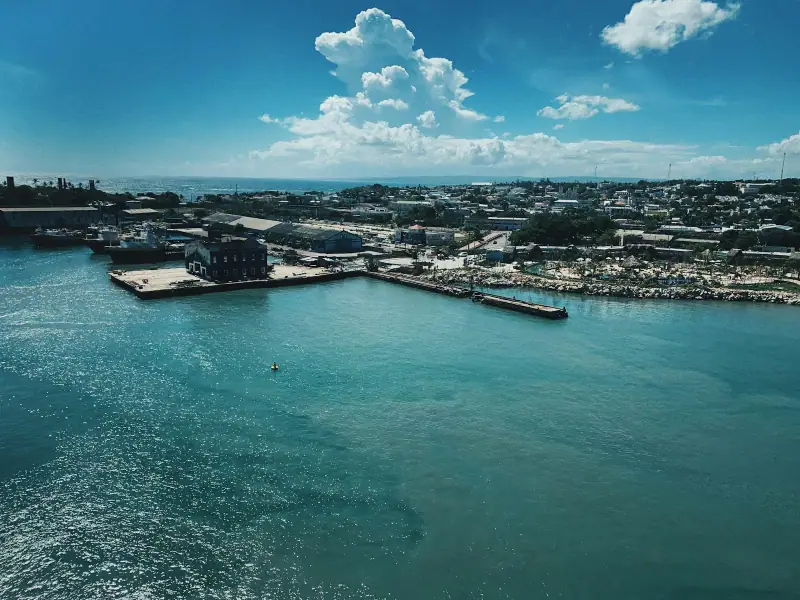
What to See on the Dominican Republic's North Coast: Puerto Plata, Sosúa, Cabarete and Río San Juan
Puerto Plata, Sosúa, Cabarete, Río San Juan and the Damajagua waterfalls: places to see on the Dominican Republic's Atlantic north coast.
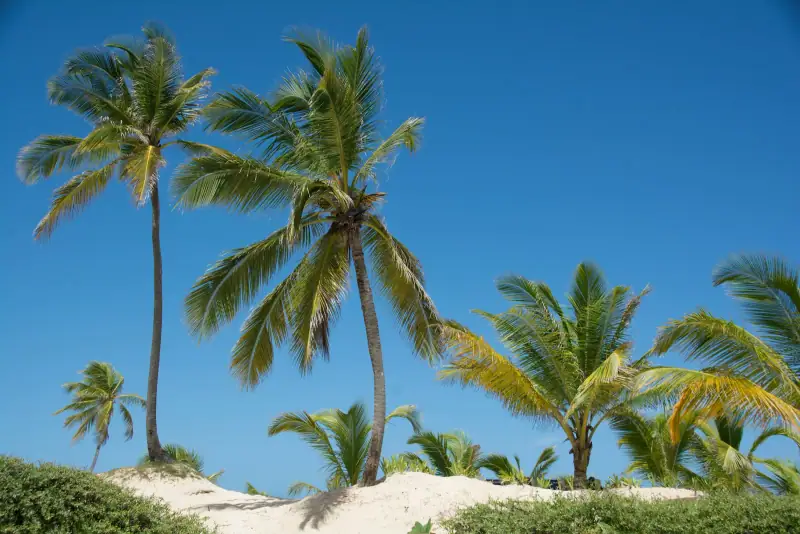
What to See in Punta Cana and Eastern Dominican Republic: Beaches, Cenote, Higüey and Altos de Chavón
Bávaro and Macao beaches, Hoyo Azul cenote, Higüey basilica, Altos de Chavón and Bayahibe: sights to see in the Dominican east.
Ready-made
Dominican Republic itineraries
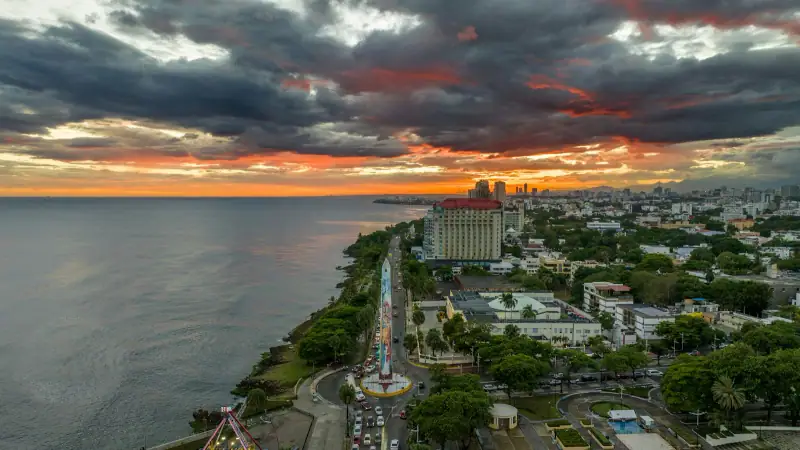
10 days
10-Day Dominican Republic Itinerary: Santo Domingo, Samaná and the East Coast
Santo DomingoSamaná PeninsulaBayahibePunta Cana
7 days
One Week in the Dominican Republic by Car: A Day-by-Day Road Trip from Santo Domingo to Punta Cana
Santo DomingoBayahibePunta Cana
Can be adapted in the planner
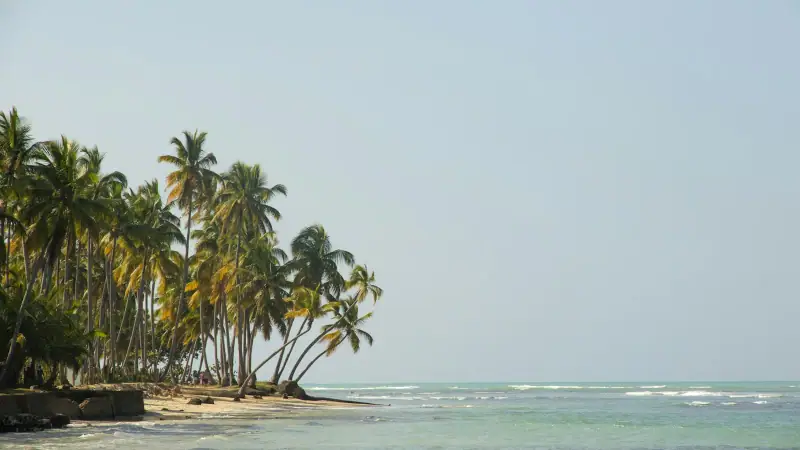
7 days
7 Days in the Dominican Republic Without a Car: A Realistic Itinerary by Bus and Transfer
Santo DomingoLas TerrenasBayahibe