Things to do
Great Wall of China: which section to choose from Beijing?
We may earn a commission when you book through links on this page, at no extra cost to you. We don't visit or try the places we cover: we summarize published sources. How we work
In short
- Mutianyu is the best compromise for a first visit: well restored, scenic, with a cable car, about an hour and a half by road from central Beijing.
- Badaling is the closest and easiest to reach but also the busiest. Jinshanling suits walkers who want calm, with about two and a half to three hours by road.
- Plan a full day and good shoes with a grippy sole, whichever section you choose. Leave early, before the groups.
- Avoid Chinese national holidays, especially the first week of October. Unrestored "wild" sections such as Jiankou are dangerous and sometimes officially closed.
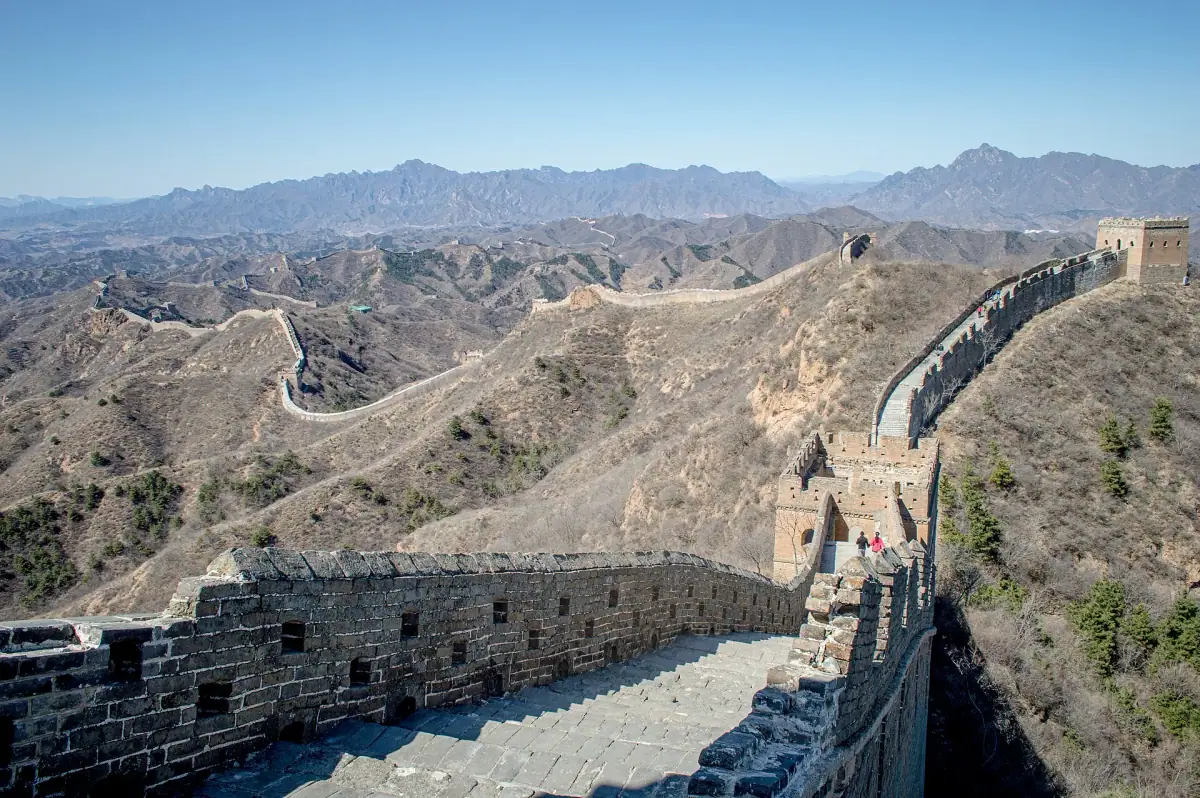
The Great Wall is not a single wall, but a set of fortifications built and rebuilt over many centuries, stretching thousands of kilometers across northern China. From Beijing, several stretches can be visited in a day, and they are very different from one another: some are restored and heavily developed, others more isolated and quieter.
The choice of section really changes the experience. This article compares the main options, explains how to get there and helps you decide according to your time, your fitness and your tolerance for crowds. To fit the visit into a full stay, see our itinerary Beijing in 4 days, and to choose your dates, our guide when to go to China.
Key points:
- Mutianyu is the best compromise for a first visit, with a cable car and superb scenery
- Badaling is the closest and easiest to reach, but also the busiest
- Jinshanling suits walkers who want more calm, at the price of a longer trip
- Plan a full day and good shoes, whichever section you choose
Understanding what you are visiting
The Great Wall visited near Beijing dates largely from the Ming dynasty, which rebuilt and reinforced the northern defenses from the 14th century onward. The stretches near the capital directly protected the approaches to the city, hence their many watchtowers and fortified passes. The Great Wall has been a UNESCO World Heritage site since 1987.
There are three main types of sections. Heavily restored stretches, like Badaling, are practical, equipped and busy. Restored but more scenic stretches, like Mutianyu, combine comfort and a beautiful setting. Finally, little or unrestored stretches offer a more authentic atmosphere, with worn stones and vegetation reclaiming the stones, but call for more caution.
Whatever the section, keep in mind that the walk is demanding. The steps are many, sometimes very high, and the slope can be steady between two towers. Even on developed sections, do not underestimate the effort, especially in hot weather.
Where to stay in Beijing?
To set out early for the Wall, choose a hotel well served by the metro. To compare for your dates.
Mutianyu: the best compromise
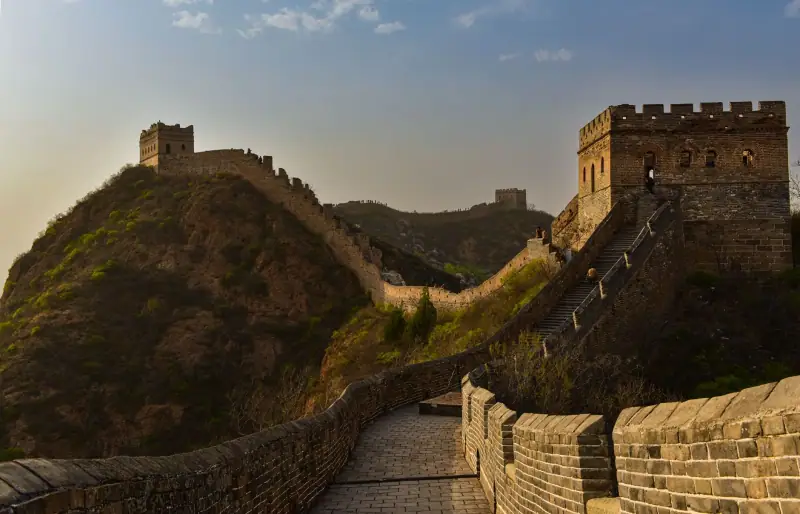
Mutianyu is the section most foreign travelers choose, and for good reasons. The stretch is well restored, follows wooded ridges with many watchtowers, and is generally less crowded than Badaling. The setting is especially beautiful in fall, when the surrounding forests change color.
The site is equipped with a cable car and a chairlift to reach the wall, which saves the climb on foot. A toboggan ride down on a rail is also offered there, a small pleasure families enjoy. You can then walk on the wall in either direction, choosing the length of your stroll: some passages are fairly steep, others gentler.
Allow about an hour and a half by road from central Beijing. The simplest is to book a tour with transport, or hire a driver for the day. Arriving early in the morning is the best way to enjoy the wall before the groups arrive.
Mutianyu tour
Transport from Beijing and a visit to the Great Wall with a guide, for a day without logistics worries.
Badaling: the closest, the busiest
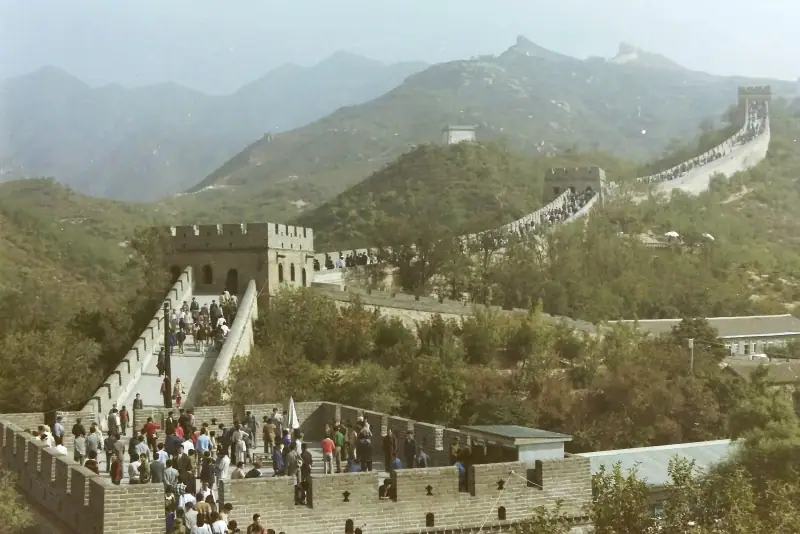
Badaling is the most famous section and the easiest to reach from Beijing. It is heavily restored, equipped, and receives a very large number of visitors, Chinese and foreign alike. It is a historically important stretch, one of the first opened to the public, and it has the advantage of proximity.
Its main flaw is the crowd, especially in high season and during national holidays. On the busiest sections, you sometimes move at the pace of the groups. The landscape remains impressive, but the atmosphere is more touristy, and a feeling of calm is hard to find.
Badaling can suit you if you have little time, if you travel with people with reduced mobility or if you prefer simple access. A dedicated rail link serves the area from Beijing, which can be practical for independent travelers. Access generally requires a reservation, often tied to your passport, to be checked before departure because conditions change.
Jinshanling: for walking in a wilder setting
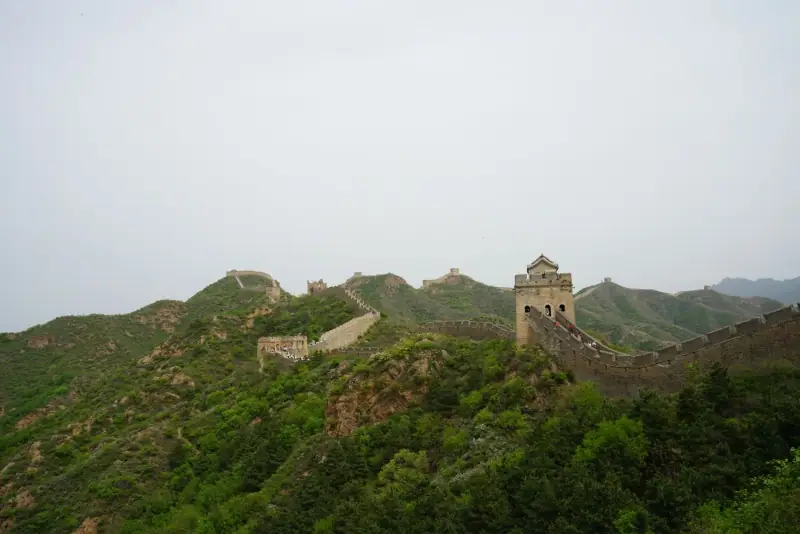
Jinshanling is the favorite section of hikers and photographers. It is in the neighboring province of Hebei, farther from the capital, which makes it less crowded than the nearby stretches. The wall there alternates many watchtowers, open ridges and partly restored passages, with very wide views of the mountains.
The distance has a price: allow about two and a half to three hours by road from Beijing, which makes a long day if you do a round trip. Many travelers prefer to sleep a night there or nearby to enjoy the morning or evening light, when the place is almost empty.
A walk between Jinshanling and the neighboring Simatai stretch is often suggested in guides. Access and reservation conditions there change by period: find out before you leave, and do not set out without water or suitable shoes. A local guide helps choose a route suited to your level.
Great Wall hike
Guided excursions to the quieter stretches, with transport from Beijing.
Huanghuacheng and the other options
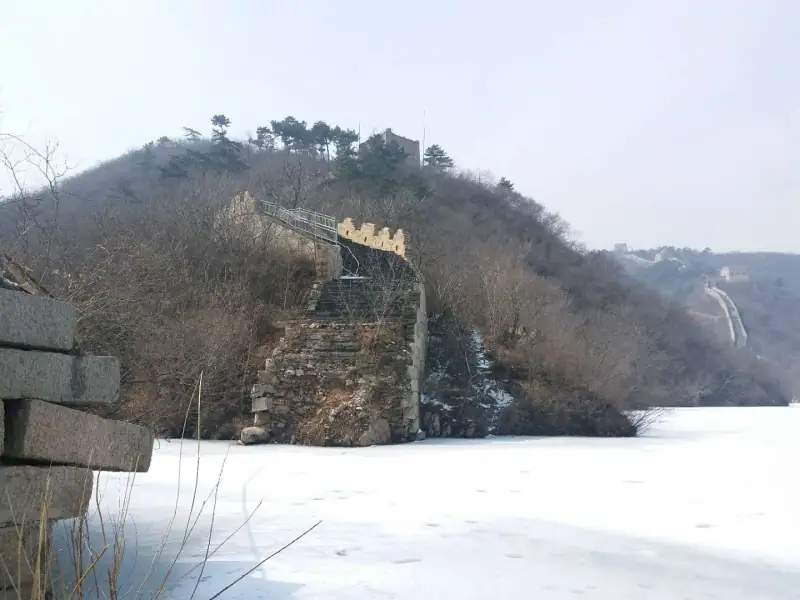
Huanghuacheng is a section known for its original setting: part of the wall runs down to the waters of a lake, which gives very photogenic views, especially in fall. It is less developed than Mutianyu and some passages are fragile or closed depending on the period. It appeals to those who like varied landscapes and accept a more rustic visit.
Juyongguan, closer to Beijing, is a historic fortified pass that directly defended access to the capital. It is easy to visit and can be added to a day at Badaling, since the two are close to each other. It is a good option if you like monumental fortifications.
There are also unrestored stretches, sometimes called “wild,” such as Jiankou, famous for its photogenic look. They are reputed to be dangerous, and access is sometimes officially forbidden. If the idea tempts you, do not venture out alone: go with an experienced local guide and check access conditions before booking.
How to choose according to your profile
If you have a single day and it is your first visit, choose Mutianyu. You will get the best balance of comfort, scenery and moderate crowds. It is also the simplest solution if you travel as a family, thanks to the cable car and the toboggan ride.
If you are a hiker, have a taste for photography and accept a long trip, Jinshanling will give you a more authentic experience, with fewer people. If you have little time or mobility constraints, Badaling remains a reasonable option, provided you go early and do not expect calm.
For travelers who like water landscapes and original settings, Huanghuacheng can be a fine alternative. Whatever your choice, avoid Chinese national holidays, especially the first week of October, when crowds are at their peak. A weekday, early in the morning, is always better than a weekend.
Practical tips for your visit
Leave early: it is the most useful advice. Arriving at opening time lets you enjoy the wall before the groups, with softer light and more pleasant temperatures in summer. Bring water, a hat, sunscreen and hiking shoes with a grippy sole, because the stones can be worn and slippery.
Dress for the season. Summer is hot and very exposed, winter cold and dry, sometimes with wind on the ridges. In spring and fall, pack layers that are easy to remove. Also keep your passport with you: it may be requested for some tickets or reservations.
For your budget, factor in the site entry, transport and, if you wish, the cable car or a side activity. The price varies a lot depending on whether you go through an organized tour or manage on your own, so compare offers before booking. Finally, to prepare payments and other practicalities, see our article on how to prepare your trip to China.
If you want to extend your trip after Beijing, the Great Wall combines well with Xi’an and the Terracotta Army, reachable by high-speed train. Compare flights in advance for your arrival in China, because prices vary by season.
Flights to China
Compare flights to Beijing or to your other stops in China, for your dates.
Frequently asked questions
Which Great Wall section is best for a first visit?
Mutianyu is the most balanced choice: well restored, scenic, equipped with a cable car and generally less crowded than Badaling. It is the section most travelers with only one day choose.
How long should you allow for the Great Wall?
Plan a full day from Beijing. Round trips take several hours depending on the section, and the visit itself takes two to four hours. For Jinshanling, which is farther, the day will be long.
Can you visit the Great Wall without a guide?
Yes, the Badaling and Mutianyu sections are set up for independent visitors. The trickiest part is transport: an organized tour or a private driver simplifies the day a lot, especially for the farther sections.
Is the Great Wall accessible to children and older people?
Some sections are easier than others, notably thanks to cable cars. But the steps are many, high and uneven, and some passages are steep. Expect real physical effort, even on the most developed sections.
Is it possible to walk the "wild" Great Wall?
Some unrestored stretches exist, but they are dangerous and sometimes officially closed, like Jiankou. If you are looking for wilder landscapes, favor an open section such as Jinshanling, or go with an experienced local guide.
What is the best time to visit the Great Wall?
Fall is the most pleasant season, with clear skies and colorful foliage. Spring also works. Summer is hot and very busy, and winter cold but calm. Avoid Chinese national holidays, when sites are overcrowded.
More China guides
Keep reading
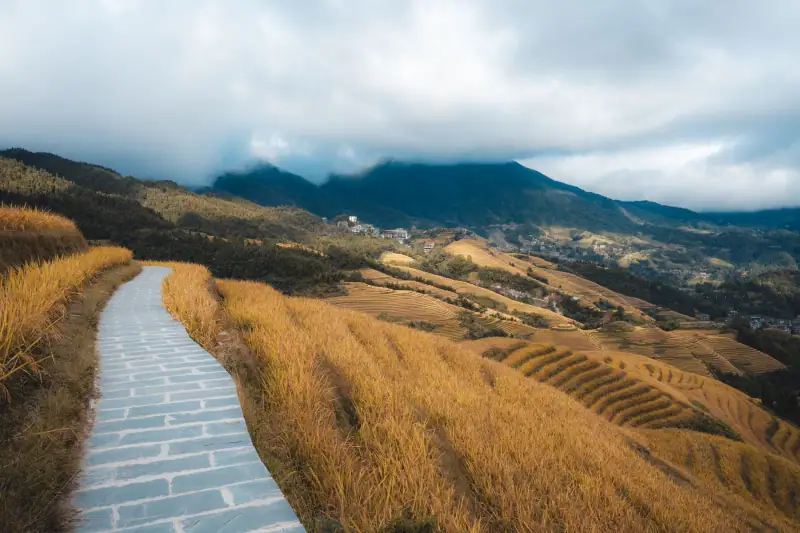
Hiking the Longji rice terraces: Ping'an, Dazhai and seasons
How to hike the Longji rice terraces from Guilin: Ping'an, Dazhai, trails, duration, best seasons, where to stay and practical tips.
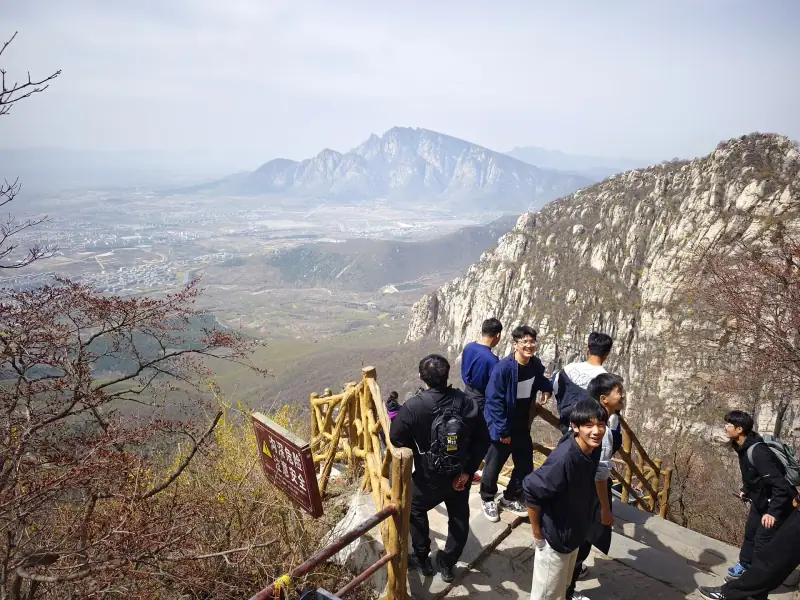
Hiking in Zhangjiajie: Wulingyuan, Tianmen and the Avatar mountains
How to plan a hike in Zhangjiajie: Wulingyuan park, Tianmen Mountain, the Bailong Elevator, trails, length of stay and practical tips.
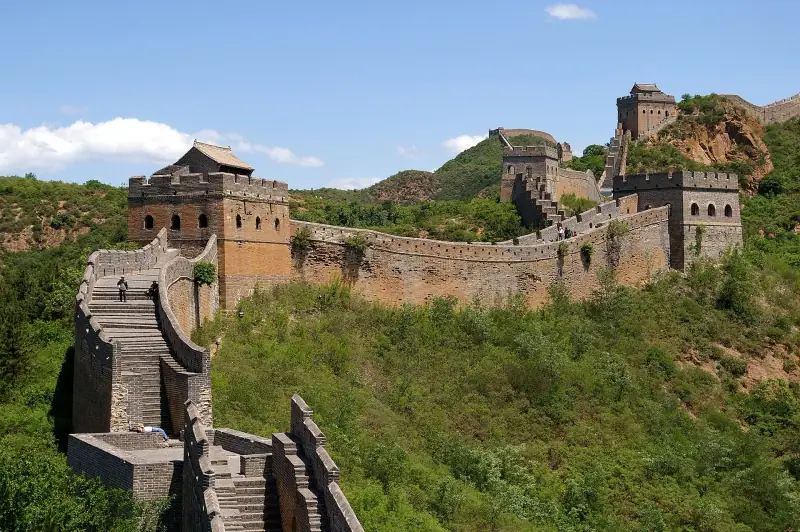
Budget for a trip to China: real costs, 3 profiles and ways to save
How much does a trip to China cost? Lodging, trains, meals, site entry fees: three daily budgets with figures, and tips to spend less.
Ready-made
China itineraries

3 days
Shanghai in 3 days: the Bund, Pudong, the French Concession and gardens
What to do in Shanghai in 3 days? The Bund, Pudong skyscrapers, Yuyuan Garden, the French Concession and a possible day trip: a clear itinerary with tips.

3 days
Chengdu in 3 days: pandas, Sichuan food and teahouses
What to do in Chengdu in 3 days? Giant pandas, old alleys, teahouses, Sichuan opera and a day trip to Dujiangyan: a clear, practical itinerary.
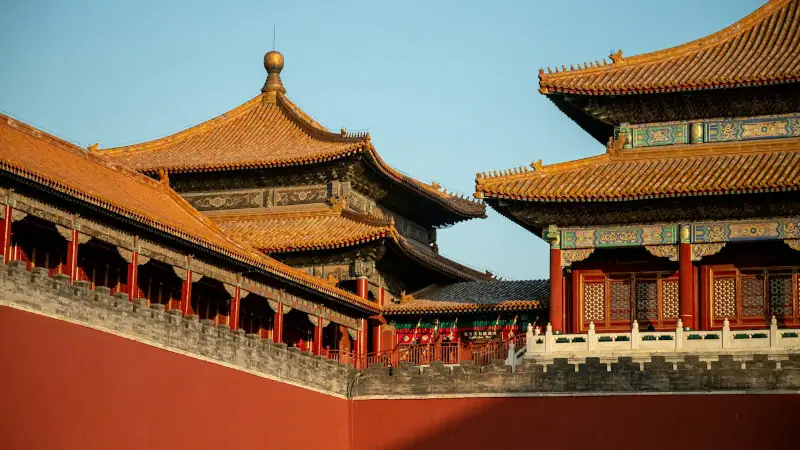
4 days
Beijing in 4 days: a complete itinerary and tips
What to see in Beijing in 4 days? Forbidden City, Great Wall, Temple of Heaven, Summer Palace and hutongs: a day-by-day plan with the bookings to make.