Plan your trip
When to go to China: the best time by region
We may earn a commission when you book through links on this page, at no extra cost to you. We don't visit or try the places we cover: we summarize published sources. How we work
In short
- Spring (April to May) and fall (September to October) are the most pleasant seasons for a classic Beijing, Xi'an, Shanghai circuit.
- Golden Week runs from about October 1 to 7. Chinese New Year falls in January or February (February 6 in 2027). Both bring full trains, crowded sites and higher prices.
- Match the season to the region: Beijing is freezing in winter, the Yangtze delta is humid in summer, and Yunnan's plateaus stay cooler in summer.
- For Guilin and Yangshuo, fall is generally recommended; for Hong Kong, October to December.
China is almost as vast as Europe, and its climate varies accordingly. While Beijing shivers below freezing in January, Hong Kong stays mild, and while the Yangtze delta swelters in humid heat in July, the Yunnan plateaus offer very welcome coolness. So there is no single “right time” to go: it all depends on the regions you visit and your tolerance for crowds.
On top of this comes a factor specific to China: the holiday calendar. Two major periods, the National Day holiday in early October and the Lunar New Year, concentrate mass movements that upend transport, prices and site attendance. This guide helps you cross climate and calendar to choose your dates.
Key points:
- Spring and fall are the best seasons for a classic circuit
- Avoid Golden Week (early October) and Chinese New Year for sightseeing
- Match the season to the region: the north and the south do not have the same climate at all
China’s climate in brief
To find your way, you can divide the country into broad zones. The north (Beijing, Xi’an) has a continental climate: cold, dry winters, hot summers with most of the rain in July and August. The east (Shanghai, Suzhou, Hangzhou) is humid subtropical: hot, sticky summers, cool and often gray winters. The south (Guilin, Yangshuo, Hong Kong) is hotter and more humid, with a marked rainy season in spring and summer. Finally, the west and southwest (Chengdu, Yunnan) combine relief and altitude, which gives very contrasting microclimates.
The summer monsoon influences much of the country: it brings heat and heavy rain from east to west. Typhoons can also hit the southeast coasts and the east, mostly from late summer to fall.
The result: spring and fall are by far the most balanced seasons, because they avoid both the cold of the north and the stickiness of summer. It is also why they are the busiest seasons.
Beijing and the north: spring and fall as favorites
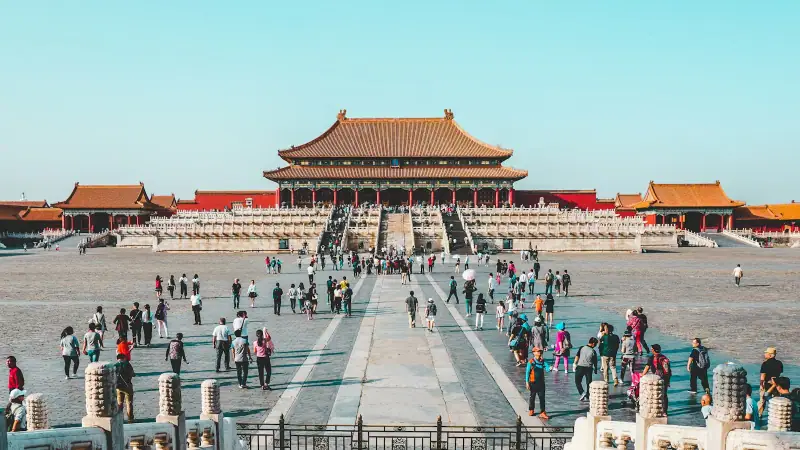
In Beijing, fall is often considered the best time of year. The sky clears, the air is dry, temperatures are mild and the foliage changes color in the parks, around the Forbidden City as well as on the Great Wall sections. It is the ideal season for walking a long time without suffering from the heat, which matters when you visit sites as vast as the Forbidden City or the Summer Palace.
Spring is also pleasant, with trees in bloom and temperatures gradually rising. Expect some windy spells, though, and on some days dust blown in from the north.
Summer is hot and humid, with sometimes violent thunderstorms in July and August. Daytime visits take endurance, and the very exposed Great Wall becomes punishing in the hot hours. If you travel then, set out early in the morning and keep afternoons for air-conditioned museums.
Winter is cold and dry, with temperatures regularly dropping below freezing (0 °C / 32 °F). The big advantage: few tourists and clear views. A winter trip calls for good warm clothing, but it lets you discover the monuments without the crowds. The snow-covered Great Wall is a remarkable sight for those who accept the cold.
Where to stay in Beijing?
Hotels close to the major sights and metro lines, to compare for your dates.
Xi’an and the center: the Terracotta Army without the heat wave
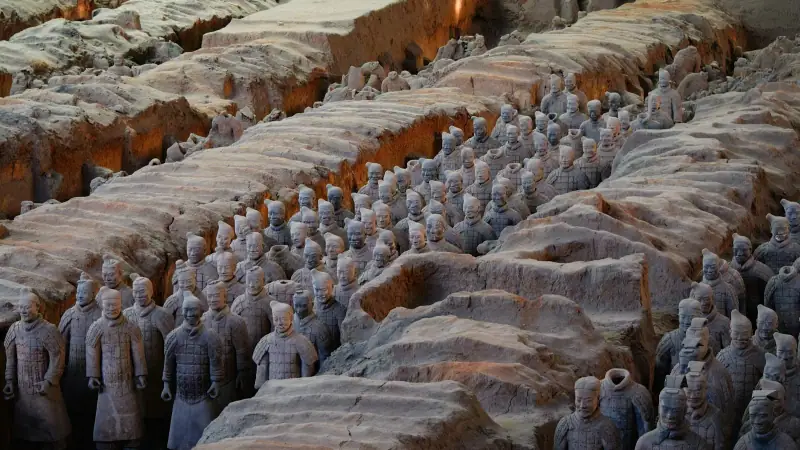
Xi’an has a climate close to Beijing’s: hot summers, cold winters, mild springs and falls. The Terracotta Army site is visited largely inside vast halls, but the trip, the lines and the sun-exposed surroundings make summer trying. Spring and fall remain the seasons to favor.
In winter, the city is calm and cool, and lodging prices are generally lower. It is an interesting option if you want to visit the city, its walls and its Muslim Quarter without jostling, provided you dress warmly.
For a circuit combining Beijing and Xi’an, ideally, time the trip between April and May or between September and October. This window spares you temperature extremes at both stops.
Shanghai and the Yangtze delta: avoiding the stickiness
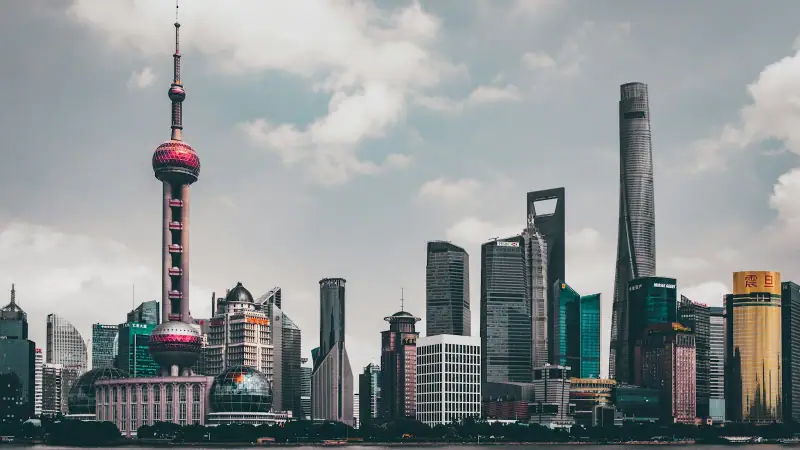
Shanghai and its surroundings (Suzhou, Hangzhou, the water villages) have a humid subtropical climate. Summer is hot and very humid, with thunderstorms and sometimes typhoons from late summer to fall. At the start of summer, a period of persistent rain, often called the “plum rain season,” makes the weather gray and sticky.
Spring and fall are again the most pleasant seasons here. Fall in particular often brings sunny days and mild temperatures ideal for strolling on the Bund, visiting Suzhou’s classical gardens or walking around West Lake in Hangzhou.
Winter is cool, damp and often gray, without regular snow. It is less attractive for outdoor walks but remains perfectly workable: museums, lively neighborhoods and food more than make up for it.
Guilin and Yangshuo: karsts, rice terraces and the rainy season
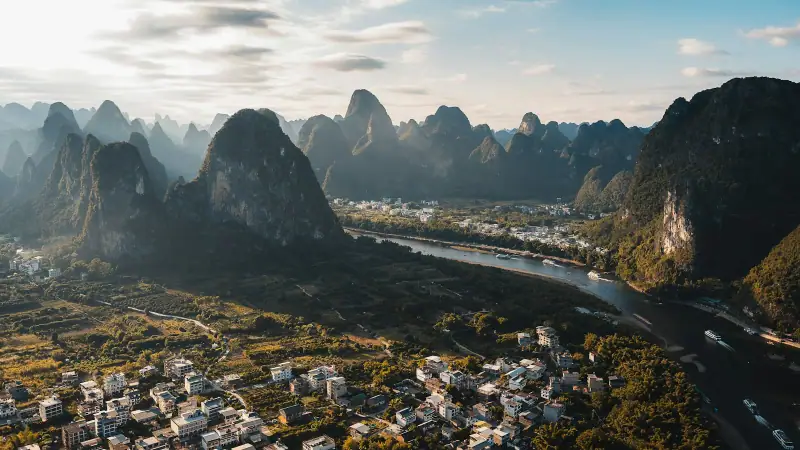
In Guangxi, the famous karst peaks of Guilin and Yangshuo are discovered on a Li River cruise, by bike or on foot. The climate is subtropical, with hot, humid summers and a rainy season concentrated from late spring to early summer.
Fall is generally the most recommended season: rains ease, the heat drops and visibility improves, which makes the panoramas easier to read. It is also the season when the terraced rice fields of the Longji area take on their golden hues, before the harvest.
In spring, the rice fields are flooded and then planted, which creates beautiful mirrors when the sky clears, but mist and rain are frequent. In summer, the terraces are an intense green, but the heat and humidity make walking harder. Winter is cool and drier, with fewer people, at the price of duller landscapes.
Activities in Yangshuo and Guilin
Li River cruises, bike rides among the karsts and guided excursions.
Chengdu and Sichuan: pandas and often hazy skies
Chengdu is known for its mild, humid climate, with frequently hazy skies. Summers are hot and sticky, winters cool but without severe cold. This often overcast weather does not prevent a visit: the city is above all a place for food discoveries, teahouses and encounters with giant pandas.
For the pandas, specialists recommend going in the morning, when breeding centers open, when the animals are most active around mealtimes. The cool seasons, from fall to early spring, are often preferred, because pandas, sensitive to heat, are more alert.
Sichuan cuisine, known for its spicy flavors, can be enjoyed all year. But in summer, its power pairs less well with the surrounding stickiness: one more argument for favoring spring and fall.
Lijiang, Dali and Yunnan: the southwest away from the heat
Yunnan is the region where altitude changes everything. The old town of Lijiang sits at about 2,400 m (7,870 ft) above sea level, which makes days pleasant but nights cool, even in spring or fall. The climate is marked by a dry season, from about October to May, and a rainy season in summer, with showers mostly in the afternoon.
Fall and spring are therefore the seasons to favor: clearer skies, open views of the mountains and bearable temperatures. In summer, Yunnan remains a good escape from the heat of the east, but expect rain. In winter, days are often sunny and clear, but nights are cold and lodgings not always well heated: bring warm layers.
Mind the altitude: if you go from Chengdu to Yunnan, plan a quiet pace for the first days to acclimatize.
Hong Kong and the south: fall is the best season
Hong Kong has a subtropical climate. Summer is hot, very humid and exposed to typhoons, while winter is mild and drier. Fall, from about October to December, is generally the most pleasant period: clear skies, falling humidity, comfortable temperatures for walking and hiking on the hills.
Spring can be misty and humid. Winter is cooler but rarely cold, which makes it a good time for a stopover or an extension at the end of a circuit. To add an extension to Hong Kong, check the current entry conditions before you leave, because the formalities differ from those of the rest of mainland China.
Chinese holidays: Golden Week and New Year
The calendar matters as much as the weather. Two periods are essential to know.
Golden Week (National Day). It runs from about October 1 to 7. A large part of the population travels at the same time: trains packed, tourist sites overcrowded, lodging clearly more expensive in popular destinations. If your trip falls in this period, book trains and hotels very early, and favor lesser-known sites. Better: shift by a few days.
Chinese New Year (Spring Festival). Its date varies each year, between late January and mid-February. In 2027, it falls on February 6. Movement is massive, transport is full long in advance, and many shops and restaurants close for several days. In return, big cities empty out a little and the festive atmosphere, with lanterns and lively temples, is unique. It is an option for forewarned travelers, to be booked very far ahead.
Other holidays. Other shorter public holidays, such as the Qingming festival in spring, Labor Day in early May or the Mid-Autumn Festival, create attendance peaks of a few days. Check the official calendar when booking.
Flights to China
Compare flights to Beijing, Shanghai or Chengdu and play with your dates to avoid the peaks.
Month-by-month calendar
To sum up, here is a quick reading by season, valid for a classic circuit in the east and center of the country.
March to May. A very good window, especially April and May. The north warms up, trees bloom and the south stays mild despite rain. Keep Labor Day in early May in mind for crowds.
June to August. Heat, humidity and rain over most of the country, and heavy attendance at sites. Best for travelers ready to deal with the weather, or to steer toward the Yunnan highlands.
September to November. The best season: clear weather in the north, mild temperatures, beautiful light. Simply avoid the first week of October. October outside Golden Week and early November are often the best times.
December to February. Dry cold in the north, cool in the east, mild in the south. Few Western tourists, lower prices, but plan the Lunar New Year period with care. Fans of winter landscapes can aim for the northeast of the country, at Harbin, known for its ice sculptures.
Preparing your trip according to the season
Once the season is chosen, a few practical adjustments are needed.
Packing. In summer, light, breathable clothing, sun protection and a light rain jacket. In winter in the north, truly warm clothing: down jacket, hat, gloves. In spring and fall, layer up, because the gap between morning and afternoon can be large.
Reservations. For high-speed trains, very practical for linking Beijing, Xi’an and Shanghai, book in advance in high season. For lodging, planning ahead is crucial mostly during national holidays.
Air quality. In big cities, especially in the north, air quality varies with the season and the weather. Follow the local readings and, if you are sensitive, plan a mask for the heaviest days.
Formalities. Entry rules depend on your passport and change often. Check the official travel advice of your government before you book: travel.state.gov (US), GOV.UK (UK), travel.gc.ca (Canada), Smartraveller (Australia) (checked November 2026).
Recommendation
If you must remember a single period, choose September to November, outside Golden Week (or April to May) for a classic Beijing, Xi’an, Shanghai circuit. For Guangxi, favor fall. For Yunnan, aim for the dry season. For Hong Kong, fall again. And if your work or school calendar forces summer or winter on you, simply adapt the destination: Yunnan in summer, the south in winter.
Whatever the season, book early, keep flexibility in your itinerary and leave margin for the weather.
Frequently asked questions
What is the best time to go to China?
Spring (April to May) and especially fall (September to October) are the most pleasant seasons for a classic Beijing, Xi'an, Shanghai circuit: mild temperatures, clearer skies and little rain in the north. Avoid the first week of October (Golden Week), though, if you dislike crowds.
What is Chinese Golden Week?
It is the National Day holiday week, from about October 1 to 7. Hundreds of millions of Chinese travel at the same time: full trains, overcrowded sites and clearly higher lodging prices. If possible, plan your trip before or after.
Should you avoid Chinese New Year?
For a sightseeing trip, yes, or else with very long advance planning. The Spring Festival, in January or February depending on the year (February 6 in 2027), triggers the country's biggest annual migration. Transport is packed, many businesses close for a few days and prices climb.
Can you visit China in summer?
Yes, but expect heat and high humidity in the east and south, with frequent thunderstorms. Summer is also the school-holiday high season for Chinese travelers and sites are packed. This period suits the cooler Yunnan highlands better than the big coastal cities.
When should you go to Guilin and Yangshuo?
Fall generally offers the best compromise: less rain, pleasant temperatures and decent visibility on the karst peaks. Spring is mistier and rainier, which gives atmospheric landscapes but less open views. Summer is hot and humid.
What is the best time to see the pandas in Chengdu?
Pandas are most active in the morning, especially at mealtimes, in any season. The cool months, from fall to early spring, are often preferred because the animals are more alert than in strong heat. Arrive at opening time to see them active.
More China guides
Keep reading
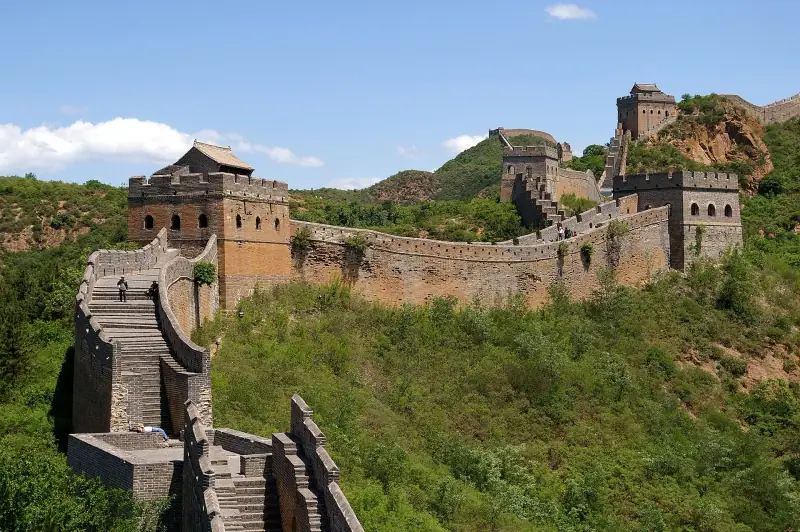
Budget for a trip to China: real costs, 3 profiles and ways to save
How much does a trip to China cost? Lodging, trains, meals, site entry fees: three daily budgets with figures, and tips to spend less.
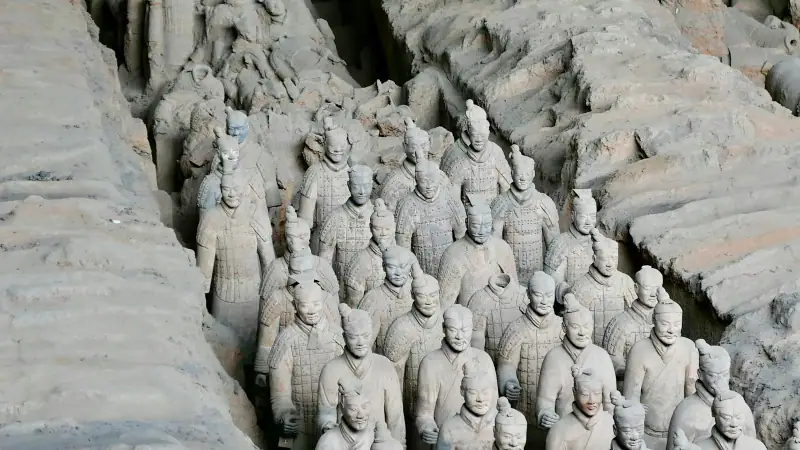
Terracotta Army: hours, prices, booking and getting there from Xi'an
Xi'an Terracotta Army: hours, fares, mandatory booking with passport, bus and metro from the center, and how to avoid the crowds.
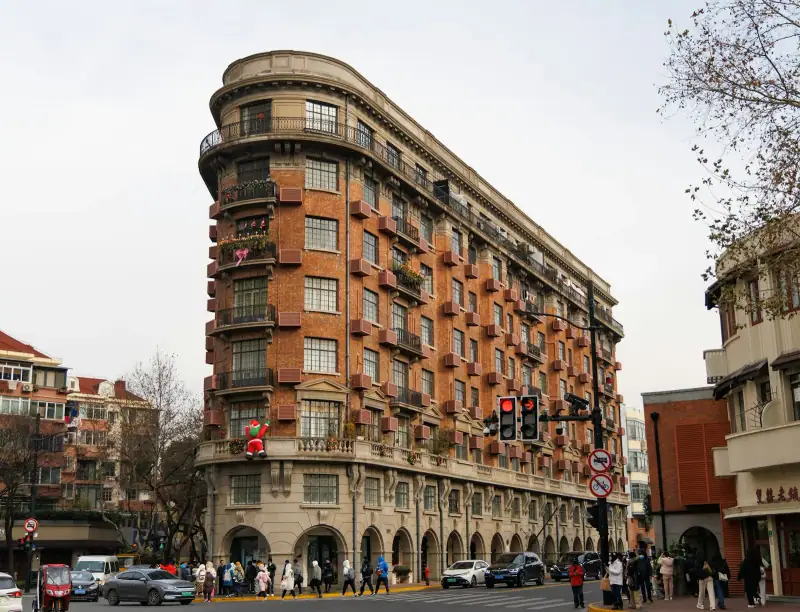
Where to stay in Shanghai: which neighborhood to choose
Where to stay in Shanghai? The Bund, the former French Concession, Jing'an, Pudong or Hongqiao: a neighborhood comparison with metro and booking tips.
Ready-made
China itineraries
3 days
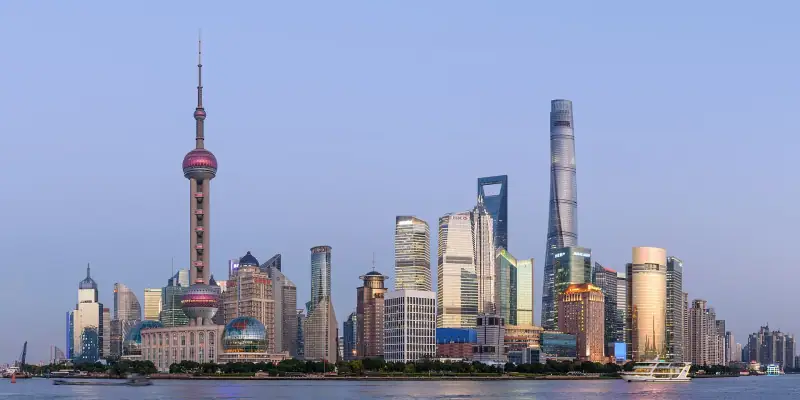
Shanghai in 3 days: the Bund, Pudong, the French Concession and gardens
What to do in Shanghai in 3 days? The Bund, Pudong skyscrapers, Yuyuan Garden, the French Concession and a possible day trip: a clear itinerary with tips.

3 days
Chengdu in 3 days: pandas, Sichuan food and teahouses
What to do in Chengdu in 3 days? Giant pandas, old alleys, teahouses, Sichuan opera and a day trip to Dujiangyan: a clear, practical itinerary.
4 days
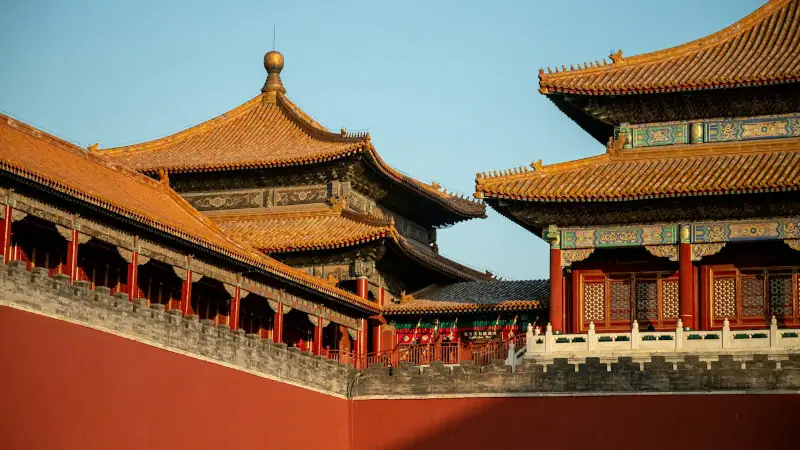
Beijing in 4 days: a complete itinerary and tips
What to see in Beijing in 4 days? Forbidden City, Great Wall, Temple of Heaven, Summer Palace and hutongs: a day-by-day plan with the bookings to make.