Itineraries
Beijing in 4 days: a complete itinerary and tips
We may earn a commission when you book through links on this page, at no extra cost to you. We don't visit or try the places we cover: we summarize published sources. How we work
Day by day
- Day 1Tiananmen Square, Forbidden City, Jingshan Hill
- Day 2Full day at the Mutianyu section of the Great Wall
- Day 3Temple of Heaven, hutongs, Drum and Bell Towers
- Day 4Summer Palace and imperial parks
In short
- The Forbidden City is visited with a named ticket booked online, tied to your passport number. It is closed on Mondays.
- Give the Great Wall a full day: Mutianyu is about an hour and a half by road from the center.
- The itinerary groups sights by district to limit travel: Tiananmen and the Forbidden City, the Great Wall, the Temple of Heaven and hutongs, then the Summer Palace.
- Avoid China's national holidays, especially the first week of October, when sites are overcrowded.
Beijing impresses with its scale: wide avenues, immense palaces, sprawling parks and monuments spread over a large area. Poorly planned, a stay can quickly turns into a series of transfers. Well organized, it offers in a few days a striking panorama of several centuries of imperial history, from the emperors’ cities to temples and everyday alleys.
This four-day itinerary groups sights by district to limit travel, gives the Great Wall a full day and keeps a more relaxed day for the parks and hutongs. To choose your dates, first see our guide to when to go to China.
Key points:
- The Forbidden City is visited with a named ticket booked online, and it is closed on Mondays
- Give the Great Wall a whole day rather than a rushed half day
- Group sights by district: the metro is the most efficient way to get around
Before you go: bookings and organization
Beijing takes a little planning. The Forbidden City does not sell tickets at the gate: you must book a named time slot online, linked to your passport number, and places go quickly in high season. Access to Tiananmen Square is also controlled, with a passport check and an advance reservation generally recommended. Always carry your original passport, not a copy.
To set the order of your days, remember that the Forbidden City closes on Mondays: put it on another day. Chinese public holidays, especially the first week of October, are best avoided if possible, because sites are then overcrowded.
For getting around, the metro is fast, cheap and easy for a foreign traveler to read. For farther excursions, a driver or an organized tour avoids complicated connections.
Where to stay in Beijing?
Hotels near the hutongs, the Forbidden City and metro stations, to compare for your dates.
Day 1: Tiananmen Square and the Forbidden City
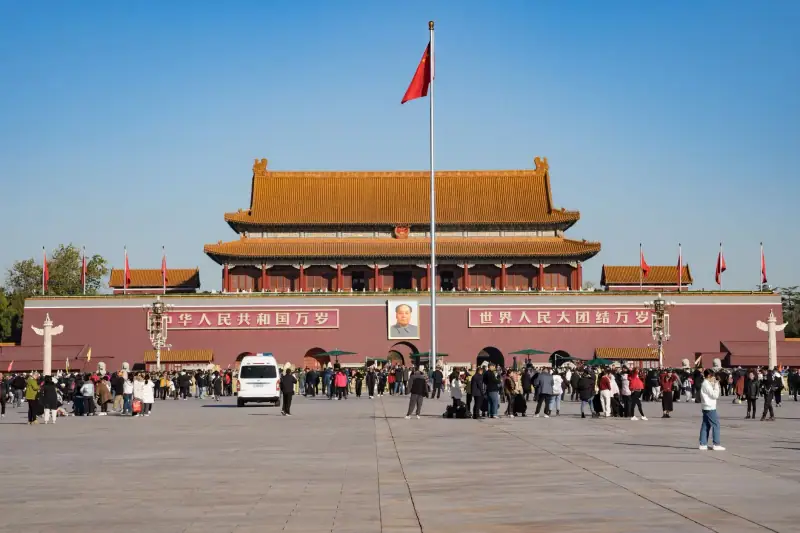
Start with the symbolic heart of the capital. Tiananmen Square is one of the largest public squares in the world, surrounded by major official buildings, Mao’s mausoleum and the Gate of Heavenly Peace, through which you enter toward the Forbidden City. Plan a fairly short stop: the interest lies mostly in the scale of the place and its atmosphere.
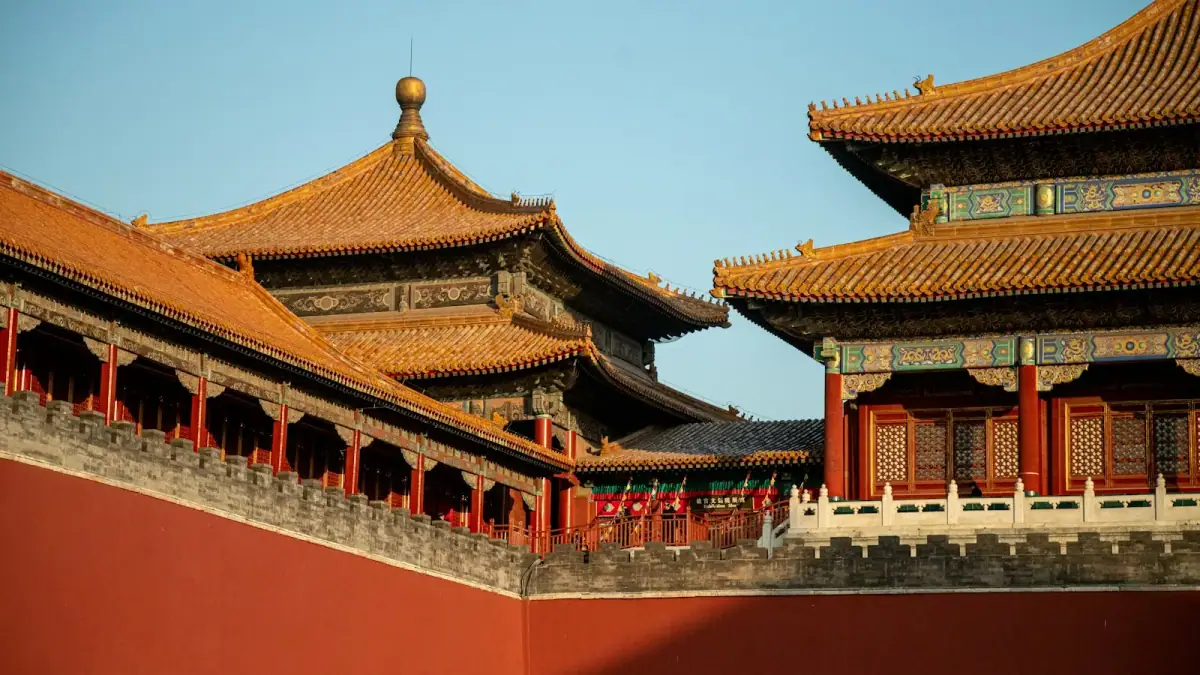
Then continue to the Forbidden City, the former imperial palace of the Ming and Qing dynasties. The site is laid out along a north-south axis: monumental courtyards and large ceremonial halls in the south, then more intimate residences, gardens and pavilions in the north. Allow at least half a day: the complex is immense, and you cover it on foot, often in a crowd.
Late in the afternoon, climb Jingshan Hill, just to the north. From its summit, the view over the golden roofs of the Forbidden City is one of the finest in Beijing, especially when the light is soft. If you have energy left, end the day with a walk in the lakes district, to the northwest.
Day 2: the Great Wall at Mutianyu
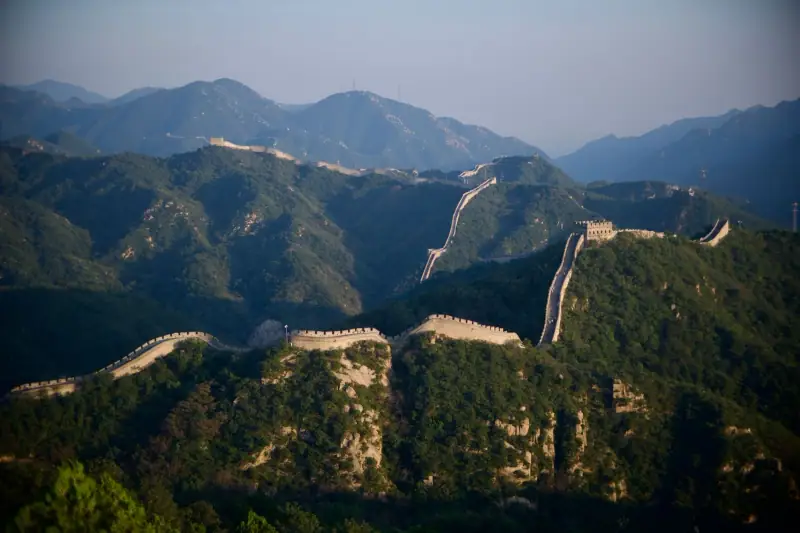
Set aside a whole day for the Great Wall. Among the sections accessible from Beijing, Mutianyu is one of the most popular: it is well restored, stretches along wooded ridges and is generally less crowded than Badaling, the section closest to the city. Allow about an hour and a half by road from the center.
Leave early to enjoy the wall before the groups arrive. There, you can climb on foot or take a cable car, then walk along the watchtowers. The walk takes some breath, because the steps are many and uneven: good shoes are essential. The landscape is especially spectacular in fall, when the foliage changes color.
An organized tour, with round-trip transport, greatly simplifies logistics and saves you from negotiating with drivers. It is the simplest choice if you travel without speaking Chinese.
Great Wall tour
Guided visits with transport from Beijing, to save time and avoid arranging things on the spot.
Day 3: Temple of Heaven and old neighborhoods
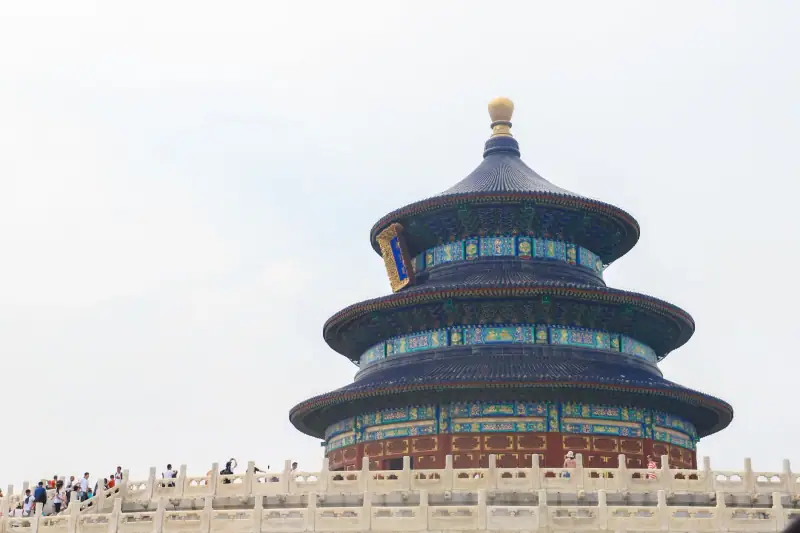
The third day mixes sacred architecture and neighborhood life. The Temple of Heaven, in the south of the city, is where emperors came to pray for the harvests. Its large circular building with a blue roof is one of the symbols of Beijing. But the surrounding park is just as interesting: early in the morning you meet locals practicing tai chi, playing cards, singing or dancing.
In the afternoon, head to the hutongs, the traditional alleys lined with courtyard houses. Many have been renovated, while others remain lived in by neighborhood families. The nicest way is to stroll through them on foot or by bike, with no set goal, stopping at a teahouse or a small craft shop.
In the evening, make your way to the Drum Tower and the Bell Tower, north of the central axis: they offer a pleasant view of the neighborhood, and their square, overlooked by old rooftops, gives an idea of the old city.
Day 4: the Summer Palace and imperial parks

For the last day, go to the northwest of the city. The Summer Palace is a vast imperial garden organized around a lake and a hill, with pavilions, bridges and a long painted covered corridor. It is a place for strolling more than for a quick visit: easily allow half a day, and more if you like to wander by the water.
If you have time, add another site to suit your tastes: a museum, a contemporary art district or a local market. Many travelers also keep this afternoon free for shopping or a last walk in a park before departure.
For meals, try Peking duck, the capital’s signature specialty, and the noodles, dumplings and street skewers. Preferably choose a place frequented by locals: it is generally the best indicator of quality.
Practical tips for your stay
Always keep your passport on you, as it is requested at the entrance of several sites. Before you leave, set up a way to pay and find your way around: mobile payments are everywhere in China, and it is useful to check in advance which options work with your foreign card. Also keep some cash for small purchases.
Plan on comfortable shoes: a day in the Forbidden City or on the Great Wall easily means many kilometers of walking. In summer, bring water and a hat; in winter, truly warm clothing, because Beijing’s winter is cold and dry.
Finally, to combine Beijing with other stops, think of the high-speed train: it links the capital to several major cities in the country, including Xi’an and Shanghai, and is often a more practical alternative to flying on these routes.
What comes after Beijing?
From the capital, the natural next stop is Xi’an and its Terracotta Army, then Shanghai, both reachable by high-speed train. Landscape lovers will continue to Guilin and Yangshuo, or to Chengdu for the pandas and Sichuan food. To adjust the season for each stop, see our guide to when to go to China.
Sources
- The Palace Museum (Forbidden City): figures checked November 2026
Frequently asked questions
Are four days enough to visit Beijing?
Yes, it is a comfortable length to see the big sights: Forbidden City, Tiananmen Square, Great Wall, Temple of Heaven, Summer Palace and a few hutongs. With three days, you have to drop a site or squeeze two visits into one day.
Do you need to book the Forbidden City in advance?
Yes. Entry is only with a named ticket booked online, tied to a passport number, and there are no sales at the gate. Time slots open a few days before the visit and go fast: book as soon as possible. The site is closed on Mondays.
Which section of the Great Wall should you choose from Beijing?
Mutianyu is the one foreign travelers like most: well restored, scenic and less crowded than Badaling. Badaling is the closest and easiest to reach, but also the busiest. Allow about an hour and a half by road for Mutianyu.
How do you get around Beijing?
The metro is the most practical and economical way: the network is dense, and stations are marked in pinyin and English. For shorter trips or evenings, taxis and ride-hailing apps work well. For the Great Wall, choose an organized tour or a driver.
Where should you stay in Beijing for a four-day trip?
The center, around the Forbidden City, the hutongs and metro lines 1, 2 or 5, limits travel times. A hotel near a station saves you precious time, especially on big sightseeing days.
More China guides
Keep reading
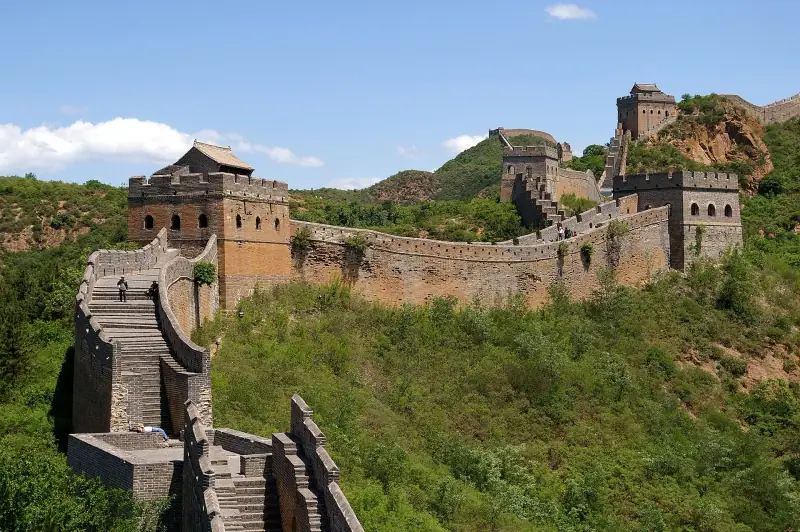
Budget for a trip to China: real costs, 3 profiles and ways to save
How much does a trip to China cost? Lodging, trains, meals, site entry fees: three daily budgets with figures, and tips to spend less.
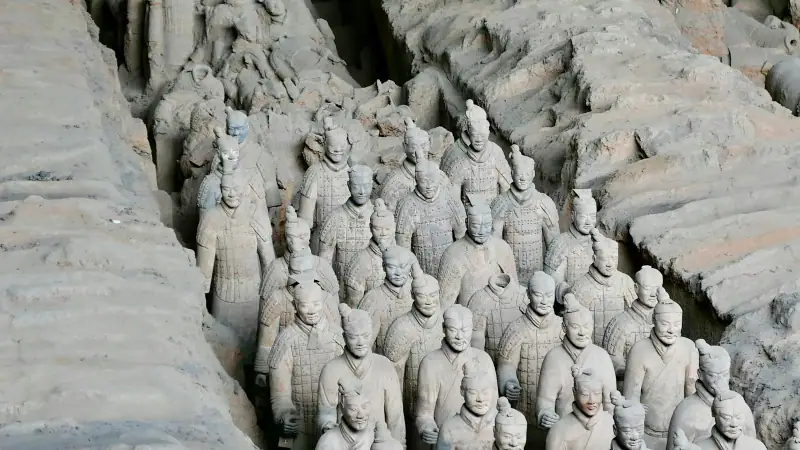
Terracotta Army: hours, prices, booking and getting there from Xi'an
Xi'an Terracotta Army: hours, fares, mandatory booking with passport, bus and metro from the center, and how to avoid the crowds.
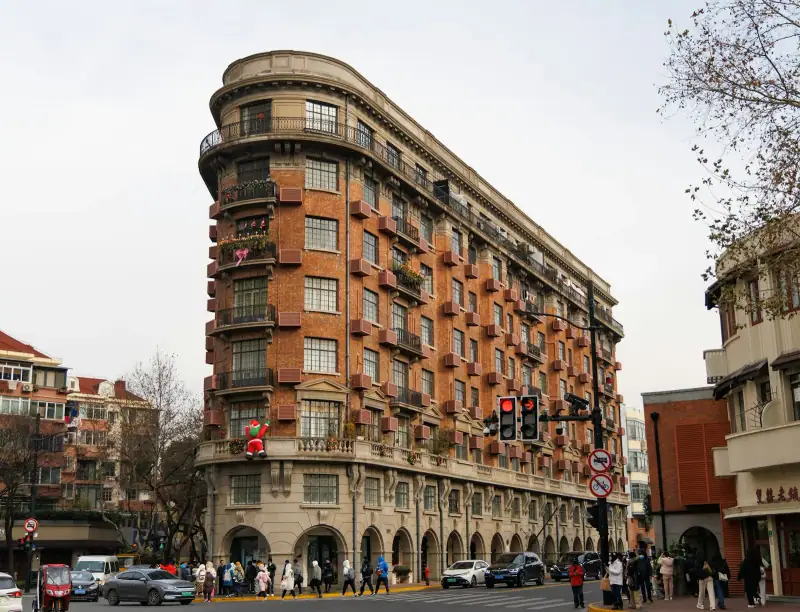
Where to stay in Shanghai: which neighborhood to choose
Where to stay in Shanghai? The Bund, the former French Concession, Jing'an, Pudong or Hongqiao: a neighborhood comparison with metro and booking tips.
Ready-made
China itineraries
3 days
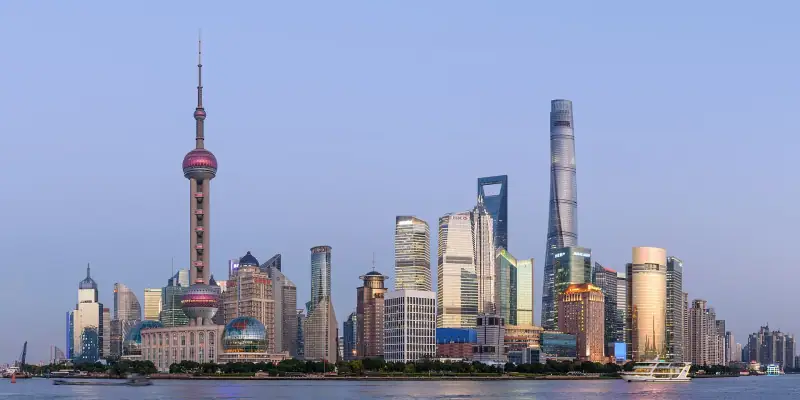
Shanghai in 3 days: the Bund, Pudong, the French Concession and gardens
What to do in Shanghai in 3 days? The Bund, Pudong skyscrapers, Yuyuan Garden, the French Concession and a possible day trip: a clear itinerary with tips.

3 days
Chengdu in 3 days: pandas, Sichuan food and teahouses
What to do in Chengdu in 3 days? Giant pandas, old alleys, teahouses, Sichuan opera and a day trip to Dujiangyan: a clear, practical itinerary.

3 days