Itineraries
Shanghai in 3 days: the Bund, Pudong, the French Concession and gardens
We may earn a commission when you book through links on this page, at no extra cost to you. We don't visit or try the places we cover: we summarize published sources. How we work
Day by day
- Day 1The Bund, Pudong towers, evening on the Bund
- Day 2Old city, Yuyuan Garden, Nanjing Road
- Day 3French Concession, a Buddhist temple, optional water-town trip
In short
- Day 1 covers the Bund and Pudong, day 2 the old city and Yuyuan Garden, day 3 the French Concession.
- The Bund is best late in the day, when both banks light up. The metro is the simplest way around a very large city.
- Stay near a metro station: it saves the most time. Around the Bund, the old city or the French Concession suits a first visit.
- Suzhou and Hangzhou are reachable by high-speed train in about an hour or less, for an optional day trip.
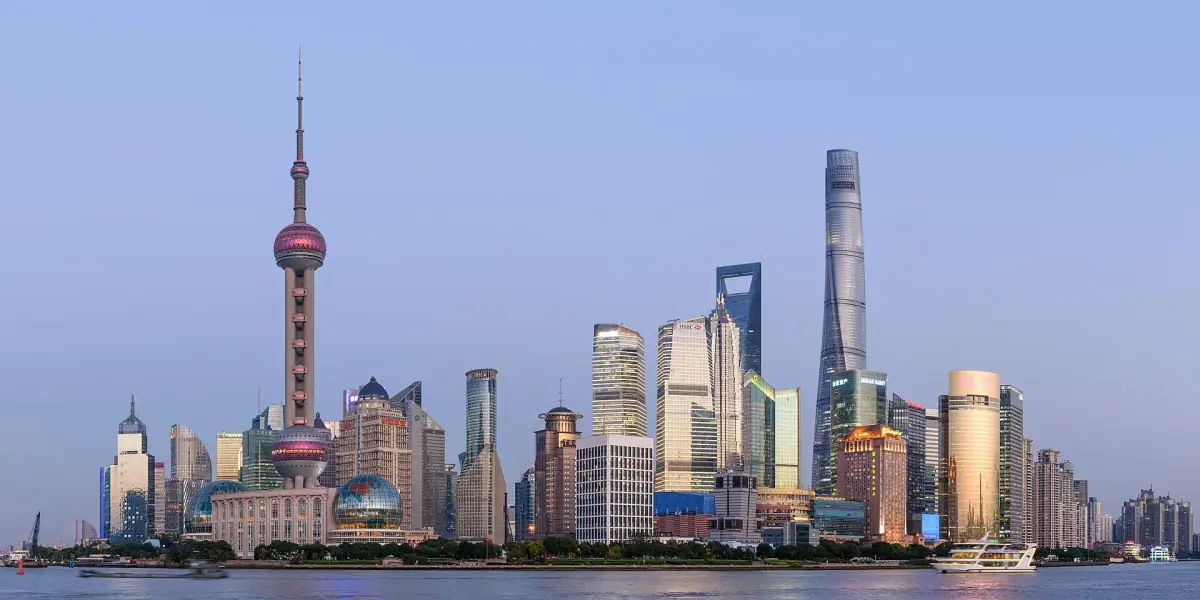
Shanghai is China’s great modern showcase: a metropolis facing the Huangpu River, where the Pudong skyscrapers look across at the early 20th-century facades of the Bund. Yet behind this futuristic image, the city hides shaded alleys, classical gardens and a lively neighborhood life.
In three days you can discover the essentials without rushing. This itinerary devotes the first day to the Bund and Pudong, the second to the old city and its gardens, and the third to the French Concession. If you are unsure about the season, our guide to when to go to China details the climate, and to complete your trip, see also Beijing in 4 days and Xi’an in 2 days.
Key points:
- The Bund is best visited late in the day, when both banks light up
- The metro is the simplest way to get around a very spread-out city
- The French Concession is best discovered on foot, with no fixed plan
Getting to Shanghai and getting organized
Most travelers arrive by air, at the city’s two international airports, or by high-speed train from the country’s other big cities. From Beijing the trip takes a few hours, which makes Shanghai a natural stop on a route through northern and eastern China. From Pudong airport, a magnetic levitation train reaches the city in a few minutes, and the metro then takes over.
The city is very large: it is better to choose a well-located lodging than to chase the lowest price. The area around the Bund and the old city suits a first stay, as does the French Concession, which is calmer and greener. In all cases, stay near a metro station: that is what saves you the most time.
Where to stay in Shanghai?
Hotels near the Bund, the French Concession or a metro station, to compare for your dates.
Day 1: the Bund and Pudong
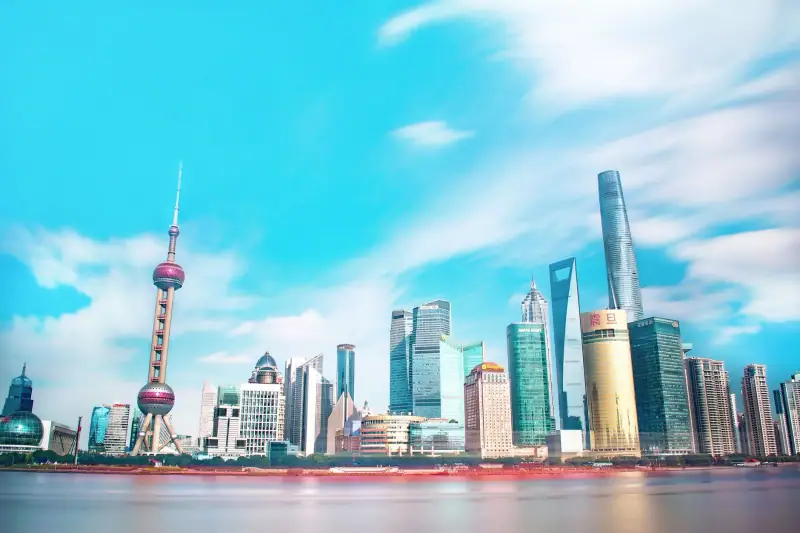
Start with the Bund, the promenade along the west bank of the Huangpu. It is lined with old European-style buildings, built when Shanghai was a major port open to international trade. The stone facades, columns and domes contrast with what you see across the river.
Then cross to Pudong, the business district that makes up Shanghai’s skyline. A few decades ago it was still farmland, and today it is a line of towers among the tallest in the world. Several of them have observation platforms, and the view of the river and the city’s rooftops is spectacular in clear weather. Preferably pick a clear day, because haze and pollution can hide the view.
Return to the Bund late in the afternoon: it is the best time for a stroll. The buildings light up at nightfall, as do the Pudong towers on the other bank. A river cruise lets you see both banks from the water, and it is a good way to end the day.
Huangpu cruise and guided tours
Evening cruises, walking tours and excursions from Shanghai.
Day 2: the old city and Yuyuan Garden
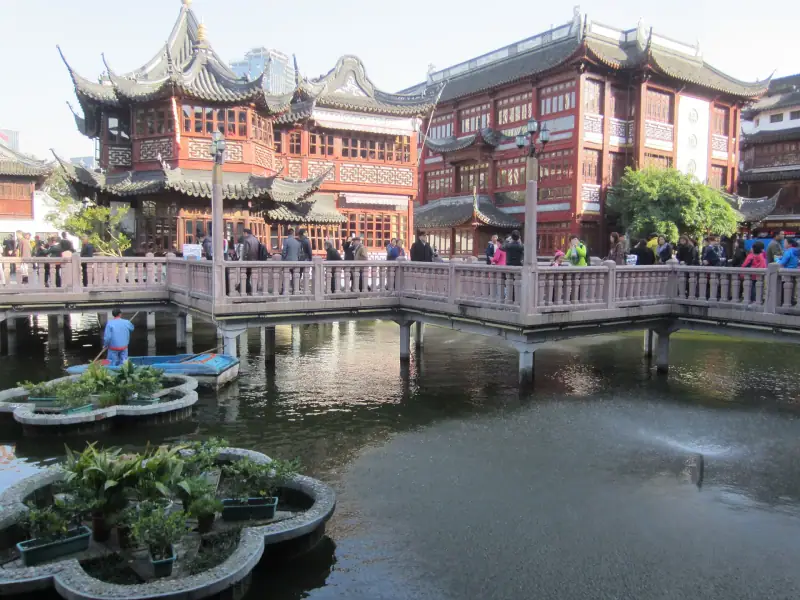
The second day is spent in the oldest part of the city. Yuyuan Garden is a classical Chinese garden, with pavilions, ponds, rocks and galleries. It dates from the Ming dynasty and offers a calm pause in the middle of the city. Arrive early: it is a very popular place, and the paths fill up quickly by midday.
The bazaar around the garden is lively and very touristy, with souvenir, tea and craft shops. Prices there are higher than elsewhere, but the atmosphere is worth the detour, especially for a first visit. Then step out of this perimeter to walk the neighboring streets, where a few old houses and neighborhood shops remain.
In the afternoon, you can visit one of the city’s major museums, very well presented, or stroll along the famous Nanjing shopping street, a long pedestrian avenue that comes alive at night. It is a good place to see contemporary urban China, with its neon signs and crowds. If you want to try local food, steamed dumplings and noodles are classics of the city: our guide to Chinese cuisine gives an overview of regional specialties.
Food tour in Shanghai
Guided tastings of dumplings, noodles and local specialties, with a guide.
Day 3: the French Concession and its shaded streets
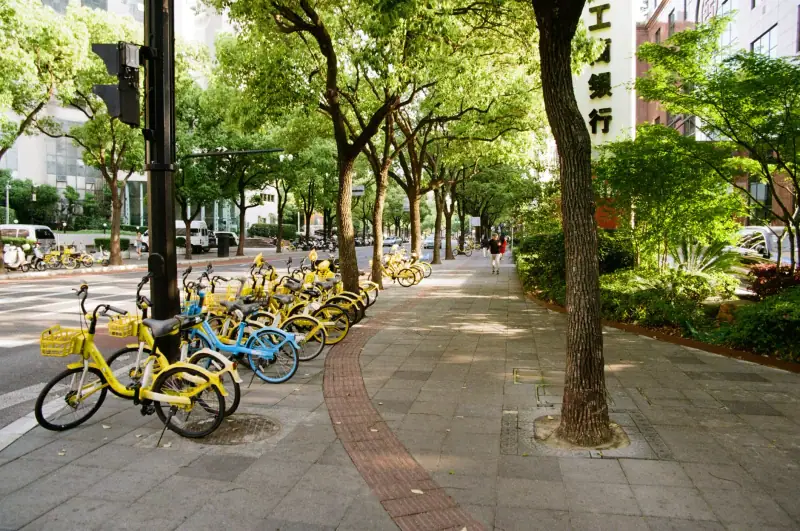
The third day is the quietest. The former French Concession is a residential district lined with plane trees, with old houses, cafés and independent shops. You get around it mostly on foot, with no fixed plan: it is a neighborhood to discover by strolling. The residential lanes, with laundry hanging from the windows and small shops, show another side of the city.
You can also visit a Buddhist temple in the center, whose golden roofs contrast with the towers around it. It is a good reminder that Shanghai is not only a modern city, but also a city of traditions. The neighborhood’s cafés are well suited to a break before you resume your walk.
If you have an extra day, or if you prefer to replace this last stop, a trip to one of the nearby water towns is possible. Suzhou and Hangzhou are linked to Shanghai by high-speed train, in about an hour or less, and their gardens and canals are well known. Check train times in advance, and plan to leave early to make the most of the day. For a closer option, reachable by metro, see our guide to Zhujiajiao from Shanghai.
Practical tips for your stay
Always carry your passport: it is requested for many train and museum tickets. Entry rules depend on your passport. Check the official travel advice of your government before you book: travel.state.gov (US), GOV.UK (UK), travel.gc.ca (Canada), Smartraveller (Australia) (checked November 2026). If possible, avoid China’s national holidays, especially the first week of October, when sites are overcrowded.
For getting around, the metro is fast, clear and clean, with signs in pinyin and English. Taxis and ride-hailing apps are also very practical, but it helps to have the place name written in Chinese characters. Mobile payments are everywhere in China: find out before you leave which payment methods are accepted for foreign travelers, and keep cash as a backup.
To continue your trip, Shanghai combines very well with Beijing and Xi’an by high-speed train, or with Guilin and Sichuan by plane. Compare flight offers in advance, because prices vary a lot by season.
Flights to China
Compare flights to Shanghai or to your other stops in China, for your dates.
Frequently asked questions
Are three days enough to visit Shanghai?
Yes, three days let you see the essentials: the Bund and Pudong, the old city with Yuyuan Garden, then the French Concession and its shaded streets. With one more day, you can add a trip to a water town or to Hangzhou.
Where should you stay in Shanghai for a first visit?
The most practical choice is a central neighborhood, near the Bund, the French Concession or a well-served metro station. You save time on every trip, because the city is very spread out.
How do you get around Shanghai?
The metro is the simplest way: the network is very dense, with signs in pinyin and English. Taxis and ride-hailing apps complement it well, as long as you have the place name written in Chinese characters.
Can you visit Shanghai as a day trip from Beijing or Xi'an?
Shanghai is linked to Beijing by high-speed train in just a few hours. It is a natural stop on a route combining China's big cities, but it deserves more than a one-day stopover.
What is the best time to visit Shanghai?
Spring and fall are the most pleasant. Summer is hot and humid, winter cool and often gray. If possible, avoid China's national holidays, when sites are overcrowded. Our guide to choosing your dates details the seasons.
More China guides
Keep reading
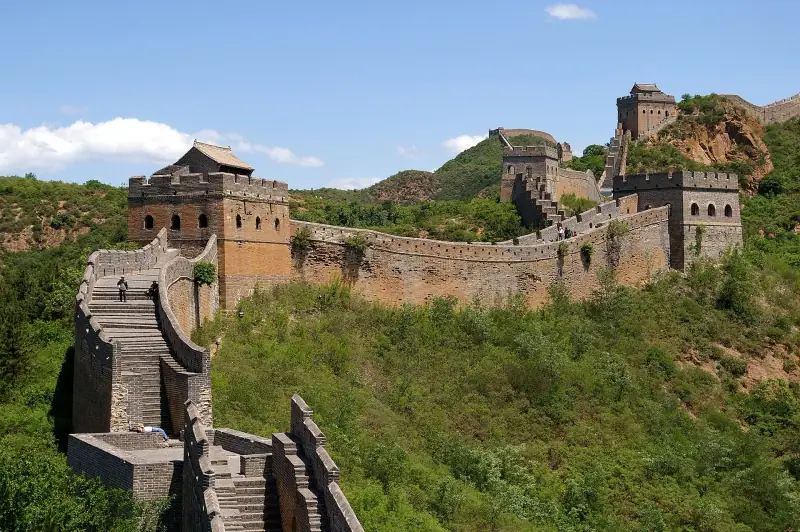
Budget for a trip to China: real costs, 3 profiles and ways to save
How much does a trip to China cost? Lodging, trains, meals, site entry fees: three daily budgets with figures, and tips to spend less.
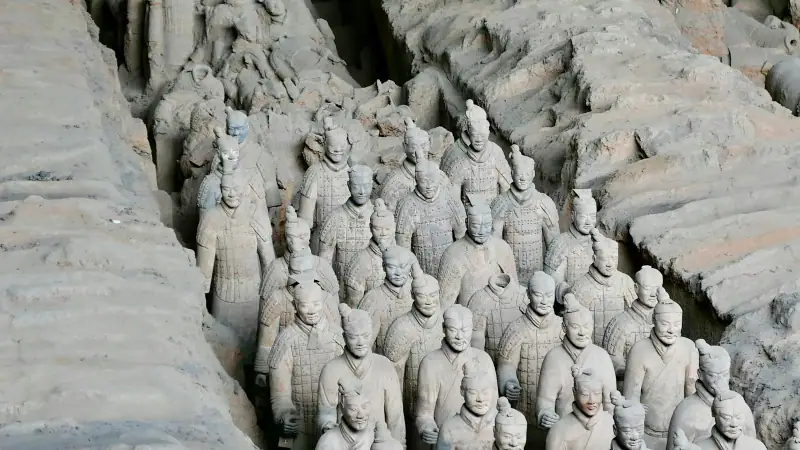
Terracotta Army: hours, prices, booking and getting there from Xi'an
Xi'an Terracotta Army: hours, fares, mandatory booking with passport, bus and metro from the center, and how to avoid the crowds.
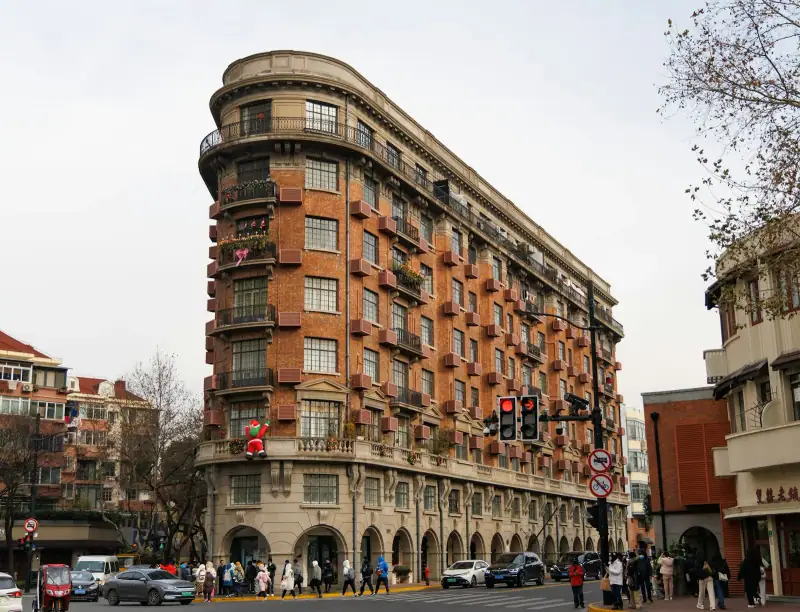
Where to stay in Shanghai: which neighborhood to choose
Where to stay in Shanghai? The Bund, the former French Concession, Jing'an, Pudong or Hongqiao: a neighborhood comparison with metro and booking tips.
Ready-made
China itineraries

3 days
Chengdu in 3 days: pandas, Sichuan food and teahouses
What to do in Chengdu in 3 days? Giant pandas, old alleys, teahouses, Sichuan opera and a day trip to Dujiangyan: a clear, practical itinerary.
4 days
Beijing in 4 days: a complete itinerary and tips
What to see in Beijing in 4 days? Forbidden City, Great Wall, Temple of Heaven, Summer Palace and hutongs: a day-by-day plan with the bookings to make.

3 days