Where to stay
Where to stay in Santiago, Chile: neighborhoods, budgets and tips
We may earn a commission when you book through links on this page, at no extra cost to you. We don't visit or try the places we cover: we summarize published sources. How we work
In short
- Lastarria is the simplest choice for a first stay: walkable, many restaurants and cafés, with the metro and main sights close.
- Bellavista suits lively evenings, Providencia suits quiet and families, the historic center is cheaper but empties at night, and Las Condes and El Golf are the priciest.
- Stay near the airport only for a very early flight or a short layover; the airport is about half an hour from the center in normal traffic.
- Book a few weeks ahead for the austral summer (December to February) and long weekends, and check heating in winter.
Santiago, Chile, is the gateway to most trips in the country, and the choice of neighborhood to stay in matters more than you might think. The capital spreads over a vast valley, between the Andes and the coastal range, and its neighborhoods have very different atmospheres: one is pedestrian and bohemian, another residential and peaceful, a third made of skyscrapers and business centers. Pick the wrong area and you lose time in transport or spend your evenings on deserted streets.
This guide compares the main neighborhoods to help you choose according to your budget, length of stay and way of traveling. For the sightseeing program, see our guide Santiago: what to see and do, and to prepare your spending, our budget for Chile.
How to choose your neighborhood in Santiago
Before comparing addresses, three questions simplify the choice.
How many nights will you spend in town? For a one- or two-night stop before a flight north or to Easter Island, favor an area well connected to the metro. For three nights or more, a neighborhood that is pleasant on foot matters more, since you will spend your mornings and evenings there.
What are you looking for in the evening? Santiago is a city where people go out late. If you want to have dinner and a drink without taking a taxi, Lastarria and Bellavista are the most practical. If you prefer a quiet neighborhood where you sleep well, Providencia or Las Condes suit better.
What means of transport will you use? Santiago’s metro is efficient, much more so than buses for a passing visitor. Lodging a few minutes’ walk from a station simplifies every trip, including to the bus terminal and the airport. If, however, you rent a car to leave the capital, check that your hotel has secure parking: this is rarely the case in the historic center.
Also keep the season in mind. The austral summer, from December to February, is hot, dry and very much in demand: prices rise and good places fill up. Our article on the best time to travel to Chile details the seasons. In winter, heating is a real criterion: many Chilean buildings are poorly insulated, and a room without heating can be uncomfortable.
Lastarria and Cerro Santa Lucía: the best choice for a first stay
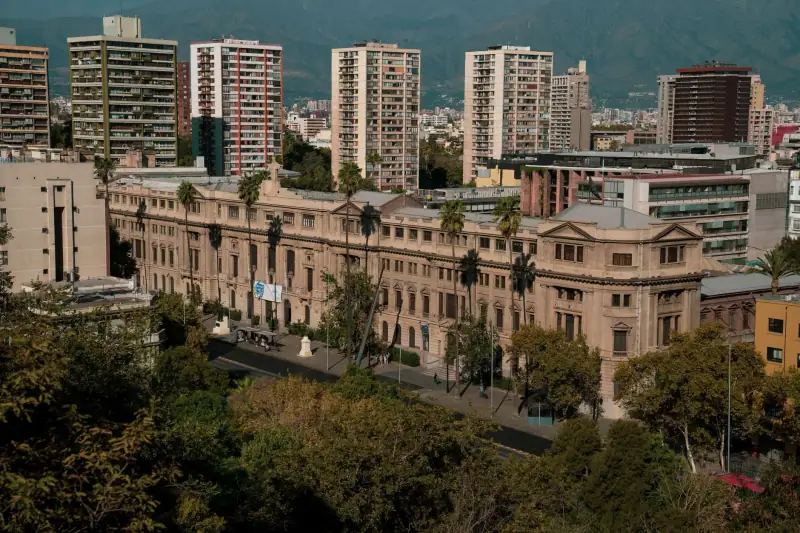
Lastarria is the neighborhood most often recommended to travelers discovering the city. Its cobbled streets and small squares sit at the foot of Cerro Santa Lucía, a few minutes’ walk from the historic center. You find cafés, bookstores, galleries, restaurants serving Chilean and international food, and several small museums.
Advantages. Everything is within walking distance: the historic center, the hill, café terraces and restaurants. The neighborhood is lively by day and in the evening, which makes it reassuring for solo travelers. Nearby metro stations link quickly to the other areas.
Drawbacks. It is a sought-after neighborhood, so prices are higher than in the center for equivalent quality. The liveliest streets can be noisy on weekends; ask for a courtyard-side room if you are a light sleeper.
Who it suits. Couples, solo travelers and fans of urban walks. It is also a good compromise for those with only two or three nights who want to see everything without taking transport.
Compare hotels in Santiago
Hotels, apartments and hostels: filter by neighborhood and budget to find your base in Santiago.
Bellavista and the foot of Cerro San Cristóbal: the nightlife neighborhood
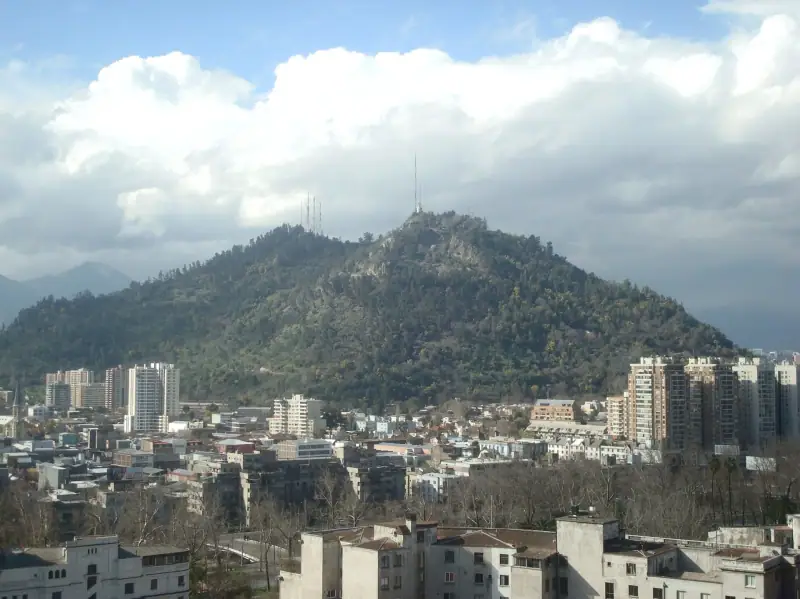
Bellavista lies on the other side of the Mapocho River, at the foot of Cerro San Cristóbal, the big hill overlooking the city. It is the neighborhood of bars, restaurants, painted walls and artists’ studios. The entrance to San Cristóbal park, with its funicular, is easy to reach, and the neighborhood also houses one of Pablo Neruda’s houses, now a museum.
Advantages. A lively, young atmosphere, many hostels and boutique hotels at varied prices, and the park nearby for walkers and views over the city.
Drawbacks. Nights are noisy, especially Thursday to Saturday. Around the busiest streets, petty theft is not rare: watch your phone and bag on terraces. Late in the evening, take a taxi or ride-hailing car home rather than walking the side streets.
Who it suits. Travelers who like going out, small budgets looking for a hostel, and those who want a lively stay. If your priority is a quiet night, choose another area.
Providencia: calm, green and well connected
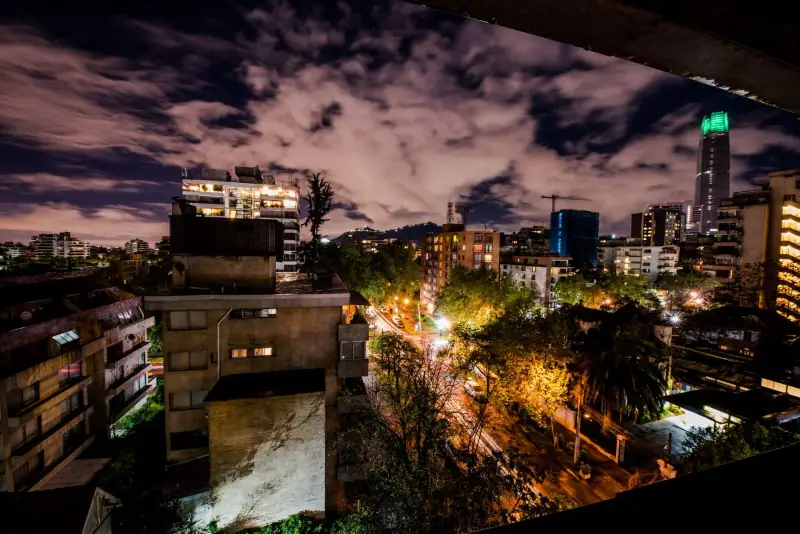
Providencia is a residential and shopping neighborhood east of the center, served by several metro stations. Its wide tree-lined avenues, parks, cafés and shopping centers make it a comfortable, reassuring area, appreciated by families and business travelers.
Advantages. Calm, a sense of safety, a wide choice of mid-range and upper-category hotels, and supermarkets and pharmacies within reach. For a stay of several days with kids, it is a good compromise.
Drawbacks. The atmosphere is less picturesque than in the historic neighborhoods, and you need to take the metro to reach the center. In the evening, restaurants are numerous but the neighborhood is less lively than Bellavista.
Who it suits. Families, travelers seeking comfort, and those staying several nights who appreciate a quiet setting. The neighborhood lends itself well to an apartment with a kitchen, handy for limiting the meal budget.
The historic center: practical but to be handled with care
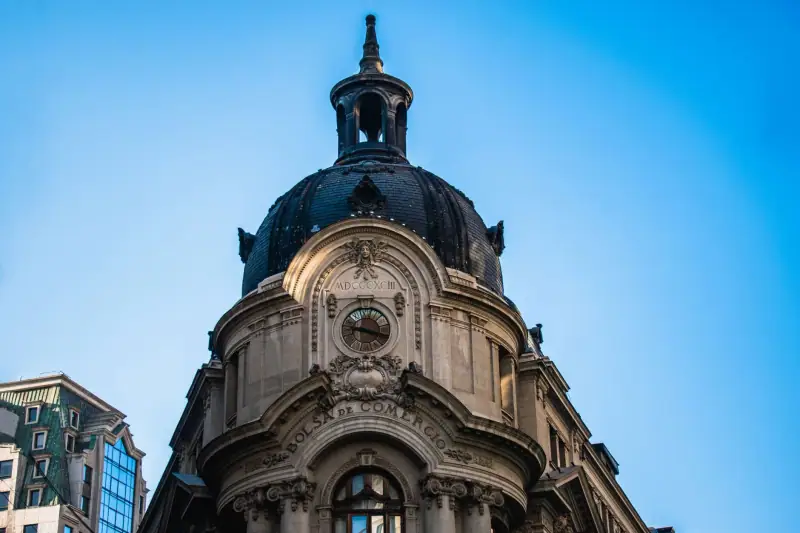
The center gathers the Plaza de Armas, the cathedral, La Moneda palace and several museums. It is very well served by the metro and buses, and has hotels at every price, often more affordable than in Lastarria.
Advantages. Rates, proximity to historic sights and easy access to bus terminals and the metro.
Drawbacks. The center is very busy on weekdays and empties in the evening and on weekends: some streets become deserted and uninviting once shops close. Pickpocketing is frequent in crowds and on the metro. If you choose this area, favor a hotel well rated for safety and location, avoid walking back late and keep valuables out of sight.
Who it suits. Travelers on a tight budget who want to save sightseeing time, provided they stay alert.
Barrio Italia and Ñuñoa: a local feel
Barrio Italia, around Avenida Italia, has become a neighborhood of workshops, home-decor shops, flea markets and small restaurants. Further out, Ñuñoa is a residential student neighborhood, appreciated by Santiago residents for its neighborhood life.
Advantages. A more authentic, less touristy atmosphere, reasonably priced restaurants and fine walks on quiet streets.
Drawbacks. The area is less central: expect a metro or ride-hailing trip to reach the center. The choice of lodging is more limited, mostly guesthouses and apartments.
Who it suits. Travelers returning to Santiago, those who like local neighborhoods, and stays of several nights.
A vineyard tour from Santiago
Day tastings and winery visits in the Maipo Valley or Casablanca, departing from the capital.
Las Condes, Vitacura and El Golf: comfort and business
These neighborhoods in the east of the city concentrate skyscrapers, large international hotels, shopping centers and high-end restaurants. Nicknamed “Sanhattan” by locals, the El Golf area gives a very modern image of the capital.
Advantages. Comfortable hotels with full services, a strong sense of safety, clean streets and views of the Andes from the upper floors. It is also the area closest to several departure points for excursions into the Andes.
Drawbacks. Rates are the highest in the city, the neighborhood is fairly impersonal and it empties outside office hours. Expect a metro or taxi ride to reach the historic center.
Who it suits. Business travelers, those looking for an upscale hotel, and stays where comfort matters more than atmosphere.
Staying near the airport: only if necessary
Santiago’s international airport is west of the city, about half an hour from the center in normal traffic. Buses and shuttles link the airport to the center, as do taxis and ride-hailing cars.
A hotel near the airport is only useful in two cases: a very early morning flight, or a short layover with a late arrival. In all other cases, it is better to stay in town: you enjoy the capital, and the trip to the airport stays simple as long as you allow a margin. Rush-hour traffic can lengthen the trip a lot, so leave early on the day of your flight.
Budget: how much to plan for sleeping in Santiago
Santiago is one of the priciest cities in the country for lodging, and prices vary mostly by three factors: season, neighborhood and type of accommodation. For a full overview of spending, see our budget for traveling in Chile.
- Hostels: a dorm bed is the cheapest option, often with private rooms at mid-range rates. They are concentrated in Bellavista, the center and Lastarria.
- Mid-range hotels: the bulk of the offer, in Providencia, Lastarria and the center. Breakfast is often included.
- Apartments: attractive from three nights, especially in Providencia, Lastarria and Barrio Italia.
- Upscale hotels: concentrated in Las Condes, Vitacura and El Golf, with a few boutique places in the historic neighborhoods.
A few tips to cut the bill: travel outside the austral summer, compare rates on several dates, check whether breakfast is included, and prefer a hotel near the metro over a central but expensive one. Also read recent reviews, as the quality of a place can change fast.
Safety, noise, heating: what to check before booking
Whatever the neighborhood, a few checks avoid bad surprises.
Safety. Read recent reviews and see what travelers say about the entrance, the neighborhood in the evening and the front desk. A front desk open around the clock is a plus if you arrive late. Store your passport and valuables in the room safe.
Noise. Santiago is a big city: traffic, construction and nightlife can be heard. If you sleep poorly, ask for a room on a high floor or on the courtyard side.
Heating and air conditioning. In winter the temperature can be cool, especially at night. Check that the room has heating. In summer, afternoon heat makes air conditioning or a fan useful.
Hot water and Wi-Fi. Traveler reviews often mention these points: read them if you plan to work remotely or stay several days.
Luggage. If you arrive early or leave late, check that the hotel offers luggage storage. It is very useful for a stopover before a flight north or to Easter Island.
Organizing your stay from Santiago: tours and stages
Santiago is an excellent base for day trips: vineyards of the Maipo Valley, the Andes, or the Pacific coast toward Valparaíso. If you plan to multiply excursions, sleeping in a neighborhood well connected to the metro and shuttle departures will save you time. Our guide to the Maipo, Casablanca and Colchagua vineyards will help you choose your destination.
If you plan a longer itinerary, our two-week Chile itinerary shows how to link Santiago with the Atacama Desert, the Lake District or Easter Island.
Book in Providencia or Lastarria
Check availability and recent reviews before choosing your neighborhood.
Recommendations by profile
- First stay, 2 to 3 nights: Lastarria, to do everything on foot.
- Evenings and small budget: Bellavista, checking reviews on noise carefully.
- Family or longer stay: Providencia, calm and practical.
- Quick stopover at a low price: the center, with a well-rated hotel and extra vigilance in the evening.
- Business trip or maximum comfort: Las Condes or El Golf.
- Back in Santiago, wanting authenticity: Barrio Italia or Ñuñoa.
In all cases, book with free cancellation when possible, compare several platforms and keep slack on dates if your flight is subject to change. Santiago can be visited in a few days, but a good night’s sleep will give you the energy to explore the rest of Chile.
Frequently asked questions
Which neighborhood should you stay in for a first stay in Santiago?
Lastarria is the simplest choice: you get around on foot, restaurants and cafés are plentiful, and the metro and main sights are close. Bellavista suits travelers who like lively evenings, Providencia those who prefer calm.
Is Santiago safe to stay in the city center?
Tourist neighborhoods are generally quiet by day. At night the historic center empties and some streets are deserted. If you stay in the center, choose a hotel well rated for its location and take a taxi or ride-hailing car home in the evening.
How much does a night in Santiago cost?
Prices vary a lot with the season and neighborhood. A dorm bed is cheap, a mid-range hotel room costs noticeably more, and upscale places in Las Condes or Vitacura are the priciest. Compare rates for your dates, as the austral summer is the most in-demand period.
Do you need to book far in advance?
For the austral summer (December to February) and long weekends, booking a few weeks ahead gives more choice. The rest of the year it is generally easy to find a room, but the best places in popular neighborhoods go first.
Is it better to stay in Santiago or in Valparaíso?
Santiago is more practical for airport arrivals and departures, museums and trips to the vineyards. Valparaíso offers a more bohemian atmosphere. Many travelers stay in Santiago on arrival and at the end of the trip, and spend one or two nights on the coast in between.
Do you need a hotel near the airport?
Only for a very early morning flight or a short layover. The airport is linked to the center by buses and shuttles, and a transfer to your neighborhood is simple. For a stay of several days, it is better to stay in town.
Apartment or hotel?
For three nights or more, an apartment with a kitchen is attractive for families and small groups. For a short stay, a hotel has a front desk that helps with transfers, luggage storage and neighborhood advice.
More Chile guides
Keep reading
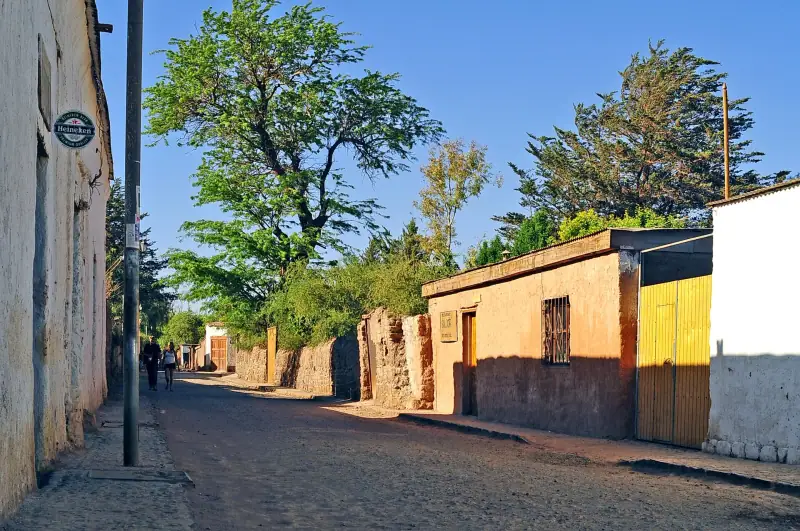
Where to stay in San Pedro de Atacama without a car: town center or outskirts?
No car in San Pedro de Atacama: stay near Caracoles Street or on the outskirts? Areas, walking distances, early-morning tours and pitfalls to avoid.
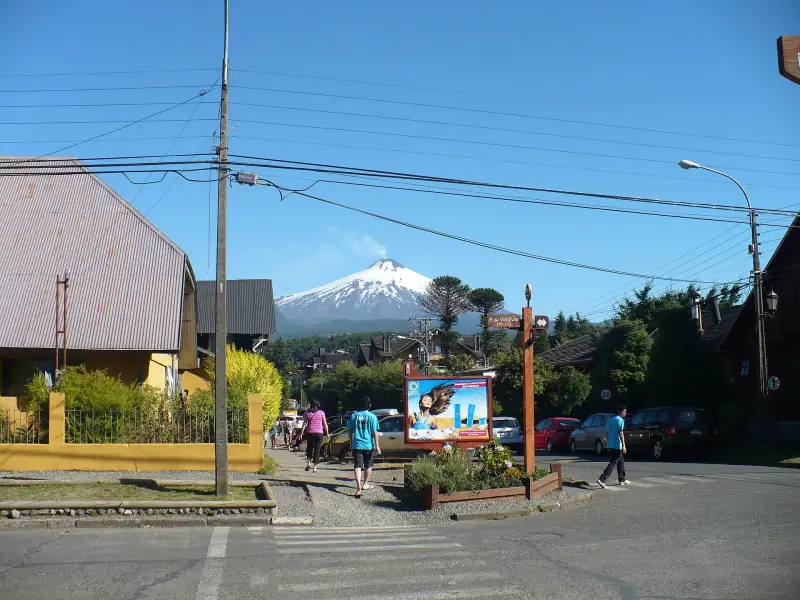
Puerto Varas or Pucón: where to stay in Chile's Lake District without a car
No car in Chile's Lake District: sleep in Puerto Varas or Pucón? Buses, tours, neighborhoods and tips for choosing your base.
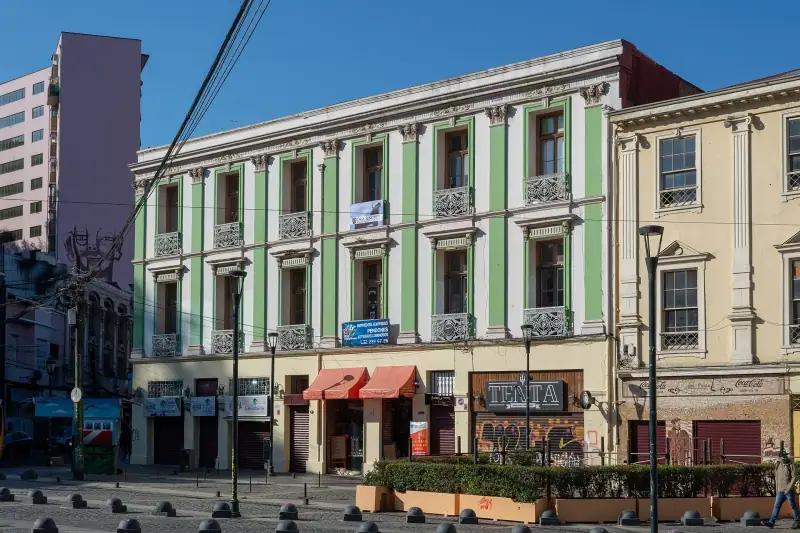
Where to stay in Valparaíso: which hill to choose, budgets and tips
Where to stay in Valparaíso? Cerro Alegre, Concepción, Bellavista, the Plan or Viña del Mar: neighborhood comparison, safety, budgets and tips.
Ready-made
Chile itineraries

7 days
Chile's Lake District road trip: 7 days from Puerto Varas to Pucón
Puerto VarasPucón
Can be adapted in the planner
3 days
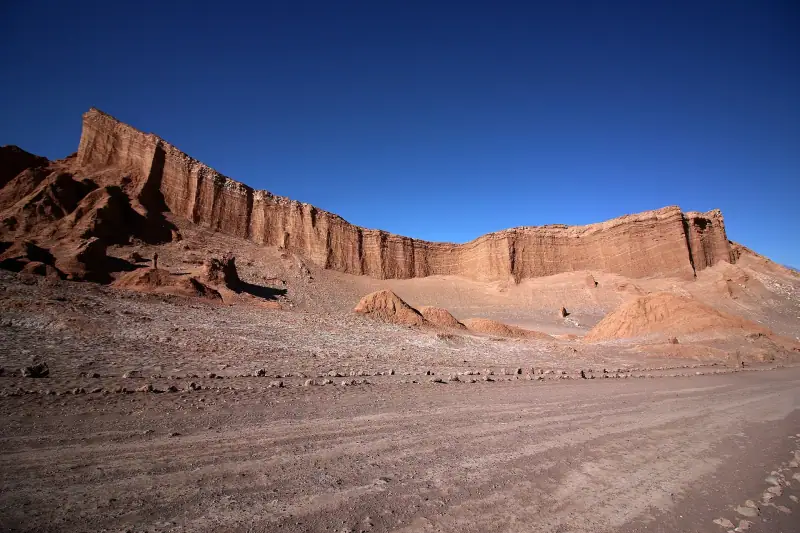
3 days in San Pedro de Atacama: a day-by-day itinerary
3 days in San Pedro de Atacama: a day-by-day plan with Moon Valley, lagoons, El Tatio geysers and stargazing, plus altitude and logistics tips.

14 days
2-week Chile itinerary: Atacama, the Lakes and Chiloé
A 14-day Chile itinerary, day by day: Santiago, Valparaíso, the Atacama Desert, Pucón, Puerto Varas and Chiloé, with flights, durations and tips.