Where to stay
Where to stay in Valparaíso: which hill to choose, budgets and tips
We may earn a commission when you book through links on this page, at no extra cost to you. We don't visit or try the places we cover: we summarize published sources. How we work
In short
- Cerro Alegre and Cerro Concepción are the classic choice for a first stay: walkable, with the widest range of charming places to stay, but the priciest and busiest.
- Cerro Bellavista is cheaper and more local; Viña del Mar is flatter and calmer, with beaches; the flat Plan district is not recommended for staying.
- Two nights cover the hills, funiculars and port; a third leaves room for Viña del Mar.
- Take a taxi or ride-hailing car back in the evening, and check heating outside summer.
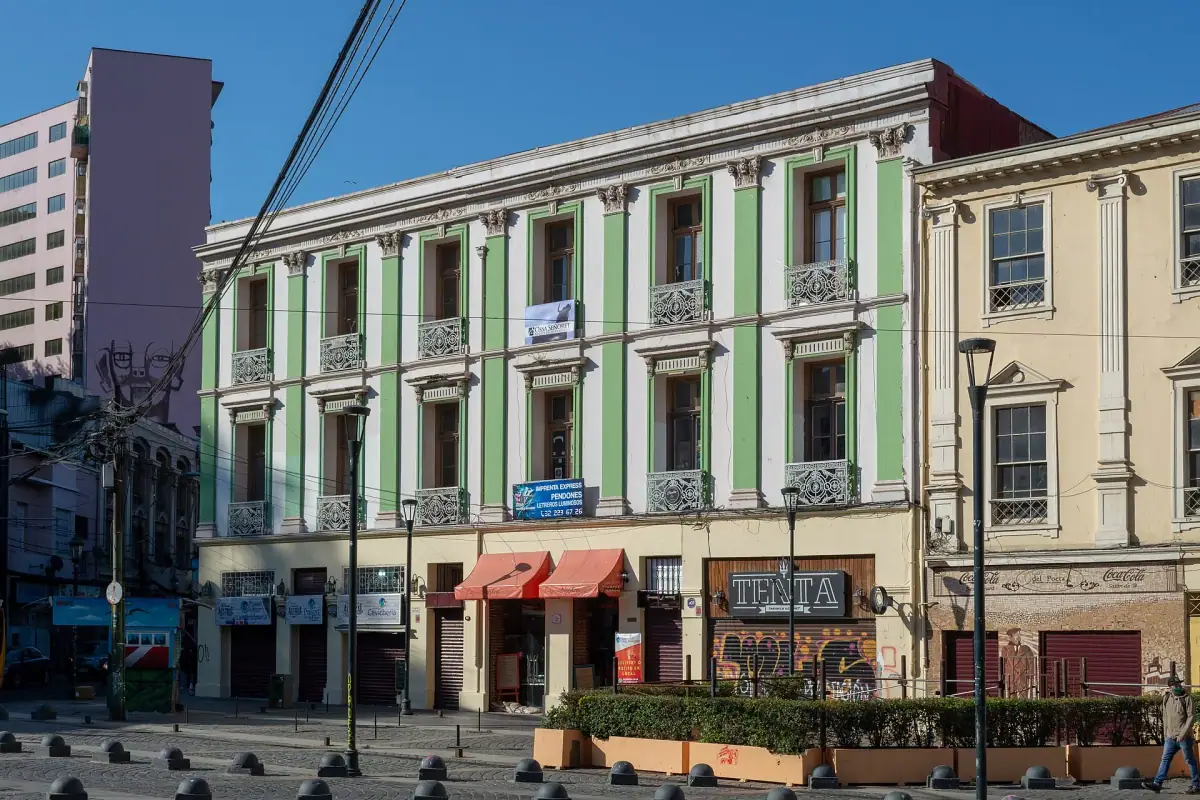
Valparaíso is not chosen like an ordinary city. Spread over some forty hills above the Pacific, listed as a UNESCO World Heritage Site for its historic district, it offers radically different atmospheres from one cerro to the next. A room at the top of a hill can offer a spectacular view over the bay, but also require you to climb many stairs. A hotel in the flat district will be practical for buses, but much less pleasant in the evening.
This guide helps you choose your base: Cerro Alegre and Cerro Concepción, Bellavista, the Plan, Playa Ancha or neighboring Viña del Mar. For the sightseeing program, see our article Valparaíso: what to see and do. If you are arriving from the capital, our guide on where to stay in Santiago will help you organize the first stage of your stay.
How to choose your accommodation in Valparaíso
Three criteria simplify the decision before comparing neighborhoods.
The terrain. This is the main constraint. Most charming places are on the hills, which means slopes and stairs. If you travel with big suitcases, children in strollers or mobility difficulties, favor places near a funicular or reachable by car on a drivable street. Ask before booking: a good host will tell you the best route to arrive.
The time of day you come back. The tourist hills are lively by day, quieter in the evening. If you like to go out late, choose lodging near busy streets, or plan transport home. A taxi or ride-hailing car to the door settles most worries.
Budget and season. Valparaíso offers a wide range of accommodation: hostels, guesthouses set in old mansions, boutique hotels, apartments. In the austral summer, from December to February, demand is strong, as on the whole central coast. Our article on the best time to travel to Chile details the seasons. Outside summer, morning mist is frequent and humidity can be felt: check that the room is heated, as many old buildings are poorly insulated.
Cerro Alegre and Cerro Concepción: the classic choice
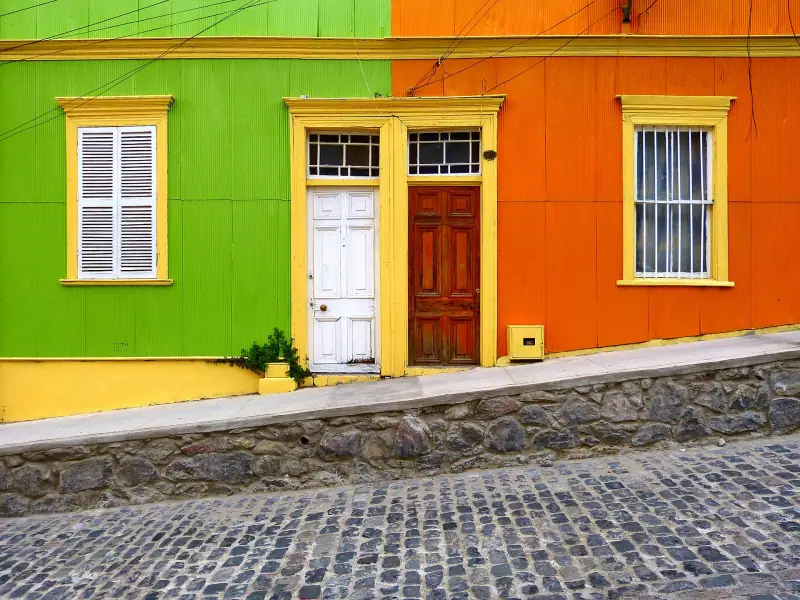
These two neighboring hills are the tourist center of the city. Their streets are lined with houses with colorful facades, painted walls, cafés, small galleries and restaurants. They are part of the UNESCO-listed historic area, and their viewpoints offer some of the finest views over the bay.
Advantages. Everything is within walking distance: walks, murals, viewpoints, restaurants and shops. The atmosphere is pleasant by day and in the early evening. The choice of charming places to stay is the widest in the city, among guesthouses, character hotels and hostels.
Drawbacks. It is the priciest and busiest area. Streets are steep, and snatch thefts mostly target distracted tourists. In the evening, stay on lit main routes and avoid deserted alleys.
Who it suits. Couples, solo travelers and those who want a picturesque first stay. It is the best starting point for anyone with only two nights there.
Compare accommodation in Valparaíso
Guesthouses, hotels and hostels: filter by hill, budget and rating to find your base.
Cerro Bellavista: the atmosphere of an artists’ neighborhood
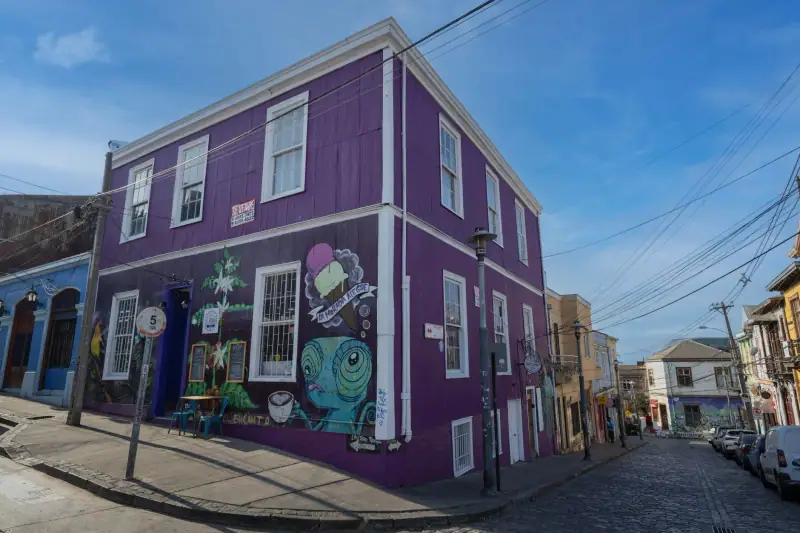
Bellavista is another hill known for its murals and for Pablo Neruda’s house, La Sebastiana, which can be visited and overlooks the city. More residential, it is less visited than Cerro Alegre and Cerro Concepción, and prices are often lower.
Advantages. A more authentic setting, generally more affordable rates, and access to the museums and artists’ studios of the area. For those who appreciate neighborhood atmospheres, it is a fine alternative.
Drawbacks. Restaurants and cafés are fewer, and you walk more to reach the lively streets. After dark, some streets are little used: plan your return in advance.
Who it suits. Travelers who already have some experience of Chile, those who like street art and literature, and those looking for good value without leaving the hills.
The Plan: practical, but avoid staying there

The Plan is the flat district that borders the port. It has the local bus terminal, metro and bus stops, banks, shops and the trolleybus that runs along the waterfront. The historic funiculars start from there to reach the hills.
Advantages. Everything is well served. Prices are often lower and logistics simpler for travelers in transit with luggage.
Drawbacks. It is a business area that empties in the evening: the center can be deserted and uninviting at night. The atmosphere is less appealing than on the hills, and there is more traffic noise. Unless you have a very early bus, staying in the Plan is not recommended.
Who it suits. Only for a stopover night with a very early departure, or for a very tight budget. In that case, choose a hotel well rated for its location and do not walk around late at night.
Playa Ancha and quieter areas
Playa Ancha is a residential neighborhood in the west of the city, student and working-class, with a neighborhood atmosphere far from mass tourism. It has a stadium, seaside promenades and open views over the ocean. Lodging is less plentiful, but quieter and generally cheaper.
Advantages. A stay at the local pace, sea air and lower prices. For travelers on a long stay, it is an interesting option.
Drawbacks. It is farther from the tourist sites, and you depend more on transport. There are few restaurants geared to foreign visitors, and information in English is scarce.
Who it suits. Independent travelers, those who stay several days, and the curious who want to see the city without the tourist backdrop.
Viña del Mar: the seaside alternative
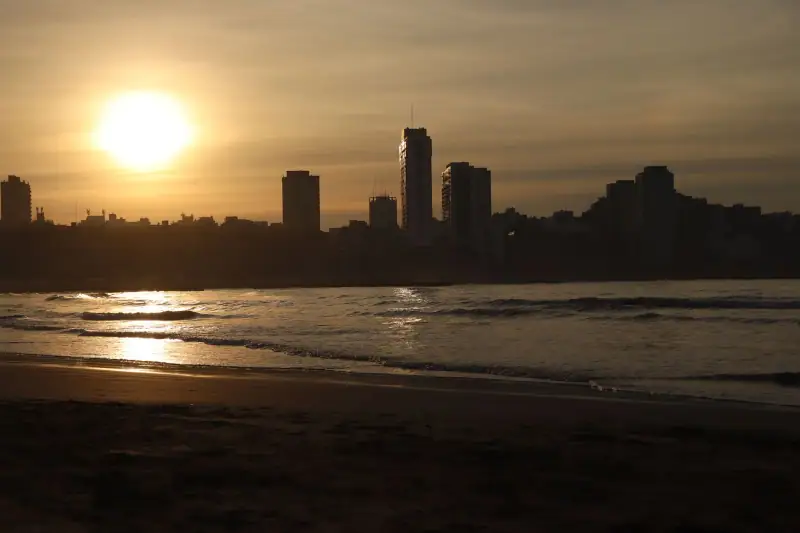
A few kilometers to the north, Viña del Mar forms a single urban area with Valparaíso, but its atmosphere is very different: wide streets, gardens, beaches, modern buildings, a casino and a waterfront promenade. The two cities are linked by the regional metro and many buses, and the trip is short.
Advantages. Calmer, flatter streets, beaches and a choice of comfortable hotels, including upper-category ones. It is also simpler with children or people who have difficulty walking.
Drawbacks. There is less heritage charm, and you lose travel time to reach Valparaíso’s hills. In high season, the beach is very crowded and prices climb.
Who it suits. Families, travelers looking for a seaside base, and those who want to combine a visit to Valparaíso with a few days of relaxation. If you rent a car to explore the coast, Viña del Mar is generally easier for parking.
Stay in Viña del Mar
Seafront hotels, apartments and guesthouses: compare rates for your travel dates.
What budget to plan for lodging in Valparaíso
Rates vary with the season, the hill and the type of lodging, and it is better not to quote precise prices that would quickly become outdated. Here are the main trends.
- Hostels. A dorm bed is the cheapest option, with a pleasant social atmosphere. The best ones fill up fast in summer.
- Guesthouses and small hotels. This is Valparaíso’s most characteristic format, often set in a renovated old mansion. Value is good, but capacity is limited: book ahead.
- Upper-category hotels. They are concentrated on the tourist hills and in Viña del Mar. Rooms with a bay view cost more.
- Apartments. Attractive from three nights, for families and small groups, provided you check access and heating.
To place these costs within the whole trip, see our budget for a trip to Chile. Whatever the category, always compare recent reviews: the state of the stairs, noise and heating quality are often mentioned there.
Safety and practical tips
Valparaíso is a lively city, but as in most big Latin American cities, a few precautions are in order.
- Choose the location before the price. A slightly pricier room on a busy hill beats a bargain at the end of an isolated alley.
- In the evening, use a taxi or ride-hailing car. Even for a short distance, it is the simplest way to get home calmly.
- Keep valuables discreet. Phone and camera should not stay in hand on steep or isolated streets.
- Check the lodging’s rules. Many guesthouses have locked doors and limited reception in the evening: let them know your arrival time.
- Expect cold and damp. On the coast, mornings are often cool and misty. A room with heating or an extra blanket is real comfort outside summer.
- Think about noise. Nights can be lively in nightlife areas. Ask for a courtyard-side room if you are a light sleeper.
Organizing your stay: how many nights and how to get there
Two nights let you discover the hills, funiculars, port and a few murals without rushing. Three nights leave room for Viña del Mar, or a quieter day on the waterfront. For a round trip from the capital, the coast is well served by frequent buses, but staying overnight there lets you enjoy the evening light, when the city is at its most beautiful.
If you continue to another region, the coast combines well with the capital and the neighboring vineyards, described in our article on the Maipo, Casablanca and Colchagua vineyards. To understand how to link all the stages, see our two-week Chile itinerary.
To better understand the city’s history, its murals and its funiculars, a guided walking tour with a local saves a lot of time on the first day.
Guided visits in Valparaíso
Walking tours, street art and coastal excursions: see the activities offered, often with free cancellation.
Recommendations by profile
- First stay, two or three nights: a guesthouse or hotel on Cerro Alegre or Cerro Concepción.
- Small budget: a hostel on the hills, or Cerro Bellavista for lower rates.
- With family or limited mobility: Viña del Mar, flatter and airier, with a daytime visit to Valparaíso’s hills.
- Long stay and local immersion: Playa Ancha or Bellavista, away from the tourist bustle.
- Stopover night with a very early bus: a well-rated hotel in the Plan, with a taxi back in the evening.
Whatever you choose, book ahead for the austral summer, check walking access with your luggage, and feel free to contact the lodging before arrival: the best advice on a hill is often your host’s.
Frequently asked questions
Which neighborhood should you stay in for a first stay in Valparaíso?
Cerro Alegre and Cerro Concepción are the most common choice: picturesque streets, cafés, galleries, views over the bay and walking paths. They remain the most touristy areas and the most visited by foreign travelers.
Is Valparaíso safe for tourists?
The tourist hills are generally busy by day. Stay alert, though: no phone in hand in the streets, avoid isolated alleys at night and do not stray from the usual routes. In the evening, it is better to take a taxi or ride-hailing car home, especially in the flat Plan district.
Should you stay in Valparaíso or Viña del Mar?
Valparaíso offers the bohemian atmosphere, the architecture and the viewpoints. Neighboring Viña del Mar is airier, more modern and calmer, with beaches and gardens. To discover the heritage, stay in Valparaíso; for a restful seaside stay, Viña del Mar suits better.
How many nights should you plan in Valparaíso?
Two nights are enough to cover the main hills, the funiculars and the port. A third night lets you take your time, discover Viña del Mar or head to another town on the coast.
Are there many steps to reach the accommodation?
Yes, the city is built on hills and many places to stay are high up. Historic funiculars (ascensores) link some of the hills to the flat district. With suitcases, ask your host how to arrive, or take a taxi to the door.
When should you book accommodation in Valparaíso?
The austral summer (December to February) and long weekends are the busiest, especially around New Year. Booking a few weeks ahead gives you the pick of the best places. The rest of the year, availability is generally more flexible.
Can you stay in Valparaíso when coming from Santiago for the day?
It is possible: the coast is linked to the capital by regular buses, and the trip takes about an hour and a half to two hours depending on traffic. But spending a night there lets you enjoy the hills at the end of the day, when the light is at its best.
More Chile guides
Keep reading
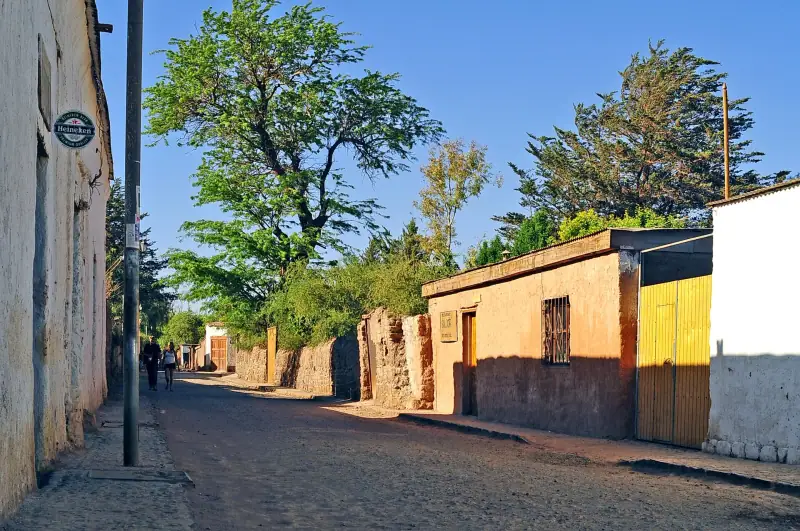
Where to stay in San Pedro de Atacama without a car: town center or outskirts?
No car in San Pedro de Atacama: stay near Caracoles Street or on the outskirts? Areas, walking distances, early-morning tours and pitfalls to avoid.
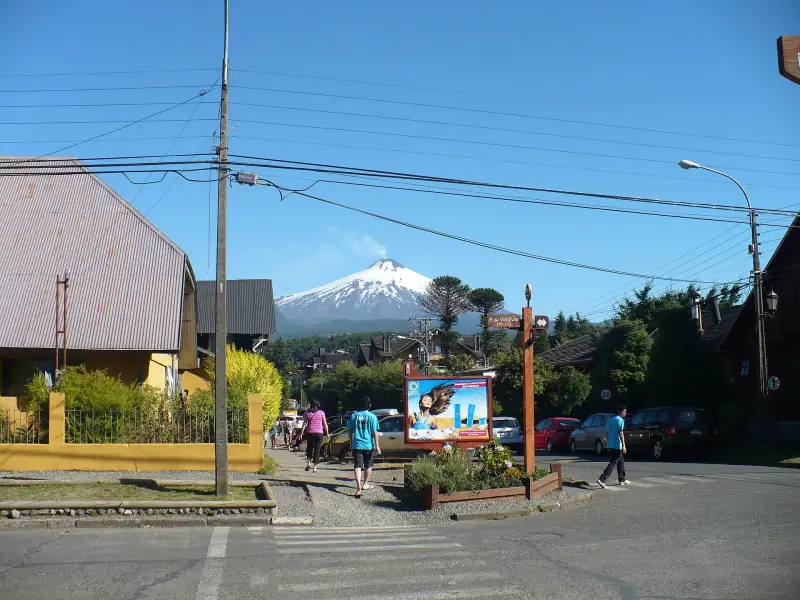
Puerto Varas or Pucón: where to stay in Chile's Lake District without a car
No car in Chile's Lake District: sleep in Puerto Varas or Pucón? Buses, tours, neighborhoods and tips for choosing your base.
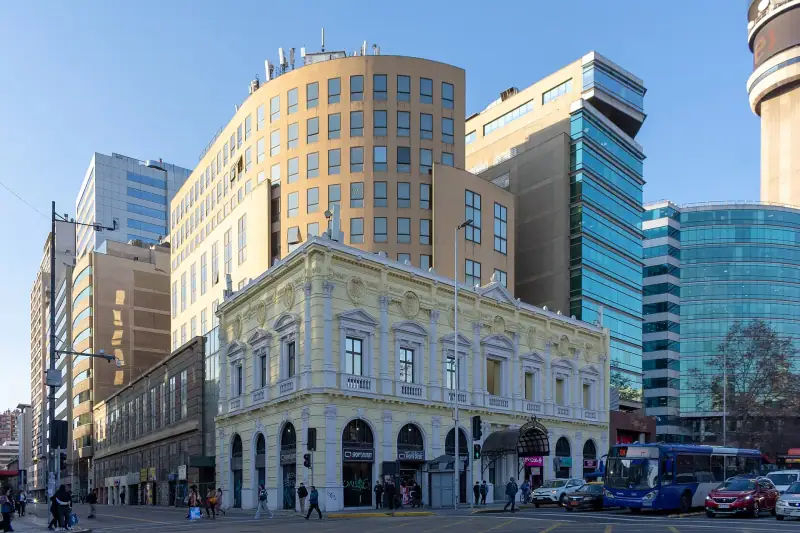
Where to stay in Santiago, Chile: neighborhoods, budgets and tips
Where to stay in Santiago, Chile? Lastarria, Bellavista, Providencia, the center, Barrio Italia: neighborhood comparison, budgets, safety and tips.
Ready-made
Chile itineraries

7 days
Chile's Lake District road trip: 7 days from Puerto Varas to Pucón
Puerto VarasPucón
Can be adapted in the planner
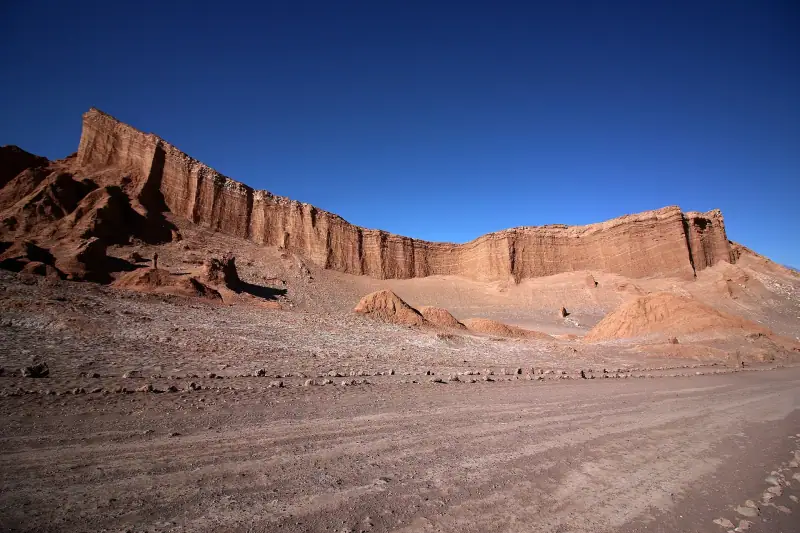
3 days
3 days in San Pedro de Atacama: a day-by-day itinerary
3 days in San Pedro de Atacama: a day-by-day plan with Moon Valley, lagoons, El Tatio geysers and stargazing, plus altitude and logistics tips.
14 days
2-week Chile itinerary: Atacama, the Lakes and Chiloé
A 14-day Chile itinerary, day by day: Santiago, Valparaíso, the Atacama Desert, Pucón, Puerto Varas and Chiloé, with flights, durations and tips.