What to see
What to See in British Columbia: 10 Must-See Sights on the Pacific Coast
We may earn a commission when you book through links on this page, at no extra cost to you. We don't visit or try the places we cover: we summarize published sources. How we work
In short
- For a first stay, the essentials are Vancouver and Stanley Park, the Sea to Sky Highway to Whistler, Victoria on Vancouver Island and the wild coast of Tofino.
- Plan about ten days to combine Vancouver, Whistler and Vancouver Island; with a week, stick to Vancouver, Sea to Sky and Victoria.
- Ferries between the mainland and Vancouver Island run from Tsawwassen toward Victoria and from Horseshoe Bay toward Nanaimo; book ahead in summer, especially with a car.
- From June to September, days are long and roads open; winter suits skiers at Whistler but the coast is often rainy.
When you look for what to see in British Columbia, you first think of Vancouver, then of a backdrop of mountains plunging into the ocean. The reality is broader. This province in western Canada, the country’s westernmost, brings together on one territory a big metropolis on the Pacific, fjords, a temperate rainforest, islands, wild beaches, wine valleys and part of the Rockies. You go, sometimes in a single day, from a city stroll to a hike facing a glacier.
The challenge is therefore to choose and organize. Distances are significant, ferry crossings set the rhythm of travel and each area has its ideal season. This guide presents the sights not to miss, grouped by area, with what is really worth the detour and how to link them. To refine your stay, our articles on Vancouver in 3 days and Vancouver Island in 5 days detail the most classic routes.
How to organize your exploration of British Columbia
The province divides into a few large groups that you can combine. In the southwest, the Vancouver area and the Sea to Sky road to Whistler form the base of most stays. To the west, a few hours away by boat, Vancouver Island is home to Victoria, the wild coast of Tofino and vast forests. Inland, the Okanagan Valley offers lakes, beaches and vineyards. Further east, the province meets the Rockies, which we cover in our guide what to see in the Canadian Rockies.
A few simple principles make organizing easier:
- Focus on two or three areas rather than the whole province. A ten-day stay between Vancouver, Whistler and Vancouver Island is already well filled.
- Factor in ferries: they are part of the trip, but require planning around schedules, especially in summer and on weekends.
- Pack waterproof clothing even in summer: on the coast, a fine rain can arrive at any time, and in the mountains the temperature drops quickly.
- Stay connected: coverage is reliable in cities but becomes patchy in remote areas. Check your carrier’s international plan or use a travel eSIM; our guide to SIM cards and eSIMs for Canada helps you choose. Saily offers plans in more than 150 countries, check the offer for Canada before leaving.
- Check access conditions: roads, trails and parks can be closed depending on weather, snow or wildfire risk in summer.
To choose the season, see our article when to go to Canada: summer opens almost all access, but spring and early fall often offer a better compromise between weather and crowds.
Sleep in Vancouver
The city is an ideal base to start or end a stay in British Columbia: compare lodging for your dates and the neighborhood you choose.
Vancouver: the metropolis between sea and mountains
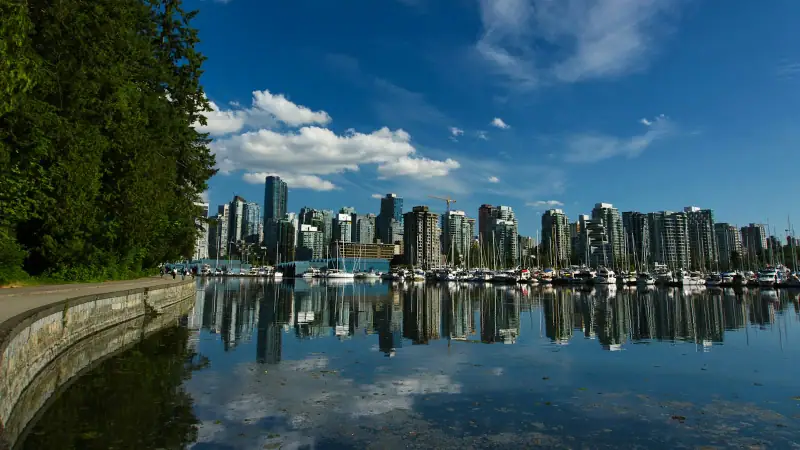
Vancouver is the arrival point for most travelers, and it is a city easily visited on foot, by bike or by public transit. Its particularity is to have everything close by: the beach, the forest, the mountain and urban neighborhoods.
The sights to remember:
- Stanley Park, a vast waterfront park, explored on foot or by bike along a coastal path. It has beaches, tall trees, viewpoints over the city and totem poles that recall the history of the region’s Indigenous peoples.
- Granville Island, a former industrial area turned into a place for strolling with its covered market, artisan workshops and small shops. A good place for a quick lunch.
- Gastown, the oldest neighborhood in the city, with its cobbled streets, shops and famous steam clock.
- The Capilano Suspension Bridge, on the north shore, a bridge hung above a wooded gorge, which appeals to families and fans of gentle thrills.
- The urban beaches, such as Kitsilano or English Bay, very popular with locals from the first fine days.
A three-day stay lets you see the essentials without rushing; our article Vancouver in 3 days offers a precise outline. For lodging, see where to stay in Vancouver, which compares neighborhoods according to your budget and wishes.
The Sea to Sky Highway: from Vancouver to Whistler
North of Vancouver, the Sea to Sky road follows the edge of Howe Sound before climbing into the mountains. It links Vancouver to Whistler over a little more than a hundred kilometers, generally under two hours of driving without stopping. But this road is better savored by taking your time, because it piles up viewpoints.
The most appreciated stops:
- Shannon Falls, a tall and easily accessible waterfall, reached by a short walk from the parking lot.
- Squamish, a small town known to climbing and outdoor fans. It has a panoramic gondola that climbs toward the summits, with beautiful views of the fjord.
- The provincial parks of the area, such as Garibaldi, which offer day hikes in a setting of lakes and glaciers, with varied difficulty levels. Some very popular trails require booking or arriving early: check before leaving.
This road is one of the best arguments for renting a car, even just for a day.
Whistler: the mountain village in every season
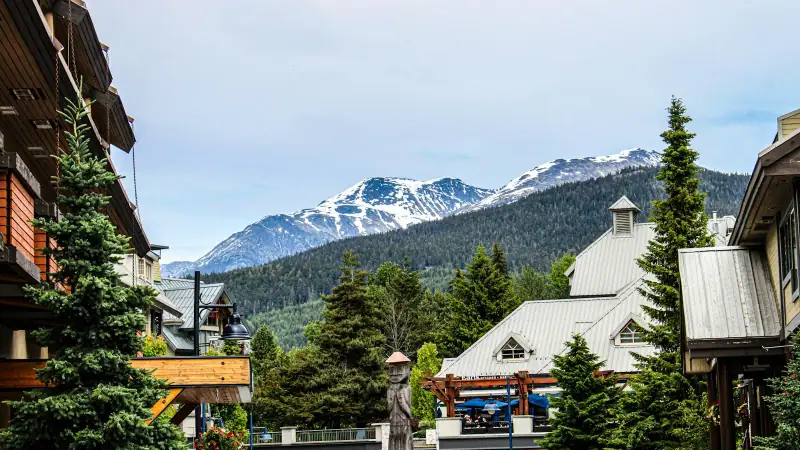
At the end of the Sea to Sky Highway, Whistler is above all known as a major ski resort, which hosted part of the 2010 Winter Olympics. But the village can be visited as well in summer as in winter.
In winter, the two neighboring mountains, Whistler and Blackcomb, offer a vast ski area. In summer, they turn into hiking and mountain-biking terrain, and the lift linking the two summits lets you admire the landscape effortlessly. The pedestrian village, with its shops, restaurants and patios, is pleasant to walk at any time of year. You can also cool off by the neighboring lakes, or go for a walk on the trails around the village.
Whistler can be visited in one long day from Vancouver, but a night there lets you enjoy the mountains more calmly and avoid the drive back at the end of the day.
Rent a car in British Columbia
Sea to Sky, Vancouver Island, Okanagan: a car gives the freedom to stop wherever you like. Compare rental companies.
Victoria: the provincial capital with British charm
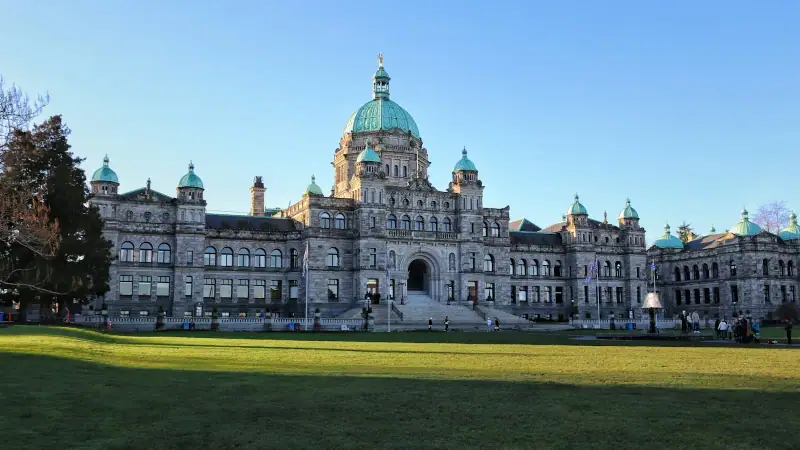
At the southern tip of Vancouver Island, Victoria is the provincial capital. It is reached from Vancouver by a BC Ferries ferry or a short flight. The city has kept a slightly British atmosphere, with its historic buildings, gardens and lively harbor.
The highlights are:
- The Inner Harbour, the heart of the city, with its quays, street artists and historic waterfront buildings.
- Butchart Gardens, laid out in a former quarry a few kilometers from downtown, much loved for their flower beds, especially from spring to fall.
- The Royal BC Museum, which traces the natural and human history of the province.
- The downtown neighborhoods, to explore on foot to discover shops, cafés and shopping streets.
Victoria is well visited in one to two days. For a detailed guide, read our article visiting Victoria, and for lodging, where to stay in Victoria.
Tofino and the west coast: the ocean in its wild version
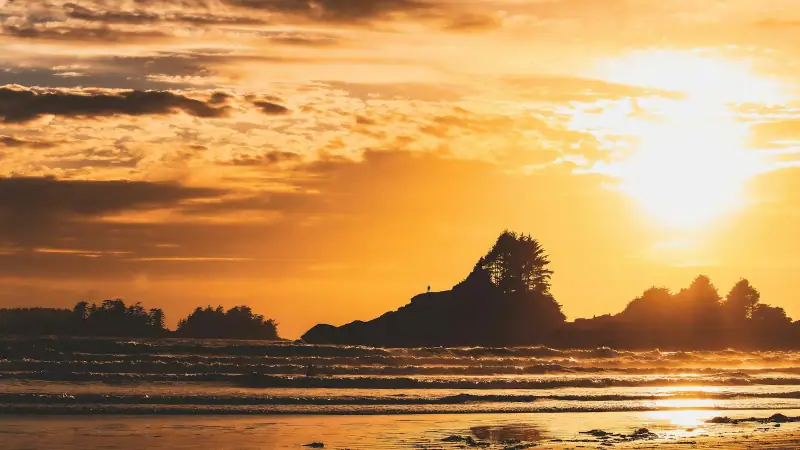
On the other side of Vancouver Island, the west coast offers a completely different face: huge beaches, Pacific Ocean swell, dense forests that descend to the sand. It is the realm of Tofino and its neighbor Ucluelet, in the heart of Pacific Rim National Park Reserve.
What you do there:
- Walk the big beaches, such as Long Beach, especially beautiful at low tide or when the fog lifts.
- Discover the temperate rainforest on short trails with wooden boardwalks, among immense trees and mosses.
- Surf or learn to surf: Tofino is a renowned surf destination, with schools for beginners. The water stays cool all year, hence the importance of a wetsuit.
- Head out to sea: excursions let you watch whales, sea lions and seabirds, or go to hot springs reachable only by boat or floatplane, depending on the operator.
To get there, allow a long day of driving and ferry from Vancouver. The road crosses the island and passes notably through an ancient forest easily accessible from the road, Cathedral Grove, worth the stop. In summer, book your lodging long in advance, because capacity is limited. Conditions can be cool and rainy at any time of year: that is, in fact, what gives the coast its particular atmosphere.
Excursions and boat trips
Whale watching, guided tours, nature outings: browse the activities offered in Vancouver, Victoria and Tofino.
The Okanagan Valley: lakes, vineyards and sun
Inland, behind the coastal mountains, the climate changes markedly: the Okanagan is a drier and sunnier region, organized around a long string of lakes. Kelowna is its main city, surrounded by villages, orchards and vineyards.
You come here for:
- Wine tastings, at estates producing whites, reds and ice wines. With a designated driver, or by choosing an organized tour, the wine route is stress-free.
- Beaches and water activities in summer: swimming, paddleboarding, kayaking or simple lounging by the water.
- Bike rides or walks on trails crossing orchards and hills.
- A calmer stop, away from the Vancouver crowds, between two stages of a big circuit.
From Vancouver, the road to Kelowna takes about four to five hours, depending on traffic and stops. It crosses a mountain pass: in winter, check road conditions and equip your vehicle accordingly. It is a good compromise for those who want to link the coast to the Rockies without returning by the same road.
The British Columbia Rockies: Yoho, Kootenay and Glacier
In the east of the province, British Columbia shares the Rockies with Alberta. Several national parks are on the British Columbia side, including Yoho (Emerald Lake, Takakkaw Falls) and Kootenay (Marble Canyon, Radium Hot Springs). They are described in detail in our guide what to see in the Canadian Rockies.
To fit them into a circuit, two options exist:
- Round trip from Alberta: you base yourself in Banff or Lake Louise and push on to Yoho for the day.
- Big loop from Vancouver: you head inland through the Okanagan and then the mountains, before reaching Banff, with several stops along the way. This option requires a good extra week.
In both cases, keep in mind that distances are large and that the mountains call for margin in the schedule.
More remote regions for curious travelers
For those returning to British Columbia or with more time, other areas offer very different experiences:
- Haida Gwaii, an archipelago on the north coast, rich in Haida culture, forests and coastal villages. You get there by plane or ferry and need to plan several days.
- The Great Bear Rainforest, a vast rainforest on the central coast, known for its wildlife, notably bears. Visits are generally made with specialized operators.
- Wells Gray Provincial Park, in the interior of the province, known for its waterfalls and volcanic landscapes.
These destinations require a bigger budget and more organization. They suit a second trip best, once the great classics are discovered.
Sample route for 10 days
Here is a realistic outline, to adapt to the season and your pace. It covers the main areas without multiplying kilometers.
- Days 1 to 3: Vancouver. Stanley Park, Granville Island, Gastown, an afternoon at Capilano or on a beach.
- Day 4: Sea to Sky Highway. Shannon Falls, Squamish, arrival in Whistler.
- Day 5: Whistler. Mountain or village walk, then back to Vancouver at the end of the day.
- Day 6: ferry to Vancouver Island. Crossing, arrival in Victoria and first walks.
- Day 7: Victoria. Inner Harbour, Butchart Gardens, museum.
- Days 8 and 9: Tofino. Road across the island, Cathedral Grove, beaches, rainforest, possible boat trip.
- Day 10: return. Road and ferry to Vancouver, flight depending on the schedule.
If you prefer to favor lakes and vineyards, replace the Tofino part with an extension to the Okanagan. In any case, leave margin for ferry schedules, which can complicate an overly tight plan.
What budget to expect?
British Columbia is a relatively expensive destination, especially in high season. Lodging is generally the first expense, ahead of the car, ferries and dining. Vancouver, Whistler and Tofino are the most expensive areas in summer. To reduce the bill, travel outside July-August, choose lodging with a kitchen, picnic at the sites and book early. Our Canada budget guide helps you estimate the whole.
Entry rules depend on your passport. Check the official travel advice of your government before you book: travel.state.gov (US), GOV.UK (UK), travel.gc.ca (Canada), Smartraveller (Australia) (checked November 2026).
Tips for a successful trip
- Book early for ferries, Tofino and Whistler lodging and boat trips in high season.
- Alternate city and nature: two or three days in Vancouver, then a wilder area, is a comfortable rhythm.
- Keep a spare day for the weather: an overcast sky on the coast does not always last, and conditions change quickly.
- Respect wildlife and natural environments: stay on the trails, never feed animals and take your trash with you.
- Dress in layers and bring rain gear, even in summer.
- Check local alerts on roads, wildfires and sailing conditions before each leg.
With these pointers, you can put together a tailored stay, from the extended weekend in Vancouver to the grand circuit between coast, islands and mountains. It is this diversity, and the ease of moving from one setting to another, that makes British Columbia one of the most varied regions in the country.
Frequently asked questions
What should you see first in British Columbia?
For a first stay, the essentials are Vancouver and Stanley Park, the Sea to Sky Highway to Whistler, Victoria on Vancouver Island and the wild coast of Tofino. With more time, add the Okanagan Valley and the Rockies parks on the British Columbia side.
How many days do you need to visit British Columbia?
Plan about ten days to combine Vancouver, Whistler, Vancouver Island and, if you like the road, a detour through the Okanagan. With a week, stick to Vancouver, Sea to Sky and Victoria; with three weeks, you can add the Rockies and more remote regions.
What is the best time to visit British Columbia?
From June to September, days are long, roads open and most activities accessible. Spring and early fall are quieter; winter suits ski fans at Whistler, but the coast is then often rainy. Our guide on the best time to go to Canada details the seasons.
Do you need to rent a car in British Columbia?
Vancouver and Victoria are easily visited without a car thanks to public transit and walking. However, a car is very useful for Sea to Sky, the west coast of Vancouver Island, the Okanagan and the natural parks, where public connections are limited.
How do you get from Vancouver to Vancouver Island?
You generally take a BC Ferries ferry, with crossings from Tsawwassen toward the Victoria area and from Horseshoe Bay toward Nanaimo. In summer, book your crossing in advance, especially if you board with a vehicle. Schedules and rates change: check them on the company's website.
Can you see whales in British Columbia?
Yes, boat trips are organized from Victoria, Tofino and other ports on Vancouver Island. Orcas, humpback whales and sea lions are among the animals you may see, but no sighting is guaranteed. The season runs mostly from spring to fall.
Is British Columbia suitable for families?
Yes: parks, beaches, an aquarium, gardens, easy walks and boat trips suit children well. Plan short stops and reasonable drives, as distances and ferry crossings can tire the youngest.
More Canada guides
Keep reading
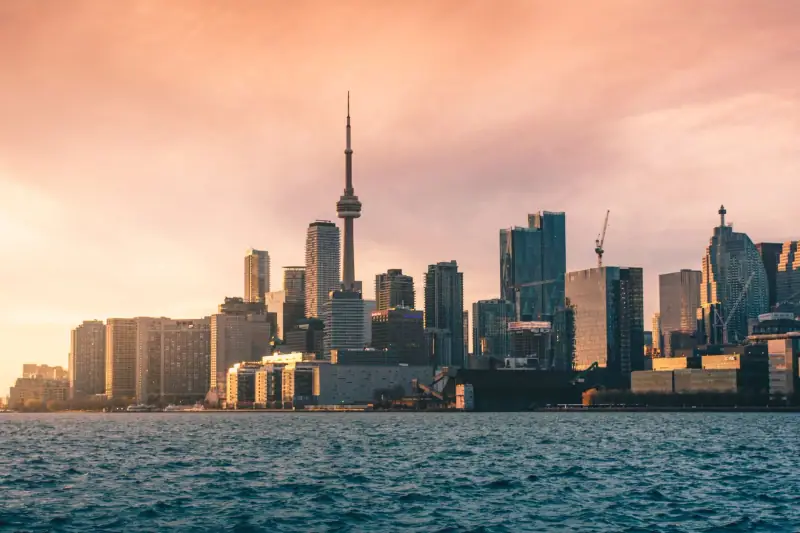
What to See in Ontario: Toronto, Niagara, Ottawa and the Great Outdoors
What to see in Ontario: Toronto, Niagara Falls, Ottawa, the Rideau Canal, Thousand Islands, Algonquin and the Bruce Peninsula. Routes, seasons and tips.
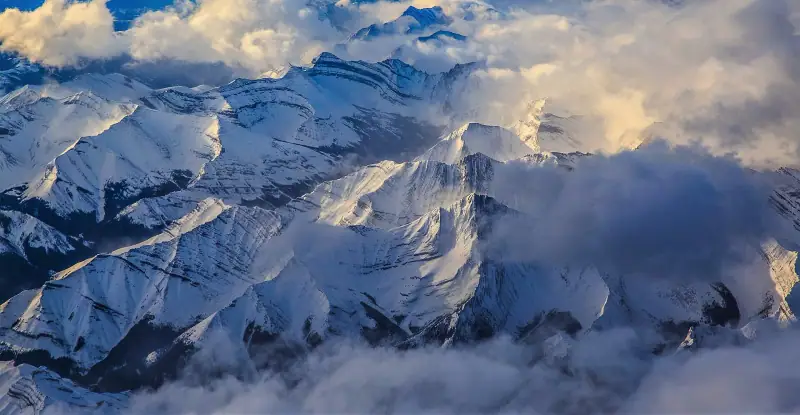
What to See in the Canadian Rockies: 12 Must-See Sights
Banff, Lake Louise, Jasper, Yoho, Kootenay: what to see in the Canadian Rockies? Lakes, glaciers, canyons and wildlife, with tips to organize them.
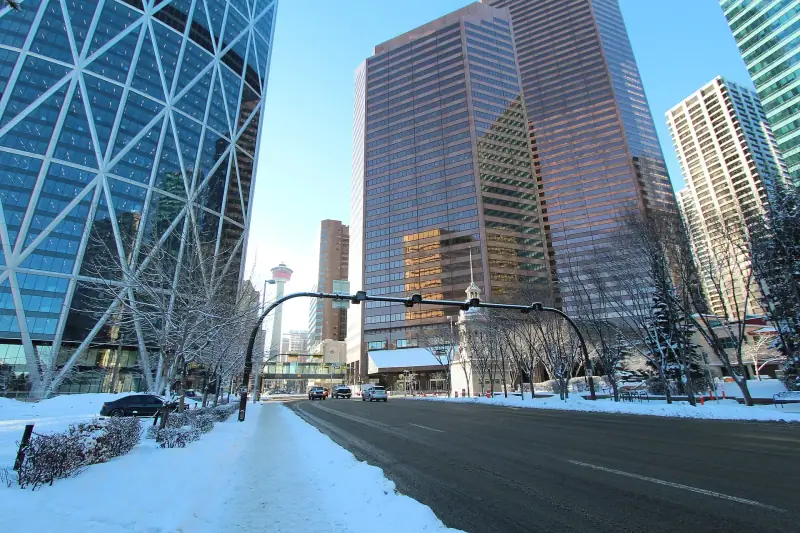
Visiting Calgary: What to See and Do at the Gateway to the Rockies
What to see in Calgary? Calgary Tower, Stampede, Heritage Park, Prince's Island, Studio Bell, Drumheller and nearby Banff: a full guide to plan your stay.
Ready-made
Canada itineraries
3 days
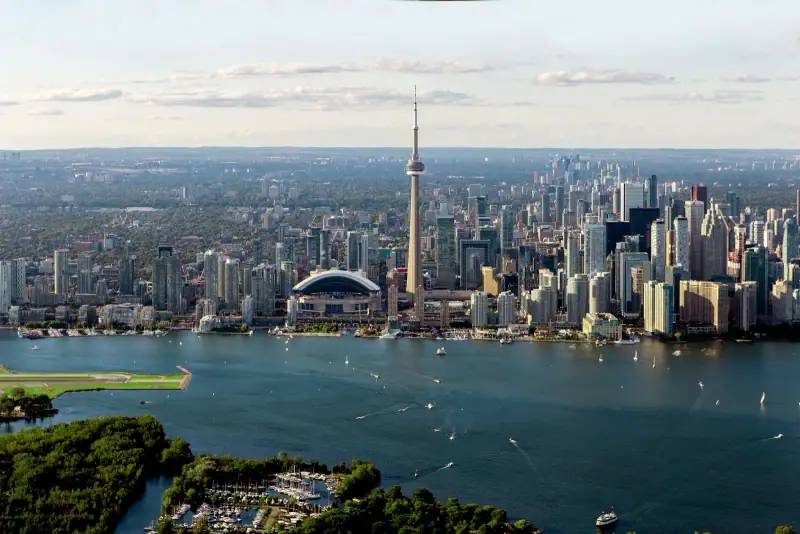
Toronto in 3 Days: What to See and Do on a First Visit
Toronto in 3 days: CN Tower, the islands, markets, neighborhoods and a Niagara excursion. A day-by-day itinerary with lodging and transit tips.
2 days
Icefields Parkway Road Trip: Lake Louise to Jasper
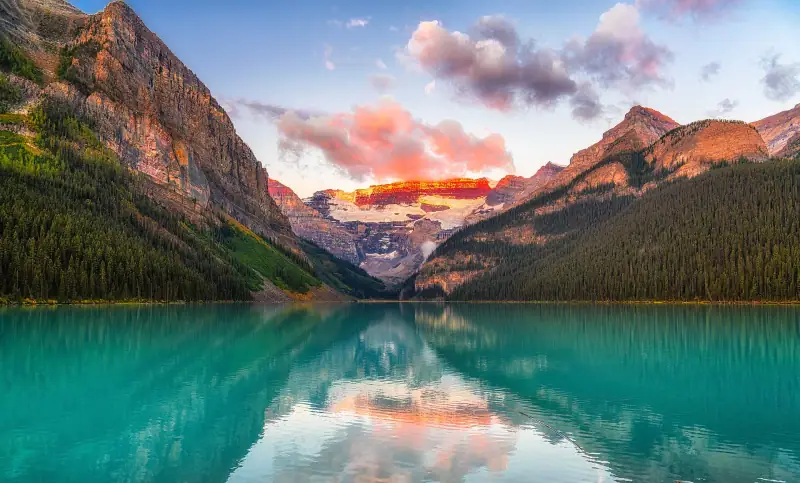
Plan the scenic drive between Lake Louise and Jasper: stops, driving time, fuel, wildlife and tips for making the most of the Rockies.
7 days
Nova Scotia in 7 Days: Halifax, the South Shore and the Cabot Trail
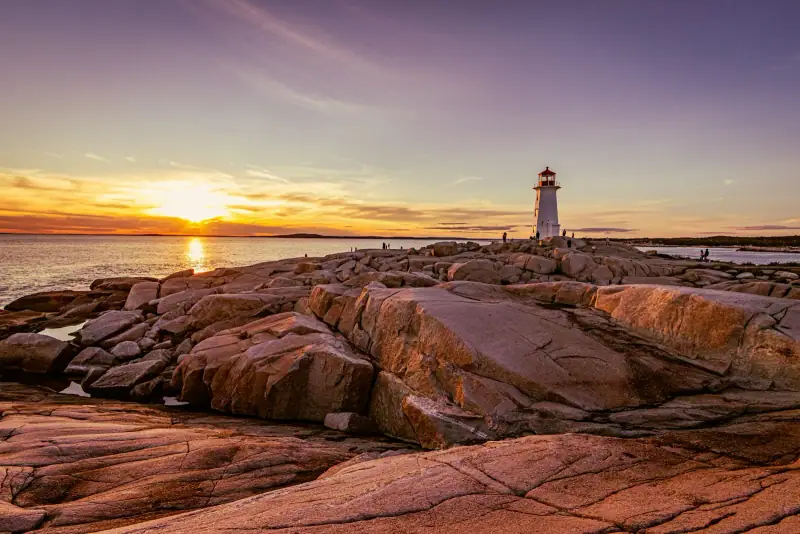
A one-week Nova Scotia itinerary: Halifax, Peggy's Cove, Lunenburg, then the Cabot Trail on Cape Breton. Stages, distances and practical tips.