Itineraries
Vancouver Island in 5 Days: Victoria, Tofino and the Pacific Coast
We may earn a commission when you book through links on this page, at no extra cost to you. We don't visit or try the places we cover: we summarize published sources. How we work
Day by day
- Day 1Victoria: Inner Harbour, Parliament, Royal BC Museum, Fisherman's Wharf
- Day 2Butchart Gardens, then drive north to Nanaimo
- Day 3Highway 4, Cathedral Grove, arrival in Tofino
- Day 4Long Beach, rainforest trails, Ucluelet's Wild Pacific Trail
- Day 5Boat trip from Tofino, drive back to Nanaimo and ferry
Weather through the year on this route
| Jan | Feb | Mar | Apr | May | Jun | Jul | Aug | Sep | Oct | Nov | Dec | |
|---|---|---|---|---|---|---|---|---|---|---|---|---|
| High °F (°C) | 25-4 | 30-1 | 415 | 5211 | 6116 | 6820 | 7524 | 7524 | 6619 | 5211 | 362 | 27-3 |
| Low °F (°C) | 9-13 | 12-11 | 21-6 | 28-2 | 373 | 468 | 5211 | 5010 | 415 | 30-1 | 21-6 | 12-11 |
| Rain in (mm) | 0.615 | 0.615 | 1.025 | 1.640 | 2.870 | 4.1105 | 2.460 | 2.460 | 1.845 | 1.025 | 1.025 | 0.820 |
Normals 1991–2020 at Calgary: averages over 30 years, not a forecast. Source: NASA POWER (MERRA-2), grid of about 50 km. Figures computed by us in November 2026.
In short
- Five days make a comfortable loop: Victoria, Butchart Gardens, Cathedral Grove, Tofino and the Pacific Rim coast, then a boat trip before heading back.
- BC Ferries crossings take about an hour and a half to two hours; in summer, book your crossing, especially with a car.
- Victoria is walkable, but a car is by far the most practical way to reach Tofino and the west coast beaches.
- From Nanaimo to Tofino, allow about three hours by Highway 4, a winding road that is busy in summer.
A short ferry crossing from Vancouver, Vancouver Island shows a completely different face of British Columbia: an elegant waterfront provincial capital, flowering gardens, great conifer forests and, to the west, a wave-battered Pacific coast where you walk for hours on the sand. It is an ideal stop after a first visit to the big city, or the heart of a stay devoted to Canada’s west coast.
In short: five days are enough for a comfortable loop. Day 1 in Victoria, day 2 for the gardens then the road to the center of the island, day 3 for Cathedral Grove forest and the arrival in Tofino, day 4 for the beaches and the temperate rainforest, day 5 for a boat trip before heading back. If you have not yet visited the big city, start with our 3-day Vancouver itinerary.
Before you go: entry rules, season and crossing
Entry rules depend on your passport. Check the official travel advice of your government before you book: travel.state.gov (US), GOV.UK (UK), travel.gc.ca (Canada), Smartraveller (Australia) (checked November 2026). Also check that your passport is valid and allow a safety margin.
As for season, summer (June to September) is the driest and brightest period, but also the busiest and most expensive. Spring and early fall are good compromises: fewer people, lower rates, and the west coast keeps all its charm, even in gray weather. Winter is wet, and its storms attract visitors who come to watch them from the beach. To compare seasons across the country, see our guide on the best time to go to Canada.
The island is reached by ferry, or by floatplane and plane from Vancouver for those who prefer to save time. The ferry crossing takes about an hour and a half to two hours depending on the route. Departures from Tsawwassen lead to the Victoria area, those from Horseshoe Bay to Nanaimo, further north. Choose according to your direction of travel: if you start with Victoria, take the first; if you want to go straight to the west coast, the second is more logical. In summer and on weekends, book your crossing in advance, especially with a vehicle.
Flights to Vancouver
To reach Vancouver Island, you generally go through Vancouver airport: compare flights for your dates.
Day 1: Victoria, the waterfront capital
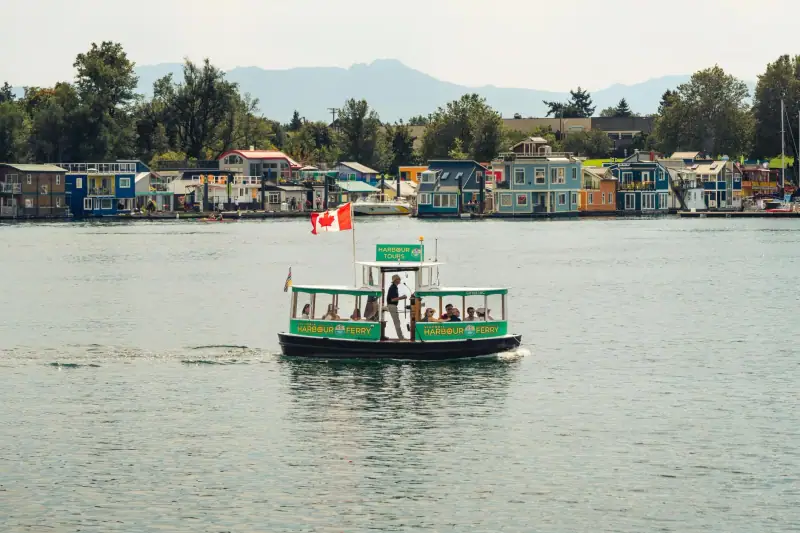
Victoria is the capital of British Columbia, set at the southern tip of the island. Its charm lies in its compact size: downtown is walkable, and the atmosphere sometimes recalls a small English town, with its Victorian façades, tea rooms and hanging gardens. The heart of the city is the Inner Harbour, lined with promenades, boats and street musicians in summer.
Around the harbor stand the British Columbia Parliament, an imposing stone building whose outlines are lit up in the evening, and the grand Fairmont Empress hotel, one of the most photographed buildings in the city. The nearby Royal BC Museum presents the natural and human history of the province and is worth a visit if the weather turns, especially for its sections on the coastal Indigenous peoples.
In the afternoon, stroll to Fisherman’s Wharf, a small harbor where colorful floating homes are moored at the dock and where you can eat fish on the pier. Finish with a walk along the sea: Victoria’s waterfront is pleasant at sunset, with the mountains of Washington State in the distance in clear weather.
Where to stay in Victoria
For a single night, the most practical is to stay near the Inner Harbour or downtown: you can do everything on foot and leave the car in the parking lot. Neighborhoods a little farther from the harbor are often quieter and more affordable, and remain close to downtown by bus. As everywhere on the island, high season raises rates: book early, especially for summer weekends.
Sleep in Victoria
Downtown and the Inner Harbour area are handy for doing everything on foot: compare lodging for your dates.
Day 2: Butchart Gardens, then north
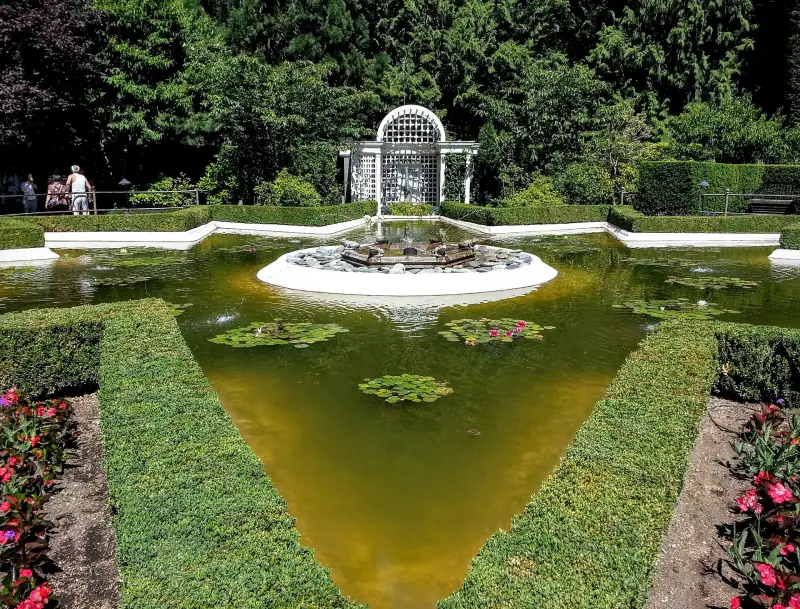
In the morning, spend a few hours at Butchart Gardens, in Brentwood Bay, north of Victoria. These gardens were created from a former limestone quarry and are now one of the most visited attractions in the region, with their carefully composed beds, Japanese garden and Italian garden. Arrive at opening if possible to enjoy the site before the crowds, and wear comfortable shoes: you walk a lot.
Then take the road north on the island’s main highway. The drive between Victoria and Nanaimo takes about an hour and a half to two hours without stopping. Nanaimo, on the east coast, is an unpretentious port city that makes a good stop for lunch or to sleep: its waterfront is pleasant, and it is the city that gave its name to a famous Canadian dessert, the Nanaimo bar, made of layers of chocolate, cream and cookie.
If you want to shorten the next day, go on to Parksville or Qualicum Beach, further north, seaside resorts much loved by families in summer, with large sandy beaches uncovered at low tide. The east coast of the island is more sheltered and sunnier than the west coast: it is a good stop to catch your breath before the wild road of the next day.
Day 3: Cathedral Grove and the road to Tofino
To reach the west coast, take Highway 4, which crosses the island from east to west. It is winding and passes through mountains and wooded valleys, and the drive between Nanaimo and Tofino takes about three hours without stopping. Allow margin: the road is very busy in summer and there are many viewpoints worth a stop.
The first essential stop: Cathedral Grove, in MacMillan Provincial Park, along Highway 4. Short flat trails let you walk among very tall Douglas firs and red cedars, some of which are among the oldest trees on the island. Half an hour is enough to do the main trails. The parking lot is small and the road is narrow: park carefully and leave nothing visible in the car.
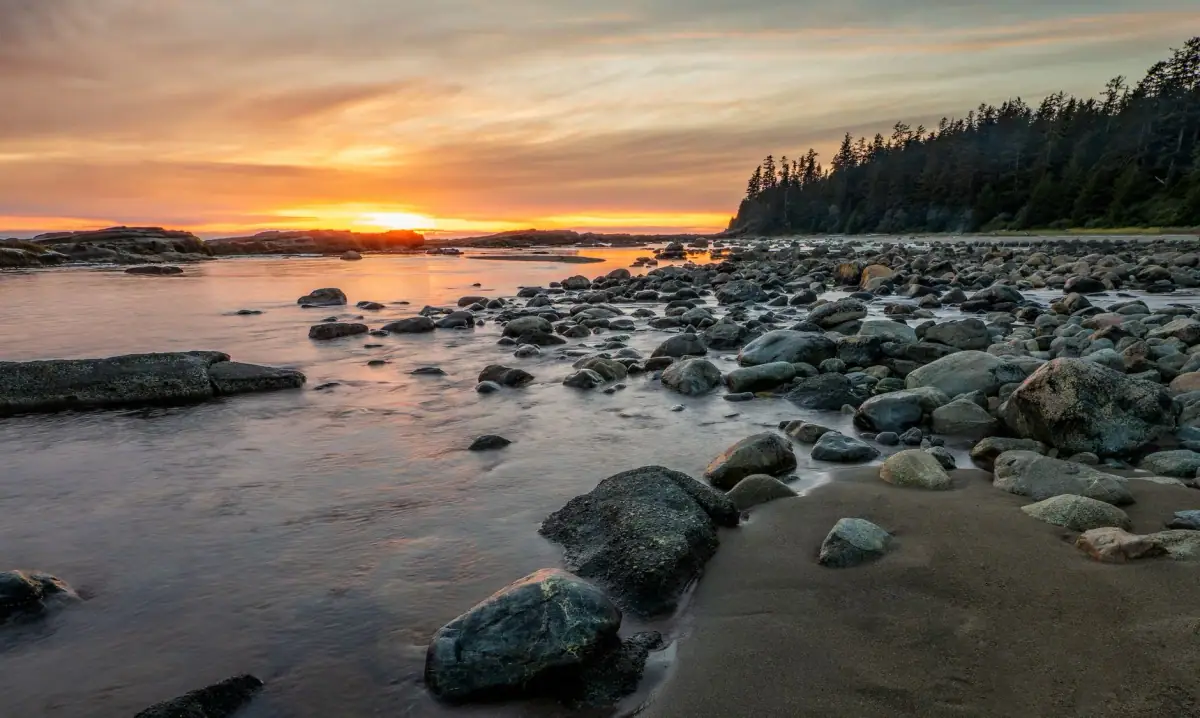
Further on, the road follows lakes and rivers before descending to the Pacific Ocean. The last kilometers, with the first view of the west coast, are often the highlight of the day. You then arrive in the Tofino area, a small town of surfers and nature lovers, nestled on a peninsula lined with beaches and forests.
Day 4: beaches and forest of the Pacific Rim
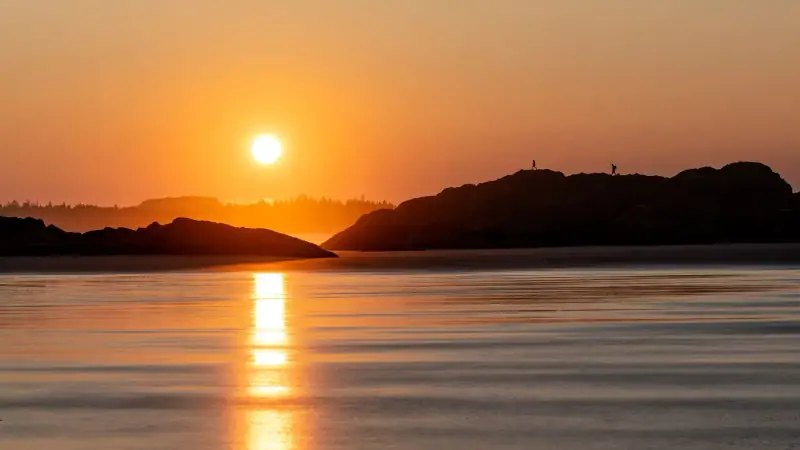
Pacific Rim National Park Reserve protects a large part of this coast. The most famous of its beaches is Long Beach, a long stretch of sand facing the ocean, ideal for a morning walk, to watch surfers or to watch storms in winter. A park entry fee is required: check current conditions with Parks Canada before leaving.
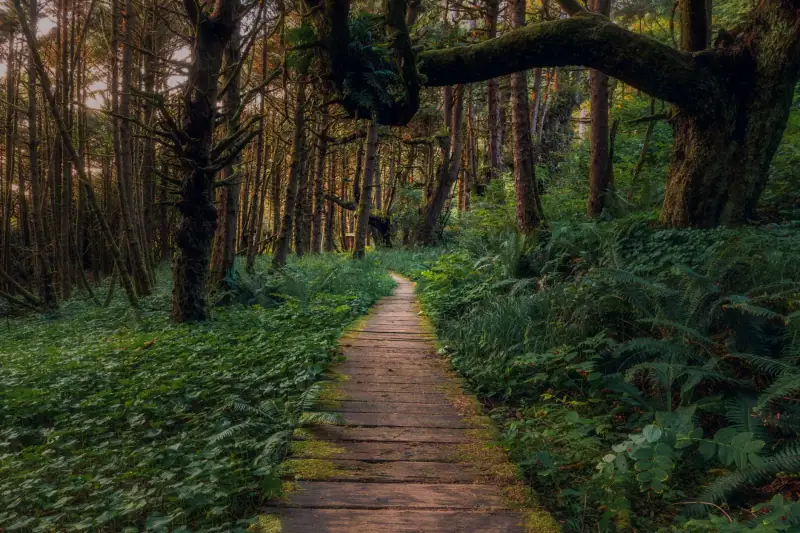
The park also has several short temperate rainforest trails, built as wooden boardwalks, that let you discover mosses, ferns and tall cedars with no difficulty. They suit families and occasional walkers, and their misty, silent atmosphere is very different from that of the neighboring beach.
If you like seaside walks, extend the day toward Ucluelet, further south, where the Wild Pacific Trail coastal path follows wave-battered cliffs and offers beautiful ocean viewpoints. For swimming, be careful: currents can be strong and the water stays cold all year, even in summer. Surfers wear a full wetsuit, even in August.
Sleep in Tofino
Tofino is in high demand in summer: book early to find lodging near the beaches.
Day 5: boat trip from Tofino before heading back
The Tofino area is one of the best places on the island to watch marine wildlife. Several operators offer boat or Zodiac trips to see whales, depending on the season, as well as sea otters, seals and, in some areas, bears seen from the sea foraging on the shore. Trips generally last a few hours and should be booked in advance in high season. Choose an operator that respects the regulated viewing distances.
Another famous outing: Hot Springs Cove, natural hot springs reachable only by boat or floatplane from Tofino. The excursion is done in a day or half day and often combines the crossing with wildlife watching. If your budget allows, it is a memorable experience of the west coast.
In the afternoon, take the road back. From Tofino, allow about three hours to Nanaimo, then a ferry crossing to reach Vancouver. Plan generously: ferry lineups can be long in summer, and it is better not to schedule a flight the same evening.
Boat trips in Tofino
Whale watching, hot springs excursion: browse the trips offered around Tofino.
Food: what to eat on Vancouver Island
The island’s cuisine rests on seafood and local produce: Pacific salmon, shellfish, crab, oysters, but also cheeses, berries and vegetables from the east coast farms. In Victoria, afternoon tea is a tradition inherited from the British era: several establishments make it a specialty, often costly, to be booked in advance in season.
On the west coast, favor fish restaurants and food trucks, very popular with surfers. Tipping is customary as everywhere in Canada: it is left on top of the bill, at about 15 to 20%. Craft breweries are plentiful and make good end-of-day stops.
Budget, tips and organization
The island is an expensive destination, especially Tofino, where lodging supply is limited compared to demand. To keep the budget under control, combine nights in Victoria and Nanaimo (more affordable) with one or two nights in Tofino, and book lodging as early as possible. Fuel and the ferry are the two other major items: plan for them in your starting budget.
- Book ferries in summer, especially if you travel with a car.
- Dress in layers: the west coast is cool and damp, even in peak season.
- Respect wildlife: keep your distance from wild animals, and never feed them.
- Allow margin on Highway 4, which is winding and sometimes slowed by roadwork or traffic.
- Leave nothing visible in your car in the parking lots of tourist sites.
To organize a wider trip, consider adding the Rockies: our guide to the Icefields Parkway describes the most beautiful road in the Canadian West. Finally, consider appropriate travel insurance: medical costs in Canada can be high.
Frequently asked questions
How many days do you need to visit Vancouver Island?
Five days let you combine Victoria, Cathedral Grove and the west coast around Tofino without rushing. With three days, you limit yourself to Victoria and a quick round trip; with a week, you add the east coast and longer hikes.
How do you get from Vancouver to Vancouver Island?
The most common way is the BC Ferries ferry, from Tsawwassen to the Victoria area or from Horseshoe Bay to Nanaimo. The crossing takes about an hour and a half to two hours. In summer, book your place, especially if you board with a car.
Do you need a car on Vancouver Island?
Victoria can be visited on foot, but for the road to Tofino and the west coast beaches, a car is by far the most practical way: public transit connections are limited.
What is the best time to see whales?
Whale-watching trips are offered from spring to fall, with the most activity in summer. Conditions depend on the weather and the species present: local operators indicate the most favorable periods.
Do you need a visa or authorization to come to Canada?
Entry rules depend on your passport. Check the official travel advice of your government before you book: travel.state.gov (US), GOV.UK (UK), travel.gc.ca (Canada), Smartraveller (Australia) (checked November 2026).
More Canada guides
Keep reading
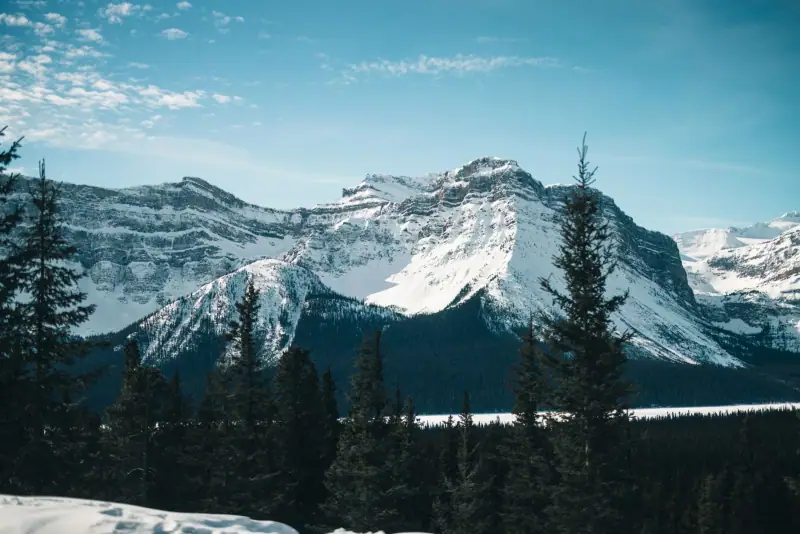
Jasper in Winter: Skiing at Marmot Basin, Snowshoeing, Skating and Stargazing
Jasper in winter: Marmot Basin, snowshoeing, skating on Mildred Lake, ice walks and dark skies. When to go, how to organize and what to book.

Where to Stay in Jasper: Areas and Types of Lodging
Downtown, lodges, campgrounds or nearby towns: how to choose where to stay in Jasper, in the Rockies, with budget, seasons and booking tips.
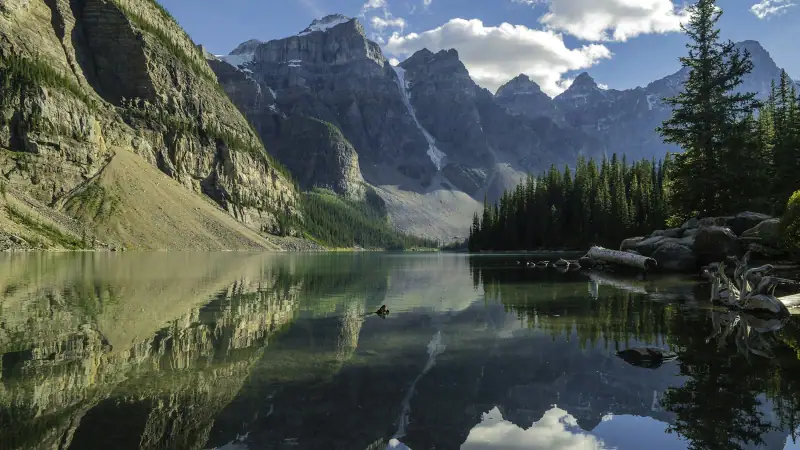
When to Visit Canada: Seasons, Weather and the Best Time by Region
Summer in the Rockies, fall colors in Ontario, winter under the snow: our guide to choosing the best time to visit Canada.
Ready-made
Canada itineraries
3 days
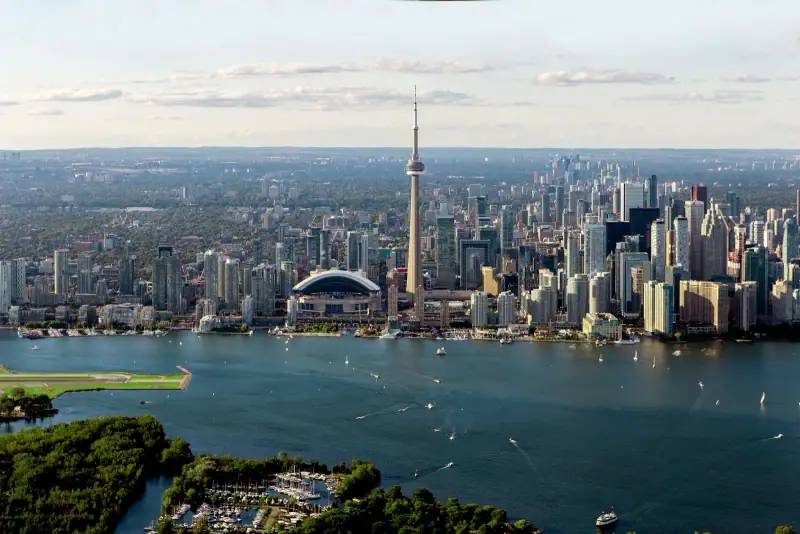
Toronto in 3 Days: What to See and Do on a First Visit
Toronto in 3 days: CN Tower, the islands, markets, neighborhoods and a Niagara excursion. A day-by-day itinerary with lodging and transit tips.
2 days
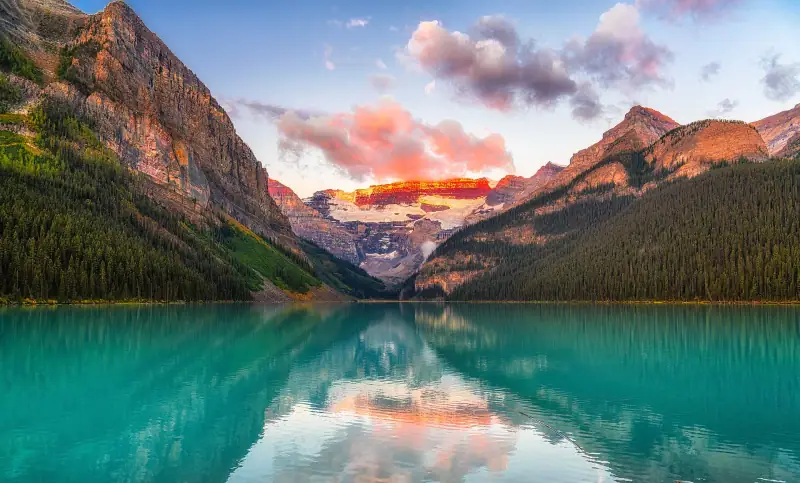
Icefields Parkway Road Trip: Lake Louise to Jasper
Plan the scenic drive between Lake Louise and Jasper: stops, driving time, fuel, wildlife and tips for making the most of the Rockies.
7 days
Nova Scotia in 7 Days: Halifax, the South Shore and the Cabot Trail
A one-week Nova Scotia itinerary: Halifax, Peggy's Cove, Lunenburg, then the Cabot Trail on Cape Breton. Stages, distances and practical tips.