What to see
What to See in Ontario: Toronto, Niagara, Ottawa and the Great Outdoors

We may earn a commission when you book through links on this page, at no extra cost to you. We don't visit or try the places we cover: we summarize published sources. How we work
In short
- Plan a week for Toronto, Niagara and Ottawa, and ten to fifteen days if you add the Thousand Islands, Algonquin Park or the Bruce Peninsula.
- Niagara Falls are about 130 km (81 mi) from Toronto, roughly 1 h 30 by road without heavy traffic; Ottawa is about 450 km (280 mi) east.
- Cities can be visited without a car, but Algonquin, the Thousand Islands, the Bruce Peninsula and small towns are far easier with one.
- June to September suits outdoor activities and festivals; late September to early October brings fall colors, notably around Algonquin.
Ontario is the most populous province in Canada, and yet many travelers reduce it to two stops: Toronto and Niagara Falls. That is a pity, because the province is immense and varied. It has a vibrant metropolis on a lake as big as a sea, the federal capital and its World Heritage canal, historic villages, vineyards, archipelagos of thousands of islands, forests of lakes and rivers, and cliffs that plunge into the turquoise water of Georgian Bay.
This guide presents the essentials of southern and eastern Ontario, with a clear idea of what each stop brings, the time to plan and how to combine them. Distances are measured in hundreds of kilometers: it is therefore better to choose a coherent itinerary than to try to see everything. If you are still unsure about the rest of the country, our complete guide to Canada helps you place Ontario relative to the Rockies and the Maritimes.
How to organize your exploration of Ontario
The first thing to understand is the scale. Most of the population and tourist sites are concentrated in a band between the Great Lakes and the Ottawa Valley. This is the part most travelers visit, and the one we detail here. The far north of the province, very sparsely populated, requires completely different logistics.
Here are three ways to divide the trip:
- Short stay (4 to 5 days): Toronto, a day at Niagara Falls, and possibly an escape to the neighboring wine region.
- Classic stay (8 to 10 days): Toronto, Niagara, then the road east with the Thousand Islands, Kingston and Ottawa.
- Nature stay (12 days and more): you add Algonquin Park and its lakes, or the Bruce Peninsula and Georgian Bay.
Cities can be visited without a car, but the landscapes almost always require a vehicle. To estimate the overall envelope, see our article on the budget for a trip to Canada. Entry rules depend on your passport: check the official travel advice of your government before you book: travel.state.gov (US), GOV.UK (UK), travel.gc.ca (Canada), Smartraveller (Australia) (checked November 2026).
Toronto: the metropolis on the shores of Lake Ontario
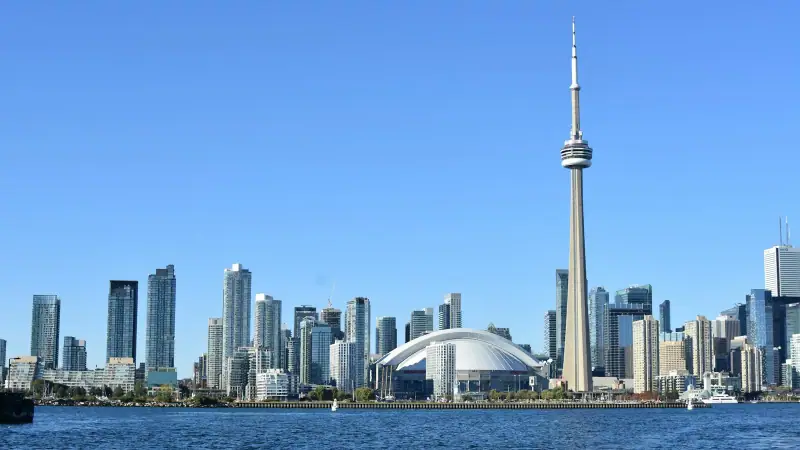
Toronto is the natural gateway to the province and its largest city. It stretches along Lake Ontario and mixes skyscrapers, Victorian brick neighborhoods, markets, museums and parks. It is one of the most cosmopolitan cities in the world, which shows particularly in its cuisine: you can tour the planet in a few subway stops.
Among the landmarks not to miss:
- The CN Tower, a telecommunications tower of about 553 m (1,814 ft) that dominates the horizon. Even without going up, it serves as a compass to get your bearings downtown.
- The lakefront (Harbourfront), ideal for an end-of-day walk.
- The Toronto Islands, reachable in a few minutes by boat from the harbor, to picnic, rent a bike or enjoy the view of the skyline.
- The neighborhoods: Kensington Market for the bohemian atmosphere, the Distillery District for its brick industrial buildings, Chinatown and the downtown shopping streets.
- The museums, notably the Royal Ontario Museum and the Art Gallery of Ontario, for a rainy day.
We detailed a whole route in our 3-day stay in Toronto and advised on neighborhoods to stay in our article on sleeping in Toronto. For a first visit, two to three days are enough to see the essentials, and the city is a convenient base for excursions to Niagara.
Sleep in Toronto
Compare lodging downtown and in neighborhoods well linked to the subway, before heading out to explore the rest of Ontario.
Niagara Falls: the region’s big spectacle
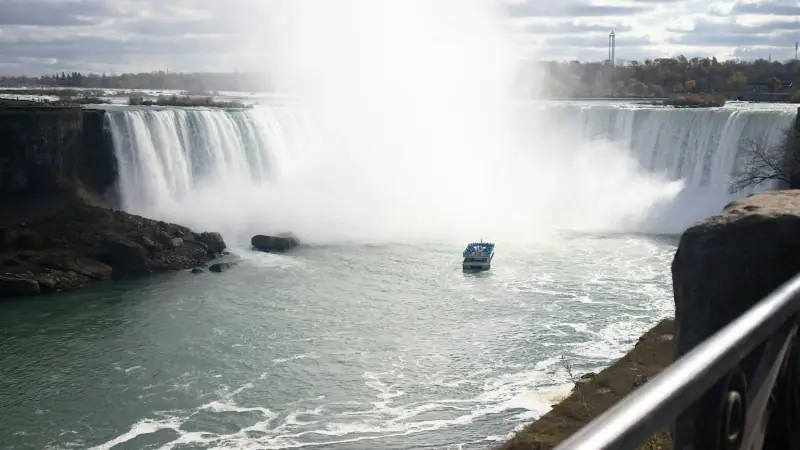
About 130 km (81 mi) from Toronto, Niagara Falls is among the most famous natural sites in the country. The Niagara River, which links Lake Erie to Lake Ontario, plunges over a cliff in an impressive roar and a cloud of spray. On the Canadian side, the overall view is generally considered the best, because you face the falls rather than seeing them in profile.
Classic activities are cruises at the foot of the falls, observation galleries and walkways, walks in the gardens and evening illuminations in season. The official Niagara Parks website presents all the attractions managed there, as well as the scenic Niagara River Parkway, about 56 km (35 mi) long. Everything is detailed in our article on Niagara Falls, Canadian side.
To avoid the crowds, arrive early in the morning or stay into the evening. Summer weekends and school holidays are very busy. The town of Niagara Falls is quite touristy, with noisy attractions; if you want more calm, the small historic town of Niagara-on-the-Lake, about thirty minutes by road, rounds out the day nicely with its flowered streets and vineyards known for ice wine.
Niagara Falls excursions
Cruises, guided tours and day trips from Toronto: compare the options and book ahead in high season.
Ottawa: the federal capital and the Rideau Canal
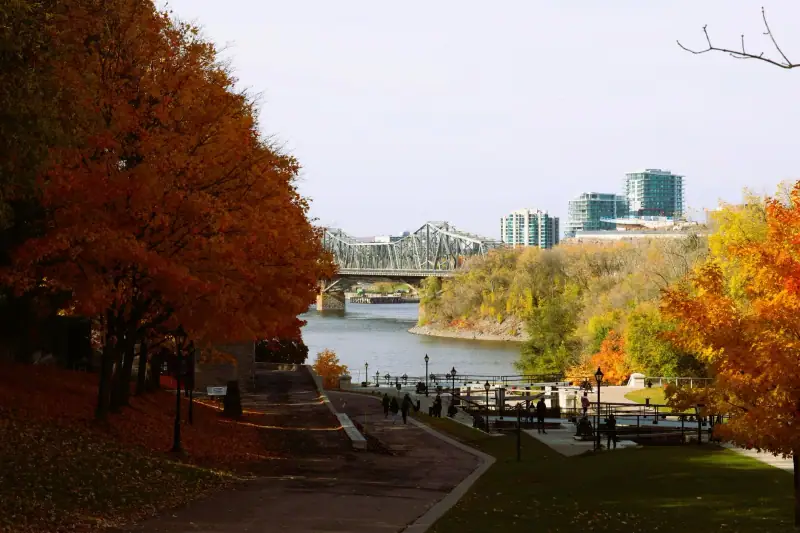
About 450 km (280 mi) east of Toronto, Ottawa is the capital of Canada. Quieter and more compact than Toronto, it appeals with its Gothic Revival architecture, national museums and green spaces. Parliament Hill, with its buildings overlooking the Ottawa River, is the natural starting point of the visit. Depending on the season, you can attend ceremonies and events on the lawn, and some parts of the buildings can be visited depending on renovation and security periods: check the official information before heading out.
The Rideau Canal is the city’s other big asset. This 202 km (126 mi) waterway links Ottawa to Kingston through many manual locks, and is recognized as a national historic site managed by Parks Canada. It has also been inscribed as a UNESCO World Heritage site. In summer, you walk its banks on foot or by bike; in winter, part of the canal turns into a natural skating rink when the ice allows. Conditions vary from year to year, and pleasure boating is limited to the good season.
Other highlights: the big national museums, which cover history, civilizations and fine arts, and the ByWard Market, a lively district of restaurants and shops. Two days are enough for a first approach, three to take your time with the museums. The city is very easy to visit on foot, with a few transit rides.
To get there from Toronto, train, coach and plane exist, but a car lets you combine Ottawa with the intermediate stops along the road, such as Kingston. The full trip takes several hours: plan a full half day.
Kingston and the Thousand Islands: a road between water and history
Between Toronto and Ottawa, the city of Kingston is a pleasant stop. Set where Lake Ontario meets the St. Lawrence River, it has a historic limestone center, a lively waterfront and several forts dating from the colonial era. It is about 260 km (162 mi) from Toronto, around 2 h 30 by road, making it an ideal break for lunch or to sleep.
Right next door, the Thousand Islands region is an archipelago of small islands scattered in the St. Lawrence, on the border between Canada and the United States. The best way to discover it is a cruise: you glide between islets where houses, castles and isolated cabins nestle. Cruises run mostly from late spring to early fall; ask the operators about periods and schedules, which vary from season to season.
This area also lends itself to kayaking, summer swimming and bike rides on the riverside roads. The Rideau, mentioned above, begins precisely in Kingston: you can thus combine the two in one stop.
Prince Edward County: vineyards and beaches
Off the north shore of Lake Ontario, Prince Edward County is a rural peninsula of small villages, farms, vineyards and beaches. It is a weekend destination loved by Torontonians: you come for the food, the tastings and the calm. Allow about 2 h 30 by road from Toronto.
The main activity is strolling: visiting a winery, having lunch in a country inn, tasting local produce, stopping at the dunes or beaches along the lake. The setting is more rural and discreet than Niagara, which makes it a good alternative if you already have a lot of crowds on your route.
Algonquin Provincial Park: lakes, forests and canoeing
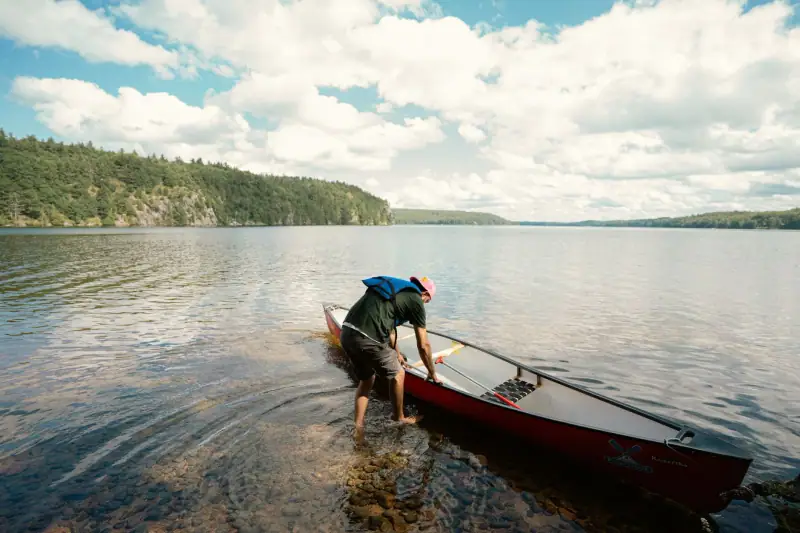
If you could add only one nature stop to your stay, it would probably be Algonquin Provincial Park. It is about 3 hours by road north of Toronto, and is famous for its thousands of lakes, its conifer and hardwood forests, its rivers and its hiking trails. It is the territory of canoe camping par excellence, an iconic activity of Canada.
You can visit it in several ways. For a day, along the road that crosses the south of the park, you find short trails, lookouts, lake beaches and information centers. For a more immersive stay, you rent a canoe and paddle from one lake to another, with portages on the small trails linking them. Depending on the season, you may meet moose, beavers and many birds. The call of loons, the country’s iconic water birds, can be heard on some lakes at dusk.
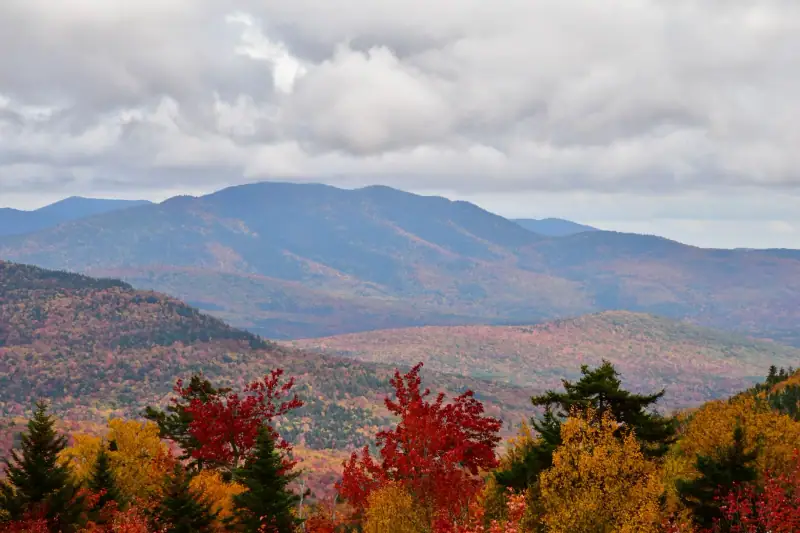
Fall is the most spectacular season: maples take on red and orange tints, and the park then attracts many visitors, especially on weekends. The official website of the Friends of Algonquin Park publishes a bulletin on the progress of the colors. In summer, bring repellent against mosquitoes and black flies, particularly present early in the season.
Rent a car to explore Ontario
Compare rental companies: a car is essential for Algonquin, the Thousand Islands or the Bruce Peninsula.
The Bruce Peninsula and Tobermory: cliffs and turquoise waters
For lovers of seascapes, the Bruce Peninsula is a quiet gem. It juts into Georgian Bay, an immense gulf of Lake Huron, where the Niagara Escarpment meets the water. Bruce Peninsula National Park, managed by Parks Canada, offers great hikes on limestone cliffs, pebble beaches and coves of a spectacular color. Nearby, Fathom Five National Marine Park protects shipwrecks and islands.
You need to prepare your visit: the best-known areas, such as the Grotto and Halfway Log Dump, are very busy, and Parks Canada asks you to book or organize in advance. Parking, lodging and campgrounds are booked through the official reservation system. Visitor center openings are seasonal; check the park’s page before leaving, as dates and notices (for example on bear activity) can change.
Tobermory, a village at the tip of the peninsula, serves as a base. The clear water attracts divers, kayakers and walkers. Allow about 4 hours by road from Toronto: this stop is therefore better planned for a stay of several nights. The waters are cold even in summer, which does not prevent swimming in good weather.
Festivals and smaller towns
Ontario also has smaller towns worth the detour for those with time. Stratford, about 150 km (93 mi) west of Toronto, is known for its theater festival, one of the most important in North America, held from spring to fall. Niagara-on-the-Lake hosts the Shaw Festival. In both cases, shows are performed in English, which requires good comprehension.
The Muskoka region, about two hours by road from Toronto, is an area of lakes lined with cottages, beaches and small towns, very popular in summer with Ontarians for weekends. You find lake cruises as well as charming lodging there, at the price of heavy attendance in July and August.
Sample itineraries combining these stops
7-day itinerary: cities and falls. Two and a half days in Toronto, a full day at Niagara (with a night there if possible), then the road east with a night in Kingston and two days in Ottawa.
10-day itinerary: cities and nature. Same base as above, with in addition two to three nights near Algonquin Park, which you place between Toronto and Ottawa with a detour. It lengthens the road, but makes the trip much more varied.
12-day itinerary: lakes and Georgian Bay. Toronto, Niagara, then the Bruce Peninsula for two nights, return through Muskoka and Algonquin, before finishing with Ottawa. For travelers comfortable with long-distance driving.
For each driving day, stay reasonable: in practice, avoid exceeding four to five hours of driving a day if you want to enjoy the stops.
When to go to Ontario
Summer (June to August) is high season: hot, sometimes humid, ideal for lakes, festivals and patios. Lodging prices rise, especially around nature destinations and the falls.
Spring (May) offers awakening landscapes but still changeable weather, and some seasonal sites open gradually. Fall, from late September to about mid-October, is often considered the most beautiful season thanks to the foliage colors.
Winter is cold, with snow: you come for skating, winter sports and the atmosphere of illuminated cities. Dress in layers and bring sturdy shoes. We have gathered more pointers in our guide when to go to Canada.
Practical tips
Electricity. Canadian outlets are type A/B. If your devices use a different plug, bring an adapter to avoid bad surprises on the first evening.
Connection. Check your carrier’s international plan or consider a travel eSIM. Our article on SIM cards and eSIMs in Canada compares the solutions. Saily offers plans in more than 150 countries: check the offer for Canada before leaving.
Money and tipping. Bank cards are accepted almost everywhere. Service is not included in the prices displayed at restaurants: read our article on tipping in restaurants in Canada.
Health and insurance. Care in North America can be very costly. Travel insurance is strongly recommended.
Driving. Speed limits and distances are expressed in kilometers per hour and kilometers. Respect them scrupulously, and stay alert for wildlife, notably at dawn and dusk in forested areas.
Mosquitoes. In lake and forest areas, bring clothing that covers the skin and a suitable repellent, especially from May to July.
Ontario rewards travelers who take their time. By combining a big city, a natural wonder, a quiet capital and a few days of lakes and forests, you get a complete trip that stands on its own, without having to cross the whole country. And if the taste for the big West tempts you afterwards, discover our guide on what to see in British Columbia.
Sources
Frequently asked questions
How many days do you need to visit Ontario?
Plan a week for the Toronto, Niagara and Ottawa trio, and ten to fifteen days if you add the Thousand Islands, Algonquin Park or the Bruce Peninsula. Distances are large: it is better to choose two or three bases than to rush from site to site.
What is the best time to travel in Ontario?
From June to September for outdoor activities, festivals and patios. Late September and early October for fall colors, notably around Algonquin Park. Winter suits fans of skating and snow, but some seasonal sites are closed.
Do you need to rent a car in Ontario?
For Toronto, Niagara as an excursion and Ottawa by train or bus, you can do without. For Algonquin Park, the Thousand Islands, the Bruce Peninsula or small towns, a car is far preferable, because public transit there is rare.
Can you see Niagara Falls in one day from Toronto?
Yes, the falls are about 130 km (81 mi) from Toronto, roughly 1 h 30 by road without heavy traffic. One day lets you see the falls, take a cruise or an activity, then return in the evening. A night there is more comfortable.
Do you need a visa to travel in Ontario?
Entry rules depend on your passport. Check the official travel advice of your government before you book: travel.state.gov (US), GOV.UK (UK), travel.gc.ca (Canada), Smartraveller (Australia) (checked November 2026).
Are there bears in Ontario?
Yes, black bears live in the forested areas of the north of the province, including in some parks. Follow park instructions: store food securely, never approach them and stay alert on the trails.
Is French spoken in Ontario?
English largely dominates. There are French-speaking communities, notably in the east and north of the province, and service in French is sometimes available in Ottawa's federal institutions. In shops and restaurants, assume you will be answered in English.
More Canada guides
Keep reading
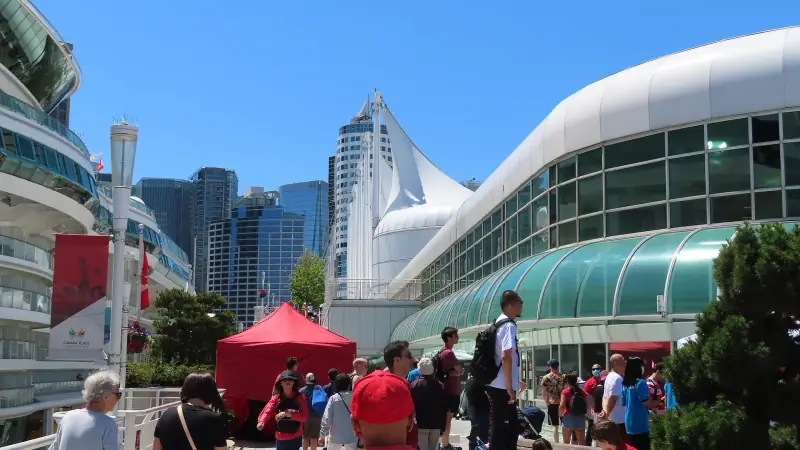
What to See in British Columbia: 10 Must-See Sights on the Pacific Coast
Vancouver, Whistler, Victoria, Tofino, Okanagan: what to see in British Columbia? Our must-sees, practical tips and a sample 10-day route.
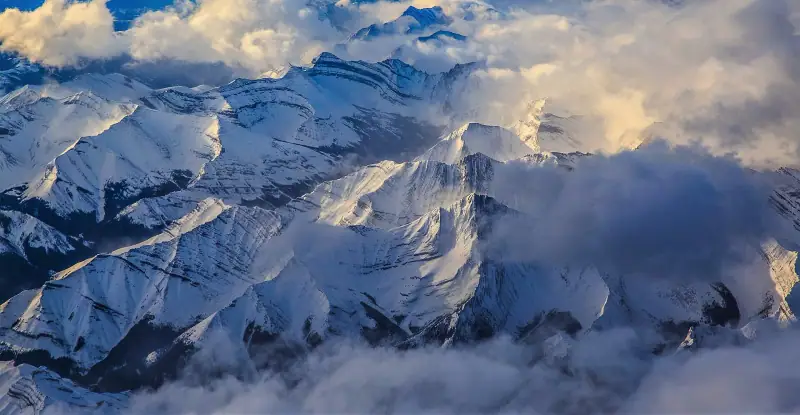
What to See in the Canadian Rockies: 12 Must-See Sights
Banff, Lake Louise, Jasper, Yoho, Kootenay: what to see in the Canadian Rockies? Lakes, glaciers, canyons and wildlife, with tips to organize them.
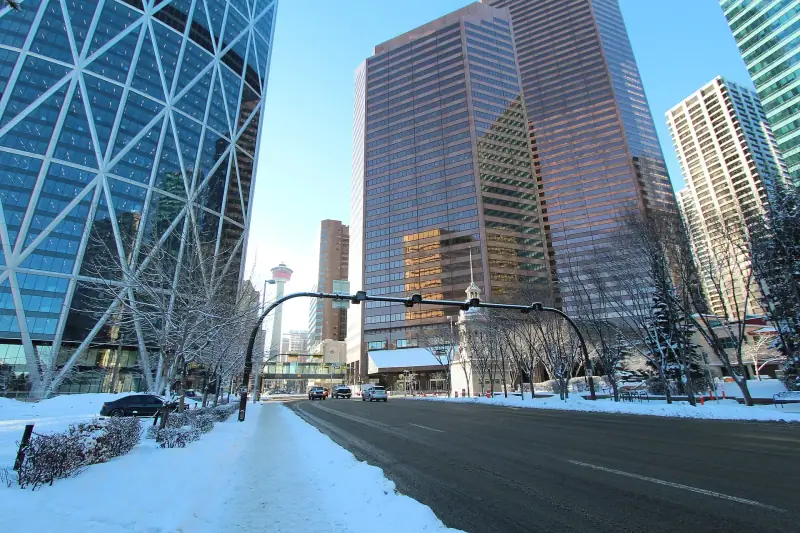
Visiting Calgary: What to See and Do at the Gateway to the Rockies
What to see in Calgary? Calgary Tower, Stampede, Heritage Park, Prince's Island, Studio Bell, Drumheller and nearby Banff: a full guide to plan your stay.
Ready-made
Canada itineraries
3 days
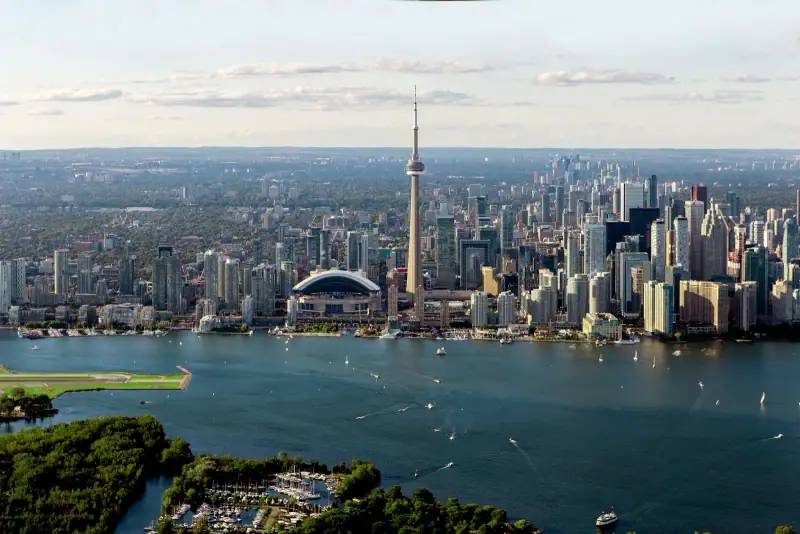
Toronto in 3 Days: What to See and Do on a First Visit
Toronto in 3 days: CN Tower, the islands, markets, neighborhoods and a Niagara excursion. A day-by-day itinerary with lodging and transit tips.
2 days
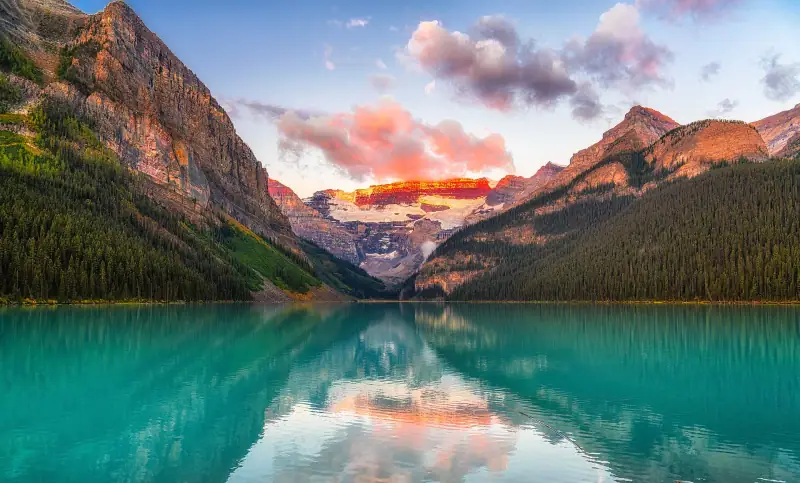
Icefields Parkway Road Trip: Lake Louise to Jasper
Plan the scenic drive between Lake Louise and Jasper: stops, driving time, fuel, wildlife and tips for making the most of the Rockies.
7 days
Nova Scotia in 7 Days: Halifax, the South Shore and the Cabot Trail
A one-week Nova Scotia itinerary: Halifax, Peggy's Cove, Lunenburg, then the Cabot Trail on Cape Breton. Stages, distances and practical tips.