Itineraries
Vancouver in 3 Days: An Itinerary Between Ocean and Mountains
We may earn a commission when you book through links on this page, at no extra cost to you. We don't visit or try the places we cover: we summarize published sources. How we work
Day by day
- Day 1Stanley Park Seawall, Coal Harbour, English Bay sunset
- Day 2Granville Island market, Gastown, Chinatown
- Day 3Grouse Mountain, Capilano bridge, or Sea to Sky excursion
Weather through the year on this route
| Jan | Feb | Mar | Apr | May | Jun | Jul | Aug | Sep | Oct | Nov | Dec | |
|---|---|---|---|---|---|---|---|---|---|---|---|---|
| High °F (°C) | 25-4 | 30-1 | 415 | 5211 | 6116 | 6820 | 7524 | 7524 | 6619 | 5211 | 362 | 27-3 |
| Low °F (°C) | 9-13 | 12-11 | 21-6 | 28-2 | 373 | 468 | 5211 | 5010 | 415 | 30-1 | 21-6 | 12-11 |
| Rain in (mm) | 0.615 | 0.615 | 1.025 | 1.640 | 2.870 | 4.1105 | 2.460 | 2.460 | 1.845 | 1.025 | 1.025 | 0.820 |
Normals 1991–2020 at Calgary: averages over 30 years, not a forecast. Source: NASA POWER (MERRA-2), grid of about 50 km. Figures computed by us in November 2026.
In short
- Three days cover the essentials: Stanley Park and the waterfront, Granville Island and Gastown, then the mountains or an excursion.
- The Canada Line light rail links Vancouver airport to downtown in about twenty minutes, so you do not need a rental car for the first stop.
- You do not need a car in the city; rent one only on the day you leave for Vancouver Island or the Rockies.
- June to September has the longest days and the best weather; spring and fall are rainier but quieter.
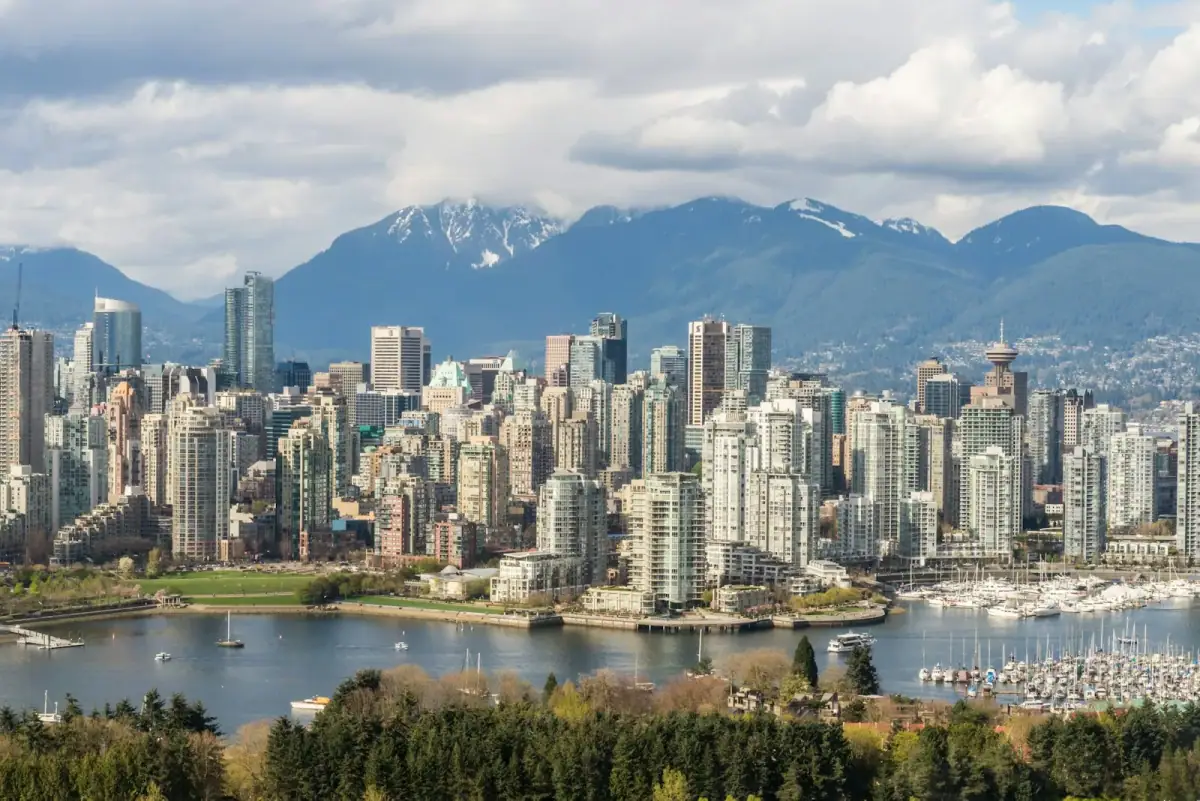
Vancouver is one of the most pleasant cities in North America: a modern downtown squeezed between the Pacific Ocean and the coastal mountains, beaches in the city, immense forests a few minutes from the center and a very varied cuisine. It is also the natural starting point for a trip in western Canada, before heading to Vancouver Island or the Rockies.
In short: three days let you see the essentials without rushing. Day 1 for Stanley Park and the waterfront, day 2 for Granville Island and Gastown, day 3 for the mountains or an excursion. To choose the season, see our guide on the best time to go to Canada.
Before you go: entry rules and arrival
Entry rules depend on your passport. Check the official travel advice of your government before you book: travel.state.gov (US), GOV.UK (UK), travel.gc.ca (Canada), Smartraveller (Australia) (checked November 2026). Also check the validity of your passport before booking.
Vancouver International Airport is linked to downtown by a light rail line, the Canada Line, which means you do not need to rent a car for the first leg. The trip takes about twenty minutes. Allow a quiet first evening to recover from the trip.
Flights to Vancouver
Compare flights for your dates: prices vary a lot by season.
Where to stay in Vancouver
For a three-day stay, the simplest is to stay downtown or in Yaletown, a former warehouse district that has become one of the liveliest, with its patios and restaurants. Gastown, the oldest neighborhood in the city, appeals to those who prefer a more historic atmosphere. The west side of downtown, near Stanley Park, suits you well if you like to run or cycle by the water in the morning.
Vancouver is an expensive city, especially in summer: book early, all the more so as high season quickly fills well-placed lodging. Favor a place near a light rail station or a frequent bus stop, which will save you time every day.
Sleep in Vancouver
Downtown and the Yaletown district are practical for getting around on foot and by transit: compare lodging for your dates.
Day 1: Stanley Park and the waterfront
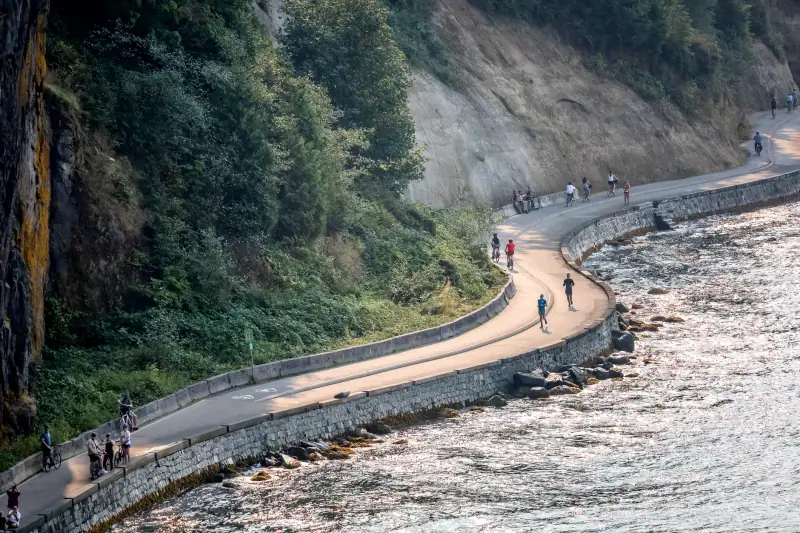
Start with Stanley Park, an immense urban park almost surrounded by water. The best way to discover it is to follow the Seawall, a waterfront promenade that goes around the park: you can do it on foot, by bike or on rollerblades. Bikes are easy to rent near the park entrance, and the full loop is done leisurely in half a day with stops.
Along the way, you will pass beaches, forests of tall conifers, viewpoints over the mountains and the Lions Gate Bridge, as well as totem poles that recall the presence of the region’s Indigenous peoples. These works deserve a stop and a few minutes of reading about their meaning.
In the afternoon, head back to downtown through the Coal Harbour district, where the waterfront offers beautiful views of the floatplanes taking off and landing. End the day by walking to English Bay for sunset: it is a much-loved moment for locals, who settle on the beach with a picnic.
Day 2: Granville Island and Gastown
In the morning, go to Granville Island, a peninsula south of downtown. Its public market is the ideal place to taste local specialties: fish and smoked salmon, cheeses, pastries, seasonal fruit. Artisan workshops and galleries occupy the former industrial buildings. You can get there by a small water taxi from downtown, which is also a pretty way to discover the bay.
In the afternoon, head to Gastown, the historic neighborhood, with its cobbled streets and brick façades. Its famous steam clock is one of its most photographed curiosities. The neighborhood concentrates designer shops, galleries, cafés and bars, and comes alive in the evening.
Culture seekers can continue to nearby Chinatown, one of the oldest Chinatowns in North America. Although some surrounding areas are more difficult, the main tourist area stays pleasant during the day; just stay alert and avoid lingering late in the evening on quiet streets.
Day 3: mountains, forest or excursion
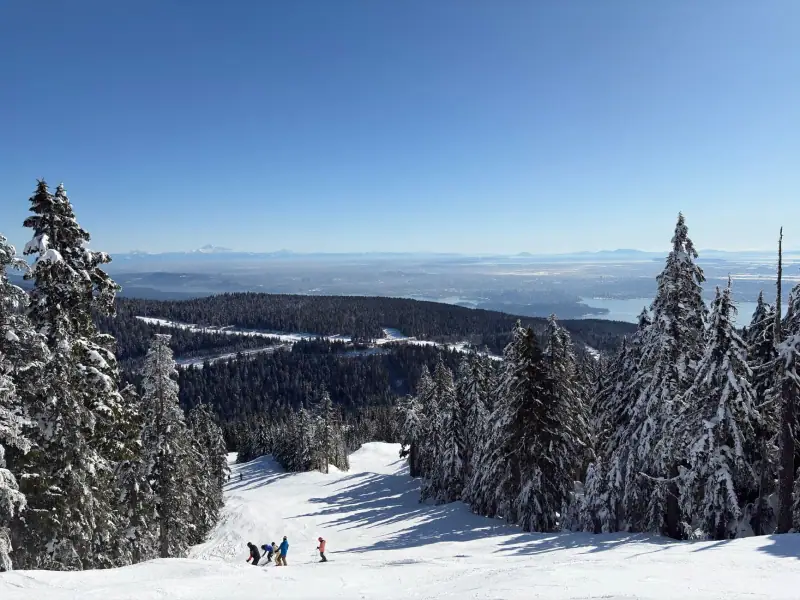
On the last day, get away from downtown. You have several options, depending on your tastes and the weather.
The mountain above the city. From North Vancouver, across the bay, several sites let you enjoy the temperate rainforest. Grouse Mountain has an aerial tramway that climbs above the city and offers a very beautiful panorama in clear weather; in summer you walk there, in winter you ski. The Capilano suspension bridge and the trails around it are another classic, more touristy but impressive among the big trees. Both can be reached by public transit or shuttle, without a car.
A farther excursion. If you still have time, the “Sea to Sky” highway to Squamish and Whistler follows fjords and mountains, with many viewpoints. Nature lovers can also opt for a boat trip to watch marine wildlife, depending on the season. These excursions are done with an organizer or by rental car.
A moment of relaxation. If rain sets in, which often happens outside summer, favor a museum, a café or a spa. Vancouver is a city where people go out even in wet weather: a good raincoat beats an umbrella.
Excursions around Vancouver
Whale watching, guided tours, Sea to Sky: browse the activities offered in the region.
Food: what to eat in Vancouver
Vancouver is known for its cuisine, notably thanks to its large Asian community and the proximity of the Pacific. Japanese, Chinese, Korean and Vietnamese restaurants are plentiful and of good quality, and fresh seafood is a safe bet. Pacific salmon, often smoked or grilled, is one of the best-known specialties of the west coast.
Markets, food trucks and small neighborhood restaurants let you eat well without blowing your budget. As everywhere in Canada, tipping is customary in restaurants: it is left on top of the bill, at about 15 to 20%. It is only included automatically for large groups or in a few places: check the bill before paying.
Getting around Vancouver
Downtown is very easy to explore on foot. To go farther, the public transit network combines light rail, buses and a small boat, with a rechargeable card or contactless payment. Cycling is also widespread, thanks to the many bike lanes, notably around Stanley Park and along the waterfront.
A car is not essential for a city stay: parking lots are expensive and traffic can be dense at rush hour. If you plan a road trip to Vancouver Island or the Rockies, rent one only on the day you leave the city.
After Vancouver: what next for your trip?
Vancouver fits easily into a wider circuit. Eastward, the Rockies are the most logical next step: our Banff or Jasper comparison helps you choose your base, and our guide to the Icefields Parkway details the scenic drive between the two. Westward, Vancouver Island is reached by ferry and lets you discover Victoria and the wild coast.
To organize the trip, remember to check the ideal season and consider appropriate travel insurance: medical costs in Canada can be high.
Tips for a successful stay
- Dress in layers: the weather changes quickly, even in summer, between the coast and the mountains.
- Book in advance in July and August, for lodging as well as the most in-demand activities.
- Keep a spare day: the weather may force you to swap outdoor days and indoor visits.
- Respect wildlife: if you head into the forest, check the local rules concerning wild animals.
- Budget for tipping in restaurants, bars and taxis.
Frequently asked questions
Are three days enough to visit Vancouver?
Yes, for the essentials: Stanley Park, Granville Island, Gastown and a mountain viewpoint. With four or five days, you add an excursion to Vancouver Island or Whistler.
Do you need to rent a car in Vancouver?
Not for downtown: it can be visited on foot, by bike and with public transit. A car becomes useful for excursions outside the city.
What is the best time to visit Vancouver?
From June to September, days are long and the weather is the most pleasant. Fall and spring are rainier, but the city is less crowded.
Do you need authorization to enter Canada?
Entry rules depend on your passport. Check the official travel advice of your government before you book: travel.state.gov (US), GOV.UK (UK), travel.gc.ca (Canada), Smartraveller (Australia) (checked November 2026).
Where should you sleep for a first stay?
Downtown, Yaletown and the Gastown area are well placed: you get around on foot or by public transit, and most sites are close.
More Canada guides
Keep reading
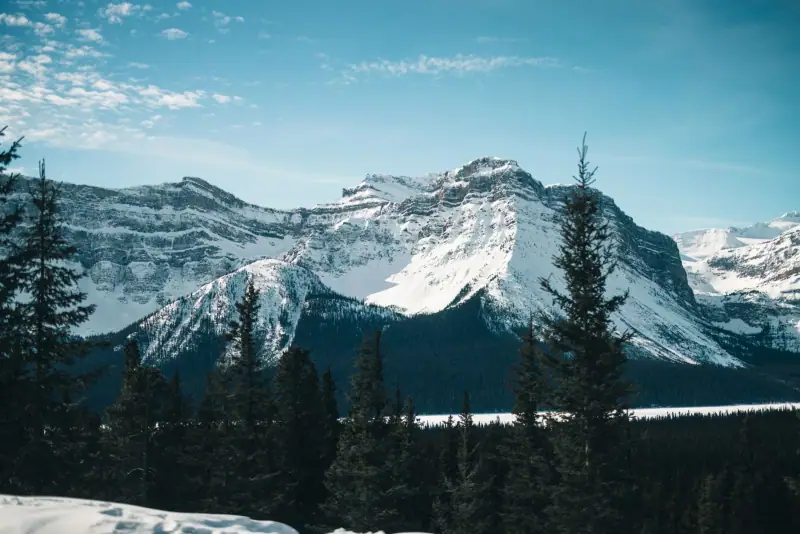
Jasper in Winter: Skiing at Marmot Basin, Snowshoeing, Skating and Stargazing
Jasper in winter: Marmot Basin, snowshoeing, skating on Mildred Lake, ice walks and dark skies. When to go, how to organize and what to book.

Where to Stay in Jasper: Areas and Types of Lodging
Downtown, lodges, campgrounds or nearby towns: how to choose where to stay in Jasper, in the Rockies, with budget, seasons and booking tips.
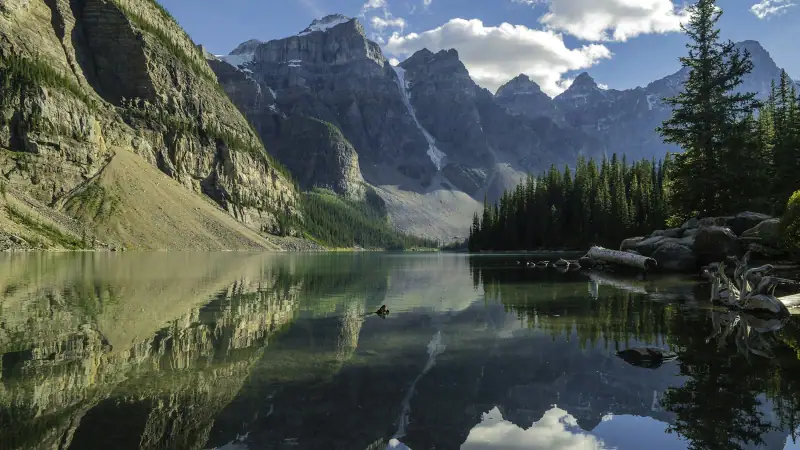
When to Visit Canada: Seasons, Weather and the Best Time by Region
Summer in the Rockies, fall colors in Ontario, winter under the snow: our guide to choosing the best time to visit Canada.
Ready-made
Canada itineraries
3 days
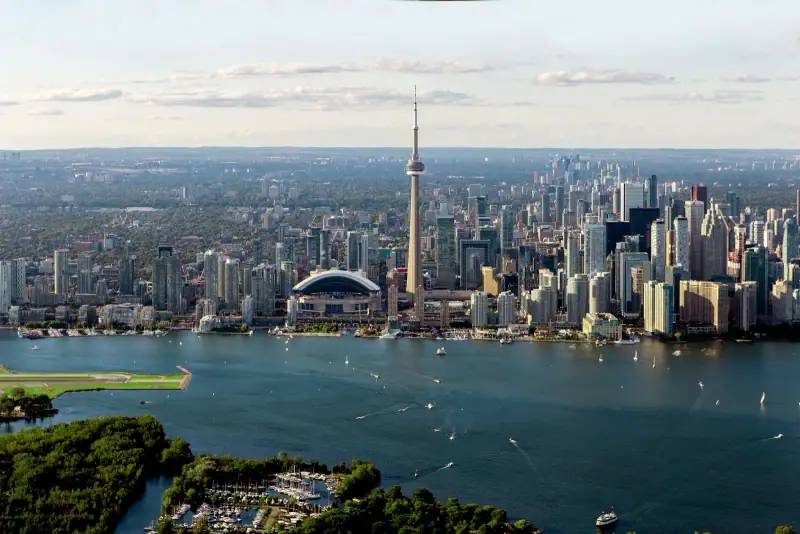
Toronto in 3 Days: What to See and Do on a First Visit
Toronto in 3 days: CN Tower, the islands, markets, neighborhoods and a Niagara excursion. A day-by-day itinerary with lodging and transit tips.
2 days
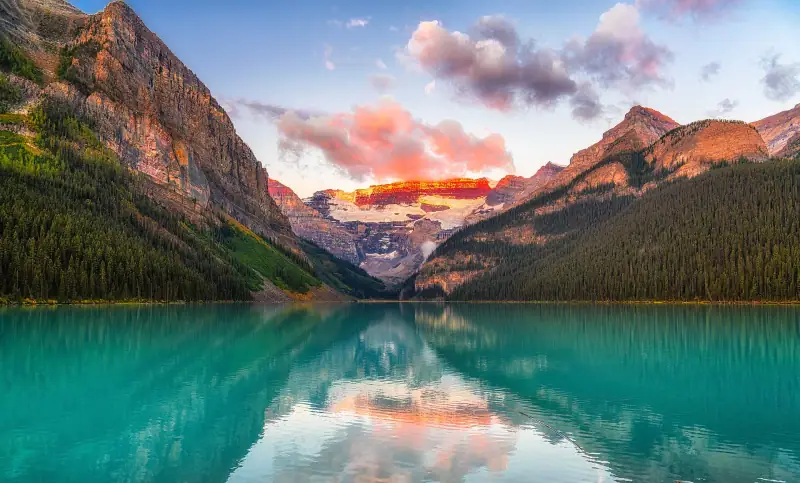
Icefields Parkway Road Trip: Lake Louise to Jasper
Plan the scenic drive between Lake Louise and Jasper: stops, driving time, fuel, wildlife and tips for making the most of the Rockies.
7 days
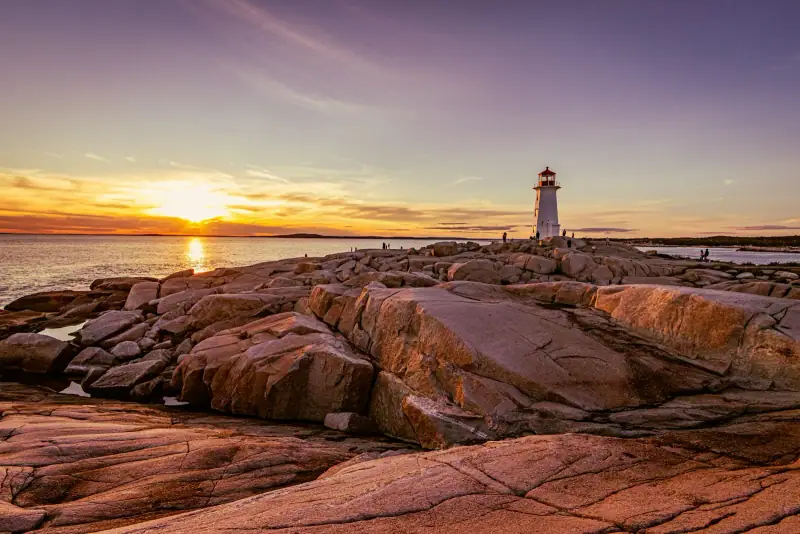
Nova Scotia in 7 Days: Halifax, the South Shore and the Cabot Trail
A one-week Nova Scotia itinerary: Halifax, Peggy's Cove, Lunenburg, then the Cabot Trail on Cape Breton. Stages, distances and practical tips.