Plan your trip
When to Visit Canada: Seasons, Weather and the Best Time by Region
We may earn a commission when you book through links on this page, at no extra cost to you. We don't visit or try the places we cover: we summarize published sources. How we work
In short
- June to September suits most itineraries: mountain roads are open, days are long and most outdoor activities run.
- Early September is often a good compromise between weather and crowds; July and August are the busiest and most expensive.
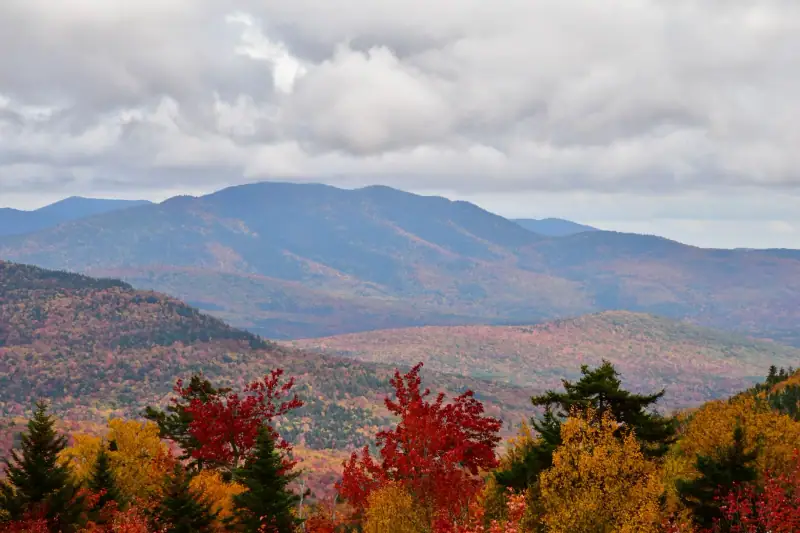
- Fall foliage generally turns between late September and mid-October in Ontario and the Maritimes; the Rockies have golden larches in late September.
- Winter is a season of its own: skiing, snow sports and, in the North, northern lights, but real cold inland.
Canada is immense: the country spans several time zones and very different climates. A traveler hiking in the Rockies in July and another visiting Toronto in January do not live the same trip at all. Choosing your period is therefore first of all choosing what you want to see: lakes and peaks, big cities, the Pacific coast, the Atlantic shoreline or snowy landscapes.
In short, June to September suits the majority of itineraries, and fall appeals with its colors. Winter is a season of its own, for those who like snow and cold. This guide reviews the main regions covered by this site (Rockies, British Columbia, Ontario, Maritimes and Yukon), then the seasons.
Banff, Jasper and the Rockies: summer for the lakes, winter for the snow
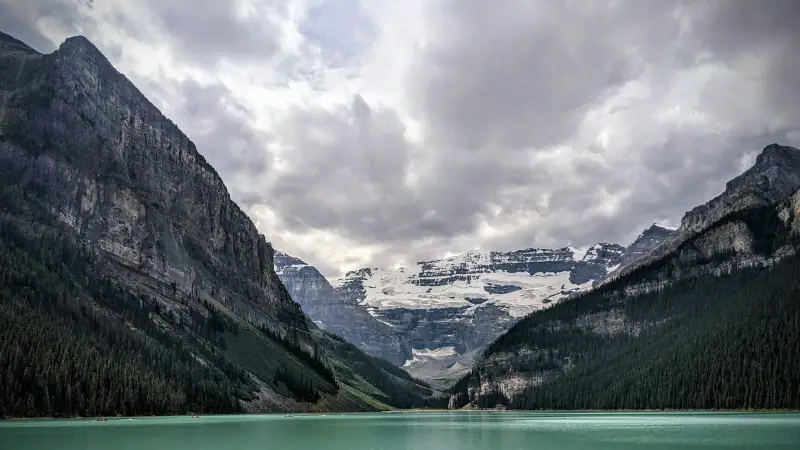
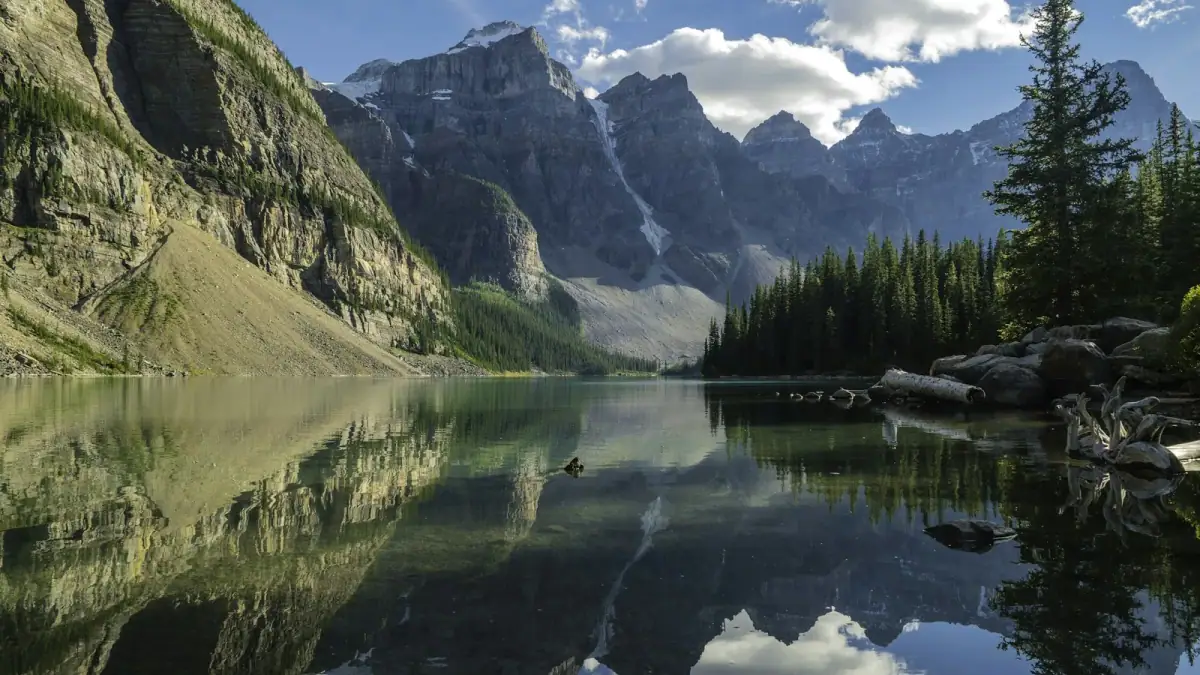
The parks of Banff and Jasper attract visitors mostly between June and September. Roads are clear, hiking trails are generally accessible and the lakes take on their characteristic turquoise hue, linked to glacial sediment, once the ice has melted. Days are long, which leaves time to link a walk at sunrise with a viewpoint in the evening.
This period is also the busiest and the most expensive. Lodging in Banff and Jasper fills up long in advance in July and August: book as soon as your dates are set. In early June, some high-altitude trails can still be snowy and some lakes partly frozen; in September, nights get cool, but the light is superb and the crowds thin out.
Winter turns the region into a ski and snow-sports destination (see our guide to skiing in the Rockies and Whistler). It is cold, snow is abundant and the landscapes are spectacular, but road conditions call for caution and some summer activities do not exist. Check road conditions before leaving, in particular for the Icefields Parkway between Banff and Jasper.
Sleep in Banff
Compare lodging for your dates: rates vary strongly between summer and low season.
Vancouver and Vancouver Island: a mild oceanic climate
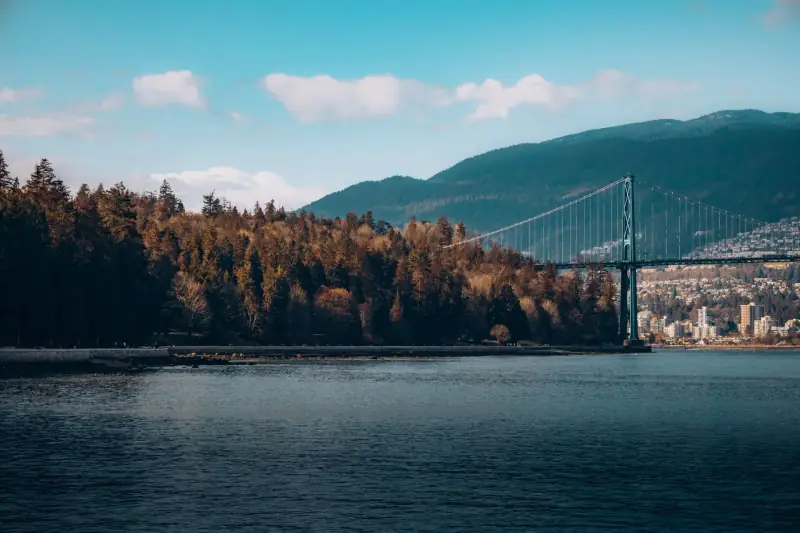
The Pacific coast enjoys a temperate climate. Summers are pleasant and fairly dry, making it the best period for walks in the parks, kayaking and boat trips. Winters are mild compared to the rest of the country, but wet: rain is frequent from fall to spring.
In spring, cherry blossoms brighten Vancouver’s streets, generally from late March or April. Victoria, on Vancouver Island, is often seen as one of the mildest cities in the country, with flowering gardens from the start of the good season. If you combine the coast with the Rockies, June to September remains the most logical window to enjoy both.
Flights to Canada
Fares rise in summer and during school holidays: compare several dates before booking.
Toronto, Niagara and Ontario: four real seasons
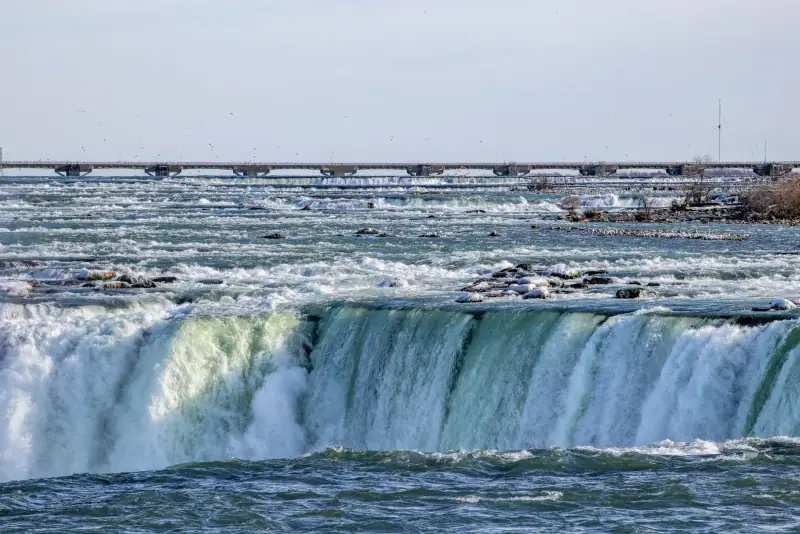
Ontario has hot and often humid summers, and cold winters with snow. Toronto is very pleasant from late spring to early fall: patios, festivals, walks along Lake Ontario and an excursion to Niagara Falls on the Canadian side. Summer is high season for the falls, with heavy crowds; spring and fall are quieter.
Fall is the region’s big season: foliage generally colors between late September and mid-October, notably in the forests of Algonquin Park, north of Toronto. Dates vary from year to year, so it is better to keep some flexibility. In winter, the city is cold but lively, and Niagara Falls remains impressive, sometimes edged with ice.
Halifax and the Maritimes: from summer to fall colors
Nova Scotia, Prince Edward Island and Newfoundland have a climate influenced by the Atlantic: pleasant summers but cooler than in Ontario, frequent fog on the coast, long and cold winters. From June to September, coastal villages, lighthouses and scenic roads are accessible and tourist services open.
Off-season, many seasonal lodgings, restaurants and sites close or cut their hours, particularly in small localities. If you are aiming for the fall colors of Cape Breton Island in Nova Scotia, it is generally early to mid-October, but the weather can be changeable: pack warm clothes and a windbreaker.
Yukon and the Far North: northern lights and midnight sun
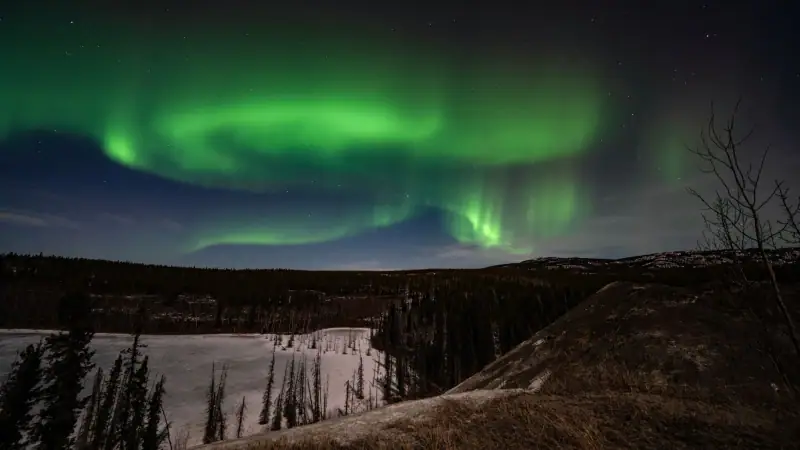
The Yukon can be visited at very different times depending on your wishes. Summer offers very long days of daylight and outdoor activities: hiking, canoeing and scenic drives. Winter is extremely cold, but long, clear nights allow you to watch the northern lights, with a good window from late summer to spring. They remain a natural phenomenon: no sighting is guaranteed, and you sometimes have to wait several nights.
This destination requires more preparation: warm gear for winter, mosquito-proof clothing in summer, and advance booking for lodging and outings in season.
Excursions and activities in Canada
Cruises, guided hikes, wildlife watching and tours: compare the outings offered by season.
Season by season: what to choose?
Spring (March to May): a transition season. The Pacific coast blooms early, but in the Rockies and the interior, snowmelt makes some trails muddy or closed. Prices are lower and crowds are thin, but the weather is changeable.
Summer (June to August): high season, ideal for the mountains, road trips and water activities. Book flights, car and lodging long in advance, because prices follow demand. Bring mosquito repellent in the forest.
Fall (September to November): one of the most beautiful periods. Colors, golden light, fewer people and falling rates after the summer peak. Days shorten and, from October, some summer activities stop.
Winter (December to February): skiing, snowshoeing, ice skating, northern lights in the North. It is really cold inland: real winter clothing, gloves and proper shoes are essential.
Budget, crowds and organization by period
Prices of flights, rental cars and lodging are generally highest in July and August, and during year-end holidays in ski resorts. May-June and September-October often offer a better balance between weather and rates. To compare, check prices on several dates before fixing your stay.
Distance is the other factor not to underestimate: trips between regions are long and most often go by air. For a first stay, it is more realistic to focus on one or two regions. A rental car is very useful in the Rockies and the Maritimes; in winter, check that the vehicle is equipped for snow, and check road conditions before each leg.
For a trip abroad, also consider suitable travel insurance covering medical costs, especially if you plan mountain activities or winter sports.
Recommendation for a first trip
If you have to pick just one period, aim for late August and September: open roads, pleasant temperatures, first fall colors at altitude, and crowds falling after the summer peak. For the colors of Ontario and the Maritimes, go rather from late September to mid-October. For snow and skiing, target January and February. In any case, keep a few days of margin in your program: in the mountains as on the coast, the weather remains the most unpredictable factor.
Frequently asked questions
What is the best time to visit Canada?
For a first trip, from June to September: mountain roads are open, days are long and most outdoor activities run. Early September is often a good compromise between weather and crowds.
When can you see the fall colors in Canada?
Foliage generally turns red between late September and mid-October in Ontario and the Maritimes, with variations by year and latitude. In the Rockies, it is rather the golden larches of late September.
Is it very cold in Canada in winter?
Inland (the Rockies, Ontario), winter is really cold, with temperatures that can drop well below freezing. The British Columbia coast, around Vancouver and Victoria, is much milder but rainier.
When should you go to avoid the crowds in the Rockies?
July and August bring the heaviest crowds and the highest prices. Early June, September and early October are quieter, but some roads or activities can be limited depending on the weather.
Are there mosquitoes in Canada?
Yes, especially in forests and near water in early summer. Repellent and clothing that covers your skin are recommended for June and July hikes.
Can you see the northern lights?
Yes, in the north of the country, notably in the Yukon, in fall and winter, when nights are long and clear. They depend on the weather and solar activity: no sighting is guaranteed.
More Canada guides
Keep reading
Canada Trip Budget: Real Costs and 3 Costed Profiles
How much does a trip to Canada cost? Lodging, transport, meals, activities: real prices by item, three sample budgets and tips to spend less.
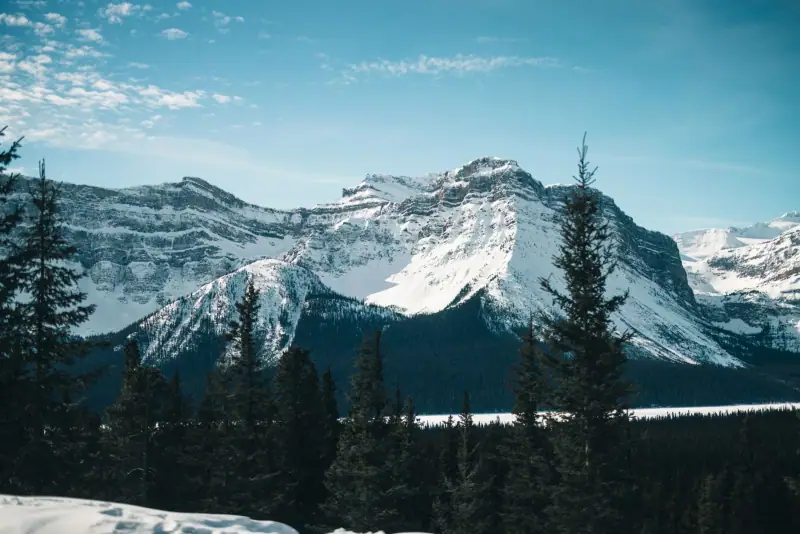
Jasper in Winter: Skiing at Marmot Basin, Snowshoeing, Skating and Stargazing
Jasper in winter: Marmot Basin, snowshoeing, skating on Mildred Lake, ice walks and dark skies. When to go, how to organize and what to book.

Where to Stay in Jasper: Areas and Types of Lodging
Downtown, lodges, campgrounds or nearby towns: how to choose where to stay in Jasper, in the Rockies, with budget, seasons and booking tips.
Ready-made
Canada itineraries
3 days
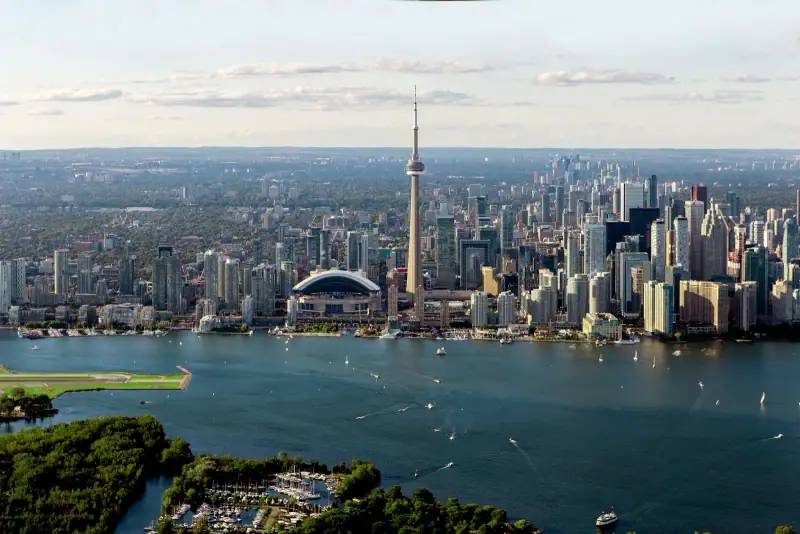
Toronto in 3 Days: What to See and Do on a First Visit
Toronto in 3 days: CN Tower, the islands, markets, neighborhoods and a Niagara excursion. A day-by-day itinerary with lodging and transit tips.
2 days
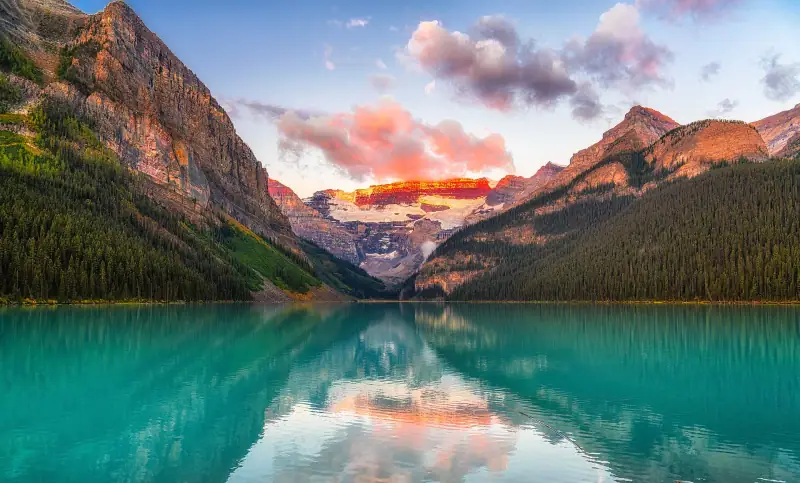
Icefields Parkway Road Trip: Lake Louise to Jasper
Plan the scenic drive between Lake Louise and Jasper: stops, driving time, fuel, wildlife and tips for making the most of the Rockies.
7 days
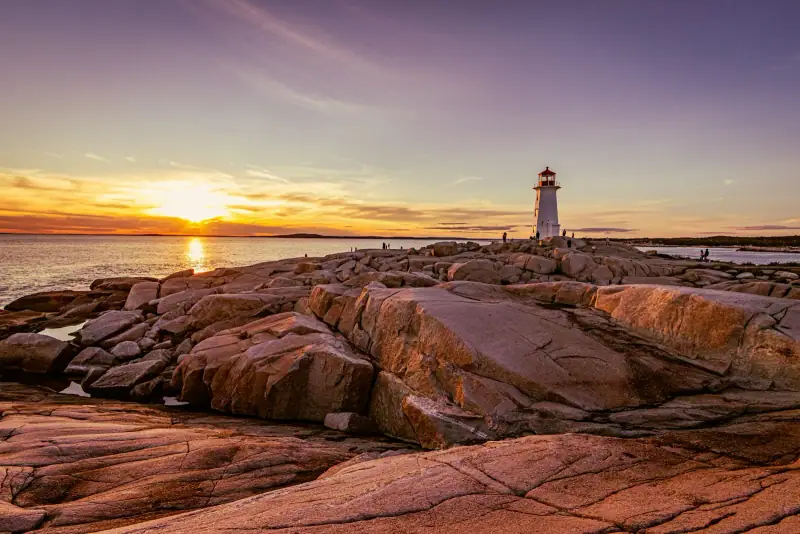
Nova Scotia in 7 Days: Halifax, the South Shore and the Cabot Trail
A one-week Nova Scotia itinerary: Halifax, Peggy's Cove, Lunenburg, then the Cabot Trail on Cape Breton. Stages, distances and practical tips.