What to see
Visiting Biarritz: what to see and do (beaches, lighthouse, old port, museums)
We may earn a commission when you book through links on this page, at no extra cost to you. We don't visit or try the places we cover: we summarize published sources. How we work
In short
- One full day covers the essentials (Grande Plage, Rocher de la Vierge, fishermen's port, center, lighthouse); two days add a museum, a beach break and a trip to Bayonne.
- The center is compact and easy on foot; Bayonne is about 8 km (5 mi) away and the airport is on the edge of town.
- The Côte des Basques is best for sunset and watching surfers, but the tide changes the beach completely: check times first.
- The Cité de l'Océan and the Musée de la Mer are the good rainy-day options; the Halles market is the way to picnic on a budget.
Biarritz is the most famous seaside resort of the Basque coast. A small fishing village that became a vacation spot for European aristocracy in the 19th century, thanks to Empress Eugénie and Napoleon III, the town has kept from that era palaces facing the sea, eccentric villas and a taste for walks along the ocean. Since the 1950s it has also become one of the European capitals of surfing.
The result is a surprisingly complete town: you come for the beaches, but you stay for the cliffs, the lanes of the center, the museums, the markets and the pastries. This guide helps you decide what to see, in what order, and how to organize a one- to two-day visit without rushing.
Biarritz at a glance: a compact town to explore on foot
Biarritz stretches along a rocky coast, between Bayonne and Anglet to the north and Bidart to the south. The center is small: from the Grande Plage to the fishermen’s port, it is a few minutes’ walk. Most of the unmissable sights are grouped around the Grande Plage, the Rocher de la Vierge and the Atalaye plateau, which makes the town ideal for a visit on foot.
The town is a short distance from Bayonne (about 8 km / 5 mi), so you can easily combine the two in the same day or stay in one to visit the other. Biarritz Pays Basque airport is on the edge of town, which makes arriving easy. To place Biarritz in a broader stay, see our 3-day itinerary in the Basque Country.
The Grande Plage and the seafront
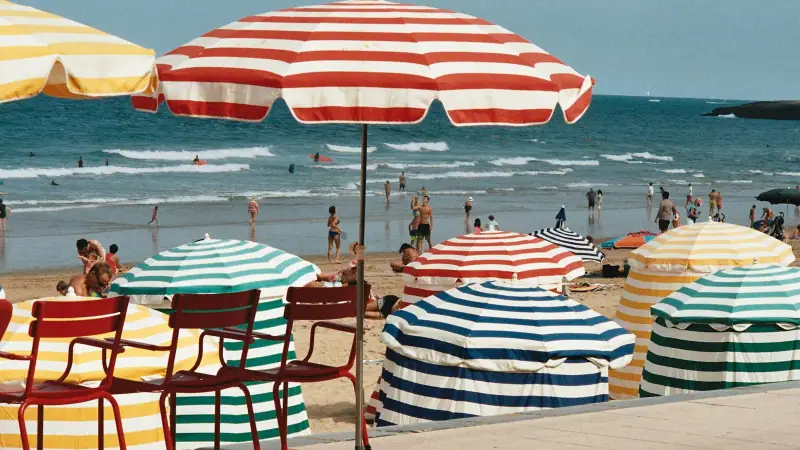
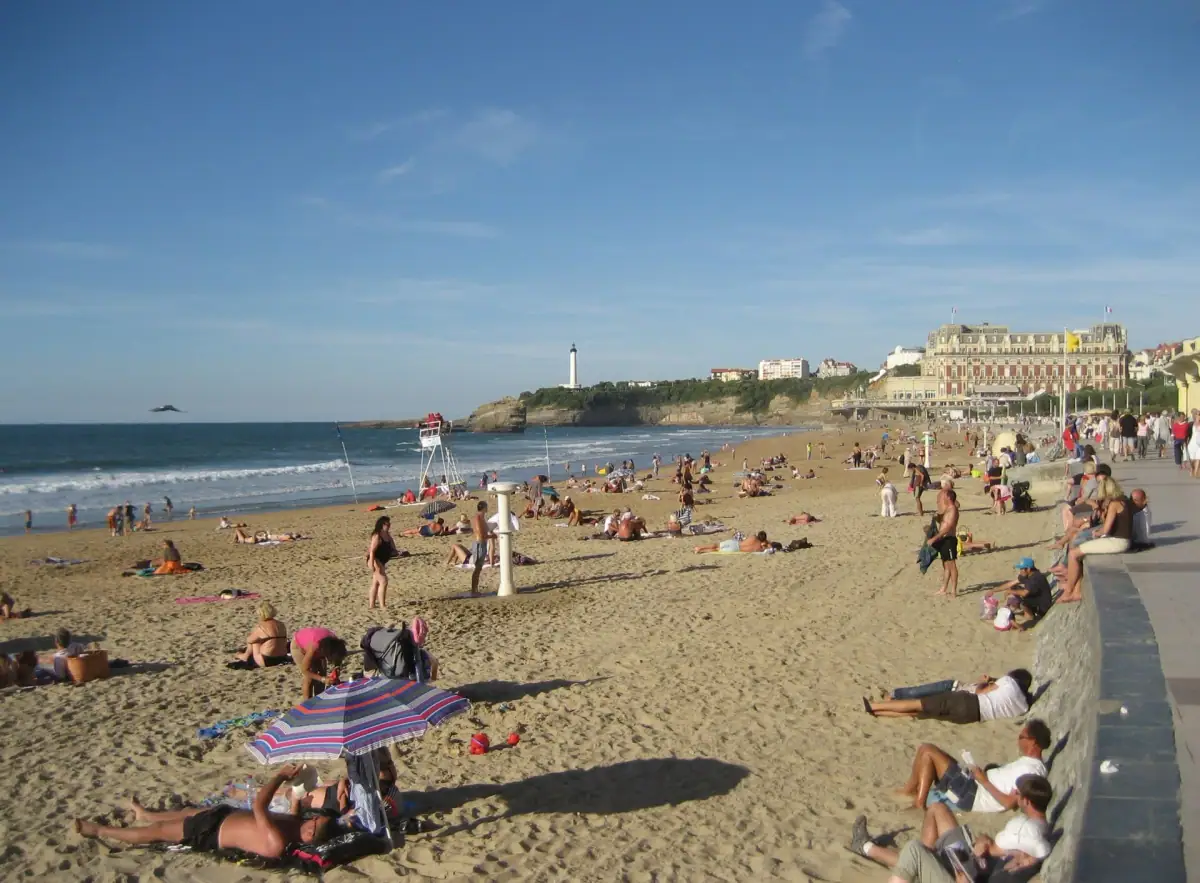
The Grande Plage is the heart of the town. Lined by a promenade and overlooked by the casino, it stretches facing the ocean, with its cabins, terraces and grand historic hotels. It is the ideal place to start the visit: you take the pulse of the town, watch the surfers offshore and walk toward the cliffs without leaving the seafront.
Farther on, the former Hôtel du Palais occupies the site of the villa built for Empress Eugénie in the mid-19th century. It recalls the era when the imperial court stayed here and all of Europe came to be seen. Even if you are not staying in this kind of establishment, the facade and the view of the beach are worth the detour.
Remember to check the tide times before settling in: at high tide, the beach is markedly narrower, and swimming and surfing are not done the same way as at low tide. Respect the supervised swimming areas and the flags, as Atlantic currents can be powerful.
Stay in Biarritz, near the beach
A place near the Grande Plage lets you do everything on foot and enjoy the town early in the morning or in the evening, when it is most pleasant: compare offers for your dates.
The Rocher de la Vierge and the Atalaye plateau
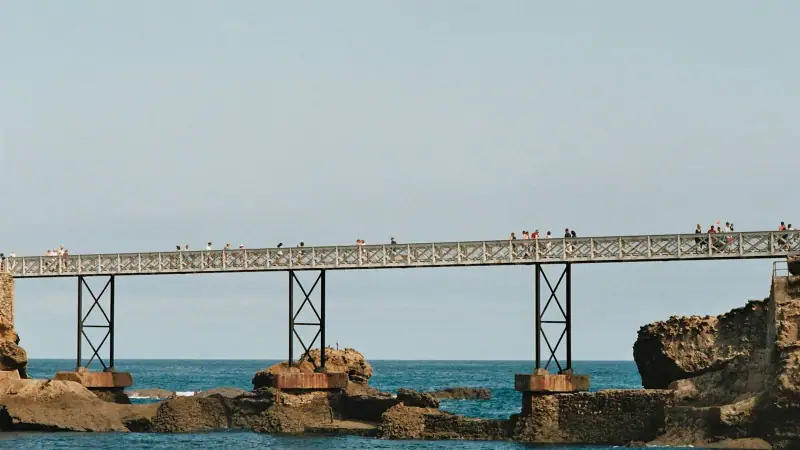
The Rocher de la Vierge is the symbol of Biarritz. This rocky islet, topped by a statue of the Virgin, is linked to land by a pedestrian footbridge above the waves. You reach it in a few minutes from the center, and the view is spectacular, especially in rough seas, when waves explode against the rock.
The rock marks the start of the Atalaye plateau, an elevated walk overlooking the ocean and the Port-Vieux. From there, the view of the coast, the cliffs and, in clear weather, the mountains of the Spanish coast is remarkable. It is a very good spot for sunset, but also for a morning walk, when there are few people.
If you have little time, here is what to do first: cross the footbridge, walk along the plateau and go down to see the Port-Vieux. Bring comfortable shoes and a windbreaker, as it is often windy on the rock, even in summer.
The Port-Vieux and the fishermen’s port
At the foot of the plateau, the Port-Vieux is a small sheltered cove surrounded by cliffs. It is a beach appreciated by families, as it is protected from big waves when the ocean is rough. Swimming is calmer there than elsewhere, but stay attentive to sea conditions.
A little farther on, the fishermen’s port (port des Pêcheurs) has kept the atmosphere of the old fishing village. The small colorful houses, the wooden fishermen’s huts called crampottes and the fish restaurants remind you that Biarritz first lived from the sea, before tourism. It is a good place to have a seafood lunch or simply a drink watching the boats, late in the day.
To get to know the dishes to taste during your stay, our guide to Basque specialties helps you choose: fish, piperade, Basque cake and other essentials.
The Biarritz lighthouse and Pointe Saint-Martin
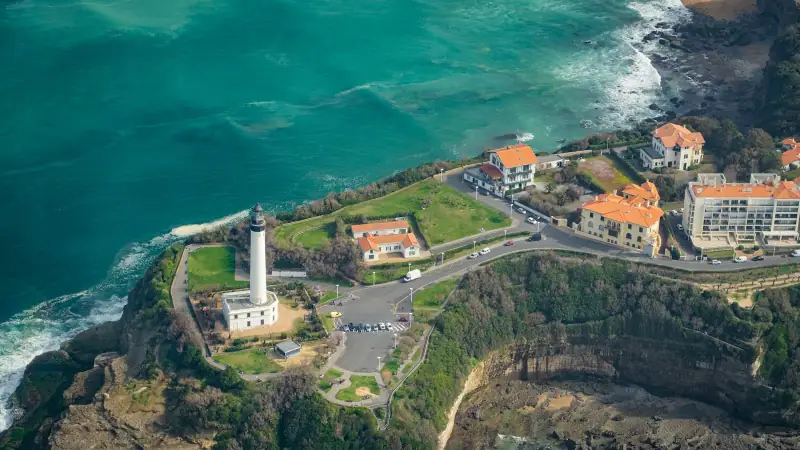
At the northern end of the town, the Biarritz lighthouse stands on Pointe Saint-Martin. It can be visited in season: a climb up a staircase of about 250 steps leads to a panoramic view of the town, the coast toward Anglet and, on the other side, toward the Basque mountains. Hours and fares vary by season, and access may be closed in bad weather: check with the tourist office.
Pointe Saint-Martin itself is a good walking goal, with views of the coast, beaches and surf spots. Farther on, you find villas, gardens and the line of cliffs that you follow on foot. Allow a good hour to get there from the center, including the return.
Tours and activities in Biarritz
Guided town tour, boat trip, surf lesson or excursion along the coast: compare the activities available for your dates.
The Côte des Basques: surf and sunset
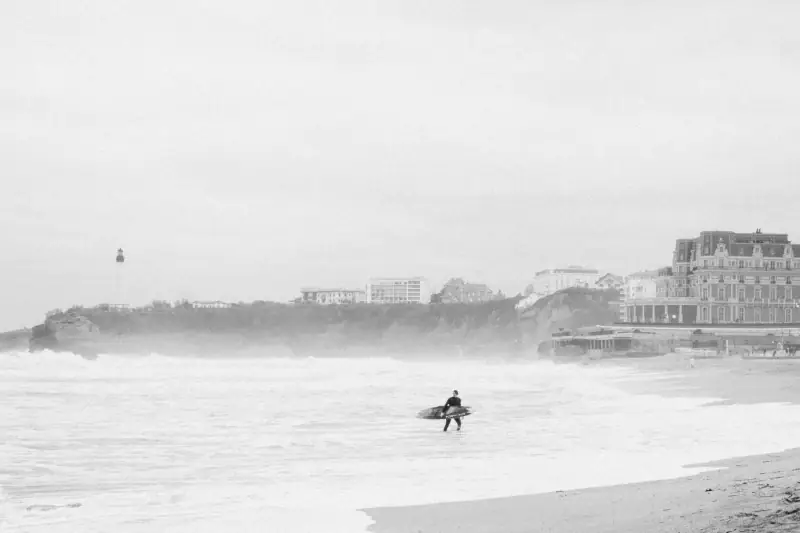
South of the center, the Côte des Basques is the historic beach of European surfing. This is where the beginnings of surfing in Europe are placed, in the 1950s. It is lined with cliffs and overlooked by a promenade, from which you watch the surfers, notably at sunset.
The particularity of this beach is how dependent it is on the tide: at high tide, very little sand remains; at low tide, a large expanse is uncovered. Always check the times before going down. It is much appreciated by longboarders and by beginners with supervision, but conditions can be demanding. If you want to get started, our guide to surfing in Biarritz details the spots and schools for beginners.
Even without setting foot in the water, a walk on the corniche at sunset is one of the most pleasant moments of a stay in Biarritz.
Museums, chapels and heritage
If the weather is bad or you are looking for a cultural break, several places deserve a visit.
The Cité de l’Océan and the Musée de la Mer
The Cité de l’Océan is a museum devoted to the ocean, its wildlife and major environmental questions, with well-designed interactive spaces for families. The Musée de la Mer, set near the Rocher de la Vierge, is older and presents aquariums of Atlantic fauna. Both are good options on rainy days. Check hours and fares, which change with the season.
The Imperial Chapel and the Russian Orthodox church
The Imperial Chapel, built under Napoleon III, recalls the imperial past of the town. The Russian Orthodox church, with its blue domes, testifies to the presence of an important Russian community in Biarritz in the early 20th century. These two buildings are fine stops for understanding the history of the resort. Visiting hours are limited: find out before going.
Villa architecture
As you walk, you will come across many villas in varied styles: neo-Basque, neo-Norman, belle époque, Art Deco. Villa Belza, perched on the rock facing the ocean, is one of the most photographed. It is generally not open to visits, but can be admired from outside from the promenade.
Food in Biarritz: Halles, chocolate and pastries
The Halles de Biarritz, in the center, are the best place to feel local life. You find sheep’s cheese, charcuterie, fish, fruit and vegetables, as well as long-established producers and traders. You can put together a quality picnic to take to the beach or the cliffs, which is also a good way to limit your budget in an expensive resort.
Biarritz also has a tradition of confectioners, chocolate makers and pastry chefs, inherited from the era when high society came to take tea by the sea. Step into one of the houses in the center to taste macarons, Basque cakes and chocolates, or marshmallows (guimauves), a local specialty. Check hours, often reduced off season.
To extend this journey of flavors, find out how to use Espelette pepper AOP in your cooking, or taste it directly in the restaurants of the coast.
A weekend in Biarritz
Charming hotels, apartments, guesthouses: compare accommodation for a short stay on the Basque coast.
Suggested schedule: 1 day or 2 days
If you have one day
- Morning: Grande Plage, then a walk to the Rocher de la Vierge and the Atalaye plateau.
- Lunch: at the fishermen’s port or a picnic put together at the Halles.
- Afternoon: Port-Vieux, town center, a museum depending on the weather or a beach break.
- Late afternoon: sunset on the Côte des Basques or on the plateau.
If you have two days
- Day 1: the program above, at a slower pace, with a pastry break and a museum visit.
- Day 2: morning at the lighthouse and Pointe Saint-Martin, then an excursion to Bayonne, described in our guide to visiting Bayonne, or a surf session for the most motivated.
Getting there and getting around
Biarritz is well served. Biarritz Pays Basque airport is very close to the center, and Biarritz station is linked by train to the rest of the coast and to the national network, but it is a few kilometers from the center: plan a bus or taxi for the last part of the trip. By car, the Atlantic coast motorway leads easily to Biarritz.
In the town itself, the simplest way is to walk. Parking is limited and paid, especially in summer; car parks on the outskirts or at the entrance to the center are more practical than looking for a space in the streets near the beach. To compare the options between train, bus and car, see our guide to getting around the Basque Country.
To choose between staying in Biarritz, Bayonne or Saint-Jean-de-Luz, our guide to where to stay in the Basque Country compares the areas by budget and travel style.
When to come to Biarritz
Biarritz can be visited all year, but the atmosphere changes a lot. Summer is festive, lively and very busy, with crowded beaches and higher rates. Spring and early fall often offer the best compromise: pleasant temperatures, fewer people, more affordable accommodation. Winter is quiet, with spectacular big swells seen from the promenade, but also more rain. For a month-by-month breakdown, see our guide to when to go to the Basque Country.
Key takeaways
- One day is enough for the essentials; two days allow a more relaxed pace and a trip to Bayonne.
- Grande Plage, Rocher de la Vierge and the fishermen’s port form the unmissable trio, all reachable on foot.
- The Côte des Basques is best for sunset and watching surfers, checking the tide first.
- The Cité de l’Océan and the Musée de la Mer are the good options for rainy days.
- The Halles let you put together a quality picnic and limit the budget.
- Always check opening hours of museums, the lighthouse and shops before you come: they change with the seasons.
Frequently asked questions
How long do you need to visit Biarritz?
One full day lets you see the essentials: the Grande Plage, the Rocher de la Vierge, the fishermen's port, the center and the lighthouse. With two days, you add a museum visit, a long beach break, a sunset on the Côte des Basques and a trip to Bayonne or Saint-Jean-de-Luz.
What is there to do in Biarritz when it rains?
Museums are the best option: the Cité de l'Océan and the Musée de la Mer let you learn about the neighboring ocean under cover. You can also stroll through the Halles, visit the Imperial Chapel or the Russian Orthodox church, then take a break in a tearoom or at a chocolate maker in the center.
Can you visit Biarritz without a car?
Yes, very well. The center, the beaches, the fishermen's port and the Rocher de la Vierge are covered on foot. The local bus network links Biarritz to Anglet and Bayonne, and Biarritz station is a few kilometers from the center. Parking, however, is complicated and paid in summer.
Which beach should you choose in Biarritz?
The Grande Plage is the most central and liveliest. The Port-Vieux beach, small and sheltered, suits young children when the sea is calm. The Côte des Basques is famous among surfers and very beautiful at sunset, but the tide changes the face of the beach strongly. Always respect the swimming flags.
Is Biarritz only a summer destination?
No. Summer is the liveliest season, but spring and fall offer often pleasant weather with far fewer people. In winter, big swells and walks facing the ocean have their own charm, even if swimming is for the bravest. Our weather guide details the differences from month to month.
Is Biarritz expensive?
Biarritz has the reputation of a chic seaside resort, and accommodation is more expensive in summer than in neighboring towns. You can still limit the budget by staying in Bayonne or Anglet, picnicking with products from the Halles and enjoying the beaches and walks, which are free.
Do you need to know how to surf to enjoy Biarritz?
Not at all. Many visitors come for the heritage, the walks, the food and sea bathing. If you feel like it, schools offer introductory lessons for beginners, as we detail in our guide to surfing in Biarritz.
More Basque Country guides
Keep reading
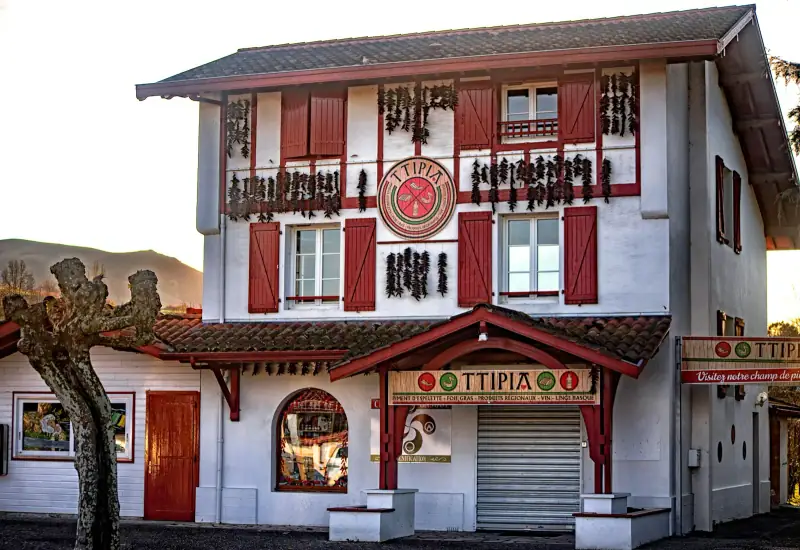
Visiting Espelette: what to see and do in the chili pepper village
What to see in Espelette: pepper-decked facades, castle, church and tombstones, shops, walks in Labourd and when to go.
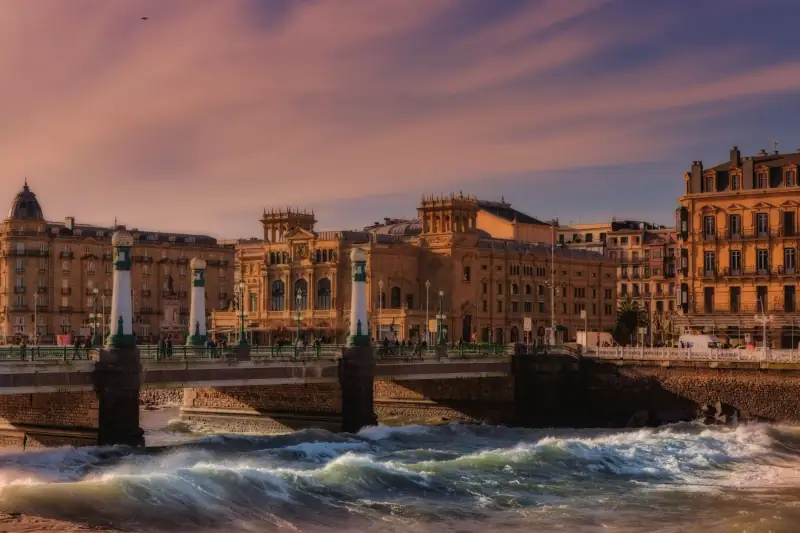
The Spanish Basque Country: what to see beyond San Sebastián (Bilbao, Guernica, Vitoria…)
The Spanish Basque Country beyond San Sebastián: Bilbao and the Guggenheim, Guernica, Getaria, Hondarribia, Gaztelugatxe and Vitoria-Gasteiz.
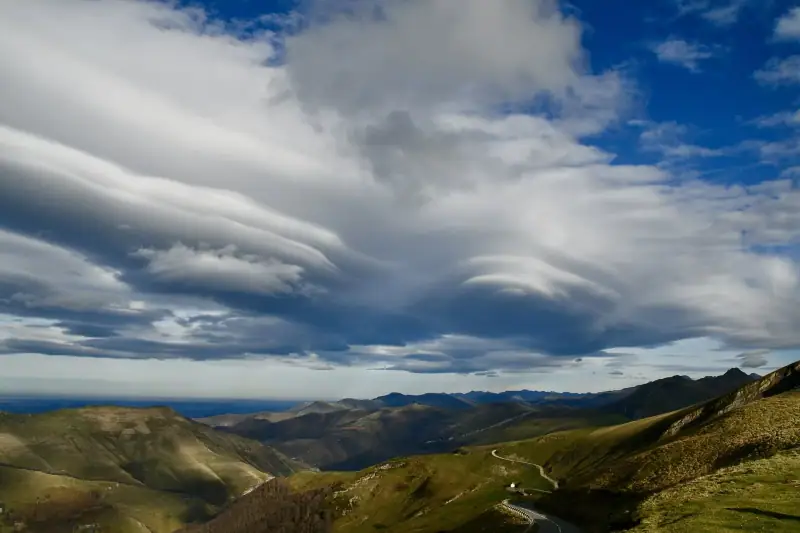
What to see in Soule: Mauléon, Tardets, Larrau and wild gorges
What to see in Soule, the smallest French Basque province: Mauléon-Licharre, Tardets, Larrau, Sainte-Engrâce, Holzarté and pastorales.
Ready-made
Basque Country itineraries
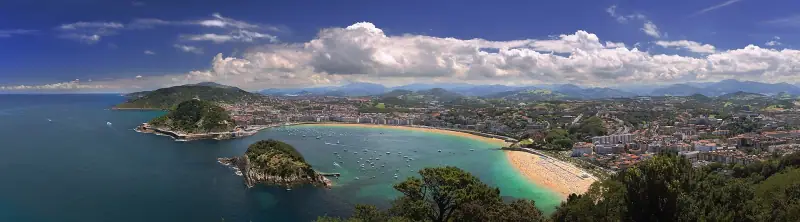
1 day
San Sebastián in 1 day from the Basque coast: itinerary and tips
One day in San Sebastián from Biarritz, Saint-Jean-de-Luz or Hendaye: how to get there, what to see and where to taste pintxos.
5 days
The Basque Country in 5 days with kids: stops and pace
The Basque Country with kids in 5 days: drive times, beaches, La Rhune cog train, Sare caves and a rainy-day plan B, at a child's pace.
3 days
3 days in the Basque Country: coast and inland itinerary
A 3-day Basque Country itinerary: Biarritz, Bayonne, Saint-Jean-de-Luz, Espelette and La Rhune, with distances, tips and good addresses.