What to see
Visiting Bayonne: what to do in 1 to 2 days (districts, chocolate, festivals)
We may earn a commission when you book through links on this page, at no extra cost to you. We don't visit or try the places we cover: we summarize published sources. How we work
In short
- One day covers the essentials (cathedral, Grand Bayonne, Petit Bayonne, quays, a treat stop); two days leave time for museums, ramparts and the covered market.
- Grand Bayonne and Petit Bayonne are on either side of the Nive and are easy to cover on foot; Bayonne is about 8 km (5 mi) from Biarritz.
- Chocolate and Bayonne ham (protected geographical indication) are the two specialties to taste.
- The Fêtes de Bayonne take place at the end of summer: book accommodation well ahead and avoid driving in.
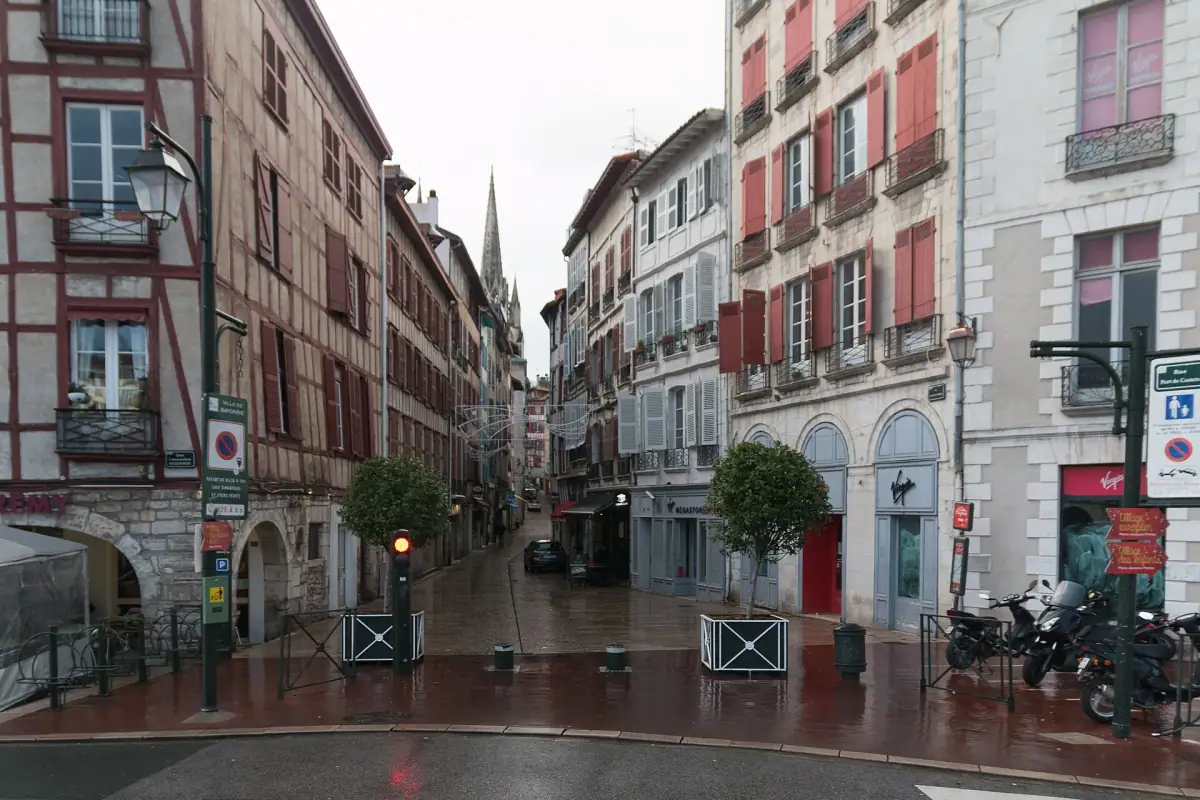
Bayonne is often treated as a mere stop between Biarritz airport and the coast. That is a pity: this city at the meeting of the Adour and the Nive is one of the most appealing in the Basque Country. It has a Gothic cathedral, lanes full of shops, half-timbered houses with red, green or blue shutters, an old chocolate-making tradition, market cooking and genuine local life that does not depend on the seasons.
This guide helps you plan a visit to Bayonne in one or two days: districts to see, monuments, museums, food addresses to look for, festival timing and practical tips so you do not waste time.
Bayonne at a glance: one city, three districts
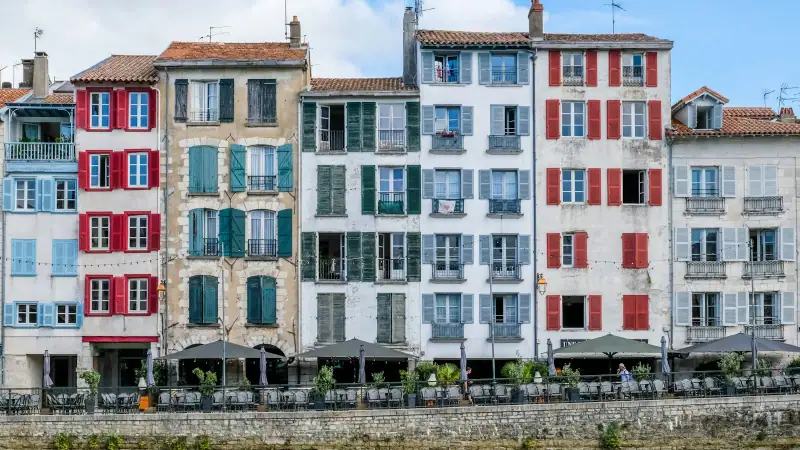
To find your way around, you only need to understand the geography. Bayonne is split in two by the Nive, a tributary of the Adour, which creates two main historic districts: Grand Bayonne, between the Nive and the Adour, with the cathedral, the arcades and the shopping streets, and Petit Bayonne, on the other bank of the Nive, more working-class, with its bars, museums and student atmosphere. A third district, Saint-Esprit, lies on the other side of the Adour, around the station; it is mostly useful for its train access.
The city is very easy to visit on foot, and distances are short: you go from one district to another in a few minutes over the bridges. That is what makes a one-day visit possible, even a half-day if you are in a hurry.
Bayonne is a short distance from Biarritz (about 8 km / 5 mi), Saint-Jean-de-Luz and the Spanish border. It is therefore a practical base for exploring the coast, as our 3-day Basque Country itinerary suggests.
Grand Bayonne: the cathedral and the historic heart

Start with Grand Bayonne, which holds most of the heritage.
Sainte-Marie Cathedral
It dominates the city with its two spires. It is a Gothic building, built mainly between the 13th and 16th centuries, with spires added later, in the 19th century. Inside, the slender nave, the stained glass and the side chapels deserve some time. The adjoining cloister, one of the largest in the region, is a calm place, very pleasant in summer as well as in the rain. The cathedral and its cloister are among the monuments linked to the Routes of Santiago de Compostela listed as UNESCO World Heritage.
Opening hours change with the seasons and church services: check the tourist office information before you come.
The streets of the center and the arcades
Around the cathedral, the narrow streets of Grand Bayonne form a pleasant maze to wander without a map. Arcades shelter pedestrians from rain and sun, and house shops selling regional products, chocolate makers, pastry shops and delicatessens. It is the best place to bring back local specialties.
Look for the brightly colored half-timbered facades and the tall, narrow houses that remind you that space has always been scarce in this fortified city. If you get a little lost, you will find small quiet squares, far from the bustle of the shopping streets.
The ramparts and the Château-Vieux
Bayonne is a former fortified city, and traces of this history can still be read: sections of ramparts, moats turned into walkways, and early modern fortifications linked to the work of Vauban. Walking on the ramparts or along the old moats gives good views of the city and its roofs. It is also a good way to get away from the crowds of the center.
Stay in the heart of Bayonne
Staying in the historic center lets you do everything on foot and enjoy the city in the evening, when the streets empty: compare accommodation for your dates.
Petit Bayonne: museums, bars and local atmosphere
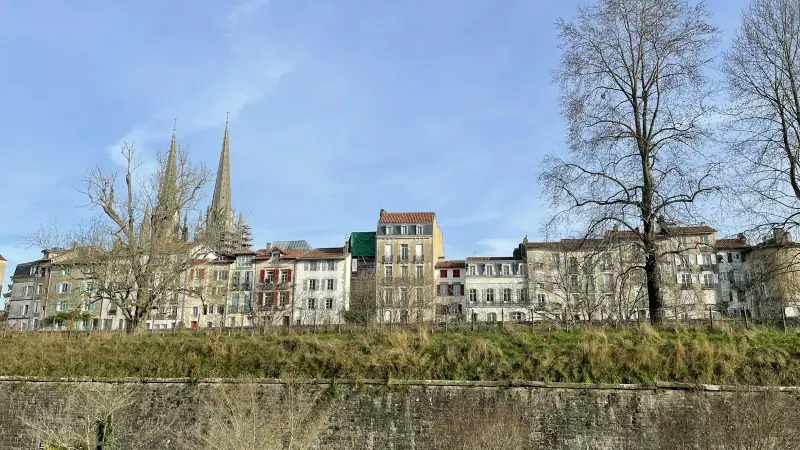
Crossing the Nive, the atmosphere changes. Petit Bayonne is more working-class, livelier in the evening, with bars, restaurants and small craft shops. Its lanes are often more authentic and less geared to tourists than those of Grand Bayonne.
The Basque Museum and Museum of the History of Bayonne
This is the most useful visit for understanding the area. The museum presents Basque culture in all its diversity: trades, traditions, daily life, costumes, pelota, seafaring, furniture and local history. It is particularly interesting if you have just spent a few days in the region, because it gives meaning to what you saw along the way. Check opening hours and any works before you come.
The Bonnat-Helleu Museum
This fine arts museum presents collections of paintings, drawings and sculptures from different periods. It is a good option for a rainy half-day or for art lovers. Again, check the hours and current exhibitions.
The banks of the Nive
The quays along the Nive, lined with colorful houses and terraces, offer some of the best views in the city. Late in the afternoon, the light on the facades is ideal for photos. A drink on a waterside terrace is often the best way to end a day of sightseeing.
Food in Bayonne: chocolate, ham and the market

Bayonne is known for two products: chocolate and ham.
Chocolate
The local chocolate-making tradition goes back to the 17th century, with the arrival of Jewish families driven out of the Iberian Peninsula, who brought their cocoa know-how. The city has since kept a strong chocolate identity, with houses that still make bars, ganaches and thick hot chocolate to enjoy on the spot. A chocolate break in a tearoom in the center is a highlight. Some houses also offer a visit of their workshop or tastings: ask the tourist office.
Bayonne ham
Bayonne ham has a protected geographical indication. It is salted with salt from the Adour region and dried slowly. You will find it thinly sliced in regional product shops, at the market or in restaurants. For a simple tasting, nothing beats a plate of ham with bread and a glass of local red wine.
The covered market (Les Halles)
Les Halles de Bayonne, the covered market near the Nive, is one of the best places to feel the city living. You will find sheep’s cheese, charcuterie, fish, fruit, vegetables and prepared dishes sold by local producers and traders. It is an ideal place for an inexpensive lunch and to taste regional products. Opening days and hours vary: check them before planning your lunch.
To extend your exploration of the region’s flavors, see our guide to Espelette pepper AOP, another product that often accompanies local cooking.
The Fêtes de Bayonne: a highlight to plan for
The Fêtes de Bayonne are one of the biggest popular events in southwest France. They usually take place at the end of summer, over several days, and turn the whole city into a giant party: people wear white and red, sing, dance and parade with bandas and local groups.
It is a very immersive experience, but a very particular one. Here is what to know before you commit:
- The crowd is dense. The center is packed, especially in the evening, and getting around is slow.
- Accommodation must be booked well in advance. Prices rise and availability runs out. Many visitors stay in Biarritz or in neighboring towns.
- Driving is not recommended. Use public transport and plan your return.
- Clothes can get damaged. Choose closed shoes and clothes you do not mind ruining.
- Safety matters. Keep your belongings close, drink water and arrange a meeting point if you are in a group.
If you prefer a quiet visit, simply avoid this period. Exact dates change every year: check the official festival website.
More ideas to round out your visit
A walk along the Adour
The banks of the Adour offer pleasant walks, with a view of the bridges and facades. It is a good way to get some air after the lanes of the center.
A rugby match
Bayonne is a rugby city. If your stay coincides with a home match, the atmosphere around the stadium is worth the detour, even for the uninitiated. Check the club’s calendar to see whether a game is scheduled.
A guided excursion
If you like guided visits, several options exist to discover the city and its secrets with a guide, or to extend the day with an excursion in the region.
Tours and excursions in the Basque Country
Guided tour of Bayonne, tastings, trips along the coast: compare the activities available for your dates.
Suggested schedule: 1 day or 2 days
If you have one day
- Morning: Sainte-Marie Cathedral and its cloister, then a stroll through the streets and under the arcades of Grand Bayonne.
- Lunch: at Les Halles or in a restaurant in the center.
- Afternoon: cross the Nive, visit the Basque Museum or stroll through Petit Bayonne.
- Late afternoon: chocolate break, then a drink on a terrace by the Nive.
If you have two days
- Day 1: the program above, taking more time for the museums and shops.
- Day 2: morning at Les Halles and along the Adour, walk on the ramparts, then a free excursion: Biarritz and its beaches, or surfing, which we detail in our guide to surfing in Biarritz and on the Basque coast.
Getting there and getting around
Bayonne is easy to reach. The city has a railway station served by regional and national trains, and lies close to Biarritz airport, a few kilometers away. By car, the main roads of the Atlantic coast lead there easily.
In the city itself, the historic center is pedestrian or hard to reach by car. Parking is easier in the car parks on the edge of the center.
To choose where to sleep (Bayonne, Biarritz or Saint-Jean-de-Luz), our guide to where to stay in the Basque Country compares the areas by budget and travel style.
A weekend in Bayonne
Charming hotels, apartments, guesthouses: compare accommodation for a short stay in the historic center.
When to visit Bayonne
Bayonne can be visited all year. Spring and early fall are pleasant, with mild weather and fewer people. Summer is festive but busier. Winter is quieter and wetter, but the arcades, museums and cafés make the city pleasant even in the rain. For month-by-month details, see our guide to when to go to the Basque Country.
Key takeaways
- One day is enough for the essentials; two days let you visit at a more relaxed pace.
- Grand Bayonne and Petit Bayonne are explored on foot, on either side of the Nive.
- Sainte-Marie Cathedral, the Basque Museum and Les Halles are the three most useful visits for understanding the city.
- Chocolate and ham are the two specialties to taste.
- The Fêtes de Bayonne are unforgettable but require you to plan accommodation and transport ahead.
- Always check opening hours of monuments, museums and markets before you come: they change with the seasons.
Frequently asked questions
How long do you need to visit Bayonne?
One day is enough for the essentials: the cathedral, Grand Bayonne, Petit Bayonne, the quays and a treat stop. With two days you can add the museums, the ramparts, a walk along the riverbanks and lunch at the covered market without rushing.
Do you have to choose between Bayonne and Biarritz?
No, the two cities are very close and complement each other. Biarritz is a seaside resort facing the ocean, while Bayonne is a city of history, shops and traditions. A few minutes by car or bus separate them, and many travelers stay in one to visit the other.
What is the best time to visit Bayonne?
Spring and early fall offer a good balance of pleasant weather and moderate crowds. Summer is lively, notably with the Fêtes de Bayonne, but the city is then very busy. Our guide to weather and seasons in the Basque Country details the climate differences from month to month.
What should you taste in Bayonne?
Chocolate, for which the city has been known since the 17th century, and Bayonne ham, which has a protected geographical indication. You can also try Basque cakes, charcuterie and sheep's cheese at the covered market, as well as small dishes to share in the bars of the center.
Are the Fêtes de Bayonne suitable for tourists?
Yes, but it is a very particular experience: several days of festivities in red and white, with crowds, music and entertainment across the city, usually at the end of summer. Book well in advance, bring clothes you can afford to damage and avoid driving in. If you prefer calm, choose another time.
Can you visit Bayonne without a car?
Yes. The historic center is explored on foot, and the city has a railway station. It is linked to Biarritz and the other coastal towns by public transport. A car is only useful if you then want to explore the inland Basque Country.
Is Bayonne worth visiting in the rain?
Yes, it is even a good option on bad-weather days: the arcades of the center shelter many shops and chocolate makers, the cathedral and its cloister can be visited under cover, and several museums let you spend half a day indoors.
More Basque Country guides
Keep reading
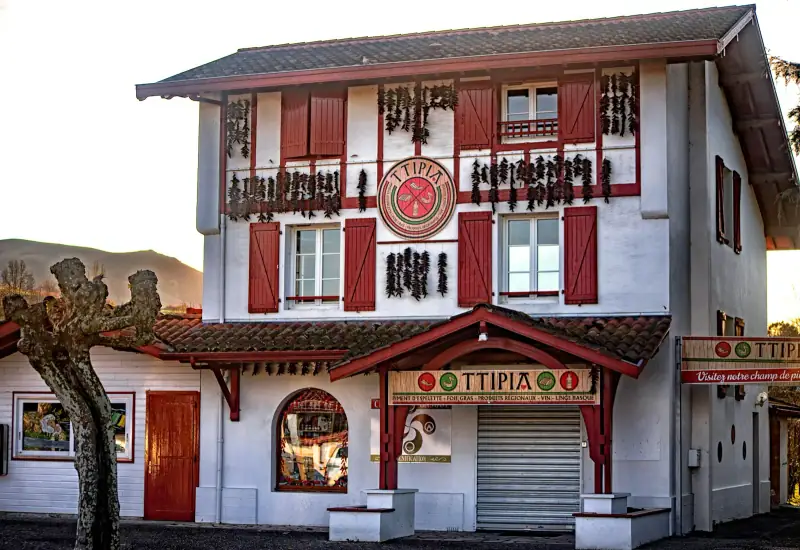
Visiting Espelette: what to see and do in the chili pepper village
What to see in Espelette: pepper-decked facades, castle, church and tombstones, shops, walks in Labourd and when to go.
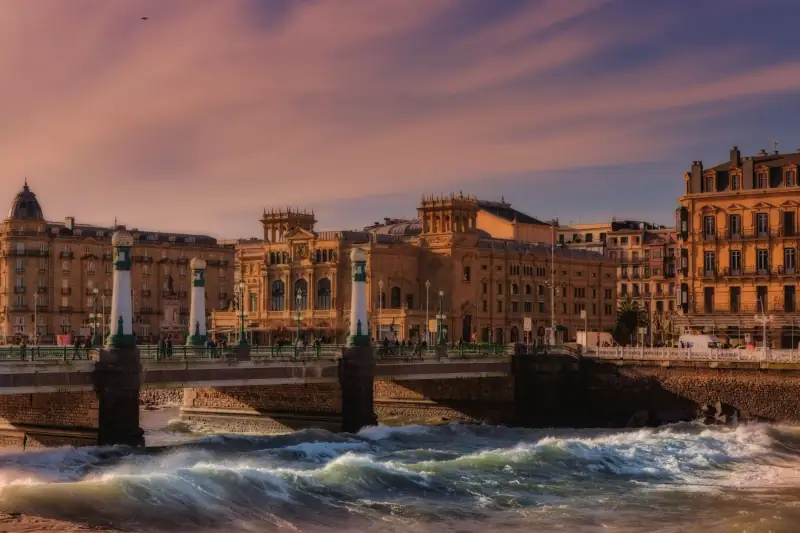
The Spanish Basque Country: what to see beyond San Sebastián (Bilbao, Guernica, Vitoria…)
The Spanish Basque Country beyond San Sebastián: Bilbao and the Guggenheim, Guernica, Getaria, Hondarribia, Gaztelugatxe and Vitoria-Gasteiz.

What to see in Soule: Mauléon, Tardets, Larrau and wild gorges
What to see in Soule, the smallest French Basque province: Mauléon-Licharre, Tardets, Larrau, Sainte-Engrâce, Holzarté and pastorales.
Ready-made
Basque Country itineraries

1 day
San Sebastián in 1 day from the Basque coast: itinerary and tips
One day in San Sebastián from Biarritz, Saint-Jean-de-Luz or Hendaye: how to get there, what to see and where to taste pintxos.
5 days
The Basque Country in 5 days with kids: stops and pace
The Basque Country with kids in 5 days: drive times, beaches, La Rhune cog train, Sare caves and a rainy-day plan B, at a child's pace.
3 days
3 days in the Basque Country: coast and inland itinerary
A 3-day Basque Country itinerary: Biarritz, Bayonne, Saint-Jean-de-Luz, Espelette and La Rhune, with distances, tips and good addresses.