Things to do
Surfing in Biarritz and on the Basque coast: spots, schools and tips
We may earn a commission when you book through links on this page, at no extra cost to you. We don't visit or try the places we cover: we summarize published sources. How we work
In short
- Biarritz and Anglet are the best bases for beginners: beaches reachable on foot or by bike, many schools and manageable waves.
- The Côte des Basques has long, easy waves but depends strongly on the tide; Bidart and Guéthary are rather for experienced surfers.
- Choose a school with qualified instructors, small groups and gear suited to the season; summer is the best time to start, winter swells are for experienced surfers.
- Swim in supervised areas, respect the flags and the right-of-way rule, and beware of rip currents (baïnes) on sandy beaches.
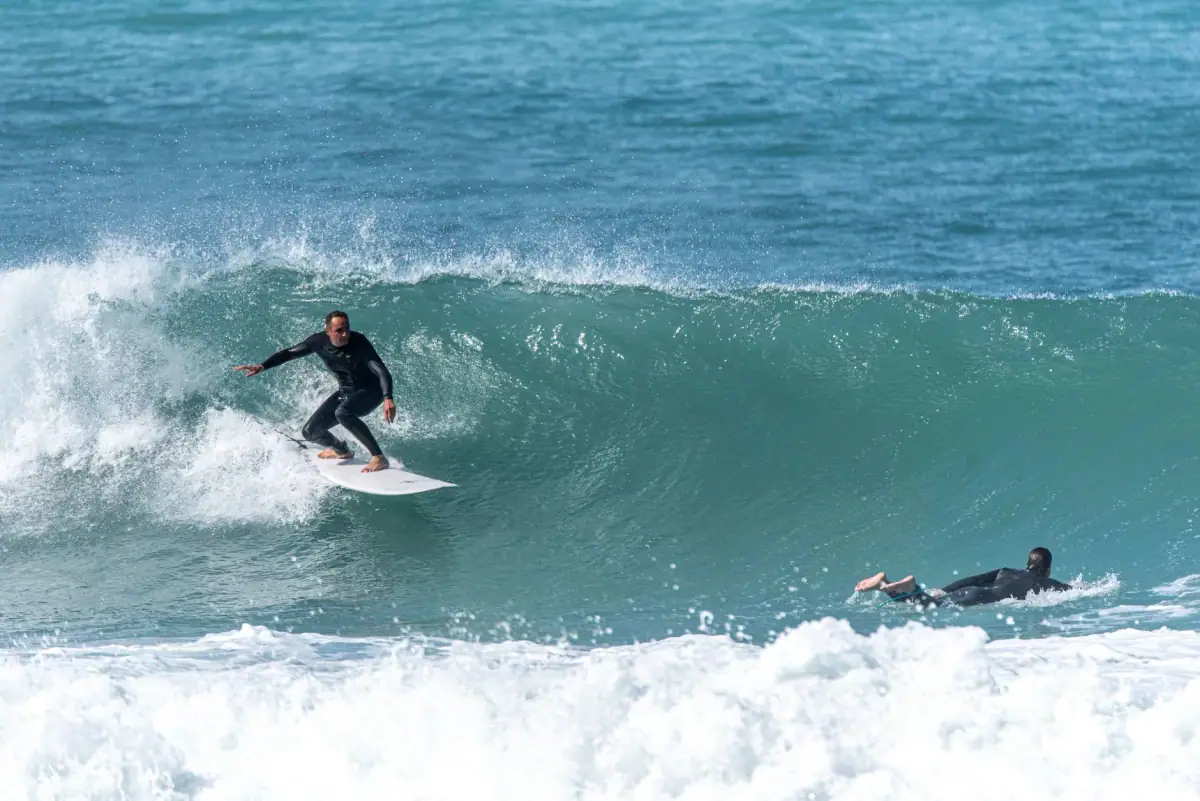
If the Basque Country has an image as a surf destination, it is no accident. Biarritz is often presented as the cradle of surfing in Europe: it was here, in the 1950s, that the first boards were put on the water, during a film shoot. Since then the coast has become a surfing territory in its own right, with its legendary spots, schools, shops and a culture shared between locals and visitors.
Good news: you do not need to be a champion to enjoy it. The Basque coast offers beaches suited to first steps, more demanding waves to progress and a wide variety of conditions. This guide helps you choose your spot, your timing, your school and your gear, without bad surprises.
Why the Basque coast is an ideal playground
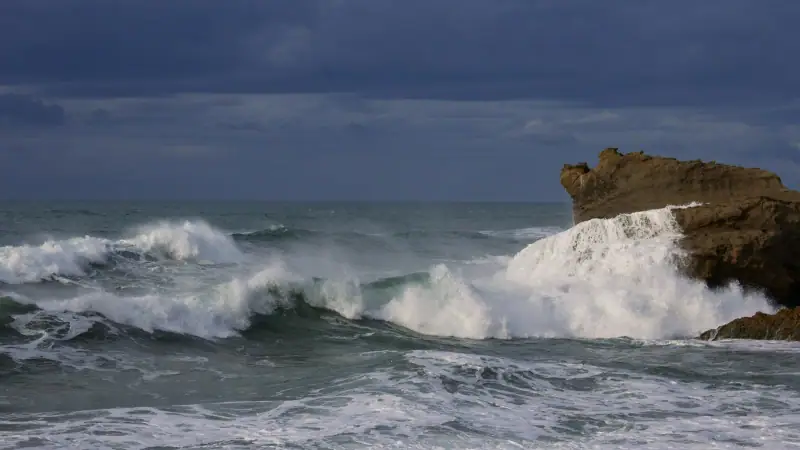
The Basque coast’s exposure to the Atlantic lets it receive swells from the open sea for much of the year. Depending on the orientation of each beach, the seabed (sand, rocks, cliffs) and the tide, waves change completely from one place to another. A few kilometers apart, you can find a gentle wave for beginners and another reserved for seasoned surfers.
Another asset: distances are short. Biarritz, Anglet, Bidart and Guéthary follow one another along the coast, and the trip between two spots takes only a few minutes. If conditions do not suit you in one place, it is easy to go and look farther on, or farther south, where the orientation of the coast changes things.
Keep in mind. The quality of a session depends on three parameters: the swell (size and period), the wind (ideally light or offshore) and the tide. Specialized surf forecast sites and school bulletins let you check them before leaving.
Biarritz spots: from the Grande Plage to the Côte des Basques
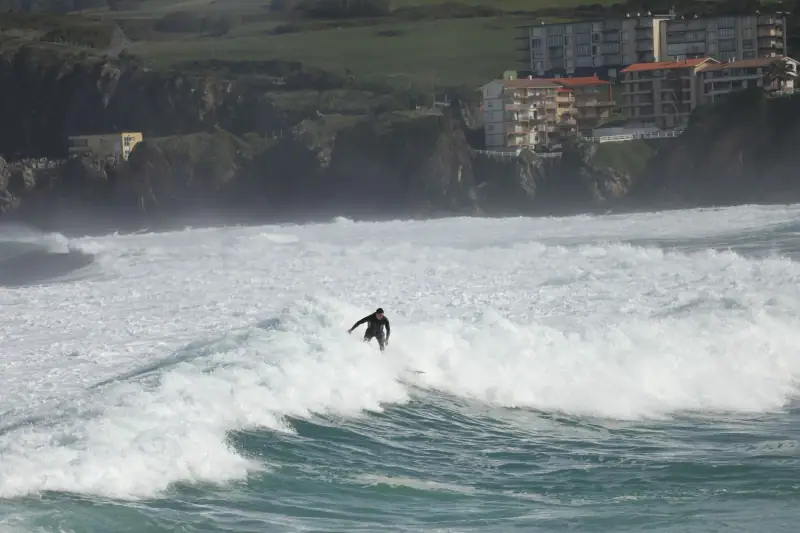
Biarritz concentrates several beaches reachable on foot from the center, which is a rare luxury for a surf site.
The Côte des Basques
This is the most iconic beach of the town, at the foot of the cliffs, south of the Grande Plage. It is known for its long, regular waves, which suit longboards as well as beginners when the swell is moderate. Its particularity is its relationship with the tide: at high tide, the sand area shrinks sharply, and access to the waves can become difficult. It is better to check tide times before going, and to leave your belongings high up.
The beach is very busy in summer. There are many schools there, which can make the water crowded: respect the zones and right-of-way to avoid collisions.
The Grande Plage
In the heart of the town, facing the casino and the Hôtel du Palais, the Grande Plage is above all a swimming beach. Surfing is regulated there: areas are dedicated to swimmers, and surfers must respect the perimeters marked by flags and lifeguards. Late in the day or off season, it offers fine atmospheres.
Port-Vieux beach and Miramar beach
Small sheltered coves, they are better suited to swimming and families than to surfing. People come mostly to cool off, watch the waves from the shore or enjoy the setting of the rocky coast.
Marbella and Milady
Farther south, these beaches at the foot of the cliffs offer a slightly less urban atmosphere. Conditions there change with the swell and the wind, and supervision is not always provided outside the summer season. Ask locally before getting in the water.
Stay near the Biarritz beaches
Staying within walking distance of the spots saves you the car and parking: compare Biarritz hotels for your dates.
Anglet: the beaches north of Biarritz
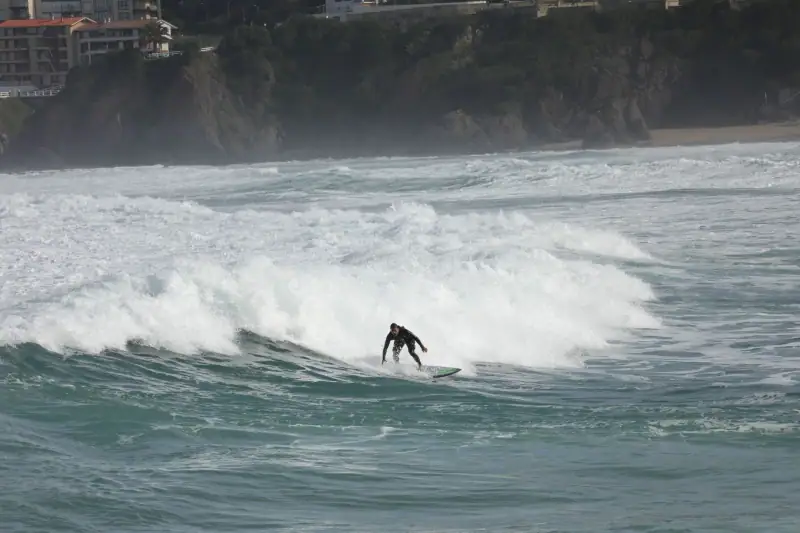
A few kilometers north of Biarritz, Anglet lines up several kilometers of sandy beaches bordered by breakwaters and groynes. It is another major hub of Basque surfing, appreciated for the variety of its waves and for conditions often more accessible than over rocky bottoms.
You find in particular the Chambre d’Amour beach, at the foot of the cliff, the Cavaliers beach, the Sables d’Or beach and the Barre beach, near the mouth of the Adour. Each has its own personality: some are more protected by the groynes, others more exposed to the swell.
The great advantage of Anglet is space. Even in season, it is easier to find a spot in the water and on the sand than at the Côte des Basques. There are many surf schools there, and the bike path along the coast lets you link the beaches by bike.
Beware of baïnes. On sandy beaches, the meeting of waves and sandbanks sometimes creates outgoing currents called baïnes. They can be recognized by darker water with no breaking waves. If you are carried away, do not fight the current: swim parallel to the beach, then head back to shore.
Bidart, Guéthary and the south: for experienced surfers
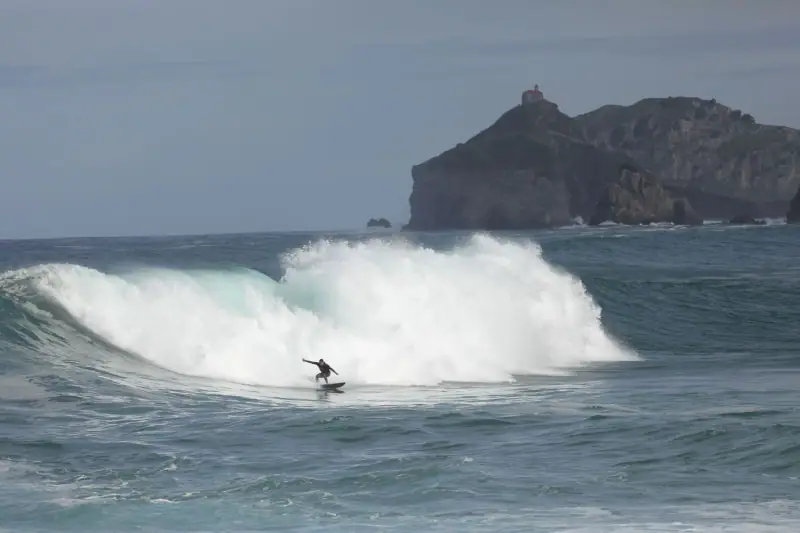
Heading south, the coast changes face. Bidart and Guéthary offer more demanding waves, often tied to rocky bottoms and more marked relief. Guéthary is famous in the surfing world for its big-swell waves, which attract experienced surfers when conditions allow.
For a beginner, these spots are not the most suitable: rocky bottoms, the power of some waves and the density of local surfers call for experience. But they are superb to watch from the coast, and the village of Guéthary is worth the walk on its own.
Farther south still, Saint-Jean-de-Luz and Hendaye offer sheltered beaches better suited to family swimming and introductory lessons. To plan a stay that combines these stops, you can draw inspiration from our 3-day itinerary in the Basque Country, which links Biarritz, Saint-Jean-de-Luz and the inland area.
Choosing a surf school
There are many surf schools between Biarritz and Anglet, and the quality of supervision is the first selection criterion.
Points to check:
- Qualifications. Teaching surfing for pay is reserved for instructors holding a recognized diploma. Do not hesitate to ask about the team’s qualifications.
- Group size. The smaller the group, the more time you get with the instructor. A small group is a big plus for a first lesson.
- Gear provided. A board suited to your level (often a foam board for beginners) and a wetsuit in the right size should be included.
- Safety. A good school starts with a warm-up, instructions about currents and a presentation of right-of-way rules.
- Cancellation terms. Surfing depends on weather and swell: ask about rescheduling options.
Which option to choose? For a first contact, a group lesson or a two-hour introduction lets you understand the basics. To progress, a multi-day course is more effective, as it lets you consolidate the movements. Private lessons are useful for correcting specific faults or working on reading waves.
Surf lessons and activities
Introductory lessons, courses and other activities around Biarritz: compare the offers available for your dates.
Gear: what to rent, what to buy, what to bring
The board
To start, the foam board is the best choice: wide, thick, stable and more forgiving when you fall. Longboards are also appreciated for their buoyancy. Shorter, thinner boards come later, when you master the take-off and reading waves.
The wetsuit
Water temperature varies markedly through the year: the Atlantic stays cool, around 12 °C (54 °F) in winter and milder in summer, when it can reach about 20 °C (68 °F). A full wetsuit is the base from fall to spring. In winter, booties, gloves and a hood are recommended. In summer, a lighter model may be enough.
Accessories
- The leash, which links the board to your ankle, is essential.
- Sunscreen suited to the marine environment: the reflection off the water amplifies sunburn.
- Wax or a non-slip pad, which ensures grip on the board.
- A towel, a poncho or a change of clothes to dry quickly between two sessions.
Renting generally costs less than buying for a short stay, and local shops will advise you according to the day’s conditions. Only equip yourself once you are sure you like surfing.
When to surf: seasons, tides and weather
Summer. The best period to start: the water is more pleasant, the weather kinder and the waves often smaller. The trade-off: crowds, on the beaches as in the water, and higher accommodation rates.
Fall. Many surfers appreciate this season, with regular swells, still mild water and fewer people than in midsummer. Days are shorter, and the weather more changeable.
Winter. The coast then receives fine swells, sometimes powerful. It is a season reserved for experienced surfers, with a thick wetsuit and good knowledge of the spots.
Spring. A transition period: the water stays cool, but days lengthen and crowds remain reasonable.
The tide. Some spots, like the Côte des Basques, change radically with the tide. Others work better on the rising or falling tide. Check tide times and swell forecasts before each session, or ask your school for advice.
Safety and etiquette in the water
Surfing is an accessible activity, but the ocean demands respect. A few basic rules:
- Swim in supervised areas and respect the flags. A red flag signals danger, an orange flag hazardous but supervised swimming.
- Respect the swimming and surfing zones, separated by checkered flags on many beaches.
- Respect right-of-way. The surfer closest to the breaking point has priority on the wave. Never “cut off” someone already riding.
- Keep control of your board. It can hurt someone if you fall or mishandle a wave.
- Avoid surfing alone if you are a beginner, and never underestimate fatigue.
- Respect the locals. The mood is generally friendly, but some spots are very busy: a smile and courtesy help share the water.
After surfing: eating and recovering
A surf session works up an appetite. The region offers plenty to recover: crêperies, fish restaurants, pintxos, or regional products to take away. Fans of spicy flavors can complete their stay with a stop in Espelette, whose specialties we explain in our guide to Espelette pepper AOP.
Remember also to protect your skin and to rest: the first days of surfing strongly work the shoulders, back and thighs.
A surf stay in Anglet
Calmer and more spread out than Biarritz, Anglet is a base appreciated by surfers: compare accommodation.
Getting organized: moving around with a board
Between Biarritz, Anglet and the neighboring beaches, trips are short. The main beaches of Biarritz are reached on foot from the center. To carry a personal board, a car or a bike is more practical than buses, whose rules vary by company.
Parking near the beaches is limited in summer: arrive early, or park a little farther and walk. If you plan to chain several spots, visit the inland area or make trips back and forth to Saint-Jean-de-Luz, compare car rental offers before your arrival.
Key takeaways
- Biarritz and Anglet are the best bases for beginners: accessible beaches, many schools and suitable waves.
- The Côte des Basques is ideal for long easy waves, but depends strongly on the tide.
- Bidart and Guéthary are rather reserved for experienced surfers.
- Choose a school with qualified instructors, small groups and suitable gear.
- Equip yourself for the season, watch the swell and tides, and respect the flags and right-of-way in the water.
Frequently asked questions
Can you learn to surf in Biarritz if you have never tried?
Yes. Biarritz and its surroundings have many schools that welcome beginners from primary-school age, with wetsuit and board provided. Lessons take place on suitable beaches with gentle waves and are supervised by qualified instructors. A few sessions are generally enough to stand up on small waves.
What is the best time to surf on the Basque coast?
Fall is known for its regular swells and still pleasant water, but summer remains the best season to start: smaller waves, warmer water and kinder weather. Winter offers fine swells, rather reserved for experienced and well-equipped surfers.
What wetsuit do you need?
The Atlantic Ocean stays cool for a large part of the year. A full wetsuit is advised from fall to spring, possibly with booties, gloves and a hood in winter. In midsummer, a lighter model may be enough. Schools and rental shops provide gear suited to the season.
Is the Côte des Basques suitable for beginners?
This beach at the foot of the cliffs is famous for its long, easy-to-catch waves, which makes it a spot appreciated by beginners and longboarders. It is, however, very busy, and its surface varies strongly with the tide: check the times before going down.
Is surfing dangerous?
Surfing is a safe activity when you follow a few rules: supervised swimming, flags, currents, tides and right-of-way in the water. The main risks come from rip currents (baïnes), rocks and collisions with boards. For a first time, a lesson with a qualified instructor remains the safest option.
Do you need to be a very good swimmer to surf?
You need to be comfortable in the water and able to swim without difficulty, as you fall very often. Schools generally ask for a certificate or a water-skills test for minors. The leash links the board to your ankle, but it never replaces good physical condition.
Can you surf without a car in Biarritz?
Yes, partly. The main beaches of Biarritz are reachable on foot from the center, and Anglet is linked to Biarritz by public transport. For more distant spots or to carry a board, a car or a bike makes getting around much easier.
More Basque Country guides
Keep reading
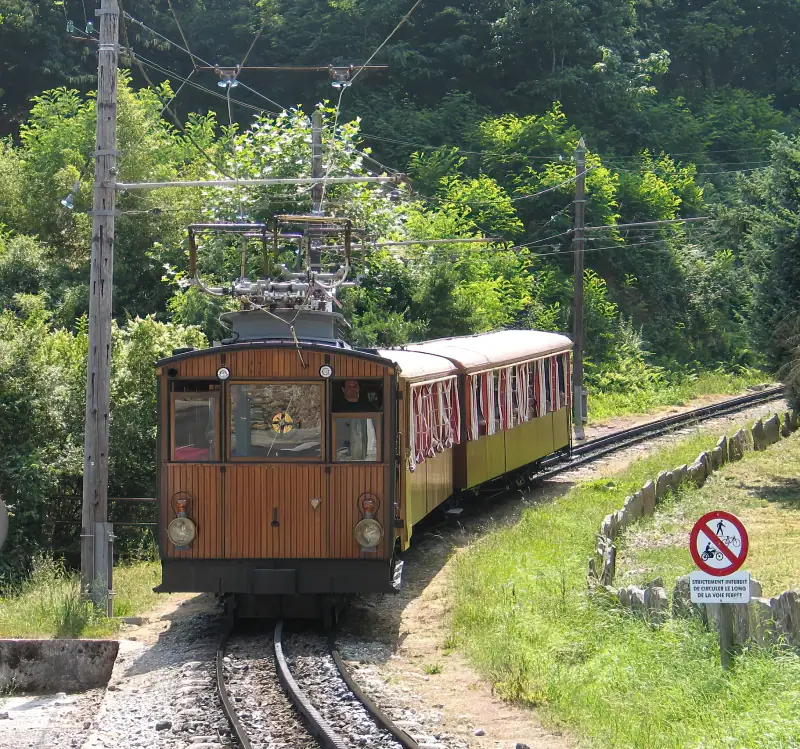
La Rhune cog train: book ahead or on the day? Prices, hours, weather
La Rhune cog train: do you need to book? 2026 fares, hours by season, parking, strollers, dogs and weather for the ride up from Sare.
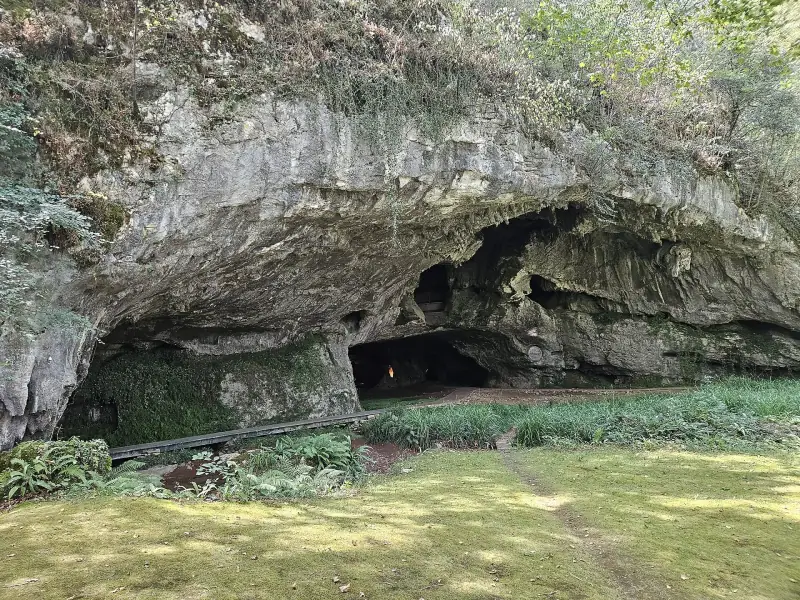
Sare caves: book ahead or on site? Prices, hours, kids
Sare caves: booking required, 2026 fares (€10, about $12), hours by season, kids, strollers, photos and a rainy-day plan.
Basque Country budget: what a trip costs (3 priced profiles)
How much does a Basque Country trip cost? Real costs by item, three priced budgets (frugal, comfort, premium) and tips to spend less.
Ready-made
Basque Country itineraries

1 day
San Sebastián in 1 day from the Basque coast: itinerary and tips
One day in San Sebastián from Biarritz, Saint-Jean-de-Luz or Hendaye: how to get there, what to see and where to taste pintxos.
5 days
The Basque Country in 5 days with kids: stops and pace
The Basque Country with kids in 5 days: drive times, beaches, La Rhune cog train, Sare caves and a rainy-day plan B, at a child's pace.
3 days
3 days in the Basque Country: coast and inland itinerary
A 3-day Basque Country itinerary: Biarritz, Bayonne, Saint-Jean-de-Luz, Espelette and La Rhune, with distances, tips and good addresses.