Where to stay
Where to stay in Kitzbühel: neighborhoods and types of accommodation
We may earn a commission when you book through links on this page, at no extra cost to you. We don't visit or try the places we cover: we summarize published sources. How we work
In short
- For a first stay, the old town (Vorderstadt and Hinterstadt) is the most pleasant base; skiers who want to leave skis on should pick lodging near a lift.
- Kitzbühel has a luxury image and rates rise in high season; guesthouses, apartments and neighboring villages such as Kirchberg or Reith lower the bill.
- You can stay without a car: the town has a station, the center is walkable, and buses serve the lifts, the Schwarzsee and nearby villages.
- Book very early for ski season, winter holiday periods and Hahnenkamm race week in January; some hotels and lifts close between seasons.
Kitzbühel is a small town, but choosing where to stay there is not trivial. Depending on the address, you will wake up on a pedestrian street with colorful facades, at the foot of a lift, beside a moorland lake or in a quieter, more affordable neighboring village. The resort has a luxury image, and partly deserves it, but the offer is actually very varied: boutique hotels, family guesthouses, apartments, chalets, farm stays.
This guide compares the main areas of Kitzbühel and its immediate surroundings, presents the types of lodging and gives the habits to adopt before booking. It complements our visiting guide Kitzbühel: what to see and do in the heart of Tyrol and the overview of where to stay in Austria. Because rates vary enormously with the season, we do not quote prices: compare your exact dates before deciding.
Understanding Kitzbühel’s geography before you book
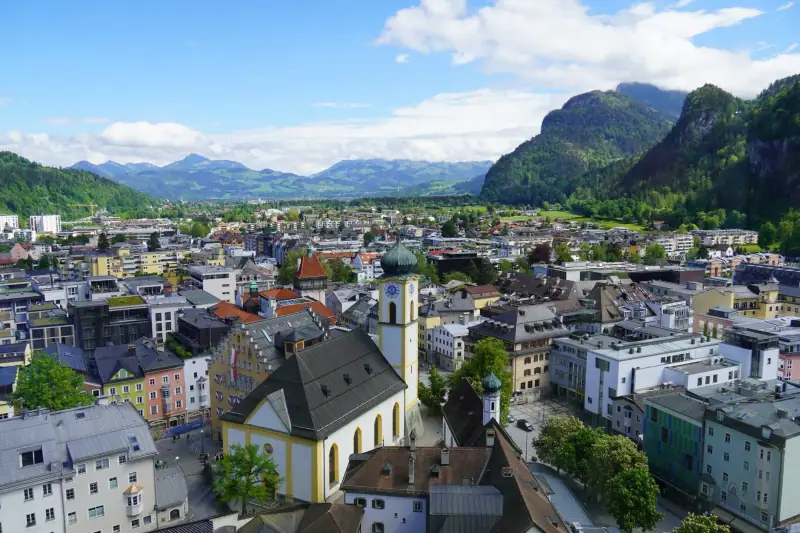
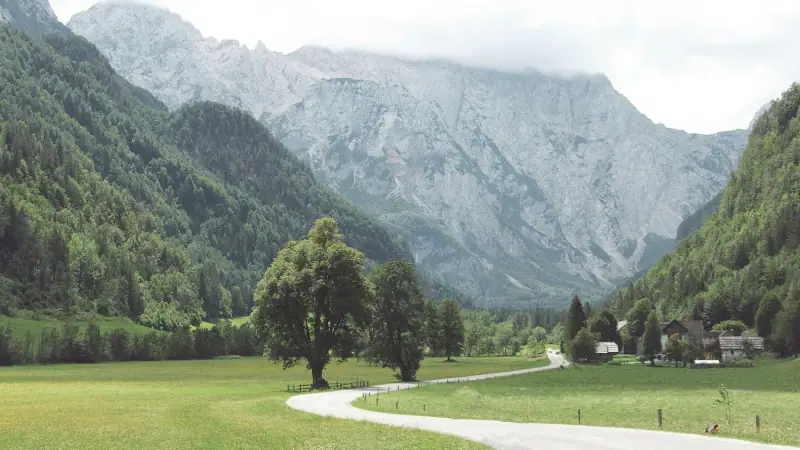
Kitzbühel sits in an open valley, in the Kitzbühel Alps, a range of rounded, grassy relief. The old town occupies the center, with two parallel main streets, Vorderstadt and Hinterstadt. Two mountains frame the town: the Hahnenkamm to the southwest, famous for the Streif, and the Kitzbüheler Horn to the east. Farther north, the limestone Wilder Kaiser range draws the horizon.
The town is compact: the center is covered on foot in a few minutes, and the station is a short distance from the old town. The lifts start from different points, which matters a lot for skiers and hikers: you do not choose the same address depending on whether you aim for the Hahnenkamm, the Kitzbüheler Horn or the area linked to the neighboring village of Kirchberg.
The general rule is simple: the farther you get from the center, the roomier, quieter and more affordable the rooms, but the more you depend on the bus or car, notably in the evening. In Kitzbühel, the price difference between the center and the outskirts can be noticeable, especially in high season.
The old town: Vorderstadt and Hinterstadt
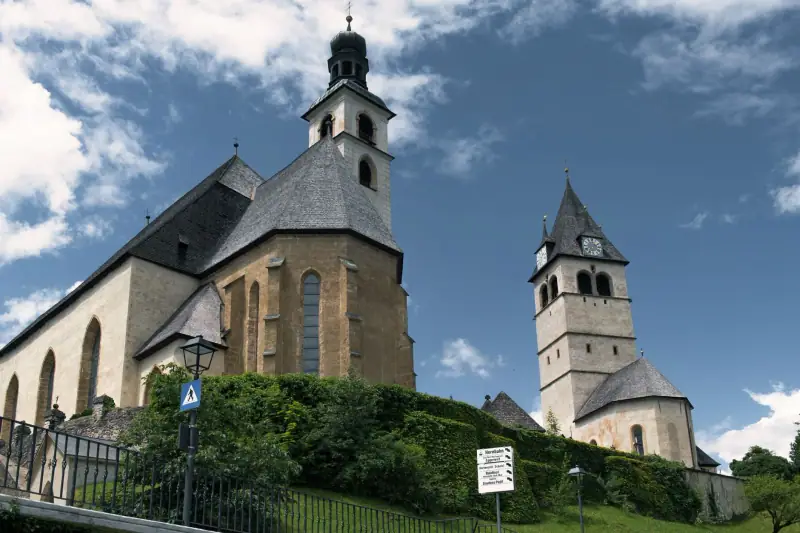
Staying in the historic center puts cafés, pastry shops, traditional costume boutiques and restaurants at your fingertips. The two main streets are largely pedestrian, which makes winter evenings very pleasant, with lit shop windows and heated terraces. Many hotels occupy former gabled houses, with wood paneling, old staircases and rooms of sometimes unusual proportions.
The drawbacks are those of all tourist centers: smaller rooms, higher prices, sometimes noise on party nights, and car access limited by the pedestrian zone. You generally have to park in a public garage or in the hotel’s garage when it has one; ask before booking. Church bells may also be heard depending on the room’s orientation.
Choose it if: you stay two to four nights, want to do everything on foot and enjoy the town’s atmosphere in the evening.
Near the lifts: to ski or hike from the morning
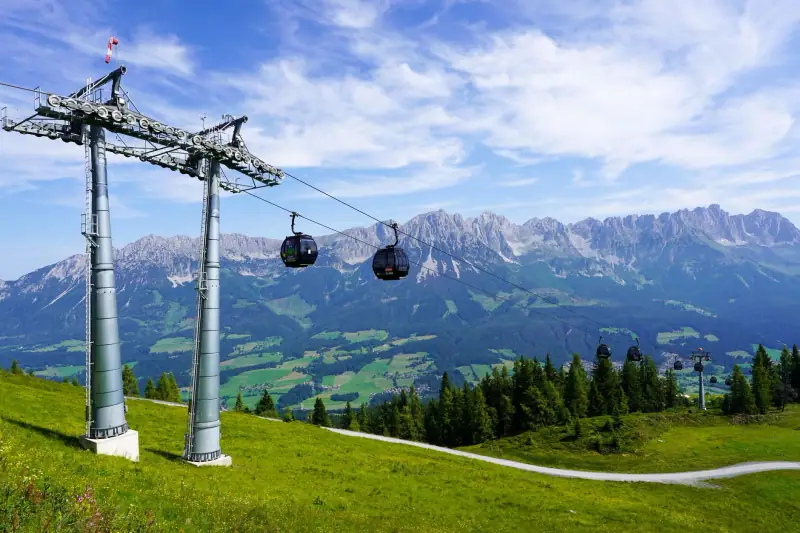
If you come mainly for the mountains, location relative to the lifts is the deciding criterion. The Hahnenkamm is reached by a lift on the edge of town, and hotels in this area let you leave early, without bus or car, to enjoy the first well-groomed slopes. It is also the liveliest area during Streif race week.
The Kitzbüheler Horn has its own lift, on the east side. Lodging on that side of town is a little quieter and suits families well, notably in summer, with the summit’s alpine garden and easy trails. Check the lifts’ opening dates before fixing an off-season stay: they generally close for a few weeks between winter and summer for maintenance.
A good habit is to look at the real distance between the lodging and the lift on a map, rather than trusting the mention “close to the slopes” alone: a few hundred meters carrying ski boots gets long quickly.
Choose it if: skiing or hiking takes up most of your days and you want to limit travel.
Aurach and the residential areas to the south
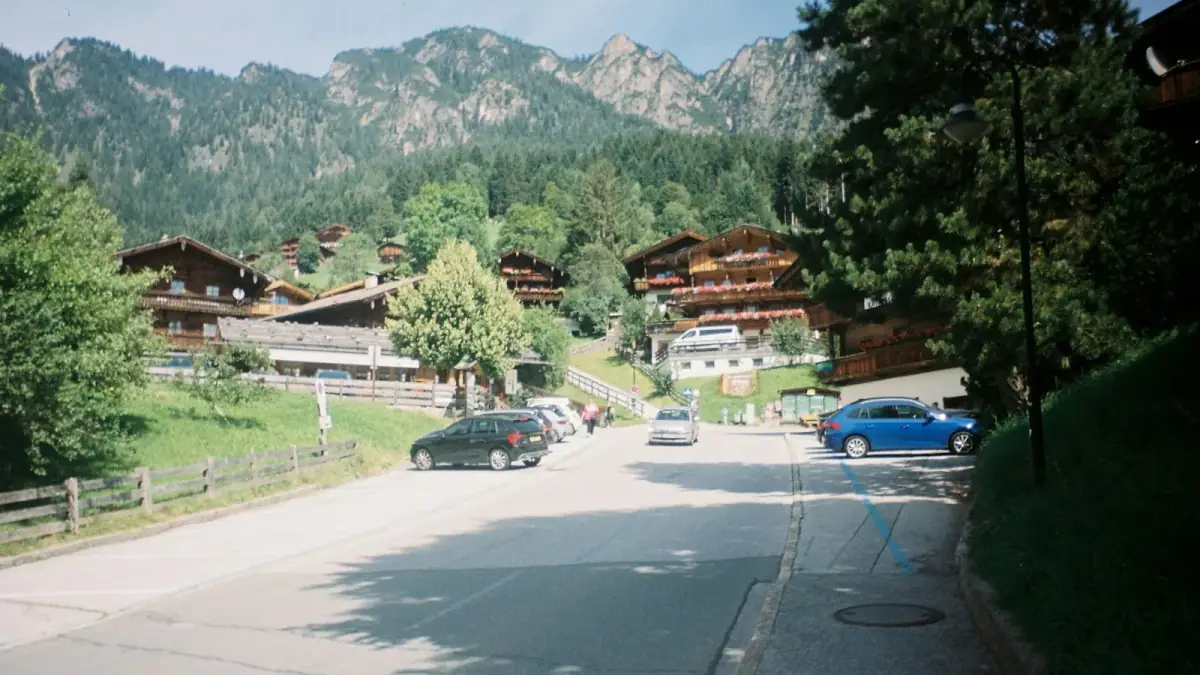
South of the town, Aurach is an airier residential area, between meadows and Tyrolean houses, with Gasthöfe, guesthouses and many apartments. It enjoys reasonable proximity to the Hahnenkamm while keeping the calm of a residential neighborhood. The center is reached on foot or in a few minutes by bus depending on the address.
You often get a better ratio of space to price than in the old town, with easy parking and sometimes a balcony facing the mountains. It is a popular choice for families and week-long stays, where an equipped kitchen helps control the budget.
Choose it if: you travel with family or by car, look for quiet and a roomier place without going too far from the center.
The Schwarzsee: lake and nature atmosphere
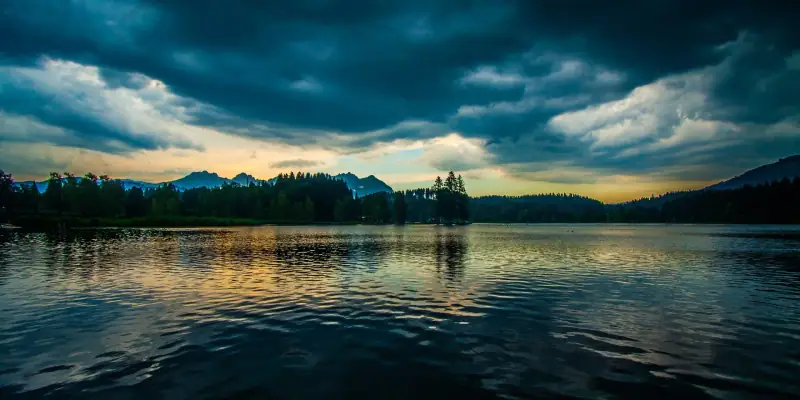
Northwest of the town, the Schwarzsee is a small mountain lake surrounded by forests and meadows, already presented in our visiting guide. Several hotels and guesthouses are there, with a more bucolic atmosphere: morning walks by the water, swimming in summer, absolute calm in the evening.
The flip side is the distance to the center. Buses link the lake to the town, but evening schedules are more limited, and without a car you need to plan your return. In winter, the area is quieter and farther from the lifts, making it more a summer or relaxation address than a ski base.
Choose it if: you come mainly in summer, like swimming and gentle hiking, and prefer silence to city life.
Accommodation in Kitzbühel: old town, near the lifts, Aurach, Schwarzsee... compare the hotels, guesthouses and apartments available for your dates, with free cancellation on some offers.
See accommodation in Kitzbühel Compare on Booking.com · Vacation rentals on Vrbo
Kirchberg, Reith and Jochberg: the neighboring villages
Several villages in the area serve as alternative bases, a few kilometers from Kitzbühel. Kirchberg in Tirol, to the southwest, is linked to the same ski area and offers many guesthouses, apartments and hotels, generally at lower rates than in central Kitzbühel. The atmosphere is more village-like, with fewer luxury boutiques but a real local life.
Reith bei Kitzbühel, to the north, is a peaceful village, popular for its more moderate prices and its proximity to hiking and cross-country skiing routes. Jochberg, farther south, opens the door to other mountain areas and suits those who like the quiet of a valley village.
In all these villages, find out about the link with Kitzbühel: frequent buses during the day, sparser schedules in the evening. With a car, the trip is short; without one, check the stop nearest to your lodging.
Choose it if: you want to cut the budget, stay a week or more, and accept a short trip to go out in town.
Types of accommodation in Kitzbühel
Luxury and boutique hotels
Kitzbühel concentrates upscale hotels, often with wellness areas, fine-dining restaurants and full services. They suit romantic stays, birthdays and travelers who want to treat themselves. Boutique hotels, smaller and often run by families for several generations, offer a more intimate Tyrolean atmosphere.
Mid-range hotels
In the center and its surroundings, medium-comfort hotels offer a buffet breakfast, sometimes half board and parking. It is the simplest formula for two to four nights without breaking the bank. Half board, very common in the Alps, can be worthwhile if the hotel restaurant is well regarded, but it limits the freedom to discover other tables.
Gasthöfe, guesthouses and private rooms
Typical of Tyrol, these family-run places offer a warm welcome, a generous breakfast and often more moderate rates. Check the elevator, arrival hours and payment methods: some small places prefer cash. They are especially worthwhile in Aurach, Reith or Kirchberg.
Apartments and chalets
Practical for families and groups of friends, they offer a kitchen, more space and the chance to prepare your own meals, which noticeably eases a budget in an expensive resort. Check key handover, end-of-stay cleaning, the residence rules, and the tourist tax, which is sometimes added to the displayed price. Upscale chalets also exist, priced accordingly.
Farm stays
Farms on the heights and in neighboring valleys offer rooms or apartments in an alpine-pasture setting, sometimes with animals that children love. They are more useful with a car, and their opening dates vary with the season.
Hostels and budget lodging
The supply of hostels or dorms is limited in Kitzbühel compared to big cities. Small budgets will turn to simple guesthouses, private rooms or neighboring villages. To split your spending among nights, meals and lifts, see our guide to the budget in Austria.
Choosing by profile
- Couple, romantic stay: a boutique hotel in the old town, or a hotel with a wellness area set slightly back.
- Family with children: an apartment in Aurach or near the Kitzbüheler Horn, with parking and a kitchen.
- Experienced skier: a hotel near the Hahnenkamm lift, or a guesthouse in Kirchberg for the linked ski area.
- Summer hiker: the Kitzbüheler Horn lift area, or Reith and Jochberg for quiet.
- Small budget: a guesthouse or apartment in a neighboring village, in low season.
- Train traveler: the old town or a hotel near the station, with buses to reach the lifts.
- Quiet and swimming fan: the Schwarzsee area in summer.
Activities around Kitzbühel: guided hikes, mountain visits, excursions in Tyrol: compare the offers once your lodging is chosen.
Getting around from your lodging
Kitzbühel’s center is covered on foot. For the rest, a bus network serves the lifts, the Schwarzsee and several neighboring villages, with higher frequencies in season. Ask the tourist office or your host about tickets and about guest cards or lift passes that sometimes include certain rides; always check the make-up of the current offer before buying.
To explore the neighboring valleys in complete freedom, a car is a real plus, especially outside ski season. You can compare rental companies. In winter, check the vehicle’s equipment with the rental company (suitable tires, chains according to regulations); without a car, trains and buses link Kitzbühel to the main Tyrolean routes.
If you arrive with a vehicle, ask your lodging about the availability of a parking space, any fee and winter access: in a resort, a snowy sloping road can turn arrival into an ordeal.
When to book and pitfalls to avoid
The busiest periods are the winter holiday periods, Hahnenkamm race week in January, and the peak summer season. For those dates, book several months ahead if possible. Conversely, between seasons (roughly April-May and October-November), some hotels, restaurants and lifts close: lodging may show an attractive price but be in a nearly deserted resort. To choose your dates, see the best time to go to Austria.
Before confirming a booking, build these habits:
- Check access to the lifts: real distance, shuttle, schedules.
- Look at the floor and the elevator, notably in old buildings and chalets.
- Read recent reviews about noise, especially in the old town on party nights.
- Compare equivalent prices: tourist tax, breakfast, half board, parking and cleaning can be added.
- Check opening dates if you travel off-season.
- Prefer free cancellation until your travel is confirmed.
Combining Kitzbühel with other stops
Kitzbühel fits easily between Innsbruck and Salzburg, which lets you change base in the middle of a circuit. For a bigger city stop, see where to stay in Innsbruck and our guide Innsbruck and Tyrol; heading east, our guide to Salzburg in 2 days helps organize what follows.
Finally, consider travel insurance, which can cover medical costs, cancellation and, if you ski, mountain rescue costs depending on the coverage.
Choosing your base
In Kitzbühel, the best lodging depends on how you travel. The old town is the pick for atmosphere and a short stay, the areas near the lifts for skiers and hikers eager to set off, Aurach for families and longer stays, the Schwarzsee for a quiet summer by the water, and neighboring villages like Kirchberg or Reith to ease the budget. Whatever you choose, stay at a reasonable distance from a bus stop or a lift, and book early for peak periods: that is what guarantees a smooth stay in a resort where the good places go fast.
Frequently asked questions
What is the best neighborhood to stay in Kitzbühel?
For a first stay, the old town (Vorderstadt and Hinterstadt) is the most pleasant: restaurants, shops and cafés are on foot, and the lifts are reachable on foot or by bus depending on the address. Skiers who want to set off on skis will rather choose lodging close to a lift.
Is Kitzbühel necessarily expensive for lodging?
The resort has an upscale reputation and rates climb in high season, notably during holiday periods and the Hahnenkamm race in January. You can cut the bill by staying in a guesthouse, an apartment or a neighboring village, and by traveling in low season.
Can you stay in Kitzbühel without a car?
Yes. The town has a train station, the center is walkable and buses serve the lifts, Lake Schwarzsee and neighboring villages. Just check the distance between your lodging and the nearest bus stop, especially in the evening.
Is it better to stay in Kitzbühel or Kirchberg?
Kitzbühel offers more life, shops and restaurants; Kirchberg, a neighboring village linked to the same ski area, is often quieter and more affordable. If skiing is the priority and nightlife secondary, Kirchberg is a serious alternative.
How many nights should you plan in Kitzbühel?
Two nights let you see the old town and go up to altitude. Three to five nights suit better for alternating hiking, the lake and excursions, and a week is the norm for a ski stay. Our visiting guide details the options.
When should you book accommodation in Kitzbühel?
Book very early for ski season, holiday periods and Hahnenkamm race week, which fill up quickly. For summer, several weeks ahead is generally enough. Prefer free cancellation until your transport is confirmed.
Do Kitzbühel lodgings offer a guest card?
In many Alpine regions, hosts give guests a guest card with discounts or local transport, but this varies by establishment and season. Ask your host what is included before booking.
More Austria guides
Keep reading
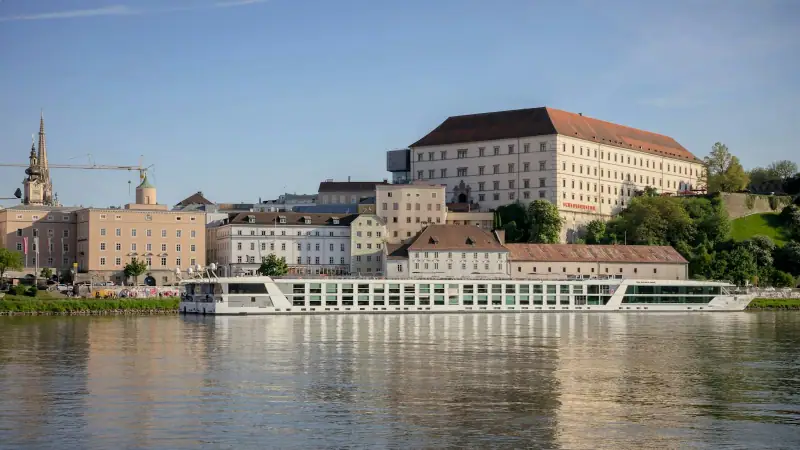
Where to stay in Linz: neighborhoods and types of accommodation
Where to stay in Linz? Old town, Hauptplatz, station district, Urfahr or the outskirts: neighborhoods and lodging types compared for the Danube.
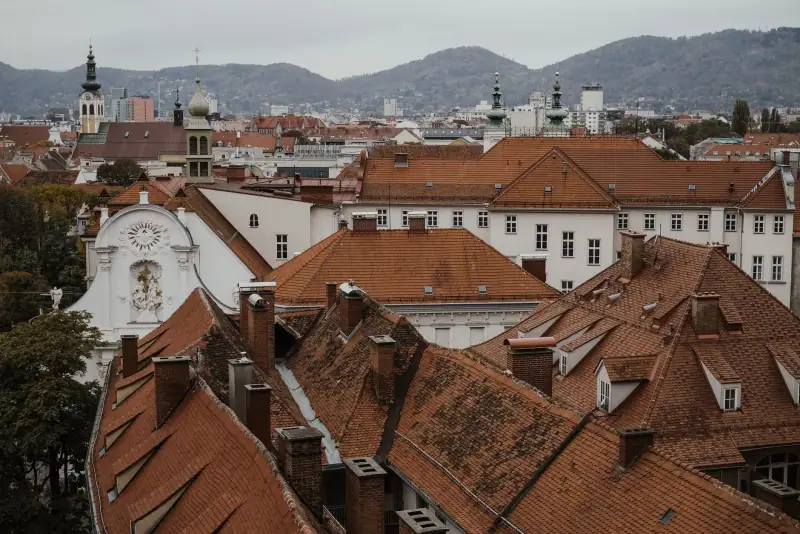
Where to stay in Graz: neighborhoods and types of accommodation
Where to stay in Graz? Old town, Lend, Geidorf, St. Leonhard, Jakomini or Eggenberg: neighborhoods and lodging types compared to pick your base in Styria.
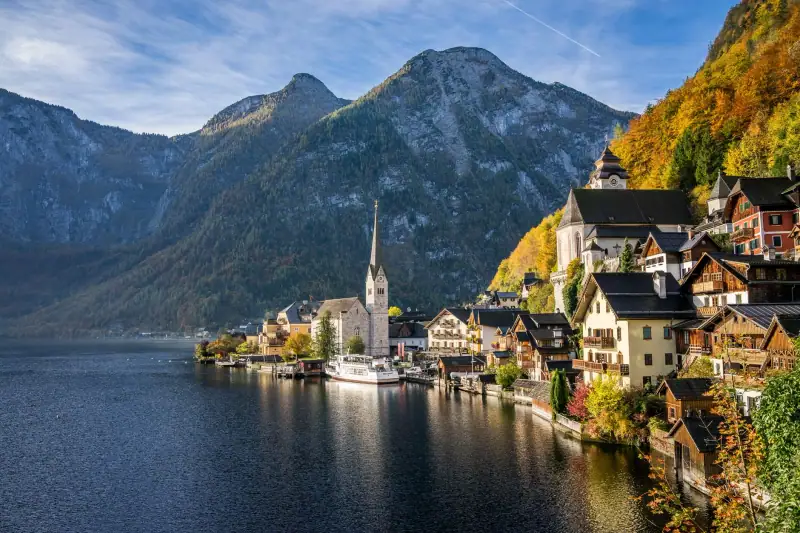
Where to stay in Hallstatt: neighborhoods and types of accommodation
Where to stay in Hallstatt? Village center, Lahn, the opposite shore, Obertraun or Bad Goisern: areas and lodging types compared to choose your base.
Ready-made
Austria itineraries
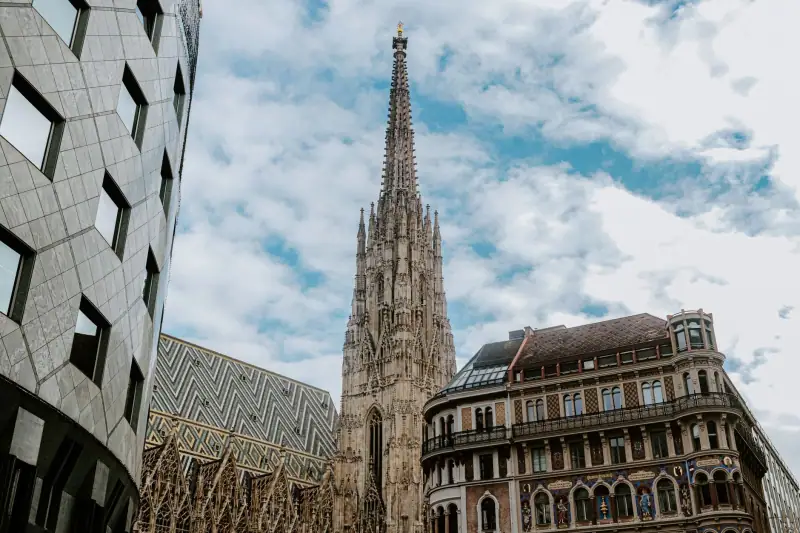
3 days
Vienna in 3 days: a day-by-day itinerary to see it all
What to see in Vienna in 3 days: the Ring, Hofburg, Schönbrunn, Belvedere, Prater and cafés, as a walking and tram itinerary with practical tips.
7 days
Austria in 7 days: Vienna, the Wachau, Salzburg, Hallstatt and Innsbruck
A one-week itinerary in Austria: Vienna, the Wachau, Salzburg, Hallstatt and Innsbruck, with train journeys, day-by-day stops and tips on where to stay.
2 days
Salzburg in 2 days: an itinerary through Mozart, the fortress and the gardens
What to see in Salzburg in 2 days: old town, Hohensalzburg Fortress, Mozart's birthplace, Mirabell Gardens and Hellbrunn, as a walking itinerary.