Where to stay
Where to stay in Graz: neighborhoods and types of accommodation
We may earn a commission when you book through links on this page, at no extra cost to you. We don't visit or try the places we cover: we summarize published sources. How we work
In short
- The old town (Innere Stadt) is the simplest base for one or two nights without a car: sights, cafés and the foot of the Schlossberg are all within walking distance.
- Lend, Jakomini and St. Leonhard are good compromises on price, a few minutes away on foot or by tram; the station area suits train travelers.
- Two nights cover the old town, the Schlossberg, the Kunsthaus and a castle; three add Eggenberg Palace, a market and a day trip.
- Book several weeks ahead for the Christmas markets, summer weekends and big events, and choose free cancellation until your transport is confirmed.
Graz is a human-scale city, but choosing where to stay still matters. Depending on the neighborhood, you will stay in a lane of the UNESCO-listed old town, steps from the contemporary architecture across the Mur, in a lively student district, or on a quiet residential avenue. Since the center is walkable, the real selection criteria are less about distance than about atmosphere, quiet, proximity to the station, parking and budget.
This guide reviews Graz’s main areas, the types of lodging available and the habits to adopt before booking. It extends the Styria section of our guide on where to stay in Austria and complements the city overview in Visiting Graz: what to see and do in the capital of Styria. Because rates vary strongly with the season, we do not quote prices: compare your exact dates before deciding.
Understanding Graz’s geography before you book
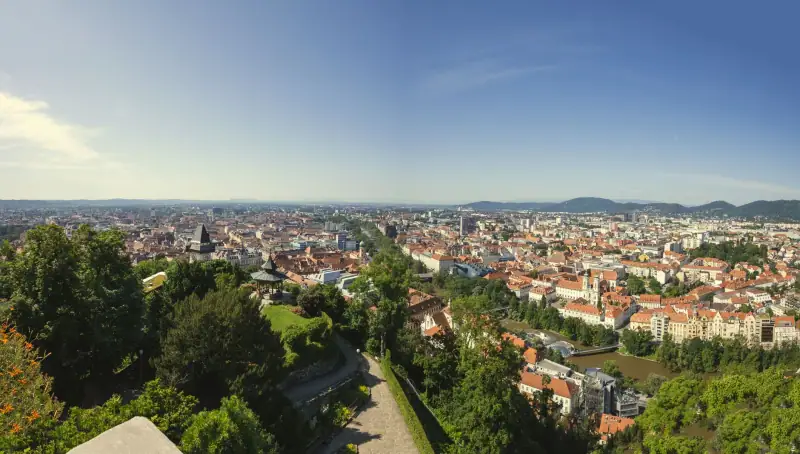
Graz spreads on both sides of the Mur, a river that runs through the city from north to south. On the left bank, the old town huddles at the foot of the Schlossberg, the hill that overlooks the center and carries the Clock Tower. Across the river, on the right bank, lie more working-class and more recent districts, including the one where the Kunsthaus stands, the bulbous museum nicknamed the “Friendly Alien”.
The central station is west of the historic center, and several tram lines link this area to the old town in a few minutes. Around the historic core, districts such as Geidorf, St. Leonhard, Jakomini, Lend and Gries form a residential ring reached on foot or by tram. Farther out, Eggenberg, to the west, is home to the palace of the same name.
To structure your stay, keep a simple rule: the farther you get from the old town, the roomier the rooms and the lower the prices, but the more you depend on the tram and your bike, especially in the evening.
The old town (Innere Stadt): the ideal location for a short stay
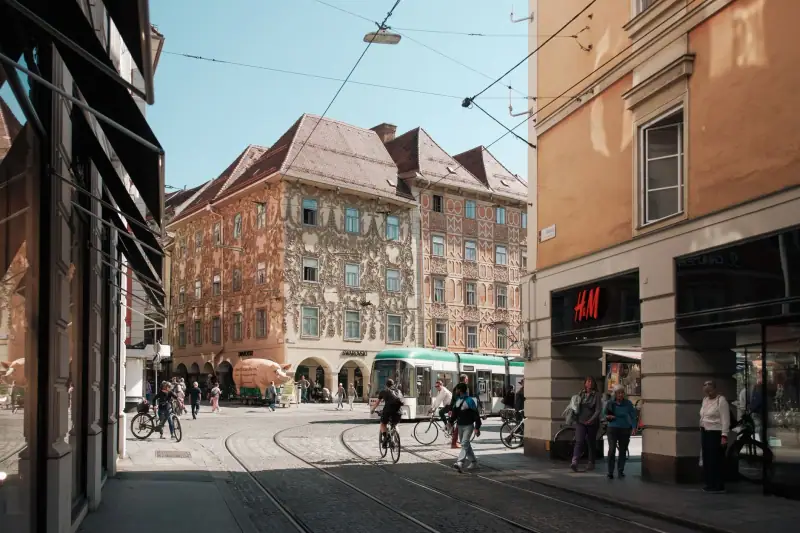
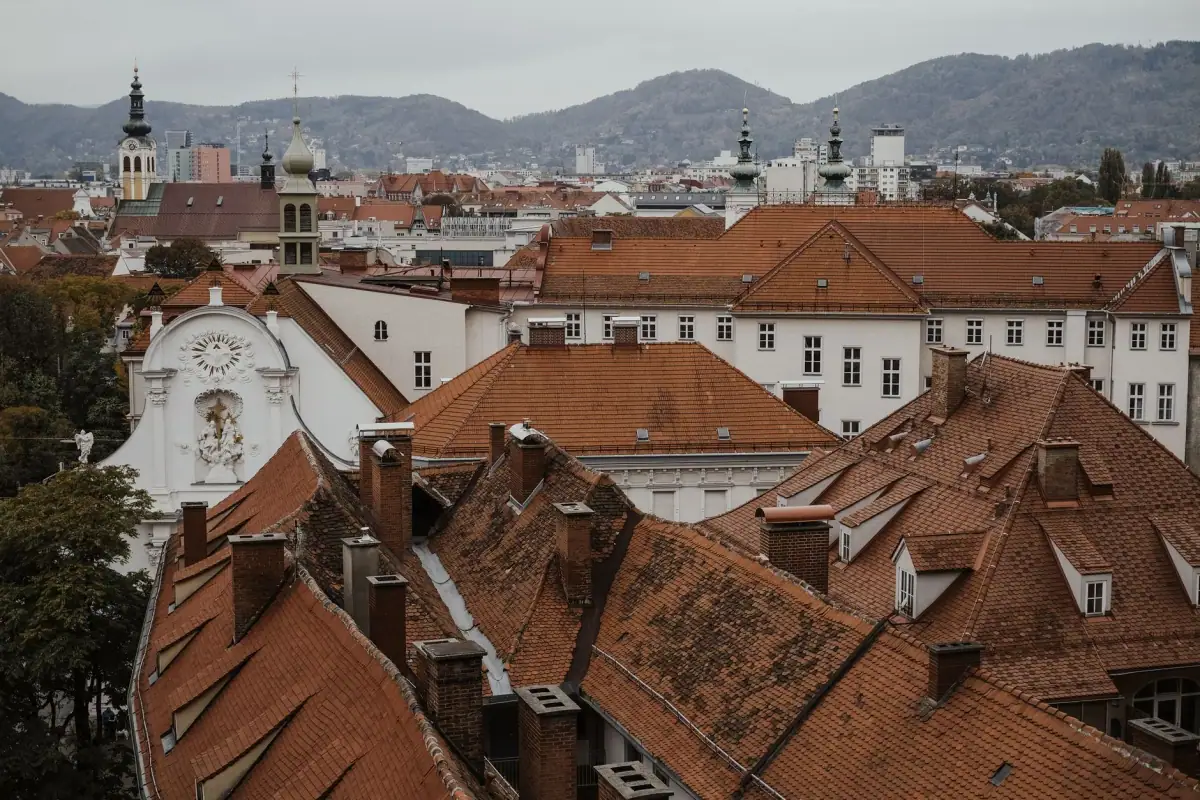
Staying in the old town means waking up minutes from Hauptplatz, the arcaded courtyards, the cafés and the shops. In the evening, when tour groups leave, the lanes regain a welcome calm. Many hotels occupy former townhouses or bourgeois houses, with rooms of sometimes unusual proportions and charming inner courtyards.
The drawbacks are the usual ones. Rooms are often smaller, some old buildings have no elevator, and the pedestrian center limits car access: you have to park in a public garage or in the hotel’s own when it has one. Terraces on busy streets can also be heard late in summer; read recent reviews and ask for a courtyard-side room if quiet matters to you.
Choose it if: you stay one or two nights, travel without a car and want to do everything on foot, from the Schlossberg to evening restaurants.
Lend and the Kunsthaus: the creative side of the Mur
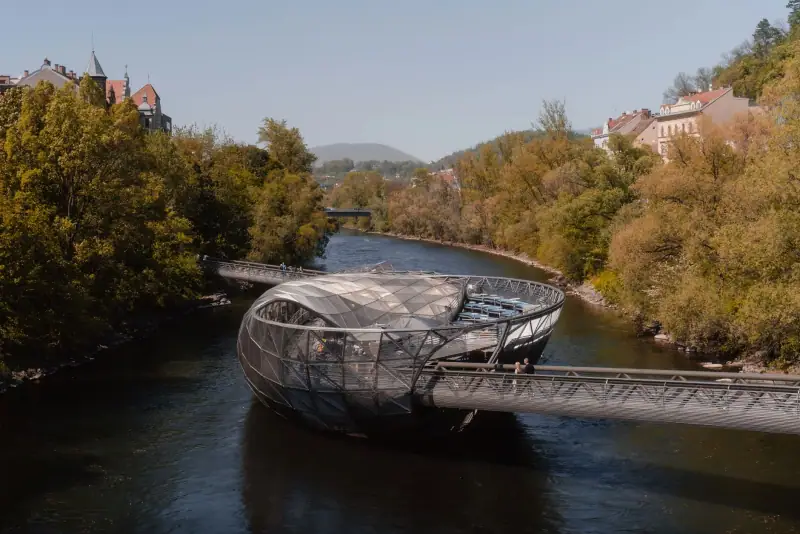
Lend occupies the right bank of the Mur, facing the old town. It is a district in full transformation, where the contemporary architecture of the Kunsthaus and the artificial island on the river sits alongside more working-class streets, workshops, galleries and cafés. A large market enlivens the neighborhood square, a good place to taste Styrian products in the morning.
The lodging offer is varied: mid-range hotels, hostels, apartments, often at lower rates than in the historic core. The atmosphere is less postcard, but livelier and more local. The old center is reached on foot by crossing one of the bridges over the Mur.
Choose it if: you like contemporary art, want a lively and affordable district, and accept a less classic urban setting.
Around the station and the Annenviertel: the practical choice
The central station area concentrates functional hotels of all levels, as well as budget places. It suits travelers arriving or leaving by train, or planning day trips. From the station, a major shopping artery runs down to the Mur and the old town, and the tram gets you to the center quickly.
The atmosphere is that of a transit district, with modern buildings and everyday shops. Recent reviews help you judge the noise level, which depends on the street and the room’s orientation, and how safe it feels in the evening, which varies by area. If you arrive late, this district spares you a long trip with luggage.
Choose it if: you travel by train, on a limited budget, or for a night between two stops, for example between Vienna and Styria.
Accommodation in Graz: old town, Lend, Geidorf, Jakomini... compare the hotels and apartments available for your dates, with free cancellation on some offers.
Geidorf and St. Leonhard: student and residential Graz
North and east of the old town, Geidorf and St. Leonhard are two residential districts tied to university life. Graz is a big student city, and it shows: cheap cafés, bars, small bookshops, everyday restaurants and bicycles on every corner. The streets are lined with late 19th-century buildings and villas, with many parks nearby.
The hotel offer is smaller than in the center, but you will find guesthouses, small hotels and above all apartments, often with a kitchen. The atmosphere is peaceful by day and lively in the evening around the cafés. The center is about ten minutes away on foot or by tram, depending on the exact address.
Choose it if: you prefer a local atmosphere, stay several nights and like to cook a little or eat where residents eat.
Jakomini: a central and affordable district
Jakomini lies southeast of the old town, on the left bank. Denser and more working-class than Geidorf, it has very good transit links and quick access to the center. You will find mid-range hotels, apartments and a few budget places, along with restaurants of varied cuisines.
The district lacks the old town’s charm, but offers a good balance of price, accessibility and services. It suits travelers with a car, as parking there is generally easier than in the historic core. As everywhere, check the reviews for the exact street and traffic noise.
Choose it if: you want decent value, convenient transit and an easy base for a family.
Eggenberg and the west: palace, park and quiet
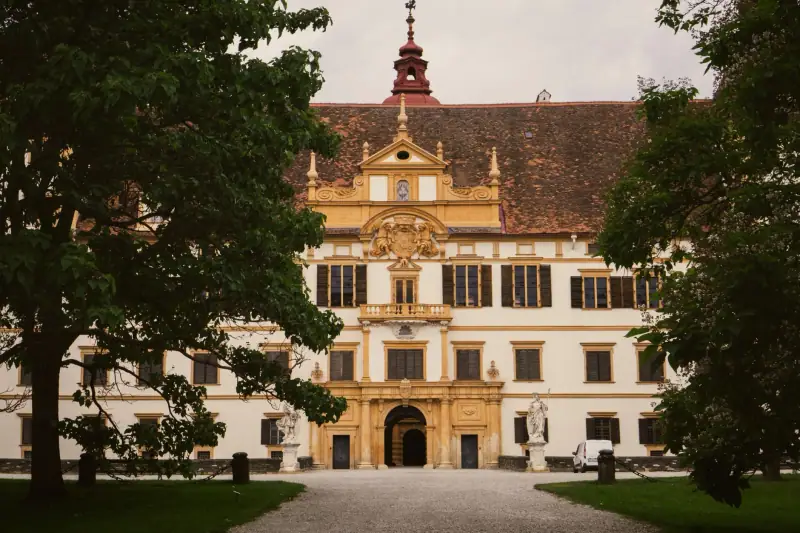
West of the center, Eggenberg is known for its palace, a large Baroque residence surrounded by a park, presented in our guide Visiting Graz. The district is residential, quiet and airy, with modern buildings, houses and hotels that are easy to reach by car.
The tram links Eggenberg to the center in a direct ride of about fifteen minutes, which makes it an interesting option for families and for those who come with their car. In exchange, you are less immersed in the old town’s atmosphere, and getting back in the evening depends on transit schedules.
Choose it if: you come by car, travel with children or look for quiet near a large park.
Types of accommodation in Graz
Historic and boutique hotels
Several central hotels occupy former mansions, with stone staircases, arcaded courtyards and rooms with high ceilings. They suit couples and romantic weekends, notably during the Christmas markets. Expect varying room sizes and check for an elevator if you have a lot of luggage.
Chain and business hotels
Graz welcomes many business travelers and conventions. The offer of modern hotels is therefore wide, around the station and on the right bank of the Mur. Rooms are standardized, often well soundproofed, with a buffet breakfast. It is a safe bet when you want predictable comfort, with the possibility of a booking with free cancellation.
Guesthouses and Gasthöfe
The traditional Austrian formula, with a simple room and a hearty breakfast, also exists in residential districts. These family-run places offer a more personal welcome and reasonable rates. Bathrooms are sometimes shared and facilities minimal; read the description to learn about the bathroom and reception hours.
Apartments and short-term rentals
In Geidorf, St. Leonhard or Jakomini, apartments are an excellent solution for a stay of three nights or more, or for a group. They offer more space and a kitchen, which helps control the budget: the local market is a good supplier of Styrian products. Check the self-check-in arrangements, as there is not always a reception desk.
Hostels and budget lodging
Graz being a student city, you will find hostels and low-priced lodging, notably near the station and on the right bank. Dorms and private rooms suit solo travelers and small budgets. To compare this kind of lodging with other cities in the country, see our guide to the budget for Austria.
Which neighborhood for your profile?
For a weekend as a couple, the old town or the edge of the Mur offer the most charm. For a traveler who arrives by train and leaves the next day, the station district is simplest. For a family with children, Eggenberg, Jakomini or an apartment in Geidorf give more space and easier parking. For fans of art and contemporary architecture, Lend is an excellent starting point. For small budgets, look first at the right bank of the Mur and the east of the city.
If you combine Graz with other stops, our 7-day Austria itinerary helps you split your nights, and the guides on where to stay in Vienna or Salzburg detail the other big cities.
Getting around from your lodging
The city is flat apart from the Schlossberg, and cycling is very common. The center is pedestrian, and trams serve the farther districts, including Eggenberg. Find out about the tickets valid in the city and any visitor cards; check the current offer’s make-up before buying.
If you want to leave the city to explore the Styrian countryside and its wine roads, a car is useful. You can compare rental companies. In that case, choose lodging with parking, simpler in residential districts than in the old town. On the other hand, for a stay limited to Graz, do not rent: parking costs time and money.
Activities in Graz: guided old-town tours, tastings and excursions in Styria: compare the offers once your lodging is chosen.
When to book and pitfalls to avoid
The busiest periods are the Christmas market season, covered in our article on Christmas markets in Austria, summer weekends and days of major events or conventions. In those cases, book several weeks ahead. To choose your dates, see the best time to go to Austria.
Before confirming a booking, build these habits:
- check the real distance to the old town and to the nearest tram stop, rather than relying on the neighborhood name alone;
- read recent reviews about noise, especially near the station, tram routes and busy streets;
- check for an elevator and the room’s floor if you travel with heavy luggage;
- ask whether breakfast and parking are included, and at what rate if not;
- choose a rate with free cancellation until your train or plane tickets are confirmed;
- check whether a tourist tax must be paid locally, as it is not always included in the displayed price.
A word on meals and breakfasts
The Austrian breakfast is generous: breads, cold cuts, cheeses, eggs and jams. It is often worth including, especially in mid-range hotels. For the rest of the day, Styria is a food-loving region, famous for its pumpkin seed oil and its wines. Our guide to specialties to try in Austria will give you ideas before choosing a district near the tables that interest you.
Recommendation
For a first two-night visit, the old town is the most obvious choice, with a hotel whose recent reviews are good on quiet. For three nights or more, mix it up: a base in Lend or Geidorf gives you space and lower prices, with the center a few minutes away. For a train stopover, stay near the station. In all cases, compare several neighborhoods for your exact dates, as the price gap between the two banks of the Mur can be significant, and keep a cancellable rate while you finalize your trip.
If you want protection for your stay, you can look at travel insurance before leaving; check the coverage that fits your situation.
Frequently asked questions
What is the best neighborhood to stay in Graz on a first visit?
The old town (Innere Stadt) is the simplest choice: the monuments, cafés, restaurants and the foot of the Schlossberg are all reachable on foot. If prices seem too high, the neighboring districts of Lend, Jakomini or St. Leonhard are a good compromise, a few minutes away on foot or by tram.
Should you stay near Graz's train station?
It is practical if you arrive or leave by train, or make many trips to Vienna or other cities. The area is functional rather than picturesque, but the tram and walking take you to the historic center quickly. Read recent reviews about noise, which depends on the street.
Can you do without a car when staying in Graz?
Yes, in the vast majority of cases. The center is pedestrian, the city is flat apart from the Schlossberg, and the tram and bus network serves the districts. A car is only useful for exploring the Styrian countryside and wine roads; then check the lodging's parking.
How many nights should you plan in Graz?
Two nights are enough for the old town, the Schlossberg, the Kunsthaus and a castle. Three nights leave time to add Eggenberg Palace, a market and a day trip in the area. Our guide to visiting Graz details the program.
When should you book accommodation in Graz?
Book several weeks ahead for the Christmas market season, summer weekends and the city's big events. Outside those periods, availability is flexible. Prefer a rate with free cancellation until your transport is confirmed.
Is it better to stay in Graz or Vienna to visit Styria?
For Styria, Graz is the obvious base: you are in the middle of the region, with trains and roads to the surroundings. Vienna is about 2 h 30 to 3 h away by train, which makes a day round trip possible but tiring. See our guide to where to stay in Vienna if you combine the two cities.
Are apartments a good option in Graz?
Yes, especially for a stay of more than two nights, with family or in a group. Residential districts offer apartments with kitchens, often roomier than a central hotel room. Check the arrival arrangements, parking and house rules before booking.
More Austria guides
Keep reading
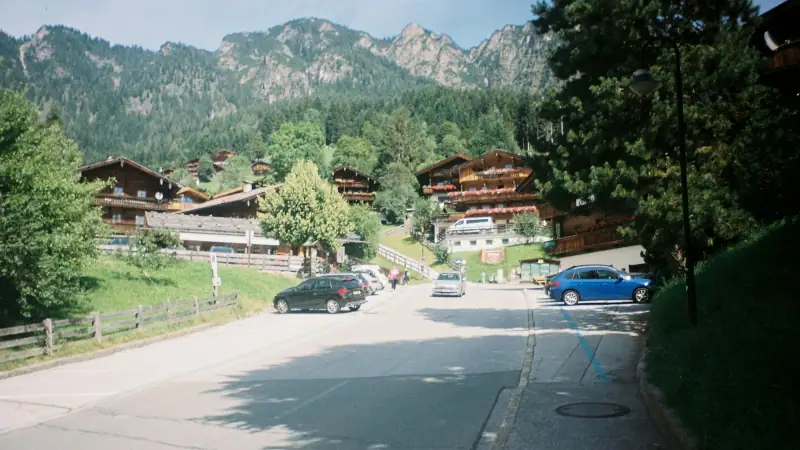
Where to stay in Kitzbühel: neighborhoods and types of accommodation
Where to stay in Kitzbühel? Old town, near the lifts, Aurach, Schwarzsee, Kirchberg or Reith: areas and lodging types compared to choose your base.
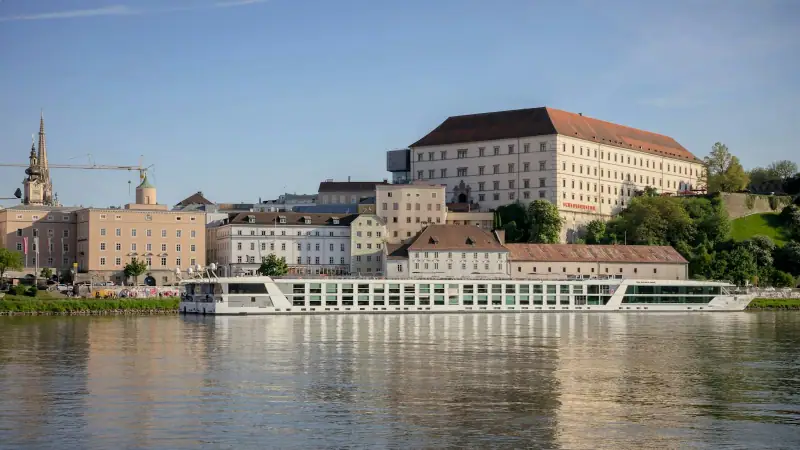
Where to stay in Linz: neighborhoods and types of accommodation
Where to stay in Linz? Old town, Hauptplatz, station district, Urfahr or the outskirts: neighborhoods and lodging types compared for the Danube.
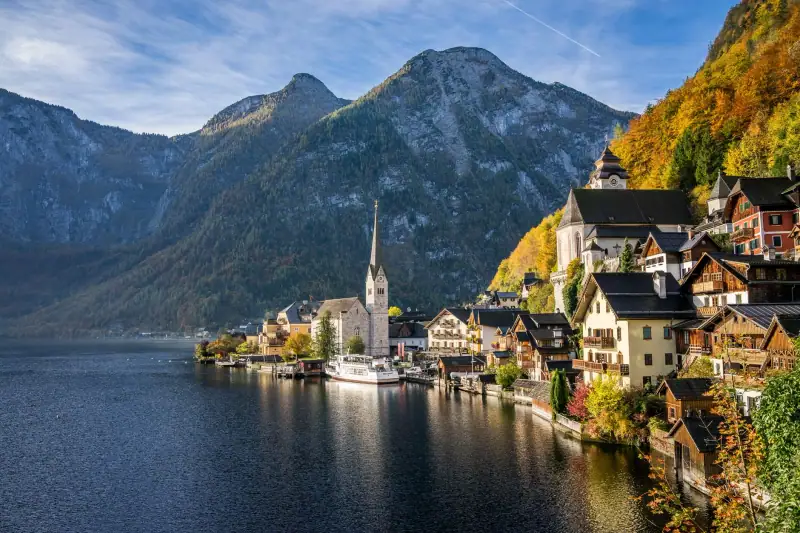
Where to stay in Hallstatt: neighborhoods and types of accommodation
Where to stay in Hallstatt? Village center, Lahn, the opposite shore, Obertraun or Bad Goisern: areas and lodging types compared to choose your base.
Ready-made
Austria itineraries
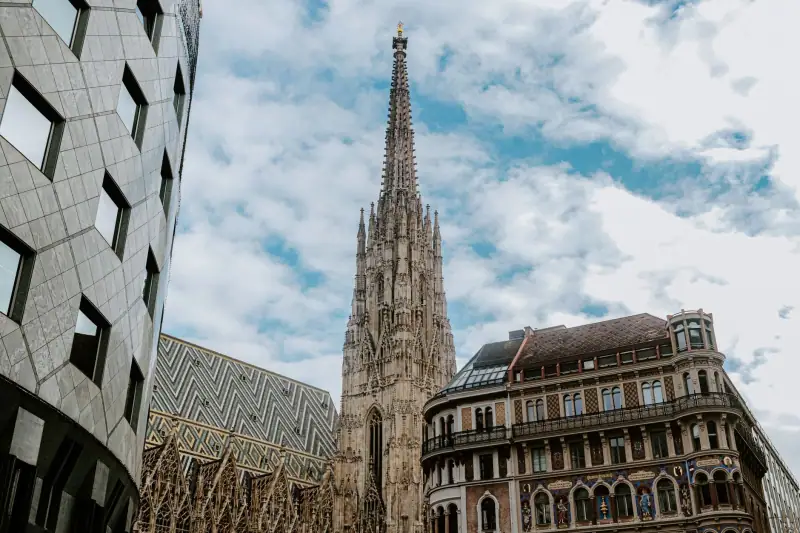
3 days
Vienna in 3 days: a day-by-day itinerary to see it all
What to see in Vienna in 3 days: the Ring, Hofburg, Schönbrunn, Belvedere, Prater and cafés, as a walking and tram itinerary with practical tips.
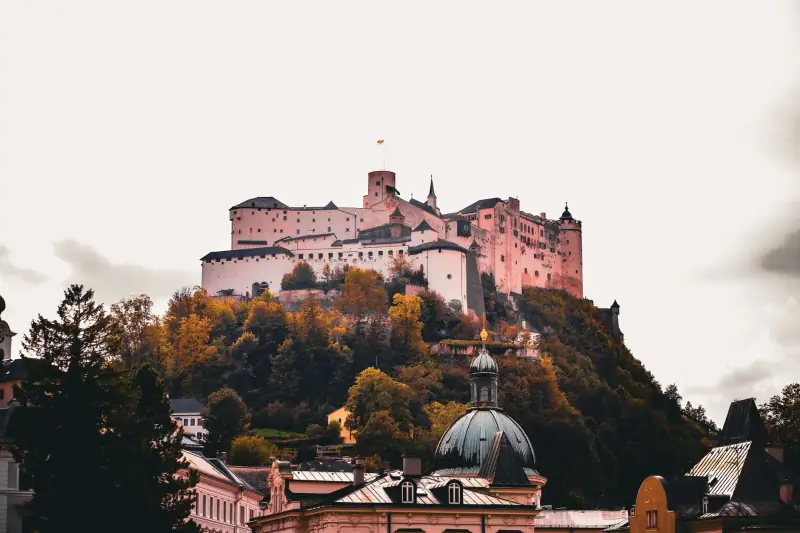
7 days
Austria in 7 days: Vienna, the Wachau, Salzburg, Hallstatt and Innsbruck
A one-week itinerary in Austria: Vienna, the Wachau, Salzburg, Hallstatt and Innsbruck, with train journeys, day-by-day stops and tips on where to stay.
2 days
Salzburg in 2 days: an itinerary through Mozart, the fortress and the gardens
What to see in Salzburg in 2 days: old town, Hohensalzburg Fortress, Mozart's birthplace, Mirabell Gardens and Hellbrunn, as a walking itinerary.