Food & drink
Australian wine: the most beautiful wine regions to visit
We may earn a commission when you book through links on this page, at no extra cost to you. We don't visit or try the places we cover: we summarize published sources. How we work
In short
- The Barossa Valley, about an hour from Adelaide, is the best-known wine region, famous for powerful shiraz from very old vines.
- The Yarra Valley, about an hour from Melbourne, is the easiest day trip: pinot noir, chardonnay and sparkling wines.
- Harvest generally runs from February to April; the legal blood alcohol limit is 0.05% in most states, so name a designated driver or book a tour.
- Book tastings ahead in high season and plan two to four wineries per day at most.
Australia is one of the great New World wine countries. The first vines were planted there in the late 18th century, and production then spread to almost every state. Today, hundreds of wineries, from small family growers to big established houses, welcome visitors for tastings, lunches among the vines and walks through distinctive landscapes.
This guide helps you choose your regions, understand what you will taste and plan a visit without unpleasant surprises. If you are preparing a broader trip, it complements our article on what to eat in Australia.
Understanding Australian wine before you go
Australian wine country stands out first for its diversity. Between the warm regions of the center-south, with dry, sunny soils, and the cool valleys of Victoria or Tasmania, the wine styles have almost nothing in common. Labels almost always name the grape, which makes choosing easier for travelers used to appellations.
The emblematic grapes
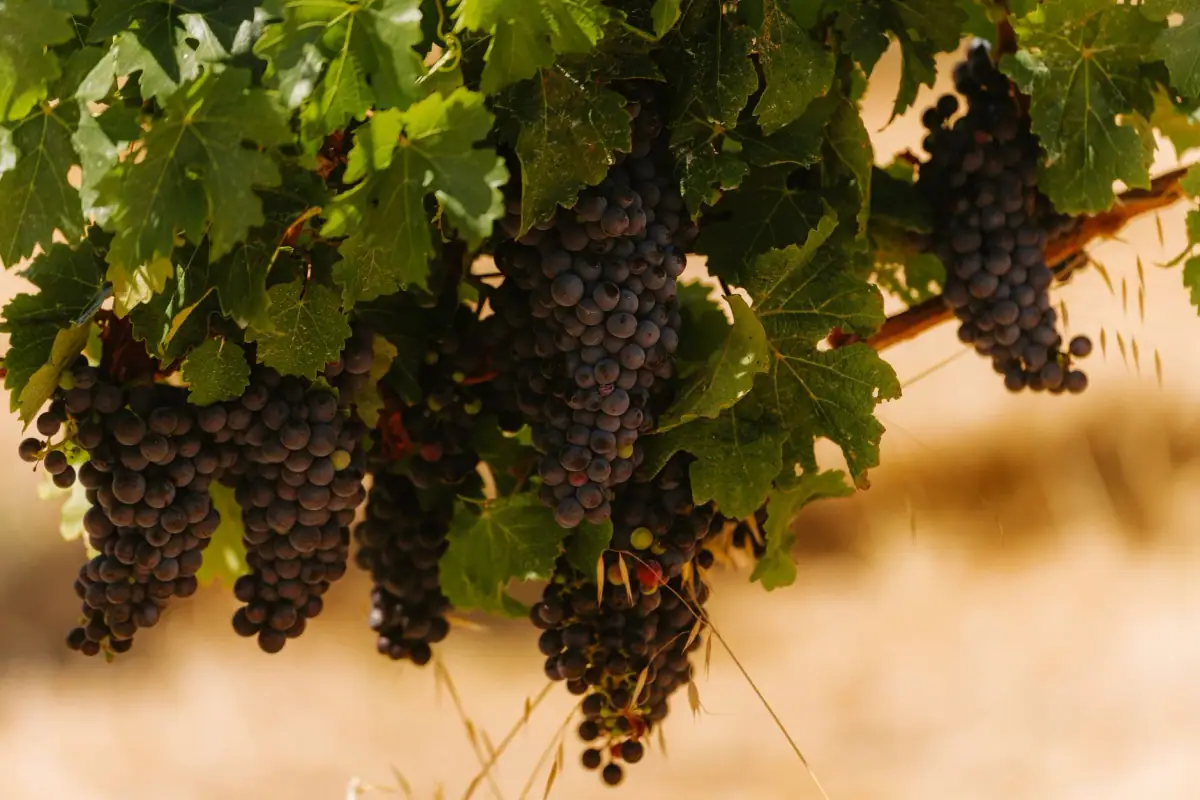
Shiraz, the local name for syrah, is the flagship red grape. Depending on the region, it gives full, rich, fruity wines, or finer, more peppery wines in cool climates. Cabernet sauvignon does very well in several regions, often blended with other grapes. Among the whites, chardonnay has changed a lot: after a period of heavily oaked wines, many producers now offer tauter, fresher styles. Riesling, dry and mineral, is a specialty of the Clare Valley and the Eden Valley. The semillon of the Hunter Valley is a curiosity worth tasting.
A readable labeling system
There is no appellation hierarchy as codified as in many European countries. The most useful details are the region of origin (for example “Barossa Valley”), the grape and the vintage. You will also see blends from several regions, common among large producers. At the cellar door, staff generally take the time to explain the styles and advise you according to your tastes.
The “cellar door”: the tasting experience
The expression “cellar door” refers to a winery’s tasting room. You taste several wines, chat with an employee or a family member, and can buy bottles, sometimes impossible to find outside the country. Some cellar doors add a restaurant, a café or a platter of local produce. The mood is generally relaxed, with no ceremony.
The Barossa Valley: the cradle of shiraz
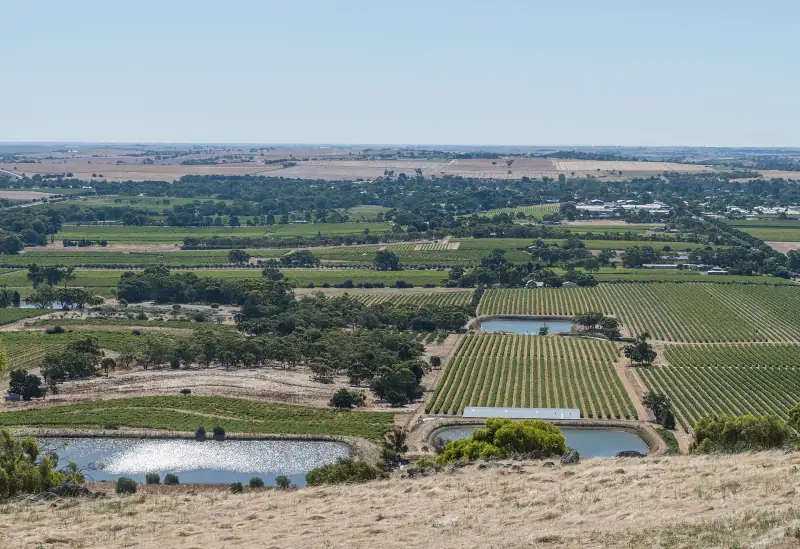
The Barossa is the country’s most famous wine destination. It is in South Australia, about an hour’s drive from Adelaide, so it can be visited in a day or, better, with one or two nights there. Its history is tied to German settlers who arrived in the 19th century, whose legacy can be seen in the architecture, the bakeries and the charcuterie of the villages.
A vineyard of very old vines
The region is known for its old vines, some of which are among the oldest in the world still in production. They give low yields and concentrated wines. Barossa shiraz is generally generous and ripe, with notes of dark fruit and spice. Grenache and mourvèdre, from the same tradition, are also very present.
Beyond wine
The villages of the Barossa lend themselves to food walks: German-style bakeries, charcuterie, cheese shops, weekend producers’ markets. It is a lovely region for a quiet stay, with gentle rolling landscapes. You will find many guesthouses and winery stays.
Neighboring regions not to miss
Around Adelaide, several other vineyards are worth the detour. McLaren Vale, close to the sea, produces fine warm reds and enjoys a pleasant coastal setting. The Clare Valley, farther north, is famous for its dry, elegant rieslings. Coonawarra, farther south, is known for its cabernet sauvignon grown on the famous “terra rossa” red soil. If you set out from Adelaide, you can easily combine one or two of these areas on a stay of several days.
Stay in Adelaide before the Barossa
Compare hotels in Adelaide, an ideal starting point for the vineyards of South Australia.
The Yarra Valley: wine an hour from Melbourne
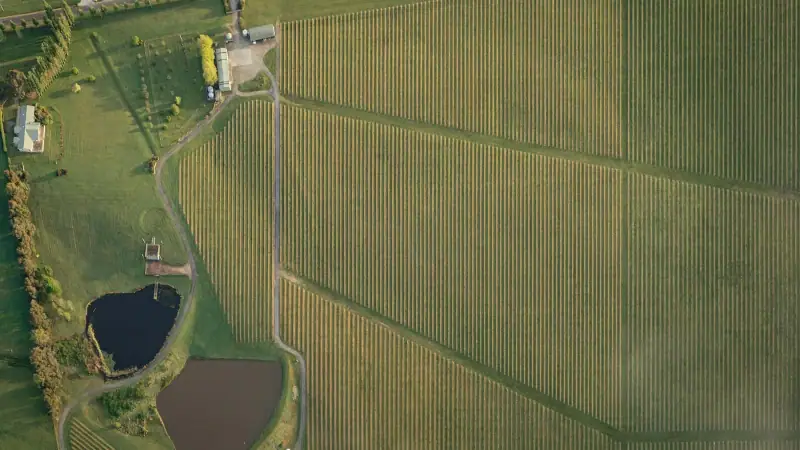
East of Melbourne, about an hour’s drive from the center, the Yarra Valley is the ideal wine region for a day trip from the city. Its cooler climate favors more delicate wines than in the center-south of the country.
Pinot noir, chardonnay and bubbles
The Yarra Valley made its name with pinot noir and chardonnay, often more elegant and less oaky than in the past. Several wineries also produce sparkling wines made by the traditional method, which will appeal to readers who know champagne. You will also find good cool-climate shiraz, more peppery and more subtle.
An easy excursion
With its hills, eucalyptus forests and tasting terraces, the region lends itself to a long lunch. To organize this kind of outing without driving, many tours from Melbourne combine several wineries. You can add this day to our Melbourne in 3 days itinerary. Another well-known vineyard of Victoria, the Mornington Peninsula, is also reachable from the city.
Victoria, a region of varied styles
In the northeast of the state, the Rutherglen region is known for its muscat and topaque wines, sweet and fortified, with aromas of raisins and caramel. It is a specialty to taste if you like dessert wines. It is farther from Melbourne, which takes more time.
Margaret River: ocean, forests and great wines
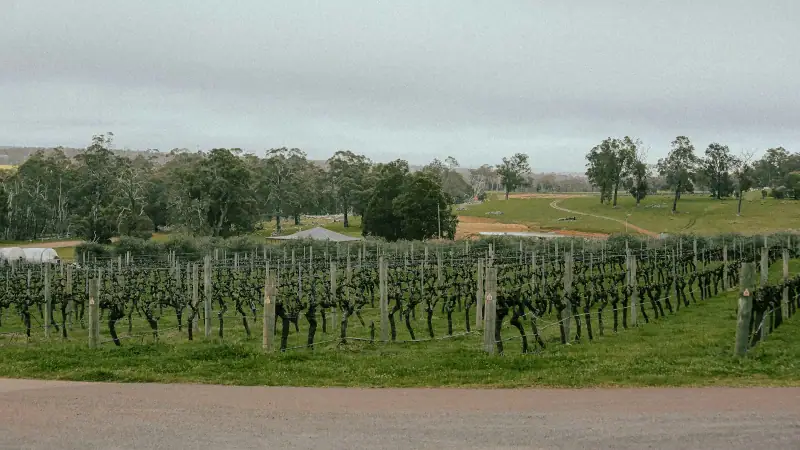
In Western Australia, the Margaret River region lies south of Perth, about three hours by road. It is bordered by the Indian Ocean on one side and the Southern Ocean on the other, which gives it a temperate climate, moderated by maritime influences.
Benchmark cabernet and chardonnay
The region is famous for its structured cabernet sauvignon and its chardonnay, among the most respected in the country. Blends based on sauvignon blanc and semillon are also a specialty. The wineries, often mid-sized, invest heavily in quality and hospitality.
A stay that mixes nature and food
Margaret River combines vineyards, surf beaches, tall-tree forests and caves. Many travelers stay several days, which allows variety: a tasting in the morning, a seaside walk in the afternoon. Local products, chocolate, cheese, olive oil and craft beer, round out the visit. For the nature side, our article on watching wildlife in Australia will give you more ideas for the region.
Hunter Valley and Tasmania: two opposite faces
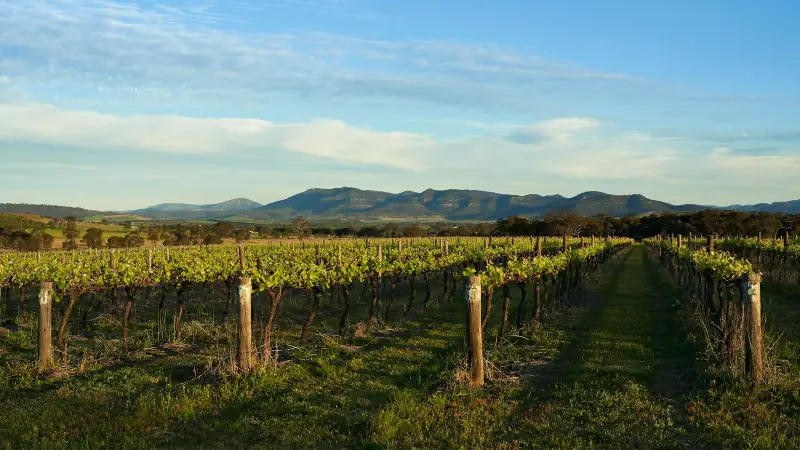
Two other regions deserve a mention, as they represent two extremes of Australian wine country: one is the closest to Sydney, the other one of the coolest in the country.
The Hunter Valley, the getaway from Sydney
The Hunter Valley, in New South Wales, is one of the oldest wine regions in the country. It lies about two and a half hours’ drive north of Sydney, which makes it a very popular excursion for city residents. Its hot, humid climate is distinctive: semillon produces dry, light white wines there that gain complexity with age. Shiraz and chardonnay are also well represented. If you are in Sydney, the region can fit into your stay, as in our itinerary Sydney in 4 days, provided you give it a full day or a night there.
Tasmania, the cool vineyard
Tasmania is the coolest of the major Australian wine regions. Its climate particularly suits pinot noir, chardonnay and sparkling wines. The wineries are often small and production is limited. On a trip around the island, you can combine a cellar visit with wild landscapes, as in our 7-day Tasmania itinerary. The Hobart area, the Tamar Valley in the north and the east coast have several wineries open to visitors.
Planning your visit: transport, season and booking
Visiting vineyards takes a minimum of logistics. Most wineries are in the countryside, far from public transport, and the distances between two cellar doors can look short on the map but take time on the ground.
Choosing the right season
Harvest generally runs from February to April. Autumn, from March to May, is a very pleasant time to visit: soft light, colorful foliage, bearable temperatures. Spring, from September to November, is also popular. The Australian summer, from December to February, can be very hot in the center-south regions, and high season pushes up lodging prices. Our guide on when to visit Australia details these periods by region.
To drive or not?
This is the big question. The legal blood alcohol limit is 0.05% in most states, and random checks are frequent, including in the morning. The simplest solution: a designated driver who does not taste, or guided tours. Minibus tours with a driver let you visit several wineries without stress. For a rental car, compare offers before you book.
Booking tastings
Some cellar doors operate by appointment, especially the smaller ones. Plan to book at least a few days ahead in high season. Allow two to four wineries per day at most: beyond that, you stop tasting anything and get tired. Alternate with a proper lunch, as tastings are done on a relatively empty stomach.
Spitting is not rude
At cellar doors, spittoons are provided. Use them without embarrassment if you want to taste more wines or if you are driving. Staff are used to it and take no offense.
Budget and good deals
Australian wine is not necessarily cheap in Australia, but the quality is often there at every price level. Tasting fees vary by winery, and some deduct them from purchases. For an overall view of your spending, see our budget for a trip to Australia.
Buying wine locally
Alcohol is often sold in specialist stores, the “bottle shops”, separate from regular supermarket aisles. You will find good wines at reasonable prices there. At producers, the cellar’s bottles are sometimes unique, and most wineries offer shipping abroad.
A few possible savings
Weekday tastings are often quieter and friendlier. Regions near the big cities allow a day excursion without changing hotels. Finally, some winery stays offer excellent value outside the high season.
Stay near the vineyards
Book a place to stay near Melbourne to enjoy the Yarra Valley without driving late.
Taste Australia with a guide
Food tours, cooking classes and tastings bookable online, with free cancellation on most activities.
Choosing a region
If you can only pick one region, choose according to your itinerary. From Adelaide, the Barossa is the obvious pick for shiraz and the countryside atmosphere. From Melbourne, the Yarra Valley offers the best day trip. From Perth, Margaret River justifies a stay of several days. From Sydney, the Hunter Valley is the most practical. And if your trip passes through Tasmania, slip in one or two tastings of pinot noir or sparkling wine.
Finally, do not forget that entry rules and budget also shape your trip. Entry rules depend on your passport: check the official travel advice of your government well before you leave (travel.state.gov in the US, GOV.UK in the UK, travel.gc.ca in Canada, Smartraveller in Australia; checked November 2026).
Frequently asked questions
Answers to the most common questions appear above. If you are still hesitating between several regions, remember that one well-chosen winery, a lunch and a designated driver are worth more than a race between ten cellar doors.
Frequently asked questions
What is the most famous wine region in Australia?
The Barossa Valley, in South Australia, is the best known, especially for its powerful shiraz from very old vines. It is about an hour's drive from Adelaide, which also makes it one of the easiest to reach.
When is the grape harvest in Australia?
In the southern hemisphere, harvest generally takes place from February to April, depending on the region and the grape. The Australian autumn (March to May) is also a very good time to visit the wineries, with golden foliage and pleasant temperatures.
Do you need to book a tasting in advance?
It is recommended, especially on weekends, in high season and for the best-known wineries. Some cellar doors operate by appointment only. Many list time slots online, and a simple message is often enough.
Can you drive after a tasting?
It is risky. The legal blood alcohol limit is 0.05% in most states, and roadside checks are frequent. Name a driver who does not taste, or choose an organized tour with a driver, or a taxi.
Are tastings free?
It depends on the winery. Many charge for tastings, sometimes deducted if you buy bottles, while others offer them free. Check the winery's website before you go.
Can you take Australian wine home?
Customs allowances for alcohol depend on the country you are returning to, and airlines set their own baggage rules. Check the quantities allowed with your country's customs authority and pack your bottles well in checked luggage. Wineries also offer shipping.
Which grapes should you taste first?
Shiraz (syrah) is the country's emblem. Also try the dry riesling of the Clare Valley, the chardonnay of Margaret River or the Yarra Valley, the pinot noir of cool regions such as Tasmania, and the cabernet sauvignon of Coonawarra.
More Australia guides
Keep reading
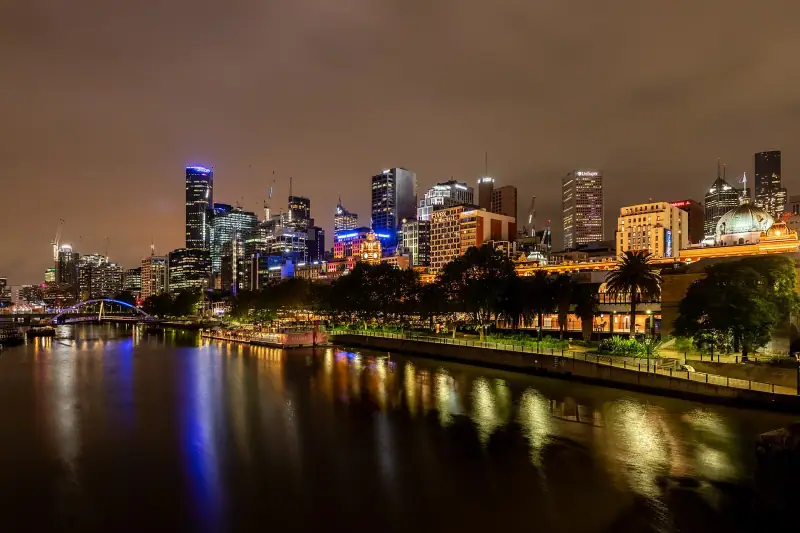
Where to stay in Melbourne: neighborhoods, budget and tips for choosing
Where to stay in Melbourne? CBD, Southbank, Fitzroy, Carlton, St Kilda, South Yarra compared: atmosphere, transport and budget to book with confidence.

Phillip Island Penguin Parade: booking ahead, prices and getting there from Melbourne
See the Phillip Island penguins from Melbourne: required tickets, prices of the 3 options, arrival time, getting there without a car and with kids.

Wildlife in Australia: where to see kangaroos, koalas and penguins
Where and when to see Australian wildlife: koalas, kangaroos, wombats, Tasmanian devils, penguins, whales. Viewing tips and rules to follow.
Ready-made
Australia itineraries

7 days
Tasmania in 7 days: a road trip itinerary from Hobart to Launceston
Tasmania in 7 days: Hobart, Port Arthur, Bruny Island, Freycinet and Wineglass Bay, Launceston. Day-by-day itinerary, distances, seasons and driving tips.

3 days
Melbourne in 3 days: a culture, street art and seaside itinerary
What to do in Melbourne in 3 days? Laneways, street art, markets, museums, St Kilda and a nature escape: a day-by-day itinerary with practical tips.

4 days
Sydney in 4 days: a day-by-day itinerary to see it all
Sydney in 4 days: Opera House, Harbour Bridge, Bondi, Manly and the Blue Mountains. A day-by-day itinerary with transport and accommodation tips.