What to see
Visiting Ayutthaya: Temples, Ruins and a Day Trip from Bangkok
We may earn a commission when you book through links on this page, at no extra cost to you. We don't visit or try the places we cover: we summarize published sources. How we work
In short
- Ayutthaya lies about 80 km (50 mi) north of Bangkok; the train takes roughly 1.5 to 2 hours depending on the service.
- A full day covers the main temples if you leave early; a night there gives you the morning and evening light without the tour groups.
- Stay on the central island for a first visit: Wat Mahathat, Wat Phra Si Sanphet, then Wat Chaiwatthanaram late in the afternoon.
- Shoulders and knees must be covered; bring water and sunscreen, since shade is rare among the ruins.
The former capital of a kingdom that dominated the region for several centuries, Ayutthaya is one of the most accessible cultural stops in Thailand. About 80 kilometers (50 miles) north of Bangkok, the city mixes brick stupas, Khmer-inspired prangs, stone Buddhas and still-active temples, in a landscape of rivers and lawns.
This guide helps you understand what you will see, choose the temples really worth the detour and organize the visit, as a day trip or with a night there. To place this stop in a full trip, see our two-week itinerary in Thailand.
A little history before you go
The Ayutthaya kingdom was founded in the mid-14th century and was, until the 18th century, one of the most important centers of power and trade in Southeast Asia. Merchants from China, Japan, Persia and Europe kept trading posts there, and travelers of the time described a cosmopolitan city crossed by canals.
The capital was taken and burned by the Burmese army in 1767, which explains the site’s present look: gutted brick walls, beheaded Buddhas and open-air sanctuaries. Power then moved south, to Bangkok. The historical park has been a UNESCO World Heritage site since 1991.
Keeping this history in mind changes the visit: the ruins are not just pretty, they tell the story of a kingdom’s fall.
Understanding Ayutthaya’s geography
The historic center occupies an island formed where three rivers meet, including the Chao Phraya. Distances are short, but you need to organize your day well: several major temples are on the island, others across the water.
There are two zones:
- The central island, with the heart of the historical park, most of the iconic temples and the lodging, all close to one another.
- The edges of the island, with temples on the other side of the river or farther out, which require a tuk-tuk, a bike or a small boat.
For a first visit, concentrate on the island: you will see the essentials without rushing.
Wat Mahathat: the Buddha in the roots
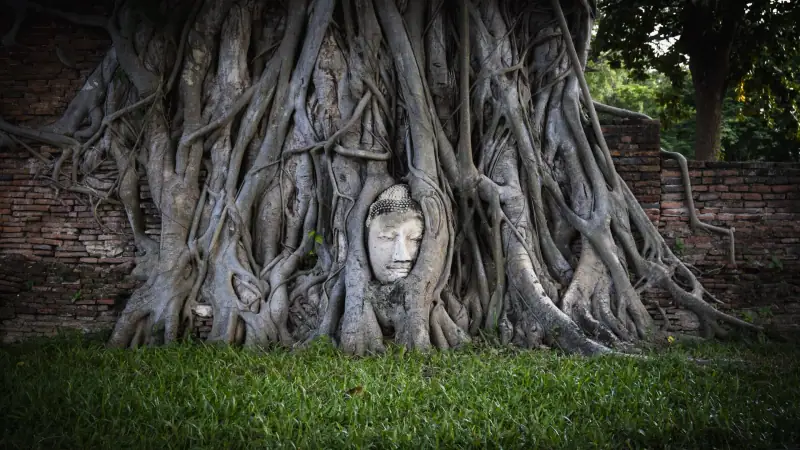
Wat Mahathat is arguably Ayutthaya’s most famous image: a stone Buddha head caught in the roots of a tree at the foot of a brick wall. The way the plant has wrapped around the sculpture has become the symbol of the site, and the photo is taken at ground level, in quiet.
Respect the posted rules: it is customary not to stand higher than the Buddha’s head when photographing it, out of respect for the sacred image. Guards make sure visitors crouch or kneel.
Beyond this famous head, the temple is worth visiting for its vast group of stupas and ruined walls. Allow at least an hour, more if you like to wander and observe architectural details. The bricks, empty niches and rows of headless Buddhas give an idea of the place’s richness before 1767.
Where to stay in Ayutthaya
Compare lodging near the historical park, by dates and budget.
Wat Phra Si Sanphet: the three chedis
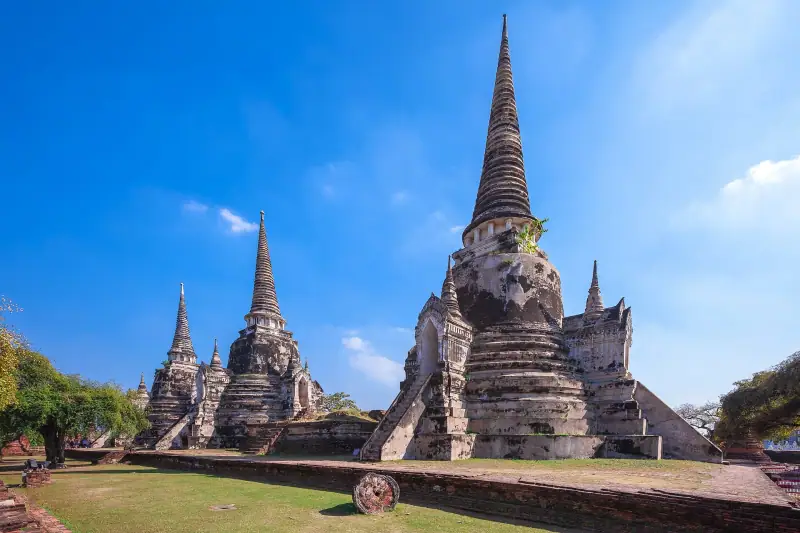
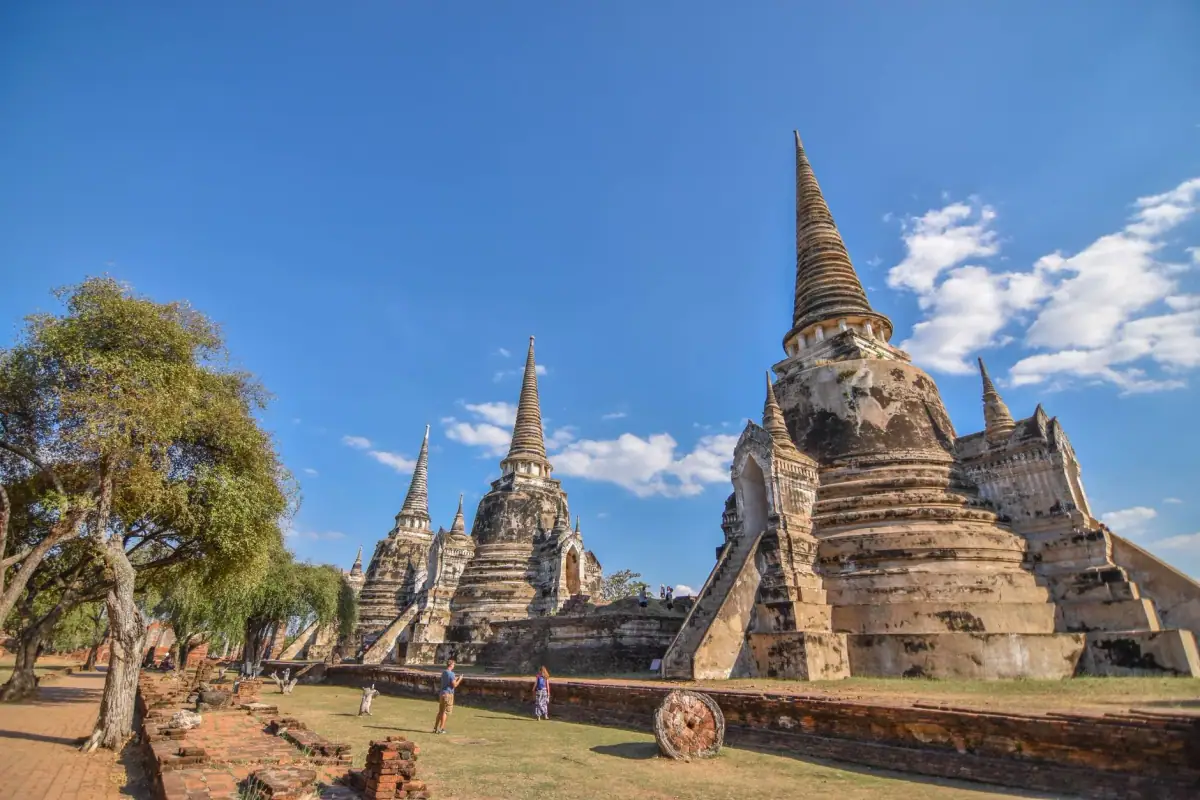
Wat Phra Si Sanphet was the royal temple, located within the grounds of the old palace. It is recognizable by its three large chedis in a row, in Sri Lankan style, which held the ashes of rulers. It is one of the most photographed sites in the park, and one of the easiest to understand: the alignment is clean, the proportions are harmonious, and the closely mown lawn sets off the monuments well.
End-of-day light gives the brick warm tones. If you spend the night there, come at that time, when the groups have left for Bangkok.
Next to it, you can see the remains of the old royal palace and a neighboring temple housing a large seated bronze Buddha, still venerated. These short stops link together well on foot.
Wat Chaiwatthanaram: the prang by the water
Located on the west bank of the Chao Phraya, Wat Chaiwatthanaram is one of Ayutthaya’s most spectacular temples. Its central prang, surrounded by smaller prangs and chapels, evokes Khmer architecture, with a very elaborate symmetry. The temple dates from the 17th century and was badly damaged when the city was taken.
It lies away from the heart of the island: you get there by tuk-tuk, bike or boat. Many travelers save it for late afternoon, since evening light on the stone is especially beautiful and the site is quieter.
If you like open perspectives and temple silhouettes, it is a highlight. The very open setting suits photography well, especially outside peak hours.
Ayutthaya excursions
Compare one-day tours with guide, transport and temple visits.
Wat Phra Ram and Wat Lokayasutharam
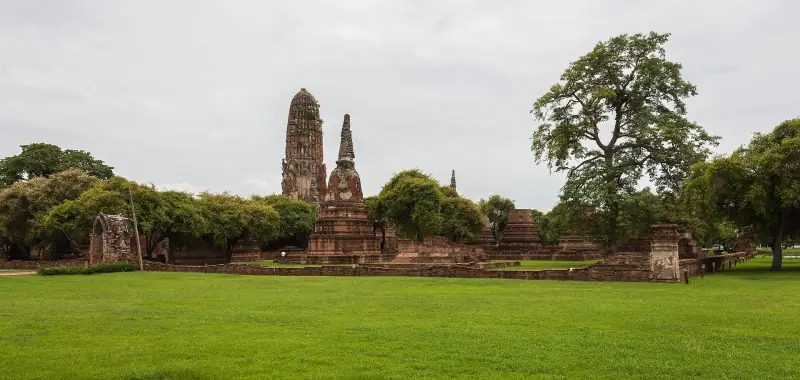
Wat Phra Ram, beside a pond, offers a pretty view of the ruins, with a tall prang and reflections on the water. The place is quieter than the center of the park, and suits a break in the visit. According to tradition, it was founded in the late 14th century, making it one of the city’s oldest temples.
Wat Lokayasutharam is known for its immense reclining Buddha in brick and stucco, set in the open air. It lies on its side, roofless, in the middle of the grass, and its size is impressive. The temple is very simple, but the effect of the open-air sculpture is striking.
These two stops are a reasonable distance from each other, which makes it easy to link them by bike or tuk-tuk. Allow about an hour for both, strolling.
Wat Phanan Choeng and the still-active temples
Ayutthaya is not just an open-air museum: several temples are still busy places of worship. Wat Phanan Choeng, southeast of the island, across the river, houses a large, much-venerated seated golden Buddha. You see worshippers making offerings, burning incense and placing gold leaf on the statue.
Visiting an active temple is a very different experience from the ruins: the atmosphere is more alive, the colors are brighter, and you feel the religious dimension better. Follow the right etiquette: covering clothing, low voice, shoes removed at the entrance to halls, and never point your feet toward a Buddha statue.
If you have time, a stop at a market or a small riverside restaurant completes the visit with a more ordinary moment, among locals.
How to visit: bike, tuk-tuk or excursion
The terrain is flat and distances modest, which makes cycling a popular option. Rental shops are near the station and in the center. The drawback is the heat: at midday it can be punishing, and shade is rare on the lawns.
Here are the three main options:
- Bike. Cheap and free, but tiring in the sun. Leave early, bring water and take a break in the shade at midday.
- Tuk-tuk. Practical for covering more sites in less time. Negotiate the price before getting in, specifying the duration and stops, and check that the fare is for the vehicle and not per person.
- Organized excursion. It simplifies transfers from Bangkok, often includes a guide who puts each temple in context, and lets you arrive without stress. Check what is included: transport, entrance fees, lunch.
Entrance fees are generally charged temple by temple, unless there is a combined ticket: ask there for the current rates, which may change.
Getting from Bangkok to Ayutthaya
Ayutthaya is about 80 kilometers (50 miles) north of Bangkok. Several options are open to you:
- Train. It is the most iconic, cheap and simple way, taking roughly an hour and a half to two hours depending on the service. Check the departure station and the timetable in advance, since service varies by train.
- Minivan or bus. A practical alternative, but the duration depends greatly on traffic.
- Taxi or private driver. Comfortable, especially for a group, and useful if you want to combine Ayutthaya with a leg north.
- Organized excursion. It bundles transport and visits, sometimes with a return by boat on the Chao Phraya.
To choose where to sleep in Bangkok before or after this excursion, see our guide where to stay in Bangkok.
One day or a night in Ayutthaya?
On a day trip from Bangkok, you can see the main temples, provided you leave early. The risk is rushing from site to site in the heat, then returning tired into the evening traffic.
Sleeping in Ayutthaya changes the experience. You enjoy the temples in morning and evening light, the tour groups are gone, and you can have dinner by the river. Lodging ranges from the small guesthouse to the more classic hotel, in a setting generally calmer than in the capital.
A sample two-day outline:
- Day 1: train from Bangkok early in the morning, check in, Wat Mahathat and Wat Phra Si Sanphet, a midday break, then Wat Chaiwatthanaram in late afternoon.
- Day 2: Wat Phra Ram, Wat Lokayasutharam, an active temple such as Wat Phanan Choeng, then back to Bangkok or on to the north.
Ayutthaya in a wider trip
Ayutthaya fits naturally at the start or end of a stay in Bangkok, or as the first stop of a circuit to the north, with Sukhothai, the country’s other great historic capital, then Chiang Mai. For what comes next, our article on what to do in Chiang Mai will give you ideas.
Practical tips
- When: the cool season, generally November to February, is the most pleasant for walking or cycling. In the hottest months, leave very early. To choose your dates, see when to go to Thailand.
- Clothing: shoulders and knees covered, shoes that are easy to remove, hat and sunglasses.
- Water and sun protection: bring plenty of water, sunscreen and a small light bag. Shade is rare among the ruins.
- Respect for the sites: do not climb on the structures, do not touch the sculptures and do not stand higher than a Buddha statue.
- Money: keep small change for entrance fees, tuk-tuks and small expenses, since cards are not accepted everywhere.
- Negotiation: agree on the tuk-tuk price before leaving and check the planned stops, to avoid detours to shops.
Frequently asked questions
Do you need one day or two to visit Ayutthaya?
A full day is enough to see the main temples of the historical park, provided you leave Bangkok early. If you like to take your time, photograph the ruins in evening light or visit the outlying temples, an overnight stay makes the visit much more pleasant.
How do you get from Bangkok to Ayutthaya?
Ayutthaya is about 80 kilometers (50 miles) north of Bangkok. The train is the simplest and most typical way, taking roughly an hour and a half to two hours depending on the service. A minivan, a private taxi or an organized excursion are the alternatives.
How do you get around the Ayutthaya historical park?
Cycling is very popular because the terrain is flat, but the heat can quickly make the effort tiring. A tuk-tuk, negotiated by the hour or for a circuit, lets you cover more sites. Some excursions include a guide and an air-conditioned vehicle.
What should you wear to visit the Ayutthaya temples?
Some temples are still active places of worship: shoulders and knees must be covered. Even among the ruins, respectful clothing is appreciated. Also bring a hat, water and good walking shoes.
Can you combine Ayutthaya and Sukhothai?
Yes, the two former capitals are often combined in a circuit to the north. Ayutthaya is easily visited from Bangkok, then you continue to Sukhothai and Chiang Mai by road, train or plane. Allow at least a day of travel between the two.
More Thailand guides
Keep reading
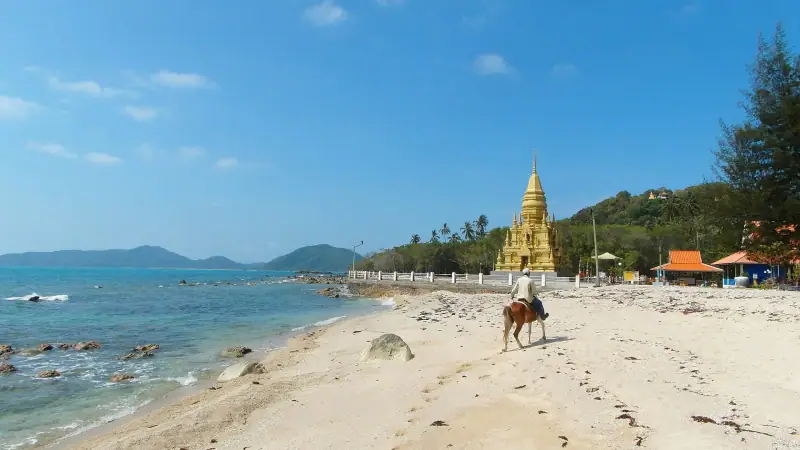
Which Thai Island to Choose: Phuket, Koh Samui, Koh Lanta or Koh Tao?
Phuket, Koh Lanta, Koh Samui, Koh Phangan or Koh Tao? Comparison of Thailand's main islands by atmosphere, season, activities and travel style.
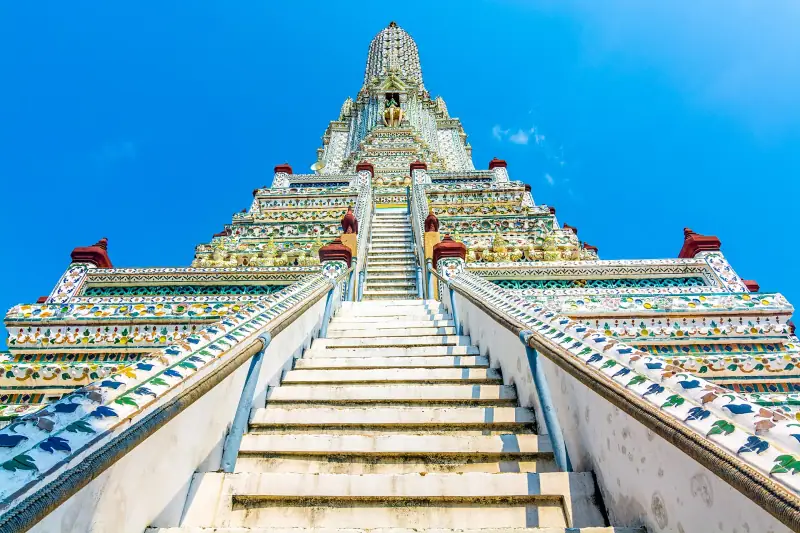
Complete Guide to Visiting Thailand: Regions, Highlights and Tips
Visiting Thailand: regions, cities and highlights, best time to go, transport, lodging and budget. The pillar guide to prepare your trip.
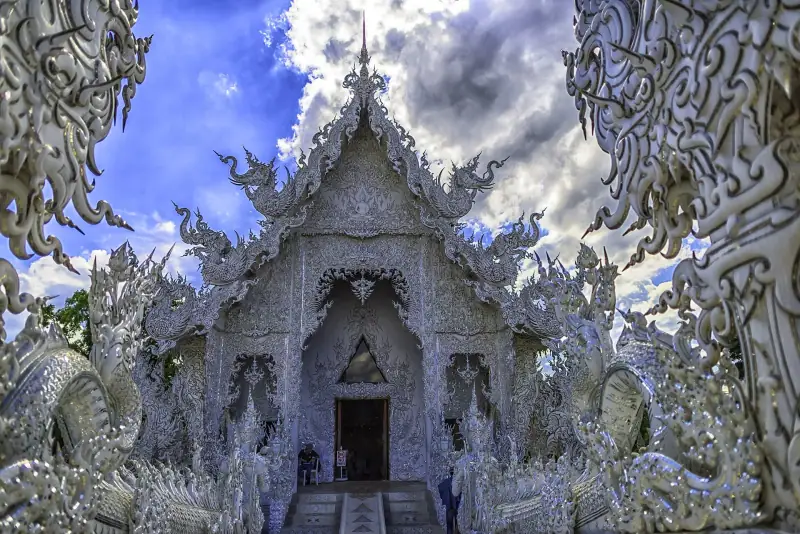
Visiting Chiang Rai: the White Temple, Blue Temple and Black House
Visit Chiang Rai: White Temple, Blue Temple, Black House, the town center and night market. How to get there from Chiang Mai and how long to allow.
Ready-made
Thailand itineraries
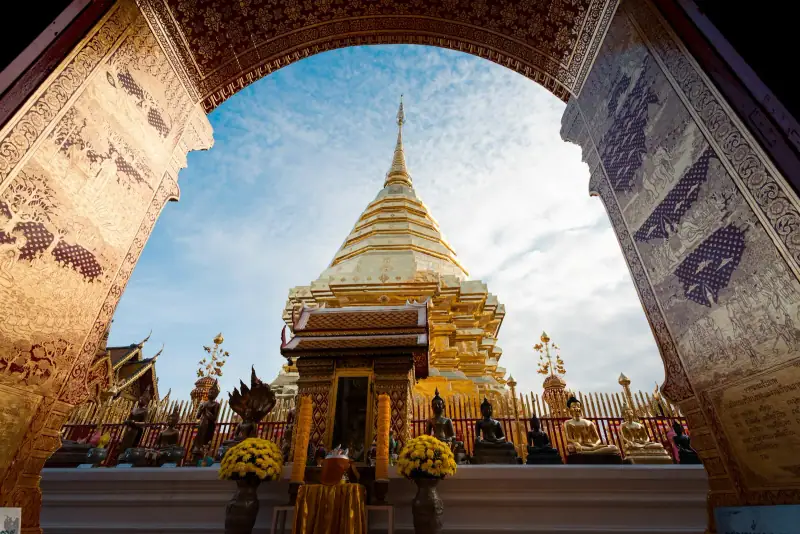
14 days
Thailand Itinerary for 2 Weeks: From the Historic North to the Beaches
A 14-day itinerary in Thailand: Bangkok, Ayutthaya, Sukhothai, Chiang Mai, Chiang Rai, then the beaches of Krabi. Stops, transport and tips.
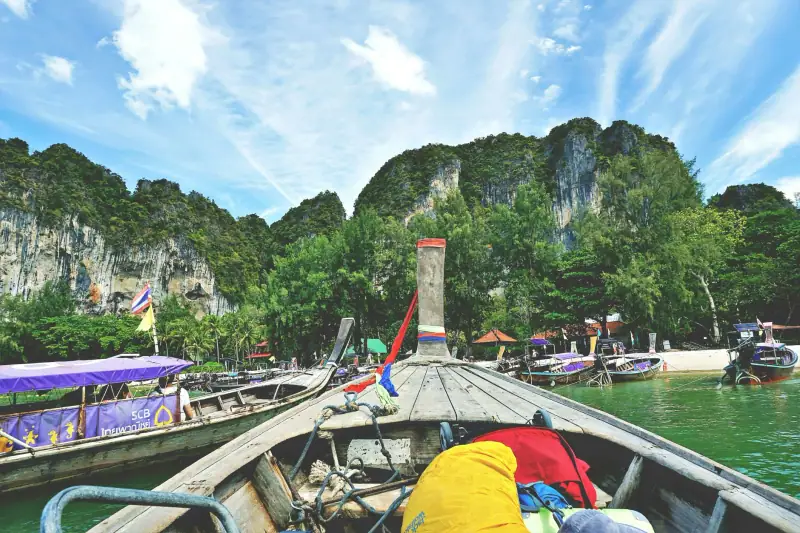
10 days
Thailand in 10 Days Without a Car: Bangkok, Chiang Mai and Krabi, a Realistic Itinerary
BangkokChiang MaiKrabi
3 days
3 Days in Bangkok: A Day-by-Day Itinerary for First-Time Visitors
What to do in 3 days in Bangkok? Grand Palace, Wat Pho, Wat Arun, Chinatown, Chatuchak and markets: a day-by-day plan with transport and tips.