Itineraries
Thailand Itinerary for 2 Weeks: From the Historic North to the Beaches
We may earn a commission when you book through links on this page, at no extra cost to you. We don't visit or try the places we cover: we summarize published sources. How we work
Day by day
- Days 1-3Bangkok: Grand Palace, Wat Pho, Wat Arun, Chinatown, market
- Day 4Ayutthaya day trip: ruins by bike or tuk-tuk
- Days 5-6Sukhothai historical park by bike
- Days 7-10Chiang Mai, Doi Suthep, Chiang Rai day, Doi Inthanon
- Days 11-14Krabi beaches: Ao Nang or Railay, boat excursions
Weather through the year on this route
| Jan | Feb | Mar | Apr | May | Jun | Jul | Aug | Sep | Oct | Nov | Dec | |
|---|---|---|---|---|---|---|---|---|---|---|---|---|
| High °F (°C) | 8530 | 9133 | 9535 | 9736 | 9234 | 8932 | 8831 | 8731 | 8731 | 8530 | 8329 | 8228 |
| Low °F (°C) | 6317 | 6619 | 7122 | 7524 | 7524 | 7524 | 7424 | 7323 | 7323 | 7222 | 6519 | 6116 |
| Rain in (mm) | 0.615 | 0.515 | 1.435 | 3.180 | 6.6170 | 5.9150 | 8.1205 | 9.4240 | 9.5245 | 5.9150 | 1.435 | 0.515 |
Normals 1991–2020 at Bangkok and Chiang Rai: averages over 30 years, not a forecast. Source: NASA POWER (MERRA-2), grid of about 50 km. Figures computed by us in November 2026.
In short
- Fourteen days run from the center to the north, then to the south: Bangkok (days 1 to 3), Ayutthaya (day 4), Sukhothai (days 5 and 6), Chiang Mai (days 7 to 10) and Krabi (days 11 to 14).
- The plan involves three major moves: Bangkok to Sukhothai, Sukhothai to Chiang Mai, then a flight from the north to the south, often via Bangkok.
- There is no direct rail link between Chiang Mai and the Andaman Sea beaches; flying avoids more than a day of travel.
- November to February is generally drier and cooler, suiting both the north and the Andaman Sea beaches.
Fourteen days in Thailand is the right format for a first visit: long enough to taste the capital, the remains of the old kingdoms, the northern mountains and the sea, short enough to force choices. This itinerary follows a simple logic, from the center to the north, then from the north to the south, with few hotel changes and transport that is easy to organize.
Distances here are rough estimates: check train, bus and flight schedules before booking, since they change with the season. To choose your dates, first see our guide when to go to Thailand.
Overview of the 14 days
- Days 1 to 3: Bangkok
- Day 4: Ayutthaya, as a day trip from the capital
- Days 5 and 6: Sukhothai
- Days 7 to 10: Chiang Mai, with a day in Chiang Rai
- Days 11 to 14: beaches of Krabi and its surroundings
This pace involves three major moves: Bangkok to Sukhothai, Sukhothai to Chiang Mai, then a flight from the north to the south. Everything else is covered on foot, by local transport or on an excursion.
Days 1 to 3: Bangkok, between temples and markets
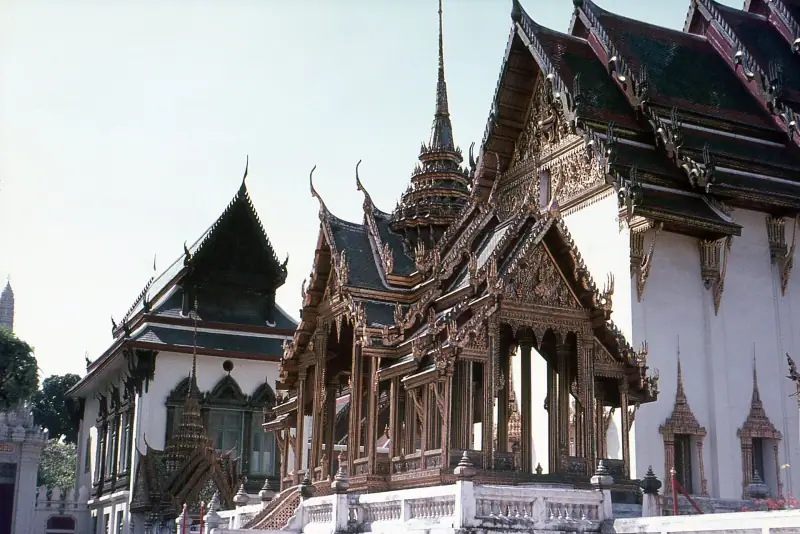
The Thai capital is a dense, noisy and exciting gateway. Give it three nights to absorb the jet lag without rushing.
On the first day, concentrate on the old district of Rattanakosin, where the Grand Palace and several major temples are, including Wat Pho and its large reclining Buddha. Dress with shoulders and knees covered, a rule applied at sacred sites. On the second day, take the boat on the Chao Phraya River to reach Wat Arun, then stroll through Chinatown and its lanes of restaurants in the evening.
The third day suits a market, an air-conditioned mall in the hot hours, or a cooking class. To know what to taste, read our guide to Thai cuisine and street food. The choice of neighborhood to sleep in matters a lot: the comparison where to stay in Bangkok will help you decide.
Hotels in Bangkok
Compare lodging for your first three nights.
Day 4: Ayutthaya, the former capital
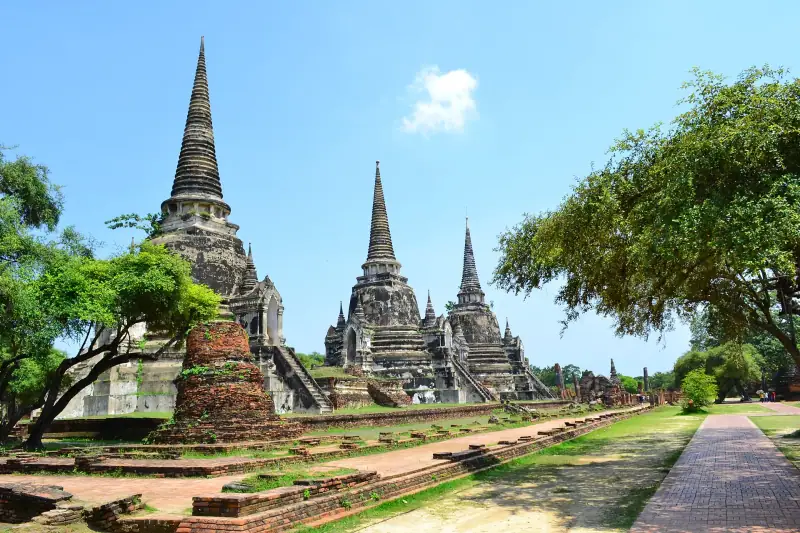
Ayutthaya is about 80 kilometers (50 miles) north of Bangkok. It was the capital of a powerful kingdom until its fall in the 18th century, and its historical park is a UNESCO World Heritage site. You see brick prangs, chedis and stone Buddhas, sometimes caught in tree roots.
You get there by train, minibus or an organized excursion, in anywhere from a little over an hour to two hours depending on the mode of transport. Once there, a bike or tuk-tuk is the most practical way to link the sites, scattered on an island surrounded by waterways. Leave early: in the afternoon, the heat is trying outside the cool months.
Two options are open to you. Either you return to Bangkok in the evening and continue north the next day, or you spend the night there to enjoy the temples lit in the evening. The second solution is more restful if you then head to Sukhothai.
Days 5 and 6: Sukhothai, cradle of the Thai kingdom
Sukhothai is about 430 kilometers (267 miles) from Bangkok. The trip is by long-distance bus, or by train or plane to Phitsanulok, then by bus or transfer to Sukhothai. Allow half a day of travel: that is why this circuit gives it two nights.
The Sukhothai historical park, also UNESCO-listed, recalls one of the first great Thai kingdoms, in the 13th century. It is airier and calmer than Ayutthaya, with temples spread among ponds and lawns. Rent a bike at the park’s opening to explore the central zone, then the outer zones if your energy allows.
The next day, enjoy sunrise in the park, when the light is soft and visitors few, before taking the road north. The new town of Sukhothai, a few kilometers away, offers simple restaurants and a local night market, with no touristy pretension.
Days 7 to 10: Chiang Mai and the north
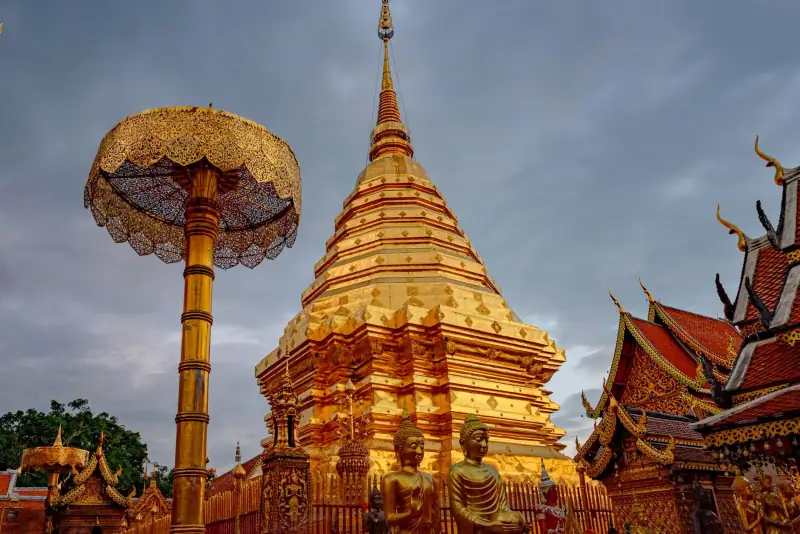
From Sukhothai, a bus reaches Chiang Mai in a few hours, sometimes with a change. Founded in the 13th century, Chiang Mai was the capital of the Lanna kingdom. Its square old town, surrounded by a moat, has many temples that are easy to cover on foot or by bike.
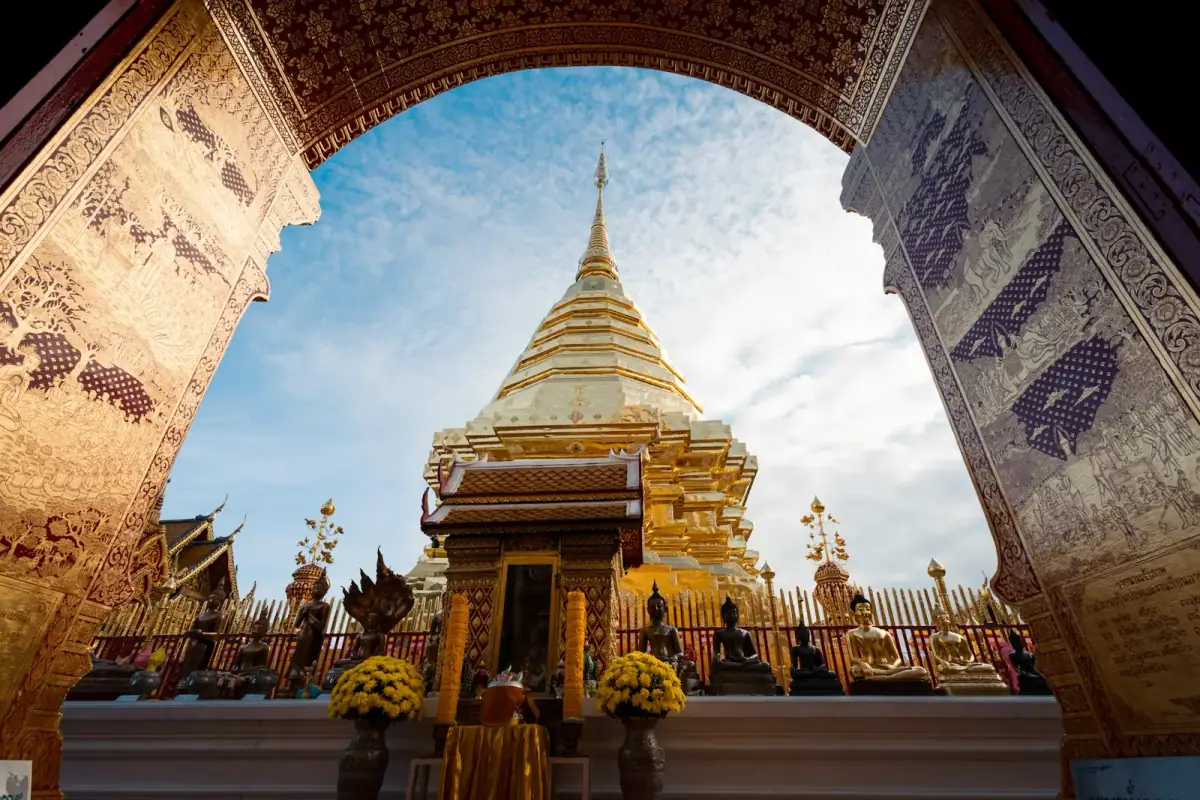
Allow two days in the city: temples, markets and northern cooking classes, with khao soi, a curry noodle soup typical of the region. The Doi Suthep temple, perched on the mountain overlooking the city, offers a fine view when the weather is clear. All the detailed ideas are in our article what to do in Chiang Mai.
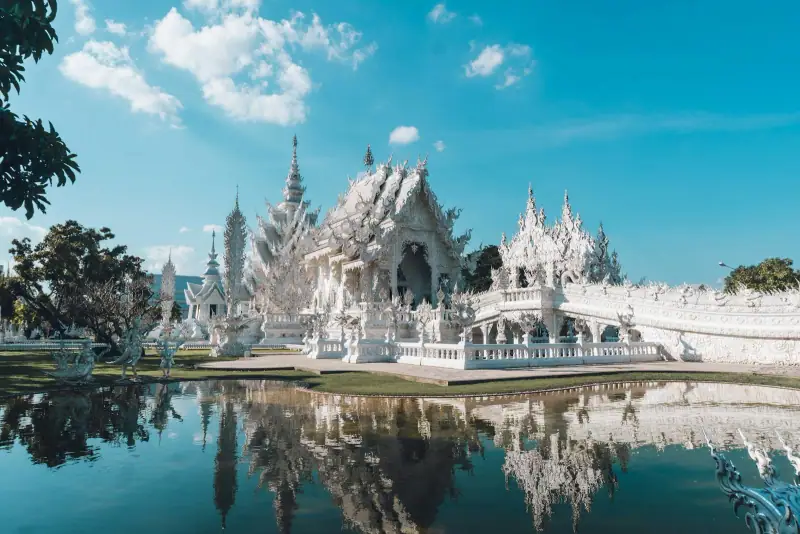
On the third day, devote yourself to Chiang Rai, about three hours by road from Chiang Mai. The classic excursion includes Wat Rong Khun, the famous “White Temple,” designed by the artist Chalermchai Kositpipat, and other sites in the region. You can return to Chiang Mai in the evening or spend a night there. A private driver or a group excursion is the most comfortable solution.
The last day in the north can be left free: a nature excursion to Doi Inthanon, an animal-friendly elephant sanctuary (no elephant rides), or simply a massage and a last street meal.
Domestic and international flights
Compare flights to link the north to the south without losing a day.
Days 11 to 14: the beaches of Krabi
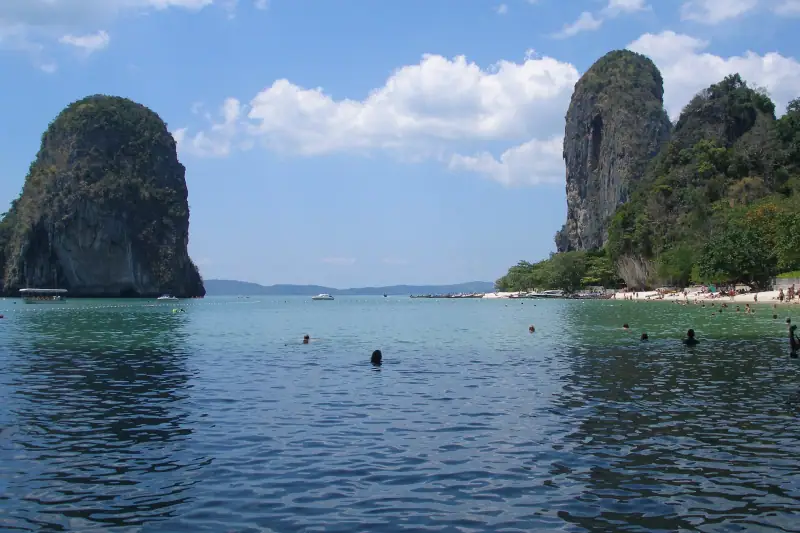
To reach the Andaman Sea, the most sensible choice is to fly from Chiang Mai to Krabi, often with a connection in Bangkok depending on schedules. Plan a transit day accordingly. A night train links Bangkok and Chiang Mai well, but not the north and the south directly.
The Krabi region is known for its limestone cliffs plunging into a turquoise sea. Depending on your wishes, stay in Ao Nang, a practical base for boat excursions, or in Railay, a peninsula reachable only by boat and popular with climbers. Longtail boat excursions to the neighboring islands are the highlight of the stay.
If you prefer a quieter atmosphere, Koh Lanta can be reached from Krabi by road and ferry, in about two hours, and offers large, little-built beaches. Koh Phi Phi can be reached by boat from Krabi or Phuket, but it is very busy in high season. Keep in mind that the sea can be rough in the rainy season, and that some crossings are then reduced or suspended.
Budget, transport and tips
Domestic transport is a small part of the budget in Thailand, apart from north-south flights. Book it ahead in high season, between November and February, when beach hotels fill up fast.
- Train: pleasant for Bangkok to Ayutthaya, or for an overnight trip to the north.
- Bus: frequent and cheap, sometimes with very powerful air conditioning: bring a light jacket.
- Domestic flights: essential to save time between the north and the south.
- Ride-hailing apps: very practical in Bangkok to avoid price haggling.
For luggage, favor light clothing covering shoulders and knees for temples, a hat, sunscreen and a light raincoat.
Entry rules depend on your passport and visa rules change. Check the official travel advice of your government before you book: travel.state.gov (US), GOV.UK (UK), travel.gc.ca (Canada), Smartraveller (Australia) (checked November 2026).
Variations and extensions
With less time, drop Sukhothai and Chiang Rai, and add nights in Chiang Mai. With three weeks, you can add an island in the Gulf of Thailand, such as Koh Samui, or extend on the Andaman Sea. Between Krabi and Phuket, a night in a floating bungalow on Khao Sok lake is an original nature stop, explained in our guide to the night on Cheow Lan lake.
Frequently asked questions
Is two weeks enough to visit Thailand?
Yes for a first discovery. Fourteen days let you combine Bangkok, the historic sites of the center, Chiang Mai and a beach stay, provided you do not add too many stops.
Do you need to fly between the north and the south?
Flying is the simplest option. There is no direct rail link between Chiang Mai and the Andaman Sea beaches: most often you transit through Bangkok by plane, which avoids more than a day of travel.
What is the best time for this circuit?
From November to February, the weather is generally drier and cooler, which suits both the north and the Andaman Sea beaches. Our guide to the best time to go details each season.
Can you add Laos or Cambodia to this trip?
Yes, but these countries deserve their own trip rather than being squeezed in.
Do you need to rent a car?
It is not necessary on this itinerary. Trains, buses, domestic flights and private drivers are enough, and driving on the left in town is often disorienting for a first visit.
More Thailand guides
Keep reading
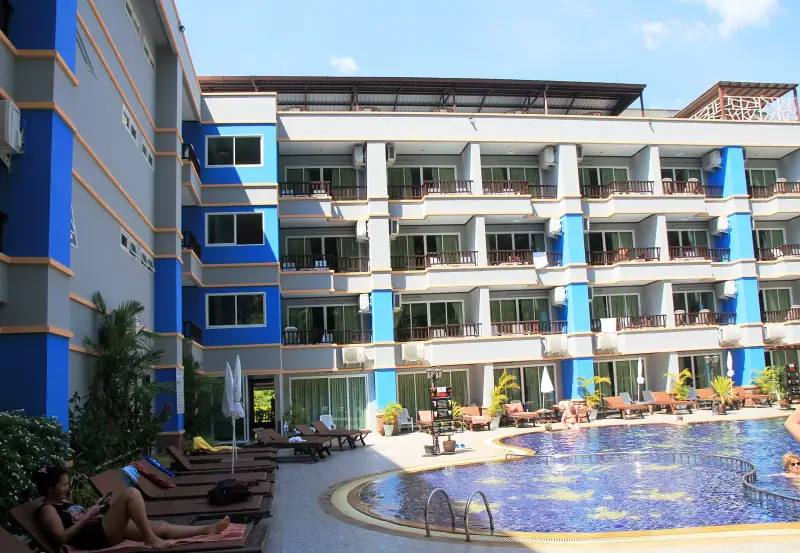
Railay or Ao Nang: Where to Stay in Krabi for Your Trip?
Railay or Ao Nang to stay in Krabi? Compare access, calm, beaches, meals, luggage and budget, with Tonsai, East Railay and Noppharat Thara as alternatives.
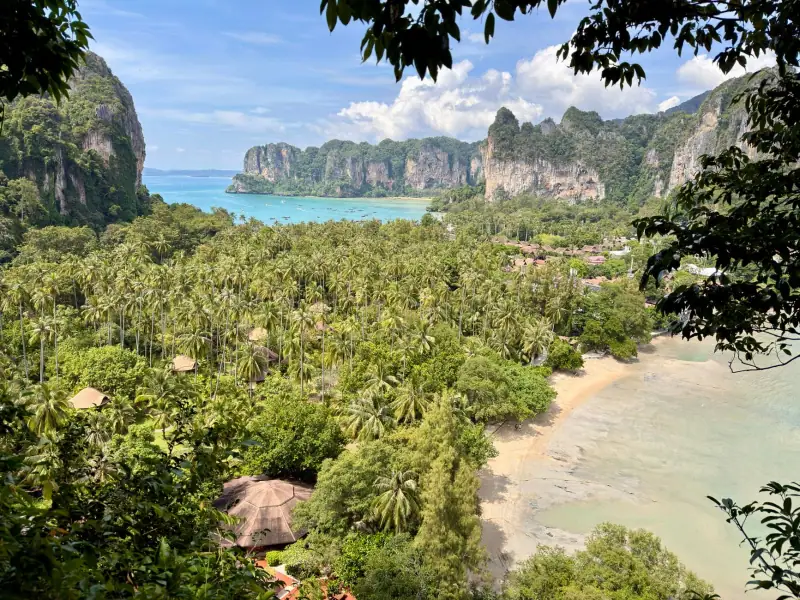
Things to Do in Krabi: Beaches, Islands, Caves and Kayaking in 4 Days
What to do in Krabi? Railay, Ao Nang, the four-islands tour, Tiger Cave Temple and mangrove kayaking: a guide to plan your Andaman Sea stay.
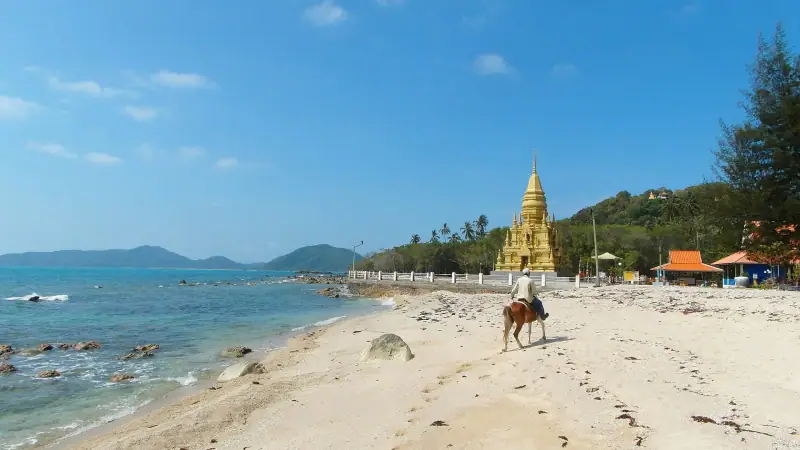
Which Thai Island to Choose: Phuket, Koh Samui, Koh Lanta or Koh Tao?
Phuket, Koh Lanta, Koh Samui, Koh Phangan or Koh Tao? Comparison of Thailand's main islands by atmosphere, season, activities and travel style.
Ready-made
Thailand itineraries
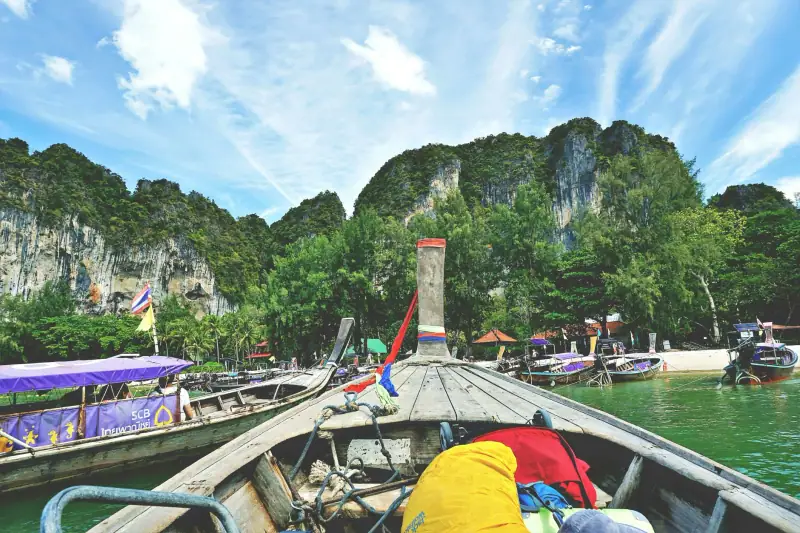
10 days
Thailand in 10 Days Without a Car: Bangkok, Chiang Mai and Krabi, a Realistic Itinerary
BangkokChiang MaiKrabi
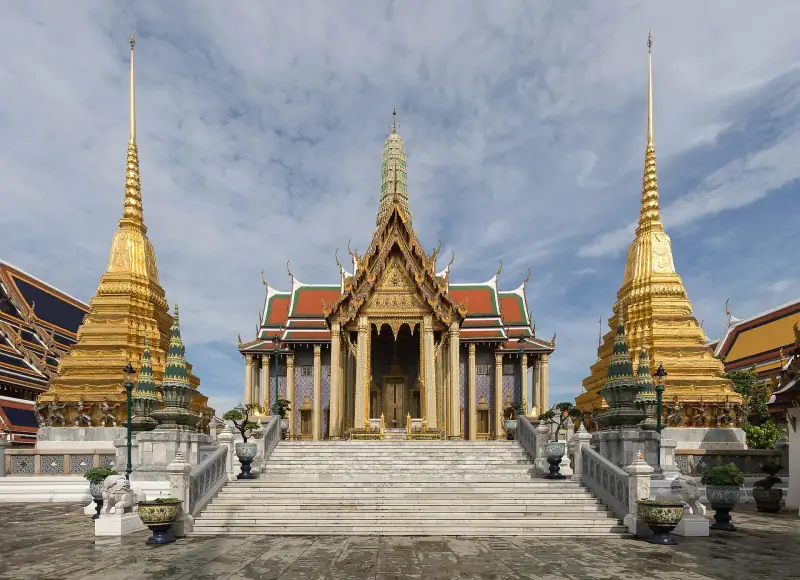
3 days
3 Days in Bangkok: A Day-by-Day Itinerary for First-Time Visitors
What to do in 3 days in Bangkok? Grand Palace, Wat Pho, Wat Arun, Chinatown, Chatuchak and markets: a day-by-day plan with transport and tips.
7 days
Northern Thailand in 7 Days: Chiang Mai, Pai and Chiang Rai
Chiang MaiPaiChiang Rai
Can be adapted in the planner