Where to stay
Where to Stay in Bangkok: Neighborhoods, Pros and Tips for Choosing
We may earn a commission when you book through links on this page, at no extra cost to you. We don't visit or try the places we cover: we summarize published sources. How we work
In short
- Proximity to a BTS or MRT station matters most: a hotel a few minutes' walk from a station avoids much time lost in traffic.
- Siam and Silom suit most first visits; the riverside suits couples; the old town and Chinatown suit tight budgets.
- Book ahead in high season, from November to February, and check the real distance to the station or pier.
- Bangkok has two airports, Suvarnabhumi and Don Mueang: check yours before booking an airport-area night.
Bangkok is a sprawling megacity crossed by a river, canals and several public transport lines. Choosing your neighborhood therefore matters far more than in a small town: a badly placed hotel can cost you an hour per trip, while a good location transforms the stay.
Here are the main areas to stay in, with their strengths, their limits and the type of traveler they suit. To pick your dates, also see our guide on when to go to Thailand.
How to choose your neighborhood in Bangkok
Three criteria weigh more than all the rest:
- Proximity to a transit station. The elevated train (BTS), the subway (MRT) and river boats avoid the traffic jams, which are notoriously tiring. A hotel a few minutes’ walk from a station is a real comfort.
- The atmosphere you want. Business districts, shopping areas, the old town and the riverbanks have very different rhythms, from hushed calm to constant noise.
- Length of stay. For two or three nights centered on temples, it is better to stay near the river or the old town. For a whole week, an area well connected to the rest of the city is more practical.
Rooms are offered at every level: hostels, mid-range hotels, luxury properties with rooftop pools. Price gaps between neighborhoods and between seasons remain large, hence the value of comparing several dates.
Sukhumvit: the practical, lively district
Sukhumvit is one of Bangkok’s major arteries, several miles long and dotted with BTS stations. It is a district much frequented by travelers and expats, with a huge choice of restaurants, bars, cafés and malls.
Strengths: easy access to the BTS, a wide choice of hotels in all categories, varied nightlife and dining at any hour.
Weaknesses: dense traffic, crowded sidewalks and an atmosphere that can be noisy. Some areas are very nightlife-oriented: look at the exact street before booking if you want quiet.
Who it suits: travelers who want convenience, business stays and families who like having shops and restaurants nearby. Choose a hotel close to a BTS station rather than at the end of a small side street.
Hotels in Sukhumvit
Compare accommodation close to the BTS for your dates.
Silom and Sathorn: business, a park and good connections
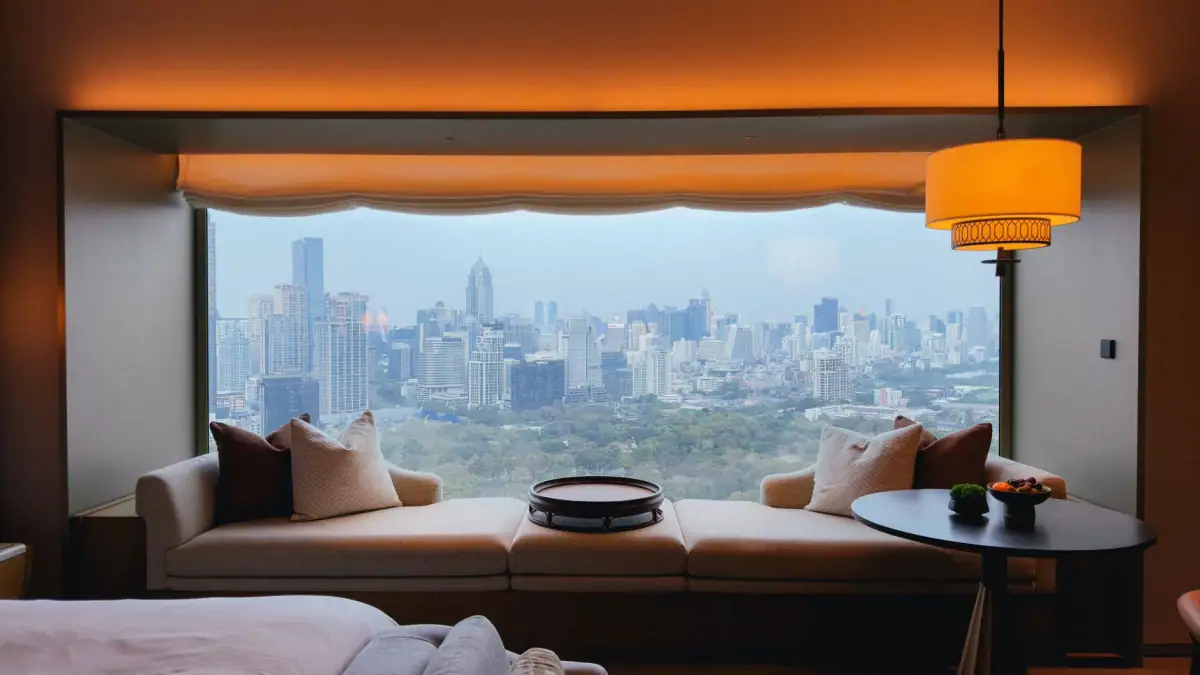
Silom and Sathorn form Bangkok’s business district. By day, office towers dominate. In the evening the area has a different character, with many restaurants and a lively nightlife on certain streets. Lumphini Park, the city’s large green space, is nearby and offers a break from the heat, early in the morning or at the end of the day.
This area is well served by the BTS and the MRT, and stays relatively close to the river. It suits travelers who want a comfortable hotel, often with a nice view, away from the mass-tourism crowds.
Who it suits: couples, business travelers and those who prefer a more urban, less touristy setting than the old town.
Siam: the heart of shopping and connections
Siam is Bangkok’s big-mall district. It is also where the two main BTS lines cross, which makes it a very practical starting point for exploring the rest of the city. You will find shopping arcades, cinemas, food courts and hotels from mid-range to upscale.
The district is lively, sometimes saturated during the day, but very practical if you plan to move around a lot. It is less authentic than the old town: you come for convenience more than for traditional atmosphere.
Who it suits: travelers who like shopping, first-timers who want a very well-connected area, and short stays.
The Chao Phraya riverside: river views and temples reachable by boat
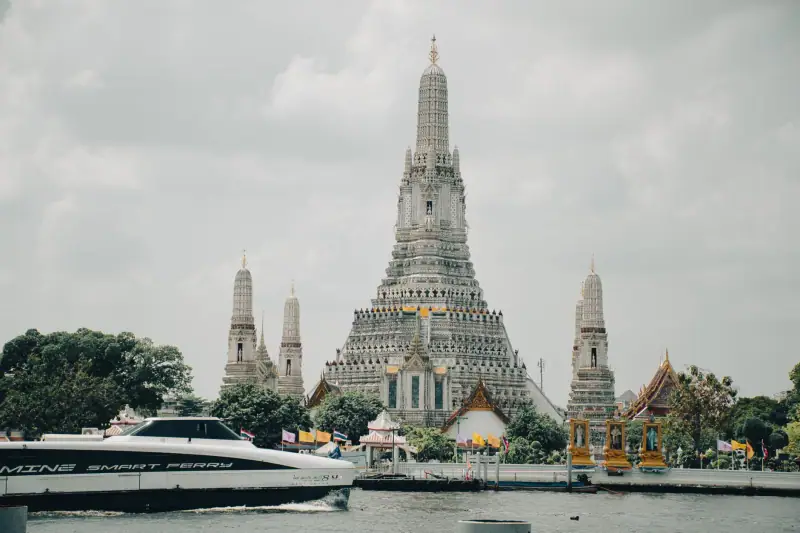
The banks of the Chao Phraya River host several large hotels, often with terraces or pools facing the water. The river is also a means of transport in its own right: public boats serve several major sites, such as the Grand Palace and Wat Pho, so you can sightsee without suffering the traffic jams.
Strengths: a calmer atmosphere, views, access to boats and to some temples.
Weaknesses: some hotels are far from the BTS, which requires river shuttles or taxis. Check the real distance to the nearest station or pier.
Who it suits: couples, honeymooners and those who value setting over proximity to shops.
Riverside hotels
Rooms with a view of the Chao Phraya, to compare by budget.
The old town of Rattanakosin and Banglamphu: temples and tight budgets
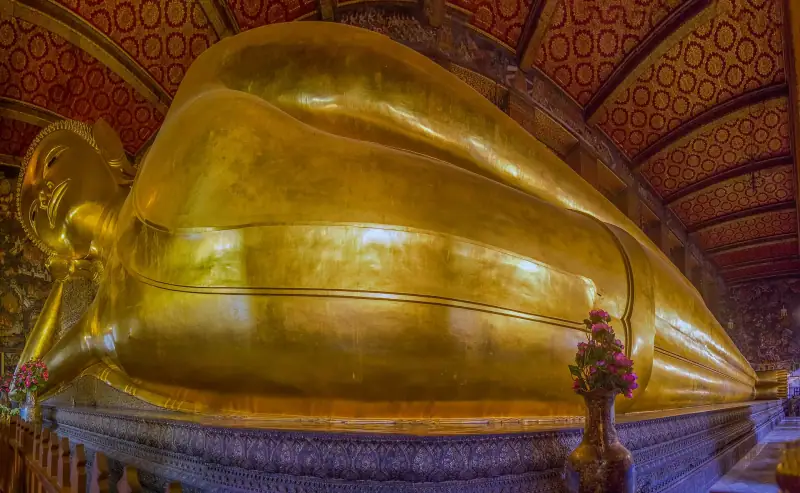
The old town gathers several major sights, including the Grand Palace and Wat Pho. Around Banglamphu and the famous Khao San Road you will find many hostels and affordable small hotels, popular with backpackers. The atmosphere is lively, even festive in the evening.
The main drawback is the distance from the BTS and MRT network: the area is not directly served by the elevated train, and you often have to take a boat, a taxi or a tuk-tuk. In exchange, you can visit several sights on foot or in little time.
Who it suits: tight budgets, travelers who want to focus on temples and those who like the bustle of a working-class district.
Chinatown (Yaowarat): street food and authenticity
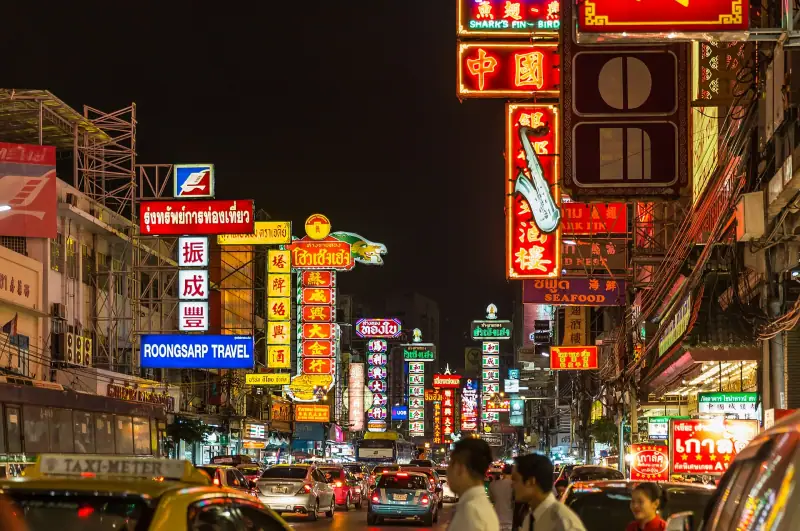
Chinatown, around Yaowarat Road, is known for its small restaurants, its stalls and its evening buzz. It is a dense, noisy and very lively district, where you sleep for the street food as much as for the sightseeing. It offers affordable options, with hotels in various categories and access to the MRT.
Avoid the district if you are looking for calm: the streets are noisy and crowded. But for a stay focused on food, the location is hard to beat.
Who it suits: food lovers, the curious and travelers who like authentic atmospheres.
Tours and activities in Bangkok
River cruises, temple visits, cooking classes: book ahead.
Ari and the residential districts: a calmer alternative
Ari, north of the center, is a residential district served by the BTS. It is known for its cafés, small restaurants and a more relaxed atmosphere. It suits longer stays, travelers who want to live like locals, and those who find the center too busy.
The drawback is the distance from the major tourist sights: expect a transit ride to reach the old-town temples.
Sleeping near the airport: only for a layover
Bangkok has two airports: Suvarnabhumi, the main one for long-haul flights, and Don Mueang, used mostly by low-cost carriers. If your flight arrives late or leaves early, a night in a hotel near the airport is practical. For a real stay, it is better to go into the center: the airport surroundings offer little of tourist interest.
Check the airport on your ticket carefully before choosing, since the two are far from each other.
Tips for booking your hotel in Bangkok
- Check the real distance to the transit station, not just the neighborhood name: “near the BTS” can mean several hundred yards in the heat.
- Read recent reviews on noise, cleanliness and the condition of the rooms.
- Book ahead in high season, from November to February, when the best properties fill up.
- Take advantage of free cancellation when offered, especially if your plans are not fixed.
- Make sure you have air conditioning and, if possible, a pool: after a day of sightseeing, they make the difference.
- Choose bright, quiet rooms if you are sensitive to noise: ask for a high floor or a courtyard-side room.
Quick picks by traveler profile
- First visit, short stay: Siam or Silom, for the connections.
- Culture and temples: the old town or the riverside.
- Food: Chinatown or Sukhumvit.
- Small budget: Banglamphu or Chinatown.
- Honeymoon: a hotel on the river.
- Long stay: Ari or Sukhumvit.
After Bangkok, many travelers continue north or to the islands.
Summary
Bangkok is best discovered by choosing a neighborhood well connected to the BTS, the MRT or the river. Siam and Silom suit most first stays, the riverside suits travelers looking for a setting, and the old town or Chinatown suit small budgets and fans of authenticity.
Frequently asked questions
What is the best area to stay in Bangkok the first time?
For a first visit, Siam or Silom offer a good compromise: they are served by the elevated train (BTS) and the subway (MRT), close to malls and restaurants, and well connected to the river and the temples. If you want to sleep near the Grand Palace, choose the old town instead.
Should you stay near a BTS or MRT station?
Yes, it is the most useful criterion. Bangkok is known for its dense traffic: a hotel a few minutes' walk from a station avoids a lot of time lost in traffic jams, especially at rush hour.
Where to stay in Bangkok on a small budget?
The old town, around Banglamphu, and the Chinatown district have many hostels and affordable small hotels. Prices vary strongly by season: the low season, during the monsoon, is generally the best value.
Where to stay in Bangkok when you arrive at the airport late?
Bangkok is served by two airports, Suvarnabhumi and Don Mueang. For a late arrival or a very early departure, you can book a night in a hotel near the airport, then go into the center the next day. Check the airport of your flight before booking.
Is it safe to stay in Bangkok?
Tourist districts are generally busy and lively. As in any big city, stay alert for petty theft and tourist scams, and be wary of strangers offering very cheap tours.
More Thailand guides
Keep reading
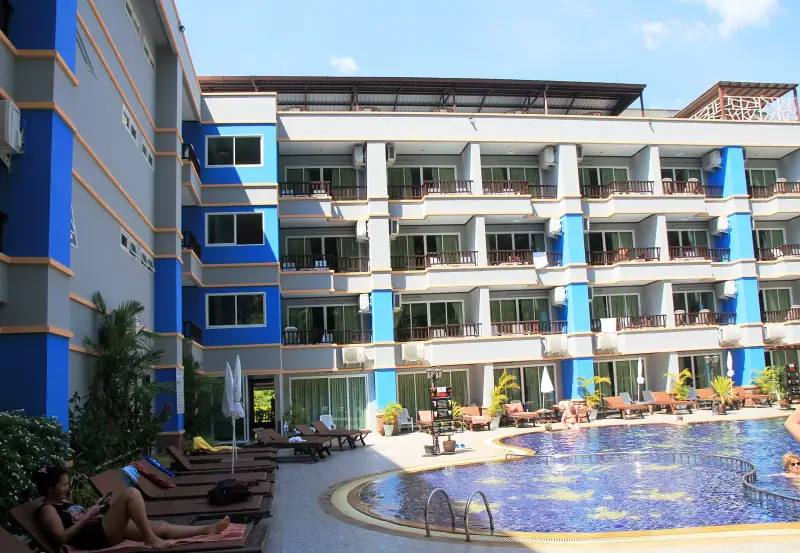
Railay or Ao Nang: Where to Stay in Krabi for Your Trip?
Railay or Ao Nang to stay in Krabi? Compare access, calm, beaches, meals, luggage and budget, with Tonsai, East Railay and Noppharat Thara as alternatives.
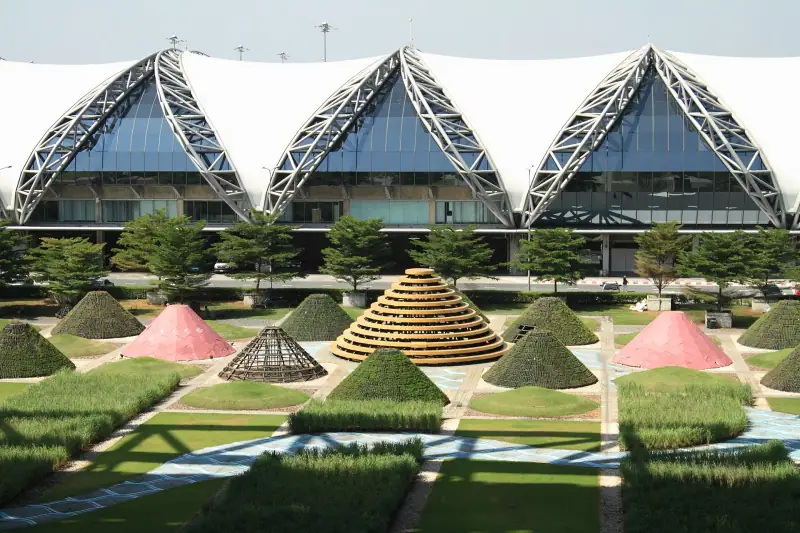
Sleeping Near Bangkok Airport: Suvarnabhumi or Don Mueang, What Are the Options?
Early flight or late arrival in Bangkok? Compare hotels near Suvarnabhumi and Don Mueang, shuttles, transfers and budgets to plan.
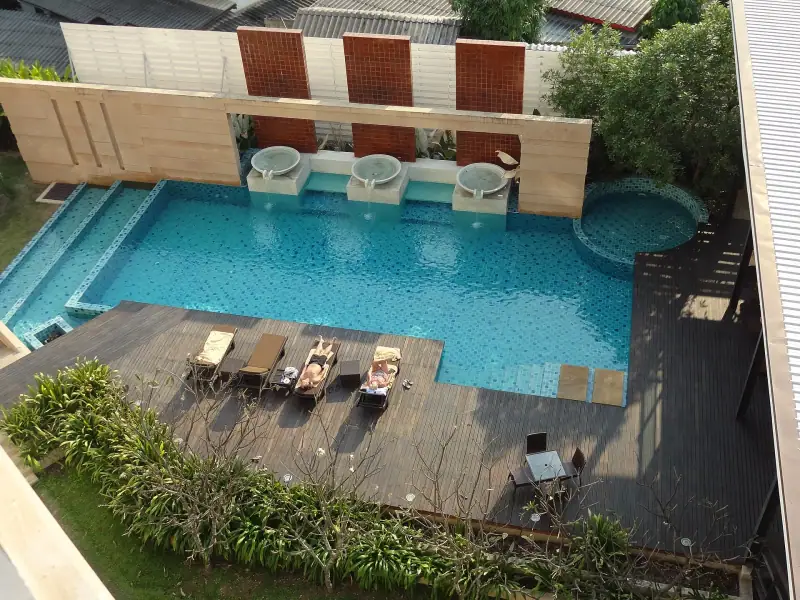
Where to Stay in Chiang Mai: Neighborhoods, Accommodation Types and Tips
Where to stay in Chiang Mai? Old city, Nimmanhaemin, Tha Phae, the Ping riverside or countryside: compare areas by budget and travel style.
Ready-made
Thailand itineraries
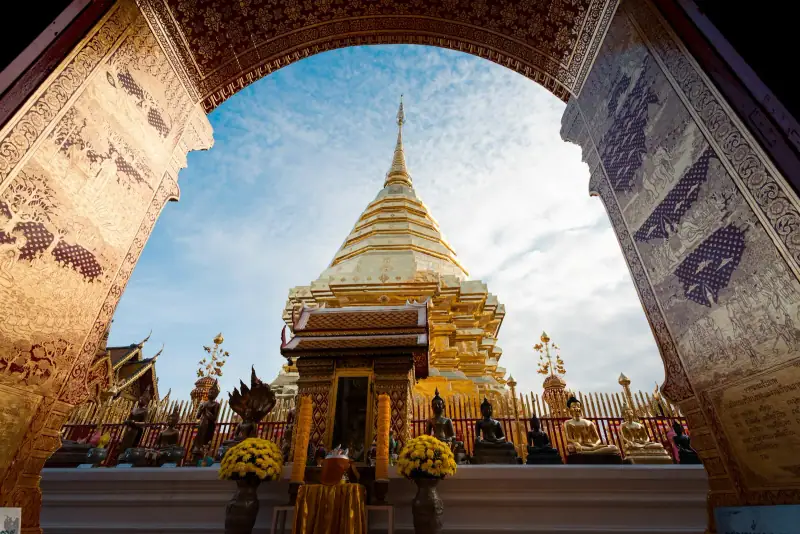
14 days
Thailand Itinerary for 2 Weeks: From the Historic North to the Beaches
A 14-day itinerary in Thailand: Bangkok, Ayutthaya, Sukhothai, Chiang Mai, Chiang Rai, then the beaches of Krabi. Stops, transport and tips.

10 days
Thailand in 10 Days Without a Car: Bangkok, Chiang Mai and Krabi, a Realistic Itinerary
BangkokChiang MaiKrabi
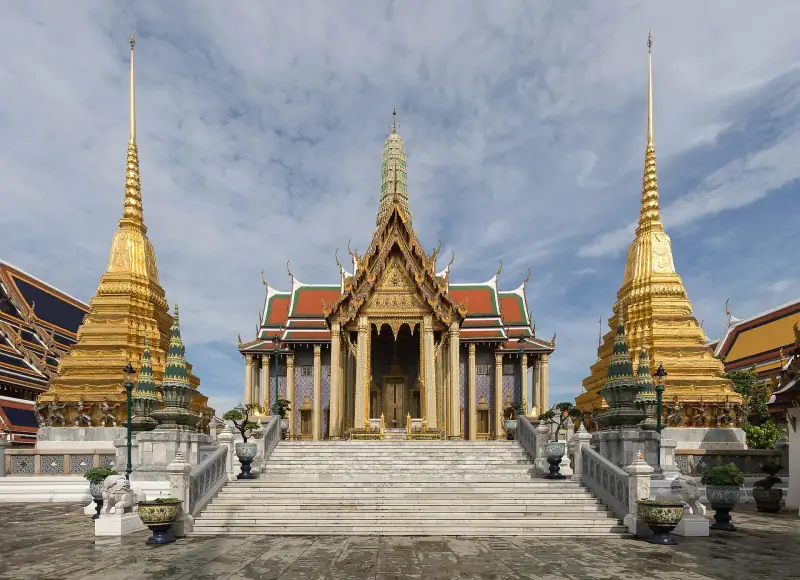
3 days
3 Days in Bangkok: A Day-by-Day Itinerary for First-Time Visitors
What to do in 3 days in Bangkok? Grand Palace, Wat Pho, Wat Arun, Chinatown, Chatuchak and markets: a day-by-day plan with transport and tips.