Things to do
Things to Do in Chiang Mai: Temples, Markets, Food and Nature in 4 Days
We may earn a commission when you book through links on this page, at no extra cost to you. We don't visit or try the places we cover: we summarize published sources. How we work
In short
- Three to four days cover the old city, Doi Suthep, a night market, a cooking class and a nature excursion; add Doi Inthanon and Chiang Rai with a week.
- The cool season, generally November to February, is the most pleasant; smoke from agricultural burning can degrade air quality between February and April.
- Avoid elephant rides and shows; favor sanctuaries with small groups where you watch the animals from a reasonable distance.
- Doi Inthanon is about two hours southwest by road and its summit tops 2,500 m (8,200 ft): bring a light jacket.
Chiang Mai, the big city of northern Thailand, stands out from Bangkok with its calmer pace, its many temples and its proximity to the mountains. Founded in the 13th century, it was the capital of the Lanna kingdom, and this heritage is still visible in its architecture, food and festivals.
Here is enough to fill four days: the old city and its temples, the climb to Doi Suthep, the markets, cooking classes and nature escapes. If you are unsure about the season, our guide on when to go to Thailand will help you choose your dates.
Exploring Chiang Mai’s old city
The historic heart of Chiang Mai is surrounded by a square moat and remnants of ramparts. It is the best starting point: there are dozens of temples, cafés, guesthouses and small shops, all easily covered on foot or by bike, early in the morning or late in the afternoon to avoid the heat.
Highlights include Wat Phra Singh, one of the city’s most venerated temples, Wat Chedi Luang, whose immense partly ruined chedi dominates the neighborhood, and Wat Chiang Man, often presented as the oldest temple in the city. Tha Phae Gate, to the east, serves as a central landmark and the backdrop of many photos.
A few common-sense rules apply in all temples: shoulders and knees covered, shoes removed before entering a building, low voices and respect for the monks. Do not touch Buddha statues and never stand higher than them for a photo.
Allow half a day for three or four temples, without rushing: the interest of the old city lies as much in the atmosphere of the lanes as in the monuments themselves. A break at a café or for a Thai massage, very common and generally affordable, fits in well between two visits.
Climbing to Doi Suthep temple
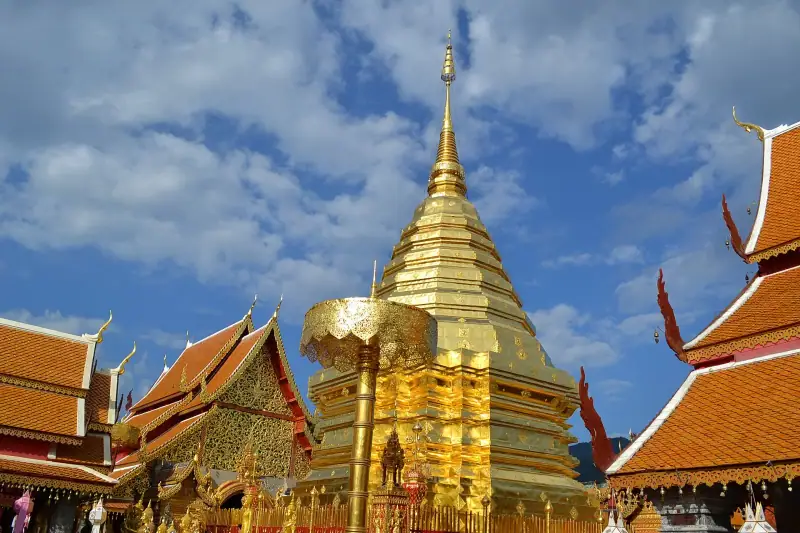
Above the city, on the slopes of the mountain that gives it its name, Wat Phra That Doi Suthep is one of the most emblematic sites in northern Thailand. Its golden chedi is visible from afar and the terrace offers, in clear weather, a wide view over Chiang Mai and its valley.
You reach it by a winding road, usually in a songthaew, the red shared taxis very common in Chiang Mai, or with a driver. The final ascent is by a large staircase decorated with nagas, which you can also skip by taking a paid funicular. The temple is busy all day: for more calm and soft light, aim for early morning.
A full visit takes about two to three hours, travel included. Some travelers combine the temple with a neighboring hill village or a garden, but it is best not to overload the day: mountain roads slow down travel.
Chiang Mai markets: Walking Street and night markets
Chiang Mai is known for its markets, which are as much places to stroll as to shop. On Sunday evening, the Sunday Walking Street turns the Ratchadamnoen axis of the old city into a large pedestrian market: crafts, clothing, jewelry, wooden objects, with food stalls and street music. It is also the busiest time, so arrive early if you hate crowds.
A night market, the Night Bazaar, is held every evening around Chang Khlan Road, with souvenir and clothing shops and food stalls. On Saturday evening, another Walking Street is held in the south of the old city, more modest but less packed.
When shopping, haggle with a smile and without aggression: asking prices are often negotiable, especially for crafts and clothing. Favor items really made locally, such as textiles, ceramics or hand-painted umbrellas.
Cooking classes and northern specialties
A cooking class is one of the most popular activities in Chiang Mai. Most options last half a day and begin with a visit to a local market, where you discover the region’s herbs, spices and vegetables, before cooking several dishes yourself.
The program usually involves preparing a curry, a soup, a stir-fried dish and a dessert. Schools often offer vegetarian adaptations: mention it when booking. Allow several hours and come hungry, since you will eat what you cook.
On the plate, the city is known for khao soi, a curry noodle soup with coconut milk and crispy fried noodles, and for the northern sausage, sai ua, flavored with herbs. These dishes are enjoyed as well in small neighborhood stalls as in more established restaurants; stalls packed with locals are generally a good sign.
Meeting elephants in an ethical sanctuary
Elephants are among the big attractions around Chiang Mai, but the choice of place is essential. Elephant rides, shows and forced contact are to be avoided: they rely on living conditions that are often hard on the animals.
Favor sanctuaries that take in rescued elephants, limit group size and let you watch them, feed them or see them bathe without riding them. Read recent reviews, check what the option includes and be wary of offers that seem too good to be true at very low prices.
Most visits are half-day or full-day, with transfer from your hotel. Book ahead in high season, since groups are limited.
Doi Inthanon: the highest mountain in Thailand
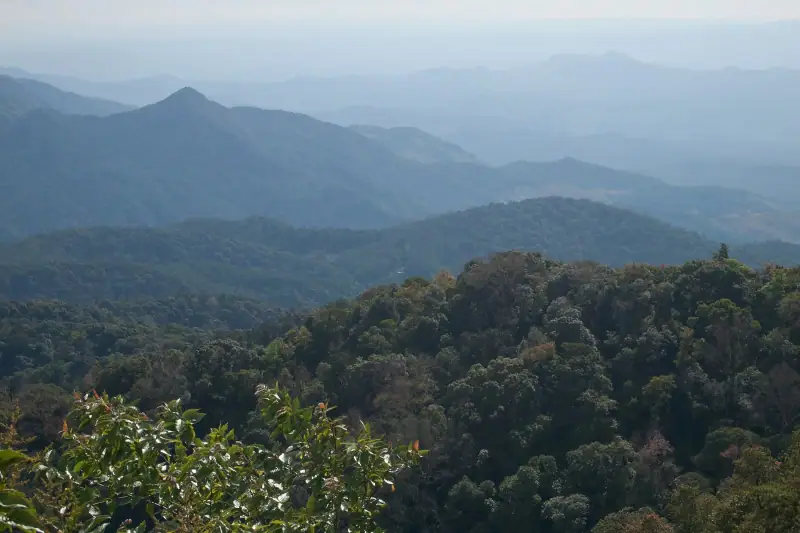
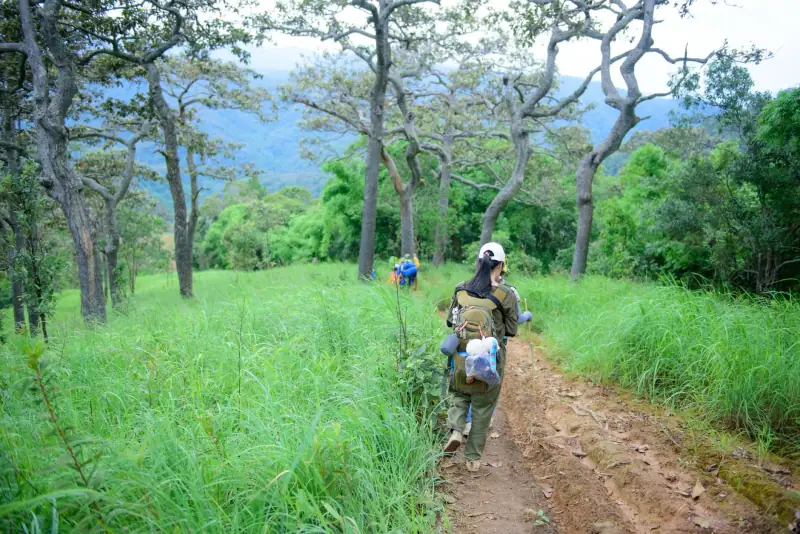
About two hours by road southwest of Chiang Mai, Doi Inthanon National Park holds the country’s highest peak, which exceeds 2,500 meters (8,200 ft). The air is clearly cooler than in the city, which surprises in the middle of the hot season: bring a light jacket.
The park combines waterfalls, mountain forests, short hiking trails, ethnic-minority villages and two commemorative chedis at the summit. A single day lets you see the essentials, provided you leave early. Fog is frequent, especially in the rainy season.
Many travelers opt for an organized excursion with a driver-guide, practical for linking several stops on mountain roads. If you are comfortable on the road, you can also rent a vehicle.
Sample 4-day itinerary
Here is a simple outline, to adapt to your pace and the weather:
- Day 1: old city, three or four temples on foot, massage and dinner at a market. If it is Sunday, finish with the Walking Street.
- Day 2: Doi Suthep in the morning, lunch in town, free afternoon or café, then the Night Bazaar.
- Day 3: cooking class in the morning, rest in the afternoon, then an elephant sanctuary or free time as you wish.
- Day 4: day excursion to Doi Inthanon, back in late afternoon.
If you have more time, add a side trip to Chiang Rai, about three hours by road to the northeast, for its contemporary temples.
Getting to Chiang Mai and getting around
From Bangkok, flying is by far the fastest, with a flight of about an hour and a quarter. The night train and the bus are much slower alternatives, but cheap and a change of scene. Remember to compare schedules and fares for your calendar.
In town, the old city is covered on foot or by bike. Red songthaews, shared taxis whose fares are negotiated before getting in, serve the whole city. Ride-hailing apps are also available. For mountain excursions, a driver or a rental car offers more flexibility.
If you pass through the capital before or after, our guide where to stay in Bangkok will help you choose the right neighborhood.
Practical tips
- Season: from November to February, the weather is milder and drier. At the end of the dry season, air quality can worsen with agricultural burning.
- Clothing: bring light but covering clothes for temples, and a jacket for excursions at altitude.
- Budget: Chiang Mai is generally cheaper than Bangkok or the islands, especially for food and simple lodging.
- Safety: protect yourself from mosquitoes and consider travel insurance covering the planned activities.
- Festivals: the Songkran festival, in April, and Yi Peng and Loy Krathong, generally in November, draw large crowds: book well ahead if you are aiming for them.
Frequently asked questions
How many days do you need to visit Chiang Mai?
Three to four days let you see the old city, the Doi Suthep temple, a night market, a cooking class and a nature excursion. With a week, you can add Doi Inthanon and a side trip to Chiang Rai.
What is the best time to go to Chiang Mai?
The cool season, generally November to February, is the most pleasant: milder temperatures and clear skies. Between February and April, smoke from agricultural burning can degrade air quality. The rainy season is greener but less predictable.
How do you get from Bangkok to Chiang Mai?
Flying is the fastest, with a flight of about an hour and a quarter. The night train and the bus are much slower alternatives, but cheap. Compare schedules before booking.
Do you need to rent a car in Chiang Mai?
It is not essential for the old city, which you cover on foot, by bike or by shared taxi. A car or a driver is however practical for Doi Inthanon or the Mae Rim loop.
How do you choose an ethical elephant sanctuary?
Avoid any place that offers elephant rides or shows. Favor places where you watch the animals from a reasonable distance, in small groups, and read recent reviews before booking.
More Thailand guides
Keep reading
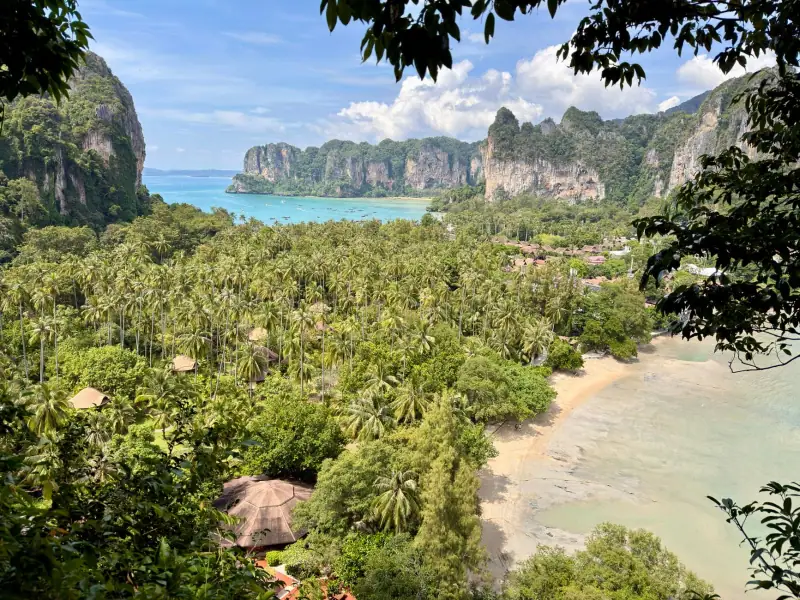
Things to Do in Krabi: Beaches, Islands, Caves and Kayaking in 4 Days
What to do in Krabi? Railay, Ao Nang, the four-islands tour, Tiger Cave Temple and mangrove kayaking: a guide to plan your Andaman Sea stay.
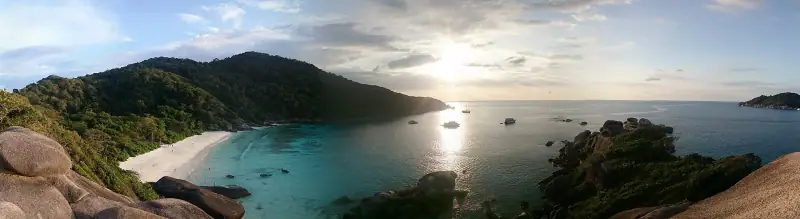
Diving and Snorkeling in Thailand: Where to Dive, When and With Whom
Diving and snorkeling in Thailand: Koh Tao, Similan, Phi Phi, Koh Lanta. Seasons, levels, certification, safety and tips for choosing a dive center.
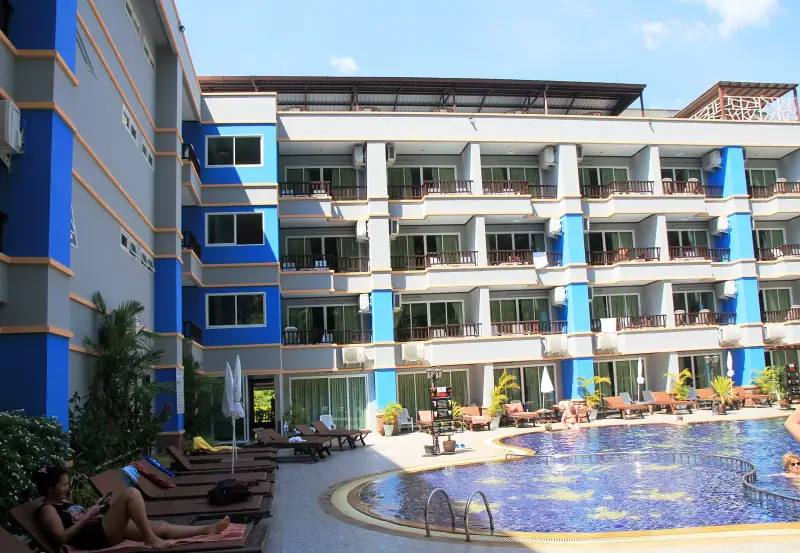
Railay or Ao Nang: Where to Stay in Krabi for Your Trip?
Railay or Ao Nang to stay in Krabi? Compare access, calm, beaches, meals, luggage and budget, with Tonsai, East Railay and Noppharat Thara as alternatives.
Ready-made
Thailand itineraries

14 days
Thailand Itinerary for 2 Weeks: From the Historic North to the Beaches
A 14-day itinerary in Thailand: Bangkok, Ayutthaya, Sukhothai, Chiang Mai, Chiang Rai, then the beaches of Krabi. Stops, transport and tips.
10 days
Thailand in 10 Days Without a Car: Bangkok, Chiang Mai and Krabi, a Realistic Itinerary
BangkokChiang MaiKrabi
3 days
3 Days in Bangkok: A Day-by-Day Itinerary for First-Time Visitors
What to do in 3 days in Bangkok? Grand Palace, Wat Pho, Wat Arun, Chinatown, Chatuchak and markets: a day-by-day plan with transport and tips.