Plan your trip
Best Time to Visit Thailand: Weather and Seasons by Region
We may earn a commission when you book through links on this page, at no extra cost to you. We don't visit or try the places we cover: we summarize published sources. How we work
In short
- November to February is the cool, dry season: best for Bangkok, the north and the Andaman Sea, but also the busiest and most expensive.
- The Andaman Sea is best from about November to April; the Gulf of Thailand (Koh Samui, Koh Phangan, Koh Tao) from about January to August.
- March to May is the hottest period, with temperatures regularly above 35 °C (95 °F) inland; February to April can bring smoke from agricultural fires in the north.
- The rainy season, roughly June to October, brings lower prices and green landscapes; Songkran falls around April 13 and Loy Krathong in November.
Thailand can be visited year-round, but not everywhere at the same time. The country stretches over more than 1,500 km (930 mi) from north to south, between mountains, central plains and two different seas. Result: while it rains on Phuket island, the sun can shine on Koh Samui, and while Chiang Mai shivers a little in the early morning, Bangkok is already sweltering.
Good news: understanding the logic of the three seasons and the two coasts is enough to choose well. Here is a region-by-region guide, with the periods to favor depending on your plans.
Thailand’s three seasons in brief
The climate is tropical, set by the monsoon. Three main periods are generally distinguished:
- The cool, dry season (roughly November to February): clear skies, lower humidity, bearable temperatures. This is the tourist high season.
- The hot season (roughly March to May): the heat rises sharply, especially inland. Beaches stay pleasant, but temple visits in the middle of the afternoon become trying.
- The rainy season (roughly June to October): the monsoon brings frequent showers, often brief and intense. Prices drop and sites are quieter.
These dates are benchmarks: the start and end of the monsoon vary from year to year, and from region to region. A “rainy” season does not mean whole days under water. In most cases, it rains for a few hours and then the sky clears.
Bangkok and the center: hot all year
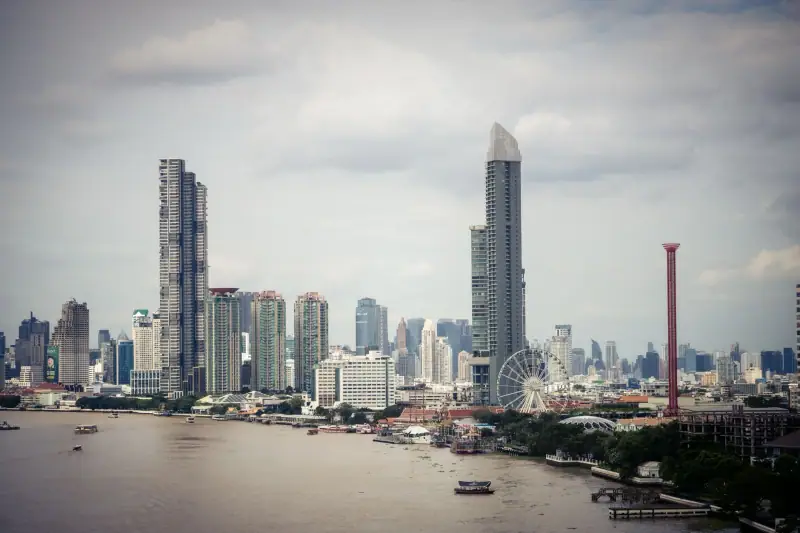
Bangkok is hot and humid all the time. Even in the cool season, days stay far hotter than a spring day in a temperate climate. From November to February, it is the best time to walk the Grand Palace, the temples and the districts on foot, with milder evenings.
From April to June, the heat is stifling. Plan to visit early in the morning, take a break in the middle of the day and make the most of air-conditioned malls, the elevated train and boats on the Chao Phraya River, which bring a little coolness.
During the monsoon, downpours can flood some streets for a short while. Keep a light umbrella or poncho in your bag and plan outdoor visits in the morning.
Ayutthaya, the former capital north of Bangkok, follows the same calendar. Its ruins are explored without shade: the cool season remains the most comfortable for a day there.
Hotels in Bangkok
Compare lodging by neighborhood and travel dates.
Chiang Mai and the north: coolness, mist and smoke
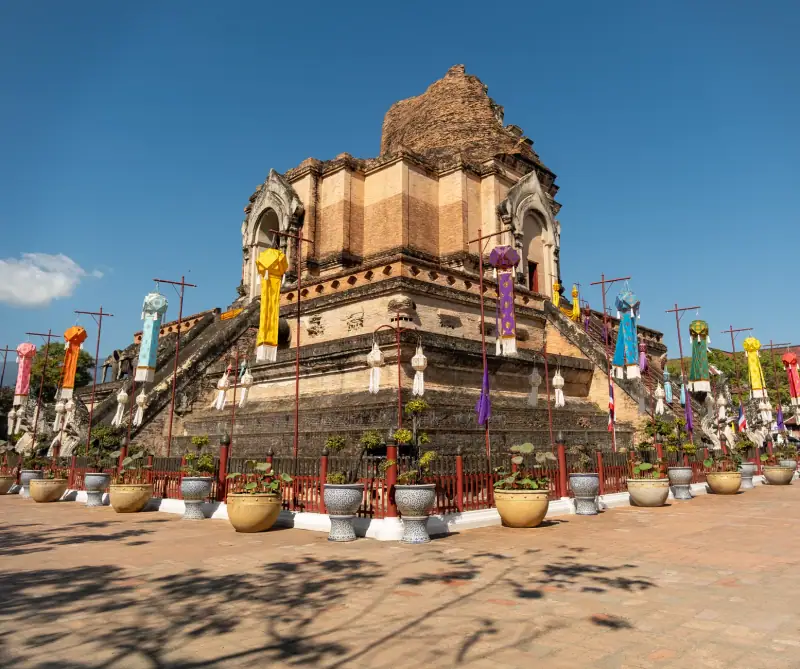
Northern Thailand, around Chiang Mai and Chiang Rai, is the region where the seasons are most marked. Between November and February, mornings are cool, especially at altitude, and afternoons pleasant. It is the ideal time for hiking, night markets and visits to mountain villages. Bring a light jacket for sunrises and evenings.
Between February and April, part of the north suffers air pollution linked to agricultural fires and forest fires. This can result in a hazy sky and poor air quality, which spoils views and can bother sensitive people. If you want to visit the north, try to avoid this window and check air quality indexes before booking.
From May to October, the monsoon turns the rice fields and hills green. Showers are frequent, but the landscapes are superb and tourist sites far less crowded. Some mountain roads and trails become slippery: bring good shoes.
It is also in the north that the Yi Peng festival of lights, linked to Loy Krathong, is held in November. Dates vary with the lunar calendar: check them before booking, because lodging fills up quickly.
The Andaman Sea: Phuket, Krabi and Koh Lanta
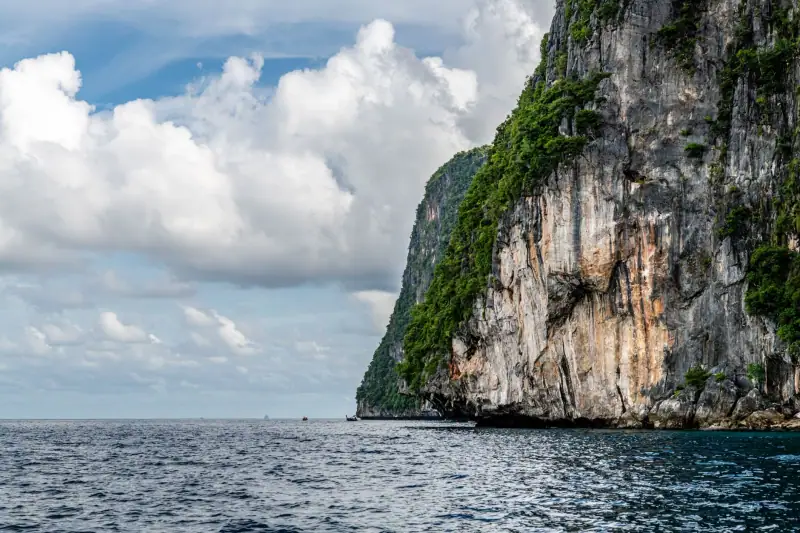
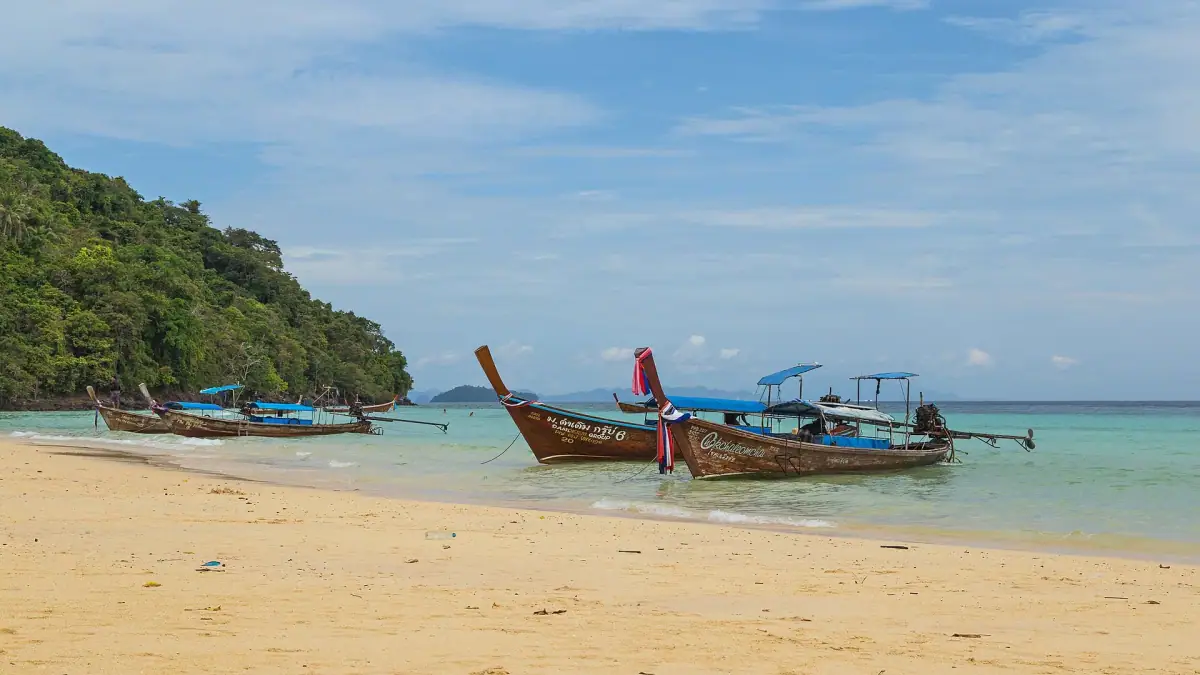
The west coast, with Phuket, Krabi, Koh Lanta and the Phi Phi islands, is at its best in the dry season, roughly November to April. The sea is calmer, underwater visibility better and boat excursions take place in good conditions. It is also the high season, with higher rates, especially around Christmas and New Year.
From May to October, the southwest monsoon stirs up the Andaman Sea. Waves are stronger, red flags sometimes ban swimming on some beaches, and some boat connections are reduced or cancelled. There are still beautiful days, but the weather risk is real. If you travel at this time, favor flexibility: cancellable lodging, an adjustable program and travel insurance covering the unexpected.
Hotels in Phuket
In high season, book early enough: the best addresses go fast.
The Gulf of Thailand: Koh Samui, Koh Phangan and Koh Tao

On the east coast of the south, the calendar is offset. Koh Samui, Koh Phangan and Koh Tao generally have their best conditions from about January to August, with the heaviest rainfall at the end of the year, October to December. This offset is what makes the Gulf a good option when the Andaman Sea is rough.
Koh Tao is known for diving and for getting certified. Visibility conditions vary by month and current: ask a dive center before booking a course.
Koh Samui is also well served, which makes it a practical base for families and travelers who want to combine beach and comfort. For a large island, allow at least a few days to enjoy it without rushing.
Which period to choose for your trip?
Rather than looking for the “best month,” start from what you want:
- Cultural circuit (Bangkok, Ayutthaya, Sukhothai, north): November to February, when temperatures are most bearable.
- Andaman Sea beaches: November to April, with a preference for December to March for the calmest sea.
- Gulf of Thailand beaches: about January to August, which complements the west coast calendar well.
- Small budget: the rainy season, with much cheaper lodging and fewer people, provided you accept the showers.
- Festivals and traditions: Songkran around April 13 and Loy Krathong in November, two highlights, but very busy.
If you travel with family, try to avoid the hottest period, March to May, especially with young children. For a honeymoon, December to February offers the best chances of good weather on the west coast, at the cost of higher rates.
Tours and activities in Thailand
Book your visits, cruises and cooking classes in advance.
High, shoulder and low season: the impact on budget
High season, roughly November to February, concentrates the most travelers. The most sought-after lodging is booked several weeks ahead, especially on the islands, and rates are at their peak, particularly during the year-end holidays.
The hot season is an in-between period: slightly lower prices, but strong heat. The rainy season is the cheapest: you can find rates well below winter ones, with more choice for last-minute bookings.
Flight prices follow the same logic. Tickets are generally higher during school vacations and year-end holidays, and more affordable outside them. Compare several dates and airlines before locking in your trip.
What to pack by season
Whatever the period, light, breathable clothing (cotton or linen) is essential. Add:
- High-SPF sunscreen and a hat, all year.
- A poncho or light waterproof jacket between May and October.
- A jacket or thin sweater for evenings in the north, in the cool season.
- A scarf or clothing covering shoulders and knees for visiting temples.
- Mosquito repellent, especially useful in the wet season.
Summary
If you only remember one rule: November to February for a classic circuit, November to April for the Andaman Sea, and about January to August for the Gulf of Thailand. Outside these windows, Thailand remains a very pleasant destination, provided you adapt your program to the weather and stay flexible.
Frequently asked questions
What is the best month to go to Thailand?
There is no perfect month for the whole country, because the climate varies by coast. From November to February, the cool, dry season suits Bangkok, the north and the Andaman Sea very well. It is also the busiest and most expensive period. January and February are often the most balanced months.
Can you travel in Thailand during the rainy season?
Yes, it is even a good option to pay less. Rain often falls in intense but short showers, especially in the afternoon, and landscapes are a vivid green. However, avoid the Andaman Sea beaches in the middle of the monsoon, when the sea is rough and some excursions are cancelled.
When to go to Koh Samui, Koh Phangan and Koh Tao?
The Gulf of Thailand has a calendar offset from the Andaman Sea. It is generally pleasant from the start of the year until summer, with the heaviest rain at the end of the year, around October to December. It is therefore a good alternative when the west coast is in its wet season.
What is the hottest period in Thailand?
March to May are the hottest months, with temperatures regularly above 35 °C (95 °F) inland, notably in Bangkok and the north. Beaches make the heat easier to bear, but humidity stays high.
When is Thai New Year (Songkran)?
Songkran is celebrated around April 13, with festivities lasting several days. It is a very popular water festival, but also a period of heavy travel for Thais: book transport and lodging well in advance.
More Thailand guides
Keep reading

Thailand Budget: How Much a Trip Costs, Item by Item
Budget for a stay in Thailand: real costs of lodging, transport, meals and activities, three priced profiles and tips to spend less.
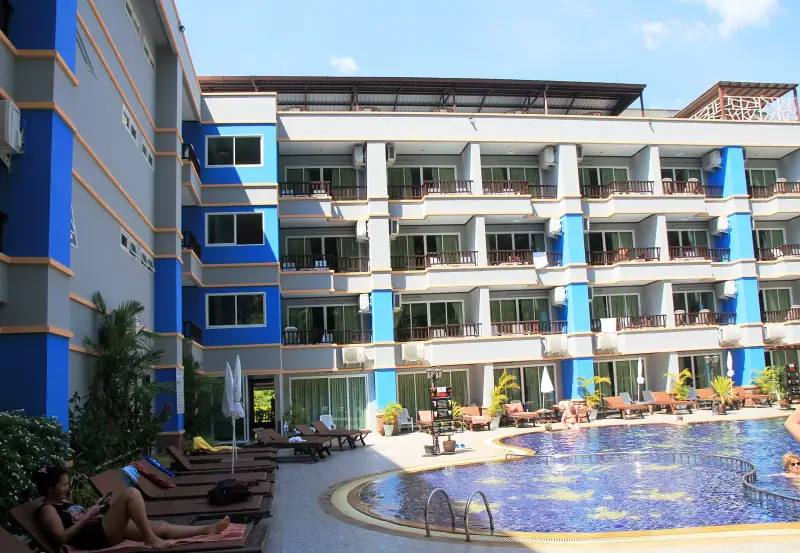
Railay or Ao Nang: Where to Stay in Krabi for Your Trip?
Railay or Ao Nang to stay in Krabi? Compare access, calm, beaches, meals, luggage and budget, with Tonsai, East Railay and Noppharat Thara as alternatives.
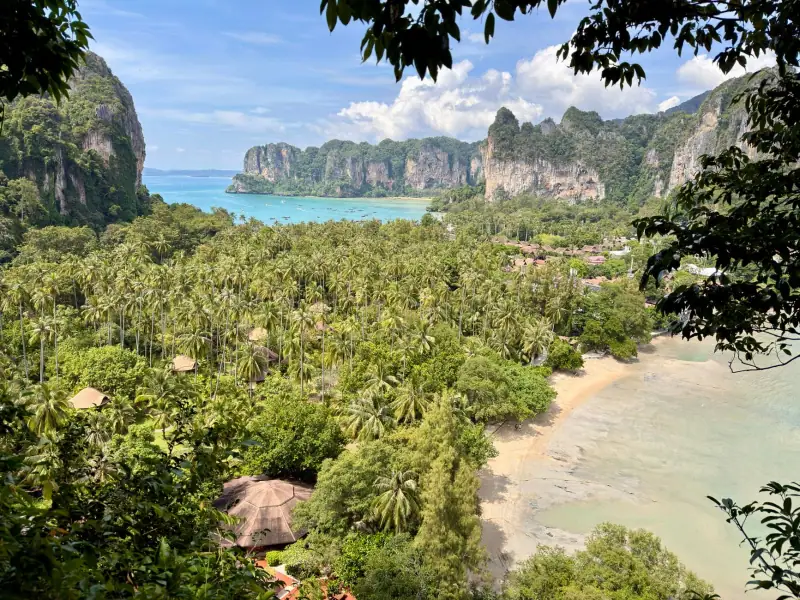
Things to Do in Krabi: Beaches, Islands, Caves and Kayaking in 4 Days
What to do in Krabi? Railay, Ao Nang, the four-islands tour, Tiger Cave Temple and mangrove kayaking: a guide to plan your Andaman Sea stay.
Ready-made
Thailand itineraries

14 days
Thailand Itinerary for 2 Weeks: From the Historic North to the Beaches
A 14-day itinerary in Thailand: Bangkok, Ayutthaya, Sukhothai, Chiang Mai, Chiang Rai, then the beaches of Krabi. Stops, transport and tips.

10 days
Thailand in 10 Days Without a Car: Bangkok, Chiang Mai and Krabi, a Realistic Itinerary
BangkokChiang MaiKrabi

3 days
3 Days in Bangkok: A Day-by-Day Itinerary for First-Time Visitors
What to do in 3 days in Bangkok? Grand Palace, Wat Pho, Wat Arun, Chinatown, Chatuchak and markets: a day-by-day plan with transport and tips.