Itineraries
Mallorca in 7 days: a complete itinerary to discover the island
We may earn a commission when you book through links on this page, at no extra cost to you. We don't visit or try the places we cover: we summarize published sources. How we work
Day by day
- Day 1Palma: cathedral, Gothic Quarter, Olivar market, Bellver Castle
- Day 2Valldemossa, Deià, Sóller and Port de Sóller
- Day 3Cap de Formentor, Alcúdia, Pollença
- Day 4Inland villages: Inca, Sineu, Petra, Manacor
- Day 5Caves of Drach, Porto Cristo, Cala d'Or, Cala Mondragó
- Day 6Cap de Ses Salines, Es Trenc, Colònia de Sant Jordi, Serra de Llevant
- Day 7Banyalbufar, Estellencs, Sant Elm, back to Palma
In short
- Seven days cover Palma, the Serra de Tramuntana, Cap de Formentor and Alcúdia, the island's interior, the east coast and Caves of Drach, the south coast and the southern Tramuntana.
- A rental car is essential for this itinerary; budget €25 to 60 a day (about $29-70) depending on the season.
- May, June and September are ideal: summer weather, sea at 22-25 °C (72-77 °F), quieter roads and moderate prices.
- Indicative total of €880-1,500 per person (about $1,020-1,740), and reserve the Caves of Drach and the Cabrera boat ahead.
Mallorca is the largest of the Balearic Islands, and arguably the most varied. In seven days you can wander the medieval lanes of Palma, drive the cliffside roads of the UNESCO World Heritage Serra de Tramuntana, swim in turquoise southern coves and taste sobrasada in an inland village in the shade of an almond tree. Here is the ideal itinerary to see it all without rushing.
Before you go: the essentials
Getting to Mallorca
Palma de Mallorca Airport (PMI) is one of the busiest in Europe in summer. Book flights 2 to 4 months ahead for July-August.
Ferries also link Barcelona to Palma (7 h to 7 h 15 on a conventional ferry), handy if you want to bring your car or bike. There is no fast boat on this route.
Getting around the island
A rental car is essential for this itinerary. Book ahead in high season because the island’s rental fleet sells out. A small car is preferable for the narrow lanes of the Serra de Tramuntana villages.
EMT buses serve Palma itself and the main seaside resorts from the intermodal terminal. The Sóller train, a century-old tourist train linking Palma to Sóller and its port, is an experience in itself and can replace the car for the first stage in the Tramuntana.
Car rental in Mallorca
Compare the best deals and book ahead to avoid summer shortages.
Day 1: Palma de Mallorca, the capital at your own pace
A Mediterranean city that surprises
Palma de Mallorca is much more than a gateway to the island: it is a lively Mediterranean capital, with a medieval old town, a redesigned waterfront and a food and cultural scene recognized across Europe.
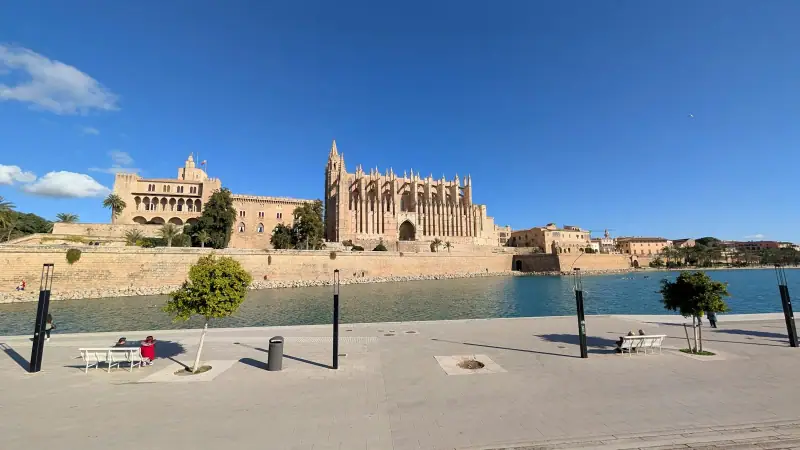
Morning: Start with the Cathedral of Palma (La Seu), an emblematic monument built from the 13th century in golden sandstone by the sea. Inside is a contemporary intervention by Gaudí (the canopy over the high altar and the relocation of the choir) that creates a fascinating dialogue between Gothic and modernism. The view from the seafront terrace facing the cathedral is one of the finest postcards of the Mediterranean.
Continue into the Barri Gòtic, the Gothic quarter with cobbled lanes, inner courtyards and medieval noble palaces. The Palau de l’Almudaina (the former residence of the kings of Mallorca, paid entry) deserves a quick visit for its decorated rooms and views over the bay.
Midday: The Mercat de l’Olivar, a large covered market a short walk from the center, is the ideal place for a quick lunch at the counter: fresh fish, sobrasada and cheese tapas, ensaïmadas. Avoid the overly touristy restaurants by the harbor and go for the small stalls inside the market.
Afternoon: Go up to Castell de Bellver, a circular 14th-century Gothic castle on a hill above the city. 360° views over Palma, the bay and the first hills of the Tramuntana. Then come back down for a stroll along the Passeig des Born, the central avenue lined with plane trees, before exploring the Santa Catalina district (a former fishermen’s quarter turned trendy, with tapas bars and modern restaurants).
Evening: Palma comes alive with a sophisticated nightlife. The terraces of the Passeig Marítim facing the sea, opposite the illuminated cathedral, are a show in themselves. To go further, read our guide Palma de Mallorca: the top sights.
Day 2: Northern Serra de Tramuntana, Valldemossa and Deià
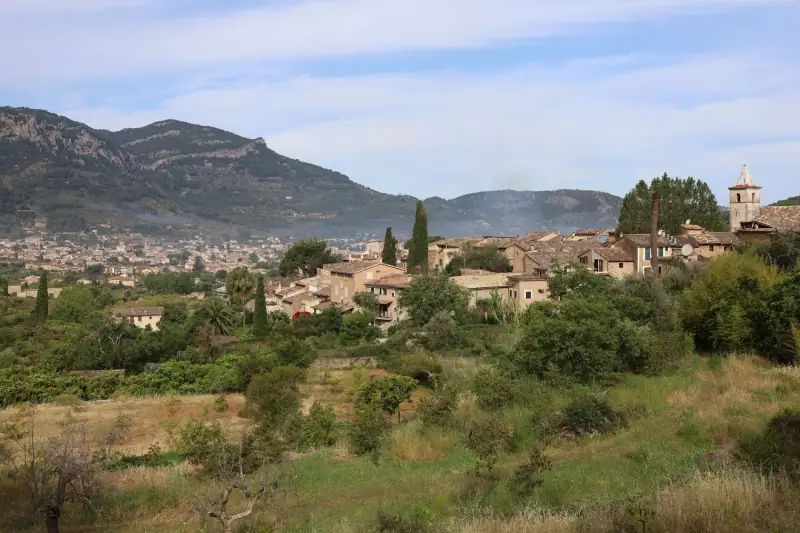
The legendary road of hilltop villages
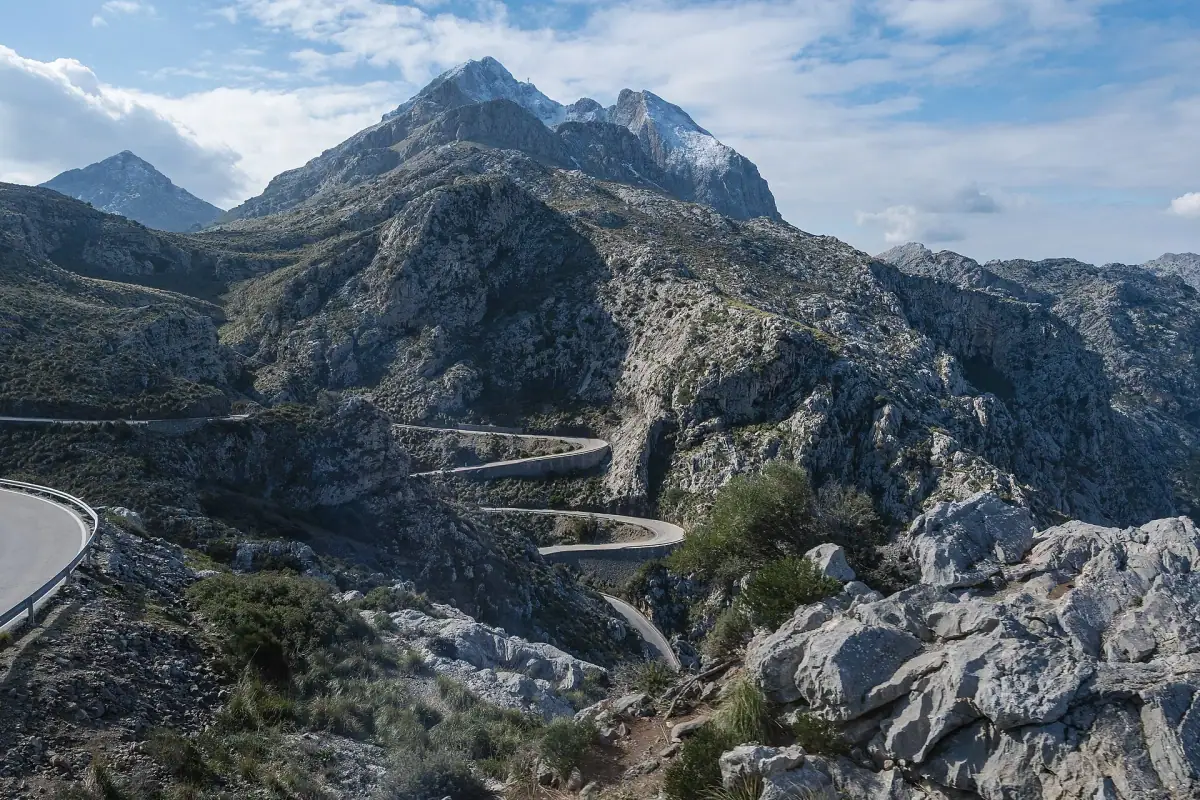
The Serra de Tramuntana is the mountain range that runs along Mallorca’s northwest coast for 90 km (56 mi). Listed as a UNESCO World Heritage cultural landscape since 2011, shaped by millennia of terraced agriculture, it is the island’s natural jewel.
Valldemossa (about 18 km, or 11 mi from Palma) is the first essential stop. This village of brown tile roofs and gray limestone facades was made famous by the winter stay of Frédéric Chopin and George Sand in 1838-1839. The Cartoixa de Valldemossa (Carthusian monastery, paid entry) houses the cells they occupied, with Chopin’s piano and manuscripts. The village itself, its flowered lanes and its panorama over the terraced orange groves are well worth the crowd of tour coaches.
Deià (about 17-18 km, or 11 mi further along the MA-10) is perhaps the most beautiful village in Mallorca. Perched on the mountainside above the Mediterranean, it was the refuge of the British writer Robert Graves (who lived there for 50 years) and attracted a whole colony of artists, writers and musicians. Its small pebble beach, Cala Deià, reachable on foot from the village, is one of the wildest on the northwest coast.
Afternoon: Continue to Sóller (about 9-10 km, or 6 mi), the “city of orange trees.” The town has kept its Art Nouveau architecture (modernist station and squares) and its century-old train that runs back down to Palma. If you did not take it on the way out, keep it for another day. From Sóller, a historic tram goes down to Port de Sóller, a sheltered horseshoe harbor, ideal for a late-afternoon swim.
Hotels in the Serra de Tramuntana
Sleep in the mountain villages and enjoy the UNESCO landscape at your doorstep.
Day 3: Cap de Formentor and the north coast
The wild tip of the island
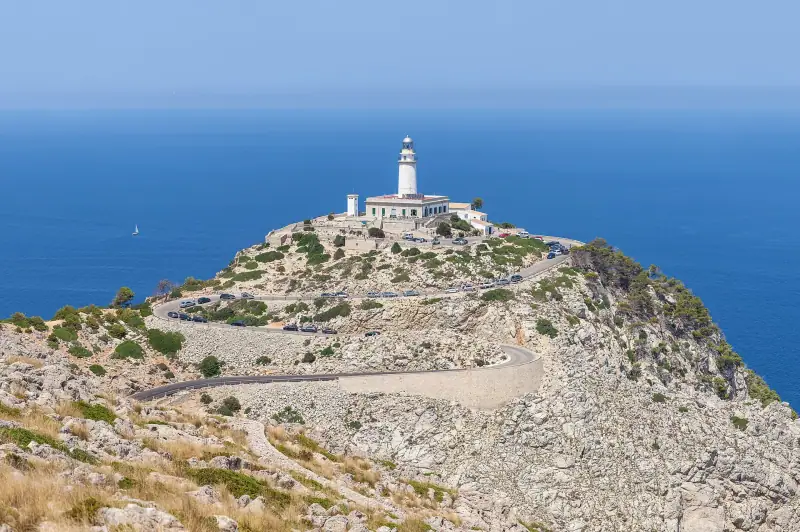
Cap de Formentor is the northernmost point of Mallorca, a 20 km (12 mi) peninsula of dizzying cliffs plunging into an intensely blue sea. It is one of the island’s most emblematic images.
Important: In July-August, the road to the cape is subject to traffic restrictions for private cars. Shuttles leave from Port de Pollença (a ticket costs about €5, or $6, round trip). Off-season, you can drive freely to the cape’s lighthouse.
Platja de Formentor, halfway along the peninsula, is a fine-sand beach lined with pines and crystal-clear water: one of the most beautiful in Mallorca, and also one of the busiest. Arrive early or take the early morning shuttle to enjoy the calm.
Afternoon: Head back down to Alcúdia and the Bay of Alcúdia, the big bay of the north. Alcúdia’s old town is one of the best-preserved historic centers in Mallorca, surrounded by intact medieval walls (14th century). Platja d’Alcúdia, several kilometers long, is a family beach, perfect for an end-of-day swim. To learn more about the town, see our guide to visiting Alcúdia.
End the day at Pollença, an inland village known for its Calvari (365 steps leading to a chapel, with a spectacular view) and its central square lined with terraces. Pollença’s Sunday market is one of the most authentic on the island (Sunday morning).
Day 4: The island’s interior, villages and crafts
Mallorca’s rural heart
Mallorca’s interior is often ignored by travelers in a hurry. That is a mistake: its ochre-stone villages, ancient olive groves and weekly markets offer an authentic Mallorca far from the crowded beaches.
Inca is Mallorca’s leather capital. The town itself is not spectacular, but its cellers (cellar restaurants) and wine cellars, its markets (Thursday is the big weekly market, one of the most important in the Balearic Islands) and its shoe factories make it an interesting stop. The Spanish brands Camper and Yanko were born here.
Sineu, at the geographic center of the island, has one of Mallorca’s most picturesque markets on Wednesday morning. Its fortified church of Sant Marc and its stone lanes are a reminder that this village was once a royal seat.
Petra deserves a stop for its honey-colored stone houses and its link with Friar Junípero Serra, the Mallorcan missionary who founded 9 missions in California in the 18th century (including San Francisco, Mission Dolores, 1776, and San Gabriel Arcángel, near present-day Los Angeles, 1771). His birthplace and the small museum dedicated to him show the island’s influence on American history.
Manacor is Mallorca’s second-largest town, known for its artificial pearls (Majorica, which can be visited on a free guided tour; group outings by request). The town is not beautiful in itself but is a practical stop for fuel and shopping.
Excursions and activities in Mallorca
Caves of Drach, catamaran trips, guided hikes: book your activities ahead.
Day 5: East coast, Caves of Drach and the southeastern coves
Treasures of the eastern shore
Mallorca’s east coast is less spectacular than the Tramuntana but offers the islands’ clearest coves and the most impressive underground caves in the Balearic Islands.
The Coves del Drac (Caves of Drach), at Porto Cristo, are an essential stop even if touristy. These karst caves stretch for 2.4 km (1.5 mi) and hold one of the largest underground lakes open to the public in Europe (Lake Martel, 115 m, or 377 ft long). The guided tour ends with a classical music concert on illuminated boats on the lake: kitsch, but spellbinding. Book your tickets online to avoid queues.
Porto Cristo is the access harbor for the caves: a lively waterfront, a fish restaurant, a pebble beach. To the north, Cala Millor is the east coast’s big seaside resort, very busy but with a beautiful fine-sand beach.
To the south, Cala d’Or is a marina of white Ibiza-style villas. The coves around it, Cala Gran, Cala Esmeralda and Cala Ferrera, are small, sheltered and very clear: ideal for snorkeling.
Portopetro and Cala Mondragó (a protected natural park) show the east coast at its best: Cala Mondragó has two twin beaches separated by a limestone headland, with pine groves and posidonia seagrass beds. The park bans excessive commercial development and preserves a rare wild character. Access is on foot from a paid car park.
Day 6: Cap de Ses Salines and the south coast
The wild southern tip
Cap de Ses Salines, Mallorca’s southernmost point, is a protected nature reserve where dozens of migratory bird species can be seen. The walk from the lighthouse (2 km, or 1.2 mi) crosses a windswept low scrubland, with views of Cabrera, the protected archipelago visible opposite.
The Salines de Campos (salt pans worked by hand since Roman times) and the beach of Es Trenc make one of Mallorca’s most memorable combinations. Es Trenc is the island’s big wild and naturist beach: 3 km (1.9 mi) of white sand, dunes, turquoise water, no concrete and no developers (a protected natural park). It is the Mallorca beach that most resembles a photo of Formentera. Arrive before 10 am in season to park.
Colònia de Sant Jordi is the small port southeast of the salt pans, with excursion boats to Cabrera (a protected national archipelago, a day trip with snorkeling in waters untouched by pollution). Book the Cabrera boat ahead: places are limited and the season is in full swing in summer.
End the day in the villages of the Serra de Llevant (Porreres, Felanitx), less visited than the Tramuntana but authentic, with their wine cellars and olive oil cooperatives. The road between Felanitx and the Santuari de Sant Salvador (360° panorama from 509 m, or 1,670 ft) is one of the island’s best-kept secrets.
Day 7: Southern Serra de Tramuntana, Banyalbufar and back to Palma
The Tramuntana’s southern side: terraces and vines
The southern part of the Serra de Tramuntana is less visited than the Valldemossa-Deià-Sóller stretch, but perhaps offers the island’s most moving landscapes.
Banyalbufar is the terraced village par excellence: set between mountain and sea, its dry-stone terraces (marjades) cascade down to the Mediterranean and are part of the UNESCO Tramuntana listing. For centuries the village has produced a local white wine (dry or sweet), Malvasia de Banyalbufar, and a few families continue terraced viticulture. The view from the overlooks above the sea is truly dizzying.
Estellencs (a few kilometers south, toward Andratx) is a small, almost medieval mountain village, less visited than its neighbors. Its cemetery hanging above the sea and its narrow lanes make it a haven of peace.
Sant Elm and Dragonera: at the southwest end of the Tramuntana, Sant Elm is a quiet fishing village from which boat excursions leave for Illa Dragonera, a nature reserve shaped like a sleeping dragon. The island is an important bird refuge (ospreys, Eleonora’s falcons) and has hiking trails open to visitors with an excursion ticket.
Back to Palma: From Andratx, the coastal road takes you back toward Palma past the luxury marinas of Port d’Andratx and Santa Ponsa. If you have time before your flight, stop at Portals Nous (a luxury marina, with café terraces facing the yachts) or go straight back to Palma for a last lunch in Santa Catalina.
Practical tips for your road trip
Indicative budget for 7 days in Mallorca
| Item | Average budget per person |
|---|---|
| Accommodation (3-star hotel) | €350-560 (~$405-650) (€50-80, or ~$58-93, a night) |
| Car rental (7 days) | €200-400 (~$230-465) total (split by 2 for a couple) |
| Food (half board) | €210-350 (~$245-405) (€30-50, or ~$35-58, a day) |
| Activities and entry fees | €80-120 (~$93-140) |
| Fuel | €40-70 (~$46-81) for the island loop |
| Indicative total | €880-1,500 (~$1,020-1,740) |
For more detailed expense planning, see our Balearic Islands budget guide.
Where to sleep along the itinerary
To optimize travel, we recommend two bases:
- Days 1-4: Palma or Sóller (access to the Tramuntana, Formentor, Alcúdia)
- Days 5-7: Santanyí or Porto Cristo (access to the east coast, Es Trenc, southern Tramuntana)
Agroturismos (renovated farmhouses turned countryside guesthouses) are Mallorca’s most authentic accommodation: pools surrounded by olive trees, breakfasts with local produce. They are ideal for the inland base.
For a full selection by area, see our guide to where to stay in Mallorca.
Alternative 10-day itinerary
If you have 10 days, add:
- Day 8: Formentera (ferry from Palma: 3 h 30 minimum direct with Baleària, or about 5 h via Ibiza) or Cabrera
- Day 9: Hike in the Tramuntana (GR 221, Dry Stone Route, between Deià and Valldemossa)
- Day 10: Palma culture and food (museums, galleries, starred restaurants)
For hikers, our guide to hikes in Mallorca details the best Tramuntana routes.
What to pack
- High-protection sunscreen: the sun reflected by the sea and limestone cliffs is treacherous
- Hiking shoes: essential for Tramuntana trails and access to the coves
- Reusable water bottle: tap water is drinkable across the island
- Cash: car parks at secluded coves are often cash only
- Offline navigation app: mountain areas sometimes have poor reception
- Online bookings: Caves of Drach, Cabrera excursion, some popular Palma restaurants
Food: don’t miss
Mallorca is the Balearic Islands’ food island. A few essentials to try there:
- Ensaïmada: a spiral of brioche dough made with lard, an island specialty since the 17th century
- Pa amb oli: bread with olive oil and tomato, the base of all Mallorcan cooking
- Sobrasada: a mild spicy spreadable sausage, ideal on toasted bread or in cooking
- Tumbet: a Mediterranean vegetable bake (eggplant, zucchini, potatoes, peppers) with tomato sauce
- Frit mallorquí: sautéed offal and vegetables, a traditional peasant dish
- Gin de Mahón (Xoriguer): a Menorcan specialty (PGI since 1989), to enjoy with lemon or as a gin and tonic if you go island hopping
For the best addresses in Palma, see our guide to restaurants in Palma.
The best beaches by area
Every day of this itinerary includes chances to swim. Here is a recap by area:
| Day / Area | Recommended beaches | Atmosphere |
|---|---|---|
| Northwest coast | Cala Deià, Port de Sóller | Wild, pebbles |
| Cap de Formentor | Platja de Formentor | Fine sand, pines |
| North / Alcúdia | Platja d’Alcúdia, Platja de Muro | Family, long |
| East coast | Cala Mondragó, Cala Gran | Clear, protected |
| South | Es Trenc, Ses Covetes | Wild, naturist |
For a full overview of the archipelago’s best beaches, see our selection of the most beautiful beaches of the Balearic Islands.
Mallorca has to be earned: its mountain roads demand attention, its beach car parks demand patience. But when you find yourself swimming in the turquoise green of an empty cove at the foot of a limestone cliff, with the scent of pines and the silence of the Mediterranean, you understand why millions of travelers come back here, year after year.
Frequently asked questions
How many days do you need to visit Mallorca?
7 days is a minimum to see the essentials: Palma, the Serra de Tramuntana, Cap de Formentor, the southern coves and the interior villages. With 10 to 14 days, you can explore at a more relaxed pace and linger in the places you like.
Do you need a car to visit Mallorca in 7 days?
Yes, a rental car is essential for this itinerary. Public buses cover Palma and a few coastal towns, but the secluded coves, mountain villages and roads of the Serra de Tramuntana are out of reach without a vehicle. Allow €25 to 60 a day (about $29-70) depending on the season.
What is the best time to do this itinerary in Mallorca?
May, June and September are ideal: summer weather, sea at a good temperature (22-25 °C, or 72-77 °F), less congested roads and moderate prices. July-August guarantees sun but the coves are packed, the Tramuntana roads are sometimes closed because of the crowds, and prices are at their highest.
Is the Serra de Tramuntana hard to drive?
The Serra de Tramuntana roads are narrow and winding, sometimes with single-lane stretches. They are drivable in a regular car but require attention and patience. In July-August, some routes are jammed and parking is limited in Sóller, Valldemossa and Deià. Avoid big cars and choose a small one.
Can you combine Mallorca with other Balearic Islands in 7 days?
Yes, but in a limited way. A round trip by boat to Menorca (1 h to 1 h 15 from Alcúdia with Baleària) or to Ibiza (2 h 15 from Palma with Baleària) is feasible by dedicating a full day, but you sacrifice a day in Mallorca. To see several islands properly, prefer 14 days or see our island-hopping guide.
What souvenirs should you bring back from Mallorca?
The essentials: the ensaïmada (a spiral pastry made with lard), filled ensaïmadas (cabello de ángel, sobrasada), Mallorcan olive oil (PDO Oli de Mallorca), sobrasada (a spicy spreadable sausage), Mallorca pearls (Manacor) and Camper or Yanko shoes, made on the island for decades.
More Balearic Islands guides
Keep reading
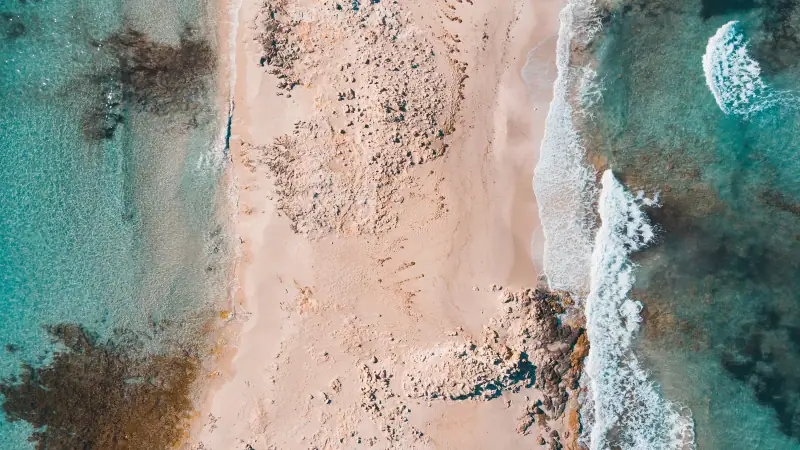
Visiting Formentera: a complete guide to the pearl of the Balearic Islands
Formentera, the smallest Balearic island: Ses Illetes beaches, La Mola plateau, salt flats, Sant Francesc village. A complete guide.
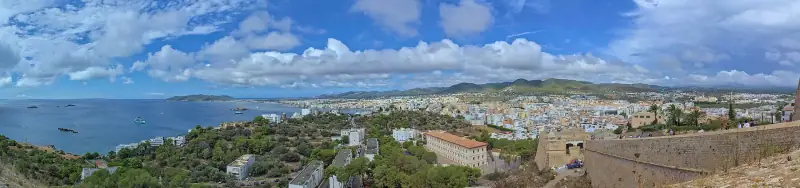
Visiting Ibiza: a complete guide to the White Isle of the Balearics
Complete Ibiza guide: UNESCO Dalt Vila, wild beaches, nightlife, the authentic north, food and practical tips for your stay on the White Isle.
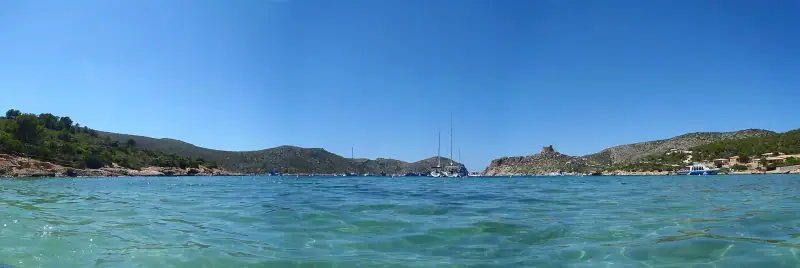
Cabrera from Mallorca: how to get there, book and what to bring
Getting to Cabrera from Mallorca: boat from Colònia de Sant Jordi, booking, national park rules, swimming, trails and what to bring.
Ready-made
Balearic Islands itineraries
5 days
3 days
Formentera in 3 days: a complete itinerary, beaches and practical tips
Discover Formentera in 3 days: the best beaches, Illetes, La Mola, the salt lagoons. Day-by-day itinerary, transport and places to stay.