What to see
What to see around Lake Annecy: villages, castles and nature sites
We may earn a commission when you book through links on this page, at no extra cost to you. We don't visit or try the places we cover: we summarize published sources. How we work
In short
- The lake is about 15 km (9 mi) long and split by a narrows near Duingt into the Grand Lac (north) and Petit Lac (south).
- The east shore (Menthon-Saint-Bernard, Talloires) has castles, bays and panoramas; the west shore (Sévrier, Saint-Jorioz) has beaches and the cycle path.
- The Bout-du-Lac nature reserve, about 80 hectares (200 acres), is a wetland with boardwalks and observation points.
- The lake is busiest from June to September, peaking in July and August; arrive before 10 am for calmer beaches and harbors.
When people talk about Lake Annecy, they first think of the old town and its canals. Yet the other half of the trip happens around the water: fishing villages turned holiday resorts, perched castles, protected reed beds, wooded cliffs that plunge into the lake and viewpoints from which you finally understand the shape of this large turquoise expanse. This guide deliberately leaves the town aside, already covered in our article Visiting Annecy: what to see and do, to focus on what there is to see all around the lake.
The aim: to help you choose which villages and sites deserve your time, depending on whether you have half a day, a weekend or a week. If you prefer a ready-made program, take a look at our 3-day itinerary around Lake Annecy.
Understanding the lake’s geography
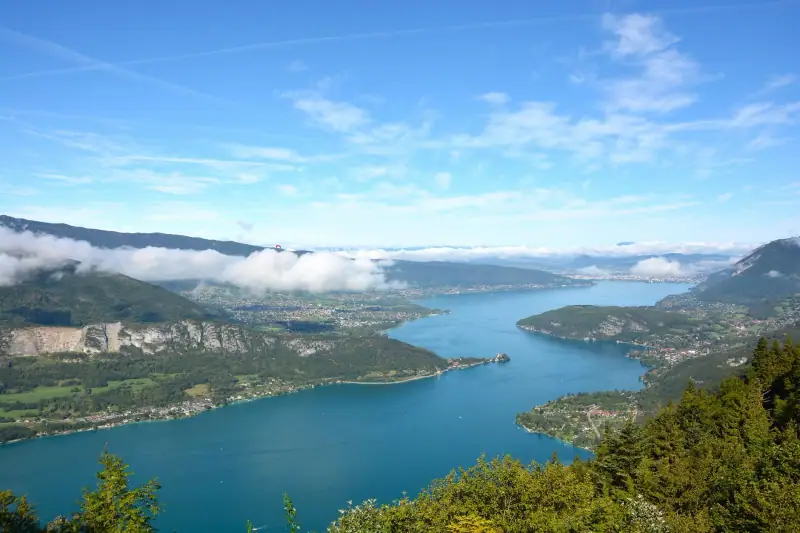
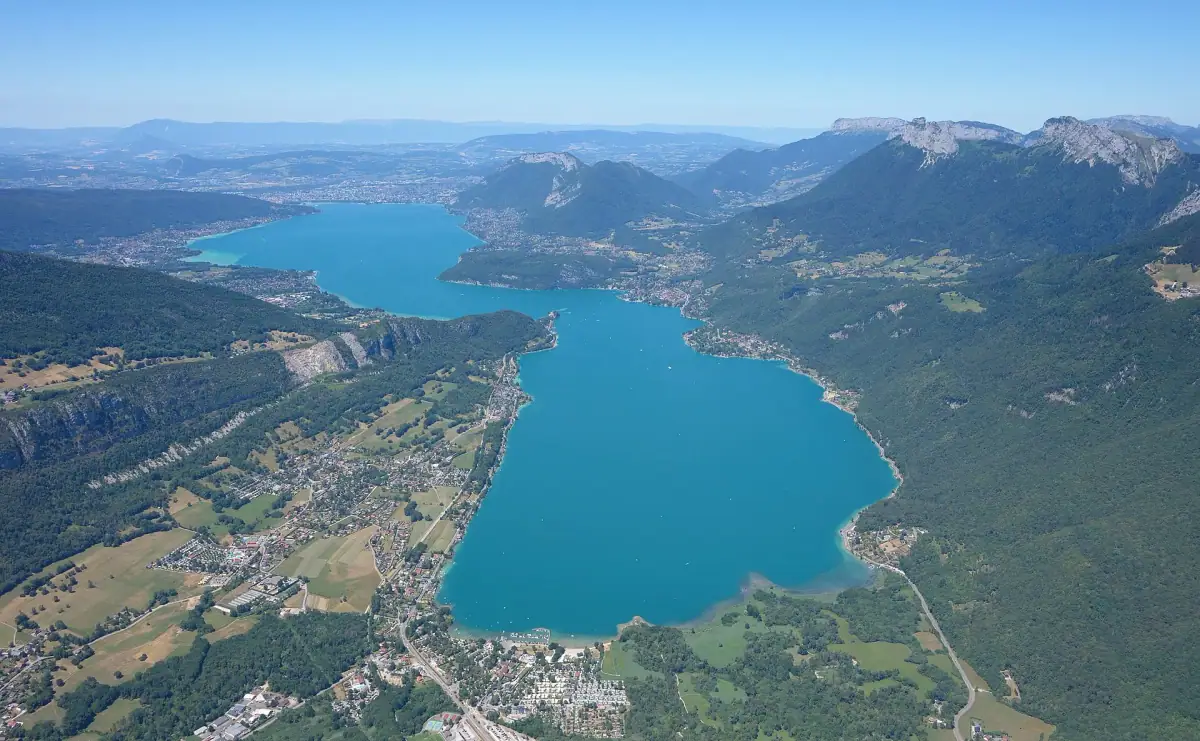
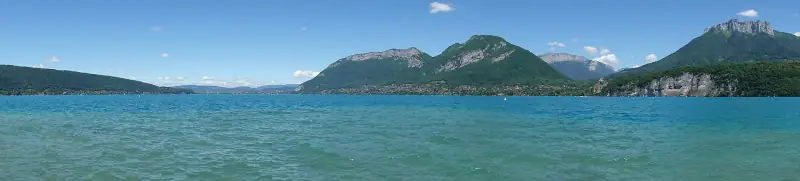
Lake Annecy is a bean-shaped glacial lake, oriented north-south, stretching over about 15 km (9 mi). It is surrounded by pre-Alpine massifs: the Bauges to the west, the Semnoz also to the west, the Tournette and the Aravis massif to the east. A narrowing near Duingt divides it into two parts: the Grand Lac to the north and the Petit Lac to the south. This layout explains why the two shores have very different moods.
- The east shore: steeper, with corniche roads, villages facing the setting sun and spectacular views. This is the shore of Veyrier-du-Lac, Menthon-Saint-Bernard and Talloires.
- The west shore: flatter and more developed, with beaches, marinas and the cycle path. This is the shore of Sévrier and Saint-Jorioz.
- The south of the lake: a wilder area, around Duingt, Doussard and the Bout-du-Lac reserve.
You can go around the lake by car, by bike, by bus or by combining boat and walking. Whichever you choose, plan for flexibility: the shores are very busy in summer and traffic can quickly get dense.
Menthon-Saint-Bernard: the castle village
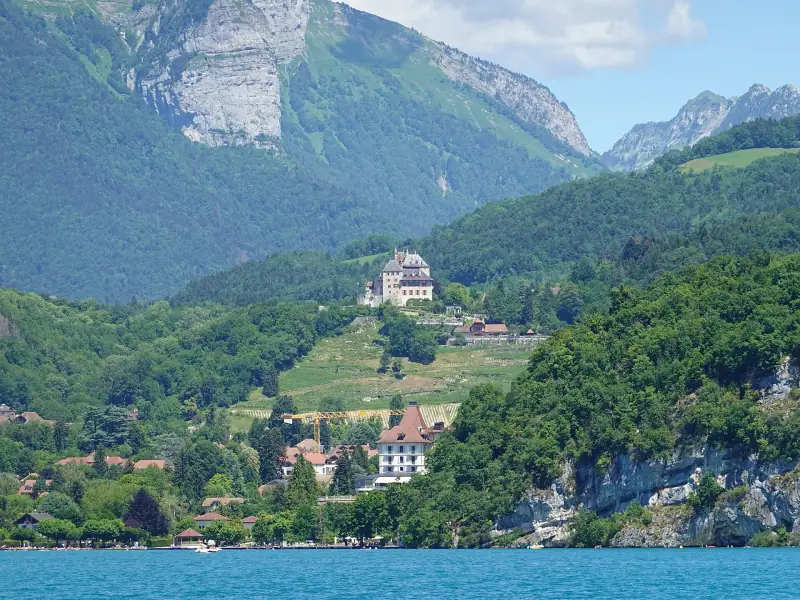
Menthon-Saint-Bernard is one of the first stops along the east shore. The village has a small harbor, a beach and above all a medieval castle perched on a rocky spur, whose fairy-tale fortress look attracts photographers. It has belonged for centuries to the Menthon family, originally from Burgundy, and was remodeled in the 19th century. At some times of the year it can be visited: check the opening dates before you go, as they vary.
The village owes its name to Saint Bernard of Menthon, a figure linked to the hospice of the Great St Bernard Pass. Even without visiting the inside of the castle, the walk is pleasant: you follow the harbor, settle on the beach or climb a few lanes to see the castle from different angles.
Tip: arrive early in the morning to enjoy the quiet, or at the end of the day for the light. July and August bring many people to the small beach.
Talloires: harbor, abbey and bay
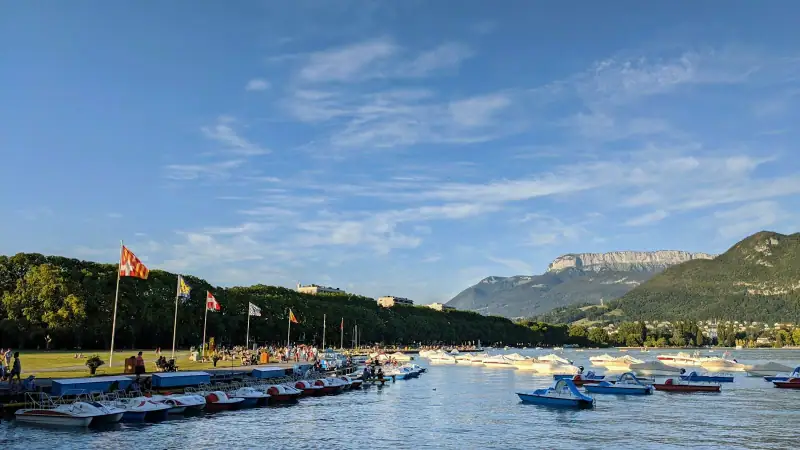
Talloires is probably the most emblematic village of the lake. Set at the back of a sheltered bay, it brings together a small harbor, old houses with colorful shutters, a beach, a former Benedictine priory that became an abbey and then a hotel, and a discreet resort atmosphere that has long drawn visitors. Painters and writers stayed here, and the bay remains one of the most photographed spots in the French Alps.
What to do in Talloires
- Swim: the bay offers calm, clear water. The water stays cool, but swimmers appreciate its clarity.
- Rent a paddleboard, kayak or pedal boat: several rental companies operate in season. Compare rates and hours there.
- Stroll: the lakefront, the lanes and the small shops can be covered in an hour or two.
- Walk: several trails start from the village and lead to viewpoints or neighboring hamlets.
- Have lunch facing the lake: book ahead in summer, the terraces fill quickly.
The Roc de Chère nature reserve, between Menthon and Talloires, is a wooded hill that runs down to the lake. It offers accessible trails and viewpoints, but also protected wildlife and plants: stay on the marked trails and respect the instructions posted at the entrance.
Activities on the lake
Boat ride, paddleboarding, paragliding or canyoning: discover the activities you can book around Annecy.
The Bout-du-Lac and its nature reserve
At the southern end of the lake, the Bout-du-Lac nature reserve is a wetland of about 80 hectares (200 acres) crossed by the Ire and Eau Morte rivers. Here, no crowded beaches or pedal boats, but reed beds, wet meadows, boardwalks and observation points. It is a haven for many birds, notably during migration periods.
You visit the reserve on foot, on developed trails. Access, authorized routes and protection rules may change: check the signs there. Dogs are generally subject to restrictions in protected areas; find out before coming with your pet.
It is also an excellent playground for cycling fans: the cycle path around the lake passes nearby. For a moment of calm and nature, it is the ideal stop between two lively villages.
Duingt and the Petit Lac: the intimate mood
Duingt occupies a remarkable site, where the lake narrows to form the Petit Lac. The village is dominated by a peninsula on which stand the remains of a medieval castle, which can be admired from the shore. Nearby, the Château de Ruphy was immortalized in a painting by Cézanne in 1896, which gives it some fame among art lovers.
The Petit Lac is calmer than the Grand Lac. The shores are wilder, swimmers fewer, and the evening light on the Tournette mountain offers one of the finest sights in the region. The area is perfect for a quiet walk, a picnic or a morning paddleboard session.
Sévrier and Saint-Jorioz: the west shore
On the west shore, Sévrier and Saint-Jorioz show a more relaxed face of the lake. Landscaped beaches, marinas, cycle paths and green spaces make them favorite destinations for families. Sévrier has a small harbor and several access points to the water. Saint-Jorioz offers wilder shores, with lakeside spots good for swimming and relaxing.
It is also the most practical side for anyone staying in a campground or rental, as services are plentiful. If you are looking for family lodging, our guide Where to stay in Annecy: neighborhoods, lakeshore and booking tips will help you choose between town and lakeside.
Sleeping by the lake
Compare hotels, guesthouses and apartments around Lake Annecy.
Viewpoints: seeing the lake from above
To understand the shape of the lake, nothing beats a high viewpoint. The Semnoz, the mountain that overlooks the west shore, offers a wide view of the lake, the Aravis and, in clear weather, the Mont Blanc massif. It is reached by a mountain road from the area around Annecy. In winter, the resort offers snow activities suited to families.
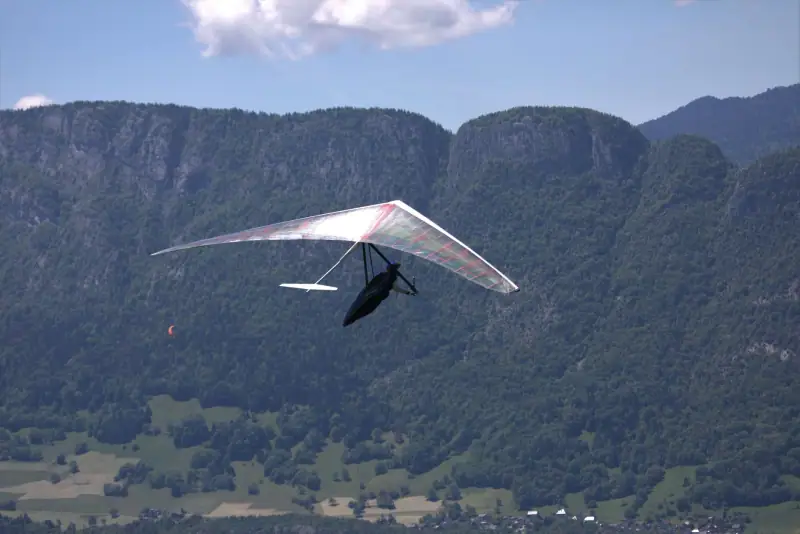
On the east shore side, the Col de la Forclaz is known to paragliders: takeoff and landing at the lakeside make a colorful show in fine weather. Even without flying, the pass terrace offers a fine view of the lake. Finally, several hiking trails of moderate difficulty link the villages to the heights. For easy walk ideas, see our selection of easy hikes in Savoie, lakes and viewpoints.
Tip: go up in the morning or at the end of the day, when the light is best and heat haze is less frequent. Always check the weather before going up, as visibility can change quickly.
Going around the lake: bike, car, boat or bus
The cycle path around the lake is one of the best known in France. Largely built on former railway routes or along the shore, it is accessible to cyclists of all levels. On the east shore, the road is narrower and more winding, with sections shared with cars: be careful.
The options for exploring the lake:
- By bike: ideal on weekdays outside holidays. Rental shops are set up in Annecy and in the villages. Electric bikes make the climbs easier.
- By car: practical for linking villages, but parking is limited and paid near the beaches in summer.
- By boat: companies offer cruises and connections between several places in season. Check the timetables, which vary by period.
- By bus: the local network serves the main villages. Frequencies vary, so check the timetables.
Rent a car to go around the lake
Compare rental companies to reach the shore villages in complete freedom.
What to eat around the lake
The lake villages are also a chance to taste the cooking of Haute-Savoie: reblochon, tomme, tartiflette, fondue, diots, but also lake fish such as Arctic char or féra, found on some restaurant menus. The markets in the villages and in Annecy let you put together a picnic with local cheeses and cured meats.
To understand what gives these cheeses their reputation, read our guide Savoie cheeses: reblochon, beaufort and more. If you want to go further, tastings and producer visits exist in the region.
Taste local products
Tastings, producer visits and food experiences around Annecy.
When to come and how to avoid the crowds
Lake Annecy is busiest from June to September, with a peak in July and August. To enjoy the villages in good conditions:
- Come early: before 10 am, the beaches and harbors are much calmer.
- Favor May, June and September: the water is cooler, but the light is superb and crowds are lighter.
- Avoid school-holiday weekends for the very popular sites.
- Bet on fall: the colors of the forests on the slopes are magnificent and the lake empties.
To fine-tune your choice of season, see our guide When to go to Savoie: seasons and weather.
Sample programs depending on your time
Half a day
Choose the east shore: stop at Menthon-Saint-Bernard for the castle and the harbor, then Talloires for the bay and lunch. Return in the late afternoon by the same road.
One day
Go around the lake clockwise: Veyrier, Menthon, Talloires, then the Bout-du-Lac, Duingt and finally Sévrier or Saint-Jorioz for a swim at the end of the day.
A weekend
Add a viewpoint (the Semnoz or the Col de la Forclaz) and a water activity, for example a paddleboard outing or a boat ride. Spend a night by the lake to enjoy the evening without the crowds.
Budget and good advice
Seeing Lake Annecy costs almost nothing: the shores, the public beaches and most trails are free. The main expenses are parking, food, equipment rental (bike, paddleboard, boat) and lodging, which is noticeably more expensive in summer. For overall benchmarks, see our guide Budget in Savoie.
A few practical tips:
- Bring water, a hat and sunscreen; the sun is strong at altitude.
- Plan closed shoes for the trails; the pebbles on the beaches can be slippery.
- Check the opening hours and rates of the castles and boats before you leave.
- Book lodging early if you come in July or August.
In short: key takeaways
Around Lake Annecy, each shore has its own character: the east shore charms with its pretty villages and panoramas, the west shore with its beaches and cycle paths, the south with its preserved natural areas. Combine two or three villages, a nature reserve and a viewpoint for a successful day, and keep time to swim: it is the best way to enjoy the lake.
Frequently asked questions
What is there to see around Lake Annecy outside the town?
The highlights are Talloires and its bay, Menthon-Saint-Bernard and its castle, Duingt and the Petit Lac, the Bout-du-Lac nature reserve, the Roc de Chère and the Semnoz viewpoints. Each village has its own mood: beaches and pedal boats on one side, wild shores and reed beds on the other.
How long does it take to go around Lake Annecy?
By car, the full loop takes one to two hours without stops, but it is better to devote a whole day to enjoy the villages and swimming. By bike, the cycle path around the lake generally takes half a day to a day depending on your pace and the number of breaks.
What is the prettiest village on Lake Annecy?
It is a matter of taste. Talloires is often cited for its harbor, abbey and sheltered bay. Menthon-Saint-Bernard charms with its castle, Duingt with its peninsula and intimate mood. Visit at least two to compare.
Can you swim anywhere in Lake Annecy?
No. Swimming is possible at the landscaped beaches and in signposted zones, but some areas are protected or off-limits, notably in nature reserves. Ask locally and respect the signs. The water stays cool, even in midsummer.
Do you need a car to visit the lake villages?
It is not mandatory: buses serve the shores and boats link several places in season. But a car gives more freedom for the viewpoints and less accessible sites. In summer, parking near the beaches is difficult, so leave early.
What is the best time to visit Lake Annecy?
June to September for swimming and water activities, with heavy crowds in July and August. May and September are an excellent compromise. Spring and fall offer beautiful scenery and a calmer lake.
Is Lake Annecy good with children?
Yes, the landscaped beaches, flat cycle paths, boat rides and easy trails suit families well. Bring hats, sunscreen and, for the youngest, a life jacket if you rent a boat or pedal boat.
More Savoie guides
Keep reading
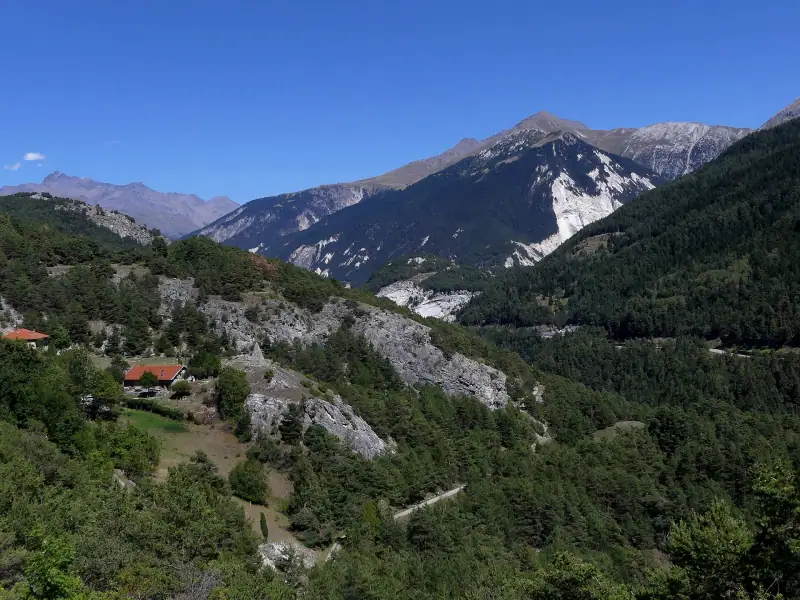
What to see in Maurienne: legendary passes, forts, villages and the Vanoise
What to see in Maurienne? Saint-Jean-de-Maurienne, Valloire, Col du Galibier, Aussois, Bessans, Bonneval-sur-Arc: stops, an itinerary and planning tips.
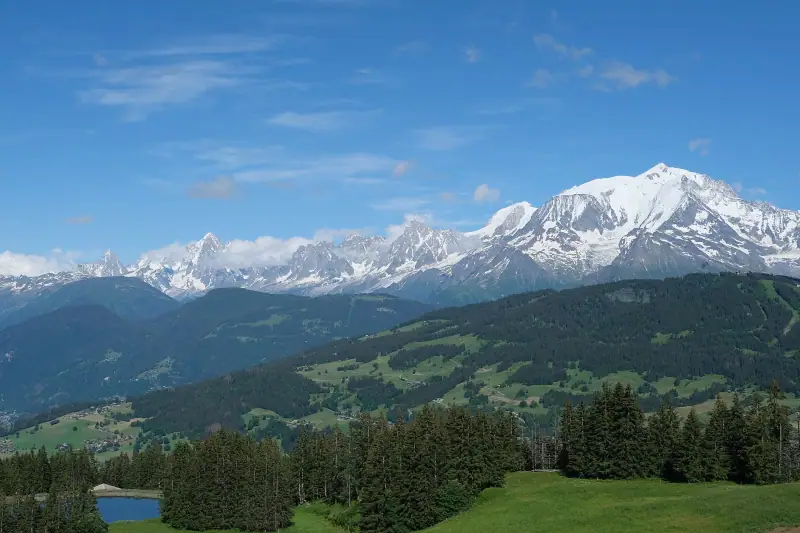
What to see in the Mont Blanc region: Saint-Gervais, Les Contamines, Megève and Passy
What to see around Mont Blanc? Saint-Gervais, Les Contamines, Combloux, Megève, Passy: tramway, Baroque chapel, lake and viewpoints, with planning tips.
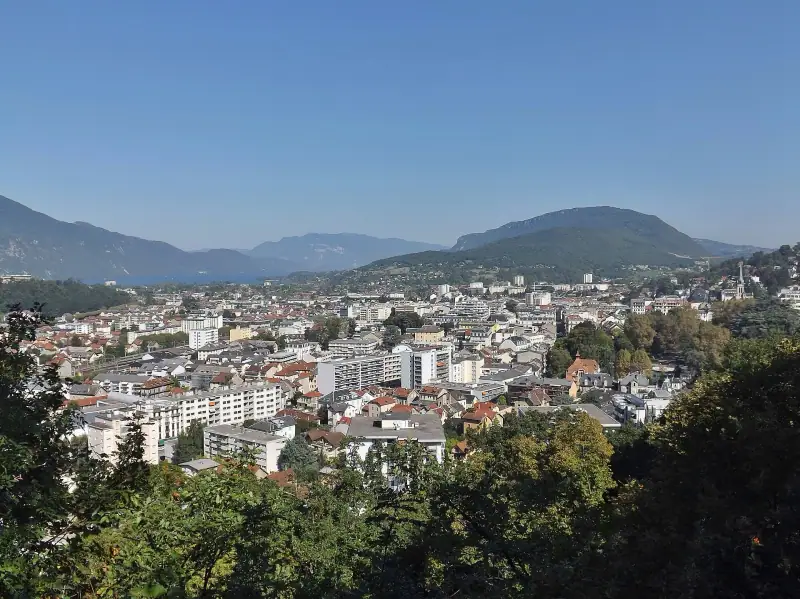
Visiting Aix-les-Bains: what to see and do on the shores of Lac du Bourget
What to see in Aix-les-Bains? Thermal baths, Roman remains, Faure Museum, harbor, beaches, Revard and Hautecombe Abbey: a guide to the Savoyard spa town.
Ready-made
Savoie itineraries
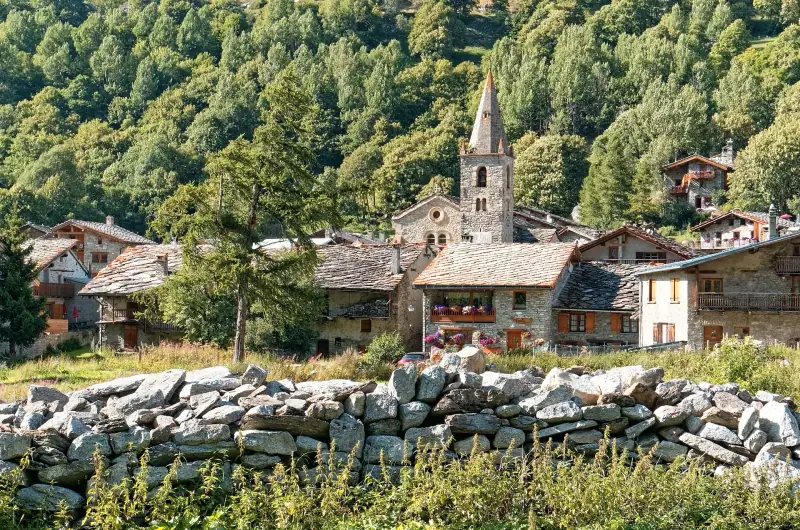
7 days
One week in Savoie: a day-by-day road trip itinerary
Chambéry or Aix-les-BainsAnnecyMegève or ChamonixTarentaise (Bourg-Saint-Maurice or Val d'Isère)
5 days
Savoie in 5 days without a car: a realistic itinerary by train and bus
ChambéryAnnecyChamonix
3 days
3 days around Lake Annecy: a day-by-day itinerary
What to do in 3 days in Annecy and around the lake? Old town, Talloires, Menthon, Duingt, cycling, swimming and Semnoz: a detailed, realistic itinerary.