Things to do
What to do in Savoie in winter without skiing: snowshoeing, dog sledding, ice climbing, thermal baths
We may earn a commission when you book through links on this page, at no extra cost to you. We don't visit or try the places we cover: we summarize published sources. How we work
In short
- Four activities come up everywhere: snowshoeing, dog sledding as a passenger, supervised ice-climbing introductions (such as Val Cenis) and thermal baths (such as Les Bains du Mont-Blanc).
- Les Bains du Mont-Blanc listed a classic 3-hour entry at €49 (about $57) on its early-2026 grid, €59 (about $68) on holidays; 2026-2027 rates must be confirmed.
- From mid-December to March, snow is generally most reliable at altitude; outside school holidays, trails, baths and villages are quieter and lodging cheaper.
- Book early during school holidays and check 2026-2027 dates, hours and rates on the official sites.
Skiing is not required to love the mountains in winter. Between silent forests under snow, stone and wood villages with smoking chimneys, the hot waters of the baths and valleys where you meet dog teams, Savoie and Haute-Savoie offer far more than a ski area. This guide is for those who don’t ski (or no longer do), for families where one member prefers gentle activities, and for travelers who want to vary the pleasures every other day.
In short: in Savoie in winter without skiing, four activities come up everywhere: snowshoeing (guided outings or on your own), dog sledding (rides as a passenger), ice-climbing introductions (supervised, for example at Val Cenis) and thermal baths (such as Les Bains du Mont-Blanc in Saint-Gervais). Book early during school holidays and check 2026-2027 dates and rates on the official sites.
Since not all prices, opening dates and hours for the 2026-2027 season were published when this guide was written, it states clearly what to check on the resort’s or tourist office’s website before booking. To compare ski areas, our comparison of Savoie ski resorts remains the reference; here, we look at everything that happens beside the slopes.
Snowshoeing: the most accessible activity
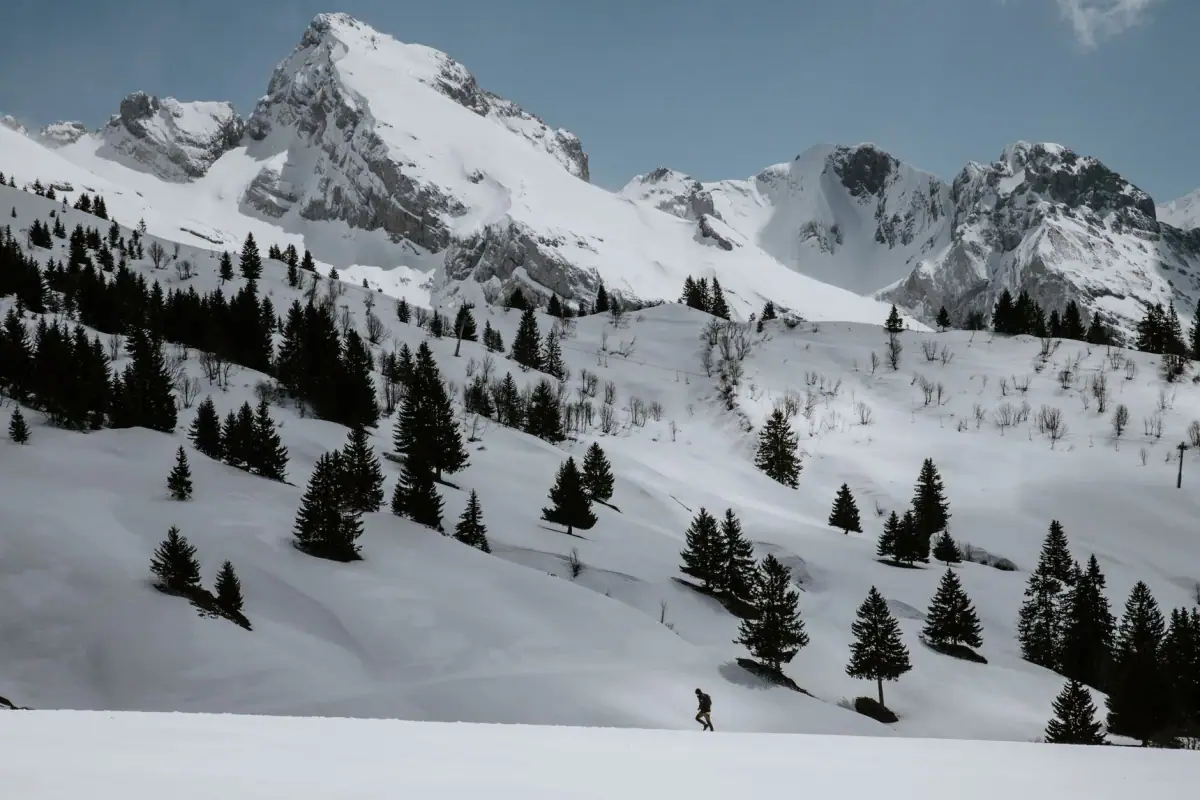
Snowshoeing is probably the best way in to discovering the snowy mountains without any special technique. You walk on fresh snow with snowshoes on your feet, at your own pace, in the woods, through sleeping mountain pastures or along frozen torrents. If you can walk, you can snowshoe.
Where to do it. The Haute-Savoie tourism board cites for example La Clusaz and Les Contamines, which offer guided outings. On the Savoie side, the Vanoise offers fine terrain: the Champagny-en-Vanoise valley is a renowned destination for beginners, and guided outings also exist in Pralognan-la-Vanoise. Farther on, in the Haute-Maurienne, the villages of Val Cenis and Bessans offer snowshoe walks in a more secluded setting, away from the big resorts. To place these valleys, see our guides what to see in the Tarentaise and what to see in Maurienne.
Guided or on your own? Outings led by a mountain professional (a mountain guide) bring knowledge of the terrain, the weather and avalanche risk, as well as explanations of wildlife and plants. They suit very well if you are discovering the activity. On your own, stay on marked routes or known routes, avoid steep slopes loaded with snow and always check the avalanche risk bulletin before leaving.
Night outings. Some resorts offer headlamp hikes, often followed by a Savoyard meal in a chalet, a format that appeals to groups of friends and couples. Ask the tourist office of your resort whether it is offered this winter.
Gear and preparation. Snowshoes are generally rented in the resort’s sports shops, sometimes with poles. Shoes should be high-top, warm and waterproof. Add gaiters if the snow is deep, several layers of breathable clothing, spare gloves, sunglasses (glare on snow is strong) and an insulated bottle.
How much does it cost? Not all 2026-2027 season rates are published: expect an inexpensive day rental and a higher rate for a supervised outing, varying with duration, group size and resort. Check prices on the tourist office website before booking.
Guided winter outings in Savoie
Snowshoeing, sled rides, family activities: compare the outings offered in Savoie and check the cancellation terms.
Dog sledding: the great winter classic
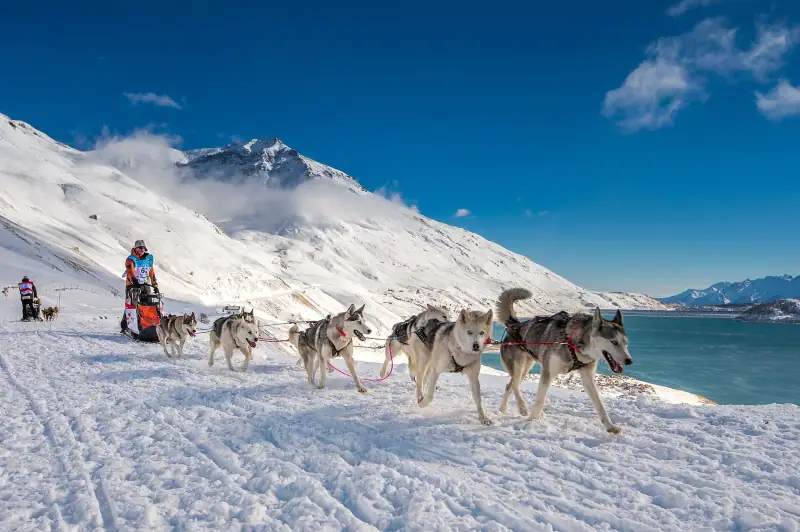
Gliding over the snow pulled by a team of huskies or Nordic dogs is one of the most memorable experiences of a winter stay. The principle is simple: on a first ride, you sit in the sled while the musher (the driver) leads the team. The more adventurous can sometimes try driving themselves, depending on the operator.
Where to do it. Haute-Savoie tourism cites guided rides in Morzine and Les Gets, sometimes with an introduction to driving. In Savoie, the Haute-Maurienne, around Bessans and Val Cenis, is known for its Nordic plateaus where you meet mushers: it is a quiet, high-altitude setting that fits this activity well. The tourist offices of these resorts give the list of operators currently running.
What to expect. An outing generally lasts from a few dozen minutes to half a day depending on the package. You meet the dogs before departure, learn a few words of command, and enjoy the landscape. The noise of the dogs before departure always surprises: they are eager to run.
A few tips.
- Book early: demand is high during school holidays and festive periods.
- Dress very warmly, including hands and feet: sitting in the sled, you don’t move.
- Choose an operator who clearly presents the well-being of its dogs (rest, care, feeding), and don’t hesitate to ask questions.
- Ask about the age conditions for children, which vary from one business to another.
- Not all 2026-2027 rates are online: check with the operator or the tourist office.
For a family day, this activity pairs well with a hot-chocolate break at a chalet. Our guide Savoie with kids offers other ideas suited to children.
Ice climbing: an introduction for the curious
This is the sportiest suggestion of this guide, but it remains accessible to beginners when supervised. The principle: climb a frozen waterfall using ice axes and crampons, tied to a rope and under the watch of a qualified guide or instructor.
Where to try it. In the Maurienne massif, the Val Cenis resort offers an ice-climbing introduction, presented by the tourist office and by the Savoie Mont Blanc listings. According to these listings, technical equipment (harness, helmet, ice axes, crampons, ropes) is supplied, while mountain boots are to be brought or rented. The official Val Cenis page gives the precise terms: the 2026-2027 season dates, minimum age and rate are to be checked on the resort’s website, which could not be consulted when this was written. Other sites in Haute-Savoie, such as Le Grand-Bornand and Megève, also offer introductions.
What to know.
- The activity depends on the weather and on ice formation: an outing may be moved or canceled.
- Good fitness is needed, especially for the forearms and calves.
- You never improvise on a frozen waterfall on your own. Hire a guide or go through a guides’ bureau.
- Dress in layers, with gloves suited to handling ice axes.
If the idea intrigues but worries you, ask the operator for a very short top-rope route (rope fixed at the top, maximum safety): it is the most reassuring format for a first time.
Thermal baths, spas and pools: warming up after the snow
A day in the cold ideally ends in hot water. Savoie has a long spa tradition, and baths are a winter activity that suits everyone.
Les Bains du Mont-Blanc in Saint-Gervais. Located at Le Fayet, at the foot of the Bonnant gorges, this thermal spa offers a half-day circuit in naturally hot water, with indoor and outdoor pools, saunas, hammams and relaxation workshops. Booking is mandatory. According to the official Saint-Gervais Mont-Blanc page (rates posted for the early-2026 period), the classic 3-hour entry is listed at €49 (about $57) (€59 / about $68 on holidays, long weekends and winter school holidays), with a “happy hour” rate of €39 (about $45). Children are admitted on their own slots: from age 13 accompanied by an adult on general slots, with family sessions and baby sessions available. Hours and opening periods change through the year, and the page states that rates are indicative: 2026-2027 prices are to be checked on the Saint-Gervais baths’ website.
Resort spas. Haute-Savoie tourism also cites the spas of Megève and Saint-Gervais, with massages and whirlpools, as well as open-air Nordic baths, a special experience under the snowflakes. To plan a stop in Megève, read our guide visiting Megève.
Aix-les-Bains, a spa town. Near Lac du Bourget, Aix-les-Bains is a former spa town. It remains pleasant in winter, with its baths, quiet lanes and closeness to Chambéry. See our article visiting Aix-les-Bains to plan a wellness day outside the ski season.
Tip. Book the slot ahead during school holidays, bring a swimsuit, a swim cap if the facility requires it, and plan not to drive long mountain trips right after a very relaxing treatment.
Sleeping near the baths and snowy trails
Compare hotels and chalets around Saint-Gervais and the Mont Blanc region to combine baths, walks and villages.
Sledding, fatbiking and other slides without skis
If you are looking for action without going through the slopes, several activities are open to you.
Sledding. Groomed sled runs, rail sledding or simple gentle slopes: the activity appeals to all ages. Haute-Savoie tourism points for example to rail sledding at Les Carroz. In many resorts, dedicated runs are open in the evening, sometimes with a mountain restaurant at the finish.
Fatbiking on snow. These bikes with very wide tires ride on groomed trails. It is an original activity that takes a little fitness but no technique.
Unusual activities. The Haute-Savoie tourism page also cites ski-joëring (being towed by a horse), ice diving at Lac de Montriond, igloo workshops and nights in unusual lodging. They are for those who want an original memory, and are booked ahead with professional operators.
Paragliding. The same document mentions paragliding in Chamonix and the Portes du Soleil. In tandem with an instructor, a winter flight offers an exceptional view over the snowy massifs; it depends entirely on weather conditions. To place the valley, see our guide visiting Chamonix-Mont-Blanc.
Lifts for pedestrians. In several resorts, you can buy a pedestrian pass to go up by gondola or chairlift to admire the panorama or have lunch at altitude. Conditions and prices change from one resort to another: check the resort’s website.
Villages, old towns and winter markets
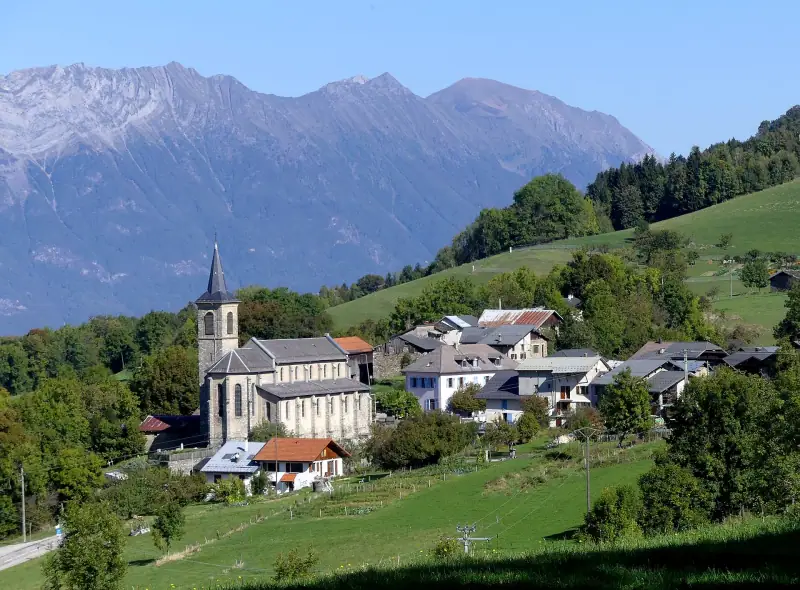
Don’t underestimate the cultural charm of Savoie in winter. Many visitors come only for skiing and miss this heritage.
Annecy. Haute-Savoie tourism highlights the winter markets and the old town. The canals, lanes and colorful facades take on another face in the cold. Our guide visiting Annecy helps you put a day together, and our tips on where to stay in Annecy guide you according to your budget.
Chambéry. The historic capital of the Dukes of Savoy, the town is visited on foot in every season, and serves as a good base if the weather is bad at altitude. See visiting Chambéry.
Megève. A pedestrian village with the atmosphere of a chic resort, with horse-drawn carriages and sleighs depending on the season. Even without skiing, walking through the streets is a pleasure.
Samoëns, Sixt-Fer-à-Cheval and Yvoire. Haute-Savoie tourism cites these villages among winter heritage visits, notably Yvoire, a medieval village on the shores of Lake Geneva.
Markets and food. Winter is the season of fondue, raclette and tartiflette. To understand what you eat, read our article on Savoie cheeses and the one on Savoyard fondue and its price per person. Haute-Savoie tourism also points to Savoyard cooking workshops.
A sample 4-day stay without skiing
Here is a model stay, to adapt to your base. It is deliberately flexible, because mountain weather demands it.
- Day 1: arrival and village. Settle in, walk in the village, first hot chocolate. A quiet evening to adjust to the altitude.
- Day 2: snowshoeing. Morning on a guided outing, lunch in a chalet or sheltered picnic, free afternoon.
- Day 3: baths. A morning of rest, afternoon in a thermal facility like Les Bains du Mont-Blanc or a resort spa. Booking advised.
- Day 4: dog sledding or ice climbing. Depending on your wishes and fitness, a sled ride (gentler) or a supervised introduction (sportier). Return at the end of the day.
Keep a margin: in case of storm, avalanche risk or slippery road, favor the baths and town visits. To choose the period, see our guide when to go to Savoie.
Getting around in winter: car, train, shuttles
Many visitors fear winter driving. In reality, many resorts are reachable by train to the valley then by coach or shuttle. If you come by car, check the regulations on winter equipment (winter tires or chains depending on the area), set off with a full tank and expect longer travel times on holiday-departure weekends. Our article on car rental in Savoie, summer and winter details the precautions to take.
Without a car, our itinerary Savoie in 5 days without a car shows how to rely on trains and buses, with well-served bases.
Budget: what to plan for (and check)
Without a ski pass, the budget drops noticeably, but some supervised activities weigh on the bill. Here is how to reason, without invented figures:
- Snowshoeing: inexpensive rental, supervised outing pricier. 2026-2027 prices to check with the tourist office.
- Dog sledding: one of the most expensive activities of the lot, with rates varying with duration. Check with the operator.
- Ice climbing: introduction rate set by the resort or the guides’ bureau, to consult on their website.
- Thermal baths: as an example, Les Bains du Mont-Blanc list €49 (about $57) for the classic 3-hour entry on their early-2026 grid (€59 / about $68 on peak days): 2026-2027 season rates are to be confirmed.
- Lodging: the main item. Outside school holidays, prices drop markedly in most villages.
To compare spending items across the whole stay, our budget in Savoie gives a general frame.
Book a winter activity ahead
Dog sledding, snowshoe walks or unusual experiences: see the region's offers and the cancellation terms.
Safety and insurance in winter
The snowy mountains do not forgive improvisation. A few basic rules:
- Check the weather bulletin and the avalanche risk bulletin before any outing outside developed areas.
- Tell someone your route and your return time.
- Carry extra layers in case of a wait: warm layer, hot drink, charged phone.
- Use a professional for ice climbing and any technical activity.
- Respect wildlife: in winter, wild animals spend a lot of energy to survive, and repeated disturbance is costly to them. Our article on watching wildlife in the Vanoise covers the basics.
Travel insurance with repatriation assistance and medical expense cover is useful in the mountains, all the more so since rescue can be billed in some cases depending on the municipalities and situations. Always check the exact guarantees on the policy sheet before signing up, as well as what your credit card and existing insurance already cover.
What to pack
You don’t need a skier’s kit, but cold and damp call for proper gear.
- Three layers: breathable underlayer, warm layer (fleece or wool), windproof and waterproof jacket.
- High-top shoes, warm, waterproof, with a grippy sole.
- Gloves and hat in double pairs, plus a neck gaiter.
- Sunglasses or goggles: glare on snow is intense, even in overcast weather.
- Sunscreen and lip balm: the sun at altitude burns, even in winter.
- Swimsuit for the baths and outdoor pools.
- Small backpack with a thermos, snacks and a power bank, as cold reduces phone battery life.
Our page accessories for Savoie gathers gear ideas.
Tips for a successful winter without skiing in Savoie
Choose a well-served base, alternate a physical activity (snowshoeing, ice climbing) with a rest day (baths, village), book ahead during school holidays and systematically check the dates, hours and rates for the 2026-2027 season on the official sites. With this organization, Savoie proves just as beautiful, and sometimes more peaceful, away from the slopes. If part of the family skis anyway, our guide to family skiing in Savoie helps you choose a resort suited to children.
Sources
Frequently asked questions
What is there to do in Savoie in winter if you don't ski?
There are many options: snowshoe outings, dog-sled rides, ice-climbing introductions, sledding, fatbiking on snow, thermal baths and spas, but also visits to villages and old towns like Annecy or Chambéry. Many of these activities are supervised and need to be booked ahead during school holidays.
Do you need to be athletic to snowshoe?
No. Snowshoeing is done on foot, at your own pace, on routes of a few kilometers with no special technique. Choose a route suited to your fitness, start with warm, waterproof high-top shoes, and prefer a guided outing if you don't know the mountains in winter.
Can you go dog sledding with children?
Many operators offer sled rides where you are a passenger, including for children, with age conditions specific to each business. Ask when booking, as minimum ages, duration and rate vary from one musher to another. Book early: demand is high in high season.
Is the ice-climbing introduction accessible to beginners?
Yes, introductions supervised by professionals exist, for example at Val Cenis, with technical equipment supplied depending on the offer. The activity requires decent fitness and depends on weather and ice conditions. Check the resort's website for dates, minimum age and the season's rate.
Are the thermal baths and spas of Savoie open in winter?
Yes, they are sure bets for the cold season, but hours change with periods and school holidays, and booking is sometimes mandatory. Les Bains du Mont-Blanc in Saint-Gervais, for example, publish opening periods and hours that vary: always check the official page before coming.
What is the best time to enjoy Savoie without skiing?
From mid-December to March, snow cover is generally most reliable at altitude. Outside school holidays, snowshoe trails, baths and villages are less busy and lodging is often cheaper. Our guide on when to go to Savoie details the weather season by season.
Do you need a car for these winter activities?
Not necessarily: many resorts are served by train to the valley, then by coaches or shuttles. A car gives more freedom for trailheads and high villages, but in winter it needs suitable equipment (winter tires or chains depending on local regulations).
More Savoie guides
Keep reading
The best ski resorts in Savoie: ski areas, levels and budgets compared for 2026-2027
Which ski resort to choose in Savoie in 2026-2027? Ski areas, levels, opening dates and lift passes compared to match your budget.
Lake Aiguebelette: which beach to choose, entry prices, parking and paddleboarding
Six paid summer beaches at Lake Aiguebelette: which to pick for families, by train or by paddleboard, indicative rates, parking, dogs and swimming rules.
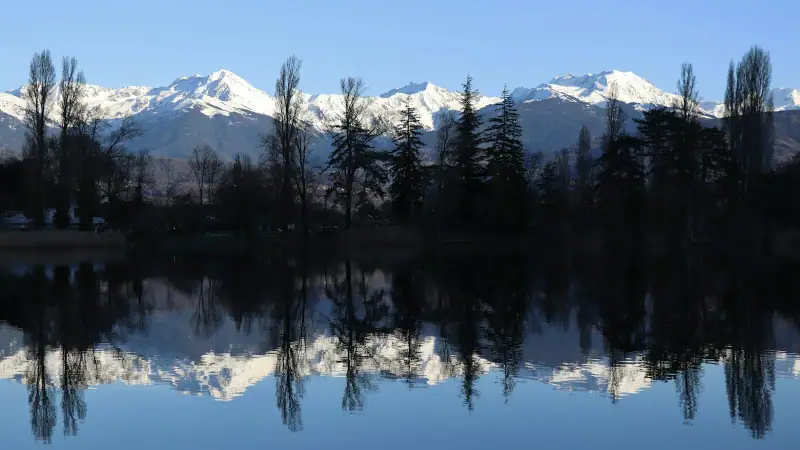
Budget for a stay in Savoie: real costs and 3 priced profiles
How much does a stay in Savoie cost? Lodging, transport, meals, lift passes and activities: three priced budgets and tips to spend less.
Ready-made
Savoie itineraries
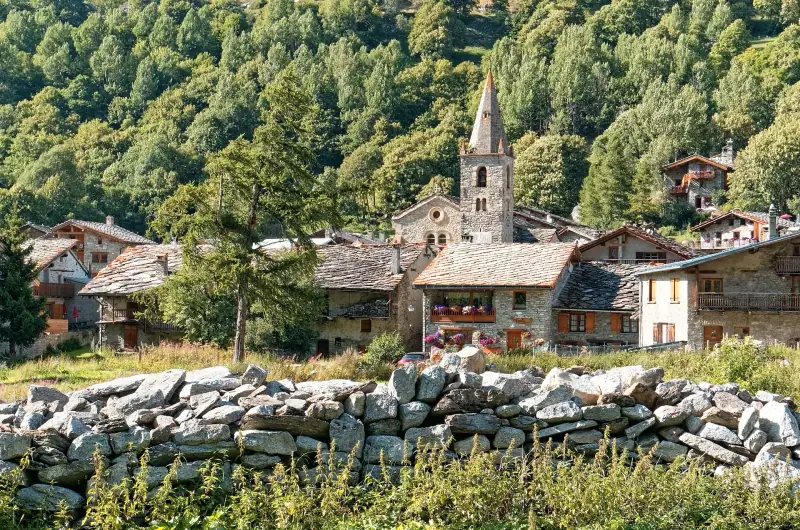
7 days
One week in Savoie: a day-by-day road trip itinerary
Chambéry or Aix-les-BainsAnnecyMegève or ChamonixTarentaise (Bourg-Saint-Maurice or Val d'Isère)
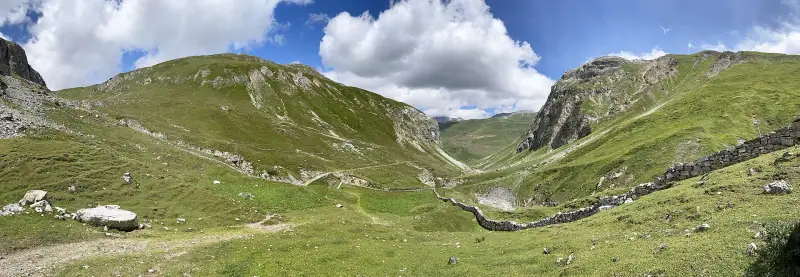
5 days
Savoie in 5 days without a car: a realistic itinerary by train and bus
ChambéryAnnecyChamonix
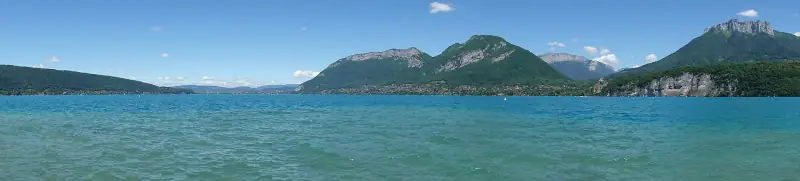
3 days
3 days around Lake Annecy: a day-by-day itinerary
What to do in 3 days in Annecy and around the lake? Old town, Talloires, Menthon, Duingt, cycling, swimming and Semnoz: a detailed, realistic itinerary.