What to see
Visiting Cassis: what to see and do in 1 to 2 days
We may earn a commission when you book through links on this page, at no extra cost to you. We don't visit or try the places we cover: we summarize published sources. How we work
In short
- One day covers the harbor, the center and a boat ride in the calanques. Two days add a hike toward En-Vau, the Route des Crêtes and a wine tasting.
- Cassis is about 30 km (19 mi) from Marseille, 30 to 45 minutes by car. Parking is the biggest problem: arrive early and use lots on the edge.
- Access to the calanques on foot can be restricted or banned in fire-risk periods, especially in summer. Check official information the same day.
- Cap Canaille cliffs rise to nearly 400 m (1,312 ft); the Route des Crêtes can be closed in fire risk or strong wind.
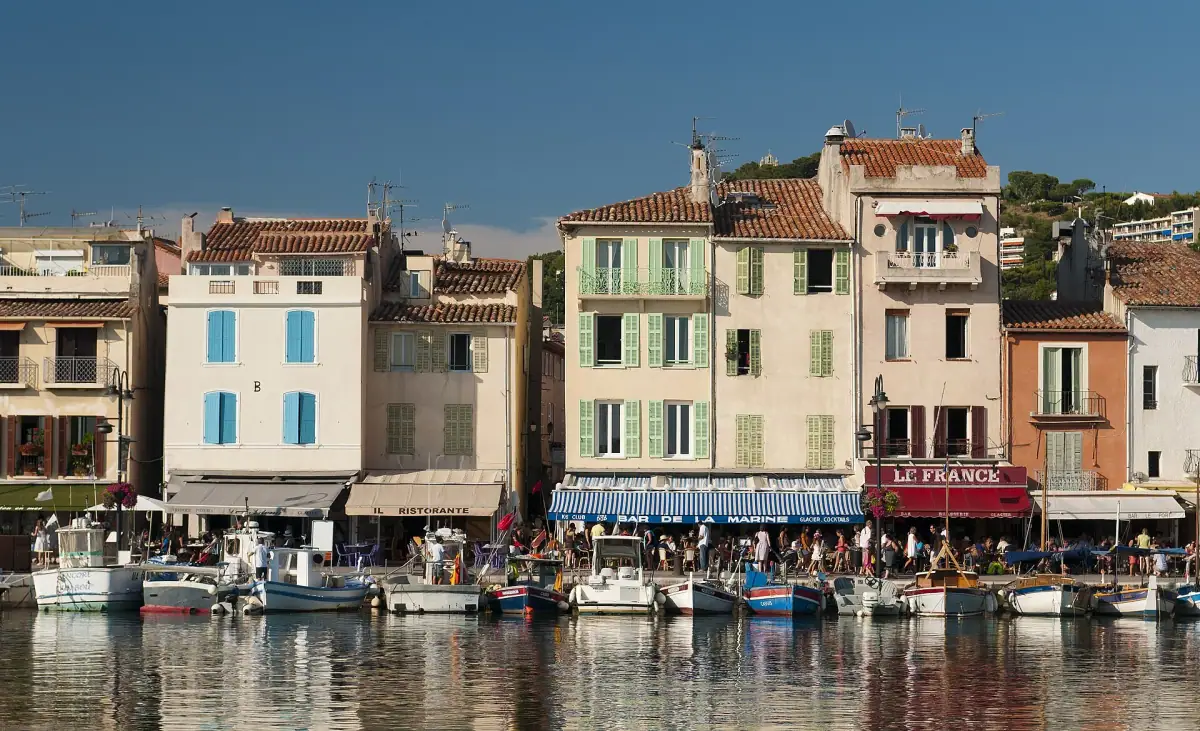
A small fishing port with colorful facades, pale cliffs plunging into turquoise water, a vineyard squeezed between sea and mountain: Cassis has everything of a postcard village, and yet it keeps a local life of its own. Located on the coast, east of Marseille, it serves as the gateway to the Calanques massif, a national park since 2012, and to Cap Canaille, one of the highest sea capes in France.
This guide helps you decide what to see in Cassis, how to spread your visits over one or two days and how to avoid the classic traps: impossible parking, a poorly prepared hike in midsummer, restaurants under siege. Hours, prices and access conditions change: check with the tourist office or official sites before you go.
The Cassis harbor, heart of the village
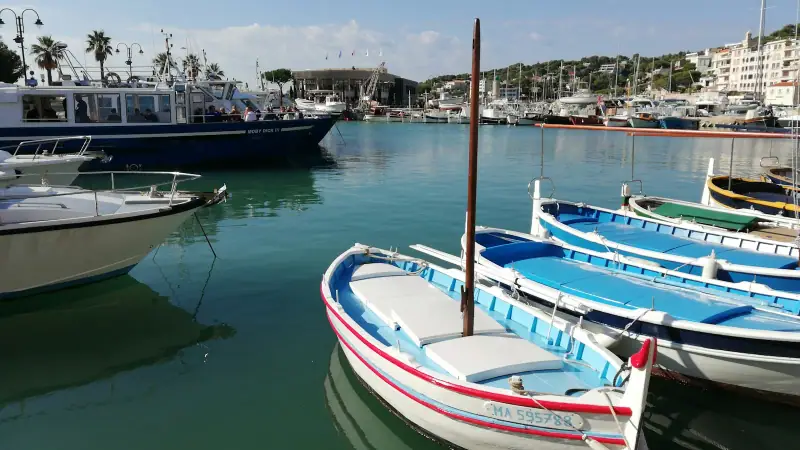
Everything starts at the harbor. Fishing boats and pleasure boats line the quays, bordered by ocher, pink and yellow houses, café terraces and restaurants. It is the ideal place for a first walk, early in the morning, when the light is soft and the quays are still calm. Harbor restaurants often serve grilled fish, fish soup and seafood; expect seafront prices, higher than inside the village.
Above the harbor, the cliffs stand out against the sky. Depending on the hour, they turn from dazzling white to orange. A walk to the end of the pier gives a fine view of the village and the bay, with no effort. If you like to photograph, late afternoon is an excellent time, when the facades warm with color.
The harbor is also the departure point for boat rides to the calanques. If you hesitate between the sea and walking, keep this option in mind: it saves a day of mistral or great heat, provided the sea allows it.
Stay in Cassis
Hotels, B&Bs and apartments in the village or nearby: compare offers and book early, high season fills up fast.
The lanes of the center and village life
Behind the harbor, the old center can be covered in under an hour, but it is best savored by strolling. The pedestrian lanes, small shaded squares, fountains, craft shops and stone houses tell of a village that long lived from fishing, vines and stone quarrying. Calm returns as soon as you move a little away from the waterfront.
The village also has a small municipal museum devoted to its history and its artists; many early 20th-century painters came to seek the light of Cassis. Check its hours, which vary by season. The castle, which overlooks the village from above, is now private: it is admired from afar rather than visited.
Cassis also has its market, which enlivens the center several mornings a week. As the exact days can change, ask the tourist office. To understand how Provençal markets work and what you find there, see our guide to Provence markets.
The town beaches
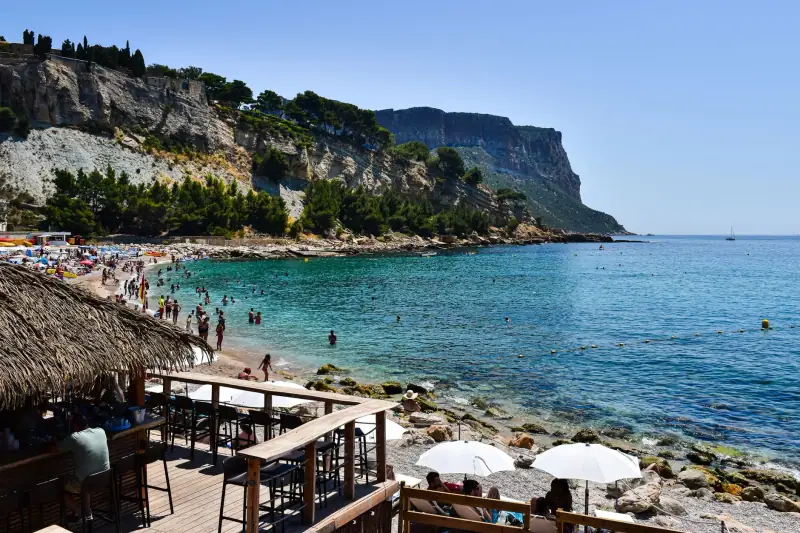
Cassis has the rare advantage of beaches a few minutes’ walk from the center. The main beach, the Grande Mer, borders the harbor: it is convenient, pebbly, very busy and supervised in season. A little further on, other coves and pebble beaches let you swim in a quieter setting. The pebbles get very hot in summer: water shoes make getting into the water more pleasant.
A few practical tips:
- Arrive early in July and August if you want a spot: beaches fill up by late morning.
- Bring water and sun protection; shade is rare.
- Always check swimming rules and flags in case of strong wind.
- Avoid leaving valuables unattended.
The Cassis calanques: three ways to discover them
Boat trip in the calanques
Cruises, outings at sea and water activities around Cassis: compare the available excursions and book ahead in season.
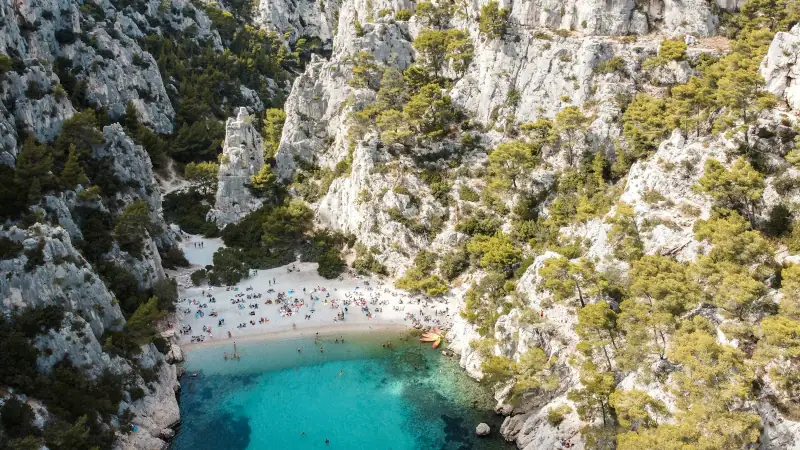
The calanques are Cassis’s number one attraction. These narrow inlets, carved in limestone, form a landscape of white cliffs, pines and clear water. They can be discovered in three ways, depending on your energy, your budget and the weather.
By boat: the simplest option
Sea trips leave from the harbor and pass several nearby calanques, generally in about one to two hours. You admire the cliffs and inlets from the water, with no effort, and you see places no trail serves. It is the best choice with young children, in great heat or if you are short of time. Ideally, choose an early-morning or late-afternoon slot, when the light is better and the crowds thinner.
On foot: from Port-Miou to En-Vau
The first calanque, Port-Miou, is reached by a relatively easy path from town. It is a long, narrow inlet, occupied by moored boats, suited to short walks. Further on, Port-Pin, with a small beach and pines, already requires more walking. Finally, En-Vau is renowned as one of the most beautiful: vertical cliffs, a pebble beach, transparent water. It has to be earned, with serious elevation gain and stony passages.
A few basic rules for hiking:
- Carry at least two liters of water per person: there are practically no water points.
- Wear good shoes, a hat and sunscreen.
- Avoid the hottest hours in summer and start early in the morning.
- Stay on the marked trails, without cutting the switchbacks.
- Leave no litter and do not smoke.
One essential point: access to the massifs can be restricted, even banned, in fire-risk periods, especially in summer. Check official information from the Calanques National Park and the prefecture the same day, and keep a fallback, such as the boat ride or the town beach.
By kayak: a sporty approach
Guided kayak outings are offered from Cassis or the surrounding area. They let you follow the coast at your own pace, reach quiet inlets and swim in places where boats do not always stop. A minimum of physical fitness and calm weather are needed: in wind, outings are frequently canceled or postponed.
The calanques are a fragile natural area: respect the park’s rules, notably on anchoring, noise and picking.
Cap Canaille and the Route des Crêtes
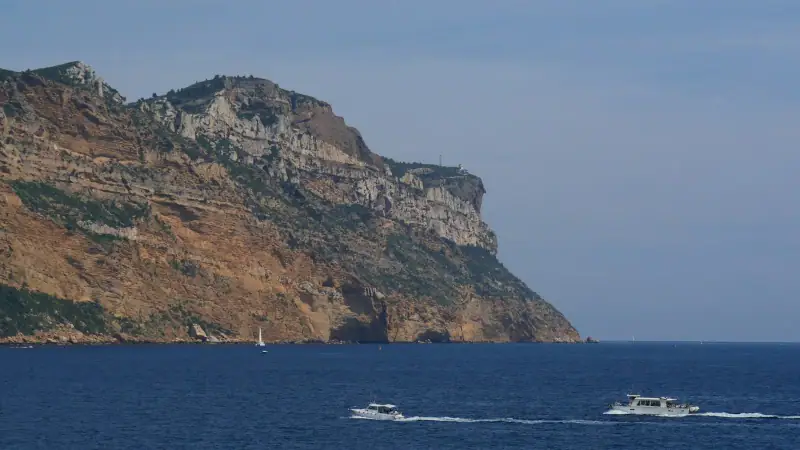
East of Cassis, Cap Canaille imposes its silhouette. Its cliffs, rising to nearly 400 meters (1,312 ft) above the sea, are among the highest sea cliffs in Europe. Their reddish hue, due to the nature of the rock, changes through the day and stands out against the blue of the Mediterranean.
The Route des Crêtes, which links Cassis to La Ciotat along the top of these cliffs, offers spectacular views over the bay, the calanques and the sea. Several lookouts let you stop: sunset is especially prized there. Note: the road can be closed in fire risk or strong wind, notably in summer. Find out before you leave and plan a fallback route.
If you don’t drive, some excursions combine a visit to the coast and the viewpoints. In all cases, be careful near the cliff edge: there is no barrier everywhere, and the wind can be strong.
Tastings and tours around Cassis
Estate visits, wine tastings and excursions from Cassis or Marseille: compare the experiences on offer.
The Cassis vineyard and its white wines
Cassis is also wine country, and not a minor one. Its appellation, one of the very first appellations d’origine contrôlée in Provence, has been recognized since 1936. The vineyard, modest in size, spreads over terraces between sea and cliffs. It is best known for its fresh, aromatic white wines, which go very well with fish and seafood, but rosés and a few reds are also produced.
For a tasting, several estates welcome visitors, sometimes by appointment only: call before you come. Remember to name a designated driver or arrange transport, because mountain roads demand attention. To place Cassis among the region’s other appellations, read our guide to Provence wines and appellations.
On the plate, local cooking highlights the catch of the day, bouillabaisse, fish soup and tapenade. If you want a bouillabaisse, know that it is generally ordered in advance and costs more than a regular dish: ask the tourist office for advice to find a reputable address.
How to get to Cassis and get around
Cassis is about 30 kilometers (19 mi) from Marseille, half an hour to three quarters of an hour by road depending on traffic. It is an easy getaway from Marseille or a stop on the coast toward Toulon.
- By car: convenient for the Route des Crêtes and the surroundings, but parking is the main trouble spot. Arrive early, use lots on the edge and finish on foot. In summer, queues can be long.
- By train: a station serves Cassis, but it is some distance from the center. Plan on a local bus, a taxi or a walk, and check connection times.
- By bus: lines link Marseille to Cassis. Find out about frequencies, which are lower on weekends and off-season.
To compare all transport options across the region, our guide to getting around Provence by car, train or bus details the advantages of each mode.
Once there, the center is covered on foot. A car is useful if you plan to go further, toward La Ciotat or the hinterland.
How long to stay and how to organize
One day. Arrive early, stroll the harbor, take a boat ride to the calanques, have lunch in the village, then enjoy a beach or a viewpoint late in the day. It is a realistic program, especially as a visit from Marseille.
Two days. You add a longer hike, the Route des Crêtes for sunset and a tasting at an estate. Sleeping in the village also lets you enjoy the village after the day visitors leave, when the atmosphere becomes much more peaceful.
In a wider trip. Cassis fits well into a coastal circuit. Our 3-day itinerary between Marseille, Cassis and Aix-en-Provence shows how to link it with its neighbors, and our guide to visiting Marseille helps you prepare the stop in the big Phocaean city.
Which season to choose?
Spring is ideal: temperatures are mild, trails are pleasant and terraces come back to life. Summer is lovely but very busy and hot: visit early in the morning, book your excursions and keep the hot hours for swimming. Fall offers superb light, water still pleasant early in the season and far fewer people. Winter is quiet, with days that are sometimes magnificent but some shops closed or on reduced hours.
The mistral can blow hard and disrupt boat or kayak outings; in wind, keep a plan B. To compare periods across the region, see our guide to when to go to Provence.
Where to stay in Cassis
Cassis offers boutique hotels, B&Bs and vacation apartments, in the village or on the heights. Sleeping near the harbor puts you within walking distance of restaurants and beaches, but it is noisier and pricier in high season. Lodging a little set back offers more calm, sometimes a pool, at the price of a few extra minutes’ walk or a car. Weekends and summer months fill up very quickly: book early.
If you hesitate between Cassis and a more urban base such as Marseille or Aix, our guide on where to stay in Provence helps you choose according to your pace, budget and means of transport.
Stay near the calanques
Compare accommodation on the coast between Marseille and La Ciotat, with or without a pool, for a stay between sea and vines.
Practical tips before you go
- Shoes: sneakers or hiking shoes are essential for the calanques; flip-flops are not suitable for the trails.
- Water and food: carry plenty of water and a snack for any outing outside the village.
- Weather and fire: check the day’s information before any hike; access can be closed overnight.
- Budget: the coastal strip is one of the most expensive in the region. To calibrate your spending, our guide to the Provence budget gives useful landmarks.
- Respect for the site: leave nothing in nature, avoid drones and follow the park’s instructions.
Key takeaways
To make the most of Cassis, start with the harbor early in the morning, head out to sea or on foot to the calanques depending on the weather, set aside a moment for the Route des Crêtes and Cap Canaille, then finish with a glass of white wine from the appellation. One day is enough for the classics, two days leave time for a proper hike and a tasting. Check access conditions to the massifs, park on the edge and book early in high season. To place Cassis in an overview, our complete guide to Provence gives you the keys to build your trip.
Frequently asked questions
How long does it take to visit Cassis?
One day is enough for the harbor, the center and a boat ride in the calanques. With two days, you add a hike toward Port-Pin or En-Vau, the Route des Crêtes and a tasting at a winemaker of the appellation.
What should you see first in Cassis?
The harbor and its terraces, the lanes of the center, the town beaches, Cap Canaille and the Route des Crêtes, and the neighboring calanques of Port-Miou, Port-Pin and En-Vau. The vineyards of the Cassis appellation round out the visit.
How do you get from Marseille to Cassis?
By car, the road is about 30 kilometers (19 mi), half an hour to three quarters of an hour depending on traffic. By train, a line serves Cassis station, located some distance from the center: plan on a local bus, a taxi or a walk to reach it.
Is it easy to park in Cassis?
No, especially in season and on weekends. Arrive early in the morning, use lots on the edge of the center and plan to finish the trip on foot. Lots near the harbor fill up quickly.
Can you see the Cassis calanques without hiking?
Yes. Boat rides leave from the Cassis harbor and pass along several calanques in roughly one to two hours. It is the most accessible option, including for children and people with limited mobility.
Are the calanques always accessible on foot?
No. In fire-risk periods, especially in summer, access to the massifs can be restricted or banned. Check official information from the Calanques National Park and the prefecture the same day, and plan a fallback activity.
What is the best time to visit Cassis?
Spring and early fall offer beautiful light, pleasant temperatures and fewer people. Summer is very busy and hot. Off-season, the town is quiet and some businesses reduce their hours.
More Provence guides
Keep reading
What to see around Mont Ventoux: the climb, Nesque gorges, Dentelles and villages
What to see around Mont Ventoux: the summit, Nesque gorges, Dentelles de Montmirail, Sault, Bédoin and Vaison-la-Romaine. A guide to plan your visit.
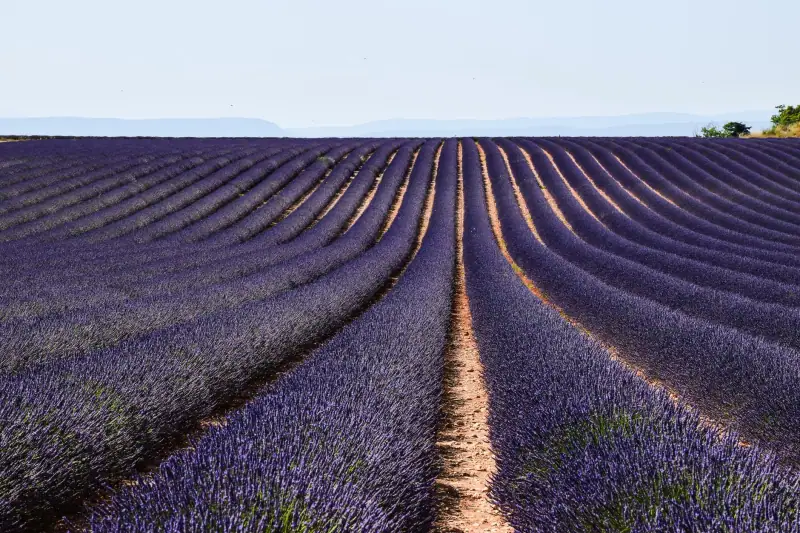
What to see on the Valensole plateau: villages, lavender and gorges to explore
What to see on the Valensole plateau: Riez, Valensole, Puimoisson, Gréoux, Quinson and Les Mées, villages, heritage and landscapes beyond the lavender.
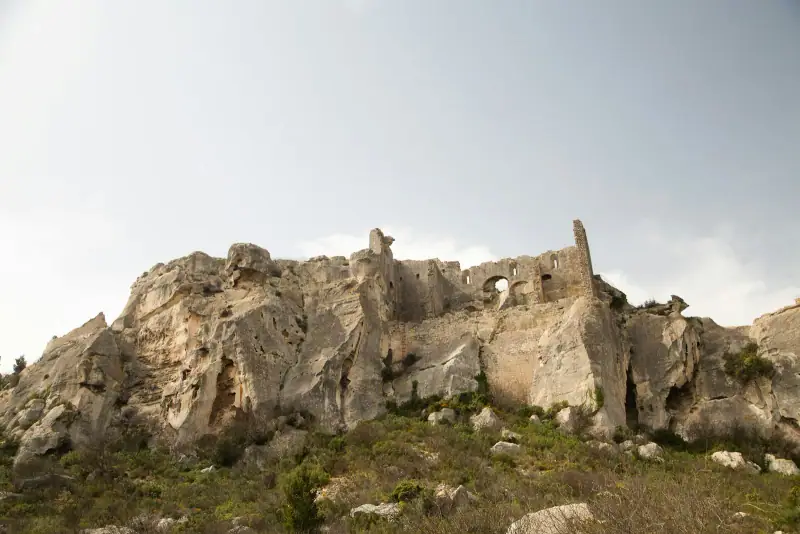
What to see in the Alpilles: Les Baux, Saint-Rémy and villages worth a stop
What to see in the Alpilles: Les Baux-de-Provence, Saint-Rémy, Glanum, Fontvieille, olive groves and trails. A guide to plan 2 to 3 days in the range.
Ready-made
Provence itineraries
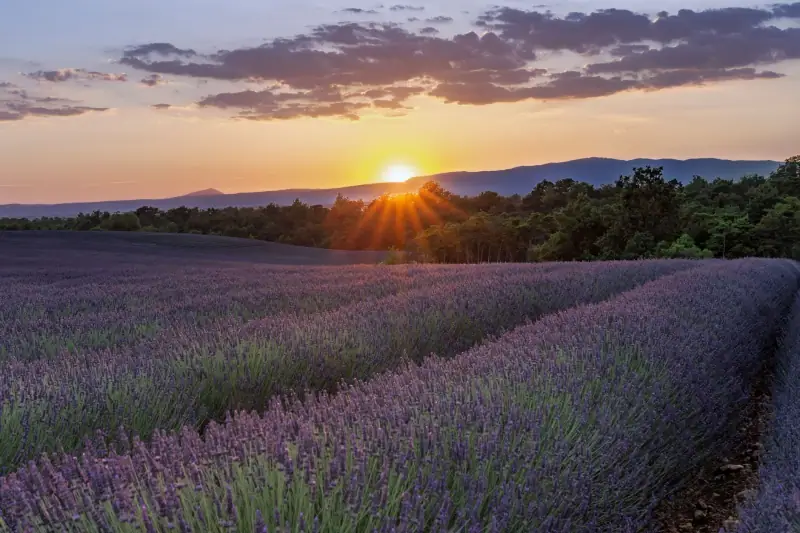
3 days
Lavender route in Provence in 3 days: Valensole, Sault and the Luberon, stops and distances
Moustiers-Sainte-MarieSault
3 days
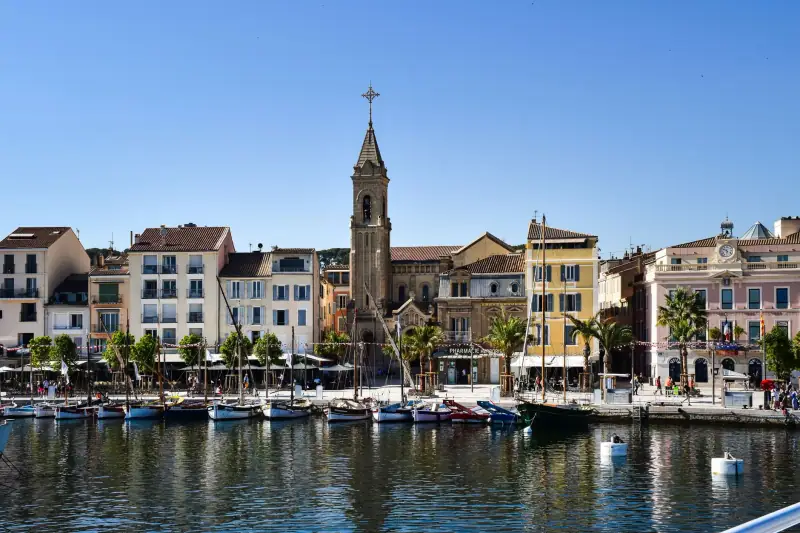
3 days between Marseille, Cassis and Aix-en-Provence: a detailed itinerary
3-day Provence itinerary: Marseille and the Vieux-Port, Cassis calanques, Aix-en-Provence and its fountains. Day by day, distances and tips.
5 days
5-day Provence itinerary: Avignon, Luberon, Alpilles and Camargue
A day-by-day 5-day Provence itinerary: Avignon, Luberon, Alpilles, Arles, Camargue, Aix and Cassis, with realistic distances and practical tips.
Can be adapted in the planner