Itineraries
5-day Provence itinerary: Avignon, Luberon, Alpilles and Camargue
We may earn a commission when you book through links on this page, at no extra cost to you. We don't visit or try the places we cover: we summarize published sources. How we work
Day by day
- Day 1Avignon: Palais des Papes, Pont Saint-Bénézet, old town
- Day 2Luberon: Gordes, Sénanque Abbey, Roussillon
- Day 3Alpilles: Saint-Rémy-de-Provence, Glanum, Les Baux-de-Provence
- Day 4Arles in the morning, Camargue and Saintes-Maries-de-la-Mer
- Day 5Aix-en-Provence in the morning, Cassis and its calanques
Where to sleep
- Avignon4 nights
Opens the trip planner with these stops and nights already filled in. Add a stop, drop one or change the nights.
Weather through the year on this route
| Jan | Feb | Mar | Apr | May | Jun | Jul | Aug | Sep | Oct | Nov | Dec | |
|---|---|---|---|---|---|---|---|---|---|---|---|---|
| High °F (°C) | 489 | 5211 | 5714 | 6418 | 7323 | 8228 | 8831 | 8831 | 7725 | 6820 | 5513 | 5010 |
| Low °F (°C) | 341 | 341 | 373 | 436 | 5010 | 5915 | 6317 | 6317 | 5513 | 5010 | 415 | 362 |
Normals 1991–2020 at Avignon: averages over 30 years, not a forecast. Source: NASA POWER (MERRA-2), grid of about 50 km. Figures computed by us in November 2026. Rain is shown only where a weather station confirms the figures.
In short
- Avignon (day 1), Luberon (day 2), Alpilles with Saint-Rémy and Les Baux (day 3), Arles and the Camargue (day 4), then Aix-en-Provence and Cassis (day 5).
- No day exceeds about 160 km (99 mi) of driving. Avignon is a good base for the first four days: the Alpilles, Luberon and Arles are about an hour away.
- A car is strongly recommended: Luberon villages, the Alpilles and the Camargue are poorly served by public transport. Avignon, Arles, Aix and Marseille are well linked by train.
- May, June and September are generally the most pleasant. For lavender, aim for late June and July, with more crowds and heat.
Provence is wonderfully suited to travel by car: distances between its major sights stay short, the landscapes change every hour, and every village has its market, its shaded square and its fountain. But it is also a region where it is easy to spread yourself too thin. Between the Luberon, the Alpilles, the Camargue, the Aix area and the coast, the risk is spending your days behind the wheel rather than on squares and trails.
This five-day itinerary was designed to avoid that pitfall. It is built around Avignon for the first four days, then heads to Aix-en-Provence and the Cassis coast to finish facing the Mediterranean. No day exceeds about 160 km (99 mi) of road (days 4 and 5 are the longest), which leaves time to stroll, lunch without hurrying and enjoy the late-afternoon light.
Itinerary overview
Here is the thread of the stay:
| Day | Main stop | Mood |
|---|---|---|
| Day 1 | Avignon | Fortified city, history of the popes |
| Day 2 | Luberon: Gordes, Sénanque, Roussillon | Hilltop villages and ocher |
| Day 3 | Alpilles: Saint-Rémy-de-Provence, Les Baux | Olive trees and rock landscapes |
| Day 4 | Arles and the Camargue | Roman antiquity, marshes and horses |
| Day 5 | Aix-en-Provence and Cassis | Provençal elegance, then the sea |
Approximate distances from Avignon: about 40 km (25 mi) to Gordes, about 25 km (16 mi) to Saint-Rémy-de-Provence, about 40 km (25 mi) to Arles. Between Arles and Aix-en-Provence, allow roughly 75 km (47 mi), then a little over 50 km (31 mi) from Aix to Cassis. Drive times vary with the season and traffic: always allow a margin, especially in July-August.
Why start from Avignon? The city has a TGV station, plenty of lodging and simple road access to the Luberon, the Alpilles and Arles. To choose the best time, see our guide to when to go to Provence.
Day 1: Avignon, city of the popes
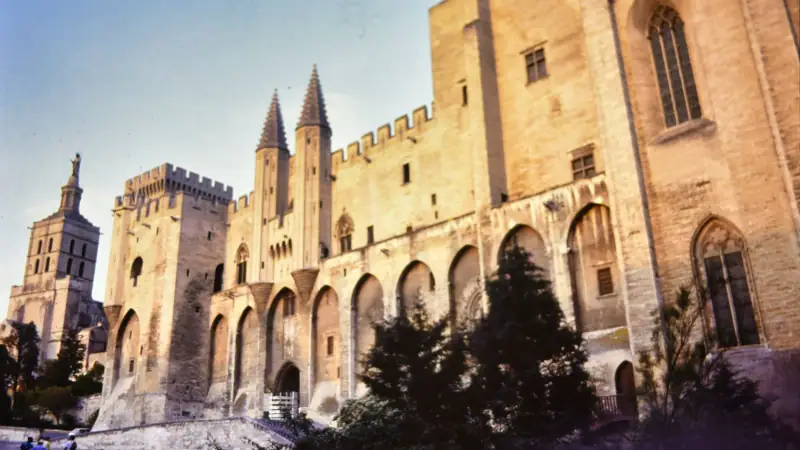
Devote your first day to Avignon, ideally discovered on foot. In the 14th century, the city was the seat of the papacy, which explains a heritage of surprising scale for a town of this size. Its historic center is surrounded by well-preserved ramparts, which form a loop of about 4 to 5 km (2.5 to 3 mi).
The Palais des Papes
This is the essential sight, one of the largest Gothic palaces in Europe. The visit takes you through monumental halls, chapels and apartments, and helps you understand how the city became, for a few decades, the center of Western Christendom. Ideally, book your ticket online in high season and arrive early in the morning to avoid groups.
Pont Saint-Bénézet and the banks of the Rhône
The famous “Pont d’Avignon” of the song is only a fragment now: just a few arches stand above the Rhône today, but they remain a symbol of the city. From the opposite bank, on the Villeneuve-lès-Avignon side, or from the Jardin des Doms, you get the finest views of the bridge, the river and the palace.
Strolling the center
In the afternoon, let the lanes carry you: Place de l’Horloge, Rue des Teinturiers lined with plane trees and old water wheels, craftsmen’s shops and santon (nativity figurine) shops. The town-center covered market is a good place to stock up on local specialties. In the evening, a terrace on a square lets you enjoy the Provençal mildness.
Stay in Avignon
Compare hotels and B&Bs inside the walls, practical for exploring on foot and then driving out.
Day 2: Luberon, Gordes, Sénanque and Roussillon
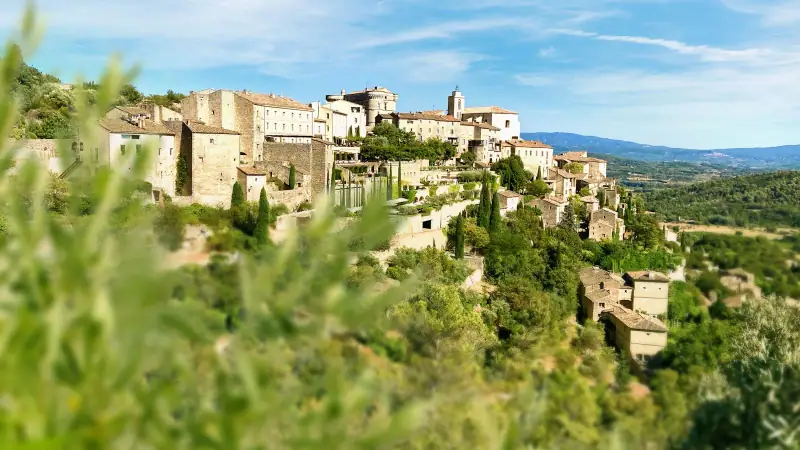
The Luberon is the region of hilltop villages of golden stone, hills covered in oaks and scrubland, vines and cherry trees. The day is deliberately concentrated in a small area: Gordes, Sénanque Abbey and Roussillon are close to each other, which leaves time to stop.
Gordes, a village in tiers
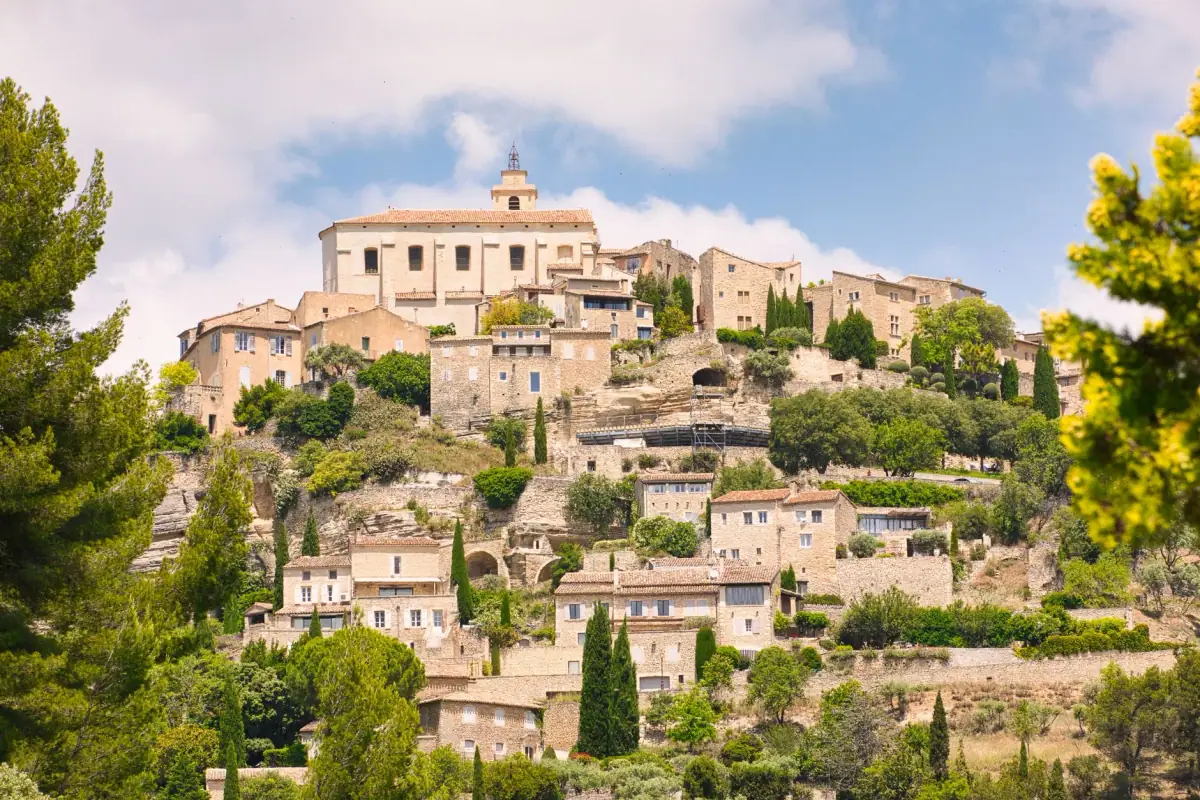
From Avignon, allow about 40 km (25 mi) and a little under an hour by road. Gordes is stacked on the flank of a hill and is best seen from the viewpoints along the road, especially when arriving from the south. Visit early in the morning: the village is one of the busiest in Provence and the narrow streets fill up quickly. Take time to climb toward the castle and get lost in the cobbled lanes.
Sénanque Abbey
A few kilometers from Gordes, the Cistercian abbey of Sénanque nestles at the bottom of a small valley. Founded in the 12th century, it has remained a working abbey and is visited with a guide. In June and early July, its lavender fields make it one of the most photographed images of Provence. Outside bloom, the site keeps a striking calm and simplicity. Follow the instructions there and stay on the paths: the fields are crops.
Roussillon and its ocher
In the afternoon, head to Roussillon, about ten kilometers (6 mi) from Gordes. The village is built on old ocher quarries, which give the facades shades ranging from yellow to orange and red. A marked trail lets you walk the ocher cliffs and understand the history of pigment extraction. Wear good shoes and avoid light-colored clothes, because the colored dust stains.
To end the day, if you have time, stop in another village of the massif, such as Bonnieux or Lacoste, for a last sunset over the valley, before returning toward Avignon.
Luberon excursions
Don't want to drive? Compare guided day tours in the villages of the Luberon.
Day 3: Alpilles, Saint-Rémy-de-Provence and Les Baux
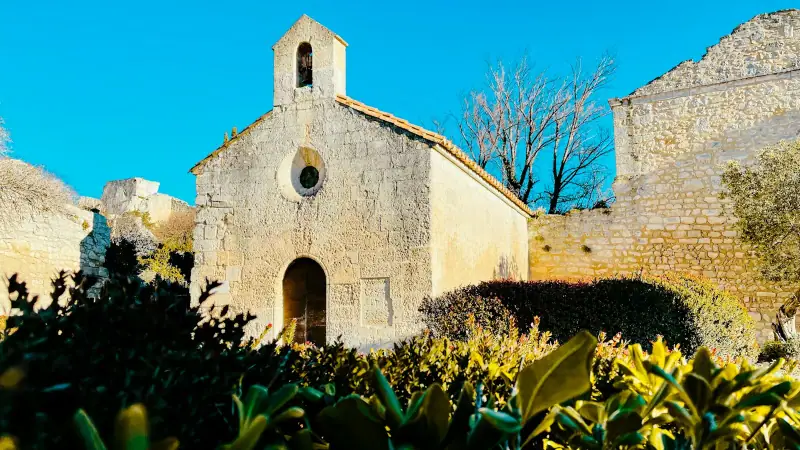
The Alpilles are a small limestone range with white ridges, surrounded by olive groves and vines. Saint-Rémy-de-Provence, about 25 km (16 mi) from Avignon, is its natural gateway and one of the most pleasant towns in the region.
Saint-Rémy-de-Provence in the morning
The town center, whose circular boulevards trace the old line of the ramparts, is easy to cover on foot. You will find many shops selling local products. On the edge of town, the Glanum archaeological site reveals the remains of a Gallic and then Roman city, including a remarkably well-preserved triumphal arch and mausoleum. Nearby, the Saint-Paul-de-Mausole monastery is linked to the stay of Vincent van Gogh, who was treated there in 1889-1890 and painted several of his works there.
Les Baux-de-Provence in the afternoon
Les Baux-de-Provence is about ten kilometers (6 mi) from Saint-Rémy. The village and its ruined fortress occupy a rocky spur overlooking the Val d’Enfer. Visit the citadel and its panoramas over the Alpilles and the Camargue plain. The site is very touristy: arrive early or late in the day.
Lunch and an olive grove break
Between the two stops, enjoy the countryside: olive oil mills, local wineries and small village restaurants. Our guide to Provence wines will help you choose a few bottles to taste along the way.
Day 4: Arles and a glimpse of the Camargue
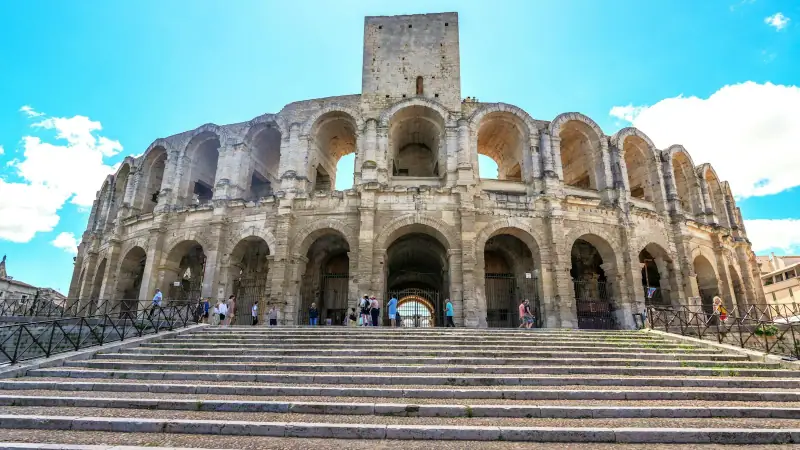
The fourth day pairs exceptional Roman heritage with a landscape of marshes, rice paddies and lagoons unique in Europe. Arles is about 40 km (25 mi) from Avignon, and Saintes-Maries-de-la-Mer about 40 km (25 mi) from Arles.
Arles in the morning
The city keeps several ancient monuments listed as UNESCO World Heritage, including the amphitheater, the ancient theater and the Alyscamps, a former necropolis lined with sarcophagi. The amphitheater, which still hosts shows, offers a fine view of the city from its stands. Arles is also the town where Van Gogh stayed in 1888-1889: several places in the city recall his time here. End with Place du Forum and its terraces.
The Camargue in the afternoon
Head south, toward the Rhône delta. The landscapes are flat, dotted with lagoons, reedbeds and huts. The Camargue is famous for its white horses, black bulls and pink flamingos, seen mostly in the lagoons. Saintes-Maries-de-la-Mer, on the Mediterranean, has a fortified church and a long sandy beach. You can also take a horseback or 4x4 ride with a guide.
Practical tips: protect yourself from mosquitoes in summer, bring water and binoculars, and don’t approach the animals, which live in semi-freedom. To watch birds in good conditions, choose the start or end of the day.
Camargue excursions
4x4, horseback or boat rides: compare guided outings to discover marshes and animals.
Day 5: Aix-en-Provence, then Cassis
For the last day, leave the Rhône valley for the Aix area, then the coast. Between Arles and Aix-en-Provence it is about 75 km (47 mi), a little over an hour by road. From Aix to Cassis, allow a little over 50 km (31 mi).
Aix-en-Provence in the morning
Aix is a city of water and art, with many fountains and elegant facades. Start with Cours Mirabeau, its plane trees and cafés, then get lost in Old Aix, its squares and its market. Aix is the town of Paul Cézanne: his preserved studio can be visited, and Montagne Sainte-Victoire, which he painted so often, can be seen from several roads around. Have lunch in town, where addresses are plentiful at every budget.
Cassis and its calanques in the afternoon
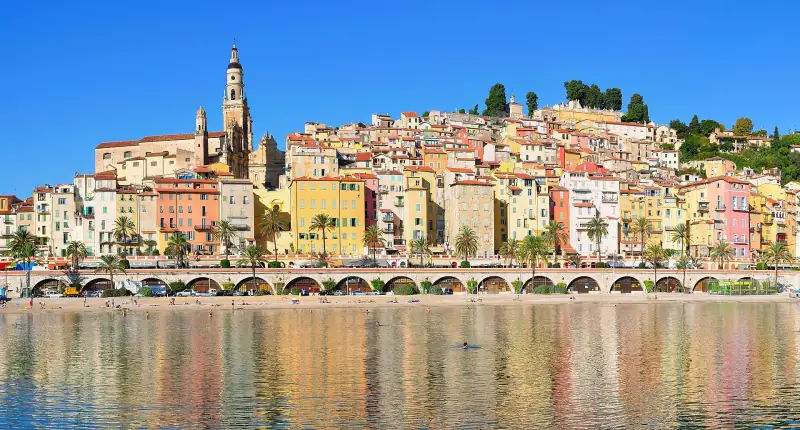
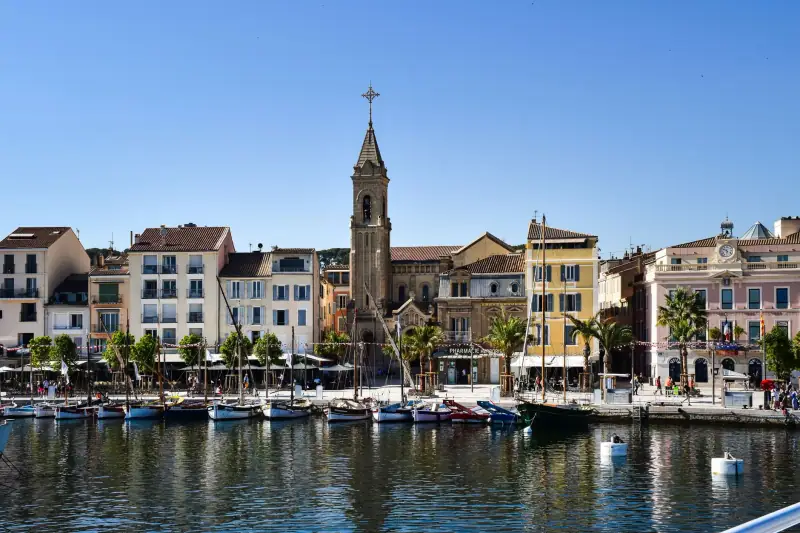
Cassis is a colorful fishing harbor, overlooked by Cap Canaille. It is the gateway to the calanques, those deep inlets of white limestone. To approach them, several options: a boat ride from the harbor, a hike or a swim. Access to the calanques is regulated, notably in summer and in case of fire risk; find out before you go. End with a drink on the harbor or a glass of Cassis white wine, one of the region’s appellations.
Stay in Cassis or Aix
End your stay on the coast: compare accommodation to extend by one night.
Getting around: car, train or excursions
This circuit is easier by car. Luberon villages, the Alpilles and the Camargue are poorly served by public transport, and timetables do not always allow visiting several sites in one day. A car also gives flexibility to stop in a village you like.
Without a car, you can rely on trains linking Avignon, Arles, Aix-en-Provence and Marseille, then add organized excursions from the towns. Parking is often paid and limited in historic centers: use lots on the edge, especially in Avignon, Arles and heavily visited villages. Remember to book your vehicle early in high season.
Budget and reservations
Budget varies mainly with lodging and season. In July-August, rates are higher and good addresses fill up several months ahead. Outside school holiday periods, notably in spring and September, it is easier to find space at lower prices.
A few tips to optimize the budget:
- Book the busiest monuments online when possible.
- Eat at the market or choose the set lunch menu.
- Avoid changing hotels at every stop: driving out from Avignon saves time and luggage.
- Check cancellation conditions before booking.
Tips for a successful itinerary
- Start early: the morning light is softer and sites are less crowded.
- Prepare for the heat in summer: water, hat, sunscreen and breaks in the shade.
- Watch the mistral: if it blows hard, choose indoor visits or sheltered sites.
- Check opening times: hours and closing days vary by season.
- Respect nature: don’t walk in lavender crops, don’t feed Camargue animals and follow the instructions in the calanques.
You can also adapt this program: shorten it to three days by keeping Avignon, the Luberon and the Alpilles, or lengthen it with an extra day in the Verdon Gorge or in Marseille.
Sources
- Avignon Tourisme: figures checked November 2026
Frequently asked questions
Are 5 days enough to see Provence?
Five days let you discover the essentials: Avignon, a Luberon village, the Alpilles, Arles, a glimpse of the Camargue, Aix-en-Provence and the coast toward Cassis. You have to accept making choices, because the region is vast and well deserves a week or more.
Do you need a car for this itinerary?
Yes, it is strongly recommended. Avignon, Arles, Aix and Marseille are well linked by train, but the Luberon villages, the Alpilles and the Camargue are poorly served by public transport. A rental car offers far more freedom.
Where should you stay to limit hotel changes?
Avignon is a good base for the first four days, because the Alpilles, the Luberon and Arles are within roughly an hour by road. For the last stage, a night in Aix-en-Provence or Cassis avoids coming back late.
What is the best time for this circuit?
May, June and September are generally the most pleasant: mild temperatures, long days and reasonable crowds. If you want to see the lavender, aim for late June and July, accepting more people and heat.
Can you do this itinerary with children?
Yes, the stages are short by car and varied: ramparts, amphitheater, a Camargue outing, swimming or a boat in Cassis. Build in shaded breaks in summer and avoid scheduling more than two major visits a day.
How do you adapt the program to 3 or 7 days?
With 3 days, keep Avignon, the Luberon and the Alpilles with Arles. With 7 days, add a day in the Luberon for other villages and a side trip to the Verdon Gorge or Marseille, keeping drive times in mind.
More Provence guides
Keep reading
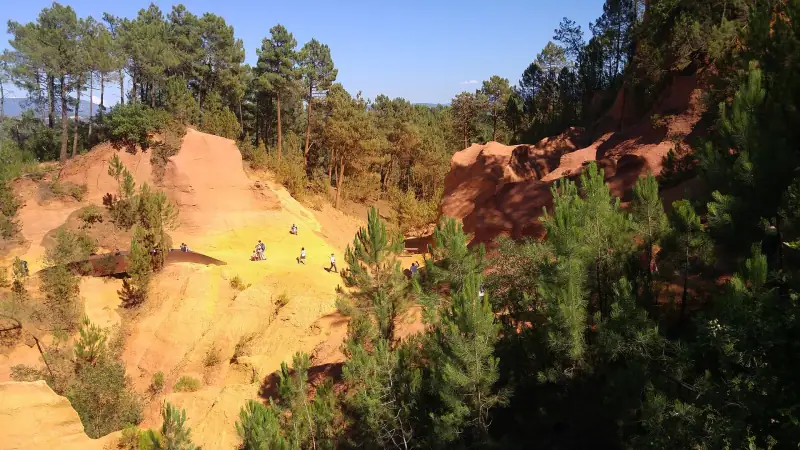
Roussillon Ocher Trail: price, hours, duration and practical tips
Roussillon Ocher Trail: €3.50 ticket, 30 or 50 minutes on foot, hours by season, parking, dogs, strollers and what to wear.
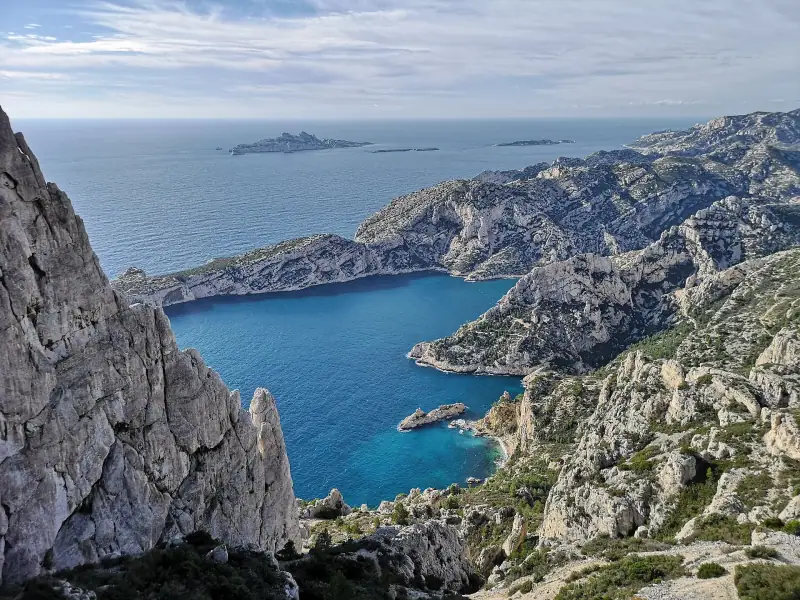
Calanque de Sugiton: mandatory reservation, dates, how to book and alternatives
Sugiton requires a free reservation in summer: 2026 dates, booking opens 3 days ahead, 400 spots a day, access from Luminy and calanques without booking.
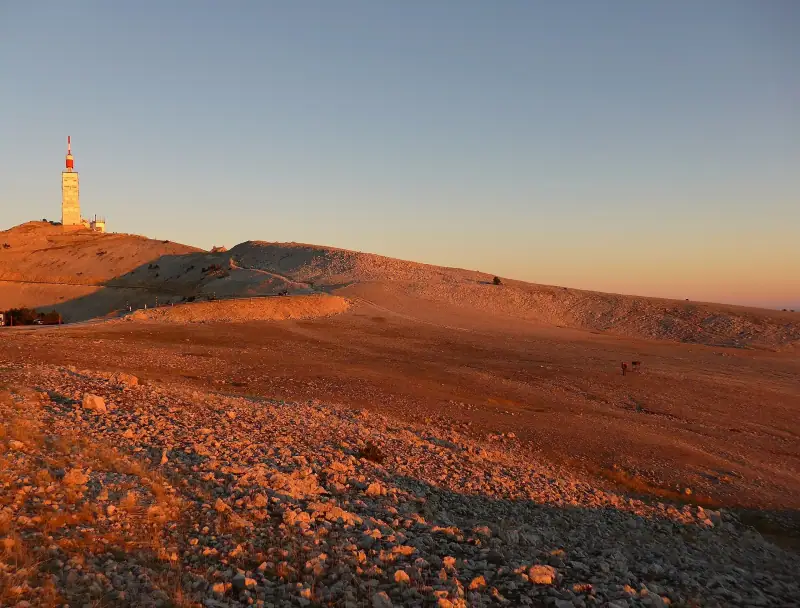
What to see around Mont Ventoux: the climb, Nesque gorges, Dentelles and villages
What to see around Mont Ventoux: the summit, Nesque gorges, Dentelles de Montmirail, Sault, Bédoin and Vaison-la-Romaine. A guide to plan your visit.
Ready-made
Provence itineraries
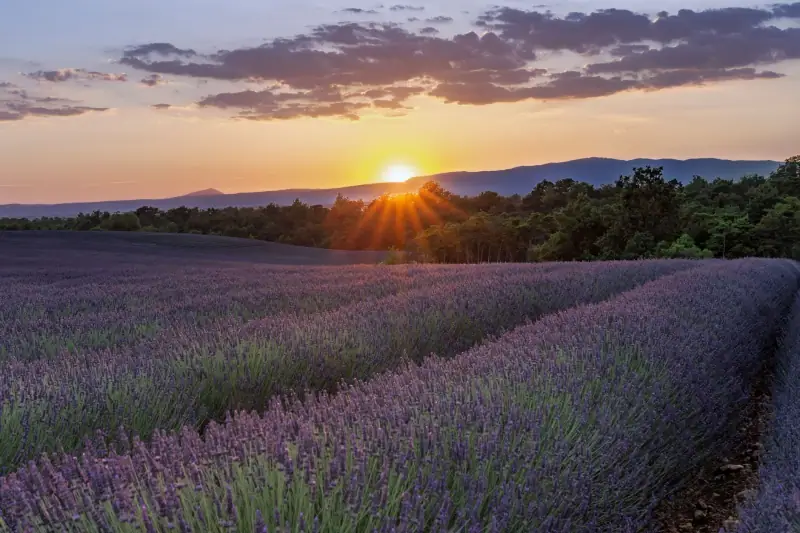
3 days
Lavender route in Provence in 3 days: Valensole, Sault and the Luberon, stops and distances
Moustiers-Sainte-MarieSault
3 days
3 days between Marseille, Cassis and Aix-en-Provence: a detailed itinerary
3-day Provence itinerary: Marseille and the Vieux-Port, Cassis calanques, Aix-en-Provence and its fountains. Day by day, distances and tips.