Itineraries
Lavender route in Provence in 3 days: Valensole, Sault and the Luberon, stops and distances
We may earn a commission when you book through links on this page, at no extra cost to you. We don't visit or try the places we cover: we summarize published sources. How we work
Day by day
- Day 1Aix-en-Provence, Valensole plateau, Riez, Moustiers-Sainte-Marie
- Day 2Moustiers, Manosque, Forcalquier, Banon, Sault
- Day 3Nesque gorges, Sénanque, Gordes, Roussillon, Avignon
Where to sleep
- Moustiers-Sainte-Marie1 night
- Sault1 night
In short
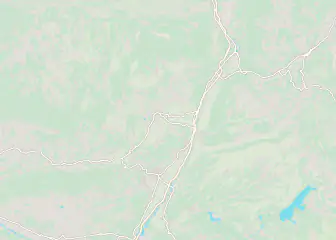
- Three days cover the Valensole plateau, Moustiers, the Sault area and the Luberon, about 400 km (250 mi) from Aix-en-Provence to Avignon.
- The best window is June 25 to July 15. Before mid-June the fields are still green; after mid-July Valensole is often harvested, while Sault stays beautiful.
- Expect about 2 h 30 to 3 h of driving per day. A car is essential for this itinerary.
- Sleep in Moustiers, then in Sault, and keep the Luberon villages for the last day. Book early: July is peak season.
Three days are enough to combine the two great faces of Provençal lavender: the big purple waves of the Valensole plateau, and the higher, wilder landscapes of the Sault area at the foot of Mont Ventoux, before finishing in the hilltop villages of the Luberon. It is a doable road trip, as long as you respect two constraints: the bloom calendar, and the drive times, which are longer than you would expect on these plateau roads.
This itinerary starts in Aix-en-Provence and ends in Avignon, about 400 km (250 mi) in total. The distances and durations below are approximate, to be confirmed with your GPS.
When to go for this itinerary to work
Everything depends on the date. According to regional tourist offices, bloom begins around mid-June in lower areas and continues until late July on higher plateaus. The Valensole plateau generally blooms from mid-June to mid-July, with a peak around early July; the Sault area blooms a little later.
The ideal calendar for this route: between June 25 and July 15. After that, Valensole is often already harvested, but Sault is still very beautiful. Before mid-June, the fields are still green. To understand the seasons in detail, read our guide to when to go to Provence.
Overview: 3 days, 3 moods
| Day | Stage | Approx. distance | Approx. driving |
|---|---|---|---|
| 1 | Aix-en-Provence → Valensole plateau → Riez → Moustiers | 130 km (81 mi) | 2 h 30 |
| 2 | Moustiers → Manosque → Forcalquier → Banon → Sault | 150 to 160 km (93 to 99 mi) | 2 h 50 to 3 h 10 |
| 3 | Sault → Nesque gorges → Sénanque → Gordes → Roussillon → Avignon | 130 km (81 mi) | 3 h |
You will drive about 2 h 30 to 3 h a day, which leaves time for stops. Don’t try to add a fourth stop to the day: the roads are winding and photo stops add up quickly.
Day 1: Aix-en-Provence, Valensole, Riez and Moustiers

Leave Aix early (before 8 am) to reach the plateau in the morning light. Take the A51 toward Manosque, then the road to Valensole: allow about 80 km (50 mi) and 1 h 15 to reach the plateau.
The Valensole plateau (morning)
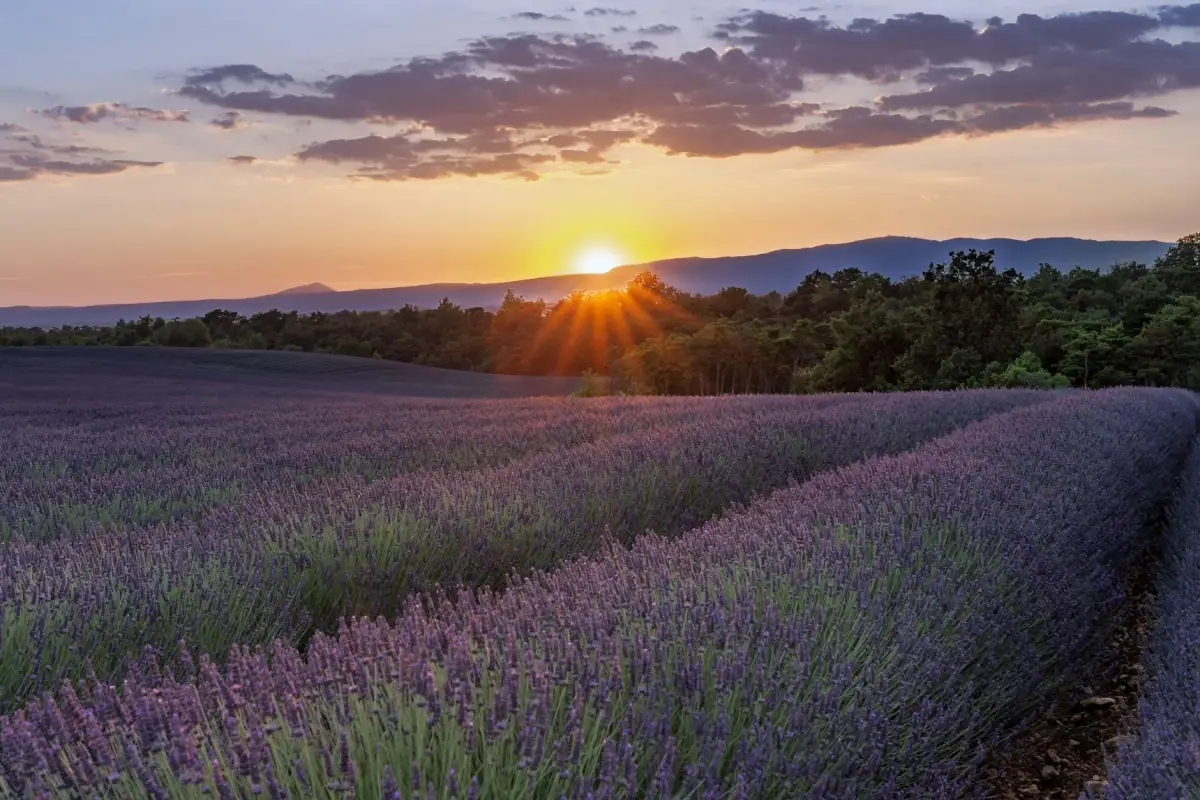
The Valensole plateau is the quintessential postcard: big fields of lavandin and lavender alternate with wheat fields and rows of almond trees, on a plateau overlooking the Durance valley. Park only in designated spots or allowed roadside areas, without blocking tractors, and stay out of the crops.
A few tips:
- The best light is before 10 am or after 6 pm.
- The same field can be magnificent at 8 am and disappointing at noon: don’t hesitate to turn back for another road.
- Some farms welcome visitors and sell essential oils, honey and related products: it is the best way to support local producers.
Guided lavender tour
Don't want to drive? Compare lavender excursions and distillery visits from the region.
Riez and Moustiers-Sainte-Marie (afternoon)
Continue to Riez (about 20 km / 12 mi, 25 minutes from the middle of the plateau), a quiet Provençal town with its Roman columns and its market. Then head to Moustiers-Sainte-Marie (about 30 km / 19 mi, 40 minutes), one of the most beautiful villages in France, famous for its faience pottery, its star hung between two cliffs and its role as the gateway to the Verdon Gorge.
If you have an extra hour, push on to Lake Sainte-Croix for a glimpse of turquoise water, or read our guide to activities in the Verdon Gorge.
Where to sleep in Moustiers
Moustiers is the best base for this first night: a postcard setting, restaurants and an easy road the next day. Space is limited in July. Our comparison Moustiers or La Palud-sur-Verdon helps you choose the right base.
Stay in Moustiers-Sainte-Marie
Compare hotels and B&Bs in Moustiers and the Verdon for your first night.
Day 2: from Moustiers to the Sault area
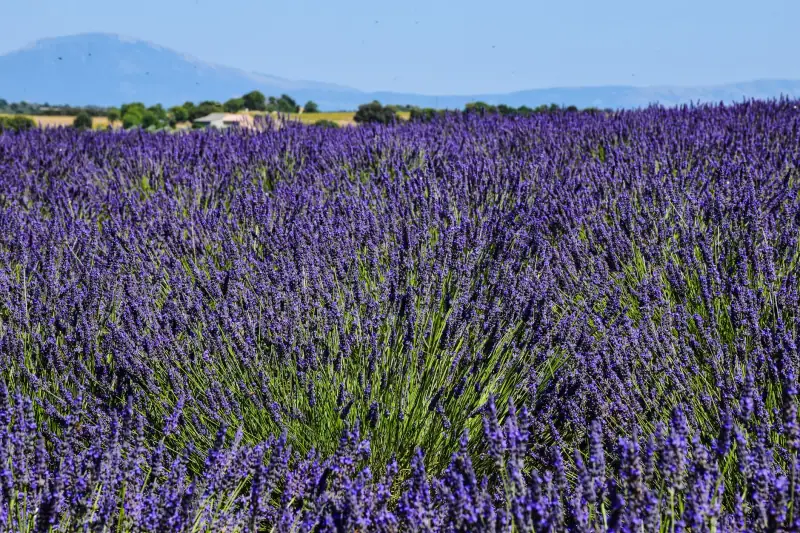
This is the longest day: about 150 to 160 km (93 to 99 mi) and 3 hours on the road to go from the Verdon to the Sault area. Two options:
The most readable route first heads down to Manosque (about 65 km / 40 mi), then climbs back up through Forcalquier and Banon to Sault, with picturesque departmental roads on the last stretch. Shortcuts over plateau roads look shorter on the map but are noticeably slower.
Plan a lunch stop in Banon, a village known for its goat cheese wrapped in chestnut leaves, or picnic with market produce (see our guide to Provence markets).
Sault: lavender at altitude
The Sault plateau sits at about 750 m (2,460 ft) above sea level, at the foot of Mont Ventoux. Lavender blooms there later than in Valensole: it is the right plan if you arrive late in the season. The landscape is wilder, with fewer people, wide horizons and a pleasant hilltop village for dinner.
In the late afternoon, drive the roads around Sault: lavender, wheat fields and a view of Ventoux make for the best photos of the trip. If you are up for it, the Ventoux road (check conditions for the weather and season) gives access to an exceptional panorama, but it takes an extra half day.
Stay in Sault and at the foot of Ventoux
Gîtes, B&Bs and small hotels: compare accommodation in the Sault area.
Day 3: Nesque gorges, Sénanque, Gordes and Roussillon
Last stage: about 130 km (81 mi) and 3 hours of cumulative driving, but with many stops.
- Nesque gorges (from Sault): a spectacular cliffside road, viewpoints and cliffs. Drive carefully, the road is narrow and winding.
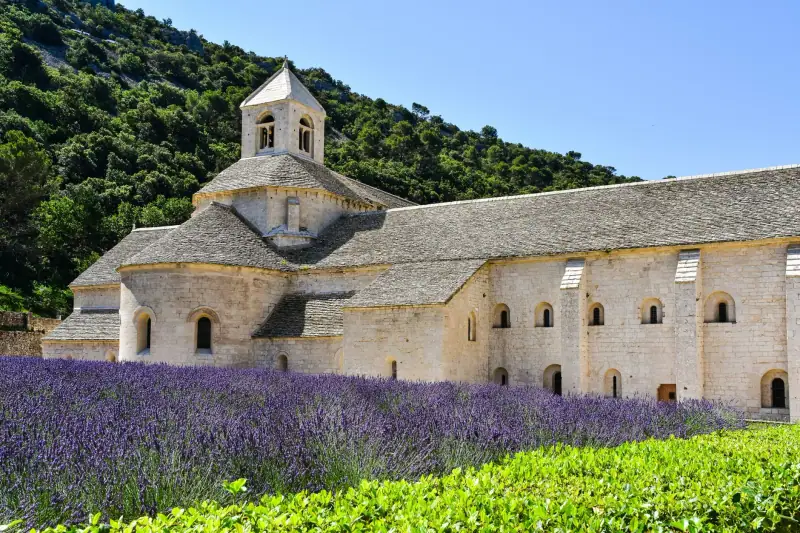
- Sénanque Abbey (about 60 to 65 km / 37 to 40 mi from Sault through the gorges, 1 h 15 to 1 h 30): the Cistercian abbey surrounded by lavender is one of the most famous images of Provence. It is very busy in July: arrive at opening time and check access conditions and parking.
- Gordes (a few kilometers further): a hilltop village of pale stone, see our guide to visiting Gordes and the hilltop villages of the Luberon.
- Roussillon: a village with ocher facades, with an Ocher Trail best walked early to avoid the heat.
- Arrival in Avignon (about 45 km / 28 mi, 1 h) to return the car or continue by train.
Luberon wine tasting
Winery visits and tastings in the Luberon: compare the options.
Practical tips for the road
- Car: essential for this itinerary. Our guide to getting around Provence compares the options. Book early in July, it is high season.
- Fuel: fill up before leaving the main roads: gas stations are rare on the plateaus.
- Heat: bring water, a hat and sunglasses. Temperatures can be high in July.
- Respect for crops: don’t enter the fields and don’t pick the lavender.
- Allergies: bees are very present around lavender fields; take care if you are allergic.
Can it be done in 2 days? In 4?
- In 2 days: choose either Valensole + Moustiers, or Sault + Luberon, but not both.
- In 4 days: add a night in the Luberon (Gordes or Roussillon) and half a day in the Verdon Gorge. For a fuller trip including Avignon, Arles and the Camargue, see our 5-day Provence itinerary.
Key takeaways
Three days are enough to see the great lavender landscapes if you go between late June and mid-July, sleep in Moustiers then in Sault, and keep the Luberon for the last day. Drive early, avoid the hot hours, respect the fields and book your accommodation as soon as your dates are fixed.
Sources
- Commune of Sault: figures checked November 2026
Frequently asked questions
When should you go to see lavender in bloom in Provence?
Bloom generally starts around mid-June in lower areas (Luberon, Rhône valley) and runs to late July, even early August, on higher plateaus such as Sault. On the Valensole plateau the peak is most often between late June and mid-July. Dates vary from year to year with the weather: check recent photos or the tourist office before you book.
Can you see the lavender without a car?
It is difficult: the fields are scattered across plateaus poorly served by public transport. Car-free options are organized excursions from Aix, Avignon or Manosque, or stays in one place with transfers. For a free-form road trip, a car remains the best choice.
How many kilometers is this 3-day itinerary?
Expect about 400 km (250 mi) in total between Aix-en-Provence and Avignon, roughly 8 to 9 hours of driving spread over three days, not counting stops. The distances in the article are approximate: check them with your GPS on departure day, because roadworks and summer traffic can lengthen trips.
Can you pick lavender or walk into the fields?
No, unless explicitly permitted. The fields are crops belonging to farmers, and trampling damages the plants. Take photos from the roadside, from designated spots, or visit a farm that welcomes the public.
What if the lavender is already cut when you arrive?
Harvests often begin in July in the lower areas. If you arrive late, head up to higher plateaus like Sault, where the bloom lasts longer, and keep the Luberon for its villages, markets and ocher, which can be visited all season.
Do you need to book accommodation far in advance?
Yes. July is peak lavender season and the small capacities of Moustiers, Sault or Gordes fill up fast. Book as soon as your dates are fixed, preferably with free cancellation.
What is the best time of day to visit the fields?
Early in the morning or late afternoon: the light is softer, there are fewer people and the heat is bearable. Bees are also more numerous in the middle of the day, so keep that in mind if you are allergic.
More Provence guides
Keep reading
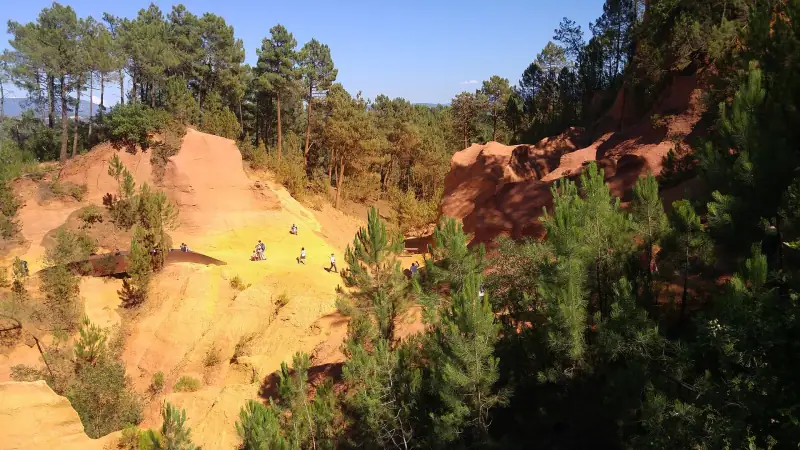
Roussillon Ocher Trail: price, hours, duration and practical tips
Roussillon Ocher Trail: €3.50 ticket, 30 or 50 minutes on foot, hours by season, parking, dogs, strollers and what to wear.
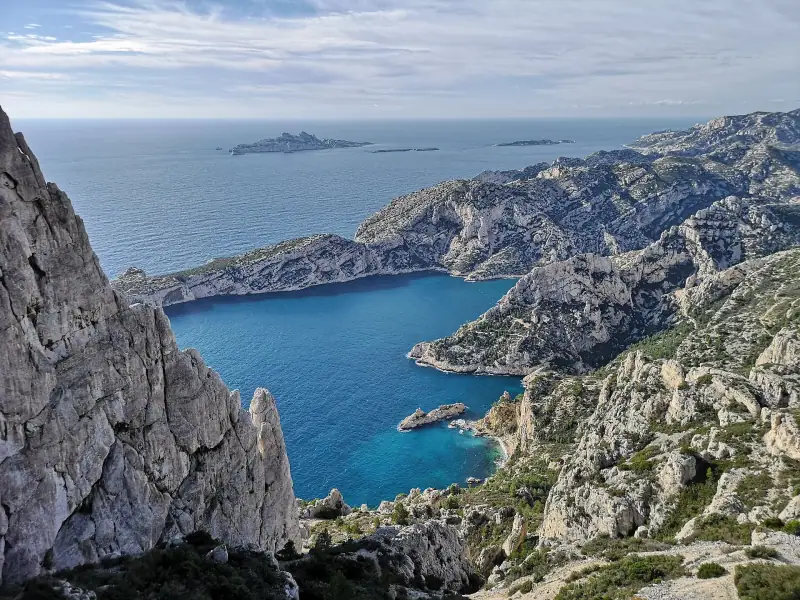
Calanque de Sugiton: mandatory reservation, dates, how to book and alternatives
Sugiton requires a free reservation in summer: 2026 dates, booking opens 3 days ahead, 400 spots a day, access from Luminy and calanques without booking.
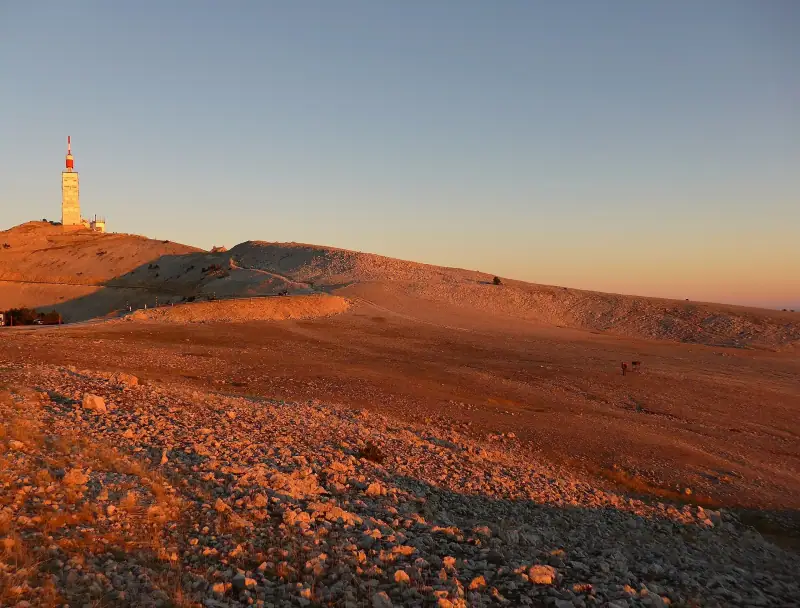
What to see around Mont Ventoux: the climb, Nesque gorges, Dentelles and villages
What to see around Mont Ventoux: the summit, Nesque gorges, Dentelles de Montmirail, Sault, Bédoin and Vaison-la-Romaine. A guide to plan your visit.
Ready-made
Provence itineraries
3 days
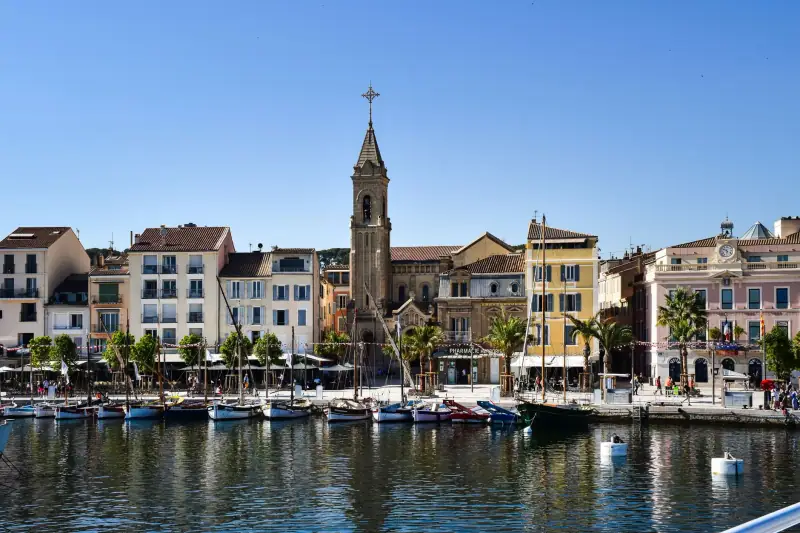
3 days between Marseille, Cassis and Aix-en-Provence: a detailed itinerary
3-day Provence itinerary: Marseille and the Vieux-Port, Cassis calanques, Aix-en-Provence and its fountains. Day by day, distances and tips.
5 days
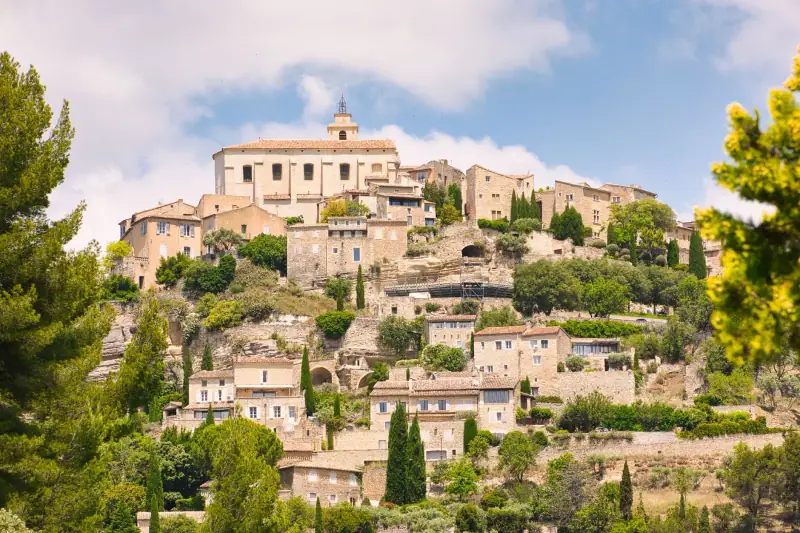
5-day Provence itinerary: Avignon, Luberon, Alpilles and Camargue
A day-by-day 5-day Provence itinerary: Avignon, Luberon, Alpilles, Arles, Camargue, Aix and Cassis, with realistic distances and practical tips.
Can be adapted in the planner