What to see
Visiting Avignon: what to see and do in 1 to 3 days
We may earn a commission when you book through links on this page, at no extra cost to you. We don't visit or try the places we cover: we summarize published sources. How we work
In short
- One day covers the Palais des Papes, Pont Saint-Bénézet, Rocher des Doms and a few lanes. Two days add the museums, Les Halles and Villeneuve-lès-Avignon.
- The center inside the ramparts is covered entirely on foot, in under half an hour end to end. A car is only useful for day trips; park outside the walls.
- The TGV links Avignon to Paris in about three hours and Marseille in under an hour. Avignon Centre is at the ramparts; Avignon TGV is on the outskirts.
- July brings the Avignon Festival: a unique atmosphere but crowds and high prices. Book several months ahead.
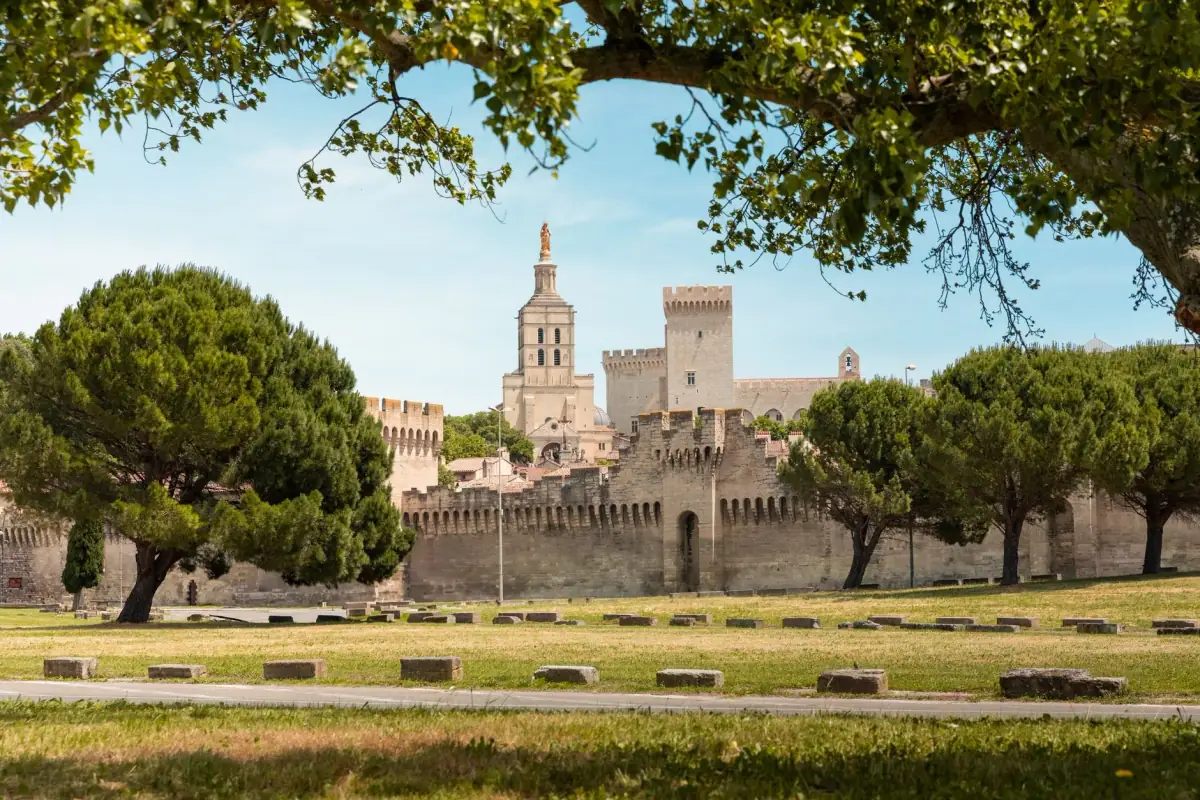
A stone city encircled by ramparts, a Gothic palace overlooking the Rhône, a bridge famous worldwide for a song, though it no longer crosses the river: Avignon condenses a good share of Provençal history and way of life into a few streets. The capital of Christendom in the 14th century, later a city of theater and festivals, it is easy to visit on foot and also serves as a gateway to the Luberon, the Alpilles, the Camargue or the Pont du Gard.
This guide helps you decide what to see in Avignon, in what order, and how to spread your visits over one, two or three days. You will also find advice on the season, transport, lodging and excursions around the city, without unrealistic promises: site hours and prices change, so check them on official sites before you go.
The Palais des Papes, Avignon’s essential sight
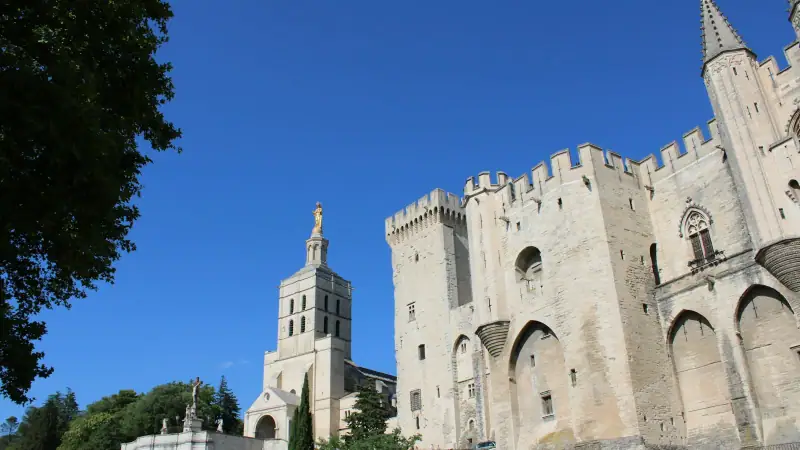
This is the monument that gives Avignon its silhouette. In the 14th century, the papacy left Rome to settle here: the popes resided here from 1309 to 1376 and had a fortress-palace built that remains one of the largest Gothic complexes in Europe. The building, a UNESCO World Heritage site together with the city’s historic center, impresses first from the outside, with its massive walls and towers, before revealing vast halls, courtyards and chapels inside.
To enjoy it, allow a visit of one to two hours, more if you like taking time to read the explanations. Some rooms are almost bare, which surprises visitors who expect sumptuous decoration: the furniture has disappeared over the centuries, but the frescoes, the volumes and the architectural details are enough to recreate the atmosphere. Audioguides or digital visit tools are generally offered, and they help you understand daily life at the papal court.
Two practical tips. Come at opening time or late in the day to limit the wait, especially from June to September. And check the official site for booking arrangements, hours and any closures linked to events or works.
Place du Palais and the immediate surroundings
The vast square at the foot of the palace is a good starting point for a walk. There you find Notre-Dame des Doms cathedral, of Romanesque origin, which overlooks the whole, and the Petit Palais, a former episcopal palace that houses a collection of medieval and Renaissance paintings. Allow half an hour to an hour for each if you like old art. Photographers will come back late in the afternoon, when the stone takes on a golden tint.
Pont Saint-Bénézet, or the “Pont d’Avignon”
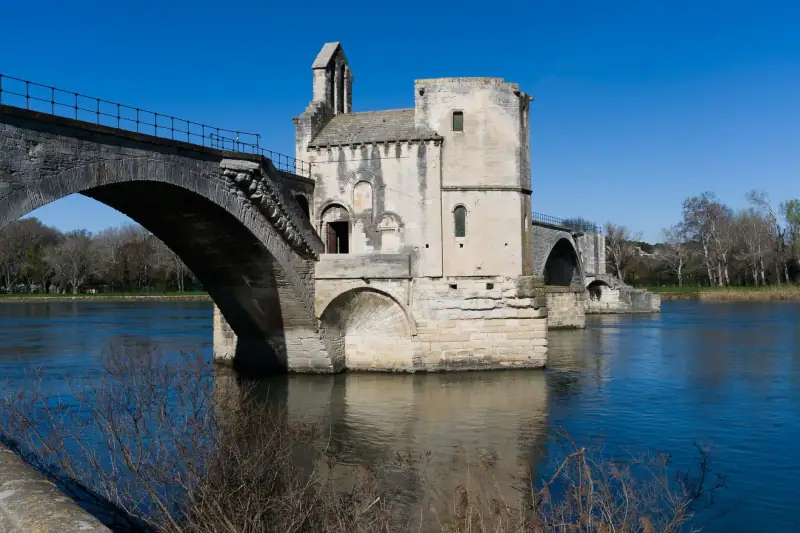
Everyone knows the song, but few visitors know that in reality people did not dance “on” the bridge: they danced below it, on the Île de la Barthelasse, according to the most common explanation. Pont Saint-Bénézet, built from the end of the 12th century, once crossed the Rhône over a great length. Repeated floods of the river eventually carried most of it away: today only a few arches remain, which extend into the river before stopping abruptly.
This ruin is still one of the most photographed places in the city. The visit lets you walk out onto what remains of the bridge, discover the small Saint-Nicolas chapel built on one of the piers and get a different view of the ramparts and the Palais des Papes. A quick visit takes about an hour, not counting photos.
For the best overall view of the bridge itself, cross the Rhône by the Pont Daladier toward Villeneuve-lès-Avignon, or stroll along the banks of the Île de la Barthelasse: the panorama with the Palais des Papes as a backdrop is one of the finest in the city.
The Rocher des Doms, the best viewpoint
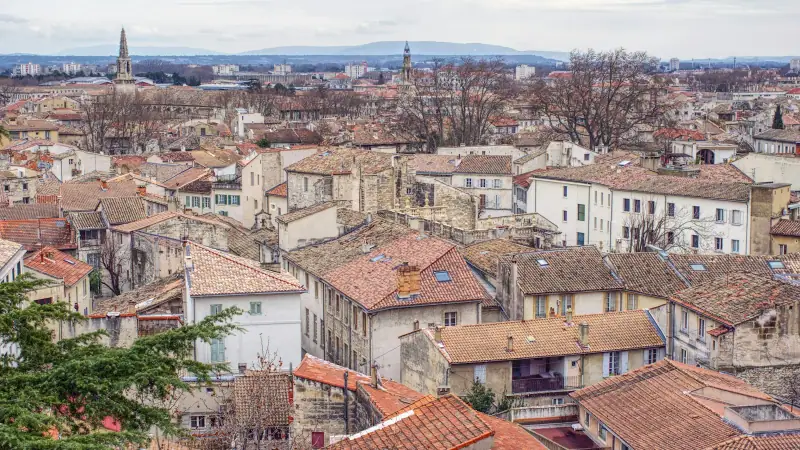
Right next to the palace, a rocky promontory turned into a public garden offers welcome respite and a sweeping view of the Rhône, Pont Saint-Bénézet, Villeneuve-lès-Avignon and, on a clear day, Mont Ventoux in the distance. The park, laid out in terraces, has shaded paths, a pond with ducks and geese, and several lookouts.
It is the ideal spot for a midday break, a light picnic or simply to catch your breath after visiting the palace. At the end of the day, the colors of the sunset on the river also make it a favorite place to watch the light change. Admission is free and the park is generally open all day, with hours that vary by season.
Stay in Avignon
Compare hotels and B&Bs inside the ramparts or nearby, and book early for summer and the festival.
The ramparts and the city gates
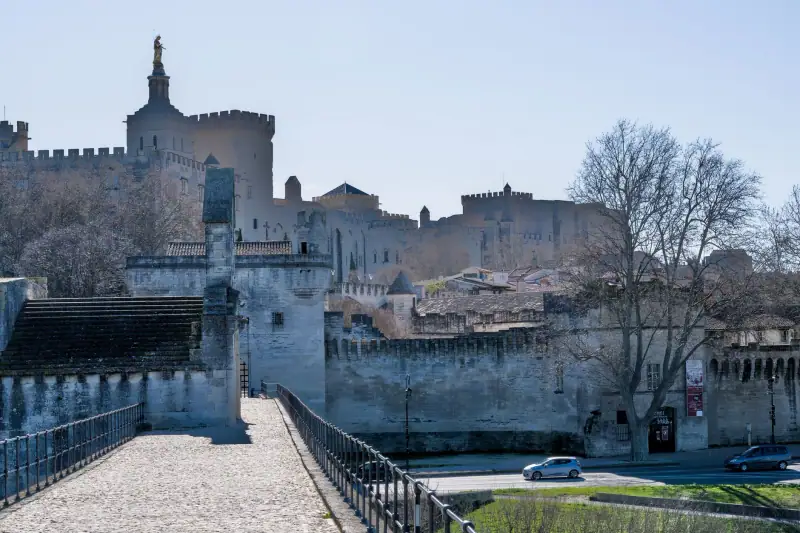
Avignon is one of the few large French cities to have kept its medieval walls almost intact. Built in the 14th century, the ramparts encircle the historic center over several kilometers, punctuated by towers and gates. You can go around them on foot, by bike or by driving along the outside, and the walks are especially pleasant late in the day, when the stone warms up.
A few gates deserve a look: Porte de la République, on the station side, which most visitors pass through first, Porte Saint-Michel or Porte de l’Oulle, near the Rhône. A complete walk around the walls takes a little over an hour for an easy-paced walker. Even without going all the way around, walking along a stretch of wall is enough to grasp the scale of the city in the time of the popes.
Place de l’Horloge, theater and lanes of the center
Place de l’Horloge is the lively heart of the town center. Lined with café terraces, it holds the town hall, its belfry and the Italian-style theater that houses the opera. An old carousel often turns on the side, giving it a permanent festive air. The atmosphere is especially lively on summer evenings, when street performers and festival audiences mix with strollers.
From there, dive into the lanes: Rue de la République, a wide shopping artery, leads to the station, while the perpendicular streets hide pretty squares, mansions, small shops and cafés. Unlike towns where you follow an imposed route, Avignon lends itself to strolling without a map, so compact is the center. Don’t hesitate to look up: facades, sundials and carved doors are often more interesting than shop windows.
Rue des Teinturiers
Among the streets worth seeing, Rue des Teinturiers runs along a canal lined with plane trees and keeps several large water wheels, relics of the time when textile workshops, notably printed cloth, were concentrated here. The atmosphere is calmer than on Place de l’Horloge, with shaded terraces and a few galleries. It is a good place for lunch or lingering at coffee time.
Les Halles and Avignon’s food
Les Halles d’Avignon, a covered market recognizable by its large living wall, is a good way to taste the local produce without booking a table. You will find Vaucluse fruit and vegetables, cheese, olives, cured meats, fish, spices and pastries. The market generally runs from Tuesday to Sunday morning, but check days and hours before you come, as they may vary.
For a simple, local lunch, put together a plate of market produce or settle into one of the restaurants in the center that work with regional producers. At the table, look for the Provençal classics: tapenade, ratatouille, daube, fougasse, Cavaillon melon in season, or goat cheese. To understand how to organize your purchases at the region’s markets, see our guide to Provence markets.
As for drinks, Avignon is in the Rhône valley: the wines of Châteauneuf-du-Pape, Gigondas, Vacqueyras or the Côtes-du-Rhône are never far. If you want to go further, our article on Provence wines will help you find your bearings, even though the Rhône valley has its own appellations. Several wine shops in town offer tastings.
Museums and cultural venues in Avignon
Beyond the Palais des Papes, Avignon offers a surprisingly rich cultural scene for a town of this size.
- The Petit Palais: collections of medieval and Renaissance Italian painting, in the former archbishops’ palace.
- The Collection Lambert: a contemporary art museum in a mansion, with works by major 20th- and 21st-century artists. A welcome contrast after the palace’s Gothic.
- The Musée Calvet: fine arts, archaeology and decorative arts in an 18th-century mansion.
- The Musée Angladon: a collection of late 19th- and early 20th-century artists, in a more intimate setting.
Depending on your tastes, one or two visits are enough to vary the pleasures. Hours and closing days vary from one museum to another, and several are closed on Monday or Tuesday: check before building your program.
The Avignon Festival and the performing arts
Every summer, in July, the city turns into an open-air stage with the Avignon Festival, one of the great theater and performing-arts events in Europe, and its very prolific counterpart, the “Off” festival. Streets are covered with posters, actors hand out flyers, performances take place in courtyards, chapels and improvised venues. The atmosphere is unique, but it comes with heavy crowds and high accommodation rates: if you are aiming for this period, book several months ahead. If you prefer quiet, simply avoid July.
Excursions from Avignon
Rhône valley tastings, Luberon, Pont du Gard: compare the day trips from Avignon.
Villeneuve-lès-Avignon and the Île de la Barthelasse
Across the Rhône, Villeneuve-lès-Avignon is one of the best easy excursions from the city center. In the time of the popes, this bank belonged to the kingdom of France, and the cardinals had sumptuous residences built there. Fort Saint-André overlooks the town and offers a magnificent view of Avignon and the river. The Chartreuse du Val-de-Bénédiction, a former monastery, is another popular place to visit, and the village itself charms with its quiet lanes.
Between the two banks, the Île de la Barthelasse is a green space, with orchards, flat paths and shaded banks. It is a pleasant place for a bike ride, a picnic or to see Avignon from afar. If you are used to getting around by bike, the Villeneuve + Barthelasse combination is easy over half a day.
Day trips around Avignon
Avignon is an excellent base for exploring the Vaucluse and the Gard. A few excursion ideas, from nearest to farthest:
- Châteauneuf-du-Pape: a famous village and vineyard about twenty kilometers (12 mi) to the north, perfect for a tasting and a walk among the vines and rolled pebbles.
- L’Isle-sur-la-Sorgue: the “Venice of the Comtat,” known for its canals, water wheels and antique dealers. On Sunday, the market is very lively.
- The Pont du Gard: a majestic Roman aqueduct, about three quarters of an hour by road from Avignon depending on traffic, visited in half a day.
- Les Baux-de-Provence and Saint-Rémy-de-Provence: in the Alpilles, about thirty kilometers (19 mi) away.
- Gordes and the Luberon: a full day, covered in our guide to Gordes and the hilltop villages of the Luberon.
- Arles and the Camargue: another big day trip, for lovers of Roman history and nature.
If you don’t like driving, organized excursions from Avignon let you combine several of these places. To compare ways of getting around, our guide to getting around Provence details the advantages of each mode of transport.
How to organize your days
Avignon in 1 day
- Morning: Palais des Papes at opening time, then Notre-Dame des Doms cathedral and the Rocher des Doms.
- Midday: lunch at Les Halles or on Rue des Teinturiers.
- Afternoon: Pont Saint-Bénézet, Place de l’Horloge, a stroll through the center.
- Evening: a walk on the ramparts or an aperitif on a terrace, with a last view of the palace at sunset.
Avignon in 2 days
Keep the program above for the first day. On the second, devote the morning to one or two museums (Petit Palais, Collection Lambert or Musée Calvet), then cross the Rhône to Villeneuve-lès-Avignon for Fort Saint-André and the Chartreuse. End with dinner in town.
Avignon in 3 days
Add an excursion day: Pont du Gard and Châteauneuf-du-Pape, or the Luberon, depending on your wishes. To fit Avignon into a wider circuit, our 5-day Provence itinerary shows how to link the city with the Luberon and the Camargue.
How to get there and get around
Avignon is very well served. The TGV links the city to Paris in about three hours, and to Marseille or Montpellier in under an hour or a little more depending on the route. There are two stations: Avignon Centre, just outside the ramparts, and Avignon TGV, on the outskirts, reached from the center by a rail shuttle or by bus. Check the station carefully when you book, because trains do not always serve both.
Once there, the center is covered on foot. Streets are pedestrian or narrow, and distances short: you cross the area inside the walls in under half an hour. A car is only useful for excursions. If you rent one, avoid keeping it in the town center: use the lots on the edge of the ramparts and get around on foot.
Where to stay in Avignon
For a first visit, lodging inside the ramparts is ideal: you will be within walking distance of the palace, restaurants and museums, and you will enjoy the quieter streets in the evening. Boutique hotels set in former mansions are plentiful, but rates climb quickly in summer and during the festival.
If your budget is tighter or you travel by car, look at Villeneuve-lès-Avignon or the districts just outside the ramparts, where prices are often more affordable and parking simpler. B&Bs in the countryside around Avignon are a third option, suited to those who want to drive out. To compare these bases, read our guide on where to stay in Provence.
Boutique hotels in Villeneuve-lès-Avignon
A calmer and often cheaper alternative, facing Avignon on the other side of the Rhône.
Which season to choose for visiting Avignon?
Avignon can be visited all year, but the experience changes with the seasons. In spring, temperatures are mild, terraces fill up and the city is at ease. Summer is hot, sometimes very hot: bring water and a hat, and plan visits early or late in the day. July, with the festival, is a period apart, vibrant but expensive. Fall offers beautiful light and more affordable prices, plus the grape harvest season in the Rhône valley. Winter is quiet, some businesses close or slow down, but the city remains pleasant, with its Christmas markets and museums.
The mistral, a cold, dry wind that sometimes blows strongly in the Rhône valley, can make a walk on the ramparts or the Rocher des Doms less pleasant: bring a windbreaker in the shoulder seasons. To compare periods more precisely, see our guide to when to go to Provence.
Key takeaways
To make the most of Avignon, start from the Palais des Papes, let the lanes carry you and keep time for the viewpoints: Rocher des Doms, the banks of the Rhône, Villeneuve-lès-Avignon. One day is enough for the classics, two days let you enjoy the museums and the opposite bank, three days open the door to excursions in the Vaucluse and the Gard. Check hours and prices on official sites, avoid the car in the center and book early if you come in July. To place Avignon in an overview of the region, our complete guide to Provence gives you the keys to build your trip.
Frequently asked questions
How long does it take to visit Avignon?
One day is enough for the classics: Palais des Papes, Pont Saint-Bénézet, Rocher des Doms and a few lanes. With two days, you add the museums, Les Halles and Villeneuve-lès-Avignon. Three days let you fit in an excursion to the Pont du Gard, Châteauneuf-du-Pape or L'Isle-sur-la-Sorgue.
What should you see first in Avignon?
The Palais des Papes, UNESCO-listed with the historic center, is the essential visit. Next come Pont Saint-Bénézet, the Rocher des Doms and its panorama over the Rhône, Place de l'Horloge, the ramparts and Rue des Teinturiers.
Do you need a car to visit Avignon?
No, the center inside the ramparts can be visited entirely on foot. A car is only useful for day trips to the Luberon, the Alpilles or the Pont du Gard. If you keep one, use a lot outside the ramparts rather than venturing into the lanes.
What is the best time to visit Avignon?
Spring and early fall are ideal: soft light, bearable heat and moderate crowds. In July, the Avignon Festival creates a unique atmosphere but pushes up prices and crowds, and the heat can be strong. Book very early if you come then.
How do you get to Avignon from Paris or Marseille?
The TGV links Paris to Avignon in about three hours, and Marseille in under an hour. There are two stations: Avignon Centre, at the foot of the ramparts, and Avignon TGV, on the outskirts, linked to the center by a rail shuttle. Check the arrival station when you book.
Can you visit Avignon with children?
Yes. Pont Saint-Bénézet, the ramparts, the Rocher des Doms with its gardens and animals, and the lanes to explore generally appeal to children. The Palais des Papes offers adapted visit routes: find out about the options before you come.
Where should you stay in Avignon?
Inside the walls you will be within walking distance of everything, but prices are higher and parking is complicated. Outside the ramparts or in Villeneuve-lès-Avignon, rates are often lower. Our guide to accommodation in Provence compares the possible bases.
More Provence guides
Keep reading
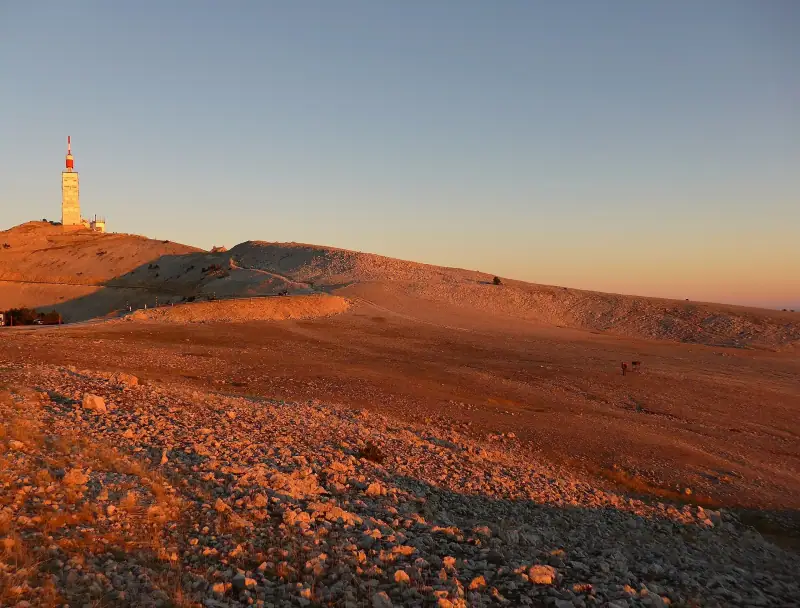
What to see around Mont Ventoux: the climb, Nesque gorges, Dentelles and villages
What to see around Mont Ventoux: the summit, Nesque gorges, Dentelles de Montmirail, Sault, Bédoin and Vaison-la-Romaine. A guide to plan your visit.
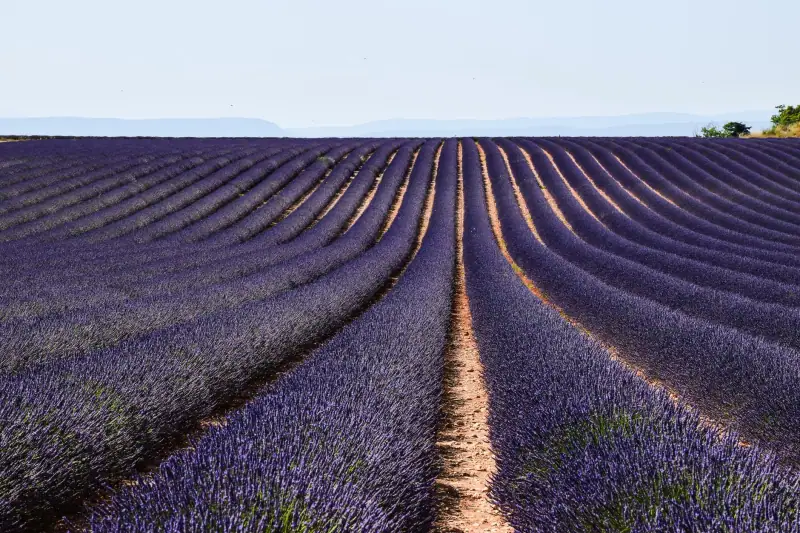
What to see on the Valensole plateau: villages, lavender and gorges to explore
What to see on the Valensole plateau: Riez, Valensole, Puimoisson, Gréoux, Quinson and Les Mées, villages, heritage and landscapes beyond the lavender.
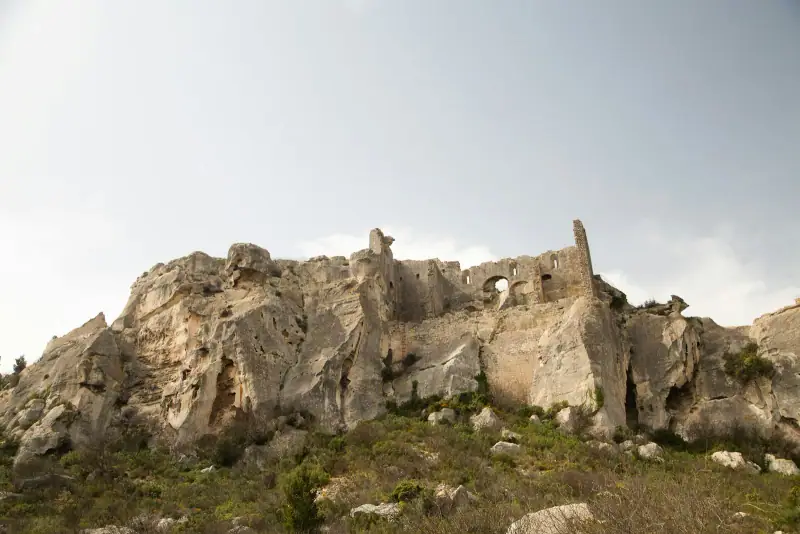
What to see in the Alpilles: Les Baux, Saint-Rémy and villages worth a stop
What to see in the Alpilles: Les Baux-de-Provence, Saint-Rémy, Glanum, Fontvieille, olive groves and trails. A guide to plan 2 to 3 days in the range.
Ready-made
Provence itineraries

3 days
Lavender route in Provence in 3 days: Valensole, Sault and the Luberon, stops and distances
Moustiers-Sainte-MarieSault
3 days
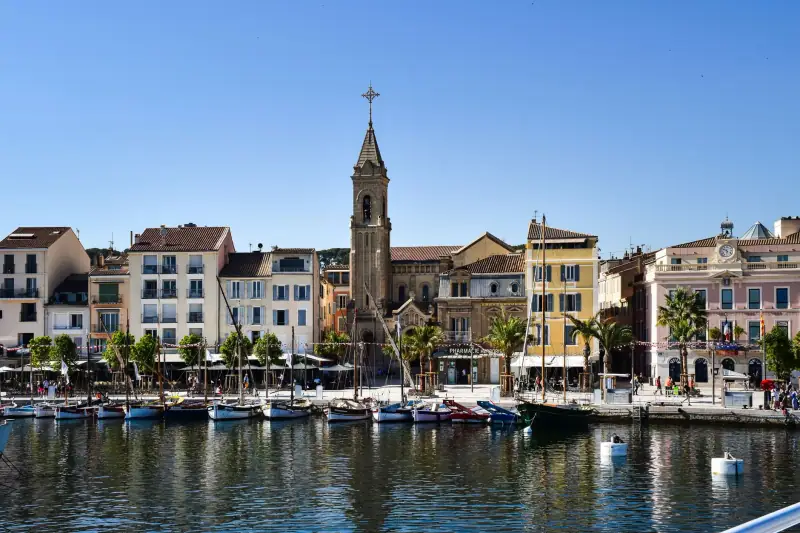
3 days between Marseille, Cassis and Aix-en-Provence: a detailed itinerary
3-day Provence itinerary: Marseille and the Vieux-Port, Cassis calanques, Aix-en-Provence and its fountains. Day by day, distances and tips.
5 days
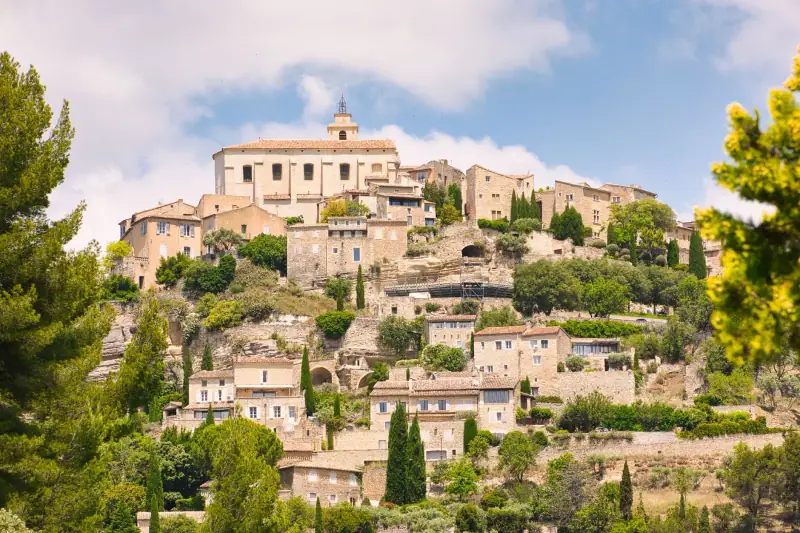
5-day Provence itinerary: Avignon, Luberon, Alpilles and Camargue
A day-by-day 5-day Provence itinerary: Avignon, Luberon, Alpilles, Arles, Camargue, Aix and Cassis, with realistic distances and practical tips.
Can be adapted in the planner