Itineraries
Peru Sierra Road Trip: 12 Days from Cusco to Huaraz
We may earn a commission when you book through links on this page, at no extra cost to you. We don't visit or try the places we cover: we summarize published sources. How we work
Day by day
- Day 1Cusco: Plaza de Armas, cathedral and San Blas
- Day 2Qorikancha, Sacsayhuamán, Qenqo, Puca Pucara, Tambomachay
- Day 3Sacred Valley: Písac market and ruins, Ollantaytambo
- Day 4Train to Aguas Calientes and Machu Picchu
- Day 5Uros floating islands, Puno cathedral
- Day 6Full day on Taquile Island
- Day 7Arequipa: Santa Catalina Monastery, Plaza de Armas
- Day 8Colca Canyon and Cruz del Cóndor
- Day 9Travel Arequipa, Lima, Huaraz
- Day 10Huaraz: walk to Laguna Wilcacocha
- Day 11Laguna 69 hike, Huascarán National Park
- Day 12Llanganuco lagoons, Monterrey hot springs
Weather through the year on this route
| Jan | Feb | Mar | Apr | May | Jun | Jul | Aug | Sep | Oct | Nov | Dec | |
|---|---|---|---|---|---|---|---|---|---|---|---|---|
| High °F (°C) | 8127 | 8127 | 8127 | 7926 | 7524 | 7323 | 7222 | 7222 | 7222 | 7323 | 7524 | 7725 |
| Low °F (°C) | 6820 | 7021 | 7021 | 6619 | 6317 | 5915 | 5915 | 5714 | 5915 | 5915 | 6116 | 6418 |
Normals 1991–2020 at Paracas: averages over 30 years, not a forecast. Source: NASA POWER (MERRA-2), grid of about 50 km. Figures computed by us in November 2026. Rain is shown only where a weather station confirms the figures.
In short
- Twelve days cross the Sierra in three blocks: Cusco, the Sacred Valley and Machu Picchu (days 1 to 4), Puno and Arequipa (days 5 to 8), then Huaraz and the Cordillera Blanca (days 9 to 12).
- A car is not essential: intercity buses (Cruz del Sur, Oltursa, Civa) link the main stops; Arequipa to Huaraz goes through Lima, by flight (about 1 h 20) or overnight bus.
- The budget is about €850 to 1,180 per person (about $985 to 1,370) at a moderate level, or €1,470 to 2,260 (about $1,705 to 2,620) in comfort, before international flights.
- The dry season, May to October, is best; book Machu Picchu 1 to 2 months ahead, especially from June to August.
The Peruvian Sierra is the beating heart of South America. This immense Andean backbone, which crosses Peru from north to south over more than 2,000 kilometers (1,243 mi), concentrates the country’s greatest treasures: the Inca fortresses of Cusco, the lost city of Machu Picchu, Lake Titicaca at 3,812 meters (12,507 ft), the abyssal canyons near Arequipa and the glaciers of the Cordillera Blanca around Huaraz. Here is a 12-day itinerary to cross the Sierra from end to end, from the Inca temples to the icy walls of the central Andes.
Itinerary overview
This 12-day itinerary is divided into three main geographic blocks:
- Cusco and its surroundings (days 1 to 4): the Inca capital, the Sacred Valley and Machu Picchu
- Puno and Arequipa (days 5 to 8): Lake Titicaca, the Altiplano and the White City
- Huaraz and the Cordillera Blanca (days 9 to 12): the peaks above 6,000 m (19,685 ft) of the central Andes
The trip between Arequipa and Huaraz involves a flight or a bus via Lima (allow one overnight bus or a 1 h 20 flight). This geographic break comes from the layout of the country: the two cities are not linked directly by a road passable in reasonable time.
Transport: Comfortable intercity buses (Cruz del Sur, Oltursa, Civa) handle all the links between Cusco, Puno, Arequipa and Lima. Between Arequipa and Huaraz, a flight via Lima is recommended to save time.
Days 1-2: Cusco, the former Inca capital
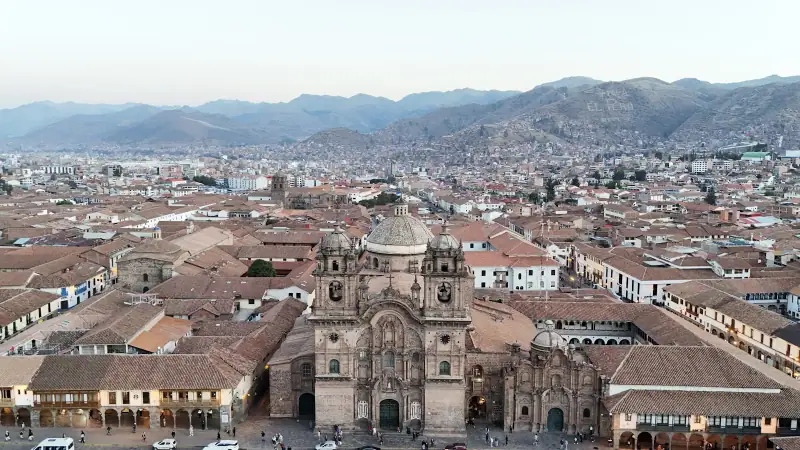
Start with Cusco, the most emblematic city of the Sierra. At 3,400 meters (11,155 ft), the first two days should be devoted as much to taking it easy as to sightseeing.
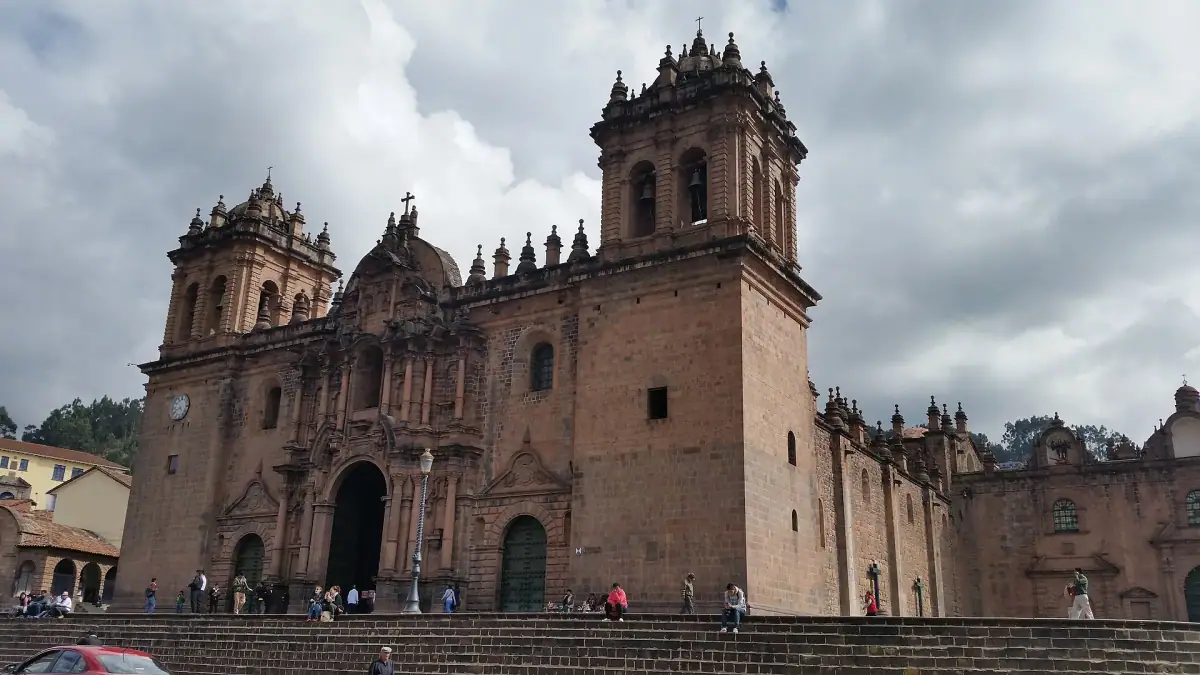
Day 1: A gentle start. Settle into your hotel and explore the Plaza de Armas at a relaxed pace. Admire the baroque cathedral built on the foundations of the Inca palace of Viracocha, and the colonial arcades surrounding the square. In the afternoon, walk up to the San Blas district, its cobbled lanes and local artisans. Do not push yourself.
Day 2: Cusco and its major sites. Visit the Qorikancha (Temple of the Sun, formerly covered in plates of solid gold) and the fortress of Sacsayhuamán, whose megaliths of 128 to 200 metric tons still impress modern archaeologists. The Boleto Turístico (circuit 1) also gives you access to Qenqo, Puca Pucara and Tambomachay: four Inca sites a few kilometers from the city.
For more details on the visits, see our complete guide to Cusco and our selection of where to stay in Cusco.
Day 3: The Sacred Valley of the Incas
An hour from Cusco, the Sacred Valley of the Urubamba River is a succession of Inca villages and Andean markets of striking beauty. Take a taxi or a shared combi from Cusco.
Písac (about 33 km / 21 mi from Cusco) is home to one of the finest craft markets in Peru, lively every day but especially on Tuesday, Thursday and Sunday, and an archaeological complex perched on the mountainside. Písac’s agricultural terraces, with andenes that follow the curves of the relief, are among the most photographed in the Andes.
Ollantaytambo (about 72 km / 45 mi from Cusco) ideally closes the day: this Inca town is still inhabited according to a pre-Columbian urban plan, with irrigation channels running between the houses. The fortress overlooking it, with six monumental terraces and the unfinished Temple of the Sun, is one of the few Inca sites where military and religious genius is integrated into a single architectural ensemble.
Tip: Ollantaytambo is where the PeruRail and Inca Rail trains leave for Aguas Calientes (Machu Picchu Pueblo). Book your train ticket in advance on their respective sites.
Places to stay in the Sacred Valley
From colonial haciendas to eco-lodges on the banks of the Urubamba River.
Day 4: Machu Picchu, the lost city of the Incas
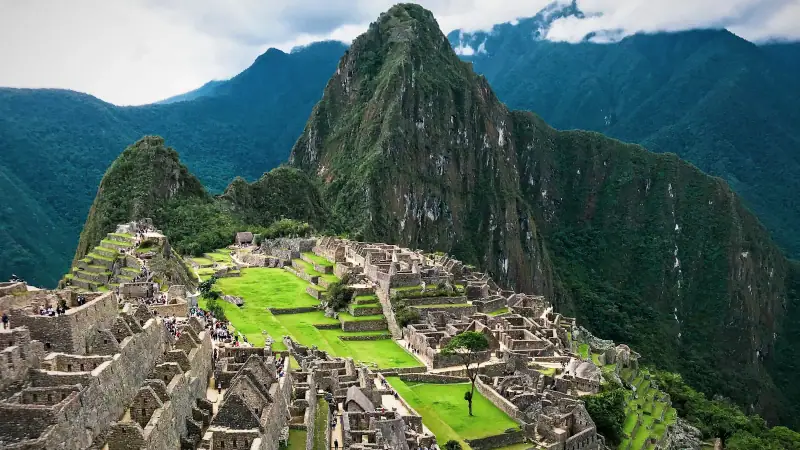
Get up early in Ollantaytambo (or Cusco) to take the first train to Aguas Calientes (1 to 2 hours by train depending on the departure). From there, a switchback bus climbs in 30 minutes to the entrance of the archaeological site.
Machu Picchu is a UNESCO World Heritage Site and considered one of the New Seven Wonders of the World. Built around 1450 under the reign of the Inca Pachacútec and abandoned less than a century later during the Spanish conquest, it was “rediscovered” by the American explorer Hiram Bingham in 1911. Its 200 buildings of cut stone (palaces, temples, agricultural terraces and fountains) seem to spring from a cloud of mist in the middle of the forest.
Priority sights: The Puerta del Sol (Intipunku) for the overall view, the Temple of the Sun, the Intihuatana (ritual sundial), the Industrial Sector. If you have booked Huayna Picchu or Machu Picchu Mountain, these climbs are limited in number and take place early in the morning.
Find all our tips in our complete guide to Machu Picchu and our dedicated article on the Inca Trail trek.
Days 5-6: Puno and Lake Titicaca
From Cusco, a direct tourist bus (about 6 to 7 hours) or the PeruRail train service reaches Puno (3,812 m / 12,507 ft), on the shores of Lake Titicaca.
At almost 3,800 meters (12,467 ft), Lake Titicaca is the highest navigable lake in the world. Its shimmering blue surface, framed by snow-capped Andean peaks, creates panoramas of unreal beauty. But it is above all its culture that fascinates: the Uros floating islands, built entirely of totora reeds on the lake, have been inhabited for centuries by a community that has preserved its traditions.
Day 5: Excursion to the Uros islands in the morning (about 25 to 30 minutes by boat from the port of Puno). In the afternoon, stroll through Puno and visit the Puno Cathedral, built in 1757 by the master stonecutter Simón de Asto.
Day 6: Full day on Taquile Island (2 to 3 hours by boat from Puno), known for its textile craft listed as UNESCO intangible heritage. The island’s men knit hats and scarves of remarkable fineness. Lunch of lake trout with a local family is a memorable experience.
See our dedicated article: Visiting Puno and Lake Titicaca.
Hotels in Puno
From lakeside bungalows to guesthouses in the historic center.
Days 7-8: Arequipa and the Colca Canyon
From Puno, a comfortable bus reaches Arequipa in about 6 hours. At 2,335 meters (7,661 ft), the drop in altitude is welcome after the Altiplano. Nicknamed the Ciudad Blanca for its sillar buildings (white volcanic stone), Arequipa is one of the most beautiful colonial cities in South America.
Day 7: Arequipa. Arequipa’s historic center has been a UNESCO World Heritage Site since 2000. Visit the Santa Catalina Monastery, a city within a city built in 1579 on 20,000 m² (about 5 acres) of colorful lanes and silent cloisters. The Plaza de Armas, dominated by the neo-baroque cathedral with the Misti volcano (5,822 m / 19,101 ft) as a backdrop, is one of the most spectacular in Peru. To compare Arequipa and Cusco, read our article Cusco vs Arequipa: which city to choose?.
Day 8: Colca Canyon. About 160 km (99 mi) from Arequipa, the Colca Canyon is one of the deepest canyons in the world, reaching in places more than 3,200 meters (10,499 ft) in depth, twice the Grand Canyon of the Colorado. The day excursion from Arequipa generally includes the Cruz del Cóndor viewpoint, the best place in the world to watch the Andean condor in flight. These majestic birds, with wingspans of over 3 meters (10 ft), soar on the rising currents in late morning.
Practical tip: Organized excursions from Arequipa to the Colca Canyon generally include transport, a guide and sometimes lunch. Condor watchers gather at Cruz del Cóndor between about 9 and 11:30 am. If you want to sleep there for a multi-day hike in the canyon, basic to mid-range accommodation is available in the villages of Chivay and Cabanaconde.
Find our full selection in our guide Where to stay in Arequipa.
Excursions from Arequipa
Colca Canyon visit, condor watching, trek in the Andes.
Days 9-10: Transit to Huaraz and settling into the Cordillera Blanca
Arequipa and Huaraz are not directly linked: you have to go through Lima. A flight from Arequipa airport (Rodríguez Ballón, code AQP) to Lima (Jorge Chávez, code LIM) takes about 1 h 20. From Lima, an overnight bus (about 7 to 8 hours) or a short flight reaches Huaraz.
Huaraz (3,052 m / 10,013 ft) is the capital of the Ancash Region and the essential base for exploring the Cordillera Blanca, the largest tropical glaciated range in the world, with 17 peaks above 6,000 meters (19,685 ft), including Huascarán (6,768 m / 22,205 ft), the highest point in Peru. About 95% of the city was destroyed in the 1970 earthquake, and it was rebuilt without particular charm, but its markets, trout restaurants and mountaineers’ base atmosphere make it pleasant.
Day 9: Travel Arequipa → Lima → Huaraz. Arrive in the evening or late afternoon. Rest.
Day 10: An easy day in Huaraz with a gentle hike to Laguna Wilcacocha (3,720 m / 12,205 ft, about 3 hours round trip from the city). Superb view of the Cordillera Blanca and its snow-capped peaks.
Car rental in Huaraz
Explore the lagoons and Andean valleys at your own pace.
Days 11-12: The lagoons and glaciers of the Cordillera Blanca
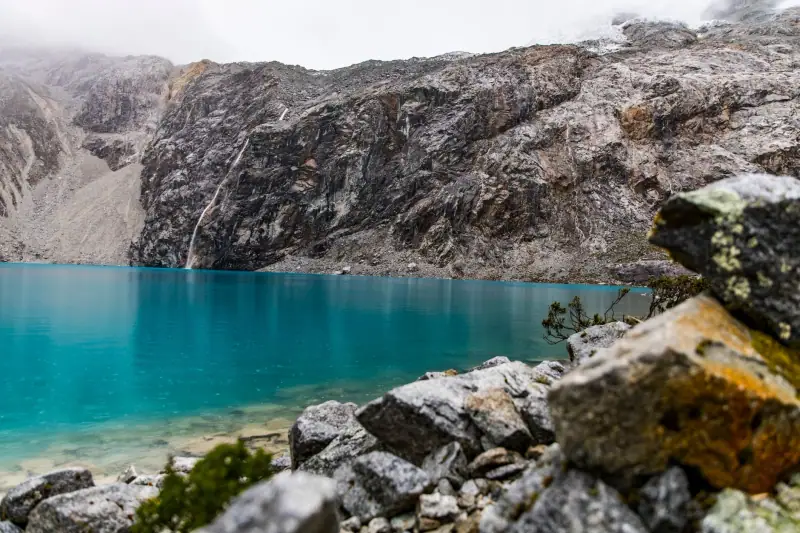
The Cordillera Blanca is one of the most spectacular hiking grounds in the world. Two sites stand out from Huaraz.
Day 11: Laguna 69. About 2 h 30 to 3 h by road from Huaraz is Huascarán National Park. The hike to Laguna 69 (4,604 m / 15,105 ft) is one of the most popular in Peru: about 7 hours round trip from the trailhead at Cebollapampa. The turquoise color of the lagoon, framed by the dizzying walls of Chacraraju (6,108 m / 20,039 ft) and its hanging glacier, is one of the most striking images of the Andes. The final climb is physically demanding (about 700 m / 2,297 ft of elevation gain).
Altitude tip: Take it slow. For anything related to altitude, ask your doctor or a travel clinic, and see the official travel health pages (CDC in the US, TravelHealthPro in the UK).
Day 12: Llanganuco and Monterrey. The closing day can be spent at the Llanganuco Lagoons (3,860 m / 12,664 ft), two lagoons of an unreal blue-green carved into a glacial cirque, reachable by car or taxi from Huaraz (about 1 h 40 to 2 h). In the afternoon, relax at the Monterrey Hot Springs, natural hot springs 7 km (4 mi) from Huaraz, ideal for recovering from the week’s efforts.
To learn everything about preparing your stay, read our complete guide to Huaraz and the Cordillera Blanca.
Practical information for this road trip
Estimated budget for 12 days
| Item | Moderate budget (€/person) | Comfort budget (€/person) |
|---|---|---|
| Accommodation (12 nights) | €250 – 350 (~$290 – 405) | €500 – 800 (~$580 – 930) |
| Transport (buses, trains, domestic flights) | €200 – 280 (~$230 – 325) | €350 – 500 (~$405 – 580) |
| Site entries (Machu Picchu, Boleto, etc.) | €120 – 160 (~$140 – 185) | €120 – 160 (~$140 – 185) |
| Meals and drinks | €180 – 240 (~$210 – 280) | €300 – 450 (~$350 – 520) |
| Activities and guides | €100 – 150 (~$115 – 175) | €200 – 350 (~$230 – 405) |
| Estimated total | €850 – 1,180 (~$985 – 1,370) | €1,470 – 2,260 (~$1,705 – 2,620) |
For more details on prices, see our Peru budget guide.
Getting around the Sierra
- Cusco → Puno: Direct bus (6-7 h) or PeruRail Titicaca train (check running schedules with PeruRail; some departures have been run by bus + train).
- Puno → Arequipa: Bus (about 6 h). Several companies including Cruz del Sur.
- Arequipa → Lima → Huaraz: AQP-LIM flight (1 h 20) + overnight Lima-Huaraz bus (7-8 h) or Lima-Anta flight (Huaraz’s airport, about 45 minutes, operated by LATAM; check schedules with the airline).
When to go
The dry season (May to October) is by far the best period for this road trip: clear skies, passable roads in the Andes, maximum visibility over the lagoons and glaciers. Read our full analysis in Best time to visit Peru.
Why the Sierra is the heart of Peru
The Peruvian Sierra brings together in a single itinerary everything that gives Peru its worldwide reputation: the greatest remains of Inca civilization, the most spectacular landscapes of the Andes, and a living culture that has not broken with its pre-Hispanic roots. From the colorful markets of Písac to condors flying over the Colca, by way of the icy waters of Laguna 69, this 12-day itinerary is a crossing of the Andes in all their depth.
To complete your discovery of Peru, do not hesitate to add a few days in the Amazon Selva from Lima or Puerto Maldonado.
Frequently asked questions
Do you need to rent a car to explore the Peruvian Sierra?
A car is not essential: intercity buses (Cruz del Sur, Oltursa, Civa) link the main stops well. For the Huaraz region and the lagoons of the central Andes, a shared combi or an organized excursion is often more practical than a rental. If you are two or more and like freedom, renting remains possible from Lima or Cusco, but high-mountain roads require experience.
What budget should you plan for this 12-day road trip?
Allow about €80 to 150 a day for two people on a comfortable trip (about $93 to 175; 3-star hotels, local restaurants, bus transport). Over 12 days, the total budget is around €850 to 1,180 per person at a moderate level, or €1,470 to 2,260 in comfort (about $985 to 1,370 and $1,705 to 2,620), excluding international flights. The big expense is accommodation in Cusco (more expensive than elsewhere). On a tight budget: €40 to 60 a day (about $46 to 70) in hostels and eating local.
What season is best for this Sierra road trip?
The Andean dry season (May to October) is ideal: blue skies, passable trails, pleasant daytime temperatures (54 to 68 °F / 12 to 20 °C in Cusco, 59 to 72 °F / 15 to 22 °C in Arequipa). June to August is the high tourist season, so book Machu Picchu far ahead. The rainy season (November to April) makes some access difficult but offers a green, uncrowded Sierra.
How do you handle the altitude along the route?
The route climbs and descends repeatedly: Cusco (3,400 m / 11,155 ft), Lake Titicaca (3,812 m / 12,507 ft), Arequipa (2,335 m / 7,661 ft) and Huaraz (3,052 m / 10,013 ft). Take it slow, especially in your first days in Cusco and Huaraz. For anything related to altitude, ask your doctor or a travel clinic, and see the official travel health pages (CDC in the US, TravelHealthPro in the UK).
Do you need to book Machu Picchu far in advance?
Yes, absolutely. Machu Picchu tickets are limited and sold online on the official portals of the Ministry of Culture (tuboleto.cultura.pe, machupicchu.gob.pe). The visit is in principle done with a licensed guide: check the current rules before booking. In high season (June to August), slots go several weeks ahead. Ideally book 1 to 2 months before your visit. Choose your slot (morning or afternoon) and whether you want to climb Huayna Picchu or Machu Picchu Mountain.
Can you combine this road trip with the Peruvian Amazon?
Yes, by adding a flight from Lima or Cusco to Iquitos or Puerto Maldonado. Allow 3 to 4 extra days and a budget of about €200 to 300 (about $230 to 350) for a jungle lodge. The Sierra + Selva combination is one of the most complete itineraries in Peru, letting you discover three radically different environments: the Andes, the high Andean plateaus and the Amazon forest.
More Peru guides
Keep reading
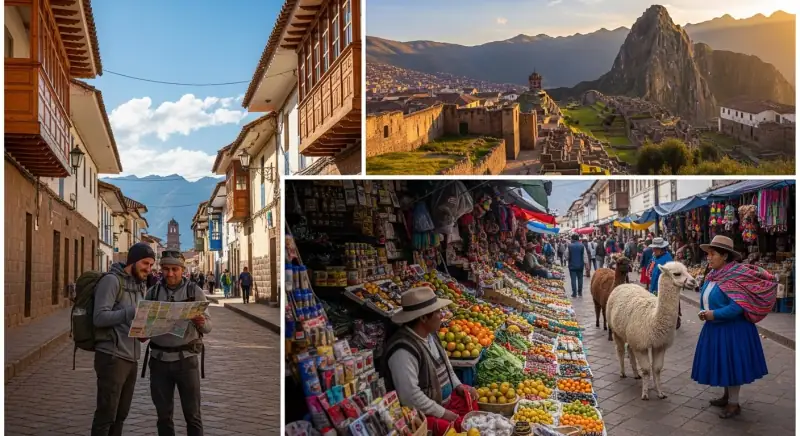
Peru Budget 2026: How Much Does a Trip to Peru Cost?
What budget for a trip to Peru? Accommodation, meals, transport, tourist sites: our complete guide with real 2026 figures.
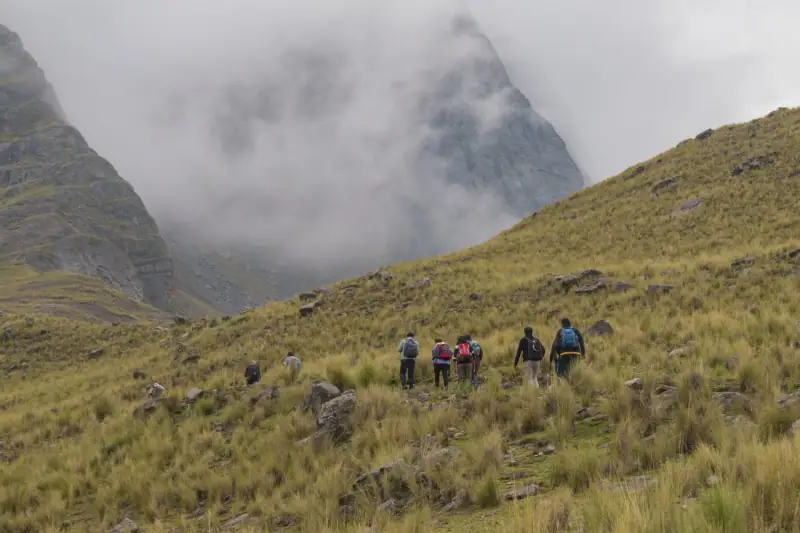
Hiking in Peru: The Best Treks and Trails
The best hikes in Peru: Cordillera Blanca, Inca Trail, Rainbow Mountain, Colca Canyon. Complete guide with levels and practical tips.
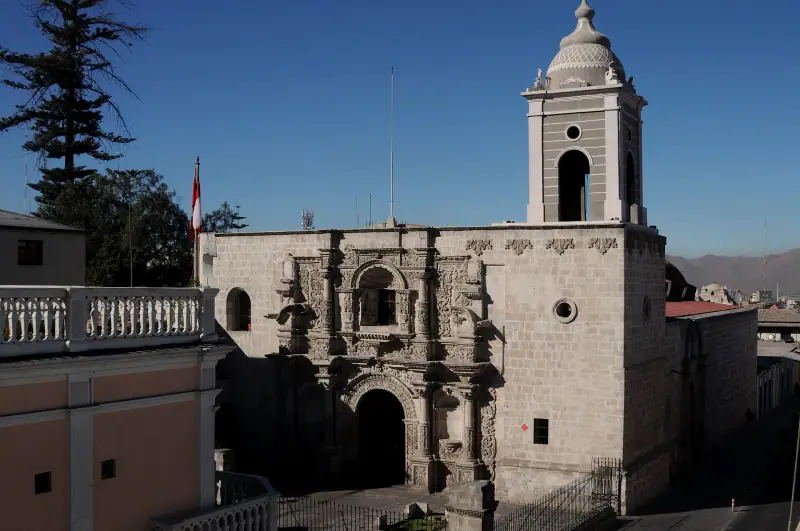
Visiting Arequipa: Complete Guide to Peru's White City
Complete Arequipa guide: Santa Catalina Monastery, Colca Canyon, UNESCO, hotels and practical tips for your stay in Peru's White City.
Ready-made
Peru itineraries
7 days
Peru in 7 Days: The Ideal One-Week Itinerary
LimaCuscoAguas CalientesCusco
4 days
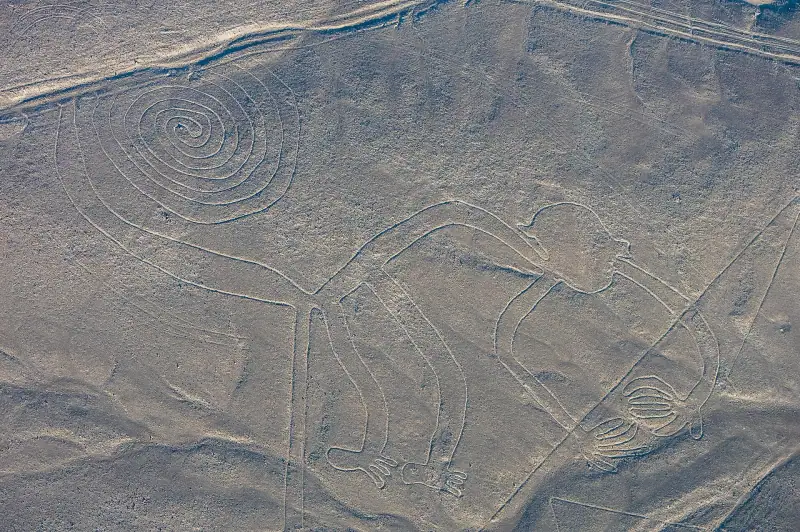
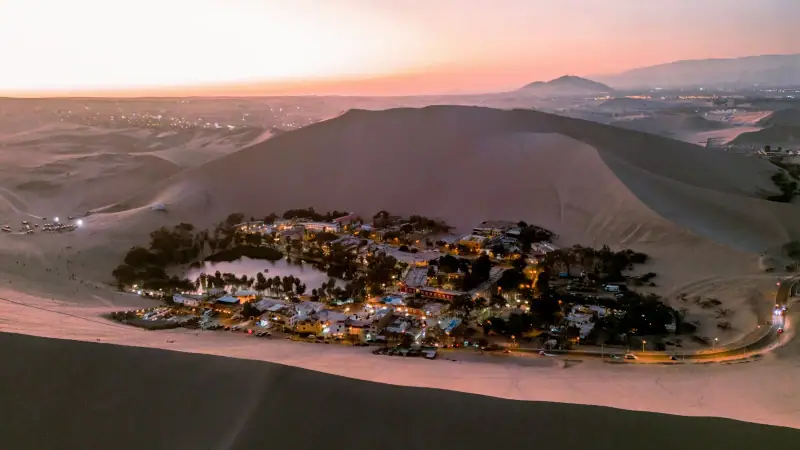
Lima, Paracas, Huacachina and Nazca in 4 Days by Bus: Doable Without a Car?
Lima, Paracas, Huacachina and Nazca in 4 days by bus: stages, km, real travel times, recommended departures and what to sacrifice to keep the pace.