What to see
Visiting Cusco: Complete Guide to the Former Inca Capital
We may earn a commission when you book through links on this page, at no extra cost to you. We don't visit or try the places we cover: we summarize published sources. How we work
In short
- Allow at least 3 days for Cusco itself, 1 to 2 days for the Sacred Valley and a full day for Machu Picchu; 5 to 7 days is ideal.
- Cusco sits at 3,400 m (11,155 ft). Take it slow on the first day and plan no intense sightseeing in the first 24 hours.
- The Boleto Turístico covers 16 sites: three circuits at 70 soles each or a full ticket at 130 soles, valid 10 days. It excludes Machu Picchu and Qorikancha.
- Lima to Cusco is about 1 h 25 by plane; book Machu Picchu tickets and the train ahead on the official site, especially June to August.
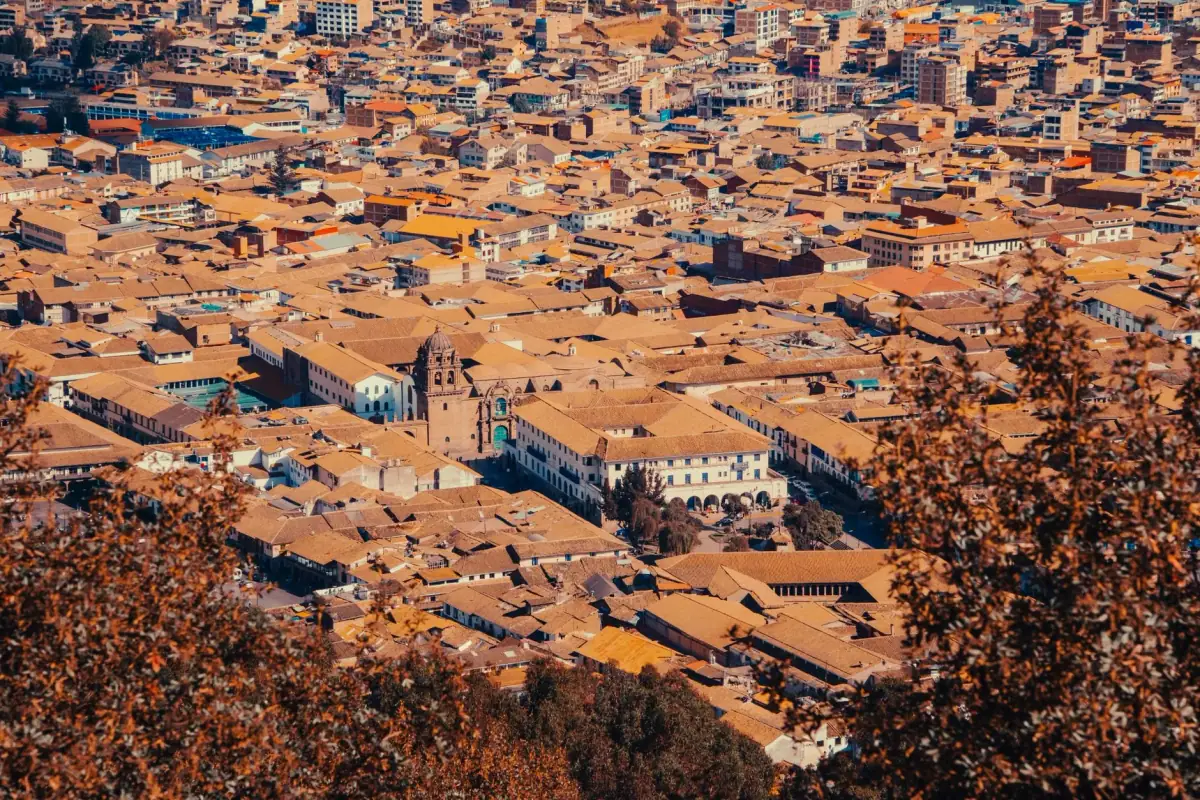
Cusco is one of the most extraordinary cities in South America. Former capital of the Inca Empire, the largest pre-Columbian empire of the New World, it packs into a few square kilometers a density of Inca and colonial monuments with no equivalent on the continent. A UNESCO World Heritage Site since 1983, Cusco is also the gateway to Machu Picchu and the Sacred Valley, two of the best-known archaeological sites in the world.
At 3,400 m (11,155 ft), nestled in a mountain bowl surrounded by the Andes, the city is both majestic and lively: colorful markets filled with women in traditional dress, colonial lanes with perfectly fitted Inca foundations, and lively squares where pilgrims, travelers and locals in embroidered clothing in Andean colors mingle. Here is everything you need to know to plan your stay in Cusco.
Altitude in Cusco: what to know before you arrive
Before talking sights and visits, one essential word: altitude. Cusco peaks at 3,400 m (11,155 ft), and being at this elevation changes how you should pace your first days. Fitness is no guarantee either way: even seasoned athletes can find it tiring.
One practical rule:
- Take it slow on the first day. Do not plan any intense sightseeing in the first 24 hours.
For anything related to altitude, ask your doctor or a travel clinic, and see the official travel health pages (CDC in the US, TravelHealthPro in the UK).
What to see in Cusco: the essentials
The Plaza de Armas: heart of the Inca city
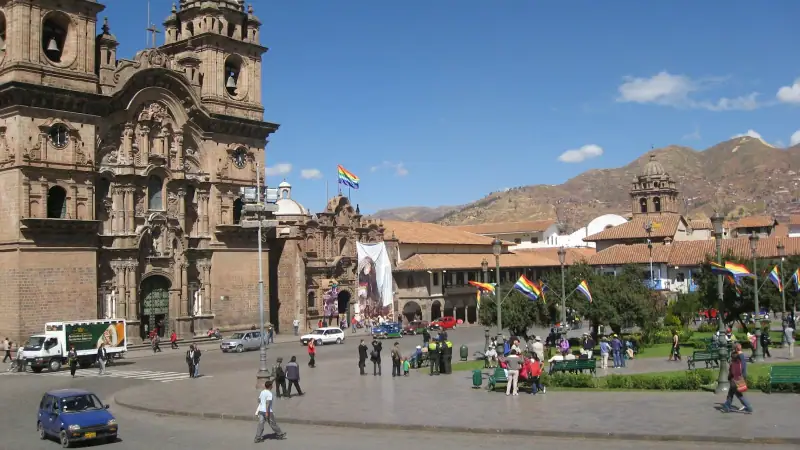
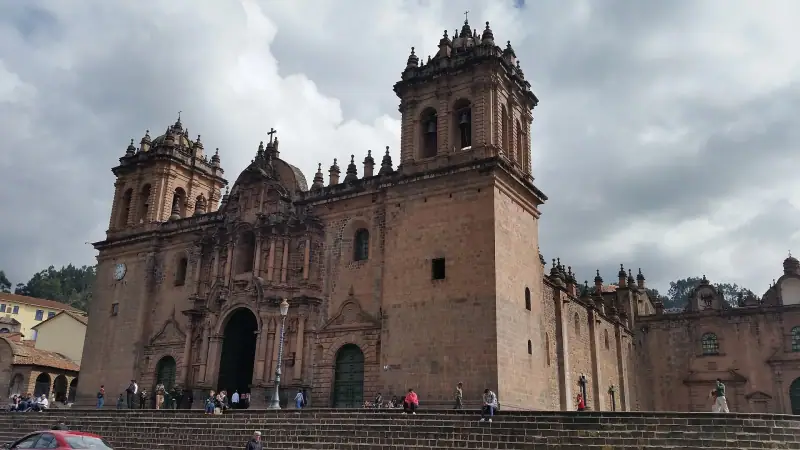
Cusco’s Plaza de Armas is more than a tourist square: it is the exact location of the Huacaypata, the square of ceremonies and celebrations of the Inca Empire. Surrounded by colonial arcades, the 17th-century baroque cathedral and the Church of the Compañía de Jesús, it brings the whole historical layering of the city into a single view.
The Cusco Cathedral, whose construction began in 1560 on the foundations of the palace of the Inca Viracocha, is one of the richest in Spanish America. Its first mass was celebrated on August 15, 1654 and its definitive consecration on August 19, 1668. Its collections of paintings from the Cusco School, a hybrid baroque painting movement mixing Catholic iconography and Andean symbols, are fascinating. Do not miss the famous painting of “The Last Supper” by Marcos Zapata, where Jesus and his apostles eat roast guinea pig and drink chicha!
Practical info: Cathedral entry is included in the Boleto Turístico or paid separately (25 soles). The square is freely accessible 24 hours a day; the terrace restaurants offer a superb view for dinner.
Qorikancha: the Inca Temple of the Sun
The Qorikancha (“golden enclosure” in Quechua) was the most sacred temple of the Inca Empire, dedicated to the sun god Inti. Its walls were entirely covered in plates of solid gold, and its garden held gold and silver representations of animals, plants and people. The Spanish conquistadors looted it completely in 1533 before building the Santo Domingo convent on its foundations, creating one of the most symbolic monuments of the colonization of Peru.
Today you can admire the two superimposed layers: the Inca walls in perfectly fitted andesite stone, of stunning precision (the stones fit together without mortar, to perfection), and the colonial architecture of the convent above them. The reconstructed garden, with its precious-metal plants, gives an idea of the original splendor.
Practical info: Open Monday to Saturday 8:30 am to 5:30 pm, Sunday 2 pm to 5 pm. Admission: about 20 soles (adult), reduced rate for students (check there). Not included in the Boleto Turístico: separate ticket to buy there.
Guided tours of Cusco
Guided tours of the historic center, Qorikancha, markets and Inca lanes with a certified guide.
Sacsayhuamán: the Inca fortress above the city
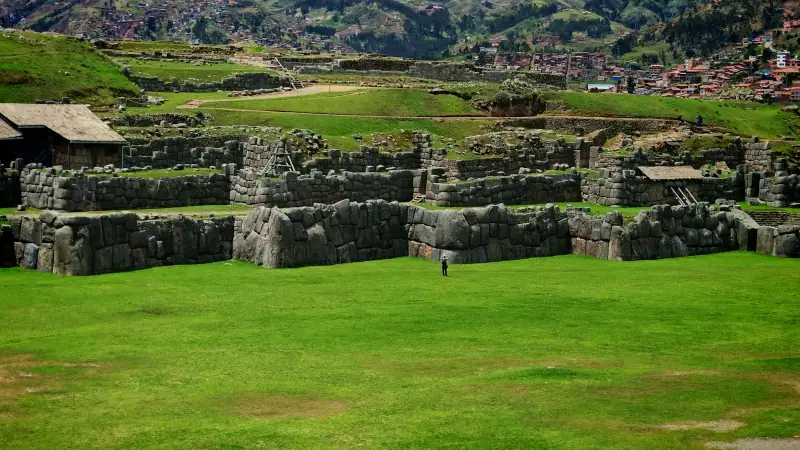
Two kilometers (1.2 mi) northwest of the center, perched at 3,700 m (12,139 ft), the archaeological site of Sacsayhuamán is one of the most impressive achievements of Inca architecture. Its three zigzag defensive terraces are made of cyclopean blocks: some limestone stones exceed 8 m (26 ft) in height and weigh more than 100 metric tons, transported and assembled without wheels, metal tools or powerful draft animals. The Spanish, unable to explain this feat, attributed its construction to demons.
The site also offers an exceptional panoramic view of Cusco and the valley below, especially striking at sunset. Nearby, the secondary sites of Qenqo (carved rock with ritual galleries), Puca Pucara (military fort controlling access) and Tambomachay (ritual fountains with perfect channels) complete the visit.
Practical info: Entry included in Boleto Turístico Circuit 1 (70 soles). Walk up from the center in 45 minutes along the Inca road or take a taxi from the Plaza de Armas (5 to 8 soles). Open 7 am to 6 pm.
The San Blas district: the artisan soul of Cusco
San Blas is the oldest and most charming district of Cusco, perched on the heights above the Plaza de Armas. Its narrow cobbled lanes, colonial houses with colorful facades and artisan workshops (sculptors, weavers, silversmiths) make this bohemian district the cultural and artistic heart of the city.
The tiny San Blas chapel hides one of the most extraordinary curiosities in Peru: a 17th-century baroque pulpit carved entirely from a single tree trunk, considered one of the most beautiful pulpits in the world. According to local legend, the skull at its top is that of the craftsman who carved it. The San Blas viewpoint offers an open view of the city and the Andes.
The district is ideal for buying quality crafts: alpaca textiles (wool or baby alpaca), Inca-colonial style ceramics, silver jewelry. Beware of imported goods sold as local crafts in tourist shops; buy directly from the artisans whose workshops display an official plaque.
The San Pedro Market: Cusco’s market
The San Pedro Market, a short walk from the Plaza de Armas, is a dive into everyday Cusco life. Under its metal hall dating from 1925 (20th century), dozens of stalls offer exotic fruits (cherimoya, lucuma, granadilla), Andean vegetables (different varieties of potatoes, quinoa, purple corn), fresh juices pressed to order, local cheeses and medicinal herbs.
The market is also the best place to eat local and cheap: the comedores (small restaurants inside) serve a full menu del día (soup + main + drink) for 5 to 8 soles (about €1.50-2 / $1.75-2.30). Try the quinoa soda and the chicha morada (purple corn drink), emblematic drinks of the region.
Hotels in Cusco
Boutique hotels in colonial houses, charming lodges in San Blas and places to stay for every budget.
Excursions from Cusco: the Sacred Valley and Machu Picchu
The Sacred Valley: heart of the Inca Empire
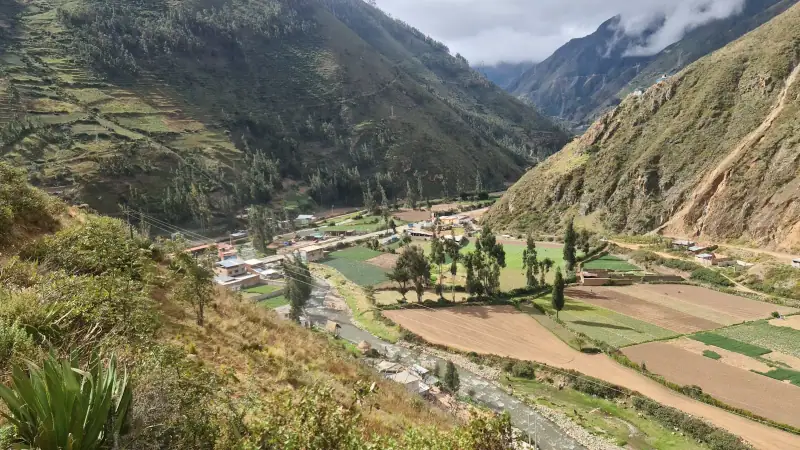
The Sacred Valley (Valle Sagrado) stretches about 60 km (37 mi) between Cusco and Ollantaytambo, along the Urubamba River. This fertile valley, at 2,700 to 2,900 m (8,858 to 9,514 ft), was the breadbasket of the Inca Empire and held its royal palaces and most important religious sites.
The main sites:
Písac: Perched on a ridge overlooking the valley, Písac is a remarkable Inca archaeological complex: agricultural terraces, sun temples, necropolises carved into the cliffs. The Písac craft market (Tuesday, Thursday and Sunday) is one of the most authentic in the region.
Ollantaytambo: One of the best visits of the whole Peruvian circuit. The Inca fortress of Ollantaytambo is both a masterpiece of military architecture and a mirror of Inca hydraulic genius: its colossal terraces, irrigation channels and Temple of the Sun with pink monoliths are spectacular. Ollantaytambo is also the departure station for trains to Machu Picchu.
Chinchero: An Andean village at 3,762 m (12,343 ft) that keeps one of the region’s fine colonial squares, a remarkable church painted with frescoes, and an authentic craft market where women in traditional dress sell their weavings.
A bus excursion from Cusco lets you visit all three sites in one full day, but two days with a night in Ollantaytambo is clearly preferable to enjoy the valley calmly.
Machu Picchu: how to get there from Cusco
Machu Picchu, the lost Inca city in the clouds, is the reason millions of travelers come to Peru. The logistics of getting there from Cusco deserve careful planning; see our Machu Picchu trek guide for all the details.
In brief:
- Train from Cusco (Poroy) or Ollantaytambo to Aguas Calientes (1 h 45 to 2 h from Ollantaytambo, 3 h 30 to 4 h from Poroy), then a bus from Aguas Calientes to the site (25 min). This is the fast, comfortable route.
- Classic Inca Trail: 4-day trek from km 82 to the Sun Gate, with nights camping. Tickets are limited (500 people/day) and must be booked months ahead.
- Alternative treks: Salkantay (5 days), Inca Jungle (4 days, biking + walking), Lares (3 days). Less crowded, often more beautiful.
Important: Book your Machu Picchu tickets on the official site (machupicchu.gob.pe) well in advance, especially from June to August. Time slots and visitor numbers are limited.
Sacred Valley and Machu Picchu excursions
Guided tours of one or several days from Cusco: Sacred Valley, Pisac, Ollantaytambo and Machu Picchu.
Cusco food: flavors of the Andes
Cusco cuisine is deeply Andean, rooted in ancient ingredients grown at high altitude. A few dishes to try:
Cuy al horno (roast guinea pig): The sacred animal of the Incas is still at the heart of Andean food today. Whole oven-roasted cuy, served with huayro potatoes and a rocoto pepper sauce, is the festive dish par excellence. Its flavor, tasty and slightly gamy, is a pleasant surprise.
Chicharrón de chancho: Crispy fried pork served with choclo corn and Andean tubers (olluco, oca, mashua). A hearty, typical market meal.
Sopa de maní: Thick soup with peanut paste, potatoes, vegetables and meat. Filling and comforting after a day at altitude.
Choclo con queso: Giant Andean corn (with huge, sweet, starchy kernels) served with fresh cheese. Sold throughout the market and in the streets, it is Cusco’s favorite snack.
Chicha morada: A cold drink made from purple corn, cinnamon, clove, lemon and sugar. Non-alcoholic (unlike fermented chicha), refreshing and lightly sweet.
Recommended restaurants:
- Cicciolina (San Blas): creative Peruvian and international cuisine in an elegant colonial setting.
- Uchu Peruvian Steakhouse (centro): quality meats, ceviche and pisco cocktails in a contemporary setting.
- Kion (centro): Peruvian-chifa (Chinese-Peruvian) fusion, specialties of lomo saltado and chaufa.
- Marcelo Batata (San Blas): small plates of reinvented local cuisine, terrace overlooking the district.
Where to stay in Cusco: the best districts
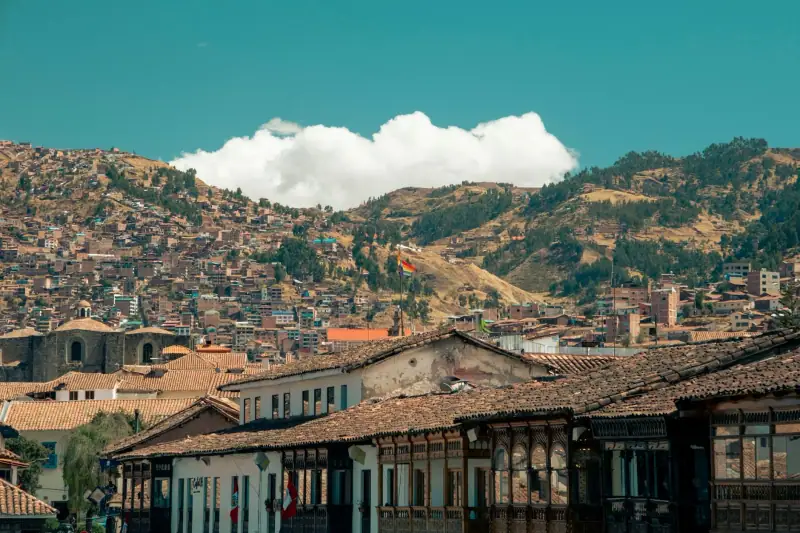
Cusco divides into several areas for accommodation. The centro histórico (around the Plaza de Armas and Qorikancha) is the ideal location to be within walking distance of everything, but can be noisy at night. San Blas is the most charming and bohemian option, slightly quieter, 10 to 15 minutes’ walk from the square.
Upscale (€150-400 / night, about $175-465):
- Palacio del Inka, a Luxury Collection Hotel: five-star palace in the colonial building constructed on the foundations of the palace of the Inca Roca, next to Qorikancha. Impeccable service, luxurious rooms, fine-dining restaurant.
- Inkaterra La Casona: 16th-century colonial-era house converted into a luxury hotel on the Plaza de las Nazarenas. Unique atmosphere, every room is different.
Mid-range (€50-130 / night, about $58-150):
- Casa Andina Premium Cusco: reliable chain hotel in the centro, consistent service, excellent value.
- Los Apus Hotel & Mirador: boutique hotel in San Blas, panoramic view of the city, spectacular terrace.
Budget (€12-45 / night, about $14-52):
- Pariwana Hostel: lively design hostel in the center, dorms and private rooms, rooftop terrace.
- Loki del Mar: popular backpacker hostel, lively bar, good location.
See our detailed guide Where to stay in Cusco for recommendations by district and booking periods.
The Boleto Turístico: how it works
The Boleto Turístico (BTC) is the official pass giving access to 16 archaeological sites and monuments in Cusco and its surroundings. It is sold in three versions:
| Ticket | Sites included | Price |
|---|---|---|
| Circuit 1 | Sacsayhuamán, Qenqo, Puca Pucara, Tambomachay | 70 soles |
| Circuit 2 | Historic center museums + Tipón + Pikillacta | 70 soles |
| Circuit 3 | Písac, Ollantaytambo, Chinchero, Moray | 70 soles |
| Full ticket | All circuits 1, 2 and 3 | 130 soles |
Important note: The BTC does not include entry to Machu Picchu (book separately), nor entry to Qorikancha (paid separately, about 20 soles). Validity: 10 days from first use.
It is also possible to buy some sites individually, but the BTC is cheaper if you visit more than 3 sites.
Practical information for visiting Cusco
How to get there
From Lima: Flying is the most practical solution, about 1 h 25 by plane, with several companies (LATAM, Sky Airline, StarPerú). Allow €60-150 (about $70-175) depending on the season and how far ahead you book. Alejandro Velasco Astete International Airport (IATA code: CUZ) is 10 minutes by taxi from the center.
From Arequipa: Comfortable buses (Cruz del Sur, Oltursa) in 10 to 11 hours, or a 1-hour flight. If you come from Puno, the bus ride takes 7 hours along the scenic road across the Altiplano.
Getting around Cusco
Cusco’s historic center is entirely walkable. Most of the main sights (Plaza de Armas, Qorikancha, San Blas, San Pedro Market) are 10 to 20 minutes’ walk apart. Note: at this altitude, slopes quickly leave you out of breath. Walk slowly for the first few days.
For excursions outside the city (Sacsayhuamán, Sacred Valley, etc.), combi collectivos are the cheapest local solution. Official taxis (with a PeruTaxi sticker) are plentiful and inexpensive for trips within the city (5 to 15 soles).
Indicative daily budget
- Tight budget: €25-40 / day (about $29-46) (hostel, market, local transport, BTC)
- Mid-range: €60-90 / day (about $70-105) (3-star hotel, local restaurants + one quality table, excursions)
- Comfort: €130-250 / day (about $150-290) (boutique hotel, fine dining, private guides, Machu Picchu)
See our complete Peru budget guide for a detailed estimate of your trip.
Safety
Cusco is a relatively safe city for tourists, but requires the usual precautions:
- Avoid going out alone at night in the dark lanes on the outskirts of San Blas.
- Do not resist a pickpocketing: better to lose a wallet than to be hurt.
- Official taxis are identifiable by their sticker; negotiate the price before getting in.
- The “date rape drug” (scopolamine) has been reported in tourist bars: never take your eyes off your drink.
Flights to Cusco
Compare Lima–Cusco flights. Prices and availability in real time.
Recommended itinerary: 5 days in Cusco and its surroundings
Day 1: Arrival and a slow start Arrive in Cusco, settle into your hotel. Rest in the afternoon. In the late afternoon, a light walk on the Plaza de Armas to get a feel for the atmosphere. Light dinner in a restaurant near the hotel.
Day 2: Historic Cusco Morning: visit Qorikancha and the Santo Domingo convent, then a stroll toward San Blas (chapel, artisan workshops, viewpoint). Lunch at the San Pedro market. Afternoon: the cathedral on the Plaza de Armas and the Inca museum. Dinner in a fine-dining restaurant in San Blas.
Day 3: Sacsayhuamán and surrounding sites Morning: climb to Sacsayhuamán (on foot or by taxi), visit Qenqo, Puca Pucara and Tambomachay. Taxi back for lunch in town. Free afternoon for craft shopping or a museum visit (Museo Inka, Museo de Arte Precolombino).
Day 4: Sacred Valley Full day in the Sacred Valley: Písac (ruins + market if Tuesday, Thursday or Sunday), lunch in Urubamba, Ollantaytambo (archaeological sites in the late afternoon). Night in Ollantaytambo for a peaceful morning before the crowds.
Day 5: Machu Picchu Train from Ollantaytambo to Aguas Calientes (1 h 30), bus to the site. Visit Machu Picchu at your booked time slot. Return to Cusco in the evening, celebration dinner.
For more circuit ideas that include Cusco, see our Peru circuit guide and our 7-day Peru itinerary.
Cusco is not simply a stop on the road to Machu Picchu; it is a destination in its own right. The former capital of the Incas has preserved its soul through the centuries, mixing Inca heritage with colonial traditions and the vitality of a modern city of 520,000 inhabitants. Its cobbled lanes, fragrant markets, snow-capped Andean horizons and generous food make Cusco one of the most unforgettable experiences South America has to offer. Take the time to linger, breathe gently, and let the city soak you in its ancient energy.
Frequently asked questions
How many days do you need to visit Cusco?
Allow at least 3 days to visit Cusco and its immediate surroundings (Sacsayhuamán, Qorikancha, San Blas, markets). Add 1 to 2 days for the Sacred Valley and a full day for Machu Picchu. In all, 5 to 7 days is ideal to enjoy Cusco without rushing, including time to take it slow at altitude.
How do you handle the altitude in Cusco?
Cusco is at 3,400 m (11,155 ft). Take it slow on the first day and avoid intense sightseeing in the first 24 hours. For anything related to altitude, ask your doctor or a travel clinic, and see the official travel health pages (CDC in the US, TravelHealthPro in the UK).
How do you get from Lima to Cusco?
Flying is the most practical way: about 1 h 25 from Lima, with several daily flights on LATAM, Sky Airline and StarPeru. The bus is possible (20 to 22 hours) but exhausting. From Arequipa, allow 9 to 11 hours by bus or 1 h 15 by plane. From Puno (Lake Titicaca), 7 hours by bus on the tourist road.
Do you need to buy the Cusco Boleto Turístico?
Yes, the Boleto Turístico is essential. It includes three separate circuits (70 soles each): circuit 1 (Sacsayhuamán, Qenqo, Puca Pucara, Tambomachay), circuit 2 (historic center museums, Tipón, Pikillacta), circuit 3 (Sacred Valley: Písac, Ollantaytambo, Chinchero, Moray). The full ticket combining all three costs 130 soles. None of these tickets includes Machu Picchu or Qorikancha, which are booked separately.
Can you visit Cusco and Machu Picchu in a week?
Yes, absolutely. A typical 7-day itinerary: 1 easy first day in Cusco, 2 days for the sites of Cusco and the Sacred Valley, 1 day at Machu Picchu, 2 days for the outlying Inca sites and San Blas, 1 day for rest and shopping. Book the train to Machu Picchu in advance, especially from June to August.
What is the best season to visit Cusco?
The dry season from May to October is ideal: blue skies, pleasant temperatures (54 to 68 °F / 12 to 20 °C by day, 32 to 41 °F / 0 to 5 °C at night), trekking trails open. June to August is high tourist season: sites are crowded, so book far ahead. The rainy season (November to April) is less crowded and green, but rain can disrupt hikes. In February, the Inca Trail is closed for maintenance and cleaning; it reopens from March 1.
How do you book Machu Picchu from Cusco?
Machu Picchu must be booked online in advance on the official site (machupicchu.gob.pe). Tickets are limited (about 4,500 visitors a day, up to 5,600 in high season) and sell quickly in high season. Choose your time slot (morning or afternoon) and whether you want to climb Huayna Picchu or Machu Picchu Mountain. From Cusco, take the bus or train to Aguas Calientes.
More Peru guides
Keep reading
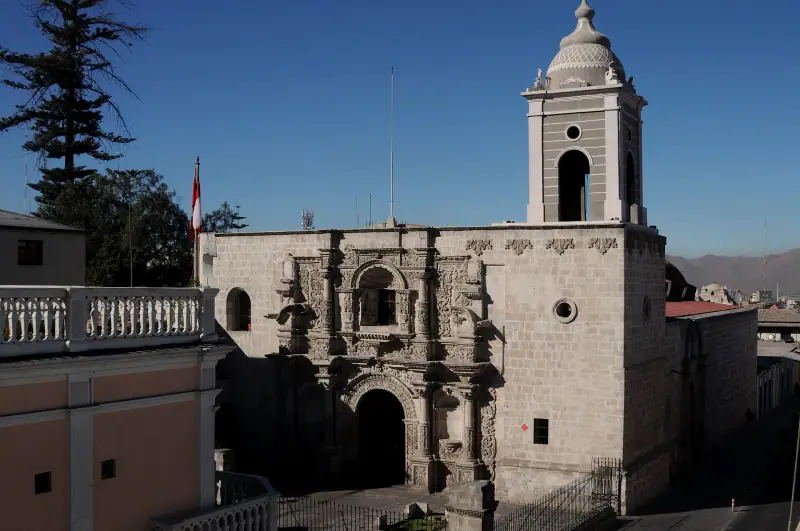
Visiting Arequipa: Complete Guide to Peru's White City
Complete Arequipa guide: Santa Catalina Monastery, Colca Canyon, UNESCO, hotels and practical tips for your stay in Peru's White City.
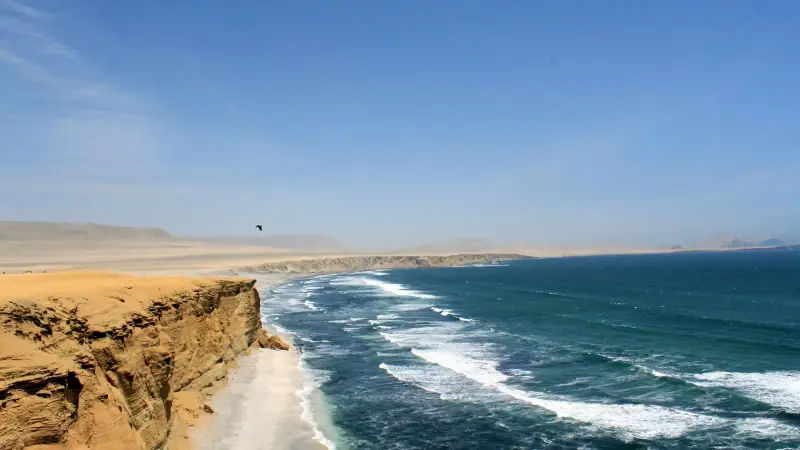
Visiting the Peruvian Coast: Complete Guide to the Pacific Coast
Complete guide to the Peruvian coast: Lima, Paracas, Huacachina, Nazca Lines, Trujillo and Máncora. UNESCO sites, desert and Pacific beaches.
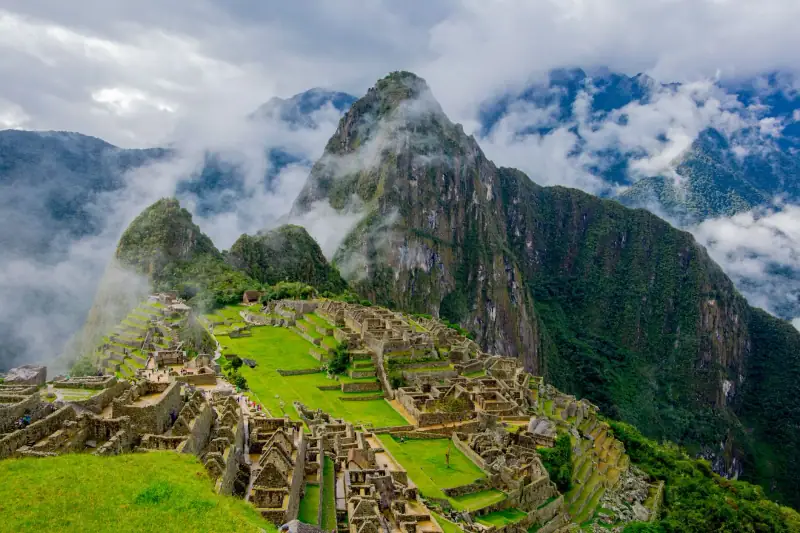
Visiting Machu Picchu: Complete Guide to the Lost Inca City
Everything to know to visit Machu Picchu: tickets, circuits, how to get there, Huayna Picchu, Aguas Calientes, best season and practical tips.
Ready-made
Peru itineraries
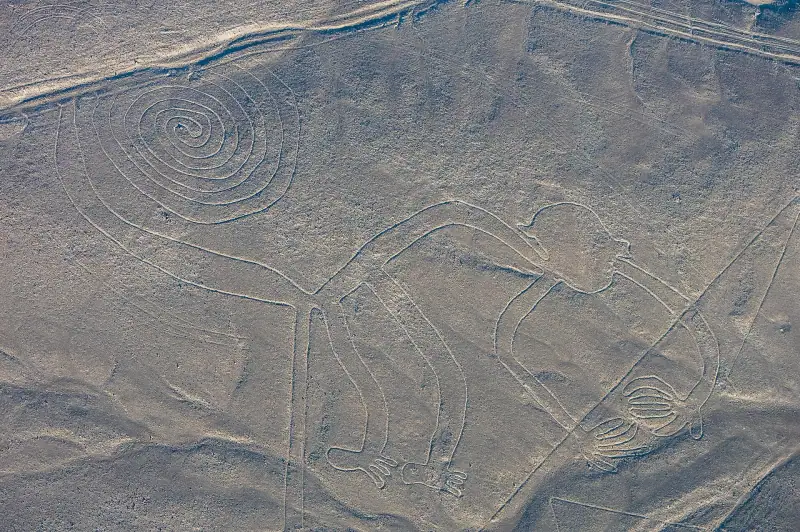
7 days
Peru in 7 Days: The Ideal One-Week Itinerary
LimaCuscoAguas CalientesCusco
12 days
Peru Sierra Road Trip: 12 Days from Cusco to Huaraz
12-day Peruvian Sierra road trip: Cusco, Machu Picchu, Lake Titicaca, Arequipa, Colca, Huaraz. Complete itinerary with budget.
4 days
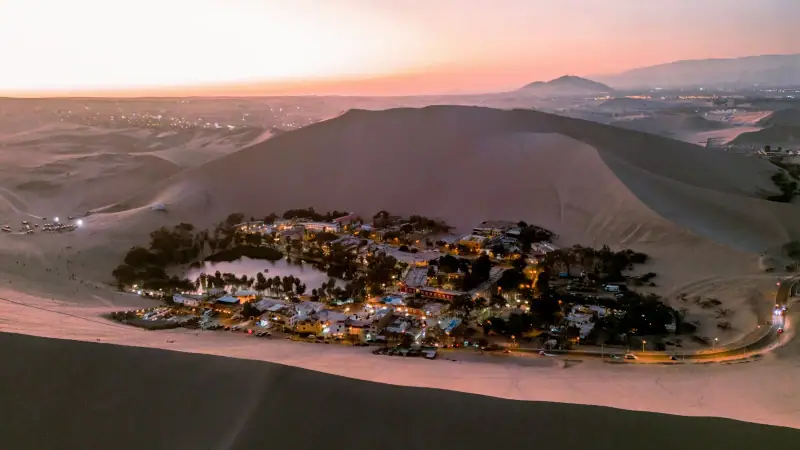
Lima, Paracas, Huacachina and Nazca in 4 Days by Bus: Doable Without a Car?
Lima, Paracas, Huacachina and Nazca in 4 days by bus: stages, km, real travel times, recommended departures and what to sacrifice to keep the pace.