What to see
Visiting Arequipa: Complete Guide to Peru's White City
We may earn a commission when you book through links on this page, at no extra cost to you. We don't visit or try the places we cover: we summarize published sources. How we work
In short
- Allow at least 2 days for the historic center and Santa Catalina Monastery (45 soles, 2 to 3 hours), plus 2 more for the Colca Canyon; 4 days is an excellent stay.
- Arequipa sits at 2,335 m (7,661 ft); the Colca Canyon road climbs to 4,500 m (14,764 ft), with the Cruz del Cóndor viewpoint best between 8 and 10 am.
- Flights from Lima take about 1 h 30; overnight buses (Cruz del Sur, Oltursa) take 14 to 16 hours. Puno is 5 to 6 hours by bus.
- The dry season, May to November, brings clear skies and mild temperatures of 59 to 77 °F (15 to 25 °C) by day.
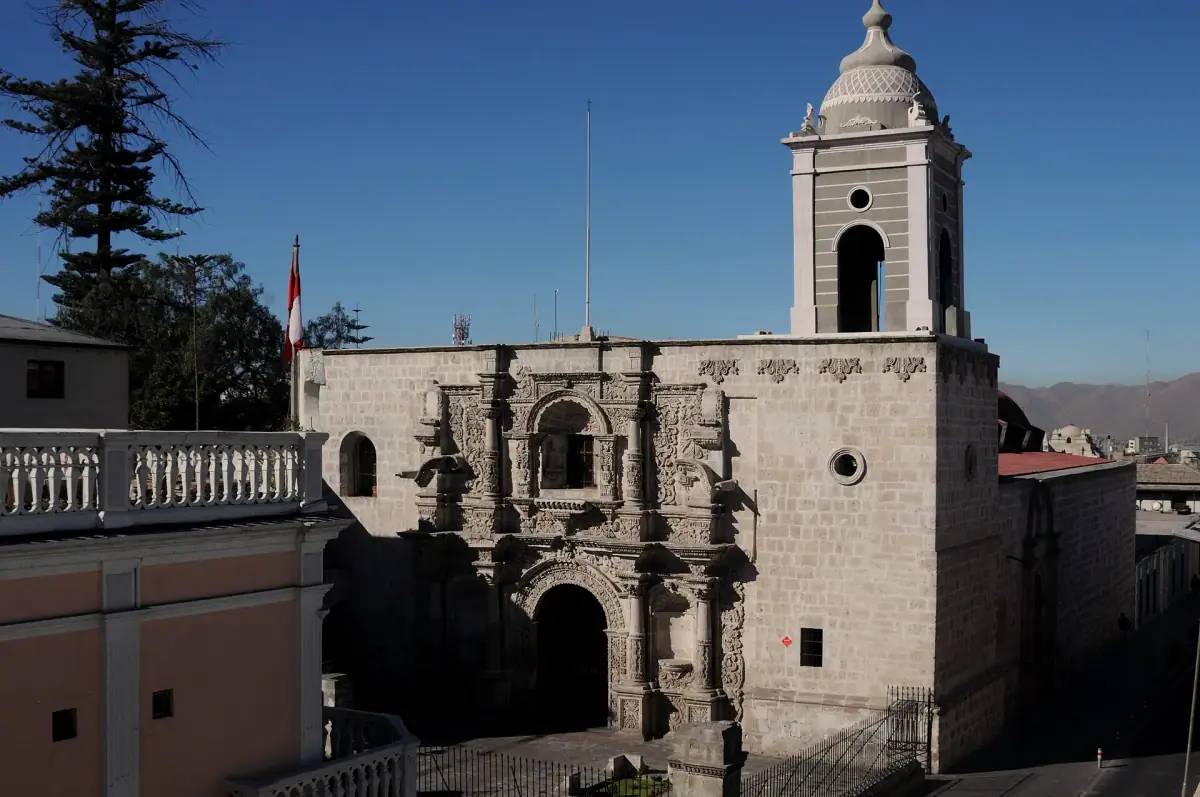
Arequipa is a city that surprises at every street corner. Peru’s second city, nicknamed the “Ciudad Blanca” because of its buildings made of sillar, the white volcanic stone quarried from the slopes of the El Misti volcano, it has been a UNESCO World Heritage Site since 2000. With its baroque historic center, centuries-old monasteries, food reputed to be the best in Peru, and its proximity to the Colca Canyon, one of the deepest in the world, Arequipa fully deserves 3 to 4 days on your Peruvian itinerary.
At only 2,335 m (7,661 ft) above sea level, the city is far more accessible than Cusco or Puno, and a good first stop before climbing higher into the Andes. Here is everything you need to know to plan your stay in Arequipa.
What to see in Arequipa: the essentials
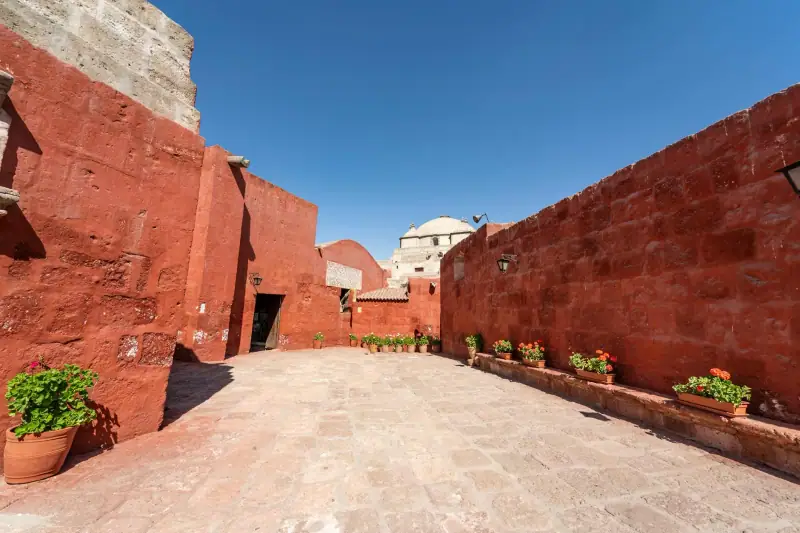
Santa Catalina Monastery: a city within a city
Santa Catalina Monastery is Arequipa’s crown jewel. Founded in 1579 on an area of 20,000 m² (about 5 acres), this Dominican convent long housed hundreds of cloistered nuns, completely cut off from the outside world. Open to the public only since 1970, it reveals a maze of colorful lanes (the famous Calle Santa Catalina in bright red, the cloisters in indigo blue, flowering orange trees in the patios) that form a miniature city frozen in time.
The collections of colonial art and old furniture, kept in the cells and period kitchens, give a fascinating idea of Peruvian monastic life in the 17th and 18th centuries. The guided tour is highly recommended to understand the history of these women and their noble families.
Practical info: Open daily from 9 am to 5 pm (until 8 pm on Tuesdays and Wednesdays; check with the monastery whether night visits are offered). Admission: 45 soles (about €12 / $14). Allow 2 to 3 hours.
The Plaza de Armas: heart of the White City
Arequipa’s Plaza de Armas is one of the most beautiful in Peru. Surrounded by the white baroque cathedral, arcades with sillar arches and a leafy garden with a central fountain, it is especially magical in the late afternoon when the sun tints the volcanic stone ocher and gold.
The cathedral, rebuilt after several earthquakes and a fire in the 19th century, deserves a visit inside: its monumental organ of 4,756 pipes, imported from Belgium in 1870, is one of the largest in South America. Climb to the rooftop terrace for a superb view of the city and the three volcanoes that overlook it: El Misti (5,822 m / 19,101 ft), Chachani (6,075 m / 19,931 ft) and Pichu Pichu (5,664 m / 18,583 ft).
Hotels in Arequipa
Boutique hotels in sillar, guesthouses in the historic center and designer places for every budget.
The San Lázaro district: Arequipa’s oldest neighborhood
San Lázaro is the oldest district of the city, founded in colonial times. Its narrow cobbled lanes, low sillar houses covered in geraniums and small chapels seem suspended in time. Ideal for a morning stroll before the tourist crowds. Look for the Cayma chapel and its views of the El Misti volcano, which seems to watch over the city.
The Yanahuara viewpoint
The residential district of Yanahuara, a 15-minute walk from the center, is home to one of Arequipa’s most beautiful viewpoints. From this terrace lined with carved sillar arches, the view of the El Misti volcano and the valley is spectacular, especially at sunset. The district itself is charming, with its small plaza and its church with ornate facades.
The Museo Santuarios Andinos: the Juanita mummy
The Museo Santuarios Andinos holds one of the most extraordinary archaeological discoveries of the 20th century: the mummy of Juanita, a young Inca girl sacrificed on the Ampato volcano around 1450 and found in a remarkable state of preservation in 1995. Thanks to the cold and the altitude, her clothes, skin and even hair are intact after 500 years.
The visit, guided and limited to small groups, is strikingly human. The funerary objects (textiles, gold and silver figurines, ceramics) displayed alongside the mummy accurately convey the Inca religious rites of the period.
Practical info: A short walk from the Plaza de Armas. Generally open Tuesday to Saturday from 9 am to 6 pm (check the hours with the museum, especially on Sundays). Admission: 30 soles (about €8 / $9).
The Colca Canyon excursion: worth the trip
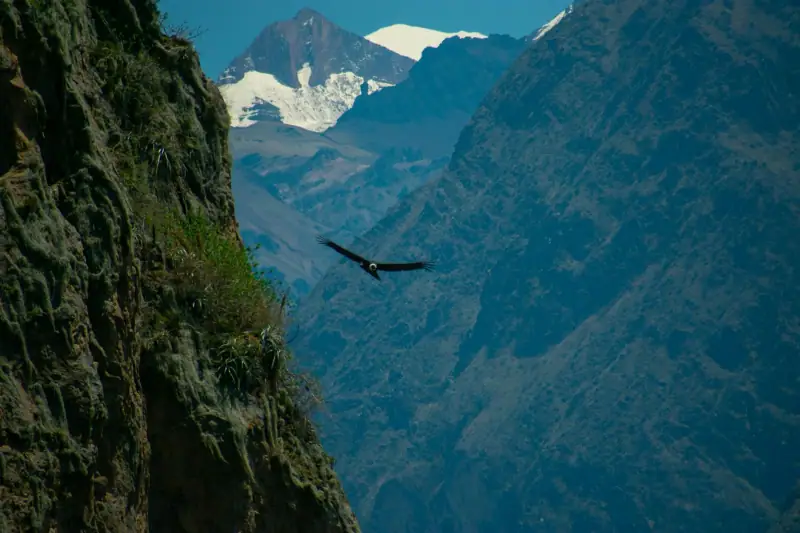
About 160 km (99 mi) from Arequipa (3 to 4 hours by road), the Colca Canyon is one of Peru’s natural wonders, and perhaps one of the world’s. At 3,270 m (10,728 ft) deep (more than twice the Grand Canyon of the Colorado), it is one of the deepest canyons on the planet.
How to organize the excursion
Two options are open to you:
2-day / 1-night excursion (recommended): Leave Arequipa early in the morning, take the scenic road across the high plateaus (up to 4,500 m / 14,764 ft), and arrive in the village of Chivay for lunch. Free afternoon at the La Calera hot springs. Overnight there, then drive to the Cruz del Cóndor viewpoint the next morning at 8 am to watch condors in flight. Return to Arequipa in the afternoon.
Day excursion: Leave Arequipa at 3 am, watch the condors, return in the evening. More tiring but possible if your time is limited.
The Cruz del Cóndor viewpoint
This is the high point of the Colca experience: the Cruz del Cóndor viewpoint, perched at 3,287 m (10,784 ft) on the canyon cliffs. Between 8 and 10 am each morning, Andean condors, the largest flying birds in the world with a 3 m (10 ft) wingspan, spiral up on the thermals, a few meters from visitors. A breathtaking sight.
Tip: Even in the low tourist season, arrive early to get a good spot. Tour bus groups arrive en masse between 9 and 10 am.
Colca Canyon excursions
1- or 2-day guided tours with condor watching, a visit to the canyon and the La Calera hot springs.
Arequipa’s food: the best in Peru?
Arequipa is often cited by Peruvians themselves as the country’s food capital, a claim worth checking at every meal. Arequipa cuisine, or cocina criolla, blends Andean, Spanish and African influences in generous, flavorful dishes.
Signature dishes to try
Rocoto relleno: A rocoto pepper (red, very hot) stuffed with ground meat, eggs and cheese, baked in the oven. Arequipa’s signature dish, served in almost every picantería.
Adobo arequipeño: Pork marinated in a sauce of chicha (fermented corn beer), ají panca and spices, simmered overnight. Traditionally served on Sunday mornings.
Chupe de camarones: Thick soup with river shrimp, potatoes, corn, herbs and chili. A staple of the picanterías.
Escribano: Salad of roasted potatoes, tomatoes, onions and rocoto: simple, colorful and delicious.
Where to eat in Arequipa
Picanterías are the traditional Arequipa restaurants, often run by women (the llameras) and set in old sillar houses. These establishments are generally open only for lunch, until 4 pm. The best are concentrated in the districts of Yanahuara, Sachaca and Tiabaya, on the outskirts of the center.
In the historic center, San Francisco street (a short walk from the Plaza de Armas) is home to many good cafés and restaurants. Horno del Molino serves excellent rocotos rellenos in a charming colonial setting. Chicha, the restaurant of Gastón Acurio (Peru’s star chef), offers a contemporary take on Arequipa cuisine in an elegant setting.
Where to stay in Arequipa
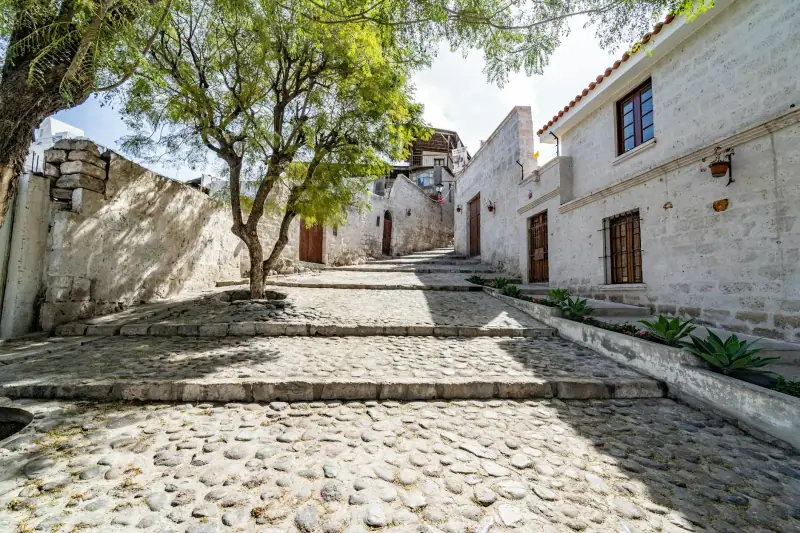
The historic center is clearly the best area to stay, within walking distance of Santa Catalina Monastery, the Plaza de Armas and the best restaurants. Most hotels are housed in fine colonial sillar houses.
Upscale (€150-300 / night, about $175-350):
- Casa Andina Premium: reliable chain hotel in a renovated colonial building, spa, excellent restaurant.
- Libertador Arequipa: large classic hotel facing Santa Catalina Monastery, heated pool, view of El Misti.
Mid-range (€50-120 / night, about $58-140):
- La Casa de Melgar: former 18th-century colonial house converted into a boutique hotel, flowered patio, careful decor.
- Las Torres de Ugarte: family hotel in a sillar house, bright rooms, excellent value.
Budget (€15-45 / night, about $17-52):
- La Posada del Cacique: simple, clean guesthouse a short walk from the Plaza.
- Many hostels in the lanes around the cathedral, dorms from €8-10 (about $9-12).
To go deeper into your options, see our guide Peru: budget and practical tips, which details price ranges by type of trip.
Flights to Arequipa
Compare flights from Lima. It is 1 h 30 from Lima to Arequipa by plane.
Getting around Arequipa and the region
In the city
Arequipa’s historic center is perfectly walkable. Most of the major sights (Plaza de Armas, Santa Catalina Monastery, Museo Santuarios Andinos, Yanahuara viewpoint) are less than 30 minutes’ walk from one another. For more distant districts, taxis are plentiful and inexpensive (3 to 8 soles for a ride in town).
To the Colca Canyon
The great majority of travelers choose organized excursions from Arequipa, which include transport, a guide and an overnight stay if needed. It is the most practical and affordable solution.
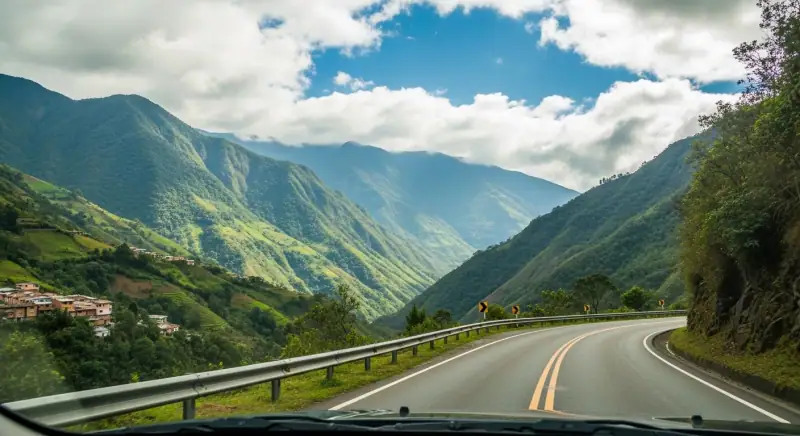
If you prefer independence, renting a car is an excellent option for exploring the Colca at your own pace, with stops in the small Andean villages (Yanque, Maca, Coporaque) along the canyon road. The road is paved as far as Chivay and in good condition.
Important: For the Colca Canyon circuit, which crosses the Salinas y Aguada Blanca National Reserve, a tourist ticket of about 70 soles (about €18 / $21) per person is required of foreigners (check the current price locally). It is included in the price of organized excursions.
To Puno and Lake Titicaca
Comfortable buses (Cruz del Sur, Oltursa) link Arequipa to Puno in 5 to 6 hours by road across the Altiplano. It is often the first stage of the Arequipa–Puno–Cusco circuit that many travelers follow. See our article on Lake Titicaca to prepare this stage.
Practical information for visiting Arequipa
When to go
Arequipa enjoys exceptional sunshine (nicknamed “the city of perpetual sun”). The best period is the dry season, from May to November, with pleasant temperatures (59-75 °F / 15-24 °C by day, 41-50 °F / 5-10 °C at night) and clear skies offering perfect views of the volcanoes.
The rainy season (December to April) brings cloudy afternoons but remains pleasant, with fewer tourists and lower prices. The one drawback: access to the Colca Canyon can be disrupted by landslides.
Indicative daily budget
- Tight budget: €30-45 / day (about $35-52) (hostel, local meals, public transport)
- Mid-range: €60-90 / day (about $70-105) (3-star hotel, restaurants, excursions)
- Comfort: €120-200 / day (about $140-230) (boutique hotel, all the sights, Colca excursion included)
See our Peru budget guide to plan your trip from A to Z.
Safety
Arequipa is one of the safest cities in Peru. The historic center is very busy and well secured. Apply the usual precautions: do not flash your phone at night in quiet streets, leave valuables at the hotel, and be vigilant in crowded markets (pickpockets).
Altitude and health
At 2,335 m (7,661 ft), Arequipa sits well below Cusco. For the Colca Canyon (up to 4,500 m / 14,764 ft), take it slow. For anything related to altitude, ask your doctor or a travel clinic, and see the official travel health pages (CDC in the US, TravelHealthPro in the UK).
Car rental in Arequipa
Ideal for exploring the Colca Canyon, the Andean villages and the road to Puno in complete freedom.
Recommended itinerary: 4 days in Arequipa and the Colca
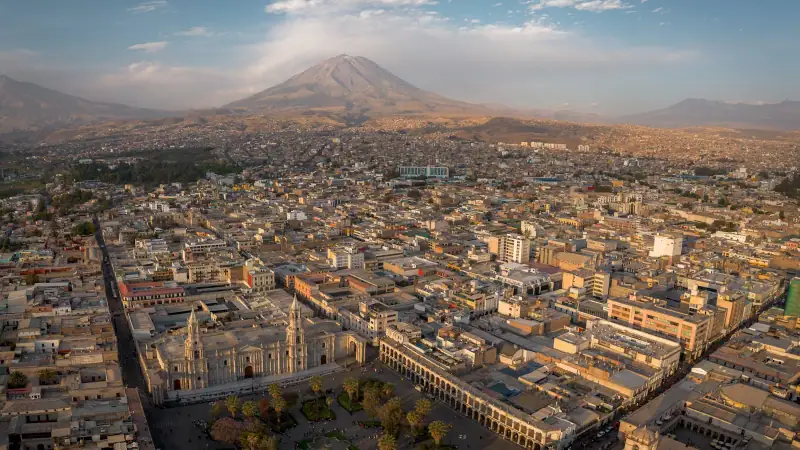
Day 1: Arrival and historic center Settle into your hotel and take it easy. Afternoon: stroll on the Plaza de Armas, climb to the cathedral roof, have a drink at a café terrace facing the volcanoes. Dinner in a traditional picantería.
Day 2: Santa Catalina Monastery and Arequipa culture Morning: visit Santa Catalina Monastery (arrive at opening to avoid the groups). Afternoon: Museo Santuarios Andinos to see the Juanita mummy, stroll through the San Lázaro district. Sunset from the Yanahuara viewpoint.
Day 3: Colca Canyon excursion (outbound) Leave early (7 to 8 am) for the Colca. Scenic road across the Altiplano, herds of vicuñas and flamingos on the lagoons. Arrive in Chivay, lunch. Visit the La Calera hot springs in the afternoon. Night in the village of Chivay or Yanque.
Day 4: Colca Canyon (Cruz del Cóndor) and return Early start for the Cruz del Cóndor viewpoint (8 to 10 am: best time for condors). Return to Arequipa in the afternoon, free time for handicraft shopping. Leave in the evening or stay an extra night.
For more circuit ideas that include Arequipa, see our guide to the 2-week Peru circuit.
Arequipa is unlike any other city in Peru. Its immaculate whiteness, guardian volcanoes, baroque convents and generous food make it an essential stop, not only on the way to Cusco but a destination in its own right. Take the time to linger: the Ciudad Blanca will reward you at every street corner.
Frequently asked questions
How many days do you need to visit Arequipa?
Allow at least 2 days for the historic center and Santa Catalina Monastery. Add 2 more days if you want to do the Colca Canyon excursion (1 night there recommended). In all, 4 days is an excellent stay in Arequipa.
How do you get from Lima to Arequipa?
Flying is the fastest way: about 1 h 30 from Lima, with LATAM Perú or Sky Airline. Comfortable overnight buses (Cruz del Sur, Oltursa) also link Lima to Arequipa in 14 to 16 hours for much less money. From Cusco, allow 7 to 9 hours by bus or 1 hour by plane.
Do you need to adjust to the altitude in Arequipa?
Arequipa is at 2,335 m (7,661 ft), well below Cusco (3,400 m / 11,155 ft). If you plan to visit the Colca Canyon (up to 4,500 m / 14,764 ft), take it slow. For anything related to altitude, ask your doctor or a travel clinic, and see the official travel health pages (CDC in the US, TravelHealthPro in the UK).
When is the best time to visit Arequipa?
Arequipa enjoys exceptional sunshine all year (300 sunny days a year). The dry season from May to November is ideal: mild temperatures (59 to 77 °F / 15 to 25 °C by day) and clear skies for admiring the volcanoes. The rainy season (December to April) remains pleasant, with a few late-afternoon showers.
Is Santa Catalina Monastery really worth the detour?
Absolutely. Santa Catalina Monastery is one of the most impressive monuments in Peru. This 16th-century convent, which housed up to 500 nuns, is a city within a city, with colorful lanes, flowered cloisters and collections of colonial art. Allow at least 2 to 3 hours to enjoy it fully.
Can you see condors at the Colca Canyon from Arequipa?
Yes! The Colca Canyon is one of the best places in the world to watch Andean condors in flight. The Cruz del Cóndor viewpoint, about 100 km (62 mi) from Arequipa, is the ideal spot, especially in the morning (8 to 10 am) when thermals lift the condors. Most organized excursions from Arequipa include this stop.
More Peru guides
Keep reading
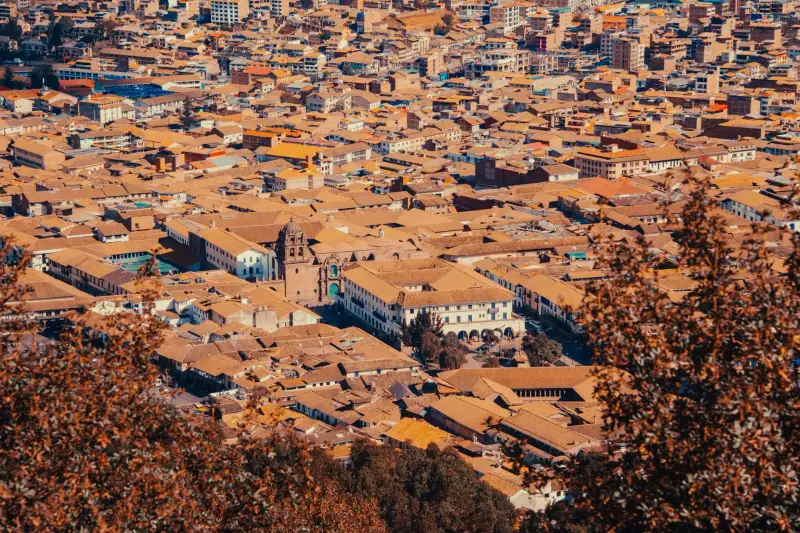
Visiting Cusco: Complete Guide to the Former Inca Capital
Complete Cusco guide: Plaza de Armas, Qorikancha, Sacsayhuamán, San Blas, Sacred Valley. Where to stay, food, the Boleto Turístico and itineraries.
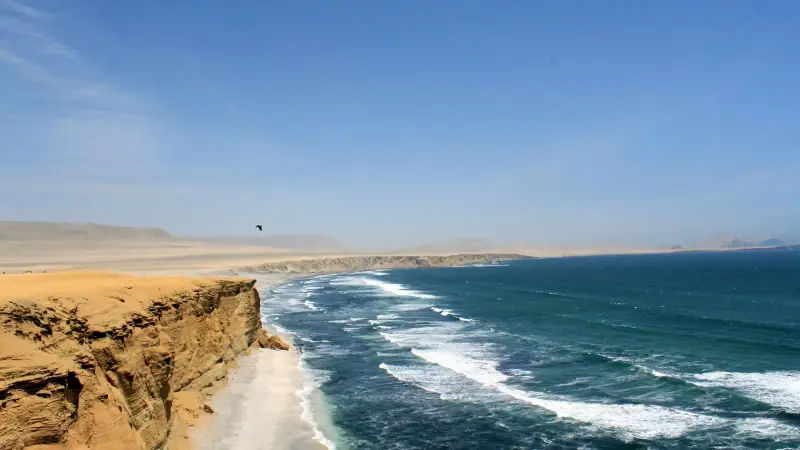
Visiting the Peruvian Coast: Complete Guide to the Pacific Coast
Complete guide to the Peruvian coast: Lima, Paracas, Huacachina, Nazca Lines, Trujillo and Máncora. UNESCO sites, desert and Pacific beaches.
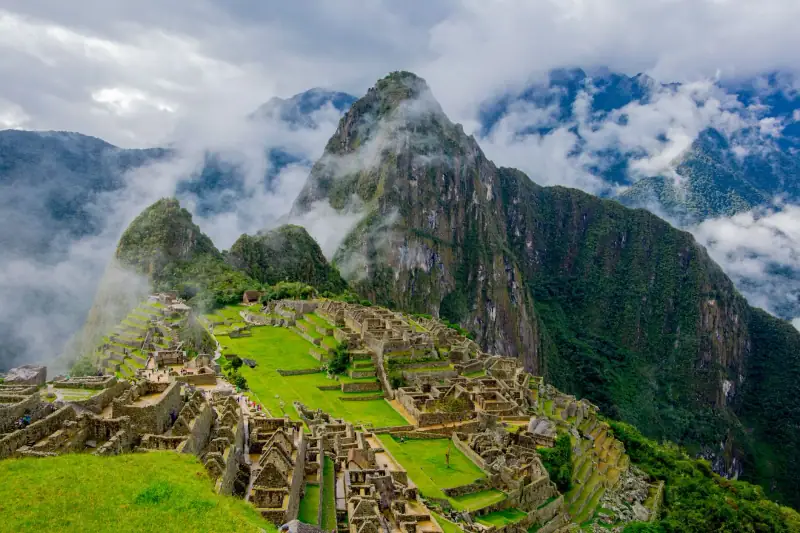
Visiting Machu Picchu: Complete Guide to the Lost Inca City
Everything to know to visit Machu Picchu: tickets, circuits, how to get there, Huayna Picchu, Aguas Calientes, best season and practical tips.
Ready-made
Peru itineraries
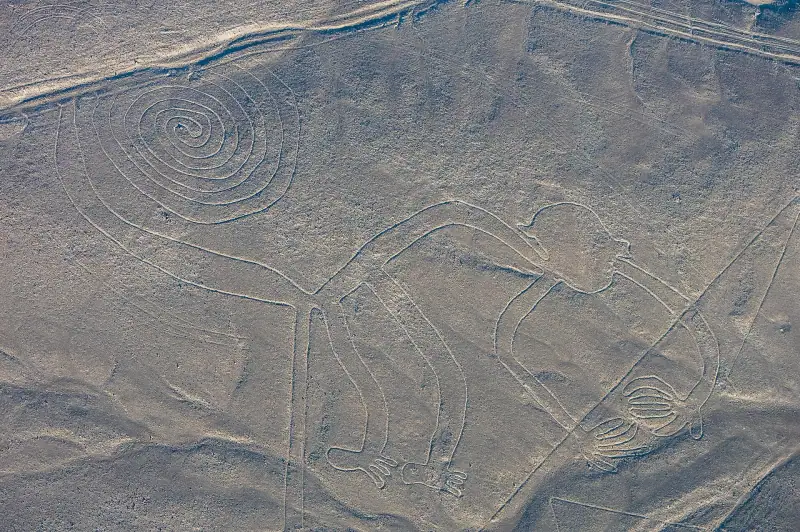
7 days
Peru in 7 Days: The Ideal One-Week Itinerary
LimaCuscoAguas CalientesCusco
12 days
Peru Sierra Road Trip: 12 Days from Cusco to Huaraz
12-day Peruvian Sierra road trip: Cusco, Machu Picchu, Lake Titicaca, Arequipa, Colca, Huaraz. Complete itinerary with budget.
4 days
Lima, Paracas, Huacachina and Nazca in 4 Days by Bus: Doable Without a Car?
Lima, Paracas, Huacachina and Nazca in 4 days by bus: stages, km, real travel times, recommended departures and what to sacrifice to keep the pace.