Plan your trip
Best Time to Visit Peru: Month-by-Month Guide
We may earn a commission when you book through links on this page, at no extra cost to you. We don't visit or try the places we cover: we summarize published sources. How we work
In short
- The Andean dry season (May to September) brings blue skies and open trails but also peak crowds and prices; the rainy season (October to April) is greener, cheaper and quieter.
- May and September are the best compromises for a first visit: good weather, fewer people. July and August are the absolute peak; book everything 3 to 6 months ahead.
- The Inca Trail is closed in February for maintenance. Inti Raymi is on June 24 in Cusco, and the Candelaria festival in Puno is in early February.
- Lima is sunny from December to April and gray with garúa fog for the rest of the year; for Amazon wildlife, July to September is ideal.
Peru can be visited all year, but each season has its advantages and drawbacks depending on the regions and activities you are aiming for. The key is to understand that Peru brings together very different climate zones within its territory: the desert coast, the Andes and the Amazon do not follow the same rhythms. This guide helps you choose the ideal period for your plans.
The two main seasons of Andean Peru
The dry season (May to September)
This is the high tourist season, and for good reason: it is the dream period for visiting the Andes. The sky is a deep, almost unreal blue, snow-capped peaks stand out against a clear horizon, and rain is almost nonexistent in the mountains.
Advantages of the dry season:
- Perfect weather for treks (Inca Trail, Choquequirao, Huayhuash)
- Blue skies for photos of Machu Picchu and the Inca sites
- Passable mountain roads
- Mild daytime temperatures (59-72 °F / 15-22 °C in Cusco)
Drawbacks:
- Peak tourist season: crowds at the major sites
- Higher accommodation and flight prices
- Machu Picchu, Huayna Picchu and Inca Trail tickets to book several months ahead
- Very cold nights at altitude (down to 23 °F / -5 °C in Puno, 14 °F / -10 °C on treks)
The rainy season (October to April)
The wet season turns the Andes into a carpet of greenery. The landscapes have a different beauty, flowers bloom everywhere, and waterfalls are at their peak. But paths turn into mud and some treks become dangerous.
Advantages of the rainy season:
- Fewer tourists, lower prices
- Green landscapes of spectacular beauty
- The Amazon is at its peak (high water levels, abundant wildlife)
- Lima is sunny (austral summer from December to March)
Drawbacks:
- Daily rain in the Andes, especially in the afternoon
- Inca Trail closed in February for maintenance
- Some sites may be closed following landslides
- The path to Machu Picchu can be slippery and muddy
Month-by-month guide
January and February
In the Andes: Full rainy season. The landscapes are green and flowering, but showers can be intense. The Candelaria Festival in Puno (early February) is one of the biggest cultural festivals in South America. The Inca Trail is closed in February for annual maintenance.
In Lima: The austral summer is in full swing. Sun, heat (77-82 °F / 25-28 °C), busy beaches. An excellent month to explore the capital.
Our take: Worth it if you are targeting Lima, the coast and the Puno festival. Avoid if you want to do the Inca Trail.
March and April
In the Andes: End of the rainy season. April marks the transition: rain gradually decreases. The landscapes remain green and magnificent. Holy Week (Semana Santa) in Cusco in April: spectacular processions but large crowds.
In Lima: The weather starts to turn gray in April. Temperatures are still pleasant (68-73 °F / 20-23 °C).
Our take: April is a good compromise for those who want green landscapes and fewer tourists.
May
The best month to do it all. The rainy season ends and the dry season begins. The landscapes are still green thanks to the last April rains, but the sky is clear. Fewer tourists than in July-August, prices still reasonable.
Our take: Our number 1 recommendation for those who want to combine good weather, green landscapes and moderate crowds.
June
Start of the high season. Excellent weather everywhere in the Andes. On June 24, Inti Raymi (Festival of the Sun) is celebrated in Cusco and Sacsayhuamán with incredible pomp: an unforgettable show, but Cusco is packed.
Our take: Excellent month, but book early for Inti Raymi if that is your goal.
July and August
Absolute high season. With northern hemisphere school holidays, July-August is the peak of attendance. Machu Picchu, Cusco and the Sacred Valley are packed. Prices reach their maximum. But the weather is impeccable.
Our take: Ideal for the weather, but book everything (flights, hotels, Machu Picchu tickets) 3 to 6 months ahead.
September and October
Our second recommendation. The high season ends, tourists thin out, but the dry season continues until mid-October. Prices drop. The landscapes begin to turn green again with the first rains of late October.
Our take: Excellent value. September is perhaps the perfect combination of good weather and relative calm.
November and December
The rainy season gradually resumes. November is still pleasant with sporadic showers. December marks the start of the high rainy season in the Andes, but Lima and the coast come alive for the austral summer.
Our take: Good for Lima and the coast. Less ideal for the Andes, but prices are attractive.
Temperatures by city
Lima
Lima has a paradoxical climate: summery from December to April (72-82 °F / 22-28 °C, sun), and gray the rest of the year under the garúa (59-64 °F / 15-18 °C, fog). Never heavy rain, never extreme cold.
Cusco (3,400 m / 11,155 ft)
- Dry season (May-September): 64-72 °F (18-22 °C) by day, 27 to 41 °F (-3 to 5 °C) at night
- Rainy season (October-April): 59-64 °F (15-18 °C) by day, 41-50 °F (5-10 °C) at night, daily afternoon showers
Machu Picchu (2,430 m / 7,973 ft)
Lower than Cusco, Machu Picchu has a milder, more humid microclimate all year. Temperature: 57-72 °F (14-22 °C). Morning mist is frequent, even in the dry season; it also makes for mystical photos.
Arequipa (2,335 m / 7,661 ft)
Nicknamed “the eternal city of the sun,” Arequipa enjoys remarkable sunshine all year (330 days of sun). Pleasant temperatures: 59-77 °F (15-25 °C) by day, cool at night.
Puno and Lake Titicaca (3,820 m / 12,533 ft)
Nights are icy all year: 23 to 5 °F (-5 to -15 °C) in winter, 32 to 41 °F (0 to 5 °C) in summer. Days are mild in the dry season (59-68 °F / 15-20 °C). The rainy season (November-March) is spectacular, with the lake rising and the islands changing appearance.
Festivals and events not to miss
| Festival | Place | Date | Description |
|---|---|---|---|
| Inti Raymi | Cusco/Sacsayhuamán | June 24 | Inca Festival of the Sun, grand spectacle |
| Cajamarca Carnival | Cajamarca | February | One of the most famous in South America |
| Candelaria | Puno | Early February | UNESCO dance festival, 40,000 participants |
| Corpus Christi | Cusco | June | Colonial religious processions |
| Semana Santa | Cusco/Ayacucho | April | Spectacular processions |
| National holiday | Everywhere | July 28-29 | Military parades and popular festivities |
Hotels in Peru
Book with free cancellation according to your travel period.
Which period for the Peruvian Amazon?
The Amazon follows a reversed logic compared with the Andes. The high season for wildlife is the dry season (June-September): water levels drop, animals gather around water sources, making sightings easier. But some areas are accessible only by boat during the rainy season (November-May), when the rivers are high.
For a wildlife safari in the Amazon: July to September is ideal. For an immersive Amazon with canoe trips in the flooded forest: December to May.
Our final recommendation
- First visit, see everything: May or September: perfect weather in the Andes, fewer crowds, green landscapes in May
- Tight budget: November to April (outside Lima/the coast): prices 20-40% lower
- Inca Trail: May, June, September, October: perfect for treks
- See Inti Raymi: June: book 6 months ahead
- Amazon: July to September for wildlife
- Lima and food: all year: Lima is worth the detour in every season
Peru is one of those rare destinations where each season has its own charm. The “right time” depends above all on your priorities. This guide gives you the keys; it is up to you to build the trip that suits you.
Frequently asked questions
What is the best month to visit Machu Picchu?
June, July and August are ideal for Machu Picchu: guaranteed blue skies, little rain. But these months are also the busiest. May and September offer an excellent compromise between weather and crowds.
Can you visit Peru in the rainy season?
Yes, even in the rainy season (November to March), it is possible to visit Peru. Lima is pleasant all year. Showers are often concentrated in the afternoon. Avoid the Inca Trail in February (closed for maintenance).
When is the Inti Raymi festival in Peru?
Inti Raymi (the Inca Festival of the Sun) is held every year on June 24 in Cusco and Sacsayhuamán. It is one of the largest traditional festivals in South America, and Cusco is packed at that time.
What is the weather like in Lima in winter?
The austral winter (June to September) is paradoxically Lima's gray season. The garúa, a sea fog, covers the city. Temperatures range from 54 to 63 °F (12 to 17 °C). Cusco and the Andes, by contrast, are magnificent at this time.
When should you go to avoid the crowds at Machu Picchu?
To avoid the crowds, prefer May, September and October. Summer (July-August) is the peak of the global tourist season, and Huayna Picchu tickets sell out several months ahead.
More Peru guides
Keep reading
Peru Budget 2026: How Much Does a Trip to Peru Cost?
What budget for a trip to Peru? Accommodation, meals, transport, tourist sites: our complete guide with real 2026 figures.
Hiking in Peru: The Best Treks and Trails
The best hikes in Peru: Cordillera Blanca, Inca Trail, Rainbow Mountain, Colca Canyon. Complete guide with levels and practical tips.
Visiting Arequipa: Complete Guide to Peru's White City
Complete Arequipa guide: Santa Catalina Monastery, Colca Canyon, UNESCO, hotels and practical tips for your stay in Peru's White City.
Ready-made
Peru itineraries
7 days
Peru in 7 Days: The Ideal One-Week Itinerary
LimaCuscoAguas CalientesCusco
12 days
Peru Sierra Road Trip: 12 Days from Cusco to Huaraz
12-day Peruvian Sierra road trip: Cusco, Machu Picchu, Lake Titicaca, Arequipa, Colca, Huaraz. Complete itinerary with budget.
4 days
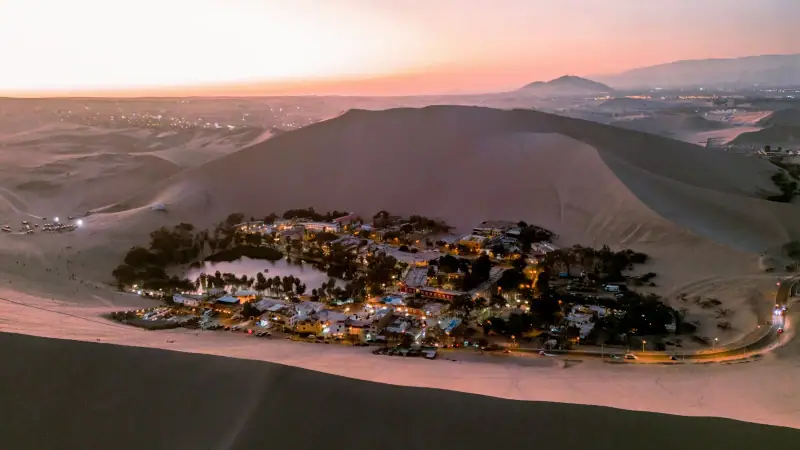
Lima, Paracas, Huacachina and Nazca in 4 Days by Bus: Doable Without a Car?
Lima, Paracas, Huacachina and Nazca in 4 days by bus: stages, km, real travel times, recommended departures and what to sacrifice to keep the pace.