Things to do
Watching turtles at Ras al Jinz: book ahead or on the spot?

We may earn a commission when you book through links on this page, at no extra cost to you. We don't visit or try the places we cover: we summarize published sources. How we work
In short
- Booking ahead is strongly advised: visitor numbers are limited per session and dates fill up, especially from June to September and school holidays.
- Green turtles nest all year, with a summer peak (about June to September); seeing one is likely in any season but never guaranteed.
- The main visit is a guided group walk at night, with a dawn outing also offered; confirm exact times when you book.
- No official 2026 price could be confirmed; check the exact amount when booking. Sleep in Sur or Ras al Hadd to avoid driving at night.
Watching a green turtle lay eggs on a beach by starlight is one of the highlights of a trip to Oman. The question that keeps coming up: do you need to book ahead, or can you simply show up at Ras al Jinz? Here is what is known, what you need to check, and how to organize the outing without unpleasant surprises.
Short answer: book ahead
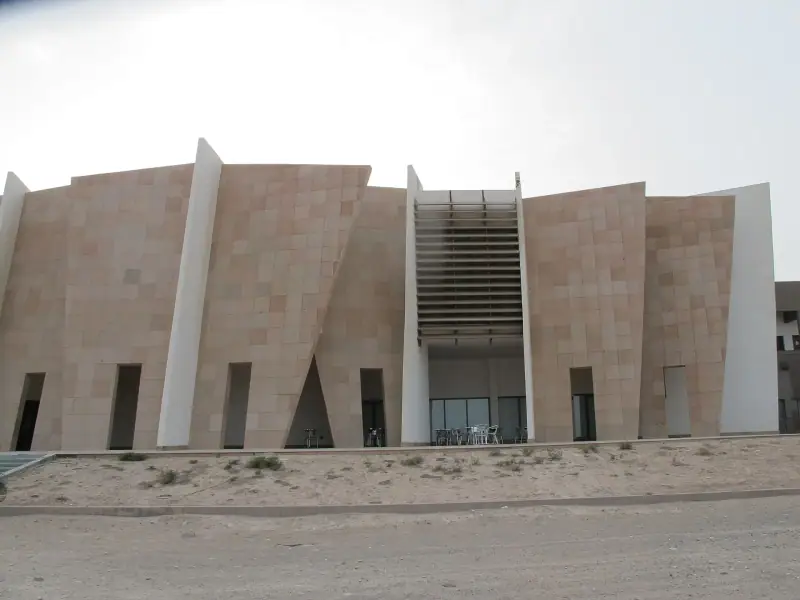
Ras al Jinz is a protected reserve at the far east of the country, near the cape of the same name. Access to the beach at night is supervised and limited: visitors are split into small groups accompanied by a guide. Travelers report dates already full on request. Some older accounts said you could come without booking, but that information seems out of date.
Advice:
- High season (June to September, school holidays): book as soon as your flight dates are fixed.
- The rest of the year: booking a few days ahead is still prudent, because driving 3 hours from Muscat to find it full is frustrating.
- Plan B: have an alternative activity in Sur in case the session is full.
When to see turtles in Oman
Green turtles come to nest all year, with a summer peak. According to sources, the main season runs from June to September, and late summer and autumn are often cited as ideal for seeing both nesting and hatching. The numbers vary from year to year: no visit guarantees a sighting.
| Period | What you can see |
|---|---|
| June to September | Peak nesting, busier beach |
| September to November | Nesting and hatching, more bearable temperature |
| December to May | Less activity, but sightings possible |
To choose your date based on the general climate, see our guide to the best time to go to Oman.
How the night visit works
- Arrival at the center late in the day, check-in and waiting for the group.
- Briefing by the guide on the rules: silence, no white light, minimum distance.
- Walk on the beach in the dark, lit only by red or dimmed lamps.
- Observing a turtle digging, laying or heading back to the sea, if one is present.
- Return late at night: plan not to drive far afterward.
A dawn outing is also offered, to see turtles return to the sea or signs of nesting.
The reserve’s rules forbid flash and white flashlights. Keep your phone in your pocket.
Price: what can honestly be said
No current official rate could be confirmed for 2026. The entry price is modest, but check it when you book, because it can vary by age and status (resident or not). Be wary of old figures found on forums. Also avoid opaque intermediaries: compare what is included (entry only, transport, guide, dinner).
Guided excursions from Muscat
Organized outings including Ras al Jinz, transport included.
Getting there: from Muscat, Sur or by car

Ras al Jinz is about 2.5 to 3 hours by road from Muscat, and less than an hour from Sur. You have three options.
- Rental car: the most flexible. See our guide to renting a car in Oman with an international permit.
- Organized excursion: handy if you do not want to drive at night.
- Stopover in Sur: the most restful solution, detailed in visiting Sur.
Where to sleep so you do not drive at night
After a visit that ends late, it is better to sleep nearby. Sur offers the most choice, and Ras al Hadd is even closer. Options are listed in where to stay in Sur. In high season, book lodging at the same time as the visit.
What to wear and bring
- Dark, covering, quiet clothing (no rustling fabric).
- Light closed-toe shoes: the sand can be cool and uneven.
- A light warm layer: the wind can cool things down at night.
- No white flashlight, no strong perfume or heavily scented cream.
- Water and a snack, because the wait can be long.
With children
The experience is memorable, but the night is long. Explain in advance what will happen: you walk in the dark, you whisper, you do not run and you never approach a turtle without the guide’s approval. A child who understands the rules of the game handles the wait better, which can last an hour or more. Bring a small, discreet snack and a warm layer for the youngest. Prepare them for silence and instructions, and choose lodging nearby so they can sleep early. To plan a family stay, see Oman in 8 days with kids.
Fitting Ras al Jinz into your itinerary
The visit combines well with the east coast sights: visiting the Sharqiyah and its wadis, before heading to the desert. Plan one night in Sur or Ras al Hadd, the day before or the same evening as the visit.
Behaving well around turtles
- Always keep the distance indicated by the guide.
- Never touch an animal or an egg.
- Do not step on tracks or nests.
- Keep quiet, especially near a female laying eggs.
A disturbed female may give up laying and return to the sea without depositing her eggs, which jeopardizes the nesting. That is why guides are uncompromising on light, noise and distance. Following their instructions is not a tourist constraint: it is the condition for this reserve to keep welcoming turtles, and visitors, year after year.
Key takeaways
Book ahead, particularly in summer, check the rate and times when you book, sleep nearby and leave phones and flashlights aside. With these precautions, you improve your chances of an unforgettable moment. Also keep in mind that nature follows no schedule: some nights several turtles come out of the water, other times just one. Approach the outing with patience and curiosity, and leave a margin in your itinerary so you are not rushing the next day.
Frequently asked questions
Do you need to book the Ras al Jinz turtle visit in advance?
Yes, it is strongly advised. The number of visitors is limited per session and dates fill up, especially from June to September and during school holidays. Travelers report full dates. Book several days, or even weeks, ahead.
What is the best season to see turtles in Oman?
Nesting is possible all year, but it peaks in summer, from about June to September, with hatchings more frequent in late summer and autumn. The chances of seeing a turtle are good in any season, without being guaranteed.
What time is the visit?
The main visit takes place at night, in a guided group, because green turtles come up to nest at nightfall. A dawn outing also exists. Exact times vary by season: confirm them when you book.
Can you take photos of the turtles?
The rules are strict: no flash, no white light, and often no photo or video when approaching the animals. Guides enforce the rule so as not to disturb nesting. Plan to enjoy the moment without a screen.
Is it suitable for children?
Yes, it is a memorable experience for children, but the outing is late and calls for calm and a bit of walking on sand. Ask about the minimum age when you book and keep them close to you.
Where should you sleep to see the turtles without driving at night?
The simplest is to sleep in Sur or Ras al Hadd nearby, or in lodging at the reserve if you can find availability. That avoids the night drive after the visit.
Is the price high?
The entry ticket stays modest compared with other nature experiences, but rates change and vary by visitor profile. No official 2026 rate could be confirmed: check the exact amount when you book.
More Oman guides
Keep reading
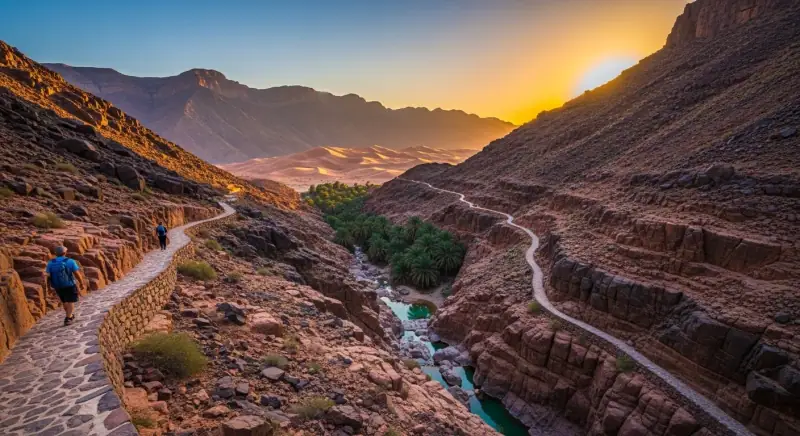
The best hikes in Oman: wadis, mountains and desert
Guide to the best hikes in Oman: Jebel Akhdar, Wadi Nakhr, Jebel Shams and coastal trails. Levels, distances and practical tips.

Wahiba desert in Oman: everything to know to visit the dunes
Complete guide to visiting the Wahiba Sands desert in Oman: Bedouin camps, 4x4, sunsets over the dunes and practical tips.
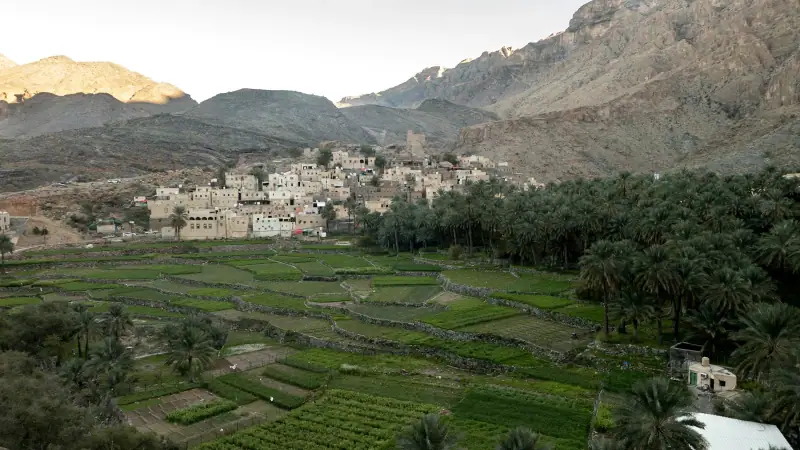
Visiting Jebel Akhdar: a complete guide to Oman's Green Mountain
Jebel Akhdar: Damask roses, hiking, perched villages and luxury resorts. A complete guide to visiting Oman's Green Mountain.
Ready-made
Oman itineraries
10 days
Oman road trip: a 10-day itinerary to explore the sultanate
MuscatNizwaJebel AkhdarWahiba desertSurSalalah

3 days
Musandam in 3 days: an itinerary through Oman's fjords
3-day Musandam itinerary: fjords, dolphins, dhow cruise and Khasab. All you need to plan a stay on Oman's enclave peninsula.

7 days