What to see
Visiting Sur: a complete guide to Oman's dhow city
We may earn a commission when you book through links on this page, at no extra cost to you. We don't visit or try the places we cover: we summarize published sources. How we work
In short
- Sur is about 200 km (124 mi) from Muscat, 2.5 to 3 hours by road; a rental car is the most practical way to get there.
- Ras al Jinz night turtle visits are guided only and should be booked online ahead; turtles nest all year, with a peak from May to October.
- Plan at least 2 nights: one for the dhow yards, Al Ayjah and the town, one for the night at Ras al Jinz.
- The best season is October to March, with 22 to 32 °C (72 to 90 °F); summer is hot and humid.
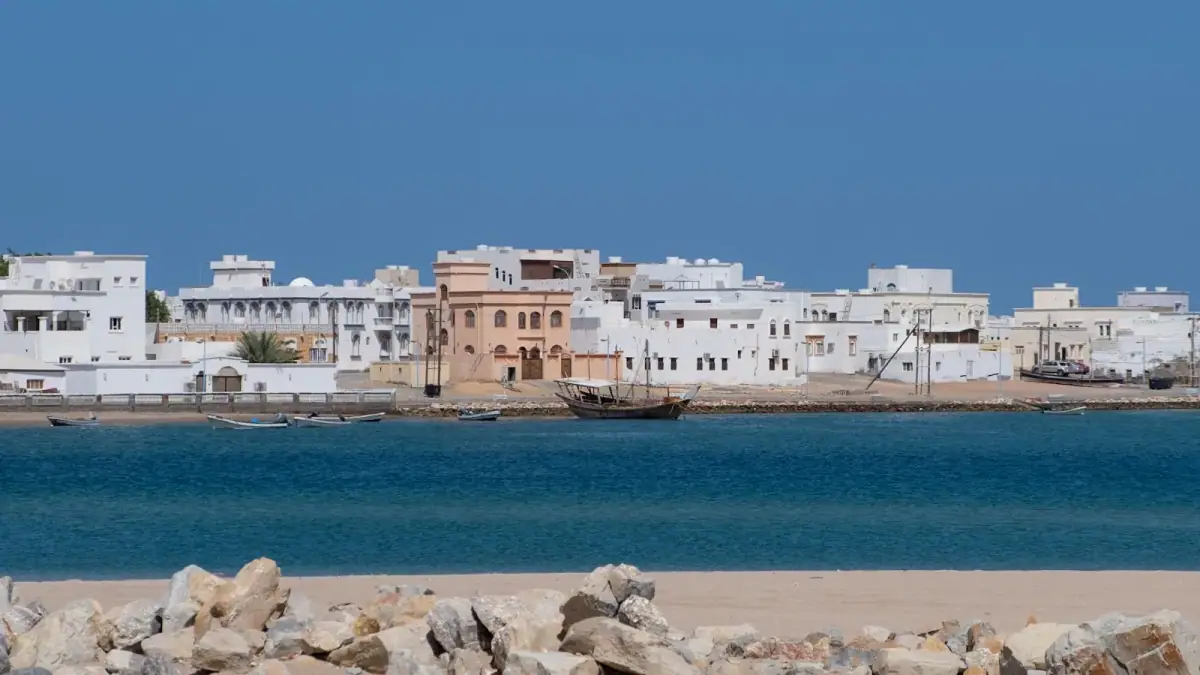
Sur is one of the most endearing towns in Oman. Located near the eastern tip of the Arabian Peninsula, a few dozen kilometers northwest of Ras al Jinz (the easternmost cape), on the coast of the Gulf of Oman, this port city was for centuries the heart of Omani seafaring. It is here that ship carpenters built the dhows, the traditional wooden Arab sailing ships that sailed trade routes as far as India, East Africa and China. Even today, Sur’s shipyards ring with the hammer blows of master carpenters. Add the Ras al Jinz sea turtle reserve, one of the most important nesting beaches in the world, and the golden Al Ayjah lagoon, and you get one of the most original and least known destinations in Oman.
The dhow yards: the maritime soul of Sur
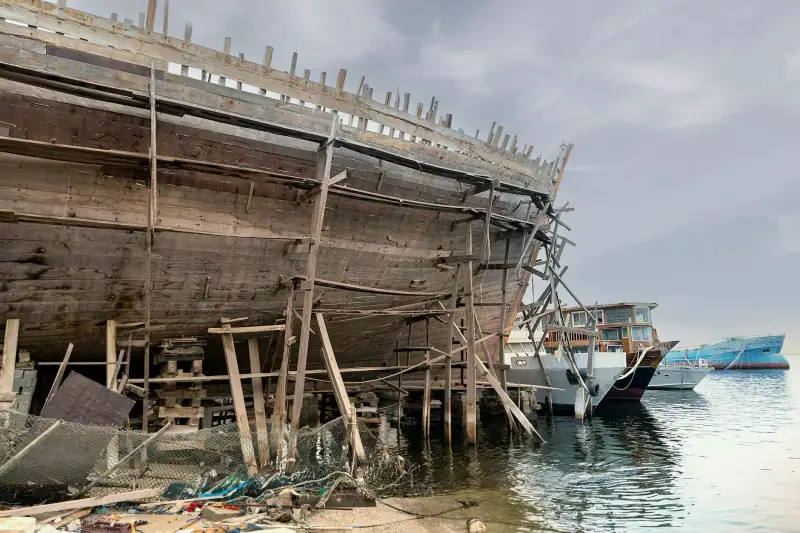
Sur is the last major center of traditional dhow building in the Arab world. The dhow is the wooden sailing ship that has made Oman’s maritime reputation for millennia. Its slender lines, high bow and tapered stern bear witness to a naval tradition that has barely changed since the Middle Ages.
Sur’s shipyards sit at the edge of the lagoon, in the industrial district south of the town. You can visit them freely outside peak hours to watch the craftsmen at work.
What you see in the yards:
- Dhow hulls being assembled, some more than 30 m (98 ft) long
- Carpenters working the wood entirely by hand, with traditional tools
- The use of teak imported from India, the same material for centuries
- Dhows being caulked, waterproofed and painted in the bright colors that mark their region of origin
What makes the visit especially moving is that these vessels are still ordered and used today, for fishing, for carrying goods between Gulf ports, and sometimes for traditional regattas held in Oman.
Practical tip: the yards are most active early in the morning (7 am to 10 am) and in the late afternoon. At midday, the heat often interrupts work. Ask politely before photographing the craftsmen; they are generally welcoming to respectful visitors.
Cultural excursions in Sur
Guided visits of the shipyards, the old town and Ras al Jinz, organized from Muscat or from Sur.
Ras al Jinz: the beach of the giant turtles
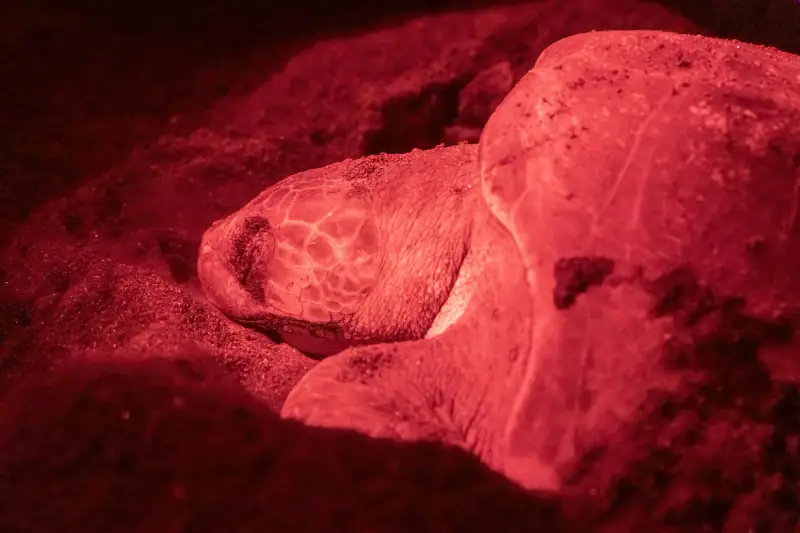
About 40 to 45 km (25 to 28 mi) southeast of Sur, Ras al Jinz is home to one of the most important sea turtle nesting sites in the Indian Ocean: the Ras al Jinz nature reserve, on the easternmost cape of the Arabian Peninsula. Thousands of giant green turtles (Chelonia mydas) come each year to lay their eggs on this fine-sand beach.
Nesting: an unforgettable night show
Females leave the sea at night to climb the beach, dig a nest in the sand with their flippers and lay about a hundred eggs. The scene is extraordinarily powerful: these animals of more than 100 kg (220 lb), which spend their lives on the open sea, return tirelessly to lay on the exact beach where they were born, sometimes after several decades away.
How visits are organized:
- Night visits are guided only and limited in number to avoid disturbing the turtles
- Two sessions per night: early evening and at first light of dawn
- Guides take you to the beach only when a turtle is laying, so as not to interrupt her climb back toward the sea
- Red-light headlamps are required (provided by the reserve)
- Flash photography is strictly forbidden; bright light would disorient the turtles
Ras al Hadd: right next to Ras al Jinz, the village of Ras al Hadd also has a nesting beach (less visited) and a historic fort overlooking the bay. It is a pleasant stop before or after the reserve.
Baby turtles
From July to November, the nests hatch and hundreds of baby turtles scramble frantically to reach the sea. If you are lucky enough to be there during a night hatching, it is one of the most moving natural spectacles there is.
Night visit to Ras al Jinz
Book your guided session to watch the giant turtles nesting.
Al Ayjah: the old town on the lagoon
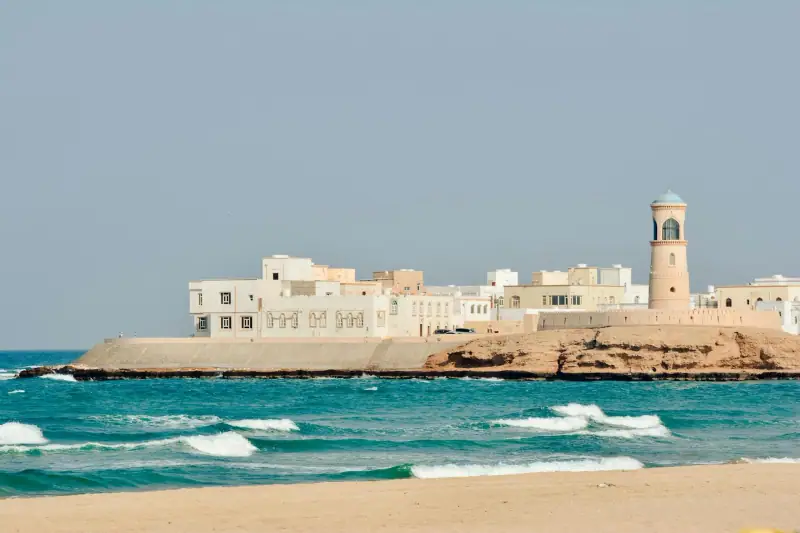
Facing Sur, on the other side of the lagoon, lies the historic district of Al Ayjah. A bridge now links the two banks, but you could once cross only by boat. Al Ayjah is one of the best-preserved traditional architectural ensembles on Oman’s east coast.
What you discover in Al Ayjah:
- White and ocher stone houses with carved wooden screens (mashrabiya), several centuries old
- Labyrinthine shaded lanes that go down to the water
- A watchtower up high offering a panoramic view of the lagoon, the town of Sur and the Indian Ocean
- A calm, photogenic waterfront, ideal at sunset when golden light illuminates the white facades
- Colorful fishing boats moored at the water’s edge
Walking around Al Ayjah is free and open. Allow one to two hours to get lost in the lanes and climb to the watchtower. The district is still inhabited; residents are used to visitors but stay discreet and respectful.
Sunrise and sunset in Al Ayjah are especially beautiful from the lagoon’s edge: low light makes the whitewashed facades blaze and reflects on the calm water.
Beaches and the Sharqiyah coast
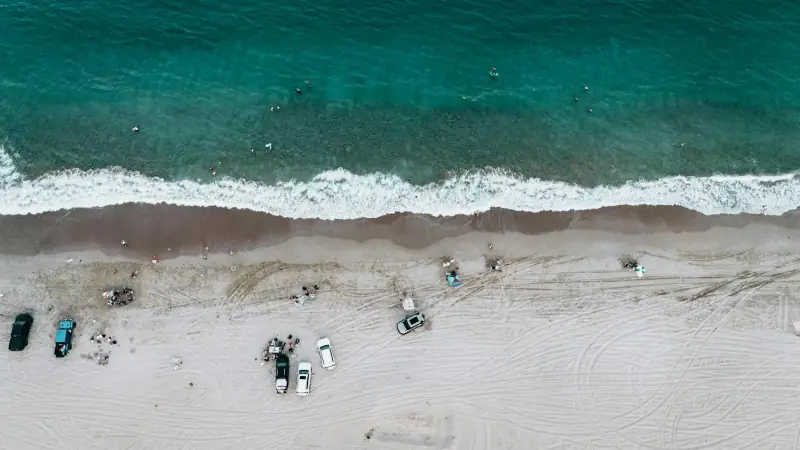
The area around Sur offers a remarkable coastline, still little touched by mass tourism.
Ras al Hadd beach
About 50 km (31 mi) southeast of Sur, Ras al Hadd is a long white sand beach lined with turquoise water. Outside the turtle nesting period, it is an almost deserted beach where you can swim and relax in peace.
The coast between Sur and Muscat
The coastal road heading back toward Muscat (route 23 and around) crosses landscapes of limestone cliffs, small fishing villages and isolated coves. If you have an extra day, this road deserves to be driven slowly, with stops in the villages to watch the fishing boats come back to port.
Wadi Shab and Wadi Tiwi
Wadi Tiwi is about 40 km (25 mi) north of Sur, and Wadi Shab about 50 km (31 mi). These two wadis are among the most beautiful in Oman. Gorges carved in limestone, emerald-blue freshwater pools and palm trees growing between the rocks make breathtaking settings. Wadi Shab is especially famous for its pool hidden behind a waterfall, reached after a short swim. These wadis are a highlight of any east coast trip.
Car rental to explore the east coast
Essential for linking Sur, Ras al Jinz, the wadis and the Wahiba Sands at your own pace.
Where to stay in Sur
Sur offers a range of lodging for every budget, from small family hotels to seaside resorts.
The options:
- Comfort and sea view: a few well-placed properties on the waterfront or near the lagoon offer rooms with water views and pool access. It is the ideal option to enjoy the maritime setting
- Mid-range: many hotels offer clean, functional rooms at reasonable prices (between 25 and 50 OMR a night, about €60 to €120 / $70 to $140)
- Ras al Jinz Eco-Lodge: if watching turtles is your priority, staying directly at the Ras al Jinz reserve in its official lodging lets you attend both night sessions without a drive. Rooms are in high demand, so book well ahead
- Budget: simple guesthouses in the center of Sur let you sleep for 15 to 25 OMR a night
Tip: plan at least two nights in Sur, one to visit the dhow yards, Al Ayjah and the town, another devoted to the night at Ras al Jinz.
Hotels in Sur and Ras al Jinz
All the lodging options, from budget to the eco-lodge facing the turtle beach.
Where to eat in Sur
Sur’s cooking is that of the Omani coast: ultra-fresh seafood, grilled fish and generous spices.
What to taste:
- Machboos: Oman’s national dish, a rice flavored with spices and cooked with meat or fish. Around Sur, the fish version is especially tasty with the day’s catch
- Whole grilled fish: seaside restaurants serve whole fish grilled over embers, with rice and fresh salads
- Harees: a porridge of wheat and meat, filling and comforting to start the day
- Seafood: shrimp, lobster and crab depending on the season and the catch
Where to eat: The liveliest restaurants are around Sur’s central souk and on the waterfront. The unpretentious places where local fishermen have lunch are often the best addresses; look for the places that are packed at lunchtime.
Fitting Sur into an itinerary
Sur combines naturally with other stops on Oman’s east coast.
The classic Muscat - east coast - Sur itinerary (4 to 5 days)
- Day 1: Leave Muscat along the coast, stop at Wadi Tiwi and Wadi Shab
- Day 2: Arrive in Sur, visit the dhow yards and Al Ayjah
- Day 3: A day at Ras al Hadd beach, plus a night visit at Ras al Jinz
- Day 4: Drive to the Wahiba Sands (about 120 km / 75 mi), night in the desert
- Day 5: Cross the desert and return to Muscat or Nizwa
The extended itinerary (7 to 10 days)
Sur fits perfectly into a big Oman road trip combining Muscat, Nizwa, Jebel Akhdar, the Wahiba Sands and the east coast. See our 7-day Oman itinerary and our road trip guide for all the details.
How to get to Sur
From Muscat:
- By car: about 200 km (124 mi) depending on the route chosen, or 2.5 to 3 hours by road. The coastal road (via Quriyat, Wadi Shab) is longer but spectacular. The inland road (via Ibra) is faster
- By bus: the national company Mwasalat runs services from the Ruwi bus station in Muscat to Sur. The trip takes about 4 to 5 hours
From the Wahiba Sands: Sur is about 100 to 120 km (62 to 75 mi) east of the Wahiba Sands. The road crosses the edge of the desert and Sharqiyah villages. Allow 1.5 to 2 hours by road.
When to visit Sur
Best period: October to March Temperatures are pleasant, between 22 and 32 °C (72 and 90 °F) by day, with light sea breezes. The sea is calm and ideal for swimming. This is the general high tourist season: book lodging ahead.
Summer (June to September): The heat is severe (35 to 40 °C / 95 to 104 °F), with high humidity due to the nearby sea. On the other hand, it is the height of the turtle nesting season (peak in July and August), and lodging prices are generally lower. If turtles are your absolute priority, summer remains an option despite the heat discomfort.
April-May and October: Pleasant transition periods. Temperatures are mild, humidity is reasonable, and turtle nesting begins (April) or is still in full swing (October).
Practical tips for visiting Sur
Book Ras al Jinz in advance: This is the most important tip. Night sessions are limited in number of participants and fill up quickly, especially between May and September (peak nesting). Book online on the reserve’s official website at least a week ahead in high season.
Bring a red-light headlamp: The reserve provides them, but having your own is handy. Red light does not disturb the turtles, unlike white light.
Dress: Sur is a conservative town. Cover shoulders and knees in town and at the shipyards. On the beach, swimwear is accepted but make sure to cover up on your way to and from the beach.
Bring cash: Many restaurants and small shops in Sur are cash only. ATMs are available in the town center.
Road and travel time: The coastal road between Muscat and Sur is magnificent but can be long. If you are short on time, take the inland road (faster) on the way out and the coastal road on the way back, so you enjoy both landscapes.
Sur remains one of the least touristy and most authentic destinations in Oman. Between the living dhow yards, the Al Ayjah lagoon and the night spectacle of the giant turtles of Ras al Jinz, the maritime city offers experiences no other town in the country can. Round out your stay with our guide to the Wahiba desert and our complete guide to Oman for a perfectly planned trip.
Frequently asked questions
How do you get to Sur from Muscat?
Sur is about 200 km (124 mi) from Muscat, or 2.5 to 3 hours by road depending on the route (coastal via Quriyat or inland via Ibra). The road is in excellent condition and crosses spectacular desert and coastal scenery. There is no direct air link; a rental car is the most practical way.
When can you see sea turtles at Ras al Jinz?
Giant green turtles lay their eggs on the Ras al Jinz beach all year, with a peak between May and October. Guided night visits (mandatory) let you watch the turtles during nesting. The nature reserve runs two sessions a night: early evening and at dawn.
Do you need to book the Ras al Jinz visit in advance?
Yes, booking online on the reserve's official website is strongly recommended. Groups are limited to protect the turtles, and spots go fast in peak turtle season (May to September, peak in July and August). Booking at least 48 hours ahead is advised.
Is Sur worth the detour if you already visit Muscat and Nizwa?
Absolutely. Sur shows a completely different face of Oman: maritime, gentle and historic. The dhow city, the Al Ayjah lagoon and the Ras al Jinz turtle reserve are unique experiences in the country. Plan 2 nights minimum to enjoy them fully.
Can you combine Sur and the Wahiba desert in one trip?
Yes, and it is even the classic east coast itinerary. The Wahiba Sands are about 100 to 120 km (62 to 75 mi) west of Sur. The two are often combined: a night in the dunes, then one or two nights in Sur for the turtles. It fits perfectly into a 7 to 10 day road trip.
Are there beaches to swim at in Sur?
Yes, the Sur area has several fine-sand beaches. Ras al Hadd beach, about 50 km (31 mi) southeast of Sur, is particularly beautiful and little visited. Swimming is possible much of the year, but watch for currents in summer.
What is the best time to visit Sur?
The best period is October to March, when temperatures stay between 22 and 32 °C (72 and 90 °F). Summer (June to September) is very hot and humid. For turtles, the nesting season runs from April to October, with a peak in July and August, but those are the hottest months.
More Oman guides
Keep reading
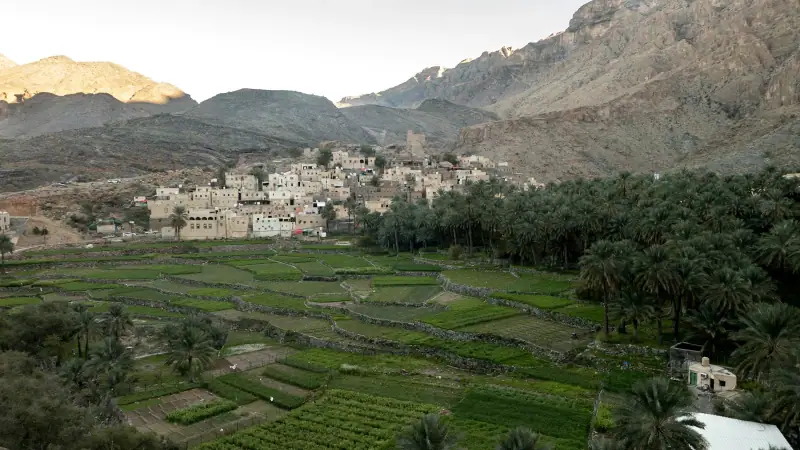
Visiting Jebel Akhdar: a complete guide to Oman's Green Mountain
Jebel Akhdar: Damask roses, hiking, perched villages and luxury resorts. A complete guide to visiting Oman's Green Mountain.
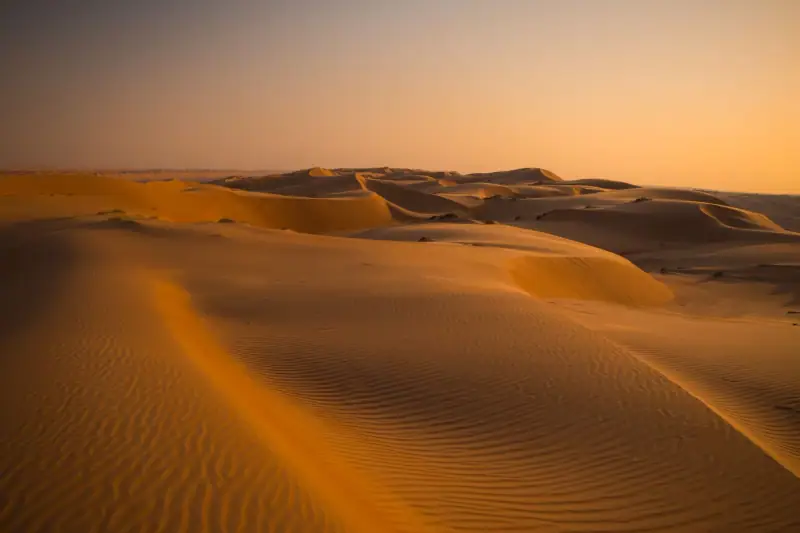
Visiting the Sharqiyah: Wahiba Sands, wadis and Oman's east coast
Complete guide to the Sharqiyah region: Wahiba Sands, Wadi Bani Khalid, Sur, Ras al Jinz and Wadi Shab. 4-day itinerary, lodging, practical tips.
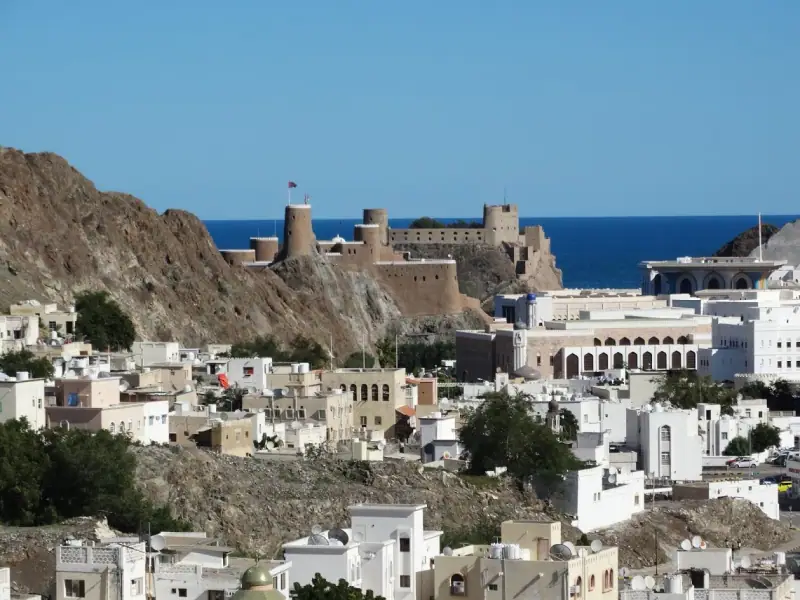
Muscat's top sights: the must-sees of Oman's capital
What to see in Muscat? Grand Mosque, Mutrah souk, Al Alam Palace and the corniche: the essential visits in the Omani capital.
Ready-made
Oman itineraries
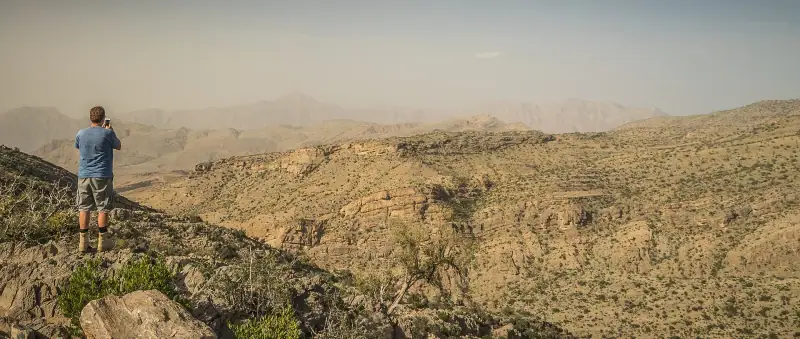
10 days
Oman road trip: a 10-day itinerary to explore the sultanate
MuscatNizwaJebel AkhdarWahiba desertSurSalalah
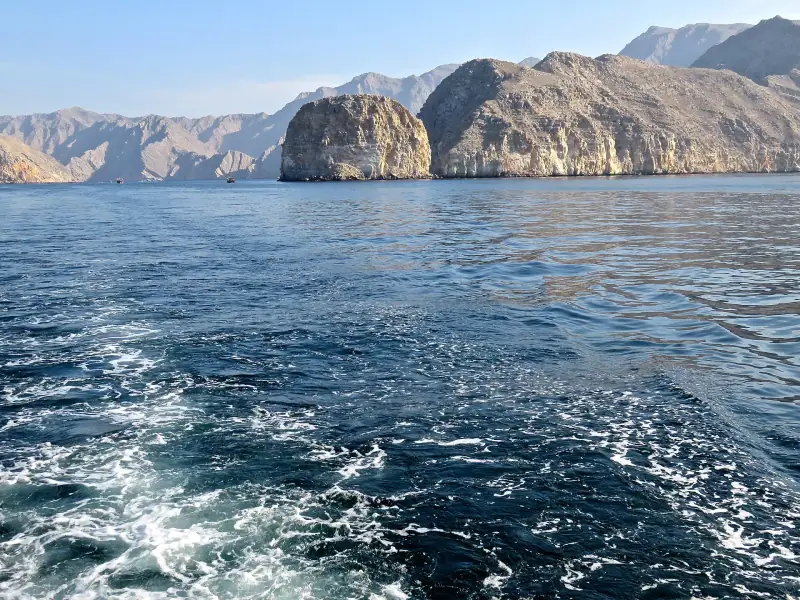
3 days
Musandam in 3 days: an itinerary through Oman's fjords
3-day Musandam itinerary: fjords, dolphins, dhow cruise and Khasab. All you need to plan a stay on Oman's enclave peninsula.
7 days