Plan your trip
Best time to visit Oman: month by month
We may earn a commission when you book through links on this page, at no extra cost to you. We don't visit or try the places we cover: we summarize published sources. How we work
In short
- The best time for northern and central Oman is October to April (20 to 30 °C / 68 to 86 °F); November to March is ideal for comfort.
- Summer (June to August) in the north is extremely hot, 40 to 50 °C (104 to 122 °F), and not recommended for active sightseeing.
- Salalah is the exception: the khareef monsoon turns it green and cool in July and August.
- December and January are high season: lodging fills quickly and prices rise, so book ahead.
Choosing the right time to travel to Oman is essential to make the most of this country with such varied climates. From the desert north to the tropical south, through the Hajar mountains, Oman offers very varied weather depending on the region and the season. This guide helps you plan your trip around your interests and your main destination.
Oman’s climate in brief
Oman is mainly desert in the north and center, with scorching summers and mild winters. The south (Dhofar) enjoys a summer monsoon unique on the Arabian Peninsula, turning the region into an oasis of greenery during July and August.
Average temperatures in Muscat:
- January: 22 °C / 72 °F (min 17 °C / 63 °F, max 26 °C / 79 °F)
- April: 32 °C / 90 °F (min 25 °C / 77 °F, max 38 °C / 100 °F)
- July: 38 °C / 100 °F (min 32 °C / 90 °F, max 43 °C / 109 °F)
- October: 30 °C / 86 °F (min 24 °C / 75 °F, max 36 °C / 97 °F)
Average temperatures in Salalah:
- January: 24 °C / 75 °F
- July: 26 °C / 79 °F (monsoon, mist and rain)
- October: 29 °C / 84 °F
Month-by-month calendar
October: excellent
October marks the return of pleasant weather in the north after the summer heat. Temperatures drop to 30 to 34 °C (86 to 93 °F) by day, and nights are mild at 22 to 25 °C (72 to 77 °F). It is the ideal time to start exploring Muscat, Nizwa and the wadis. The sea is warm (29 °C / 84 °F), perfect for diving and swimming. In Salalah, the monsoon ends, leaving a still-green landscape.
November: ideal
November is one of the best months to visit Oman. Temperatures are mild (25 to 28 °C / 77 to 82 °F in Muscat), vegetation is still green after the last rains, and there are fewer tourists than in high season (December-January). Nights in the desert are cool and perfect for stargazing. The sea is still warm.
December and January: high season
These two months are the high tourist season, with the best temperatures of the year (20 to 25 °C / 68 to 77 °F). It is perfect for all of Oman: Muscat, Nizwa, the Wahiba desert, the wadis and the Hajar mountains. Note: lodging fills up quickly and prices rise. Book ahead.
February and March: very good
Slightly warmer than December-January (26 to 30 °C / 79 to 86 °F), but still very pleasant. Almond blossom and the roses of Jebel Akhdar begin to bloom in March, offering unexpected spring landscapes. It is an excellent time for hiking in the mountains and visiting the wadis. Fewer tourists than in December-January.
April: transition
April marks the start of warming. Temperatures climb to 30 to 36 °C (86 to 97 °F) in the north. It is still pleasant early in the morning and in the evening, but middays can be trying. It is a good period if you want fewer crowds and lower prices, provided you stay active in the morning and evening.
May: hot, not recommended
Temperatures reach 40 to 44 °C (104 to 111 °F) in Muscat. Not recommended for active visits unless you are very used to the heat. The wadis remain bearable early in the morning.
June, July, August: not recommended in the north / ideal in Salalah
Northern Oman overheats (45 to 50 °C / 113 to 122 °F inland). It is absolutely not recommended for active tourism. On the other hand, Salalah has its magical moment: the khareef (monsoon) turns the whole region into a green oasis. Waterfalls appear, hills turn grassy, and romantic mists wrap the landscapes. Northern Omanis head down to Salalah in large numbers during this period. A unique experience in Arabia.
September: end of the monsoon in Salalah
The monsoon fades in Salalah. Vegetation is still green but the rains become rarer. In the north, temperatures start to drop very slightly (still 40 °C / 104 °F). An acceptable transition.
Which period for which type of trip?
For a full circuit (Muscat + Nizwa + Wahiba + Sur)
November to March: ideal temperatures for the whole circuit, pleasant sea for Sur, cool nights in the desert.
For hiking (Jebel Akhdar, Wadi Nakhr)
December to February: the most comfortable for walking at altitude (10 to 18 °C / 50 to 64 °F at the top of Jebel Akhdar in January).
For the Wahiba desert
November to February: nights are cool (15 to 20 °C / 59 to 68 °F), perfect for sleeping in a tent or under the stars in a Bedouin camp.
For Salalah and Dhofar
July-August (monsoon, unique greenery) or October-December (calm sea, mild temperatures, deserted beaches).
For Musandam (fjords and diving)
October to April: clear waters, good underwater visibility, pleasant temperatures for dhow sailing.
For local events
- Monsoon in Salalah: July-August (Salalah festival, unique local atmosphere)
- Ramadan: varies with the lunar calendar; lovely evening atmosphere, but restaurants are closed by day
- Oman National Day: November 18 (parades, festivities in Muscat)
Season summary
| Period | Northern temperatures | Advice |
|---|---|---|
| Oct-Nov | 25-34 °C (77-93 °F) | Very good, fewer people |
| Dec-Jan | 20-26 °C (68-79 °F) | Ideal, high season |
| Feb-Mar | 24-30 °C (75-86 °F) | Excellent, cheaper |
| Apr | 30-36 °C (86-97 °F) | Acceptable (shoulder season) |
| May-Jun | 38-44 °C (100-111 °F) | Not recommended |
| Jul-Sep | 40-50 °C (104-122 °F) | North not recommended / Salalah ideal |
Final recommendation
If you can choose only one period: November to February for maximum comfort across Oman. If you want a unique and inexpensive experience, aim for July-August in Salalah for the monsoon and its green landscapes. Either way, Oman remains a magnificent destination at almost any time of year.
Frequently asked questions
What is the best time to go to Oman?
The best time to visit Oman (north and center) is October to April, with temperatures between 20 and 30 °C (68 and 86 °F). November to March are ideal for optimal comfort.
Can you go to Oman in summer?
Summer (June to August) in northern Oman is extremely hot (40 to 50 °C / 104 to 122 °F), not recommended unless you are going to Salalah, where the monsoon (the khareef) creates a unique cool, green microclimate.
When is the rainy season in Oman?
Northern Oman gets little rain (winter, November to March), sometimes in the form of showers. Salalah (south) has its monsoon from June to September, which turns the region into a green paradise.
When should you go to Oman for the Wahiba desert?
The best time for the Wahiba Sands desert is October to March. Nights under the stars are ideal in winter with mild night temperatures.
Oman in December: a good idea?
December is excellent for Oman. Temperatures are cool and pleasant (20 to 25 °C / 68 to 77 °F), the country is green after the winter rains, and Islamic holidays can create a special festive atmosphere.
More Oman guides
Keep reading
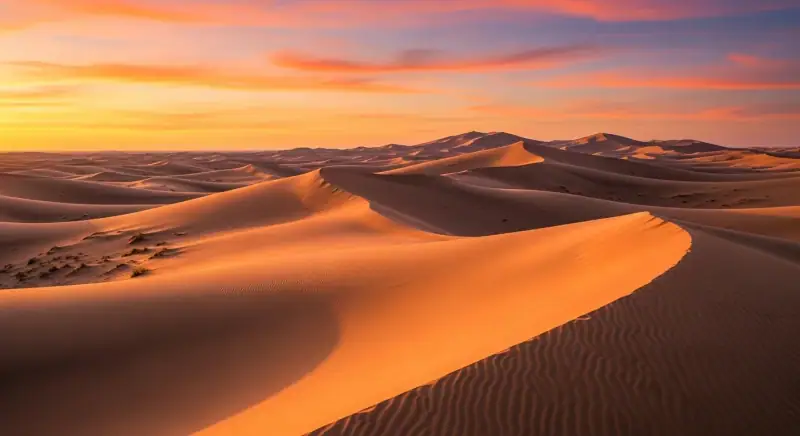
Oman travel budget: how much does a trip cost in 2026?
How much does a trip to Oman cost? Daily budget, hotel prices, restaurants, excursions and tips for traveling cheaper.
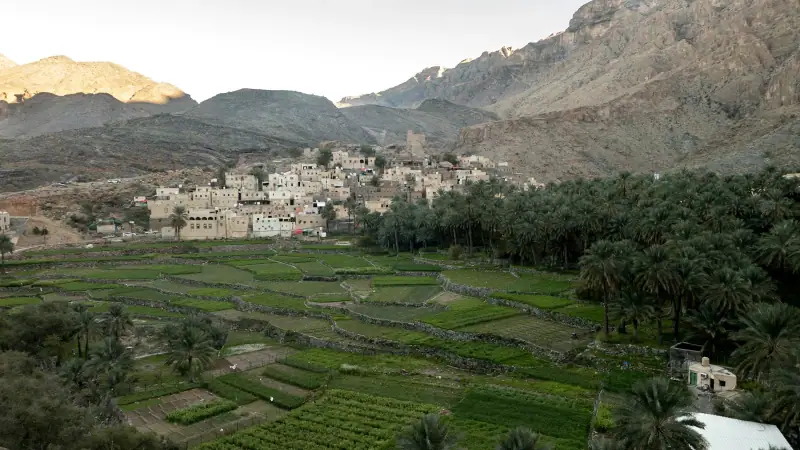
Visiting Jebel Akhdar: a complete guide to Oman's Green Mountain
Jebel Akhdar: Damask roses, hiking, perched villages and luxury resorts. A complete guide to visiting Oman's Green Mountain.
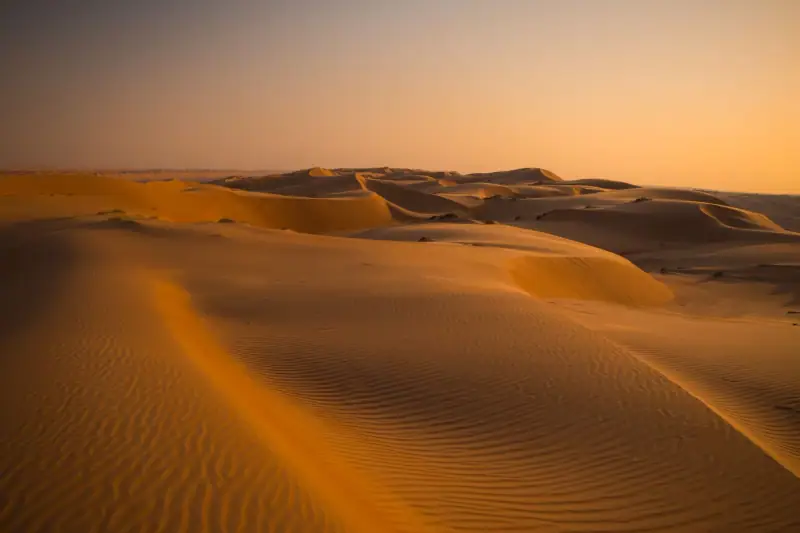
Visiting the Sharqiyah: Wahiba Sands, wadis and Oman's east coast
Complete guide to the Sharqiyah region: Wahiba Sands, Wadi Bani Khalid, Sur, Ras al Jinz and Wadi Shab. 4-day itinerary, lodging, practical tips.
Ready-made
Oman itineraries
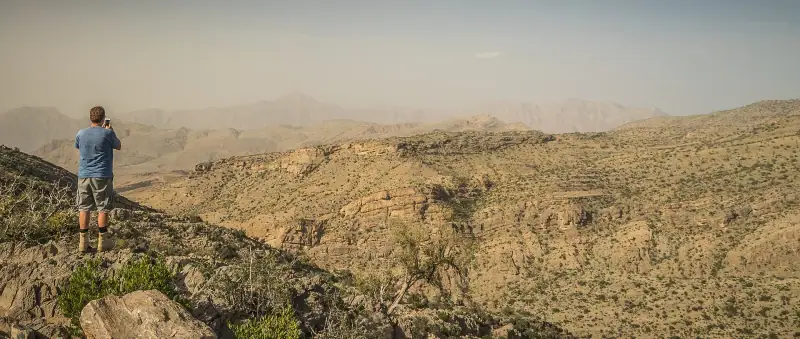
10 days
Oman road trip: a 10-day itinerary to explore the sultanate
MuscatNizwaJebel AkhdarWahiba desertSurSalalah
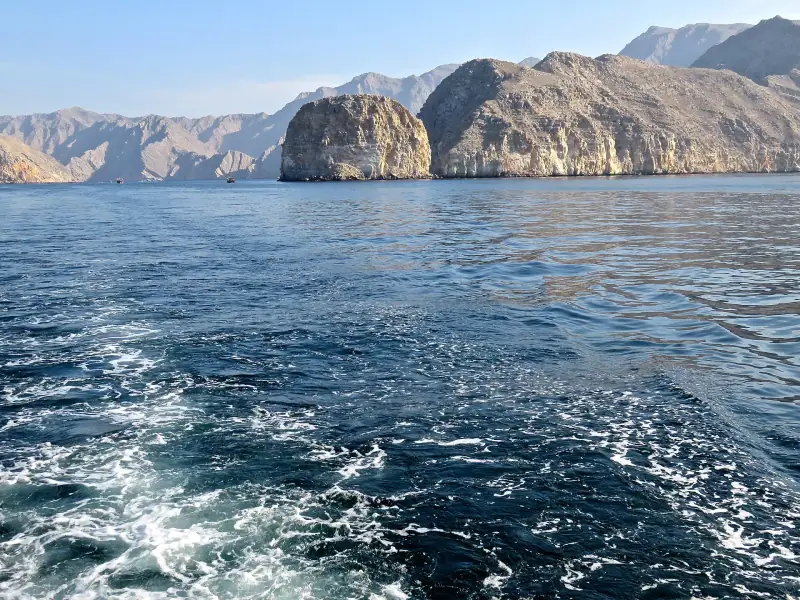
3 days
Musandam in 3 days: an itinerary through Oman's fjords
3-day Musandam itinerary: fjords, dolphins, dhow cruise and Khasab. All you need to plan a stay on Oman's enclave peninsula.

7 days