Things to do
The best hikes in Oman: wadis, mountains and desert
We may earn a commission when you book through links on this page, at no extra cost to you. We don't visit or try the places we cover: we summarize published sources. How we work
In short
- The Hajar range offers trails from easy to hard: Jebel Shams and Wadi Nakhr (W6, 9 km / 5.6 mi), Snake Gorge, Jebel Akhdar villages, Wadi Shab and Wadi Tiwi.
- October to March is ideal for hiking in the north; avoid wadis after rain because of flash flood risk.
- A 4x4 is mandatory for Jebel Akhdar and recommended for Jebel Shams; a sedan is enough for most of the way to Wadi Shab or Wadi Tiwi.
- For technical hikes (Snake Gorge, Jebel Shams summit), a local guide is recommended; expect about €30 to €50 for a half day (about $35 to $58).
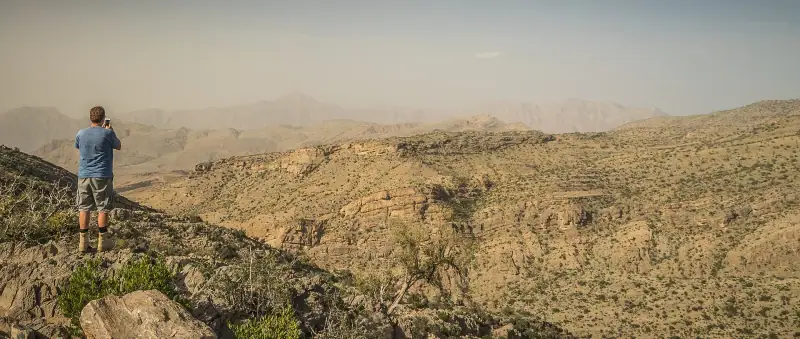
Oman is one of the most breathtaking hiking destinations in the Middle East. The Hajar mountain range, which crosses the north of the country, holds dizzying gorges, villages perched at 2,000 m (6,560 ft), and trails where you meet more goats than hikers. Here is a selection of the best hikes.
Jebel Shams and Wadi Nakhr: the great classic
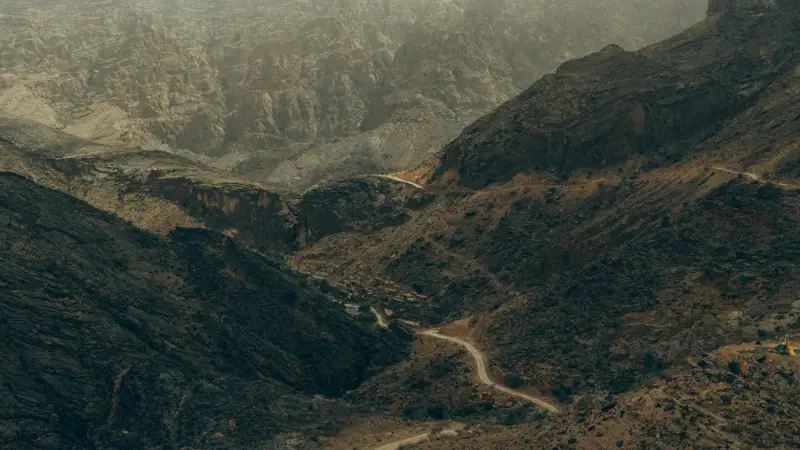
Nicknamed the “Grand Canyon of Arabia”, Wadi Nakhr is the deepest canyon in Arabia (1,000 m / 3,280 ft deep, 1 km / 0.6 mi wide in places). The W6 hike runs along the cliff edge for 9 km (5.6 mi) round trip and offers breathtaking views of the gorges.
Practical details:
- Level: moderate (a few exposed sections but nothing technical)
- Distance: 9 km (5.6 mi) round trip
- Duration: 3 to 4 hours
- Altitude: 2,000 to 2,100 m (6,560 to 6,890 ft)
- Access: 4x4 mandatory for the road to the trailhead
- Best season: November to March
The summit of Jebel Shams (3,009 m / 9,872 ft, the highest point in Oman) is accessible but the hike to the top is long (full day, guide recommended).
Wadi Bani Awf: Snake Gorge
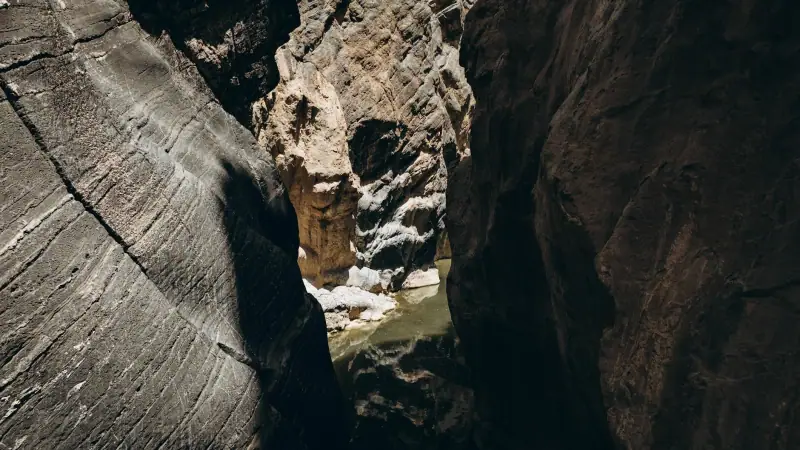
Snake Gorge is one of the most technical and most spectacular hikes in Oman. You follow a wadi enclosed in red sandstone gorges, climbing over rocks, swimming through pools and pulling yourself up ropes fixed to the walls.
Practical details:
- Level: hard (physical commitment, swimming sections, light canyoning)
- Distance: 4 km (2.5 mi), but 3 to 4 hours minimum
- Equipment: hiking shoes with thick soles (walkable in water), a change of clothes
- Guide: strongly recommended (unmarked passages)
- Access: track from the village of Harat, 4x4 recommended
Jebel Akhdar: the rose terraces
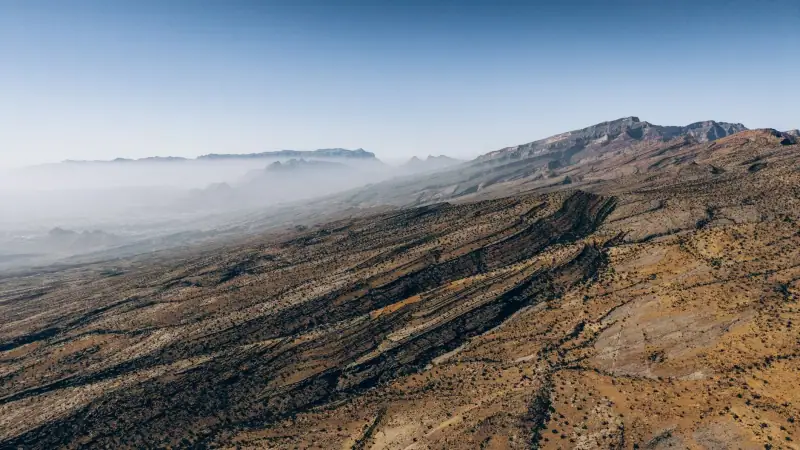
Jebel Akhdar (“the green mountain”) is famous for its terraced crops at altitude: roses, pomegranates, apricots, figs and grapes grow on the mountainsides thanks to an ancestral irrigation system (falaj).
Perched villages hike:
- Level: easy to moderate
- Distance: variable (2 to 8 km / 1.2 to 5 mi depending on the villages visited)
- Duration: half day to full day
- Highlights: Sharaija village, terrace views from the Diqal path, Wadi Al Muaydin village
Balad Sayt to Wadi Bani Awf hike:
- Level: moderate to hard
- Distance: 15 km (9.3 mi) downhill
- Duration: 5 to 7 hours (descent only, a shuttle car is needed)
- Scenery: a spectacular descent from 2,000 m to 500 m (6,560 ft to 1,640 ft) of altitude through colorful gorges
Hiking in the Wahiba dunes
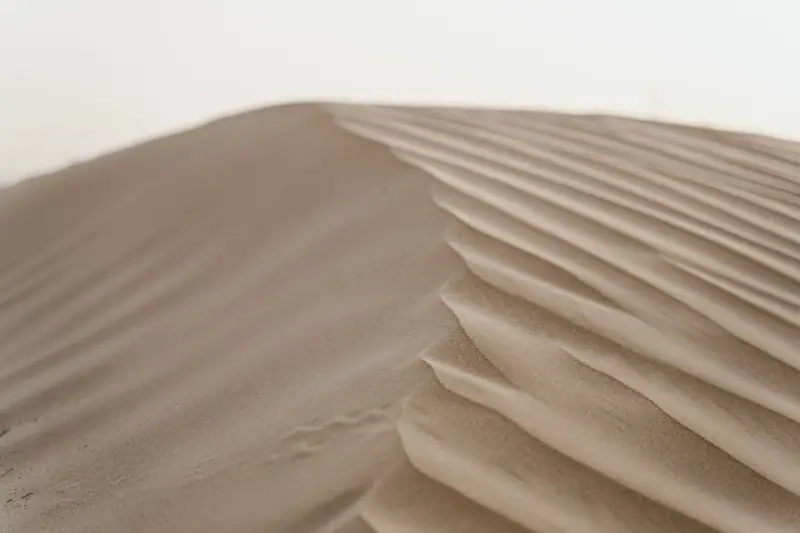
Hiking in the Wahiba desert is a different experience from mountain hiking: intense effort in the soft sand of the dunes, but total freedom and sublime landscapes.
Climbing the big dunes:
- Level: moderate (significant physical effort in sand)
- Distance: 1 to 3 km (0.6 to 1.9 mi) depending on the dune chosen
- Duration: 30 min to 2 h depending on ambition
- Tip: set off at dawn to avoid the heat and enjoy the beautiful low light
Coastal hikes and wadis
Wadi Shab: the star water hike
Wadi Shab is probably Oman’s most popular hike, and for good reason: you walk in a wadi lined with palm trees, cross turquoise pools, and end up swimming to a cave with an inner waterfall.
- Level: easy (except the final swimming part: moderate)
- Distance: 6 km (3.7 mi) round trip
- Duration: 3 to 4 hours
- Access: the Muscat to Sur road, a boat to cross the wadi (about 1 OMR per person, cash)
- Equipment: light walking shoes (that handle water), a swimsuit
Wadi Tiwi: the secret twin
Parallel to Wadi Shab, Wadi Tiwi is less visited but just as beautiful. A drivable track goes up the wadi for 10 km (6.2 mi) to the village of Mibam, with views of banana and eucalyptus terraces.
- Level: easy
- Distance: up to 10 km (6.2 mi)
- Duration: 2 to 4 hours depending on distance
- Access: from the coastal road (route 17)
Tips for hiking in Oman
Essential equipment
- Waterproof or water-resistant hiking shoes (for the wadis)
- Plenty of water: at least 2 to 3 L (2 to 3 qt) per person for a half day
- Snacks and energy bars: few resupply points on the trails
- Trekking poles: useful on the Hajar’s rocky trails
- Hat and SPF 50 sunscreen
- Phone with offline GPS (Maps.me, OsmAnd)
Safety rules
- Never hike alone in isolated areas in summer (lethal heat)
- Always tell someone your itinerary and estimated return time
- Avoid wadis after rain (flash flood risk)
- Respect no-entry signs at some military or private sites
Local guides
For technical hikes (Snake Gorge, Jebel Shams summit, Wadi Nakhr from below), a local guide is recommended. They know the tricky passages, speak English, and their local knowledge can save the day if something goes wrong. Expect €30 to €50 for a guided half day (about $35 to $58).
Frequently asked questions
Is Oman a good country for hiking?
Yes, Oman is an exceptional hiking destination. The Hajar range offers varied trails from easy to hard, with unique landscapes of cliffs, gorges and perched villages.
What is the best-known hike in Oman?
The W6 (Jebel Shams rim walk) along the Wadi Nakhr cliffs is considered the most spectacular. Wadi Bani Awf (Snake Gorge) is also very popular.
Can you hike alone in Oman?
Yes, most marked trails can be done alone. For hikes in isolated areas (Jebel Harim, Snake Gorge), a local guide is recommended for safety.
What season is best for hiking in Oman?
October to March is ideal for hiking in the north. Temperatures are cool at 1,500 to 3,000 m (4,921 to 9,843 ft) of altitude (10 to 20 °C / 50 to 68 °F at the top of Jebel Shams in January).
Do you need a 4x4 to reach hikes in Oman?
A 4x4 is mandatory to go up Jebel Akhdar and recommended for Jebel Shams. For accessible wadis such as Wadi Shab or Wadi Tiwi, a sedan is enough for most of the way.
More Oman guides
Keep reading
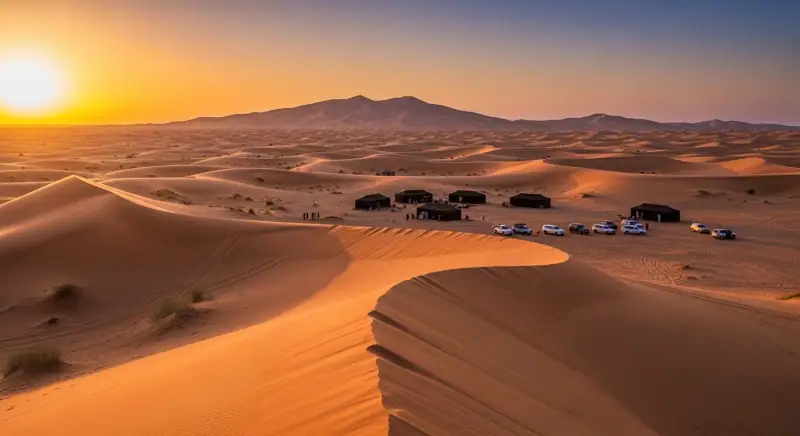
Wahiba desert in Oman: everything to know to visit the dunes
Complete guide to visiting the Wahiba Sands desert in Oman: Bedouin camps, 4x4, sunsets over the dunes and practical tips.

Watching turtles at Ras al Jinz: book ahead or on the spot?
Ras al Jinz turtles in Oman: do you need to book ahead, which season, night visit times, prices to check and tips for getting there.
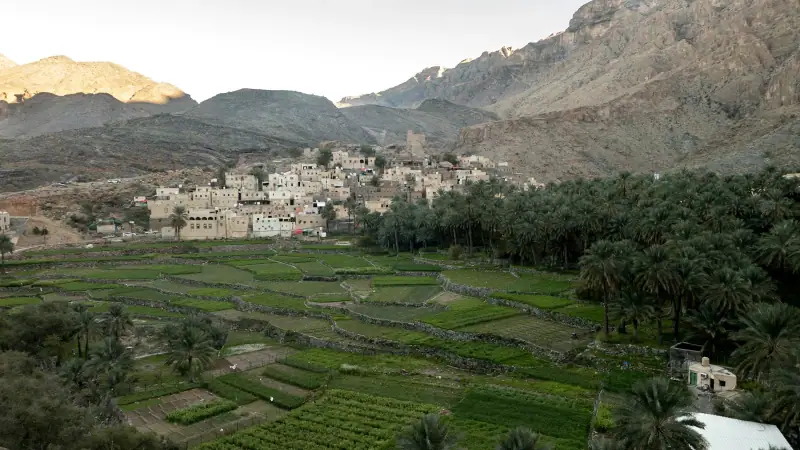
Visiting Jebel Akhdar: a complete guide to Oman's Green Mountain
Jebel Akhdar: Damask roses, hiking, perched villages and luxury resorts. A complete guide to visiting Oman's Green Mountain.
Ready-made
Oman itineraries
10 days
Oman road trip: a 10-day itinerary to explore the sultanate
MuscatNizwaJebel AkhdarWahiba desertSurSalalah
3 days
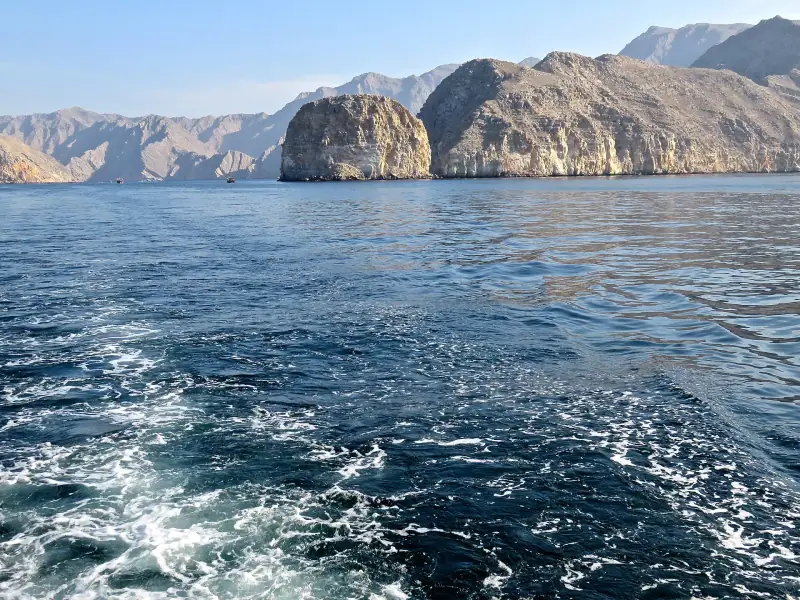
Musandam in 3 days: an itinerary through Oman's fjords
3-day Musandam itinerary: fjords, dolphins, dhow cruise and Khasab. All you need to plan a stay on Oman's enclave peninsula.

7 days