Plan your trip
New Zealand budget: real costs, 3 profiles and money-saving tips
We may earn a commission when you book through links on this page, at no extra cost to you. We don't visit or try the places we cover: we summarize published sources. How we work
In short
- Excluding international flights, plan about €55 to 75 (~$64-87) per person per day on a frugal trip, €100 to 125 (~$116-145) mid-range, and €175 (~$203) or more for comfort.
- Accommodation, adventure activities and vehicle rental in high season (December to February) weigh the most; much of the scenery is free.
- DOC standard campsites are generally NZ$10 per adult per night; a car rents for NZ$30-75 a day in winter and NZ$95-160 in high season.
- Cooking part of your meals, camping and choosing free hikes are the biggest savings; book ferries, Great Walks and activities ahead.
New Zealand has a reputation for being expensive, and it is partly deserved. The flight is long, accommodation is expensive in the southern summer and adrenaline activities carry three-figure prices. But the country also offers one of the best “free scenery / spending” ratios on the planet: trails, beaches, lakes and viewpoints cost almost nothing.
This guide details the real costs item by item, offers three budget profiles for 15 days and ends with tips to spend less without giving up the essentials. Prices are in New Zealand dollars (NZ$), and where euros appear they are converted to US dollars at €1 = $1.16. Check the current exchange rate for your own currency. Prices were compiled on October 4, 2026 from official sources (DOC, MBIE) and recent price guides, but remain approximations: they vary with the season and demand.
Key takeaway: plan about €55 to 75 (~$64-87) a day per person on a frugal trip, €100 to 125 (~$116-145) mid-range and €175 (~$203) or more for comfort, excluding the international flight.
Before you go: flights, entry costs and insurance
The first item of the budget is often the plane ticket. Prices depend heavily on your departure city and the season, so compare several dates and book well ahead. To choose your dates according to weather and prices, see our guide when to go to New Zealand.
Entry rules, travel authorizations and visitor levies depend on your passport. Check the official travel advice of your government before you book: travel.state.gov (US), GOV.UK (UK), travel.gc.ca (Canada), Smartraveller (Australia) (checked November 2026).
Then there is travel insurance: not mandatory, but strongly advised. New Zealand’s ACC system covers accidents, not illness or repatriation. The cost depends on your age, the duration and the coverage (adventure sports included or not): get several quotes rather than relying on an average figure.
Compare flights to New Zealand
Prices vary a lot from one month to the next: compare several dates before booking.
Accommodation: the item that weighs the most
Once you are there, accommodation is the most variable item. Here are the ranges observed per night:
| Type of accommodation | Indicative price per night |
|---|---|
| Basic state (DOC) campsite | free to about NZ$25 |
| Hostel dorm | about NZ$30 to 60 per person |
| Powered site in a holiday park | about NZ$40 to 60 for two |
| Cabin in a holiday park | about NZ$60 to 90 |
| Private room in a hostel | about NZ$75 to 150 |
| Motel or simple hotel | about NZ$120 to 250 for two |
| Mid-range hotel | about NZ$180 to 400 |
Camping: the country’s best deal
The Department of Conservation (DOC) runs hundreds of campsites. Basic sites are free, standard sites generally cost NZ$10 per adult per night (NZ$5 for ages 5-17, free for ages 0-4), and some better-equipped sites, such as those in Fiordland, run around NZ$18 per adult. Private holiday parks, more comfortable (kitchen, hot showers, laundry), charge more but remain very competitive with a motel.
Hostels, motels and hotels
There are many hostels in tourist towns. In high season and in resorts like Queenstown, prices climb quickly and dorms fill up: book early. Our guide on where to stay in Queenstown compares neighborhoods and price ranges. A motel with a kitchenette is often a good compromise: you cook, which lightens the restaurant bill.
Find a place to stay in Auckland
For the first or last night of the stay, compare motels and hotels near downtown.
Transport: car, campervan, ferry and bus
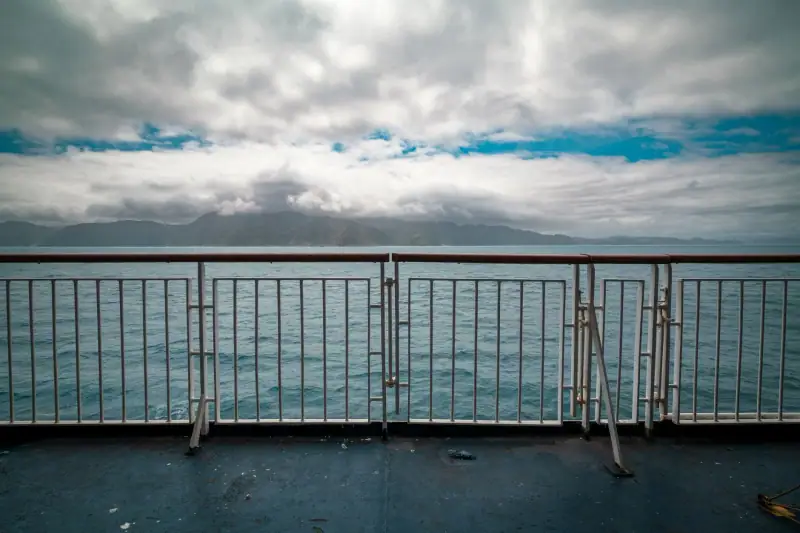
New Zealand is very hard to visit without a vehicle, unless you limit yourself to the big cities. Transport is therefore the second item of the budget.
Rental car
According to recent price surveys:
- NZ$30 to 75 a day in the southern winter (June to August);
- NZ$95 to 160 a day in high season (December to February);
- NZ$25 to 40 a day extra if you reduce the insurance deductible, which is often wise on mountain roads.
Also think about driving on the left, drop-off fees in another city (useful if you cross the country) and fuel.
Campervan
A two-berth campervan generally costs about NZ$35 to 100 a day in low season and NZ$200 to 320 or more in the southern summer. A four-berth van at the height of the Christmas period can exceed NZ$350 a day. Add insurance, campsites and fuel. The advantage: the van combines lodging and transport, and becomes worthwhile as soon as there are two or more of you and you travel outside high season. Keep in mind that in a van, you must sleep in authorized places: respect local rules, which can lead to fines.
Fuel
Pump prices fluctuated a lot in 2026. September readings report about NZ$3 to 3.30 a liter for 91 petrol (about NZ$11.35 to 12.50 per US gallon) and NZ$2.70 to 3 for diesel (about NZ$10.20 to 11.35 per US gallon). According to a price guide, allow about NZ$15 to 20 per 100 km (62 mi) for an ordinary vehicle, more for a van. Check the day’s prices before calculating your fuel budget.
Ferry between the two islands
To go from the North Island to the South Island, Cook Strait is crossed by ferry. A foot passenger pays from about NZ$50 (winter fares) and a vehicle from about NZ$220. Fares vary widely with the period and the time: book ahead, especially in summer. For itineraries, our 10-day South Island road trip and our 7-day North Island tour help you estimate the kilometers, and so the fuel.
Long-distance bus
InterCity coaches cost about NZ$12 to 55 per leg, with promotional fares if you book early. It is a workable option for a trip centered on a few cities, less so for exploring national parks and secondary roads.
Meals: from the bakery to the restaurant
Eating in New Zealand costs more than in many countries, particularly at restaurants. Typical prices:
- flat white (coffee): about NZ$5.50 to 7;
- café brunch: about NZ$24 to 32;
- main course in an average restaurant: about NZ$28 to 38;
- fish and chips: about NZ$10 to 20;
- bakery meat pie: about NZ$4.50 to 9;
- pint of craft beer: about NZ$8 to 10; glass of wine: about NZ$10 to 15;
- weekly groceries: about NZ$90 to 160 for one person, NZ$150 to 250 for a couple.
The equation is simple: cooking part of your meals halves the bill. To know what is worth tasting at a restaurant rather than cooking, read our article on New Zealand food specialties. Picnics, free barbecues in many parks and farmers’ markets are excellent ways to eat well and spend less. Note that tipping is not mandatory at restaurants, but a public holiday surcharge may be added.
Activities: free, paid and very paid
This is the real lever of your budget: you can spend two weeks paying almost nothing for activities, or spend several hundred dollars.
What is free or nearly so
Most day hikes, beaches, viewpoints and trails in national parks are free. The Tongariro Alpine Crossing, one of the finest day hikes in the country, costs only transport: shuttles to the start are offered at about NZ$50 to 65 per person depending on the date and group size.
The Great Walks
The Great Walks require booking huts or sites ahead, with a higher rate for international visitors. For the summer season, expect about NZ$150 a night for the Milford Track, about NZ$130 for the Routeburn and Kepler, about NZ$85 for the Abel Tasman and about NZ$65 for the Tongariro Northern Circuit. Tent sites are cheaper. These rates are adjusted regularly: check them on the DOC site. For a more accessible outing, our page on things to do in Abel Tasman presents day options.
Paid excursions (indicative adult prices)
- Milford Sound cruise: from about NZ$170; with the coach from Queenstown, about NZ$290 (our guide to visiting Milford Sound);
- Hobbiton visit: about NZ$130;
- glowworm caves: from about NZ$80;
- Māori cultural evening in Rotorua: about NZ$105 (things to do in Rotorua);
- whale watching: about NZ$175 to 185;
- bungy: from about NZ$320; tandem skydive: about NZ$450;
- ski day: about NZ$180 for the lift pass.
Excursions in New Zealand
Cruises, guided visits, activities: compare prices and book ahead in high season.
Three budget profiles for 15 days
Here are three realistic scenarios, calculated per person, for 15 days in the country, based on the daily spending ranges observed: about NZ$110 to 150 a day for a frugal traveler, NZ$400 to 500 a day for a couple on a mid-range budget (that is NZ$200 to 250 per person) and NZ$700 or more a day for a couple in comfort (NZ$350 or more per person). The figures exclude the international flight, entry costs and insurance.
Profile 1: frugal
DOC campsites and holiday parks, dorms from time to time, groceries and cooked meals, shared car or van outside high season, mostly free activities.
- In-country: about NZ$120 a day, that is NZ$1,800 (about €900 / $1,045); a realistic range of €825 to 1,050 ($955 to $1,220).
Profile 2: mid-range
Motels with kitchenettes, rental car with full insurance, a mix of restaurants and cooking, two or three paid excursions.
- In-country: about NZ$225 a day, that is NZ$3,375 (about €1,700 / $1,970); a range of €1,500 to 1,900 ($1,740 to $2,205).
Profile 3: comfort
Good-category hotels, regular restaurants, a comfortable vehicle, domestic flights or ferry with car, several adrenaline activities or guided excursions.
- In-country: from NZ$350 a day, that is NZ$5,250 (about €2,600 / $3,015) and more.
These figures do not include insurance, souvenirs, the unexpected or personal spending. Plan a margin of about 10%. To test these budgets, compare with the stages of our itineraries: the more you drive, the more fuel and accommodation rise.
Compare places to stay in Queenstown
The resort is one of the most expensive in the country in high season: book early and compare.
Tips to spend less
A few levers that really make a difference:
- Choose the right season. Cars, vans and accommodation cost much less outside the southern summer holidays. The van price gap between low and high season can be threefold or more. April-May and September-October are good compromises.
- Sleep in DOC campsites. Between free and NZ$10 to 18 per adult, it is unbeatable. Check access and booking conditions ahead, which can vary.
- Cook. A motel with a kitchen or a holiday park with a shared kitchen cuts the bill by half or more.
- Book early. Ferry, Great Walks, accommodation in resorts: prices rise and availability drops as the dates approach.
- Go hiking. The finest landscapes are free. Save your excursion budget for one or two memorable experiences, like Milford Sound.
- Limit the kilometers. It is better to explore one island in depth than to cross the whole country in fifteen days: you save on fuel, ferry and fatigue.
- Pay by card without fees. A card with no foreign exchange commission avoids losing a few percent on each purchase.
- Get suitable insurance, one that really covers your activities: a single accident can ruin any budget.
Recap of costs to plan
| Item | Frugal | Mid-range | Comfort |
|---|---|---|---|
| In-country, 15 days (NZ$) | NZ$1,800 | NZ$3,375 | NZ$5,250 and more |
| In-country, 15 days (converted) | about €900 ($1,045) | about €1,700 ($1,970) | €2,600 ($3,015) and more |
Flights, entry costs and insurance come on top. These figures are estimates. New Zealand prices depend a lot on the season, the exchange rate and current events (fuel notably): check rates on operators’ sites before booking.
Sources
The information was compiled on October 4, 2026 from:
- Department of Conservation (doc.govt.nz): campsite and Great Walk rates;
- Ministry of Business, Innovation and Employment (mbie.govt.nz): visitor levy;
- Immigration New Zealand: travel authorization;
- recent price guides (NZ Newswire, notably) for prices of accommodation, meals, transport and activities.
Prices change regularly: use this article as a budget base, not as a rate card.
- Department of Conservation (DOC): prices checked November 2026
- Department of Conservation (DOC): prices checked November 2026
- Department of Conservation (DOC): prices checked November 2026
- Department of Conservation (DOC): prices checked November 2026
- Hobbiton Movie Set Tours: prices checked November 2026
Frequently asked questions
What budget should you plan for 15 days in New Zealand?
Excluding flights, plan about €900 (~$1,045) per person on a frugal trip (camping, groceries, free activities), about €1,700 (~$1,970) mid-range (motels, rental car, some paid activities) and from €2,600 (~$3,015) for comfort. Flight prices depend on your departure city and the season: compare several dates.
Is New Zealand an expensive country?
Yes, especially accommodation, adventure activities and vehicle rental in high season (December to February). The scenery, on the other hand, is largely free: hikes, beaches, viewpoints and the state's basic campsites cost little or nothing.
How much does a car or campervan rental cost?
A car rents for about NZ$30 to 75 a day in winter and NZ$95 to 160 in high season, plus NZ$25 to 40 a day to reduce the insurance deductible. A two-berth campervan starts around NZ$35 to 100 a day in low season and often exceeds NZ$200 in the southern summer.
What does the entry authorization cost?
Entry rules, travel authorizations and visitor levies depend on your passport. Check the official travel advice of your government before you book: travel.state.gov (US), GOV.UK (UK), travel.gc.ca (Canada), Smartraveller (Australia) (checked November 2026). The exact amount is shown on the official site before payment.
Can you pay by card everywhere?
Yes, contactless payment is almost universal, including in small cafés, campgrounds and gas stations. A card without foreign transaction fees is useful; it is rarely necessary to withdraw much cash.
What is the best way to save money in New Zealand?
Travel outside the southern summer holidays (December to February), sleep in campgrounds or holiday parks, cook a large part of your meals, book your activities and ferry ahead, and choose the many free hikes over guided activities.
Do you need to convert New Zealand dollars?
Prices in this guide are in NZ$. Check the current exchange rate for your own currency before you leave, because a gap of a few percent changes the final bill on a stay of several weeks.
More New Zealand guides
Keep reading
When to visit New Zealand: the best time to go, month by month
What is the best time to visit New Zealand? Reversed seasons, North Island, South Island, hiking, skiing: a guide to choosing your dates.
Waiheke from Auckland without a car: ferry, bus, vineyards and prices
Get to Waiheke Island by ferry from Auckland without a car: crossing, buses on the island, beaches, vineyards, a day's budget and mistakes to avoid.
Te Anau or Queenstown: where to stay to visit Milford Sound?
Sleep in Te Anau or Queenstown for Milford Sound? Distances, drive time, budget and recommended nights: the comparison to choose without losing a day.
Ready-made
New Zealand itineraries

3 days
3 days in Auckland: a day-by-day itinerary with islands, volcanoes and beaches
What to do in 3 days in Auckland: Sky Tower, urban volcanoes, Waiheke Island and west coast beaches, with a day-by-day plan and practical tips.
3 days
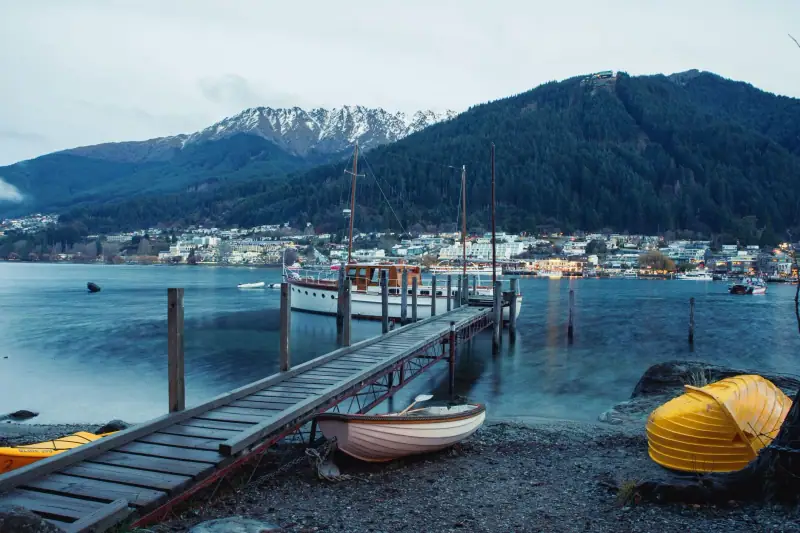
3 days in Queenstown: a day-by-day itinerary with activities and tips
What to do in 3 days in Queenstown: Lake Wakatipu, Arrowtown, Glenorchy and adventure activities, in a day-by-day plan with tips to organize it.
7 days
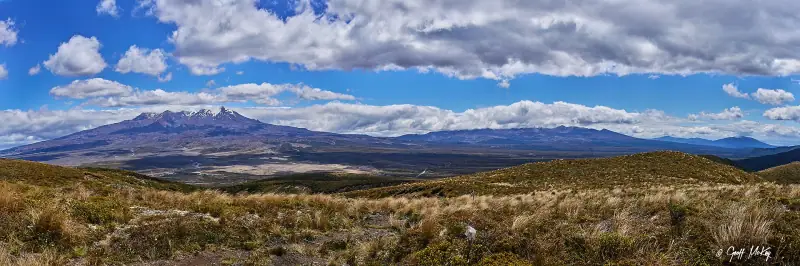
North Island road trip in 7 days: Auckland to Wellington
7-day North Island road trip: Auckland, Waitomo, Rotorua, Taupō, Tongariro and Wellington, with drive times, stops and practical tips.