Where to stay
Where to Stay in Maastricht: Neighborhoods and Types of Lodging
We may earn a commission when you book through links on this page, at no extra cost to you. We don't visit or try the places we cover: we summarize published sources. How we work
In short
- The historic center around the Vrijthof and the Markt is the most practical base for a first stay: everything is visited on foot.
- Wyck, next to the station and a few minutes' walk from the center across the Meuse bridge, is a more authentic and often calmer alternative.
- Summer weekends, events and above all carnival raise rates and fill properties; book early with free cancellation.
- One night shows the essentials; two nights add St. Peter's Hill, the Bonnefanten museum and a walk along the Meuse.
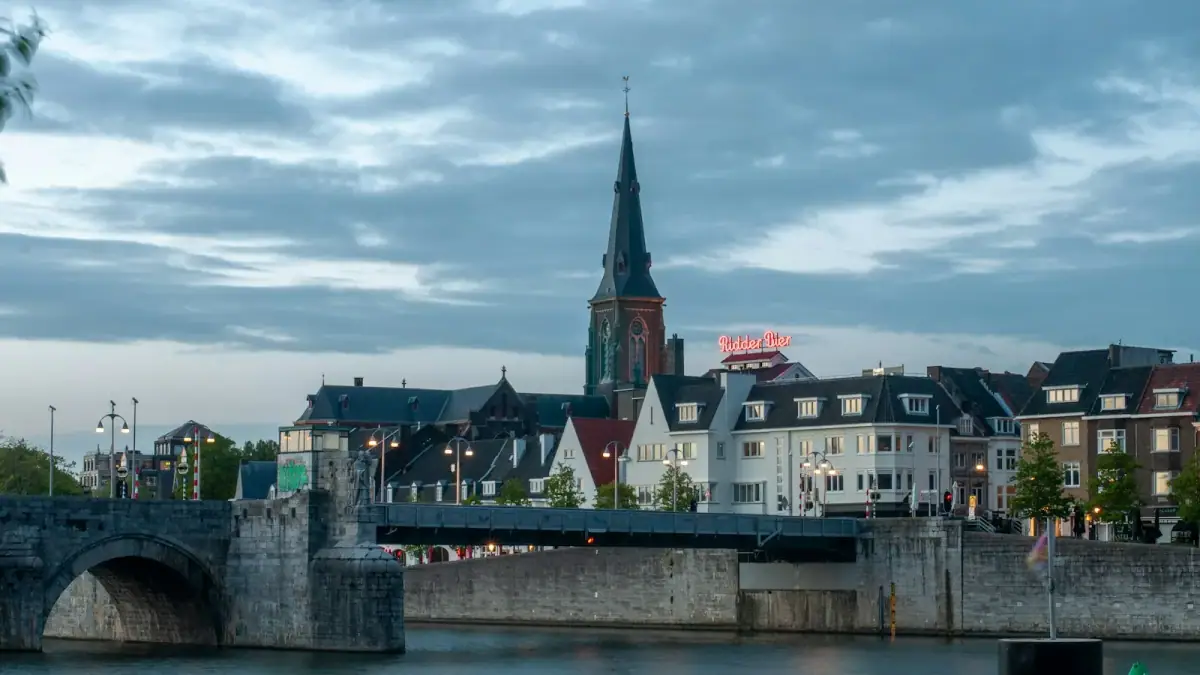
Maastricht is the southernmost city in the Netherlands, and one of the most surprising. Set on the Meuse, in the heart of Limburg, very close to the Belgian and German borders, it unfolds cobbled squares, Romanesque churches, medieval ramparts and a café terrace life that recalls Belgium as much as the canals of Amsterdam. Part of its charm comes from its size: everything is close, and the choice of neighborhood to sleep in mostly changes the mood of your evenings and the rhythm of your mornings.
This guide compares Maastricht’s main neighborhoods, their advantages and limits, then the available types of lodging, from the hotel in the center to the quieter guesthouse. To prepare your days, the article Visiting Maastricht: what to see and do in 1 to 2 days details the sites not to miss.
Maastricht in brief: a compact city with very different neighborhoods
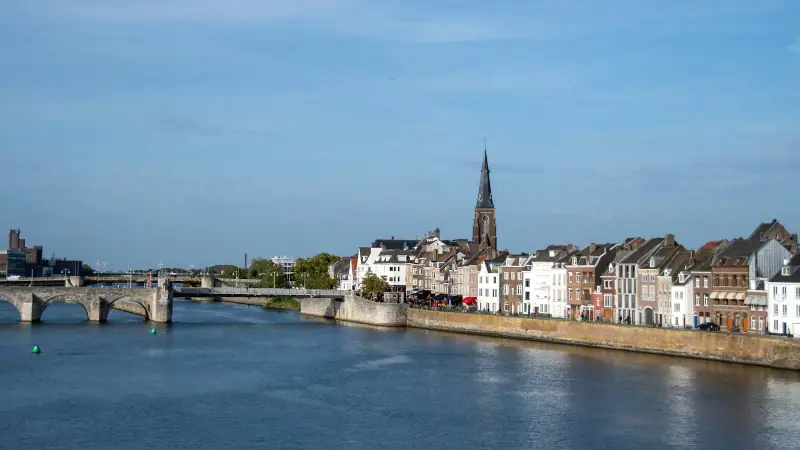
Maastricht is easy to cover on foot. The city’s tourist office presents it in eight neighborhoods: the city center, Wyck, Céramique, the Sphinx district, the Jekerkwartier, the Stokstraatkwartier, the Statenkwartier and Sint Pieter. Each has its own personality, but they are close enough to one another that a choice of neighborhood is never irreversible.
A geographic landmark is useful before booking. The station is on the side of Wyck, separated from the old center by the Meuse, which you cross by a bridge, in a few minutes on foot. The historic center, with the Vrijthof and the Markt, is on the other side. The Céramique and Sphinx districts extend Wyck along the river, while Sint Pieter stretches toward the hill of the same name, to the south, across the municipal park.
Another useful piece of information: the center’s lodging offer is varied but limited in volume, and charming properties fill up fast on weekends, during events and at carnival. If you are unsure about the period, read the guide on when to go to the Netherlands.
The historic center, the best base for a first stay
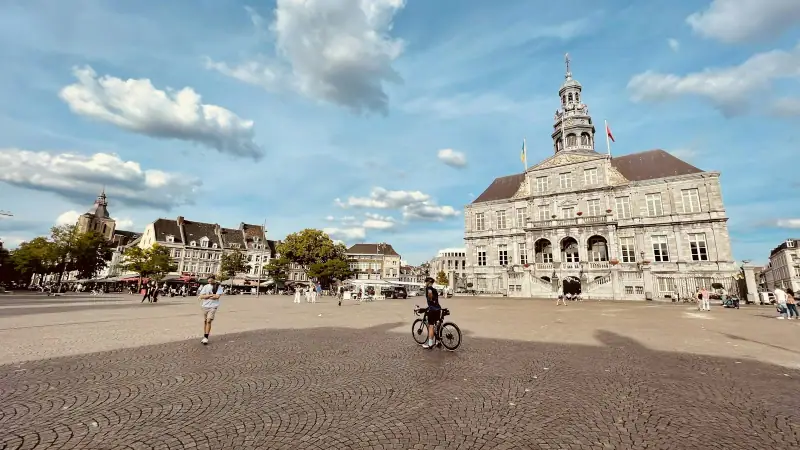
For a first visit, this is the simplest choice. Around the Vrijthof and the Markt, the center gathers the basilicas, the café terraces, the main shopping streets and the start of most walks. Everything is on foot, and you enjoy the city from the morning, before the day visitors arrive, as well as in the evening, when the streets regain their calm.
Advantages: no transport constraints, old-town atmosphere, a wide choice of cafés and restaurants nearby, a romantic mood in the evening.
Limits: the best-placed lodgings are more expensive and are booked early. On weekend nights, the proximity of lively squares can bring a little noise: ask for a courtyard room if you are a light sleeper. Cobblestones also complicate getting around with a wheeled suitcase.
🏨 Sleeping in central Maastricht: compare hotels and guesthouses near the Vrijthof and the Markt for your dates, keeping free cancellation if possible.
Wyck, the station district: charm, restaurants and independent shops
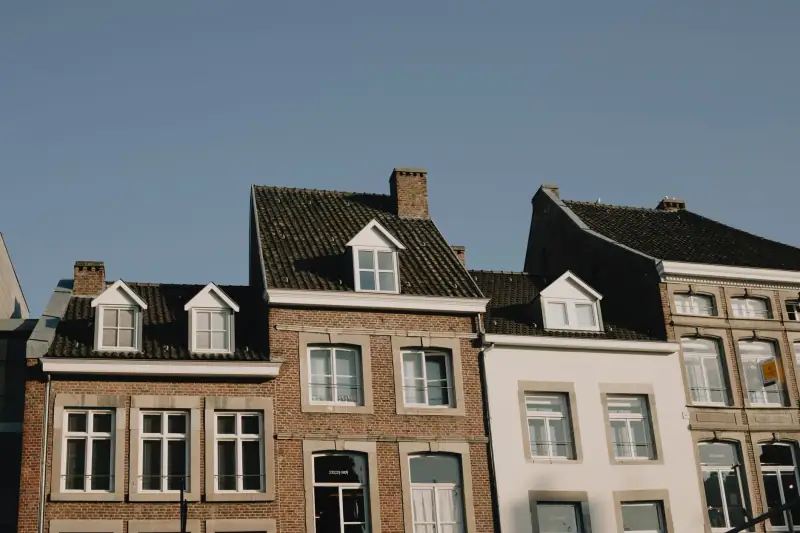
Wyck is one of the favorite addresses of those who want a stay that is both practical and authentic. On the road between the station and the center, you find historic buildings, second-hand shops, galleries, restaurants and cafés frequented by residents. The tourist office describes it as one of the most charming neighborhoods in the city.
Advantages: arrival by train steps away, a less touristy atmosphere than the Vrijthof, good places for dinner, and a walk of a few minutes to the center across the bridge over the Meuse.
Limits: the evening atmosphere is more local and less monumental; you must cross the river to reach the basilicas and the Vrijthof. The district suits those who prefer to dine on a lively street rather than in the middle of a large square.
It is an excellent compromise for a two-night weekend, or for a train stop from another city: the guide to getting around the Netherlands by train and bike explains how to combine the trips.
The Jekerkwartier and the Stokstraatkwartier, for charm and evening atmosphere
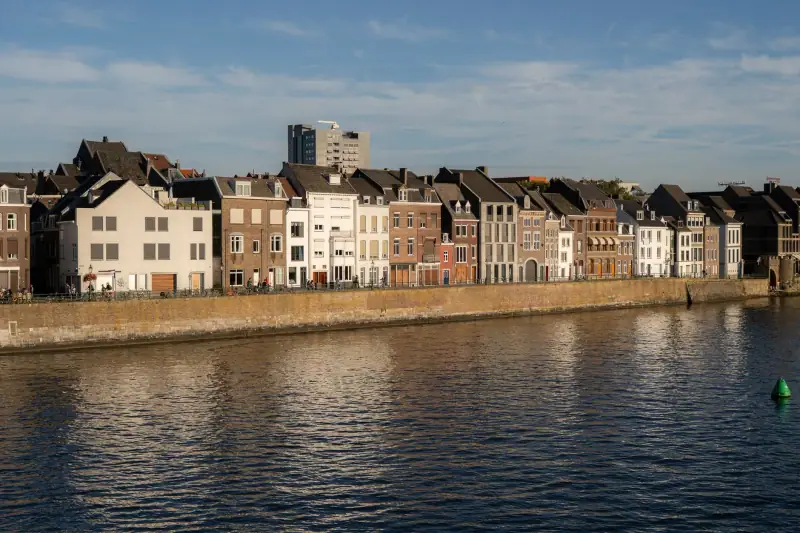
At the foot of the ramparts, the Jekerkwartier gathers bistros, a former water mill and small picturesque streets along the Jeker river. People come for an evening drink, and the atmosphere is more intimate than on the big squares. It is an atmospheric district, ideal for a couple’s stay.
The Stokstraatkwartier, very close, is known for its upscale shops, galleries and small cafés. The lanes are elegant, and you find guesthouses and small charming hotels in old houses.
Advantages: picturesque, pleasant evenings, a few steps from the Vrijthof and the ramparts.
Limits: these districts are in high demand for the character of their streets, and supply is limited. Rates reflect the setting, and some streets that are lively in the evening can be noisy. Read recent reviews to check the atmosphere of the exact street.
Céramique and the Sphinx district, for modern architecture
Extending Wyck along the Meuse, Céramique is a modern district, known for its contemporary architecture, the municipal library and the Bonnefanten art museum. The Sphinx district, a former industrial site that has been converted, now hosts cinemas, concert venues and hotels, around the old harbor basin.
Advantages: often modern and functional lodgings, a contemporary atmosphere, proximity of the museums and the station on foot.
Limits: less historic character than the center or the Jekerkwartier. The district suits those who appreciate recent architecture or want functional lodging, but not those who dream of medieval lanes under their window.
Sint Pieter, for calm and greenery
South of the center, Sint Pieter is a residential, leafy district, reachable on foot from the center across the municipal park, down to the foot of St. Peter’s Hill. It is the place for a quiet stay, near nature and walks or bike rides. Families often find more calm and more space there. The Statenkwartier, a lively district mixing residents, students and visitors, is another residential option, closer to the center.
Advantages: more tranquility, a greener setting, often more spacious lodgings.
Limits: you have to walk or pedal to reach the Vrijthof, and in the evening there is less activity. If you go out a lot, plan a well-lit walk or ride back.
🎟️ Discover Maastricht with a guide: a walking tour, a boat ride on the Meuse or a cave visit help you spot the neighborhoods before choosing yours.
Hotel, guesthouse, apartment or hostel: how to choose?
The type of lodging matters almost as much as the neighborhood.
- Hotel: the simplest solution for a short stay. Reception, breakfast and services, with properties of all categories, from the functional model near the station to the charming hotel in an old house. It is the right choice if you want a clear setting and readable cancellation terms.
- Guesthouse: very pleasant in the old districts, for the personal welcome and the setting. Capacity is limited, so book early. Check arrival times and whether you can store your luggage.
- Apartment or furnished rental: practical for a stay of several nights, as a family or group, thanks to the kitchen and space. Check access (steep stairs are common in old houses) and the parking rules.
- Hostel: an economical option for solo travelers or tight budgets, with dorms and private rooms depending on the property. Maastricht being a university city, the atmosphere is often young.
- Campsite or lodging on the outskirts: possible for those traveling by camper or wanting to explore the Limburg countryside, but less practical if you only visit the city.
To compare these options with other cities in the country, you can browse the guides to sleeping in Utrecht and sleeping in Delft.
Sleep in Maastricht or in a neighboring city?
Maastricht is close to Belgium and Germany, and some travelers hesitate to look for lodging across the border to save money. In practice, this is rarely justified for a short stay: you lose travel time, have to manage the return in the evening, and miss the atmosphere of the city once the day visitors have left. The saving is often modest compared with the comfort lost.
Conversely, if Maastricht is only a stop on a wider circuit, ideally, link it to the other cities by train, without necessarily sleeping several nights there. The 7-day itinerary in the Netherlands offers a split of nights between the big cities.
🏨 Compare lodging across the region: if Maastricht is full on your dates, widen your search to other cities in the Netherlands, linked by train.
What budget to plan for sleeping in Maastricht?
Rates vary a lot by season, neighborhood and type of property, and this guide deliberately avoids quoting figures that change from month to month. A few common-sense markers:
- Weekends, summer and events (including carnival) push prices up and exhaust supply; weekdays and low season are more affordable.
- The center and the Jekerkwartier are generally more expensive than Céramique, Wyck or the residential districts, for equivalent comfort.
- Hostels and simple rooms remain the most economical solution.
- Breakfast is sometimes extra: compare the total price, not only the room rate.
To place lodging within the overall cost of a trip, see the article on the budget for a trip to the Netherlands.
Tips for choosing
A few habits simplify booking:
- Choose the neighborhood according to the atmosphere you want: center for liveliness, Wyck for authenticity and the station, Jekerkwartier for charm, Sint Pieter for calm.
- Book early for weekends, summer and carnival.
- Choose free cancellation as long as your dates are not final.
- Read recent reviews about noise, bedding and luggage access.
- Check the stairs and the elevator in old houses if you travel with a heavy suitcase or children.
- Leave the car behind: the center is compact, and parking there is limited.
🚗 Rent a car: useful if you extend your stay into the hilly Limburg countryside. Compare rental companies and rates for your dates.
In short
Maastricht is small enough for every neighborhood to stay within walking distance, but varied enough for the choice to matter. The historic center suits a first stay, Wyck combines the station, restaurants and authenticity, the Jekerkwartier gives charming evenings, Céramique and the Sphinx district a modern setting, and Sint Pieter tranquility. Book early, compare lodging types and keep free cancellation: with one or two nights there, you will see a very different Maastricht, that of the evening and the early morning.
Frequently asked questions
What is the best neighborhood to stay in Maastricht?
For a first stay, the historic center, around the Vrijthof and the Markt, is the most practical: everything is visited on foot. Wyck, steps from the station, is an excellent alternative, more authentic and often calmer, with good restaurants and independent shops.
Should you stay near Maastricht station?
It is a good option if you arrive late, leave early or travel a lot by train. The Wyck district, right next to it, links the station to the center in a few minutes on foot across the bridge, and has a nicer atmosphere than many station areas.
How many nights should you plan in Maastricht?
One night lets you see the essentials and enjoy the city in the evening, once the day visitors have left. Two nights leave time to add St. Peter's Hill, the Bonnefanten museum and a walk along the Meuse without rushing.
Is lodging in Maastricht expensive?
Prices vary strongly by season: summer weekends, events and above all carnival push rates up and fill properties. On weekdays and out of season, supply is more flexible. Book early and choose free-cancellation offers.
Can you stay in nearby Belgium or Germany to visit Maastricht?
Maastricht is very close to the Belgian border, but sleeping abroad means adding trips and complicates the return in the evening. For a visit centered on the city, staying in the city remains simpler and more pleasant.
Do you need a car to stay in Maastricht?
No. The city is compact, the train serves the station and a bike is enough to reach St. Peter's Hill. A car is only useful for exploring the Limburg countryside, and parking in the center is limited and often paid: check the conditions of your lodging.
What is the best period to book in Maastricht?
Spring and early fall offer a good balance between mild weather, open terraces and reasonable crowds. If you are aiming for carnival, a festival weekend or the summer season, book several weeks ahead.
More Netherlands guides
Keep reading
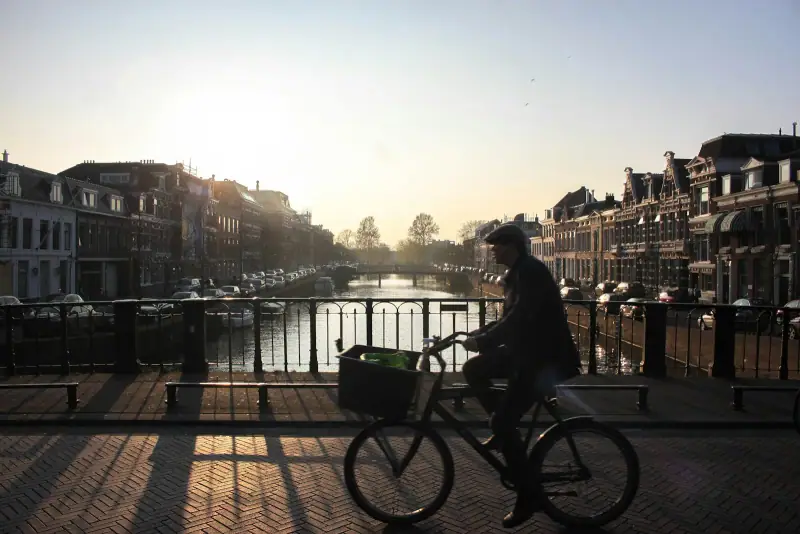
Where to Stay in Haarlem: Neighborhoods and Types of Lodging
Grote Markt, Spaarne banks, station area or nearby coast: compare Haarlem's neighborhoods and lodging types to choose where to stay.
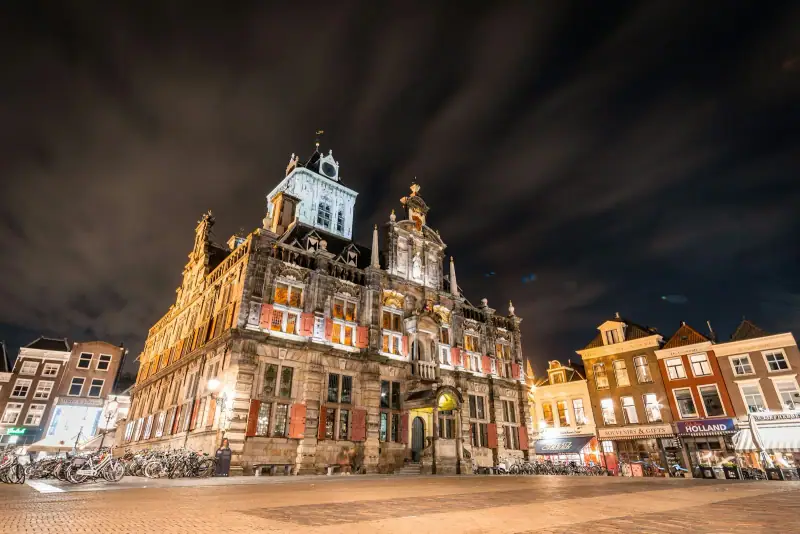
Where to Stay in Delft: Neighborhoods and Types of Lodging
Historic center, station area, Agnetapark or campus: compare Delft's neighborhoods and lodging types to choose where to stay.
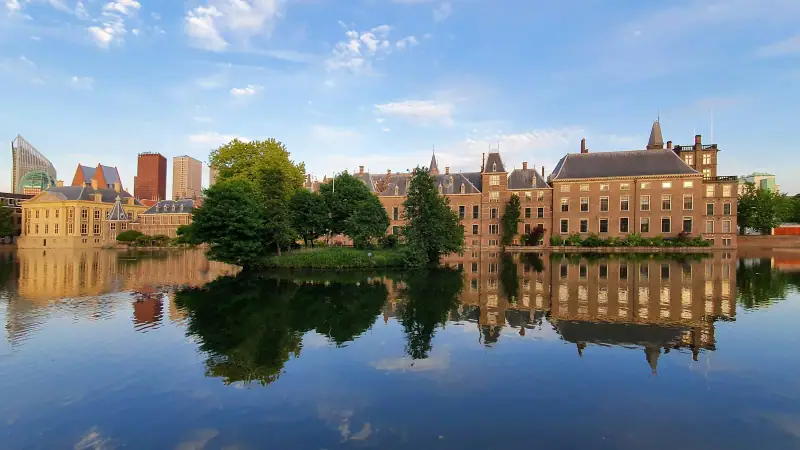
Where to Stay in The Hague: Neighborhoods and Types of Lodging
Center, Scheveningen, Statenkwartier, Zeeheldenkwartier or Hollands Spoor: compare The Hague's neighborhoods and lodging types to choose where to stay.
Ready-made
Netherlands itineraries
4 days
Amsterdam and Maastricht in 4 Days Without a Car: Is It Doable by Train?
AmsterdamMaastricht
7 days
Netherlands 7-Day Itinerary: Amsterdam, Delft, Rotterdam, Kinderdijk and Utrecht
A one-week itinerary in the Netherlands by train: Amsterdam, Haarlem, Zaanse Schans, The Hague, Delft, Rotterdam, Kinderdijk and Utrecht, day by day.