Where to stay
Where to Stay in Haarlem: Neighborhoods and Types of Lodging
We may earn a commission when you book through links on this page, at no extra cost to you. We don't visit or try the places we cover: we summarize published sources. How we work
In short
- The historic center around the Grote Markt and St. Bavo Church is the best base for a first stay; the Spaarne banks are a calmer alternative.
- Haarlem is about 15 minutes by train from Amsterdam Centraal and is generally more affordable than Amsterdam for an equivalent category.
- Central supply is limited and fills up fast in spring, summer and on weekends; the tulip season is especially busy.
- Zandvoort, about ten minutes by direct train, is an option for sleeping near the beach.
Haarlem is often described as a more peaceful version of Amsterdam: the same gabled brick facades, the same canals, but calmer streets, a large market square dominated by a massive church, quality museums and hidden inner courtyards. The capital of North Holland, it lies about 15 minutes by train from Amsterdam Centraal, which makes it both a destination in its own right and a very practical base for exploring the region.
This guide reviews the neighborhoods to stay in Haarlem, their advantages and limits, then compares the types of lodging and answers the question many travelers ask: is it better to stay here or in Amsterdam? If you are still unsure about the city’s place in your trip, the article on Utrecht and Haarlem, two easy day trips from Amsterdam details what there is to see.
Haarlem in brief: a compact, well-connected city
Haarlem’s center is compact. Haarlem station is north of the historic center, and a short walk, about ten minutes, leads to the Grote Markt, the large square around which the town hall, St. Bavo Church (Grote or Sint-Bavokerk) and many café terraces are arranged. From there, a few pedestrian streets reach the Spaarne river, which runs through the city with its lively quays, then the shopping lanes of the center.
This compactness simplifies the choice: the difference between neighborhoods comes down to minutes on foot or by bike, more about atmosphere and noise than distance. Trains serve Amsterdam at a high frequency during the day, as well as other cities in the region and the coast. To understand how trains, tickets and bikes work, see the guide to getting around the Netherlands by train and bike.
Another asset: the city is a natural starting point for the dunes and the beach, reachable by train then by bike or bus. It can therefore suit a cultural weekend as well as a stay of several days alternating city and nature.
The historic center around the Grote Markt, the best base for a first stay
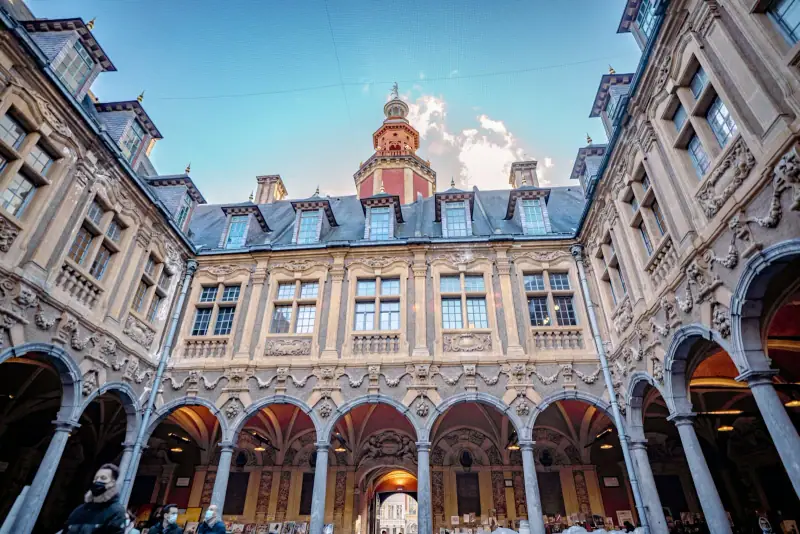
Sleeping around the Grote Markt means enjoying Haarlem at its best: in the morning, when the square is almost empty and the light is soft on the bricks, and in the evening, when the café terraces come alive without becoming overwhelming. The main sites are a few steps away: St. Bavo Church, the shopping lanes, the Frans Hals Museum, devoted to the Golden Age portrait painter, and the hofjes, those small inner courtyards surrounded by low houses.
The offer is made of small charming hotels, guesthouses and apartments in old houses, plus a few mid-sized hotels. That often means modest rooms and steep, narrow stairs, sometimes without an elevator: something to check if you travel with a heavy suitcase, children in strollers or reduced mobility.
The main drawback is noise. The square and neighboring streets stay lively late on weekend evenings, and the bells ring regularly. If you are a light sleeper, ask for a courtyard room or one facing a side street, and read recent reviews. The weekly market is held on the square one day a week; if that matters to you, find out the day and the setup, which can start early.
🏨 Sleeping steps from the Grote Markt: the small hotels and guesthouses in the center are few and go early in spring and summer. Compare offers and keep, if possible, free cancellation.
The Spaarne banks, for calm and water views
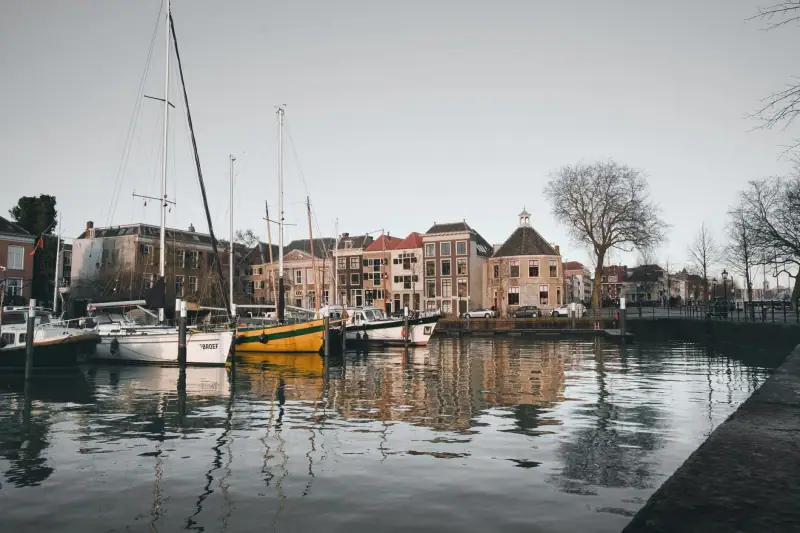
The Spaarne river is the city’s most picturesque axis. Its quays, lined with old houses, houseboats and small bridges, have a quieter atmosphere than the main square. The De Adriaan windmill, which overlooks the bank, is one of Haarlem’s most photographed landmarks and can be spotted from afar.
Staying near the water suits couples and those who like to wander. You mostly find guesthouses, small hotels and apartments, in old houses or converted buildings. The lively center remains reachable in a few minutes on foot, so you get both the calm of the night and the proximity of the sites. Check bike access and secure storage if you travel with your own, and keep in mind that the cobbled quays are tiring with a wheeled suitcase.
The station area, for convenience and tight budgets
Around Haarlem station, the atmosphere is more functional. You find more business-type or chain hotels, with standard rooms sometimes more spacious and rates a bit lower than in the historic heart. The district is mainly a place of passage, practical but less picturesque.
The advantages are concrete: simplified arrival and departure, quick connections, and a walk of about ten minutes to reach the Grote Markt. The drawbacks are just as real: little charm, little life in the evening and a few noisy streets near the tracks. This area suits those who use Haarlem as a base to fan out and spend more time outside than in the city, or who arrive late and leave early. If your stay ends with a morning flight, the article on sleeping near Schiphol or in Amsterdam before an early morning flight can also help you compare options.
Shopping and residential neighborhoods around the center
Around the historic core extend more residential districts, mixing brick houses, shopping streets and small parks. Several pedestrian or semi-pedestrian streets, such as Kleine Houtstraat, host independent shops, cafés and restaurants, with a more local neighborhood feel than on the main square.
Sleeping in these areas means choosing more spacious lodging, often an apartment or a guesthouse, at a sometimes more reasonable price. They suit stays of several days, families and travelers who like using neighborhood shops. The center is a few minutes by bike or a walk of about fifteen to twenty minutes depending on the address: check the real distance before booking rather than the straight-line distance.
🎟️ Discover Haarlem with a guide: a walking tour or a boat tour helps you spot the neighborhoods before choosing yours, and understand the history of the city, its hofjes and its painters.
Zandvoort and the coast, for sleeping near the beach
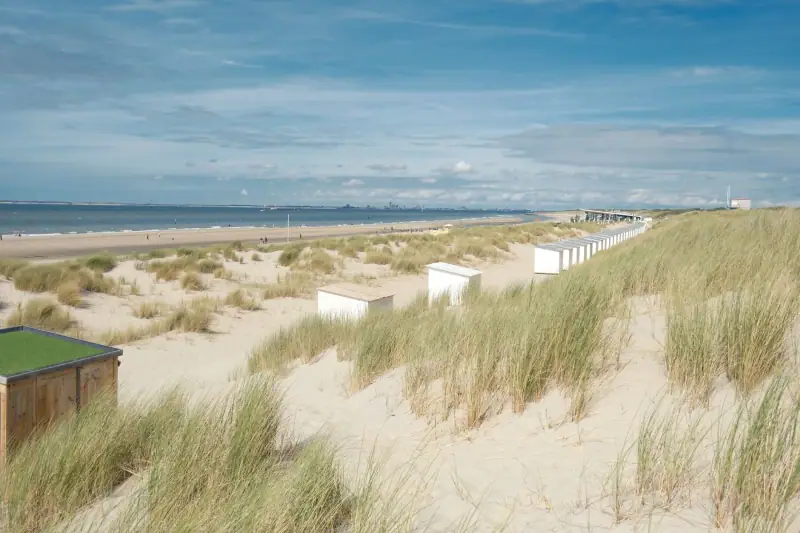
If the sea is your priority, you can stay on the nearby coast rather than in the city. The seaside resort of Zandvoort is linked to Haarlem by a direct train line, a trip of about ten minutes. The atmosphere is that of a Dutch resort: a large sandy beach, a promenade, beach restaurants busy in summer and a town almost asleep in winter.
The advantage is obvious for a family stay or in summer: you sleep a few steps from the sand and reach Haarlem and Amsterdam by train. The limits are just as clear: prices rise in season and during events, the offer is very geared to beach tourism, and cultural life is smaller. Out of season, the atmosphere is calm, which suits those looking for walks in the dunes and a relaxing stay. Keep the last train time in mind if you dine in Haarlem.
Hotel, guesthouse, apartment or hostel: how to choose?
The charming hotel is the most representative option of the center. Compact, often set in an old house, it offers an unbeatable location but small rooms. It suits short stays of one to three nights, and couples.
Modern and chain hotels, mostly concentrated around the station and in more recent areas, offer more spacious rooms, often with an elevator, and sometimes a breakfast buffet. They suit families, business travelers and those who arrive with a lot of luggage.
The guesthouse is an excellent option in Haarlem, where the welcome makes the difference. Breakfast is often included and the host readily recommends places. Rooms are few, however: book far ahead for weekends and the tulip season.
The apartment makes sense from three or four nights, for a family or to cook. Tourist rentals are subject to local regulation: make sure the listing is in order and read the conditions (deposit, arrival times, cleaning).
The hostel is an option for tight budgets and solo travelers, but supply is smaller than in Amsterdam. If you cannot find a place, compare with the capital’s hostels, a quarter hour away by train.
Do not forget the tourist tax: it is set by the municipality and sometimes added to the displayed price. Always read the final rate before confirming.
Sleep in Haarlem or Amsterdam: how to decide?
Haarlem and Amsterdam are so close that it is fair to ask the question. Here is how to decide.
Sleep in Haarlem if you want a quiet stay, more affordable lodging for an equivalent category, a city easy to explore by bike and quick access to the beach. It is an excellent choice for a stay of three to five days that combines the capital and day trips, because you return in the evening to a more peaceful city. The train trip to Amsterdam, about a quarter hour, is very simple.
Sleep in Amsterdam if your program revolves around going out, museums and evenings: you will avoid the last trains and save time. The guide to sleeping in Amsterdam details the neighborhoods, from the canal center to De Pijp.
In spring, the bulb region attracts many visitors. Haarlem is a possible base for Keukenhof and the tulip fields, but bus connections vary by season: check the schedules before booking. Properties then fill up very early.
To place Haarlem in a wider trip, the 7-day itinerary in the Netherlands offers a coherent sequence between the capital, Haarlem, Zaanse Schans, The Hague, Delft, Rotterdam and Kinderdijk.
🏨 Compare lodging across the region: if Haarlem is full on your dates, also look at Amsterdam or neighboring cities, served by frequent trains.
What budget to plan for sleeping in Haarlem?
Prices vary a lot by season, day of the week and type of lodging. Haarlem is generally more affordable than Amsterdam for an equivalent category, but the scarcity of supply in the center can push rates up in spring, summer and on weekends. Hotels around the station and on the outskirts are often the cheapest, guesthouses sit in a middle range, and the small charming hotels of the historic heart are generally the most expensive.
To estimate your overall spending, see the guide to the budget for a trip to the Netherlands. A few habits help keep the bill under control: travel on weekdays rather than weekends, avoid peak crowds, book early, compare several neighborhoods and check whether breakfast is included. If the center is too expensive, staying a few minutes away by bike or in Amsterdam and using the train remains a simple solution.
Tips for choosing
- First stay, one to two nights: the historic center around the Grote Markt, to do everything on foot.
- Romantic, quiet stay: the Spaarne banks and neighboring lanes.
- Late arrival, early departure, tight budget: the station area.
- Stay of several days, family, calm: residential neighborhoods, with bikes.
- Beach and relaxation: Zandvoort, checking train times.
Whatever the neighborhood, check four points before booking: access (stairs, elevator), the walking distance from the station, recent reviews about noise, and cancellation terms. Keep a free-cancellation option as long as your plans are not fixed. If you travel by bike, make sure the lodging has a safe place to store it. To choose the best period, also see when to go to the Netherlands.
In short
In Haarlem, the choice of neighborhood comes down to atmosphere more than distance. The historic center is the most charming and the most practical for a first stay, the Spaarne banks bring calm, the station area convenience and low prices, residential districts space, and Zandvoort the sea. Book early for spring, summer and weekends, compare with Amsterdam if supply is full, and choose the type of lodging that matches the length of your stay.
Frequently asked questions
What is the best neighborhood to stay in Haarlem?
For a first stay, the historic center, around the Grote Markt and St. Bavo Church, is the most pleasant: museums, restaurants and canals are on foot, and the station is a reasonable walk. The Spaarne banks offer a calmer alternative.
Should you stay in Haarlem or Amsterdam?
Haarlem is calmer, often more affordable for an equivalent category and simpler for parking or cycling. Amsterdam is about 15 minutes away by train, so nothing prevents you from staying in Haarlem to visit the capital; if you want to go out late in the evening in Amsterdam, staying there is more comfortable.
Is Haarlem a good base for visiting the region?
Yes. The city is served by frequent trains to Amsterdam, Leiden and the coast, and cycling gets you to the dunes and the beach. It is also a possible base for the bulb region in spring, checking the season's bus connections.
How many nights should you plan in Haarlem?
One night is enough for the historic center, the museums and the inner courtyards. Two or three nights let you add the beach, a windmill or a trip to Amsterdam and neighboring cities without rushing.
Is lodging in Haarlem expensive?
Generally more affordable than Amsterdam for an equivalent category, but supply in the center is limited and fills up fast in spring, summer and on weekends. Book early, compare several dates and check the final price with the tourist tax.
Can you do without a car when staying in Haarlem?
Yes, and it is even preferable. The station links the city to the main destinations, the center is covered on foot and cycling completes the picture. Parking in the center is paid and limited.
Are there neighborhoods to avoid in Haarlem?
Haarlem is a safe city with no neighborhood really to avoid. The differences are mostly about the noise of café streets, the distance from the center and the atmosphere of the exact street: read recent reviews before booking.
More Netherlands guides
Keep reading
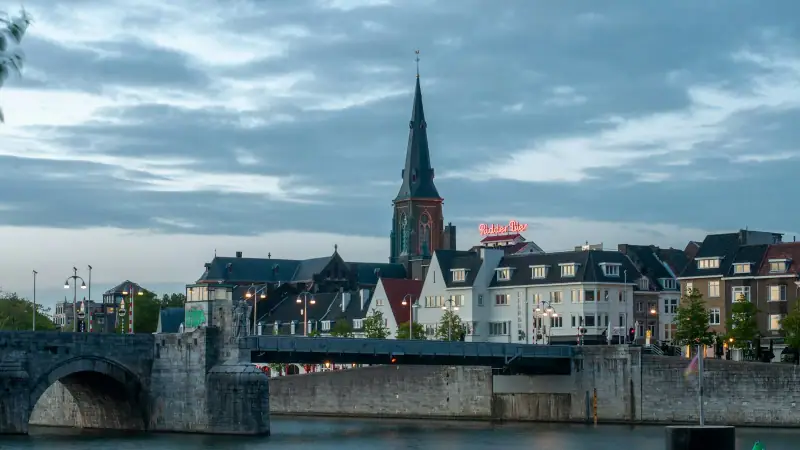
Where to Stay in Maastricht: Neighborhoods and Types of Lodging
Historic center, Wyck, Jekerkwartier, Céramique or Sint Pieter: compare Maastricht's neighborhoods and lodging types to choose where to stay.
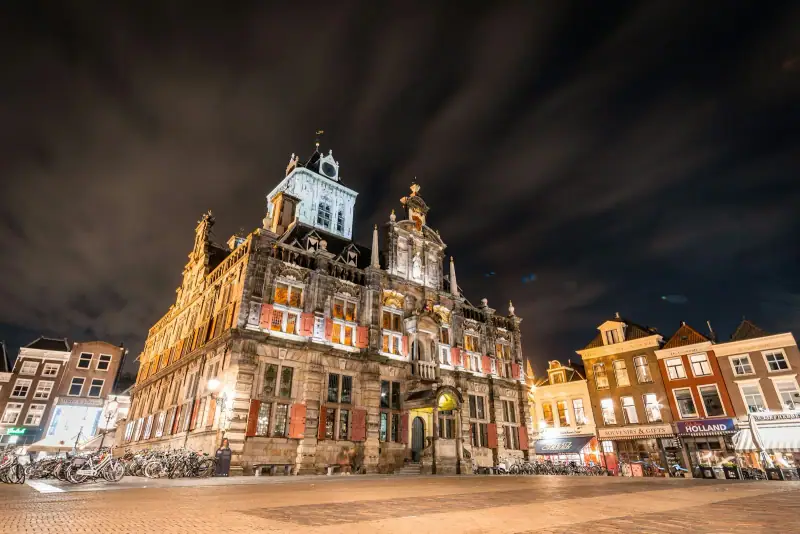
Where to Stay in Delft: Neighborhoods and Types of Lodging
Historic center, station area, Agnetapark or campus: compare Delft's neighborhoods and lodging types to choose where to stay.
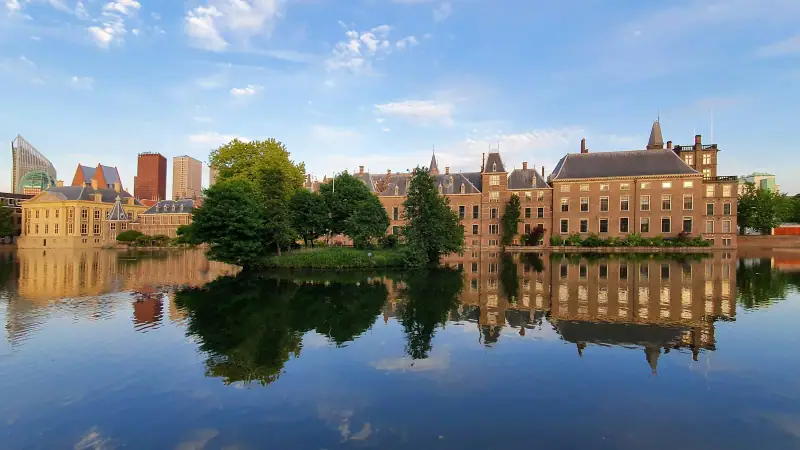
Where to Stay in The Hague: Neighborhoods and Types of Lodging
Center, Scheveningen, Statenkwartier, Zeeheldenkwartier or Hollands Spoor: compare The Hague's neighborhoods and lodging types to choose where to stay.
Ready-made
Netherlands itineraries

4 days
Amsterdam and Maastricht in 4 Days Without a Car: Is It Doable by Train?
AmsterdamMaastricht
7 days
Netherlands 7-Day Itinerary: Amsterdam, Delft, Rotterdam, Kinderdijk and Utrecht
A one-week itinerary in the Netherlands by train: Amsterdam, Haarlem, Zaanse Schans, The Hague, Delft, Rotterdam, Kinderdijk and Utrecht, day by day.