What to see
Visiting Maastricht: What to See and Do in 1 to 2 Days
We may earn a commission when you book through links on this page, at no extra cost to you. We don't visit or try the places we cover: we summarize published sources. How we work
In short
- One day covers the center on foot: Vrijthof, two basilicas, the Dominican bookstore, the Helpoort and the Meuse banks; a night adds Wyck and the St. Peter's Hill caves.
- From Amsterdam Centraal, allow a little over two hours by train with one or two changes; the station is a few minutes' walk from the old center.
- The specialty to try is vlaai, the Limburg fruit pie on thin crust.
- The center is compact and largely pedestrian; a car complicates parking in the old town.
In the southeast of the Netherlands, in the province of Limburg, Maastricht does not quite resemble the rest of the country. There are no aligned canals as in Amsterdam: the city stretches on both sides of the Meuse (the Maas in Dutch), in a landscape of gentle hills, with cobbled squares, Romanesque churches, medieval ramparts and a “good living” culture closer to the south than to Holland. It is one of the oldest cities in the country, and one of the most pleasant to explore on foot. Here is what to see, what to do and how to organize a visit of one or two days.
Why Maastricht is different from the rest of the Netherlands
Maastricht lies at the southern tip of the Dutch part of the country, in a narrow strip of land squeezed between neighboring borders. This position explains a lot: a distinct Limburg dialect, a deeply rooted Catholic tradition, joyful festivals (carnival, called Vastelaovend here, has a major place) and a cuisine that looks south. The city’s name comes from the Latin Mosae Trajectum, “the crossing of the Meuse”: the first Roman bridge gave birth to the city.
For a traveler who already knows Amsterdam, Maastricht is a breath of fresh air. The historic center is compact, lively, and mixes religious heritage, café terraces, bookstores and independent shops. The city is also known for giving its name to the treaty signed in 1992, a founding act of the European Union as we know it, which gives it a reputation as an open and cosmopolitan city, at ease with languages and foreign visitors.
If you are planning a wider stay, Maastricht complements a circuit in the north and west of the country well. The seven-day itinerary in the Netherlands stays centered on the coast, and the city can be added as an extension or a separate stop.
The Vrijthof, the big square of the center
🏨 Sleeping in Maastricht: the historic center, the Jekerkwartier and the Wyck district are the most practical areas for doing everything on foot. Compare lodging for your dates, especially if you come on a weekend or during carnival.
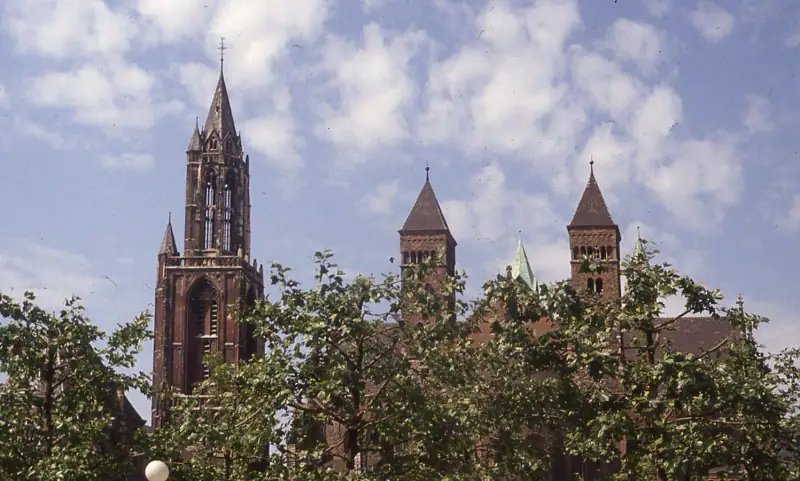
The heart of Maastricht’s social life is the Vrijthof, a vast cobbled square lined with terraces, surrounded by old facades and dominated by two neighboring, very different churches. This is where you settle for a late-morning coffee, where many open-air events are held and where the visit naturally begins. The square is lively by day and by night, and its size lets you see the city breathe without an oppressive crowd.
Around the Vrijthof gather cafés and brasseries where you can have a simple lunch. If you like watching local life, come at two moments: early in the morning, when the square is calm and the light highlights the facades, then late in the afternoon, when the terraces fill up. Terrace prices on the square are generally a bit higher than on adjacent streets: one street farther, you will find simpler and often more authentic places.
The square is also the starting point of many walking tours, and the nearby tourist office offers up-to-date maps and advice on the week’s events, a good habit before building your program.
The St. Servatius and Our Lady basilicas
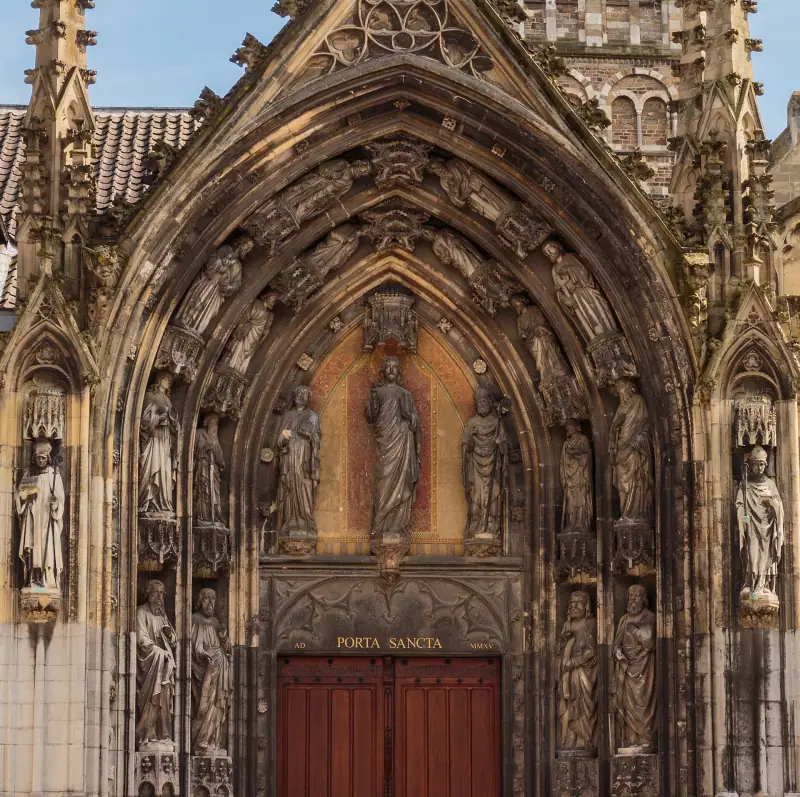
Two religious monuments dominate Maastricht’s Romanesque atmosphere. The Basilica of St. Servatius (Sint-Servaasbasiliek), which borders the Vrijthof, is one of the oldest churches in the country. It houses a renowned treasury of religious metalwork, and its architecture mixes Romanesque and Gothic elements, a sign of several centuries of construction and alterations. It was built around the tomb of St. Servatius, bishop of Tongeren in the 4th century, whose cult made Maastricht a place of pilgrimage.
A few steps away, the Basilica of Our Lady (Onze-Lieve-Vrouwebasiliek) charms with its austere Romanesque style, massive walls and peaceful cloister. Its west facade, almost defensive, contrasts with the softness of the interior. The atmosphere is more intimate than in the big neighboring basilica, and it is a good place to stop for a few minutes away from the bustle of the terraces.
A few tips for visiting these places:
- Hours: churches and their treasuries have access hours that vary by season and services. Check them on official sites or at the tourist office before going.
- Dress: these are places of worship. Appropriate dress and discreet behavior are expected.
- Tickets: entry to the church may be free while access to the treasury or cloister is paid; ask there.
A bookstore in a Dominican church
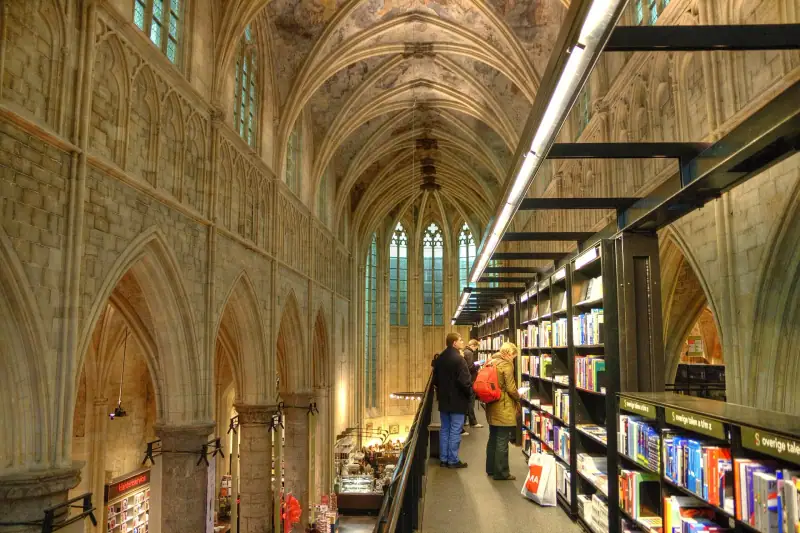
It is one of the most photographed places in Maastricht, and rightly so: the Boekhandel Dominicanen occupies a former 13th-century Dominican church turned into a bookstore. Shelves rise over several levels, under Gothic vaults, with a café set in the choir. You come to buy a book, but above all for the atmosphere: lifting your eyes to the frescoes and stone arches gives the impression of entering a cathedral filled with books.
The place has often been cited among the most beautiful bookstores in the world, which explains its crowds. To enjoy it without jostling, go as soon as it opens or at the end of the day. Even if you do not read Dutch, the shop offers a choice of books in several languages, fine books on art and architecture, and postcards ideal for an inexpensive souvenir.
Make it a break rather than a visit: a coffee in the choir, a book leafed through, and half an hour goes by without you seeing it. It is also an excellent option on rainy days, very frequent in the region.
The ramparts, the Helpoort and the old bridge
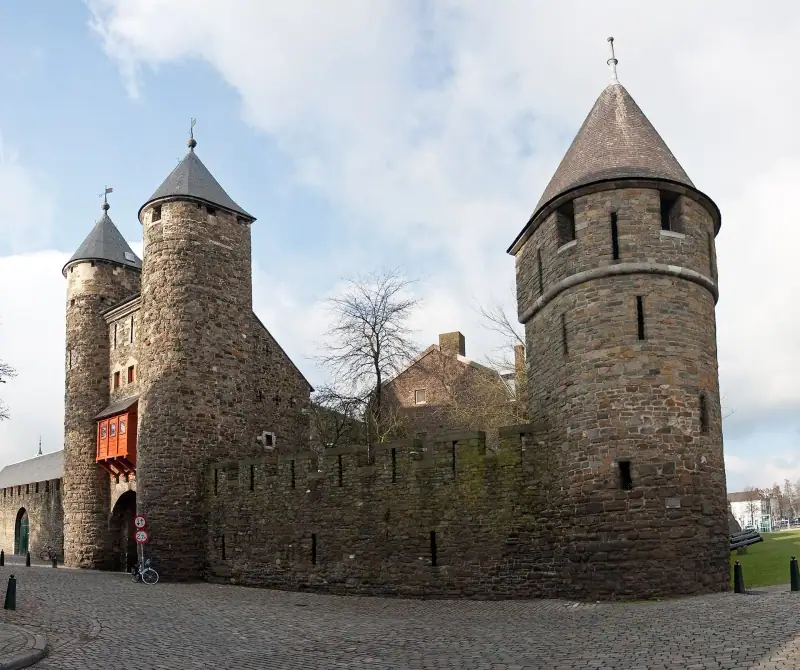
Maastricht has kept a large part of its medieval fortifications, which is rare in the Netherlands. The Helpoort, the “Gate of Hell,” is often presented as the oldest surviving city gate in the country. It dates from the 13th century and stands at the end of a stretch of ramparts that is pleasant to walk along, with round towers and walls of local limestone. The ramparts border gardens and discreet walks, where you mostly meet residents.
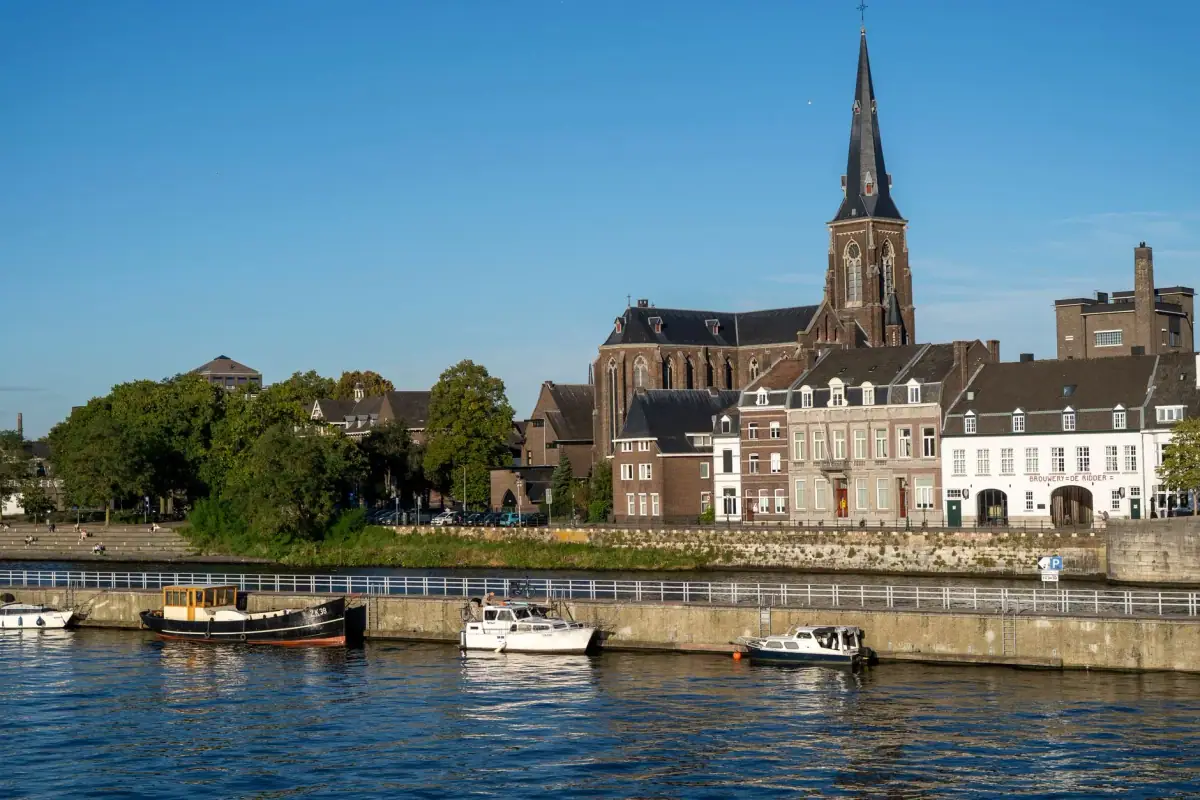
A little farther north, the old St. Servatius Bridge (Sint Servaasbrug) has crossed the Meuse since the Middle Ages. Rebuilt after destruction, it remains the link between the old center and the Wyck district, on the other side of the water. Crossing on foot, preferably late in the afternoon, is one of the city’s finest walks: the light on the river, the colorful facades and the terraces by the water make up a typical Maastricht picture.
For a simple loop, start from the Vrijthof, reach the ramparts and the Helpoort, follow them to the river, then return along the quays to the bridge. Allow about one to two hours depending on your stops, with no particular difficulty: the terrain is nearly flat and the sidewalks well maintained.
Wyck and the right bank: the other face of Maastricht
On the other side of the river, the Wyck district and the area near the station offer a younger, more relaxed atmosphere. You find small shopping streets, cafés, bakeries and designer shops. The district keeps a village spirit in the heart of the city, far from the groups filing around the Vrijthof.
It is also an excellent place to sleep: prices are often lower, access to the station is direct and the old center is reached in a few minutes on foot across the bridge. For those who like the contemporary, the Bonnefanten Museum, on the same east bank as Wyck, in the Céramique district beside the Meuse, is set in a building by the Italian architect Aldo Rossi, recognizable by its metal dome-shaped tower. The museum presents old and contemporary art; its exhibitions change regularly, hence the interest in checking the program before you come.
For a coffee break, go up the lively little streets of Wyck: you will find places where people talk in Dutch and English, a sign of the city’s European vocation.
The St. Peter’s Hill caves
🎟️ Guided tours in Maastricht: walking tours, cave visits or cruises on the Meuse can be booked online, often with free cancellation depending on the offer. Handy for fixing your day in advance.
Under St. Peter’s Hill (Sint Pietersberg), south of the city, an underground world is hidden: former limestone quarries dug over centuries form a vast network of galleries. They are visited only in a group with a guide, because it is easy to get lost. The temperature is cool and constant all year: bring warm clothing, even in midsummer, and good shoes.
The visit mixes history and geology: you discover how the stone was extracted, how the galleries served as a refuge in wartime, and you can see drawings and inscriptions left on the walls. Above ground, Fort St. Peter offers a viewpoint over the surroundings and helps you understand the city’s strategic position on the Meuse.
Visits are generally offered several times a day in season, and less often in winter. Book in advance in high season and for weekends, because groups are limited. Allow about an hour to an hour and a half for the visit, plus the trip from the center by bus, bike or on foot depending on how you feel.
What to eat in Maastricht: vlaai and southern cooking
The specialty to try is vlaai, a Limburg pie made with a thin crust filled with fruit (cherries, apricots, rice, plums…). It is eaten at any hour, with a coffee, in the bakery-pastry shops of the center, and is the typical gift to bring home. Each pastry cook has a recipe, which lets you compare from one shop to the next.
On the savory side, Limburg cooking is more generous than that of the north: slow-cooked meats, soups, seasonal dishes and local beers accompany meals. The markets of the center, held several days a week, let you taste cheeses, cured meats, fruit and pastries. The exact days and hours vary: ask the tourist office.
For a broader presentation of the country’s food, see the article on specialties to taste in the Netherlands. Maastricht adds its own, more southern touch, which deserves a real gourmet break.
How to get to Maastricht and get around
The train is the simplest solution. From Amsterdam Centraal, allow a little over two hours, with one or two changes depending on the schedule. Maastricht station is on the right bank of the Meuse, a few minutes’ walk from the old center across the bridge. For the day’s schedules and fares, see the national railway NS site, and read the guide to getting around the Netherlands by train and bike.
In the city, you get around on foot. The center is compact and distances are short. The bike is a good option to reach St. Peter’s Hill or follow the Meuse, with many bike lanes, as in the rest of the country. A car is useful only if you continue into the Limburg countryside: in the center, parking is limited and often paid.
🚗 Rent a car: useful for exploring the hilly Limburg countryside around Maastricht. Compare rental companies and rates for your dates.
When to come and how long to stay
Maastricht can be visited all year. Spring and early fall offer the best conditions: mild temperatures, open terraces, few crowds. Summer is lively but pleasant, with many open-air events. Winter has its charm, with year-end markets and calm churches, but days are short and rain frequent. To choose your period, see the guide on when to go to the Netherlands.
If you come for carnival, book very early: the city is then in festival mode, lodging is full and prices climb. Conversely, some museums and shops close or change hours during those days.
Here are two ways to organize your stay:
- One day: morning at the Vrijthof and in the two basilicas, with lunch in the center, then the Dominican bookstore, ramparts, Helpoort and a crossing of the old bridge late in the afternoon.
- Two days: add the Wyck district (east bank) then the Bonnefanten Museum (also east bank, Céramique district) on the first day, and devote the second day to the St. Peter’s Hill caves, the fort and a bike ride along the Meuse.
To complete your trip with a city farther north, also read the article on Utrecht and Haarlem as day trips from Amsterdam.
Practical tips before you go
A few habits simplify a visit to Maastricht:
- Shoes: the center is cobbled and sometimes uneven. Wear comfortable shoes, especially if you visit the ramparts and the caves.
- Weather: the region is hillier and wetter than the north of the country. Keep a waterproof jacket in your bag, even in summer.
- Payment: bank cards are accepted almost everywhere. Keep a little cash for small markets.
- Hours: churches, museums and caves have hours that vary by season; check them on their official sites before going.
- Budget: to estimate your spending over the whole stay, read the article on the budget for a trip to the Netherlands.
- Calm: churches are places of worship, and some streets in the center are residential. Lower your voice in the evening.
With its lively squares, Romanesque heritage, ramparts and good tables, Maastricht deserves a stop in its own right, and not just a detour. One night there is enough to see that, two to enjoy it fully.
Frequently asked questions
How long does it take to visit Maastricht?
One day is enough to go around the historic center on foot: Vrijthof, basilicas, the Dominican bookstore, the Helpoort and the Meuse banks. With a night there, you add the Wyck district, the ramparts and a visit to the St. Peter's Hill caves without rushing.
How do you get from Amsterdam to Maastricht?
By train, with the national railway company (NS), allow a little over two hours from Amsterdam Centraal, with one or two changes depending on the schedule. Check the day's route on the NS site or app.
Is Maastricht an expensive city?
Prices stay close to those of other mid-sized Dutch cities. Lodging is often more affordable than in Amsterdam, especially on weekdays, but event weekends (carnival, year-end markets) push rates up: book early.
What should you taste in Maastricht?
Vlaai, the Limburg fruit pie on thin crust, is the specialty to try. Local cooking also draws on southern traditions, with more beers and slow-cooked dishes than in the north of the country.
Do you need to speak Dutch to visit Maastricht?
No. The city is very international, with a large student population, and English is commonly spoken in shops, hotels and restaurants. A few words of Dutch are still well received.
Can you visit Maastricht without a car?
Yes, it is even preferable. The center is compact and largely pedestrian, the station is close to the Meuse and the Wyck district, and a car complicates parking in the old center.
More Netherlands guides
Keep reading
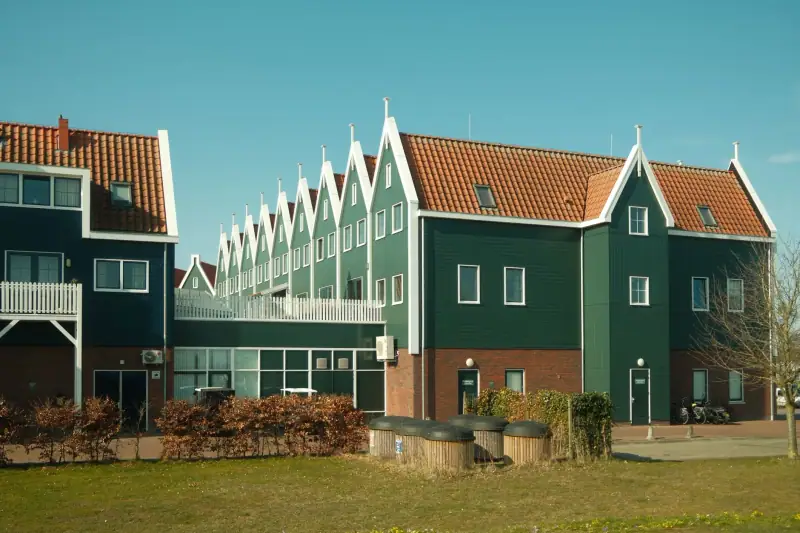
What to See in North Holland: Villages, Cheese and Dunes
What to see in North Holland: Haarlem, Zaanse Schans, Volendam, Marken, Edam, Alkmaar, Zandvoort dunes and Texel. Tips and trips from Amsterdam.
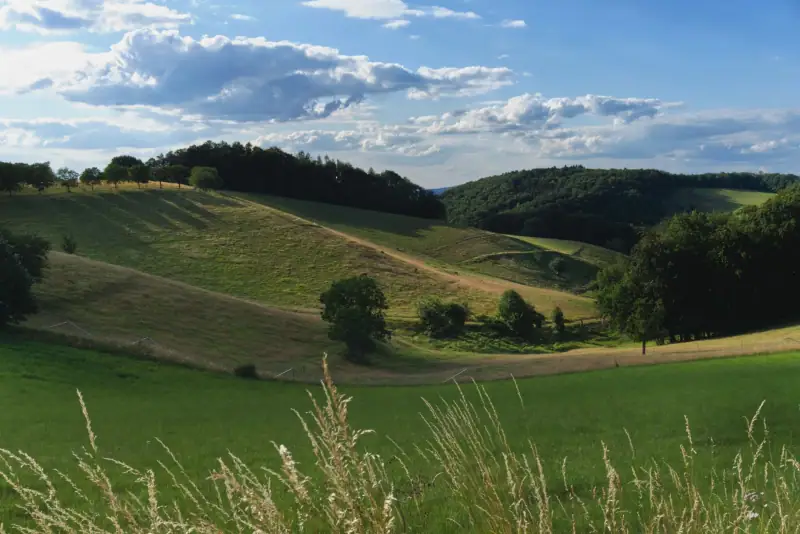
What to See in Dutch Limburg: Valkenburg, Thorn, Roermond
Beyond Maastricht, Limburg offers hills, marl caves, the white village of Thorn, Roermond and the country's highest point. What to see and how to plan.
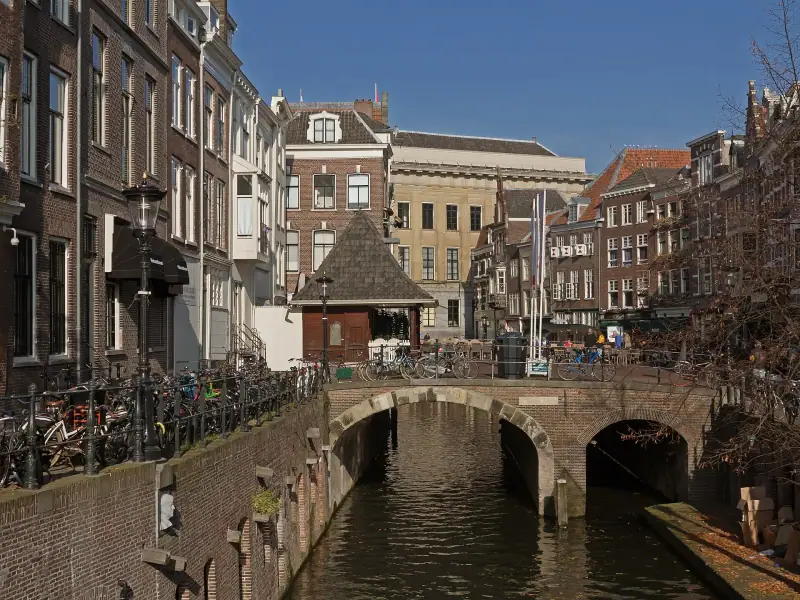
What to See Around Utrecht and Central Netherlands: Veluwe, Amersfoort, Arnhem
Beyond Utrecht, central Netherlands has Amersfoort, De Hoge Veluwe park, the Kröller-Müller, Arnhem and castles. What to see and how to plan.
Ready-made
Netherlands itineraries
4 days
Amsterdam and Maastricht in 4 Days Without a Car: Is It Doable by Train?
AmsterdamMaastricht
7 days
Netherlands 7-Day Itinerary: Amsterdam, Delft, Rotterdam, Kinderdijk and Utrecht
A one-week itinerary in the Netherlands by train: Amsterdam, Haarlem, Zaanse Schans, The Hague, Delft, Rotterdam, Kinderdijk and Utrecht, day by day.